Cats have shared our homes for thousands of years, and yet, somehow, most of us still haven’t figured out who’s really in charge. You feed them, clean up after them, adjust the thermostat for them, and rearrange your entire sleeping schedule around their comfort. Sound like someone who’s in control? Honestly, I don’t think so.
Here’s the thing – your cat isn’t just cute. Your cat is calculated. There’s a growing body of science suggesting that our feline companions have developed a surprisingly sophisticated set of tools to influence human behavior, and they’ve been quietly refining those tools for millennia. Let’s dive in.
The “Solicitation Purr” That’s Impossible to Ignore
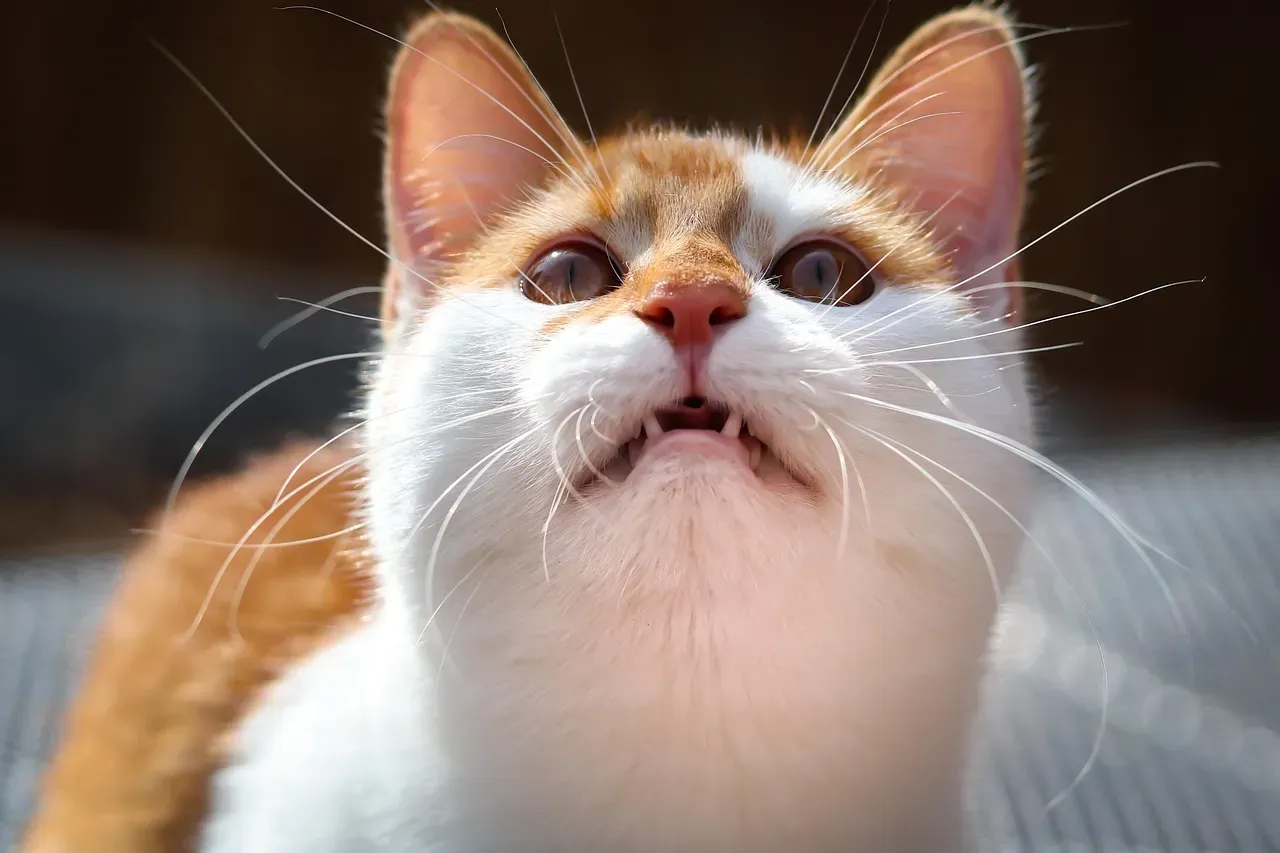
You’ve heard it before. That particular purr – the one that gets under your skin at six in the morning and simply won’t stop until you crawl out of bed and fill the food bowl. It’s not your imagination. On the surface, the “solicitation purrs” are based on the same low-pitched sounds that content cats make, but embedded within them is a high-pitched signal that sounds like a cry or a meow – and it’s this hidden signal that makes the purr of a hungry cat so irresistible to humans.
Scientists digitally compared the spectral qualities of two types of purrs and discovered that the major difference is that the insistent purr includes a component very similar to the sound of a human baby crying. People are innately attuned to this sound, and cats have evolved to take advantage of this sensitivity to get our attention. Think about that for a second. Your cat has essentially reverse-engineered one of the most powerful emotional triggers in human biology. And it uses it to get breakfast.
Their Meows Were Designed Specifically for You
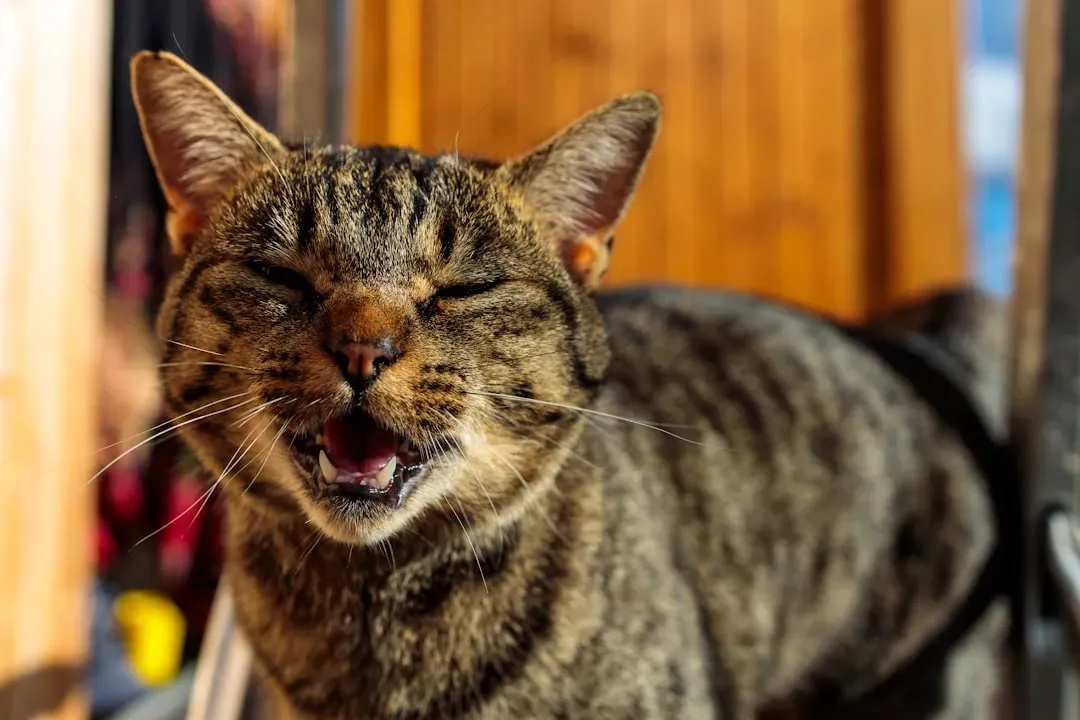
Here’s something wild: a study found that cats developed unique vocalizations to communicate with humans, while wild cats rarely meow at each other. That means when your cat opens its mouth and meows at you, it’s speaking a language invented entirely for your benefit – or rather, for its own benefit, through you. It’s a communication channel custom-built for human ears.
Domestic felines don’t understand the significance of their own meows. What they do know, however, is which meows elicit the desired human behaviors. This just shows how cats are very good at manipulating their owners. Think of it like a toddler who discovers that a certain cry gets ice cream every single time. Your cat is doing exactly that – just with more fur and considerably more elegance.
They Use “Baby Face” Science Against You
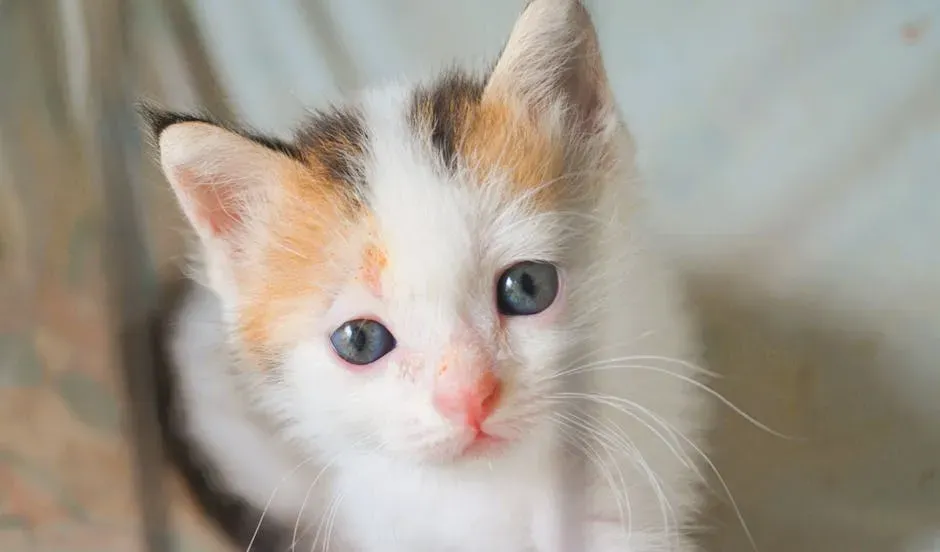
If you’ve ever looked at your cat and felt an overwhelming urge to cuddle and protect it, you’re not being sentimental – you’re being biologically hijacked. According to a study in Frontiers in Psychology, cats have physical traits that resemble those of infants, referred to as “baby schema” or kinderschema – coined by ethologist Konrad Lorenz. The baby schema includes a large head, a round face, and big eyes, and the theory is that these traits increase the cuteness of babies, motivating adults to take care of them, nurture them, and give them more attention.
Based on research results, the effect of the baby schema extends to cats. The way we look at human babies is similar to how we look at cats, and this effect appears as early as in children just three to six years old. In other words, your cat’s face is literally designed to trigger your parenting instincts. You never stood a chance. Not even a little bit.
The Slow Blink: Emotional Manipulation Dressed Up as Affection
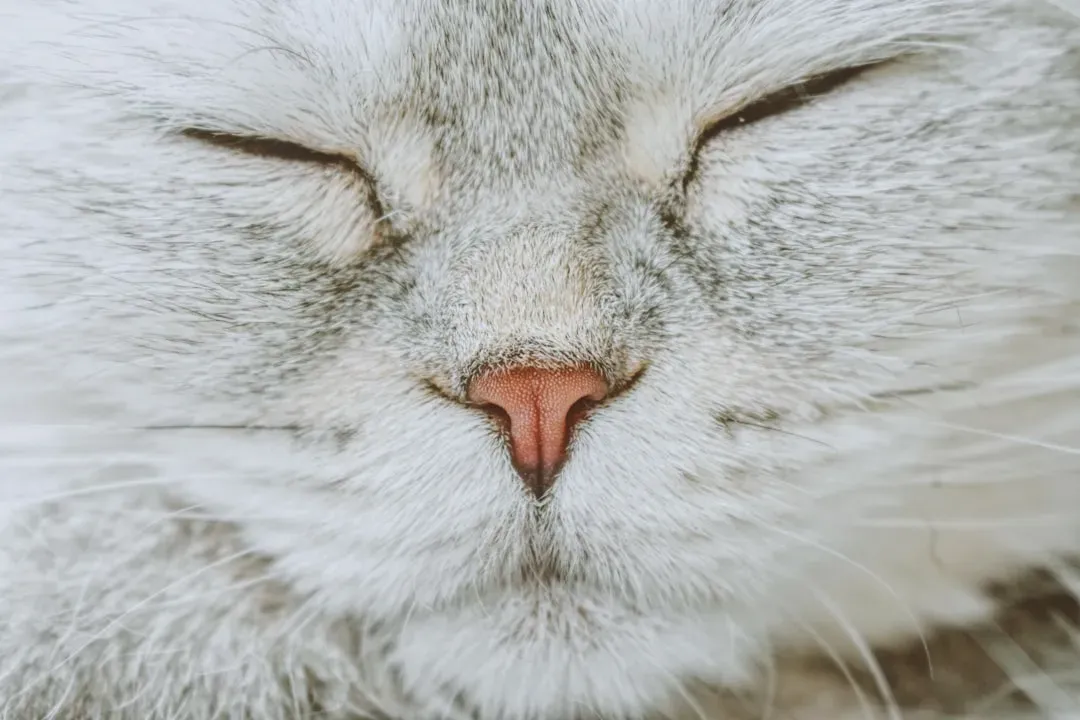
If your cat has ever given you a slow blink, you’ve just been manipulated into feeling loved. Studies show that cats use slow blinking as a way to bond with humans, signaling trust and affection while also ensuring more attention and care. It’s genuinely one of the most disarming moves in the entire animal kingdom. One lazy flutter of the eyelids and you’re melting into a puddle of unconditional devotion.
Researchers found that when humans slow blink at cats, the cats are more likely to approach and return the gesture. So the relationship becomes a feedback loop – you feel loved, you give more attention, the cat gets what it wants, and repeats the gesture to reinforce the cycle. It’s elegant, really. Almost suspiciously so.
They’ve Trained You to Respond on Their Schedule
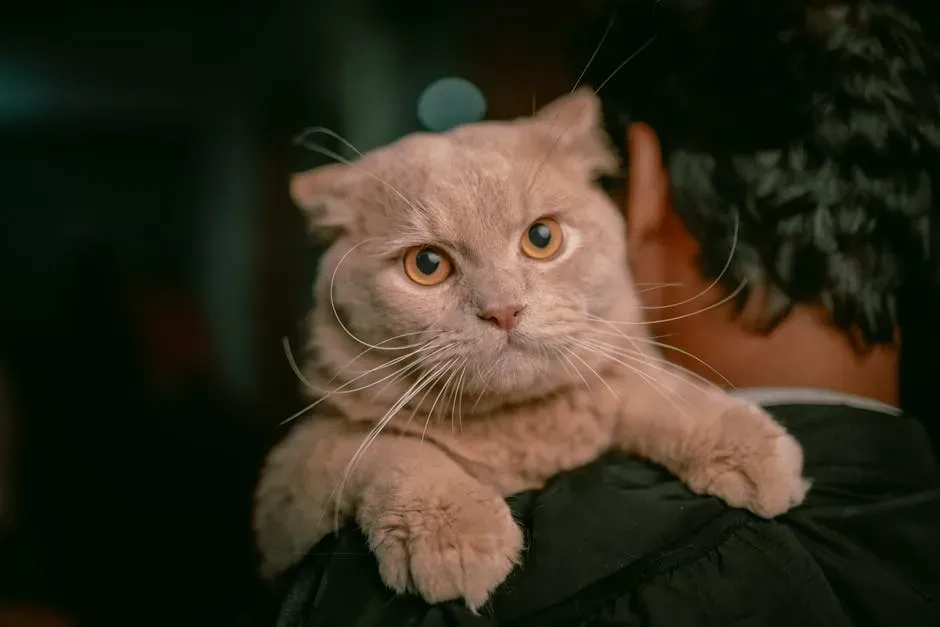
Cats are perfect alarm clocks and always stick to their schedule because they live for routine. If your cat wakes you up at the same time every morning, demands to be fed at the same time every day, and expects you to dedicate your free time after you come home, then congratulations – you have a small, tiger-like boss at home. The wild part? Most cat owners don’t even notice this has happened until someone points it out.
Research shows that cats modify their vocalizations based on their owners’ responses – meaning they effectively “train” humans to respond in specific ways. Let that sink in. Your cat has been conditioning you, probably for years, in a way that would make any behavioral psychologist raise an eyebrow. You’re not training your cat. Your cat is training you, and it’s doing a remarkably good job.
Head Bumps and Leg Rubs Are Strategic Territory Marking
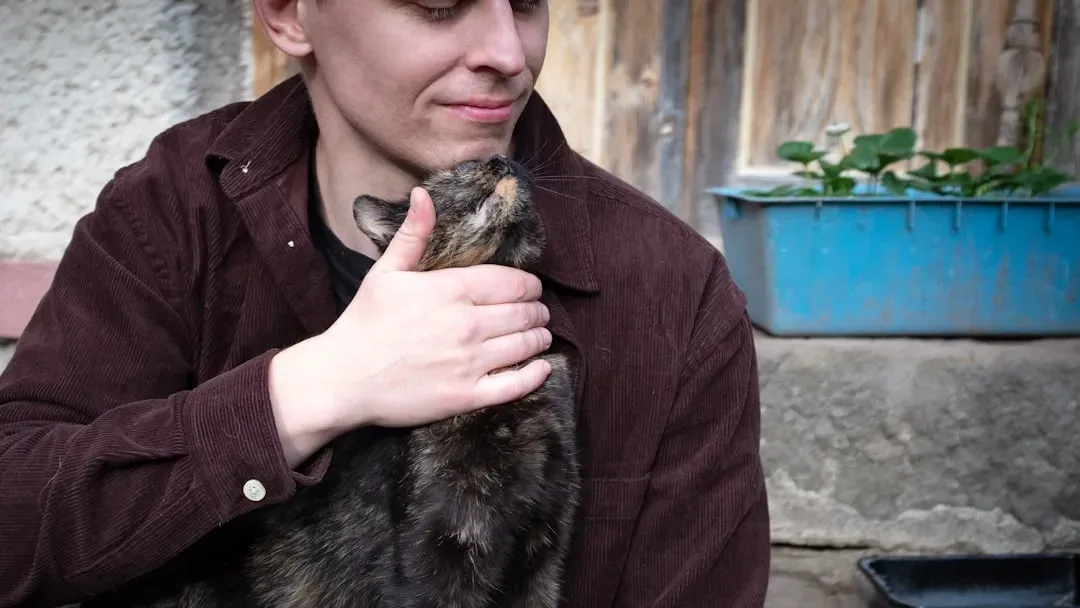
You probably think it’s just affection when your cat presses its head against your shin or winds through your legs like a furry figure eight. It’s sweet, sure. Cats use pheromones to communicate and can also use them to manipulate humans. When your cat rubs its head against your legs or furniture, it’s leaving behind pheromones that mark its territory, and when it rubs its head against you specifically, it may be seeking attention or food.
A head boop is a sign of affection, but also a way to mark you as “theirs.” So next time your cat greets you at the door with a headbutt, know that it is simultaneously expressing fondness and stamping ownership on you like a bar code on a product. You are both beloved and inventory. It’s a genuinely unique situation, and I personally find it hilarious.
They Use Social Referencing to Read and Influence You
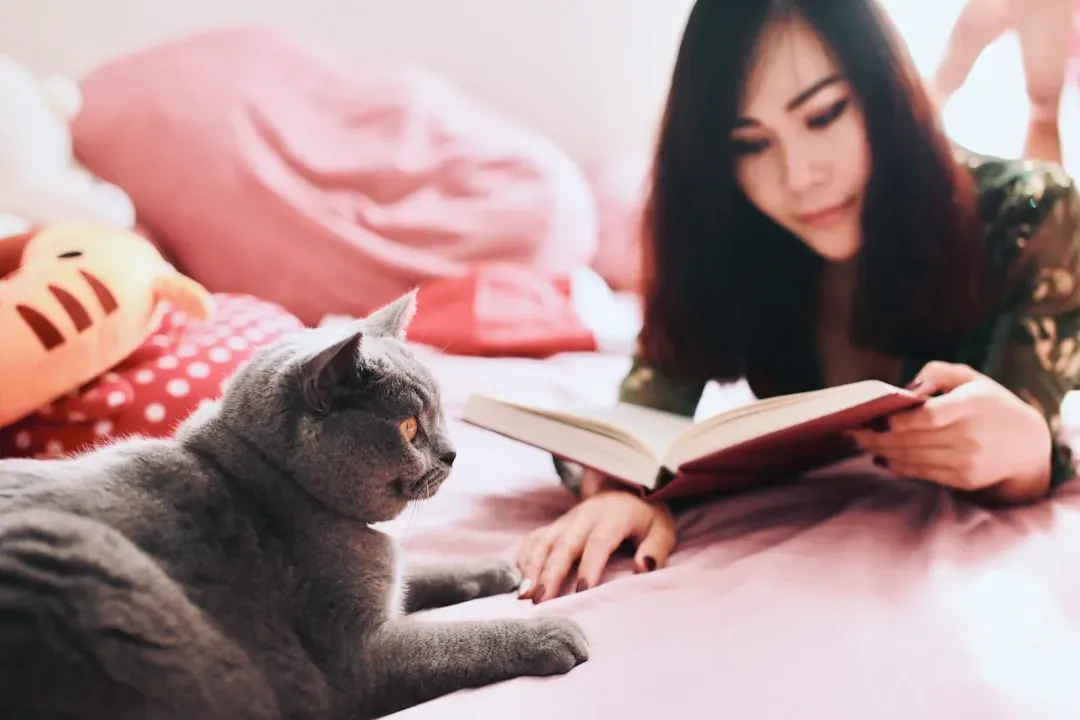
Cats have evolved alongside people, allowing them to observe human behaviors. They use these observations to develop manipulative behaviors that get the desired results. Cats observe our behavior using a process called social referencing. This is the same process that young children use to figure out how to navigate the world – looking at the people around them to determine the appropriate reaction to a situation.
If the people around them laugh, you should laugh. Social referencing is a complex process, so animals exhibiting it have high intelligence. Your cat is reading your facial expressions, your energy, your body language – and then calibrating its approach accordingly. Feeling stressed? Expect a well-timed lap visit. Getting comfortable on the couch? That’s when the demanding meow kicks in. It’s not coincidence. It’s calculation.
Affection Is Often a Prelude to a Request
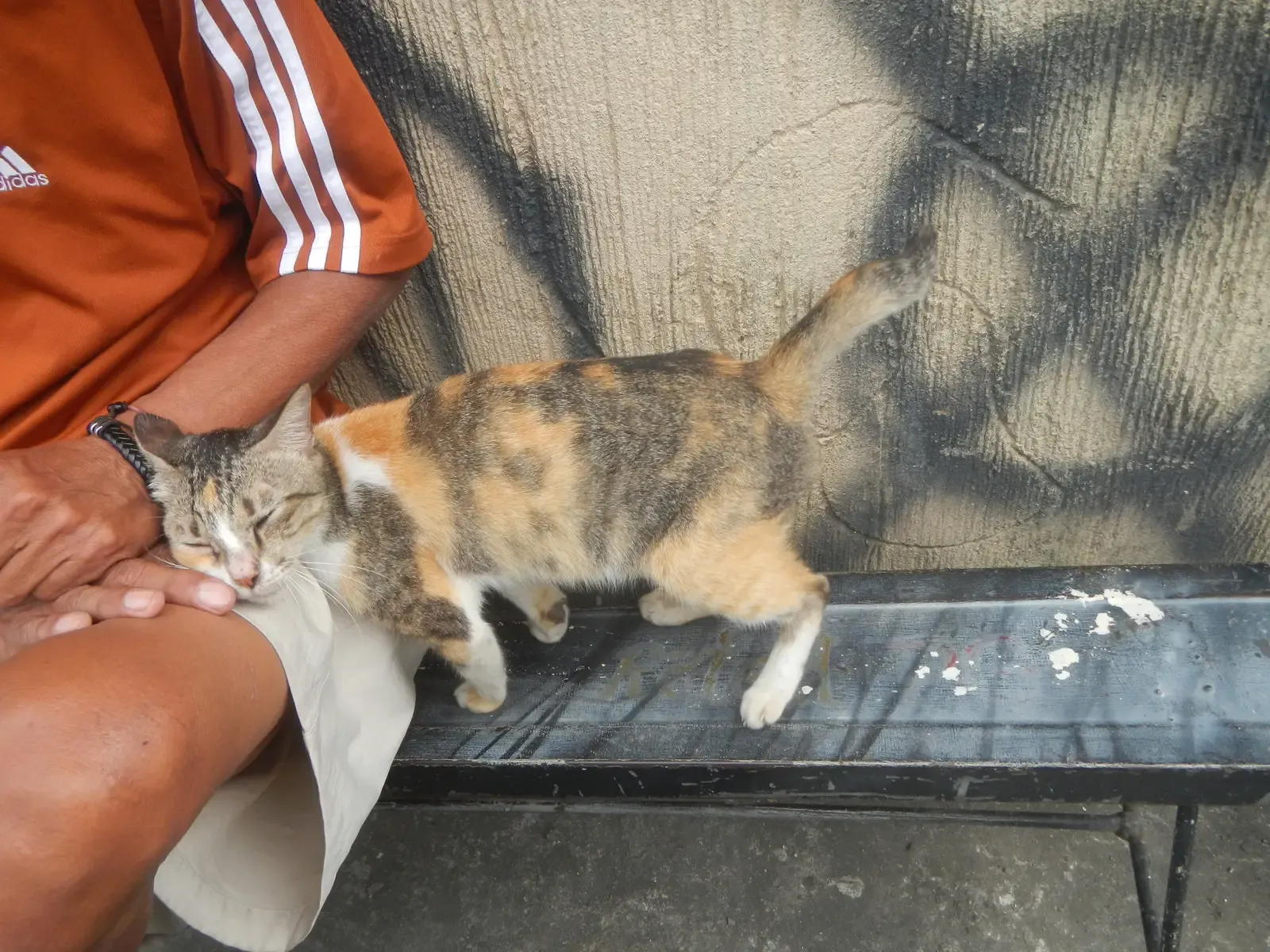
Cats often use affection as a way to manipulate their owners, purring loudly and rubbing against them in hopes of getting a pet or a treat. It’s the feline equivalent of softening someone up before asking for a favor. You know that feeling when your cat suddenly becomes extremely cuddly right around dinnertime? That’s not a coincidence. That’s a tactic.
Cats seem to remember kindness and return the favors later. If owners comply with their feline’s wishes to interact, then the cat will often comply with the owner’s wishes at other times – though the cat may also “have an edge in this negotiation,” since owners are usually already motivated to establish social contact. So yes, the cuddles are real – but they’re also strategic. Your cat knows exactly what it’s doing, and honestly? It works every single time.
They Know Which Human to Target Most Effectively
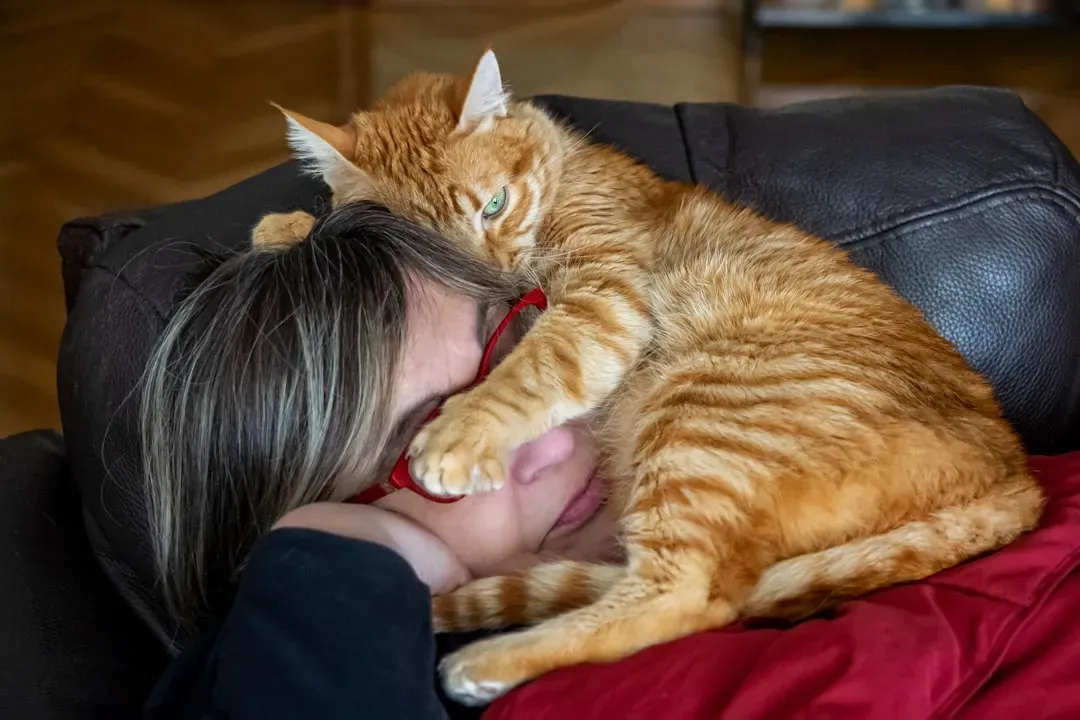
While cats tend to manipulate their male owners more than their female owners, it seems to be less about preference and has more to do with communication. If you’re more in tune with your cat, they’ll reciprocate that energy. So if you’re a male cat owner wondering why your cat suddenly becomes a chatterbox the moment you walk through the door, it might just be their way of making sure you’re giving them the attention they deserve.
Cats and their owners strongly influence each other, to such a degree that they were often controlling the other’s behaviors. Extroverted women with young, active cats enjoyed the greatest synchronicity, with cats in these relationships only needing subtle cues – such as a single upright tail move – to signal a desire for friendly contact. In other words, your cat has profiled you. It knows your weaknesses, your patterns, and your emotional triggers. It has adjusted its strategy accordingly. That’s not just cute. That’s next-level social intelligence.
Conclusion: Manipulated, and Completely Fine With It
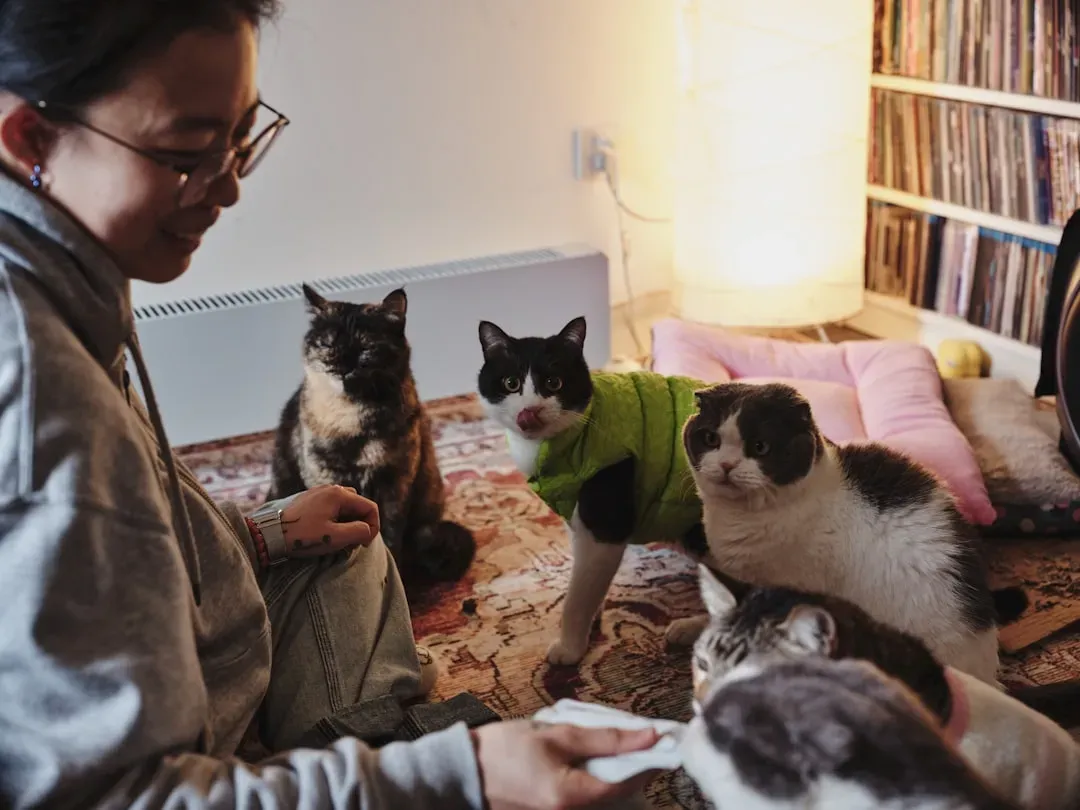
It’s hard to say for sure whether cats sit around plotting their next move like tiny furry chess grandmasters. The science, though, makes a compelling case that they’ve evolved a genuinely impressive set of tools to get what they want from us. Over the many years cats have been with us, they have evolved and learned how to use clever manipulation techniques without us noticing. They are incredibly smart and will always find a way to get what they want from their human.
The beautiful twist in all of this? In a study published in Behavioral Processes, cats were presented with a choice between food, toys, and human interaction. Roughly half of the cats chose to interact with humans despite not being fed for the past two and a half hours, and these cats were a mix of domesticated cats and shelter cats – implying that all cats value humans, even those they don’t know well. So the manipulation runs deeper than mere convenience. Your cat actually wants to be near you.
Let’s be real – knowing all of this doesn’t make us love them any less. If anything, it makes the whole relationship more fascinating. You’re being charmed by a miniature predator who has quietly mastered the art of human psychology over thousands of years. And you’re filling its food bowl with a smile on your face. Who’s the genius now? What do you think – did you always suspect your cat was running the show, or did this surprise you? Drop your thoughts in the comments!