Let’s be real – cats have a reputation that they guard with supreme jealousy. Cool, detached, utterly unimpressed by your existence. You come home after a long day and your cat glances up from a sunbeam, blinks once, and goes back to sleep. Very humbling. Yet something quietly extraordinary is happening beneath that masterclass in indifference.
Here’s the thing: your cat’s inner world is far richer and more devoted than their poker face would ever let on. Vets say that cats show respect through specific behaviors that are often misunderstood as aloofness, including things like slow blinking, deep sleep nearby, and responding to your boundaries. In other words, the very traits you interpret as your cat not caring? They might actually be feline declarations of devotion. Buckle up, because what you’re about to discover about your furry roommate might just change everything. Let’s dive in.
1. Your Cat Graces You With the Sacred Slow Blink
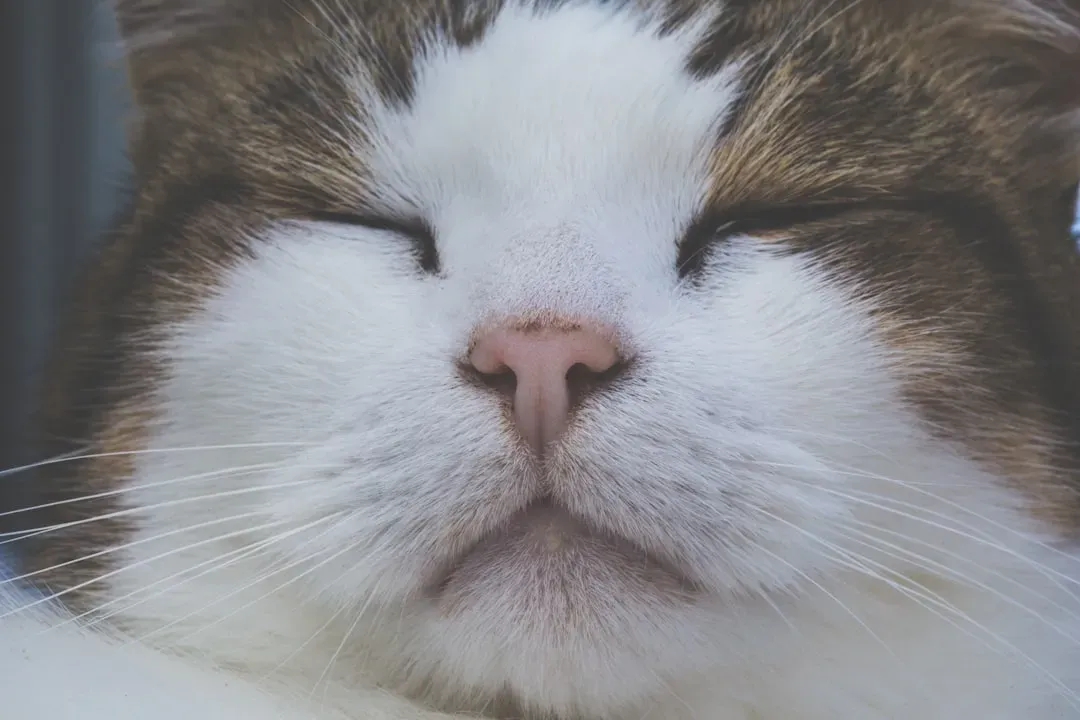
You’ve probably noticed it happen. You’re sitting across the room, minding your business, and your cat fixes you with that half-lidded, almost drowsy gaze, slowly closing and reopening their eyes. It looks like boredom. It is, in fact, the opposite of boredom.
When your cat looks at you and slowly closes their eyes, they’re not just feeling sleepy – they’re expressing affection. Often called the “cat kiss,” this slow blink is a powerful sign of trust and contentment. Think of it as a cat version of a standing ovation. They’re not clapping, obviously. They’re far too dignified for that. Cats will often make eye contact with lowered eyelids and steady, slow blinks, and this is considered a feline version of a kiss – you can even try slow blinking back to show love in return. Go on, try it. Your cat will probably pretend not to notice, but they absolutely do.
2. You Are Officially Scent-Marked as Their Territory
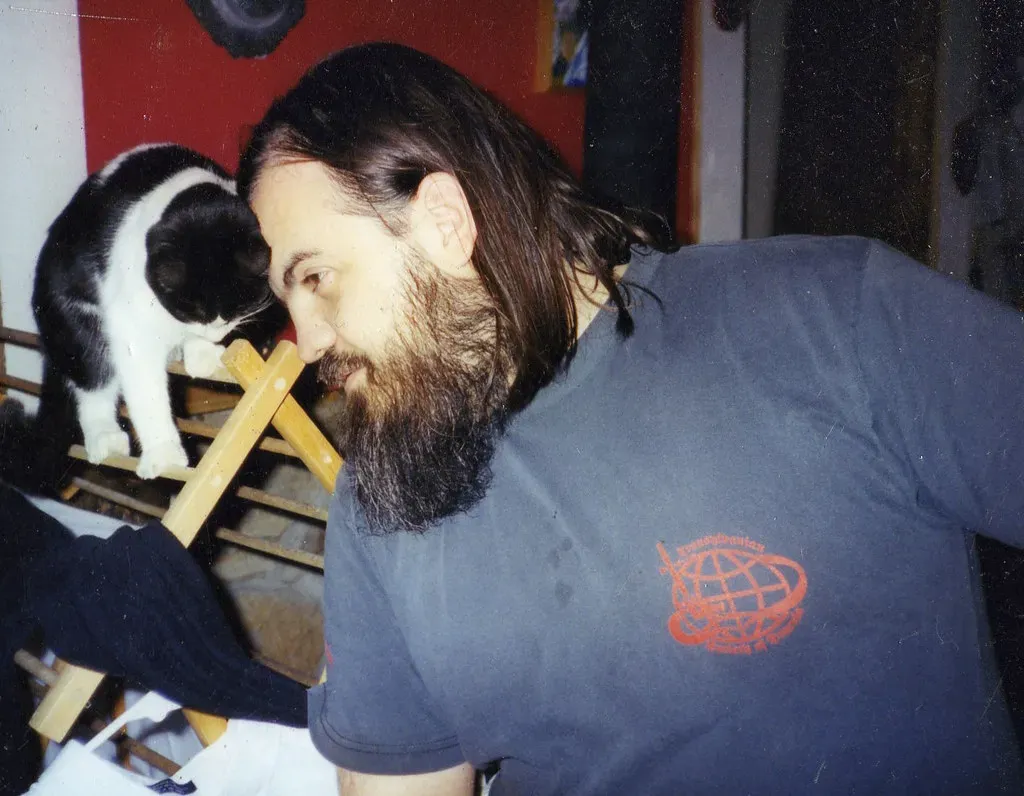
Your cat headbutting your shin or rubbing their face aggressively against your ankle might seem like a weird quirk. It’s actually something far more meaningful, and honestly, a little bit possessive in the best way possible.
When your cat bumps their head against you or rubs their cheeks on you, they’re engaging in a behavior called “bunting.” This affectionate gesture serves dual purposes: first, it’s a social greeting that demonstrates trust and friendliness. Second, it’s a form of scent marking. Cats possess scent glands on their cheeks, forehead, chin, and the base of their tail, which release pheromones during rubbing. These invisible chemical signals mark you and your home as familiar, safe territory. When your cat head-butts you, they’re essentially labeling you as their property – a compliment in the feline world! You are not just a person to them. You are claimed real estate, and that is an honor.
3. They Bring You Gifts From the Hunt
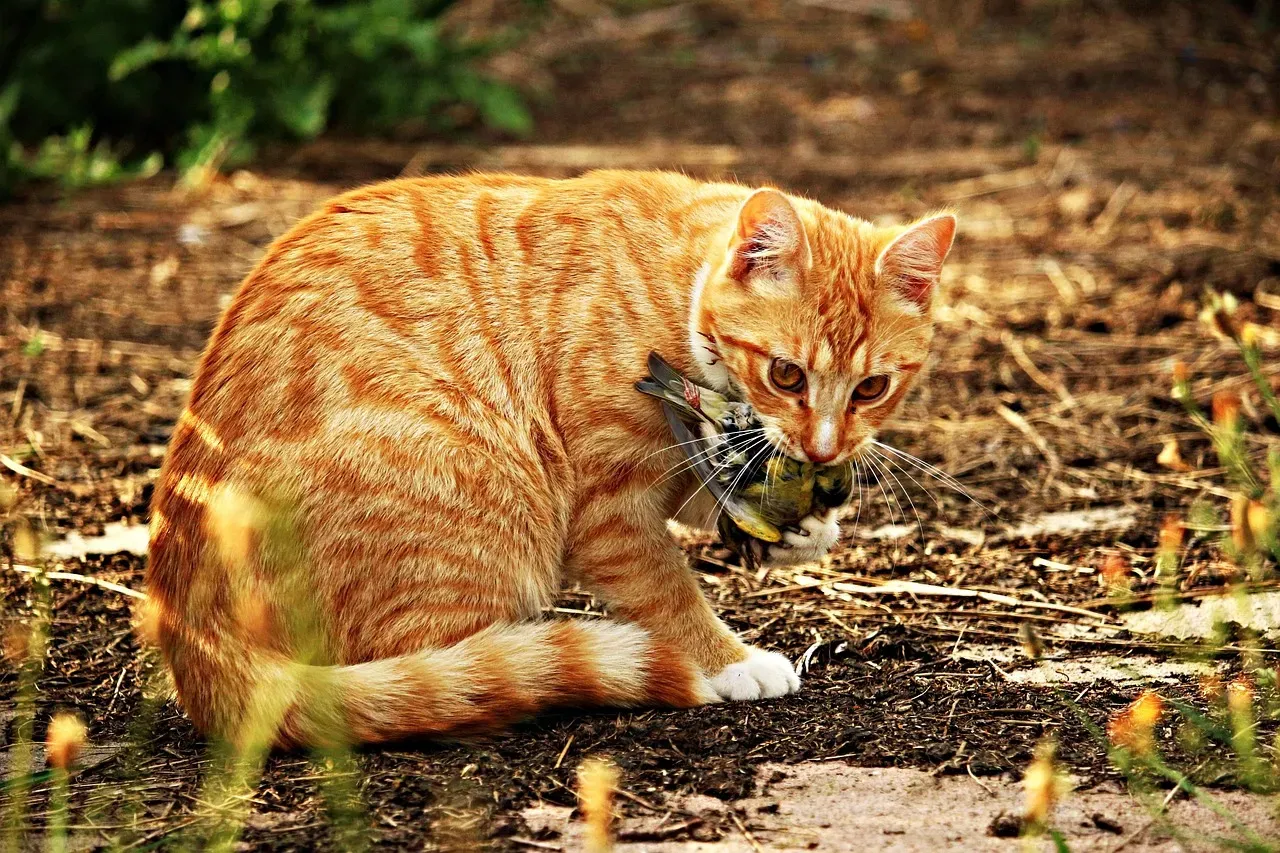
So your cat has shown up at your feet with something unspeakable. A moth, a sock, possibly something that was once a small rodent. Your instinct is probably horror. Your interpretation should actually be pride, because your cat just handed you tribute.
While it might be unpleasant to find a dead mouse or bird at your doorstep, this behavior is a sign of love and trust from your cat. In the wild, cats bring prey to their families, and by bringing you gifts, your cat is sharing their “hunt” with you, showing they consider you part of their family. It gets even more touching when you consider the deeper context. Mother cats bring prey to their kittens to teach them to hunt, and your cat bringing you “gifts” may reflect this same caregiving instinct – so the next time your feline friend leaves a “present” at your feet, remember it’s their way of showing love and parental-style affection. They’re not just fond of you. They’re nurturing you. You’re welcome.
4. They Choose to Sleep On or Directly Beside You
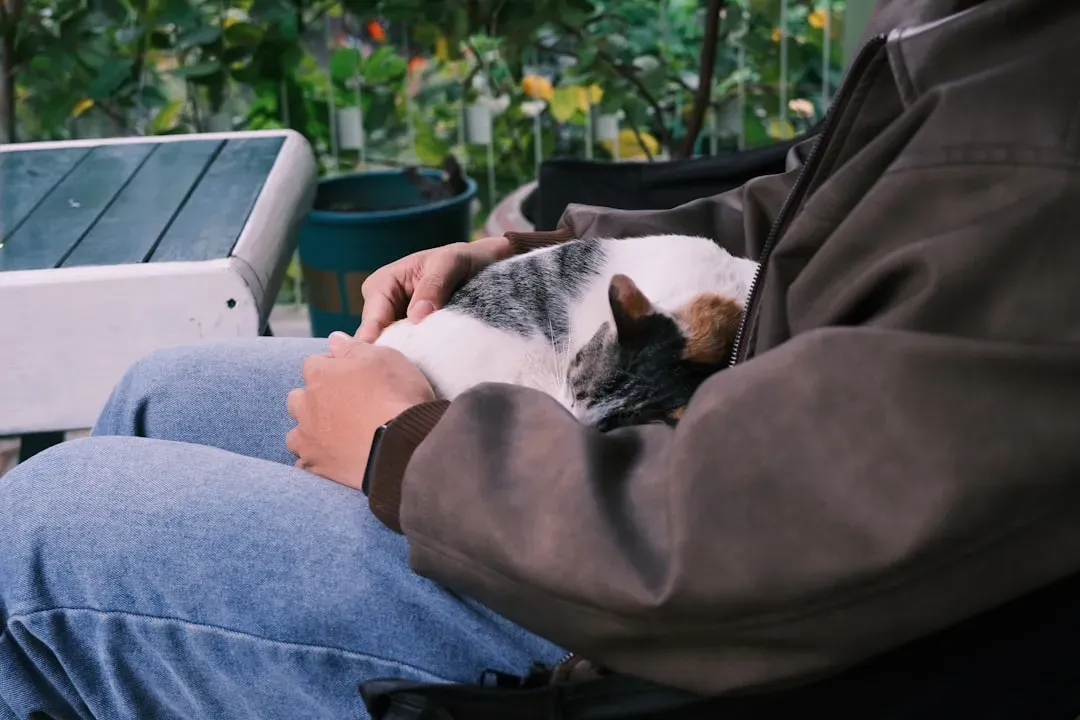
If your cat has turned you into a mattress, a pillow, or a weighted blanket, congratulations. You have achieved the highest possible honor in feline society. This isn’t accidental closeness. Sleep is serious business for a cat.
A cat choosing to sleep on or pressed directly against you is one of the deepest signs of trust. Sleep is a cat’s most vulnerable state, so by selecting your lap, chest, or side as their bed, they are demonstrating that they feel completely secure in your presence. Honestly, I think about this every time my own cat settles on my feet like a warm little anchor at 2 AM. If they sleep near you or on you, it’s a huge sign of trust, because when they’re asleep is when they’re most vulnerable. Sleeping near you means they trust you enough to be vulnerable and let their guard down. That’s huge for a cat. Huge, truly.
5. They Follow You From Room to Room
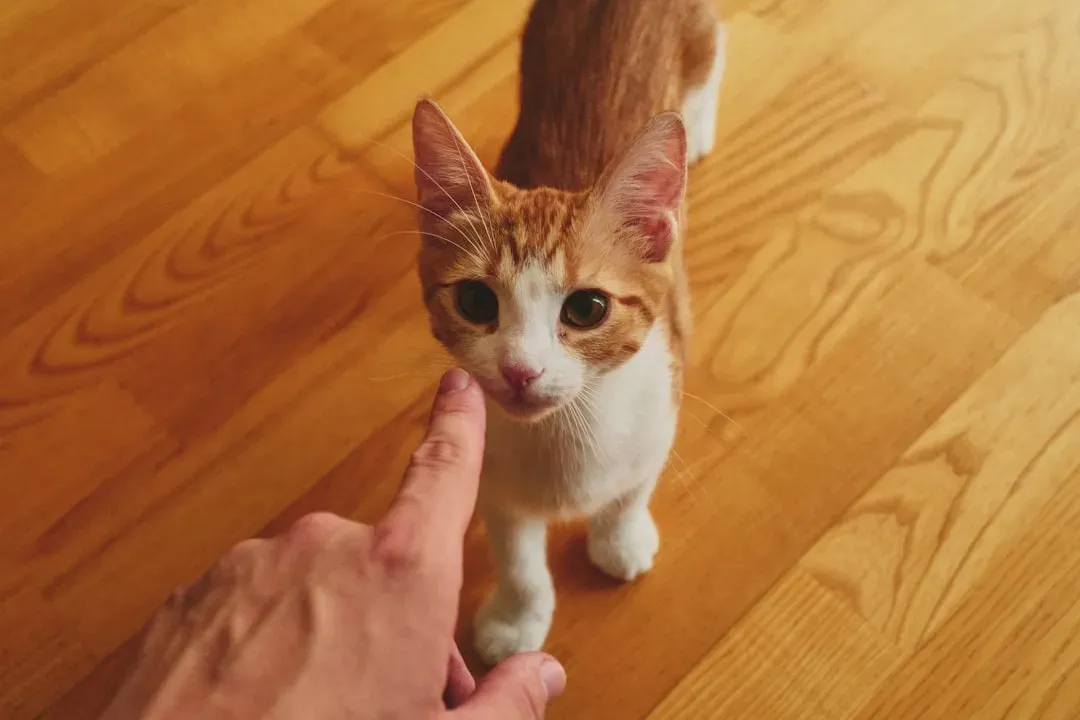
You go to the kitchen. So does your cat. You go to the bathroom. So does your cat, completely uninvited, judging your choices from the doorway. You move to the couch. Your cat is somehow already there. It’s shadowing behavior, and it’s actually incredibly flattering.
When your cat can’t seem to leave your side, it’s a subtle sign they truly value and look up to you. If a cat stalks you and follows you around, it is seeking your attention and companionship. This speaks highly of you, as your company has not only been accepted but is highly desired – enough to interrupt their other activities. Your cat could be doing literally anything else. Napping in a sunbeam. Staring intensely at a wall. Cats often follow those they love and trust, and this behavior is similar to greeting you at the front door, showing their affection and interest in being near you. They chose you anyway. Feels pretty godlike, doesn’t it?
6. They Knead You Like Sacred Bread Dough
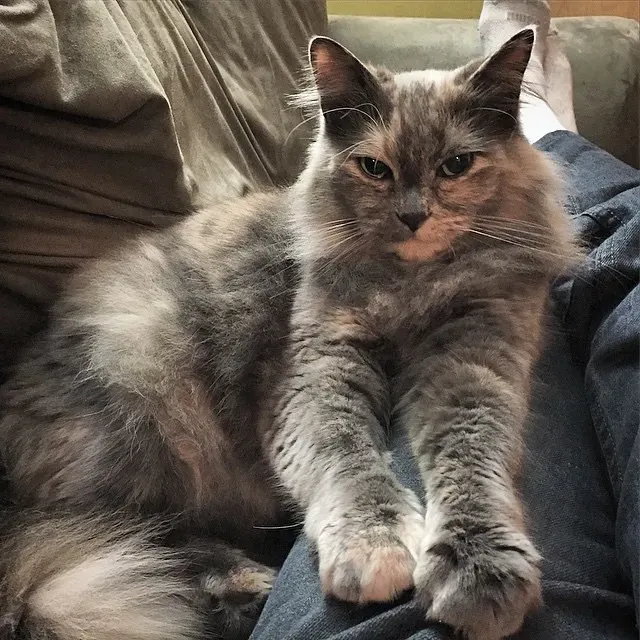
Few cat behaviors are more endearing and also more physically uncomfortable than kneading. Those tiny paws, rhythmically pressing into your thigh with surprising force, tiny claws occasionally making their presence known. It hurts, and somehow you never want them to stop.
Cats usually knead with their front paws. This is a behavior that begins in kittenhood and is associated with nursing on their mother. Kneading is believed to bring comfort by releasing endorphins to reduce stress and promote relaxation. Relaxed cats that knead are showing contentment. The emotional depth here is almost staggering once you understand it. Kittens knead their mother’s belly to stimulate milk flow while nursing. When your adult cat kneads you, especially while purring or with that blissful, half-closed expression, they’re essentially reverting to kitten behavior and treating you like their mother. Each knead is your cat’s way of showing trust, comfort, and affection. You are, quite literally, their safe place. Their source of everything good.
7. They Groom You Like a Beloved Clan Member
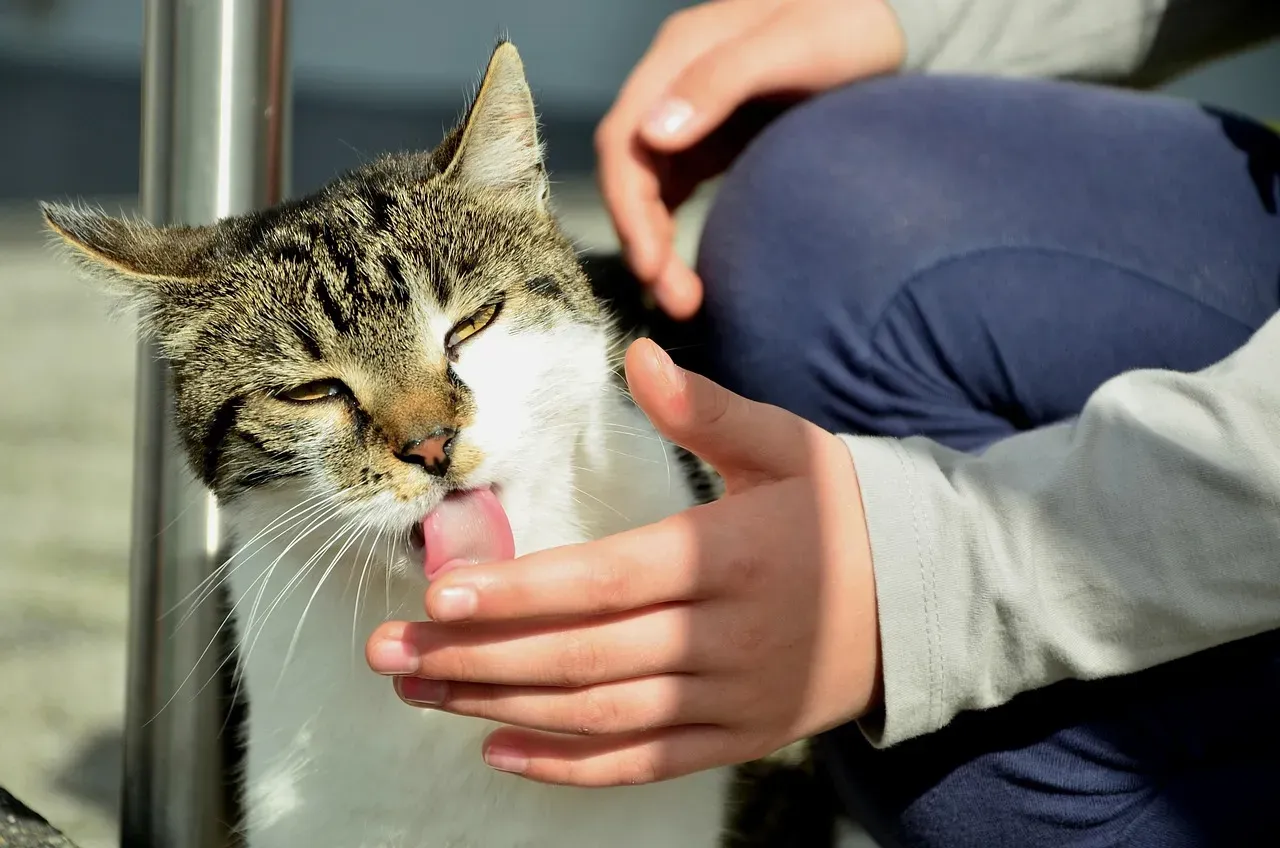
A sandpaper tongue dragged across your hand or through your hair is not exactly a spa experience. Still, resist the urge to pull away, because what your cat is actually doing is one of the most intimate gestures in the entire feline social vocabulary.
Cats groom other cats as a form of social bonding, and it’s likely they do this to humans for the same reason. If your cat takes it upon themselves to lick you, especially your hair or ears, they are trying to groom you. In multi-cat households, group grooming sessions are a sign of trust and loyalty. Licking is a gesture that says your cat thinks you are a member of their social group and they accept you as family. There’s a reason cats don’t lick just anyone. If your cat regularly licks your hair, hands, or even your face, it’s more than just quirky behavior – it’s a sweet sign your cat respects you. In the world of feline behavior, grooming is a deeply social act reserved for trusted companions, so when your cat includes you, it means you’ve officially been accepted into their inner circle. Inner circle. That’s not just affection. That’s an elevation of status.
8. They Show You Their Belly (Even if You Mustn’t Touch It)
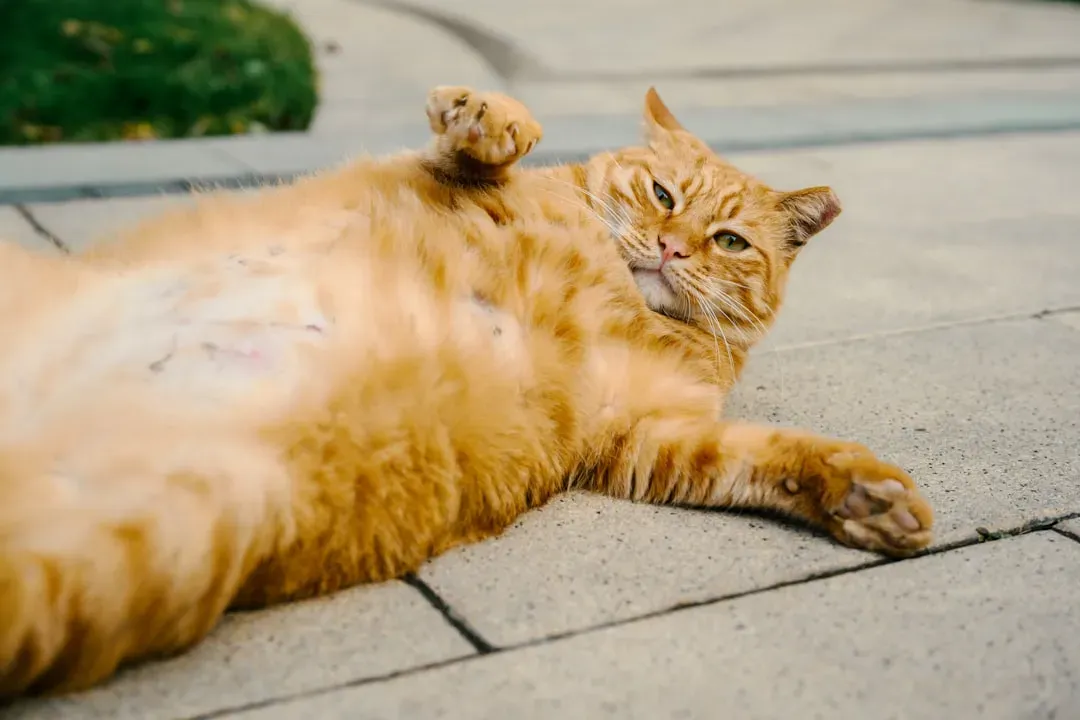
Here’s a classic cat trap that every cat owner eventually falls into. Your cat rolls over, legs in the air, fluffy belly exposed like an offering. You reach out. Big mistake. But here’s the important part: the showing of the belly itself? That’s a profound gesture of trust, trap or not.
Few feline behaviors create more confusion than the belly display. When a cat rolls over and exposes their underside, many humans interpret this as an invitation for a belly rub. In reality, a cat’s exposed belly rarely constitutes an invitation for touch. Unlike dogs, who genuinely enjoy stomach scratches, cats expose their bellies primarily as a sign of trust and relaxation. The stomach area houses vital organs and represents a vulnerable area – exposing it indicates a cat feels secure enough in their environment to display vulnerability. Think of it this way: a cat showing you their belly is like a person handing you their phone unlocked. It’s trust, not an invitation to scroll through everything. One of the most heartwarming signs your cat respects you is when they roll over and expose their belly, which is a behavior rooted deeply in cat body language, trust, and vulnerability. Admire it. Do not touch it.
9. They Protect and Guard You Without Making It Obvious
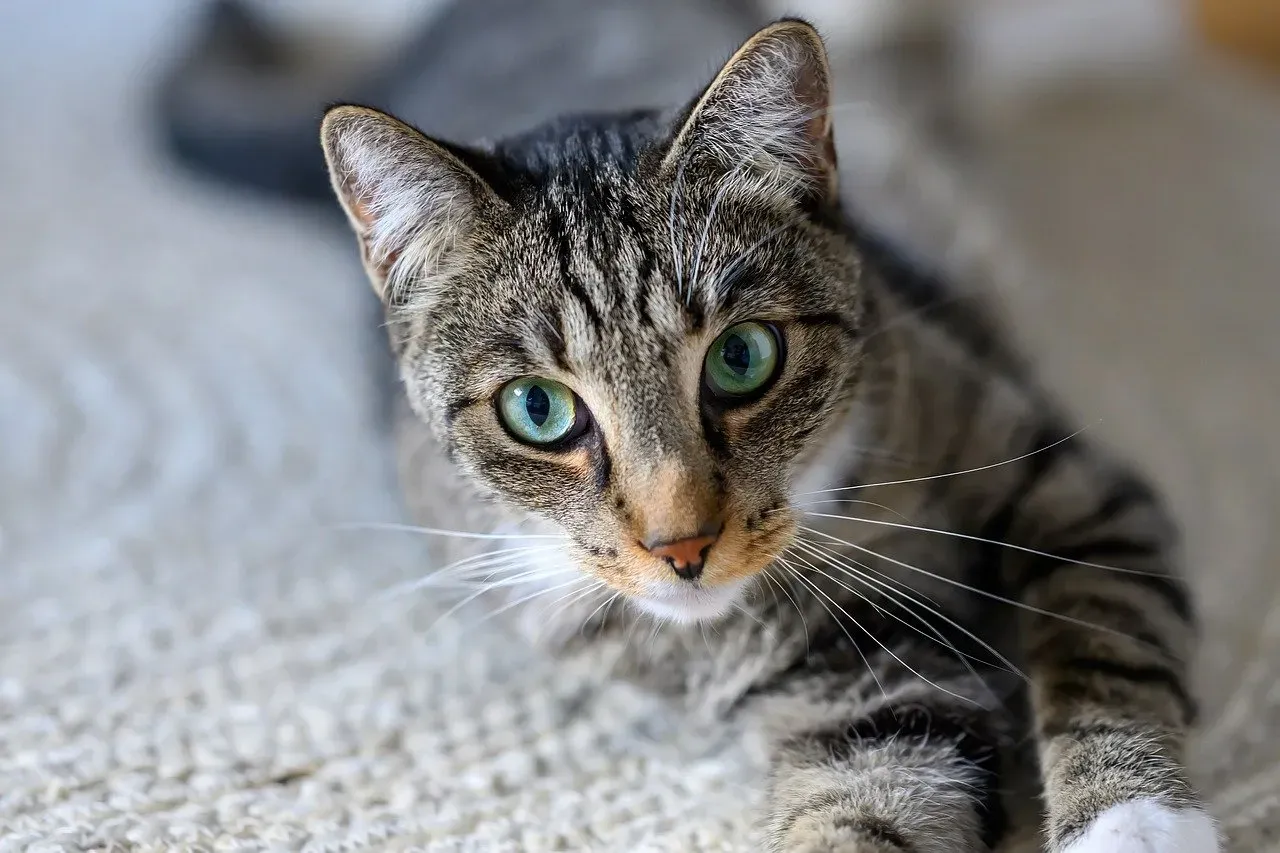
Your cat probably doesn’t bark at strangers or chase away threats. That’s beneath them. Their version of protection is quieter, subtler, and – once you recognize it – surprisingly moving. If your cat positions themselves near you while you sleep, watches from a perch nearby, or keeps tabs on your movements, you are being guarded.
While heroes are the ones who watch others, your cat may want to return the favor for those they love. So even though your cat isn’t going to fend off intruders, protective or attentive behavior can be a subtle sign your cat admires you. It goes deeper than mere proximity too. If a cat wants to be near you while sleeping or resting, they go to spots where they can be close to you or watch you. This shows they feel safe and secure when you’re around. It’s hard to say for sure whether your cat consciously thinks “I must protect this human,” but the behavior is real, documented, and deeply touching. They chose a position where they can watch over you. That is not nothing. That is, quietly, everything.
A Final Word From Your Humble Feline Deity
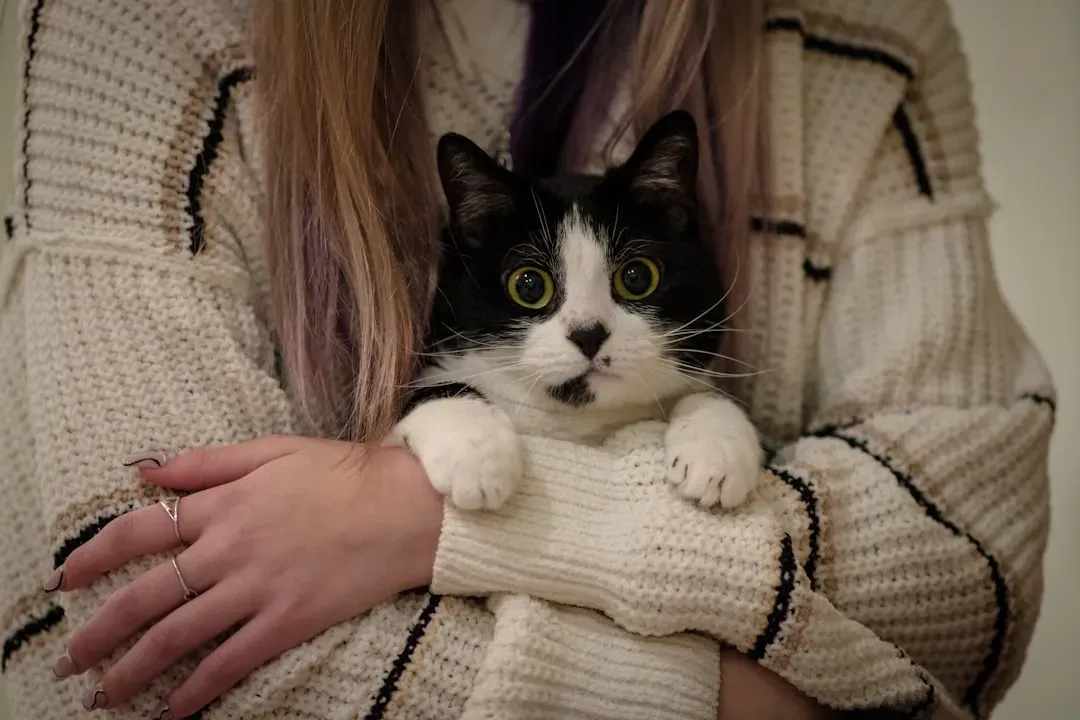
The more you understand feline behavior, the more it becomes clear that cats are not cold or indifferent creatures. A common misconception is that cats are selfish and headstrong creatures driven by instinct. While it’s true that earning a cat’s affection isn’t always easy, when a cat decides to trust you, you can be sure you’re doing something very right. Those who have taken the time and effort to build a bond with a cat know they are highly affectionate animals capable of genuinely loving their owners.
The kneading, the slow blink, the hair licking, the suspiciously warm patch they leave on your pillow – none of it is random. Cats form strong bonds with their humans just like dogs do. They just show love differently, often expressing affection through subtle behaviors. Your cat’s language is quieter than a dog’s wagging tail, but no less sincere. You just have to learn to listen in a different frequency.
So the next time your cat yawns in your direction and walks away, don’t be offended. In feline terms, that might just be the equivalent of a standing ovation. You, dear cat parent, are their whole world – even if they’d never admit it in front of witnesses. Does knowing all of this change how you see your cat’s so-called “aloofness”? Tell us in the comments.