You probably know exactly what your cat’s loud, demanding meow at dinnertime means. But the quieter, stranger little sounds? Those soft chirps in the hallway at night, the odd trill when you walk past, the low almost-silent grumble when you touch a certain spot? Those are the messages most people miss, and sometimes they are surprisingly serious. When you start to really listen, you realize your cat has been talking to you the whole time.
Once you tune in, you can catch early warning signs of pain, stress, or illness long before anything looks obviously wrong. That can be the difference between a small, fixable problem and a midnight emergency vet visit. Think of this as learning a new language: your cat’s hidden audio subtitles. As you read through these nine subtle sounds, try to picture specific moments with your own cat – you’ll probably recognize more than you expect.
1. The Almost-Silent “Mouth-Only” Meow
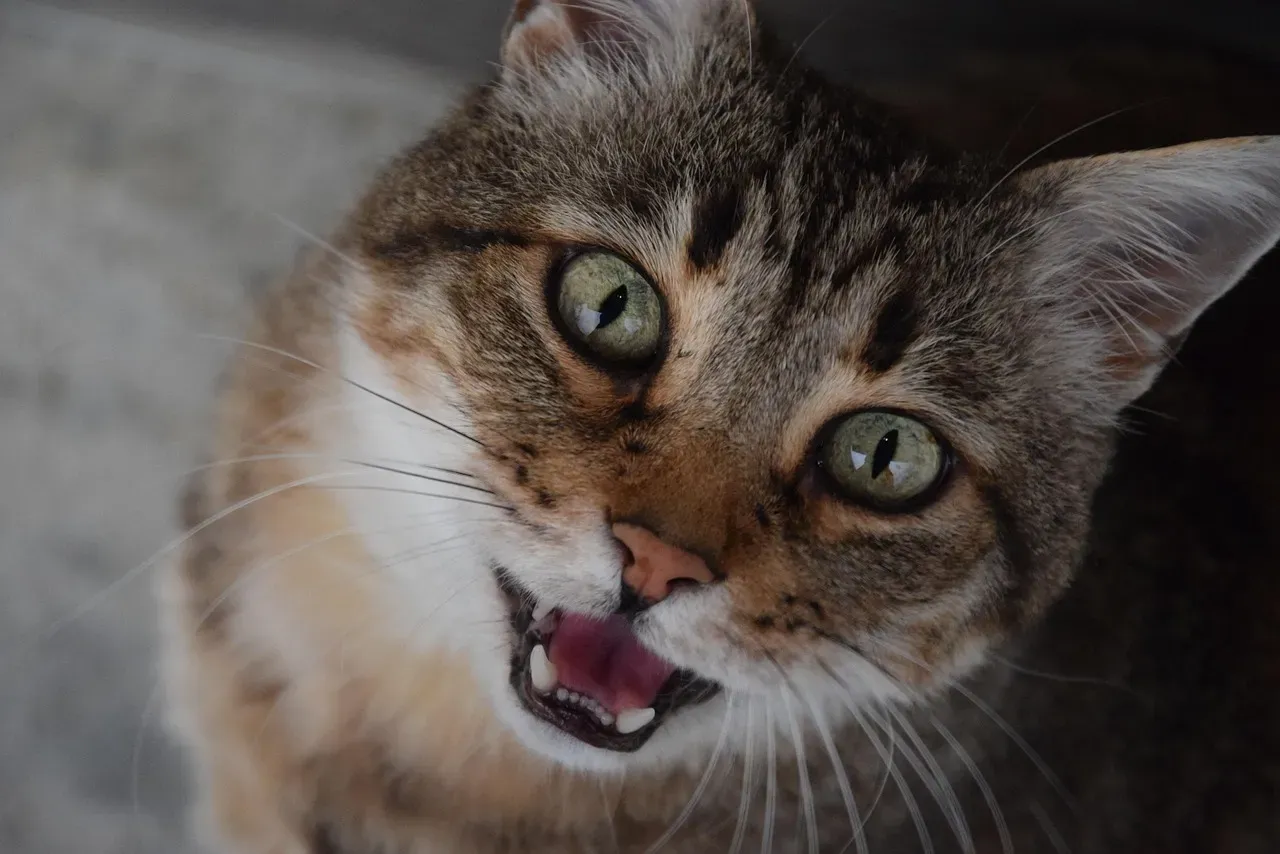
Sometimes your cat looks right at you, clearly forms a meow with their mouth… and almost nothing comes out. You might just hear a faint squeak or breathy puff, or you might hear absolutely no sound at all. It is easy to brush this off as “cute” or assume they are just being dramatic, but when your cat puts effort into a meow that barely makes noise, it can be an important sign that something feels off or uncomfortable.
If this quiet meow happens suddenly in a cat who usually has a strong voice, take it seriously. It can hint at throat irritation, pain when vocalizing, or general weakness, especially if it pairs with lethargy, breathing changes, or refusing food. You do not need to panic over a one-time silent meow, but if you notice this pattern over a day or two – especially combined with any change in appetite, energy, or litter box habits – you should call your vet and describe exactly what you are hearing (or not hearing).
2. Short, Repeated Chirps Near Windows
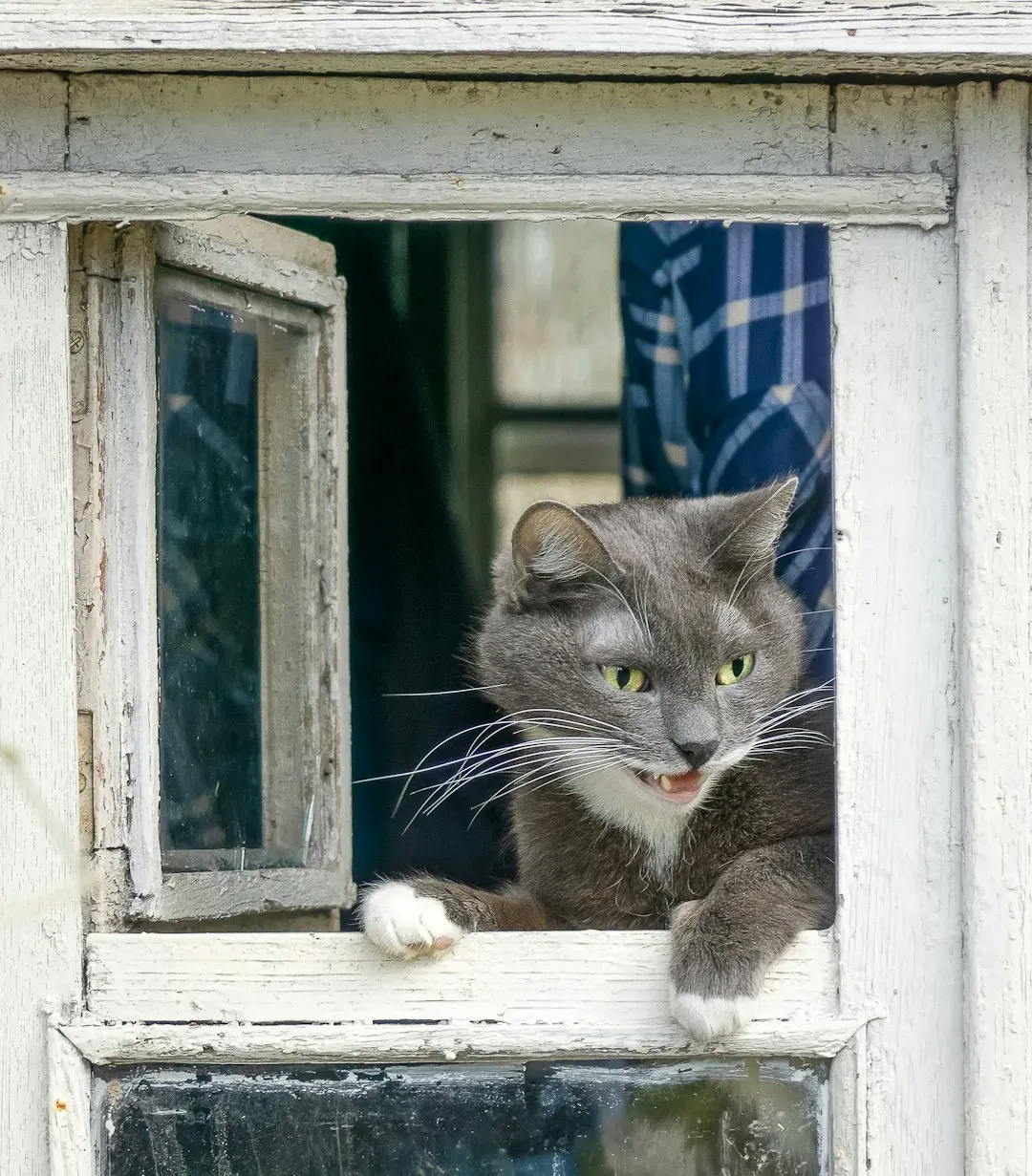
Those staccato chirps or chattering sounds your cat makes at the window can sound hilarious, almost like they are glitching. You might hear it when they spot birds, squirrels, or even shadows outside. A lot of people assume this is just “hunting mode” and leave it at that, but there is more going on under the surface. That rapid clicking or chattering can be a mix of excitement, frustration, and intense focus – and in some cats it ramps up their stress level over time.
If your cat spends a lot of their day making those little chattering sounds at the window, pacing, or whipping their tail, you are looking at a brain and body that are constantly being revved up. Over time, that can spill over into redirected aggression (like suddenly swatting you after seeing another cat outside) or general anxiety. You can treat these chirps as a signal to give your cat an outlet: more play sessions that mimic hunting, puzzle feeders, or even blocking their view of a stressful outdoor trigger if they seem agitated rather than just curious.
3. A Single, Sharp Meow When You Touch a Spot
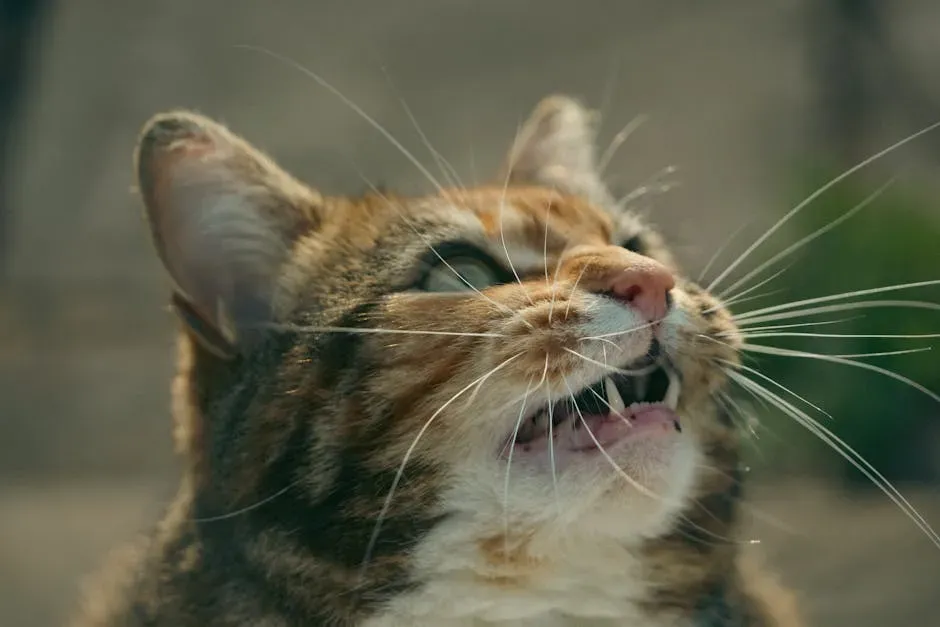
You go to pick up your cat or give them a loving stroke down the back, and they respond with one quick, sharp meow that sounds nothing like their usual voice. It is not a drawn-out complaint, not a normal “hey, stop that” protest – it is more of a yelp. That single sudden sound is your cat’s version of saying “ouch” or “don’t touch there,” and you should treat it as a big red flag, especially if it happens the same way more than once.
If that sharp meow shows up when you touch the belly, lower back, hips, or tail base, your cat may be dealing with pain from arthritis, injury, inflammation, or even an internal issue. You might also see them flinch, flatten their ears, or immediately move away. Instead of assuming they are being moody, mentally mark that area and try again very gently a bit later. If you get the same sudden meow or see other clues like reluctance to jump, walking oddly, or hiding more, it is time to schedule a vet visit and explain that this noise happens with touch in a specific spot.
4. Low, Barely Audible Grumbling Under the Breath
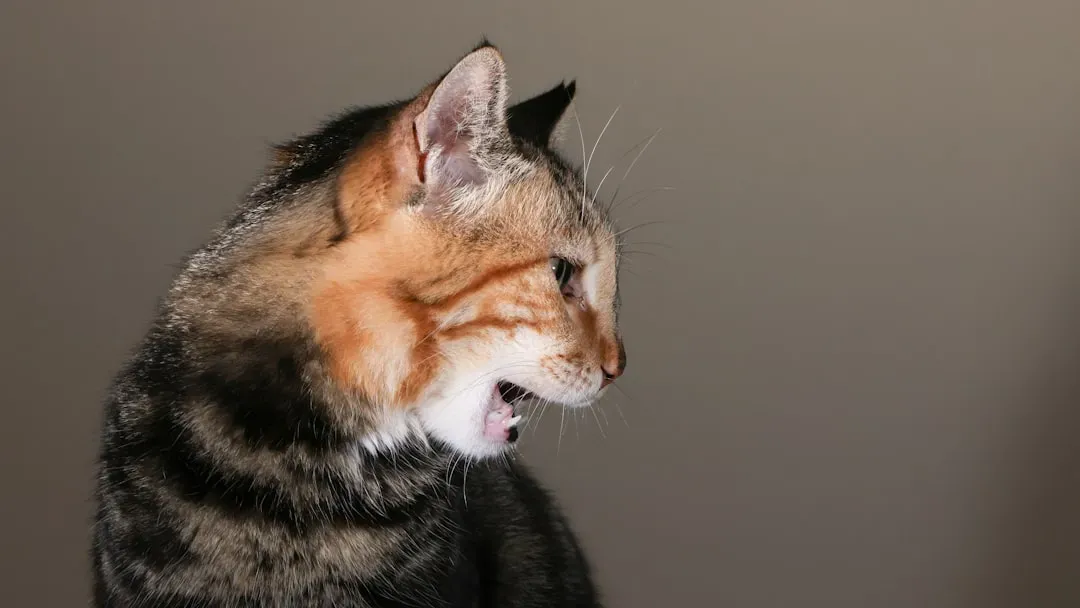
Some cats do not hiss or growl dramatically when they are upset. Instead, they produce a low, almost muttered grumble that you can only hear when you are close. It might come out when another pet walks by, when a stranger enters the room, or when you pick them up at the wrong moment. Because it is so quiet, you might miss it entirely, but this little under-the-breath sound is an early warning that your cat is stressed, irritated, or feeling unsafe.
If you start to notice that your cat makes this quiet grumble regularly around certain situations – like when you clip their nails, move them off a favorite spot, or when the kids are loud – you should treat it as a chance to step in early. Give them more distance, create safe high-up resting places, or slow down whatever you are doing. When you respect that warning sound instead of pushing past it, you can prevent it from escalating into full growls, swats, or bites and help your cat feel like their signals actually work.
5. A Restless, Questioning Trill That Will Not Stop
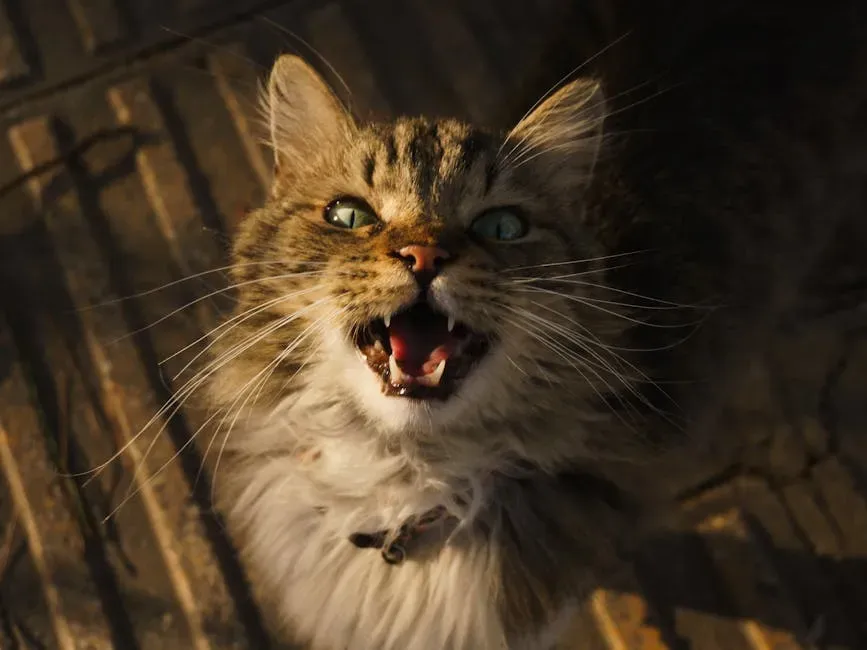
Trills and chirrupy sounds are often friendly, and you might hear them when your cat greets you or trots around the house. But a trill that repeats over and over, especially if your cat paces, looks at you, then at something else, is more than just a hello. It can be your cat trying to guide you to an issue: an empty water bowl, a closed door to the litter box, a stuck toy, or simply a strong need for attention and reassurance.
If your cat seems to be “talking at you” with a lot of persistent trills, pause and treat it like a puzzle. Follow them and see where they try to lead you, check their resources (food, water, litter, favorite resting spots), and note the time of day. Over time, you will probably see a pattern: maybe they always trill around bedtime because they are anxious when lights go out, or they trill by the bathroom because that is where they know you fill their water. Once you decode that specific trill, you can fix the underlying issue instead of just telling them to be quiet.
6. A New Nighttime Yowl That Appears Out of Nowhere
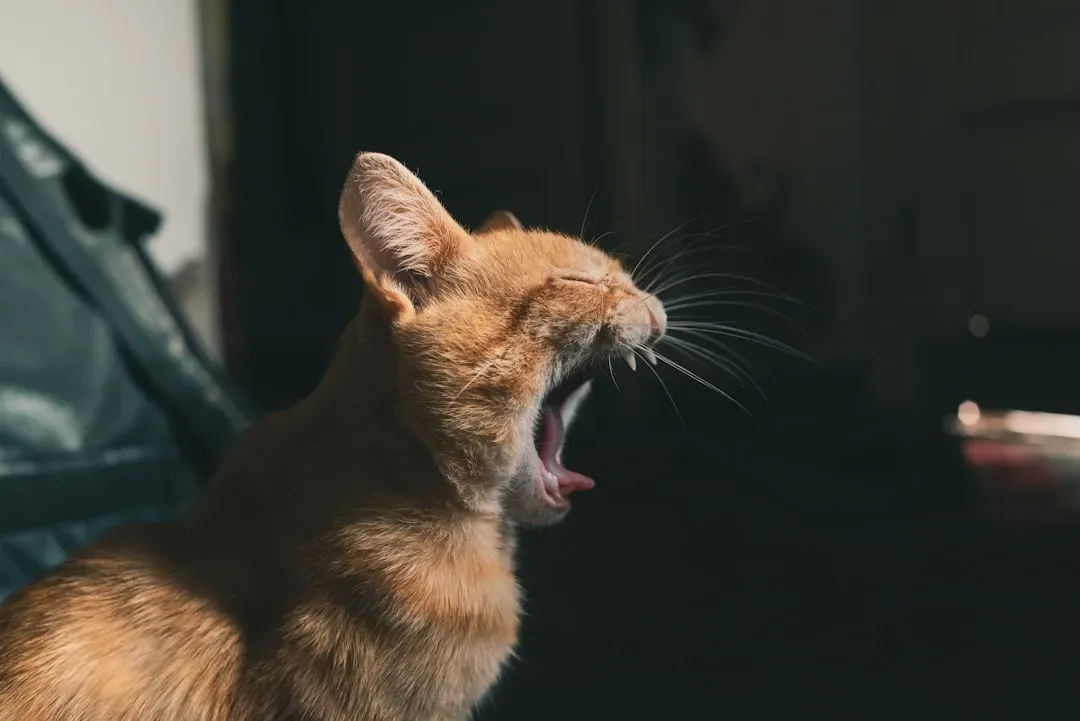
If your usually quiet cat suddenly starts making eerie, drawn-out vocalizations at night, you will notice. These sounds can be long, hollow, and unsettling, almost like they are calling into the dark. It can be tempting to assume they are just bored or want food, but a new nighttime yowl, especially in a middle-aged or older cat, can be an urgent signal of pain, disorientation, cognitive changes, or even vision or hearing loss. Your cat might be trying to locate you or calm themselves when they feel confused.
If you start hearing these calls regularly, do not just close the door and hope it stops. First, rule out simple things like hunger, a too-empty litter box, or a change in their routine. Then look for other small clues: are they sleeping more during the day, staring at walls, seeming lost in familiar rooms, or suddenly clingy or, the opposite, distant? Those night sounds plus behavior changes are your cue to book a vet checkup and specifically mention the timing and nature of the yowling, so your vet can look for issues like hyperthyroidism, high blood pressure, pain, or cognitive decline.
7. Rapid, Repetitive Licking and Soft Clicks While Grooming
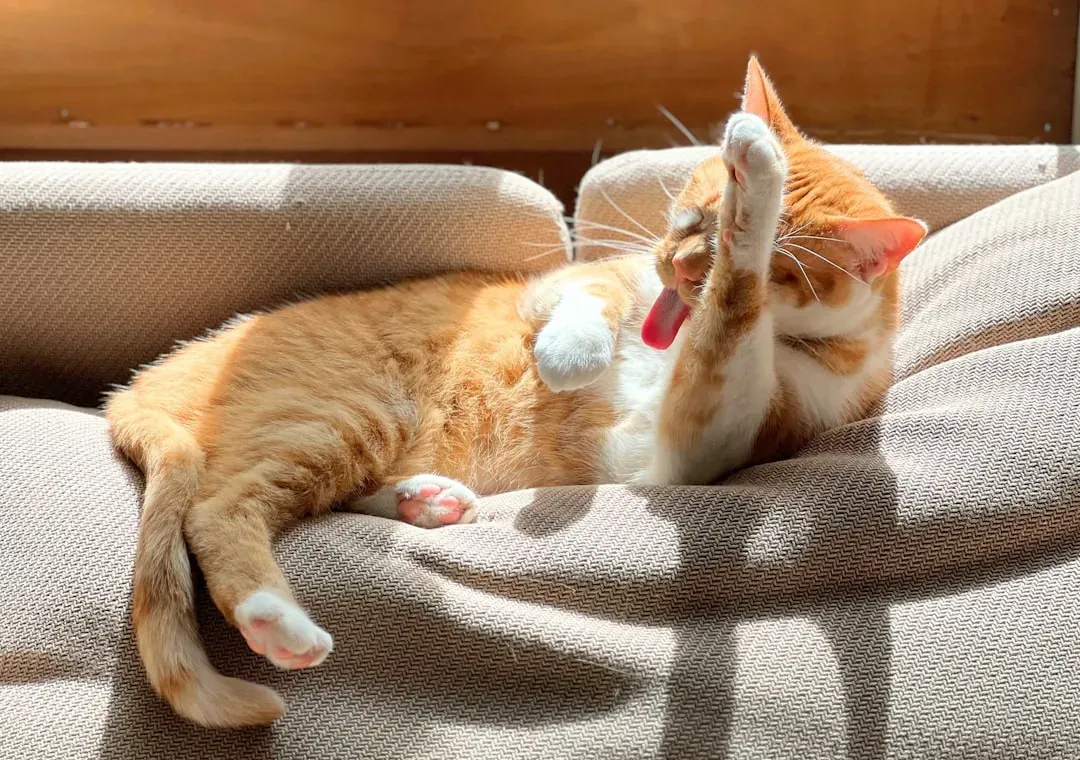
Grooming usually sounds like soft, steady licking, maybe with a purr in the background. When your cat starts making funny little clicks, smacks, or repetitive slurping sounds while over-focusing on one body area, that can be more than just normal cleaning. You might hear it most when the house is quiet at night: lick-lick-lick-lick in the same spot, paired with a faint clicking noise from the tongue or teeth. This can be a subtle audio clue that your cat’s skin is itchy, painful, or irritated, even if you do not see much yet.
If you follow the sound and always find your cat working on the same patch of fur or skin, gently check that area. You might find redness, hair thinning, scabs, or even nothing obvious yet. Repetitive noisy grooming can be linked to allergies, fleas, pain under the skin, or even stress-related overgrooming. It is easy to ignore because it seems like “just grooming,” but that sound pattern is your hint to look closer, adjust things like flea control or diet if needed, and talk to your vet if it keeps happening or the area looks worse.
8. Soft Panting or Huffy Exhales After Mild Activity
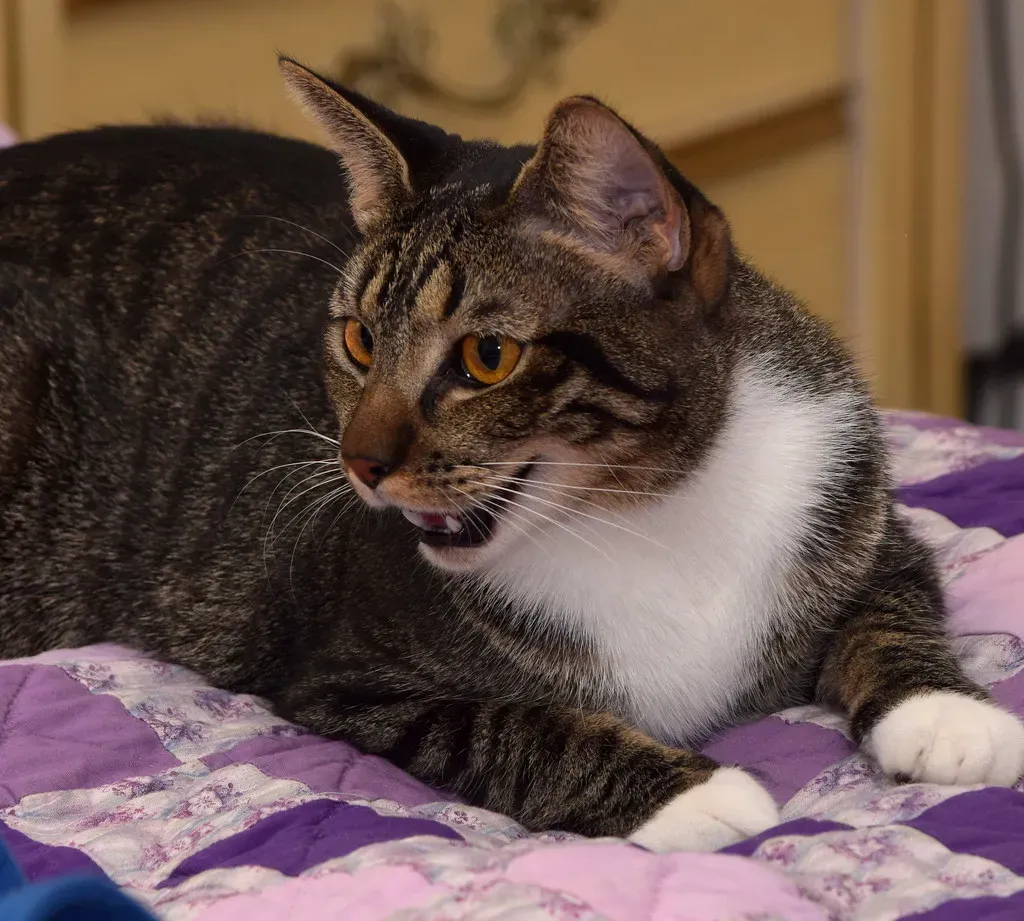
Cats do not normally pant like dogs, and when they do, you should pay attention. Sometimes you will not see a wide-open mouth pant, but you might hear faint, breathy huffs, faster-than-normal breathing, or soft, audible exhalations after climbing stairs, playing lightly, or even just walking across the room. You might notice the sound before you realize how fast their sides are moving. This kind of noise is not just your cat being “out of shape”; it can warn you about pain, heart or lung issues, heat stress, or anxiety.
If your cat makes these soft panting or huffy sounds, gently stop whatever activity they are doing and let them rest in a cool, calm spot. Watch their breathing: does it settle quickly, or stay fast and slightly noisy for several minutes? If you see open-mouth breathing, blue or gray gums, or they seem distressed, you should consider it an emergency and seek urgent veterinary help. Even milder versions that come back repeatedly deserve a vet check, because early heart or respiratory problems often only show up as subtle breathing sounds long before anything else looks obviously wrong.
9. Unusual Quiet: The Sudden Absence of Familiar Sounds

One of the most important noises is actually the one that disappears. You get used to your cat’s normal soundtrack: the tiny greeting meow when you come home, the soft purr when you sit down, the little chirp before they jump onto the bed. When all of that suddenly goes silent and your cat becomes unusually quiet, it can be just as urgent a message as any loud sound. A cat who stops using their voice entirely, or purrs far less than usual, may be feeling unwell, stressed, or in pain.
If you notice that your cat’s whole vibe has gone from chatty or responsive to soundless and withdrawn, look at the bigger picture. Are they also hiding more, sleeping in odd places, eating less, or moving more slowly? The absence of their usual sounds, especially when paired with behavior changes, is a strong signal that something is wrong. You should treat that silence as a message, not a personality shift, and contact your vet with a clear description of what your cat used to sound like and what you are (not) hearing now.
Learning to read these subtle noises turns you from a casual cat owner into a real partner for your cat. Once you know that a strange trill, a barely audible grumble, or a new nighttime call might be a serious message, you stop dismissing them as quirks and start asking what your cat is trying to tell you. When you listen closely and act early, you give your cat a safer, more comfortable life – and you build a quieter, deeper bond that does not always need words.