Cats are fascinating creatures. They’ve built an entire reputation around being aloof and independent, yet anyone who has actually lived with one knows that reputation is only half the story. Your cat might not bark at the door or wag a tail with wild abandon, but they absolutely have ways of asking for your full, focused attention. And honestly, some of those ways are so subtle you’ve probably missed them a hundred times.
The truth is, your cat is constantly communicating. Cats communicate continuously through body signals, and the tricky part is that cats are subtle communicators. Unlike dogs, who may express themselves loudly and obviously, cats often use quiet, nuanced movements. Learning to catch those movements? That’s where the magic happens. Let’s dive in.
1. The Intense, Unblinking Stare From Across the Room
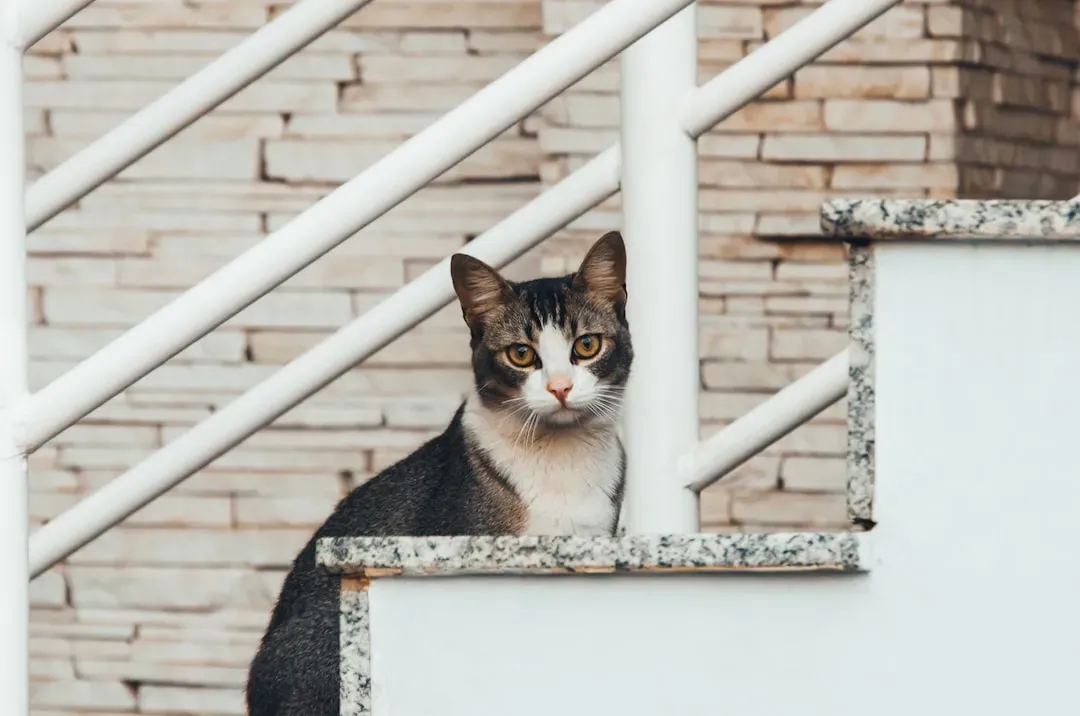
You’re minding your own business, maybe reading a book or scrolling your phone, and then you feel it. Eyes on you. You look up and there’s your cat, locked onto you from across the room like a tiny, furry surveillance camera. This isn’t random behavior.
Cats have a way of getting your attention simply by staring at you. They seem to have mastered the art of getting your attention by staring intensely from across the room, speaking with their “eyes.” Your cat’s longing gaze could signal they want to be fed, especially if they do it from their feeding area. However, some cats will stare until you eventually give them attention, whether it is in the form of cuddles, a toy, or their favorite treat. Next time you feel those eyes on you, don’t ignore them. Your cat is quite literally asking for a moment of your time.
2. The Gentle Paw Tap (Not the Swat – The Soft One)
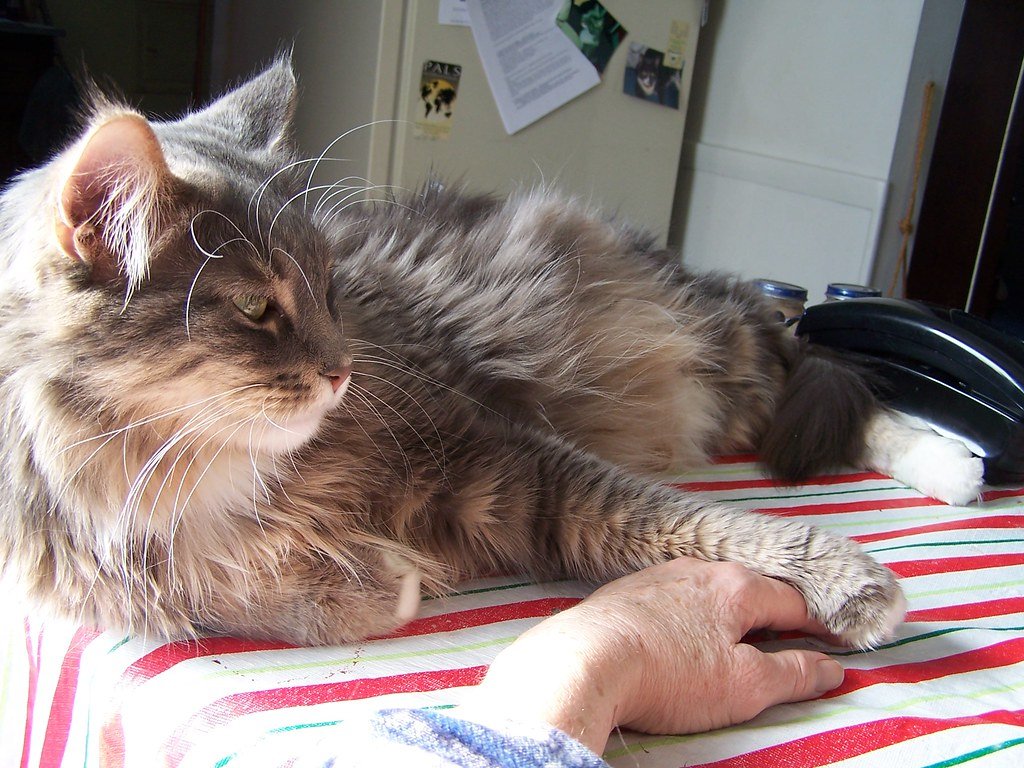
There is a very important distinction between the swat and the gentle paw tap, and your cat knows the difference even if you don’t yet. Think of it like a child softly tugging on a parent’s sleeve. It’s not aggressive. It’s a request. A polite one, at that.
If your cat gently taps you with their paw or claws on your face or limbs, they may be trying to signal that they want you to engage with them. The most obvious sign that your cat wants your attention is when they paw at you. Cats generally do this because it draws your attention to them and makes you notice them quicker. Some cats do it as a last resort, while others do it first because it might work every time. Honestly, it almost always does work. Those little velvet taps are nearly impossible to ignore.
3. Sitting Right on Whatever You’re Trying to Use
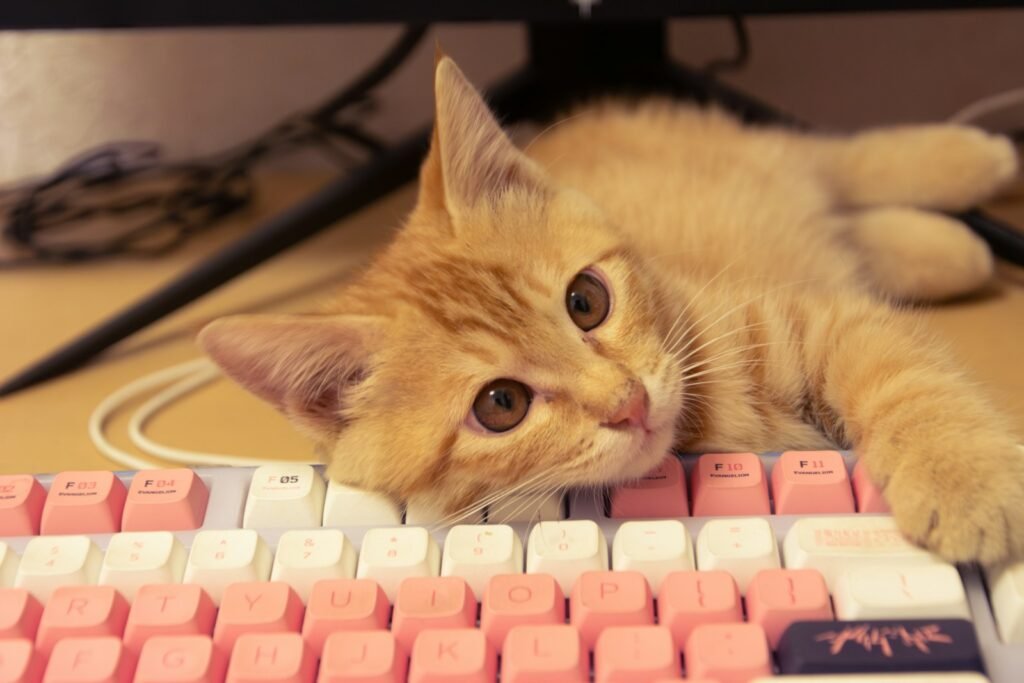
Your laptop, your book, your newspaper, your dinner plate. It doesn’t matter what it is. If you’re focused on it, there’s a good chance your cat will find a way to insert themselves directly between you and that object. This one gets me every single time.
Cats can become demanding about getting your attention to the point that they try to distract you from your current task. You could be working or reading a book and find your cat lying on top of it. While cats can do it because the laptop or book is a comfy resting place, it could also be their way of redirecting your attention to them instead. Either their other signals for attention were not working, or your cat knows that the best way to get attention is to stop you from your current tasks. They may also be drawn to the warmth of electronics or to your scent on the object, which adds comfort. Strategic? Absolutely. Adorable? Without question.
4. Head-Butting You Out of Nowhere
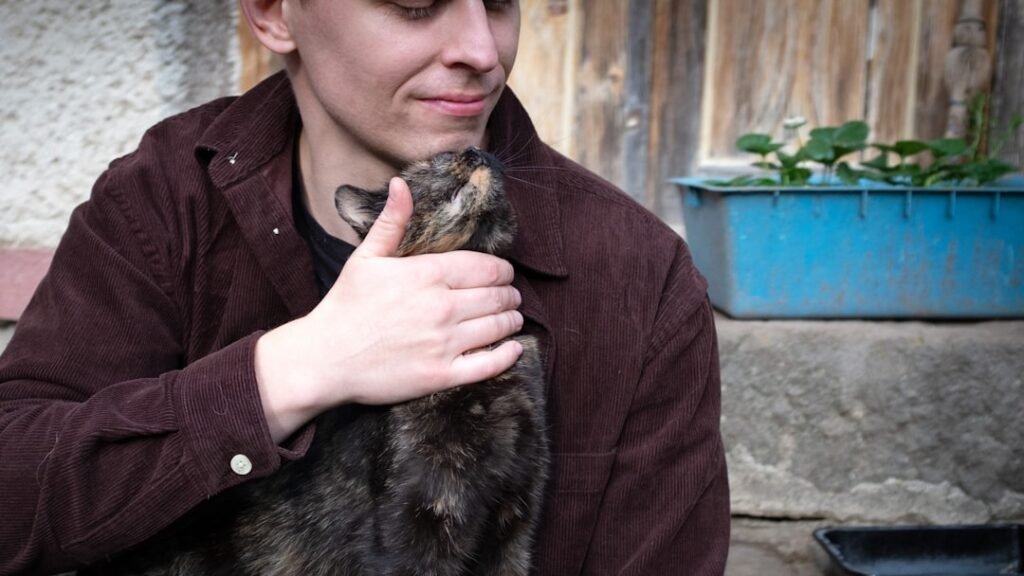
Your cat walks up, lowers their head, and bumps it directly into your chin, your hand, or your leg. It feels random, but it’s one of the most intentional and affectionate signals in a cat’s entire communication toolkit. Think of it as a feline hug.
Cats sometimes “head-bump” humans or other cats with the front part of the head, an action referred to as “bunting.” This communication might have an olfactory component as there are scent glands in this area of the body, and is possibly for seeking attention when the cat turns its head down or to the side. Headbutting, or bunting, is one way cats show affection, greet, and mark their family. Leading with their heads, they bonk the people they love gently, smudging their scent along as they go. When your cat head-butts you, they’re quite literally claiming you as their own. That’s worth a few minutes of petting, don’t you think?
5. Following You Everywhere You Go
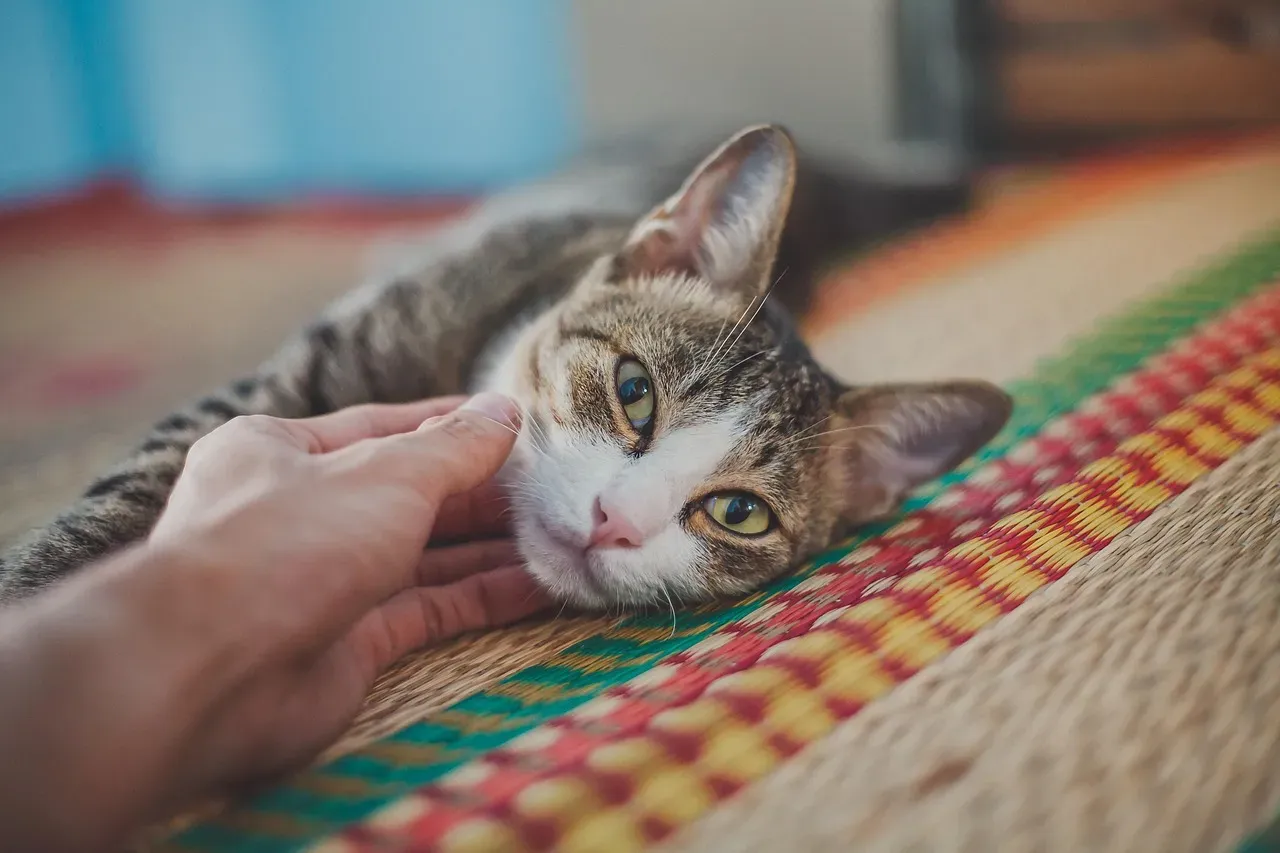
You get up for a glass of water. Your cat follows. You go to the bathroom. Your cat follows. You move to the couch. Your cat is already there before you’ve even sat down. It can start to feel like you have a very small, very fluffy shadow that never fully leaves your side.
If your cat is following you, it could be a sign that they want your attention. Many cats do it around feeding time to signal they want to be fed, but others do it because they crave attention. Following you around the home, deliberately strolling in your path, especially when they know you’re busy, is another form of attention-seeking. This behavior signals that your cat notably needs or wants your focus. It’s hard to say for sure whether it’s love, hunger, or pure curiosity, but the message is the same: your cat wants you present, not distracted.
6. The Slow Blink Aimed Directly at You
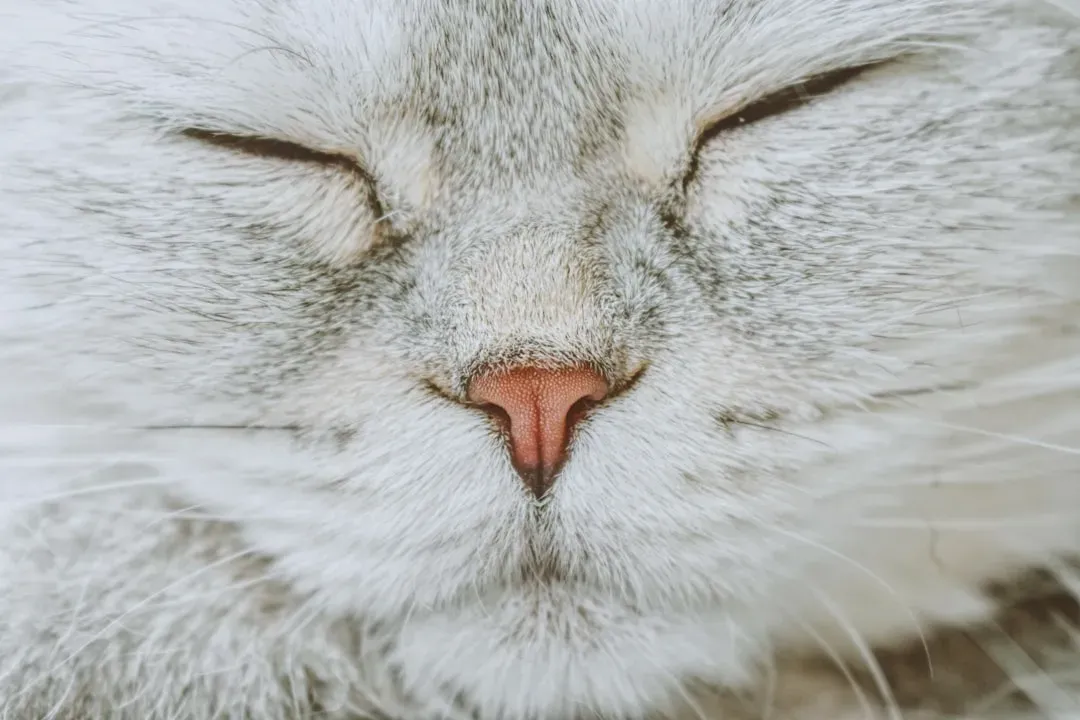
Few things in the cat world are as quietly powerful as the slow blink. It’s understated. It’s easy to miss. Yet it carries enormous emotional weight in feline communication. If your cat locks eyes with you and then deliberately, slowly closes and reopens their eyes, pay attention.
Slow blinking is a non-verbal communication that includes relaxed eyes and a slow blink. It’s equivalent to a calm, loving gaze. It’s a social behavior to tell others they’re calm and ready to get along. You can actually slow blink at your cat, and many times they will slow blink back and approach you, because you’ve indicated that you are a nice person who wants to be friends. It’s like a secret handshake between species, and once you start noticing it and reciprocating, the bond between you and your cat deepens in a way that’s genuinely surprising.
7. Chirping or Trilling at You for No Obvious Reason
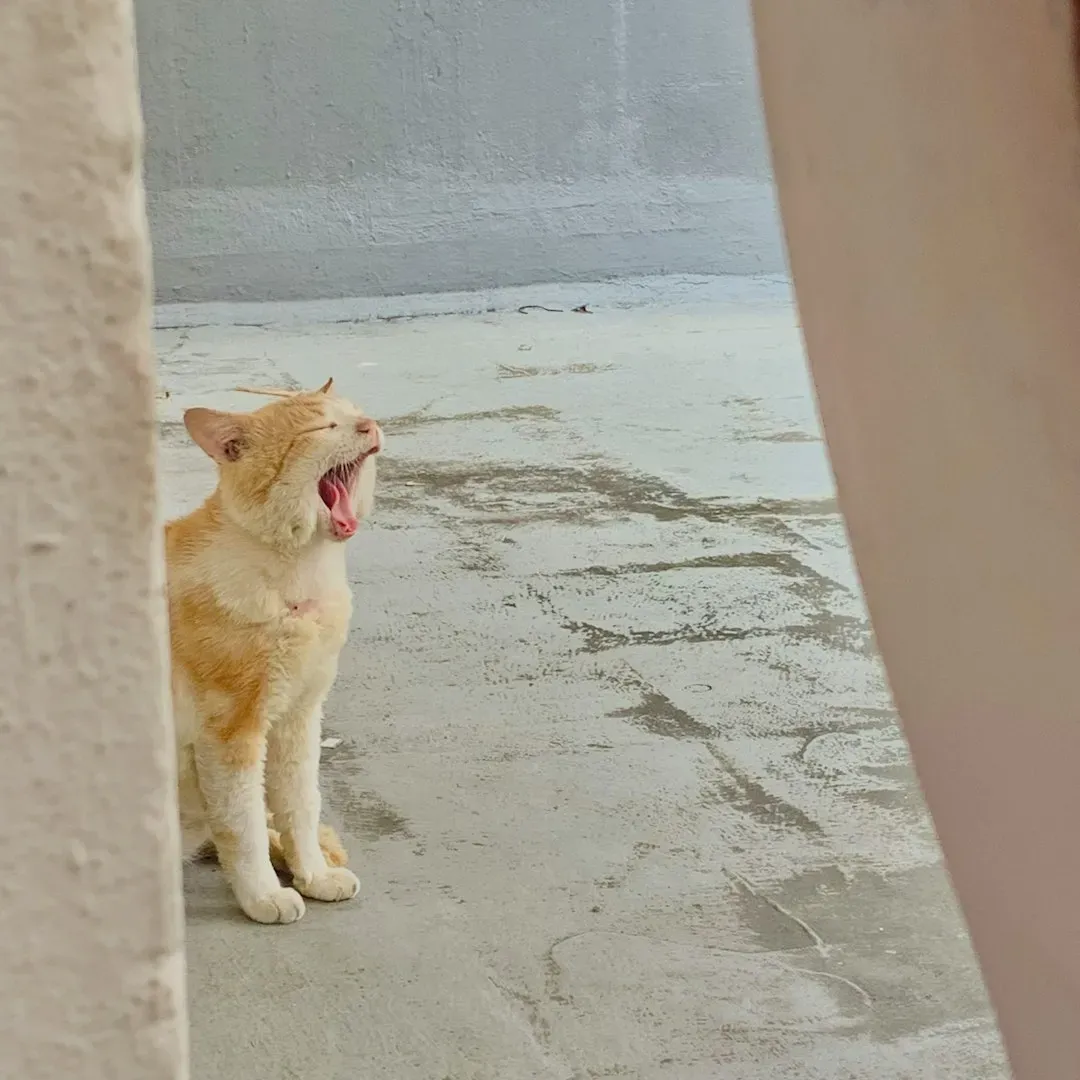
Not a meow. Not a hiss. Something in between – that curious, almost bird-like trill or chirp your cat occasionally throws in your direction. You might have dismissed it as random noise before, but it’s actually a specific, targeted form of communication.
A cat who enters a room chirping likely wants attention and is frustrated by being ignored. A cat may purr to express their contentment and pleasure, meow when greeting someone or asking for something like food or attention, or trill, which is like a high-pitched purr, to show they are friendly. The chirping noise might also be a cat’s way of saying they want attention. Those chirping sounds are the way mother cats communicate with kittens. So when your cat trills at you, they’re essentially using their most tender, most maternal language with you. That should make you feel pretty special.
8. Kneading on You or Nearby Objects While Watching You
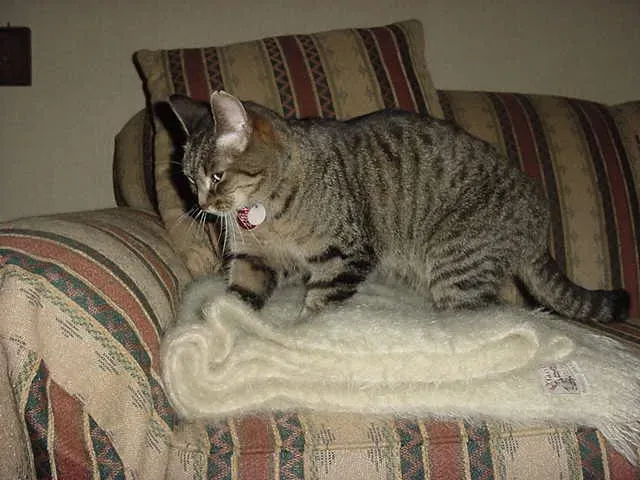
That rhythmic, repetitive pushing of the paws, “making biscuits” as cat owners lovingly call it, is one of the most emotionally layered behaviors in the feline world. When your cat does it on or near you, it means something particular about how they feel in your presence.
Kneading is often a precursor to sleeping, and many cats purr while kneading, usually taken to indicate contentment and affection. If a cat kneads your arm or your leg, she is generally saying that she likes you. As kittens, cats knead their mothers when nursing, and this behavior carries over into adulthood. Here’s the thing though: kneading while watching you, or kneading right next to you with slow, soft eyes, is your cat’s version of settling in and saying “I want to be close to you right now.” It’s not just comfort, it’s connection. Respond to it with gentle petting and you’ll likely get a very contented purr in return.
9. Sitting on Your Lap Without Asking for Anything Else
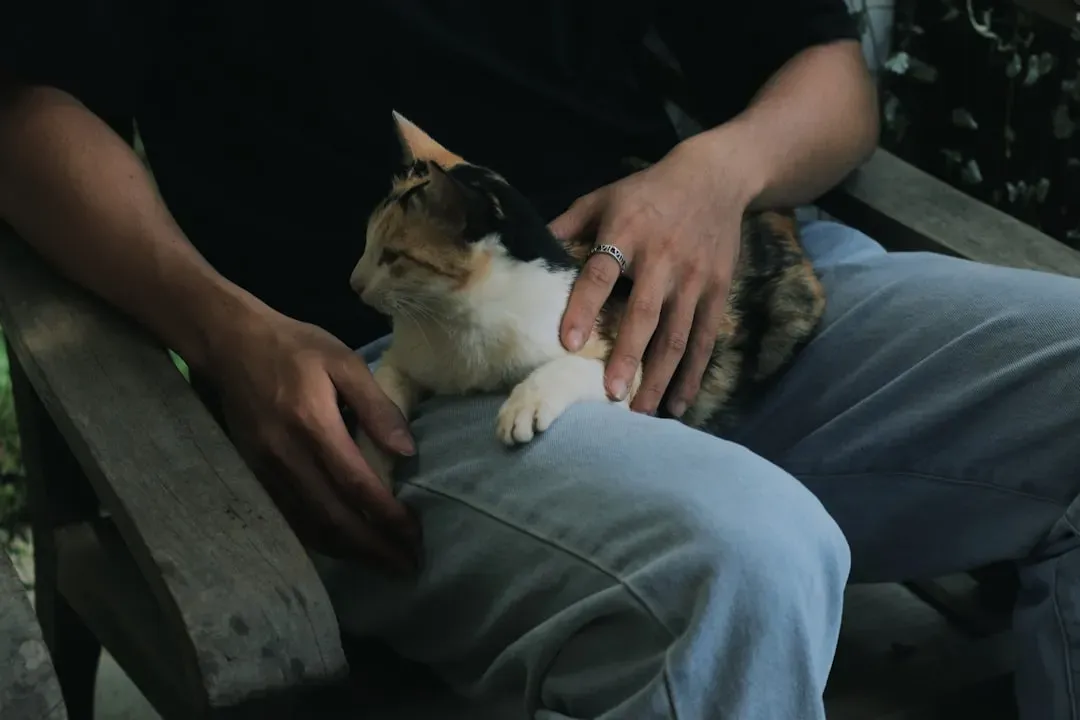
Sometimes the signal isn’t dramatic. It’s not knocking things over or tapping your face repeatedly. Sometimes it’s just your cat quietly walking over, climbing onto your lap, and staying there. No fanfare. No performance. Just presence.
A cat choosing to sit or lie on your lap is a clear sign of trust and love, but it is no surprise that some cats do it to get your attention. Most cat owners automatically start rubbing their cats when they sit on their laps, so cats may do it to get the attention they crave. Lap-sitting can also help a cat feel secure, warm, and socially connected. In a world full of independent, sometimes mysterious creatures, a cat who chooses your lap is choosing you. That’s not nothing. That’s everything, really.
Understanding the Bigger Picture of Feline Communication
Here’s what ties all nine of these signals together: none of them happen in a vacuum. Context always matters. A cat’s body language and behaviors should be looked at as part of one big picture. By using the context of the entire situation and looking for subtle cues in body language, you’ll have an excellent chance at understanding your feline friends.
Recognizing these signs strengthens your relationship and helps ensure your cat’s emotional and physical needs are met. The more fluent you become in your cat’s language, the more you’ll realize just how often they’ve been trying to reach you all along. Cats are subtle and complicated in the way they communicate, but taking time to learn their body language can help to strengthen the relationship. Learning the signs that they are happy, or when they just want to be left alone, can be a big help to you both.
Conclusion: Your Cat Has Always Been Talking to You
Most people think their cat is mysterious or unknowable. Honestly, that’s just what happens when you haven’t learned to speak the language. Your cat has been sending signals all along through a slow blink here, a paw tap there, a quiet presence on your lap that asks for nothing more than your company.
The beautiful thing about all nine of these signals is that they require you to slow down. To look up from your phone. To put the laptop aside for a moment and just be present with this creature who has chosen you as their person. In a strange way, your cat might be teaching you something about presence that you didn’t even know you needed to learn.
So the next time your cat stares at you from across the room or quietly climbs onto your lap, ask yourself: how long has your cat been trying to get your attention without you even noticing? That thought alone might just change the way you share your home with them.