Have you ever caught your cat staring at you with those mesmerizing eyes and wondered what’s really going through their mind? Cats might not speak our language, but they’re constantly communicating with us through a sophisticated system of body language and behaviors. Most of us miss these signals entirely, mistaking a frustrated tail flick for playful energy or misreading their subtle cues for affection.
Learning how to read cat signals is an essential skill for every cat parent. Your feline companion is trying to tell you when they’re hungry, stressed, playful, or need some space. The trick is knowing what to look for. Let’s decode the mysterious language your cat uses every single day to share their needs with you.
The Tail Held High with a Question Mark Curve

The tail position is a well-known way that cats communicate visually, and generally the tail up position signals friendly intent when a cat approaches another cat, animal or person. When you see your cat strutting toward you with their tail held vertically, sometimes with a slight curve or hook at the tip, that’s their way of saying hello and expressing confidence. This is honestly one of the friendliest signals your cat can give you.
When a cat curves their tail in a shape similar to question mark, it means they’re ready to explore and play! Think of it as your cat’s invitation for interaction. They’re feeling good about life and want to engage with you, whether that means playtime, getting some pets, or just sharing the same space together.
The Slow Blink That Says “I Love You”
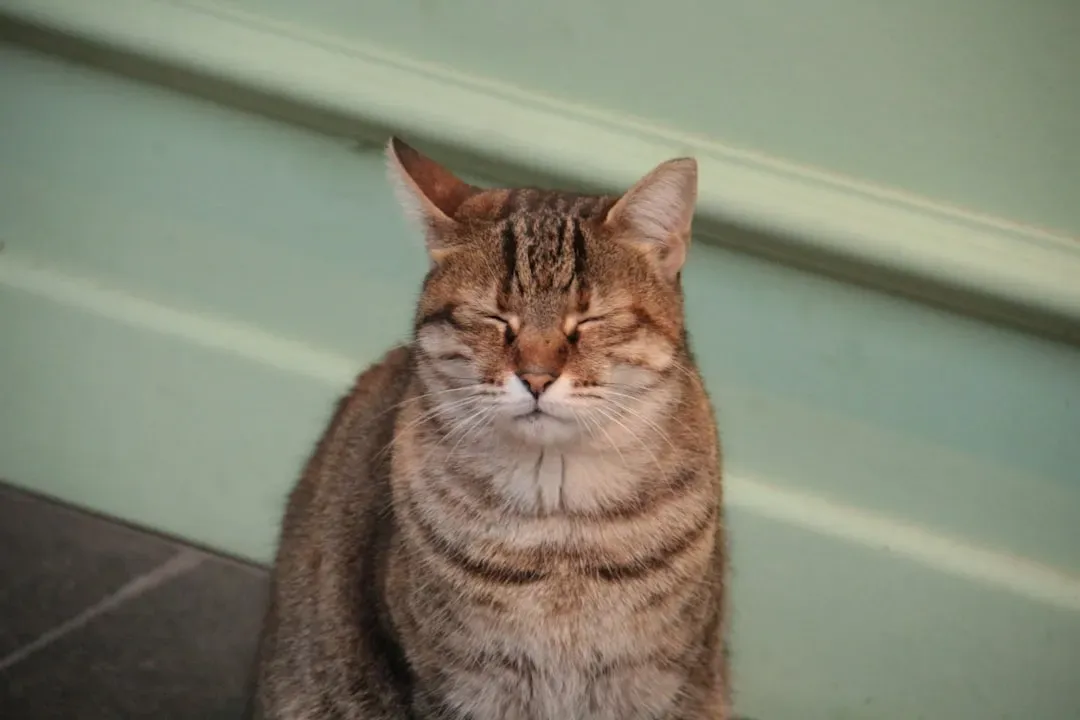
Here’s something magical that many cat owners don’t realize. A cat who slowly blinks or lowers their eyelids is showing trust and affection, often referred to as a cat kiss. When your cat looks at you and deliberately closes their eyes slowly, they’re expressing deep trust and contentment. It’s their version of blowing you a kiss.
The beautiful thing about this signal is that you can actually return it. Slow blinking is a sign of trust and affection, and cats often use slow blinks as a kitty kiss that you can return by blinking slowly back. Try it next time your cat gazes at you. Close your eyes slowly and deliberately, then open them again. You might just start a whole conversation with your furry friend, strengthening your bond in a way that feels natural to them.
Whiskers Pushed Forward During Curiosity
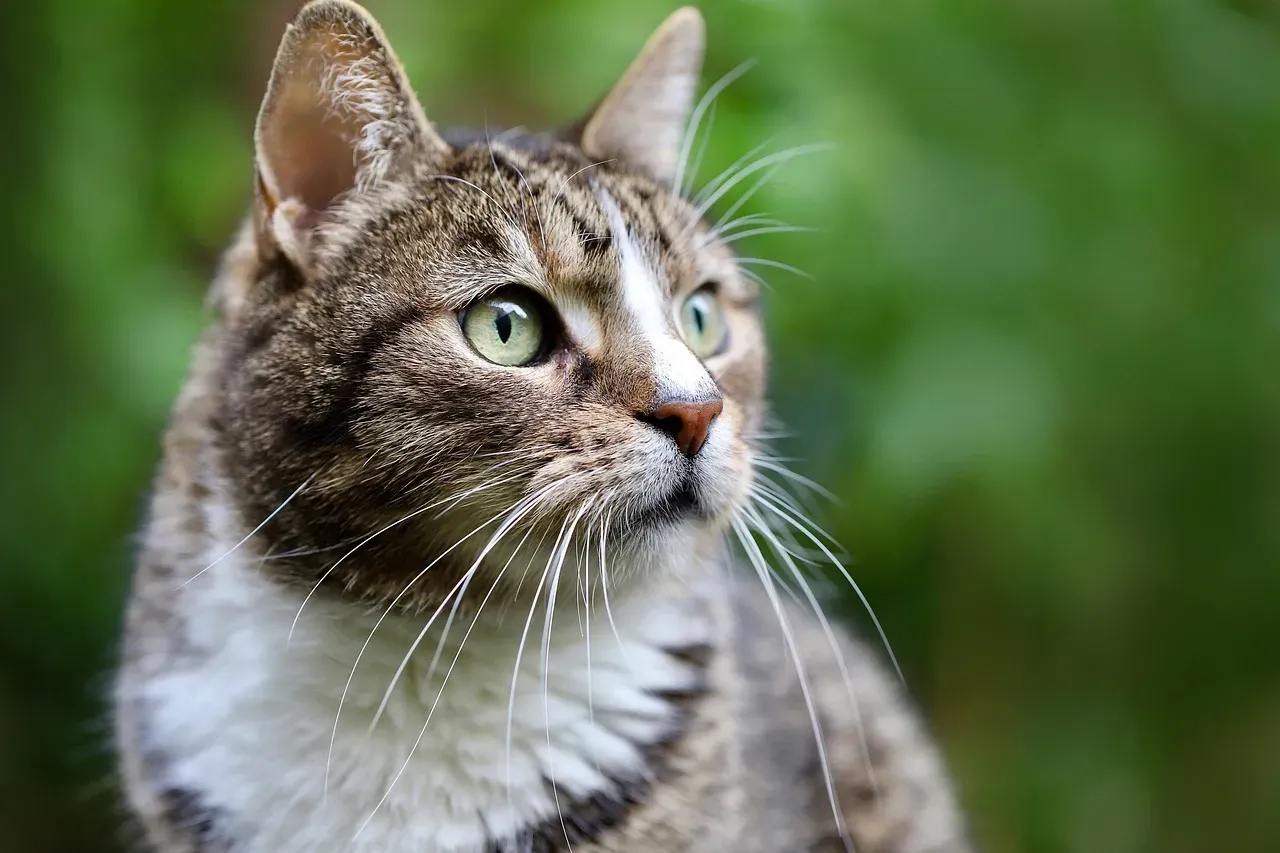
Most cat parents never pay attention to whiskers, which is a shame because they’re incredibly expressive. If a cat’s whiskers are forward and fanned out, then the cat is interested in something. When you notice those whiskers pushed toward something or pointing straight ahead, your cat is actively engaged and curious about whatever has caught their attention.
When a cat’s whiskers are pointing forward, it usually means they’re curious or in hunting mode, which you might notice when they’re stalking a toy or investigating a new object. This is the perfect time to introduce a new toy, engage them in play, or let them safely explore whatever has piqued their interest. Your cat is basically telling you their brain is fully activated and ready for stimulation.
Whiskers Pulled Back Against the Face
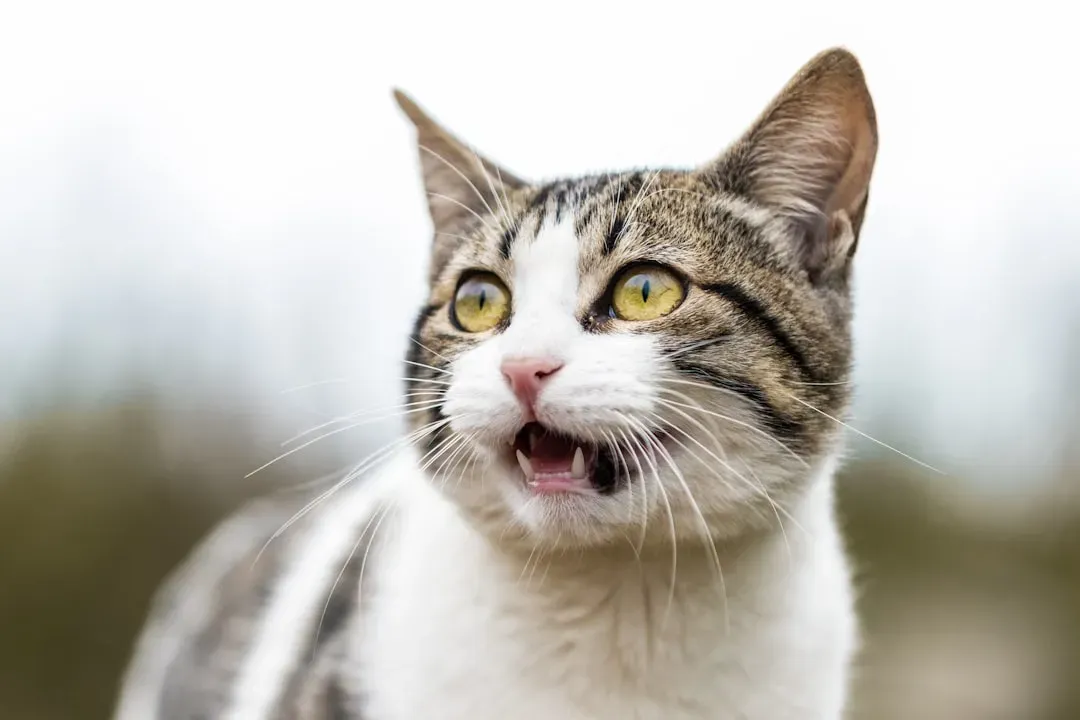
On the flip side, when those whiskers flatten against your cat’s cheeks, you’re looking at a completely different message. If a cat’s whiskers are pressed tight to their face, the cat is most likely afraid and is attempting to make itself look smaller. This defensive position means your cat needs space right now. They’re feeling threatened, uncomfortable, or possibly aggressive.
When whiskers are pulled back tightly against the cheeks, it often indicates fear, stress, or aggression, and this defensive position might appear when your cat feels threatened or uncomfortable. However, context matters. Sometimes cats pull their whiskers back while eating or drinking simply to keep them out of the way. Pay attention to what else is happening with their body language to get the full picture.
Kneading on Your Lap or Blankets
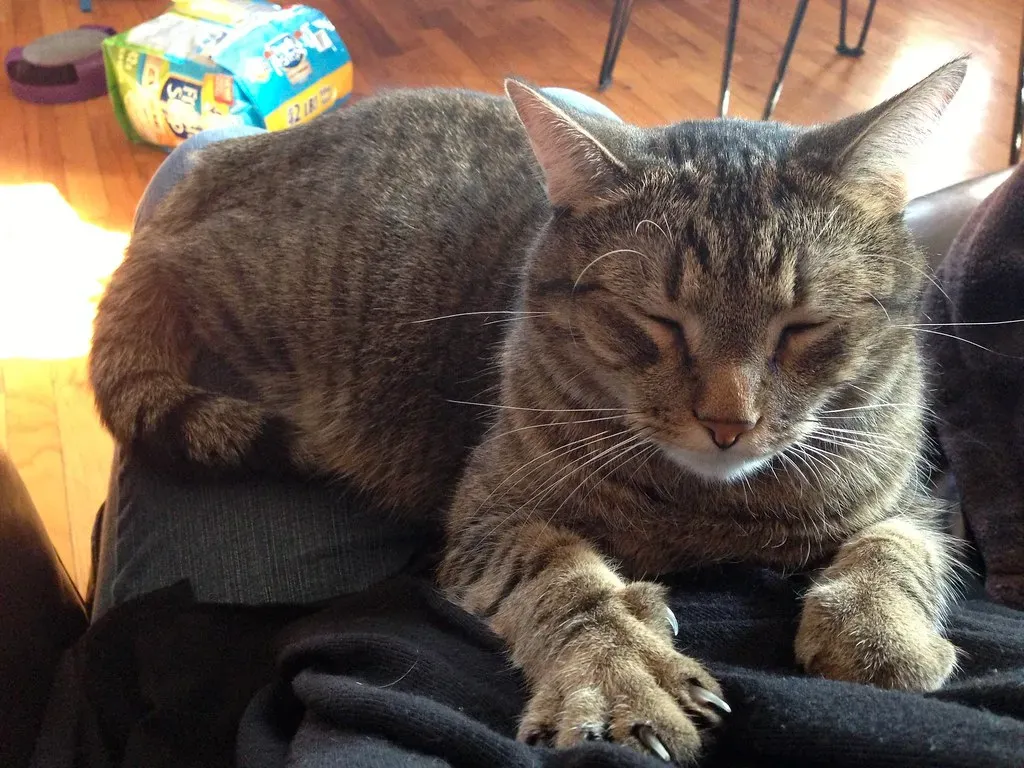
That adorable behavior where your cat rhythmically pushes their paws into you, making what some people call “biscuits”? If a cat kneads your arm or your leg, she is generally saying that she likes you, as kittens knead their mothers when nursing, and this behavior carries over into adulthood as a way of saying she’s comfortable and relaxed. This is pure affection and contentment rolled into one gesture.
When your cat kneads you, they’re essentially returning to kittenhood and the comfort they felt while nursing. Let’s be real, it might hurt a bit when those claws come out, but try to appreciate the sentiment. Your cat is telling you they feel safe and loved in your presence, which is about as high a compliment as you can get from a feline.
Rapid Tail Flicking or Thrashing
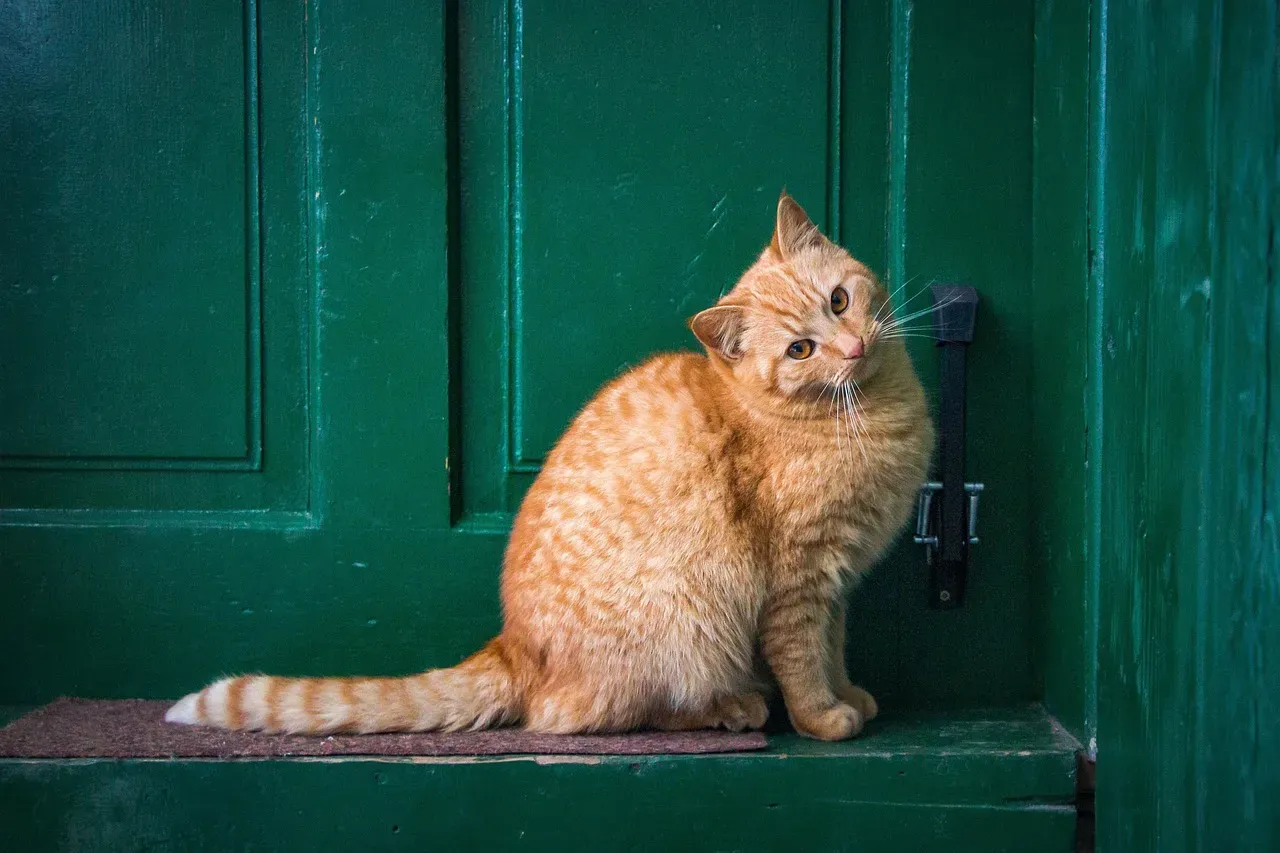
Unlike dogs, whose wagging tails mean joy, cat tail language is far more complex. If that tail begins wagging faster and more aggressively, almost like a thrash, then that means the cat is getting irritated and you should stop petting. This is one signal you definitely don’t want to ignore. Your cat has reached their limit and needs you to back off.
That rapid tail twitching often signals excitement mixed with frustration. You might see this when your cat is watching birds through the window. Their hunting instinct is activated, but they can’t reach the prey, creating that mixture of arousal and irritation. If you’re petting your cat and notice this tail movement developing, it’s time to give them space before they resort to more aggressive warnings like swatting or biting.
The Head Bump or Bunting Behavior
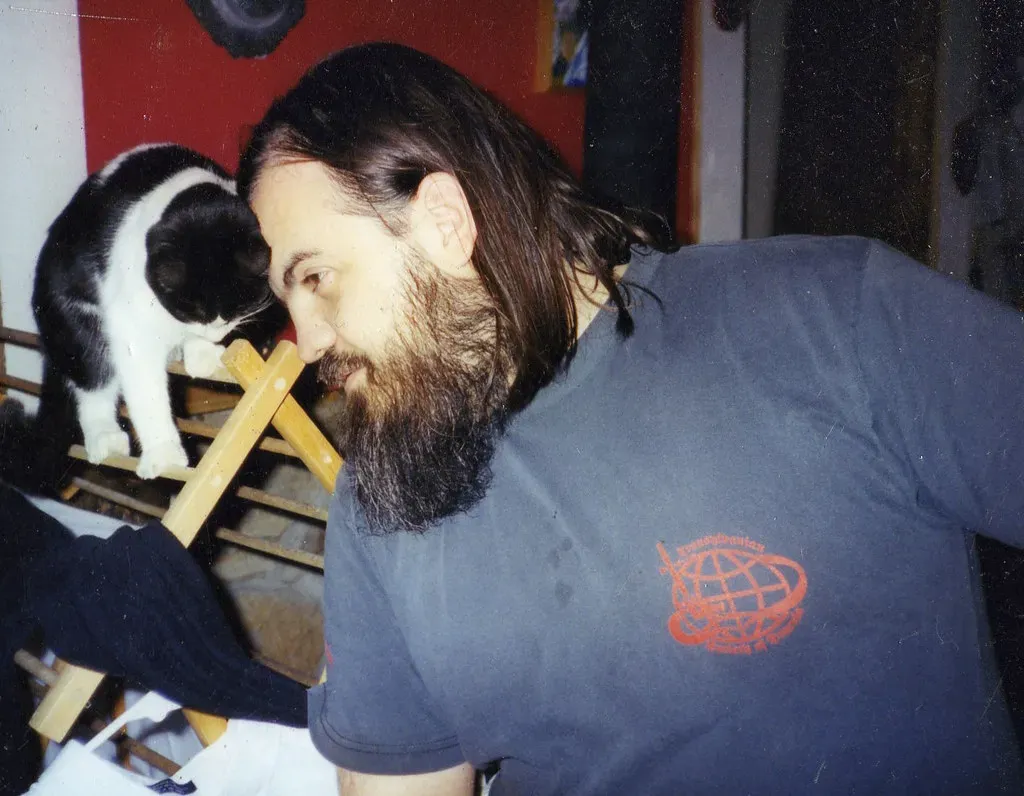
When your cat deliberately bumps their head against you, your leg, or even your face, they’re doing something called bunting. Cats have glands on their forehead, chin, tail, and the sides of their heads, and these glands secrete pheromones, so when cats rub against you, they are essentially marking you as their property. Before you feel weird about being “marked,” understand this is actually incredibly sweet.
Your cat is claiming you as part of their family and their territory. They’re saying you belong to them and they want other cats to know it. This behavior combines affection with ownership in the most endearing feline way possible. When your cat head bumps you, they’re not just being cute – they’re telling you that you’re theirs and they feel secure enough with you to mark you with their scent.
Ears Rotated Back or Flattened
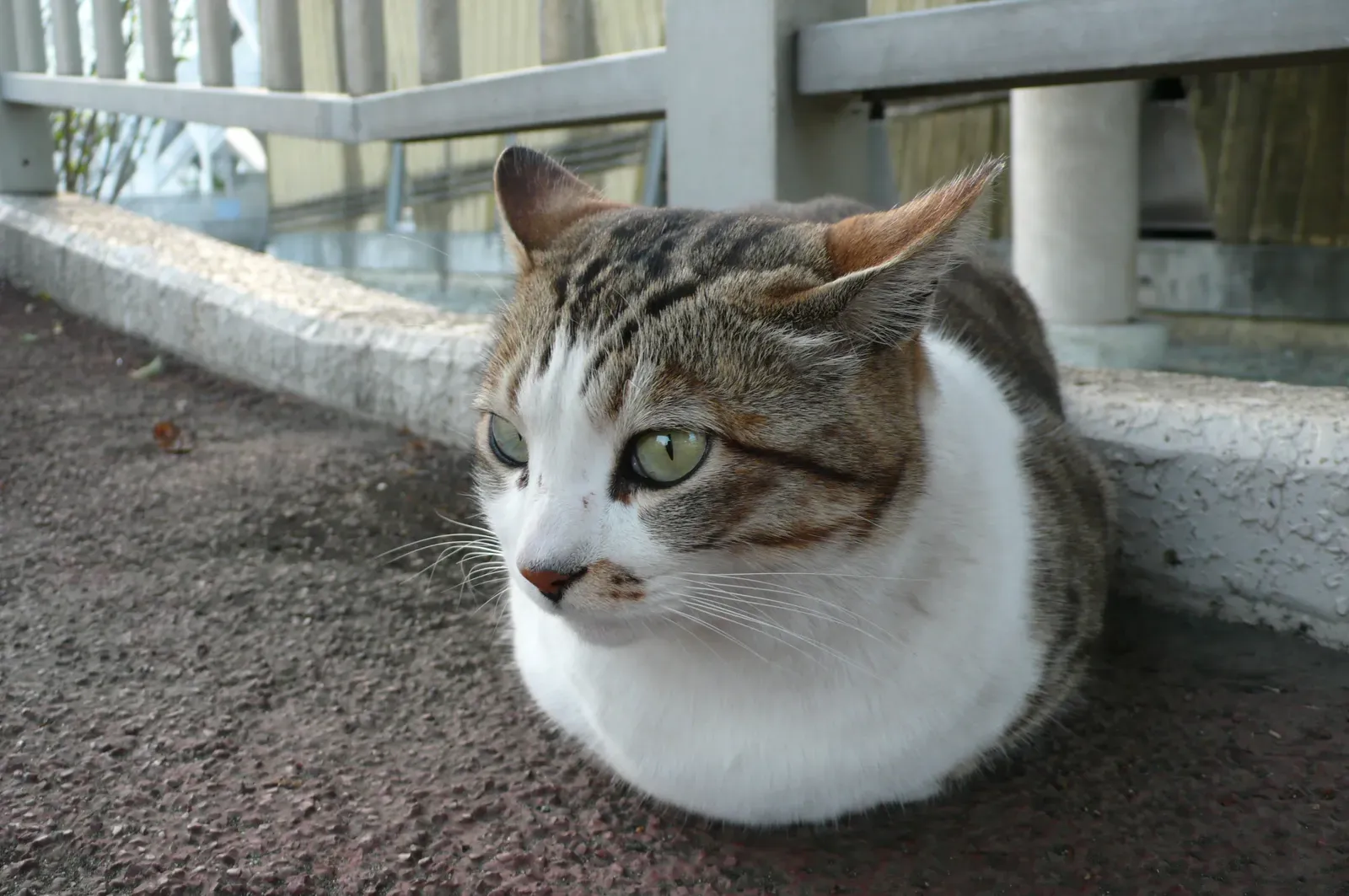
Ears that are erect and rotated out along with narrow pupils are usually a signal of frustration, whereas dilated pupils with ears held flat against the head are often a sign of fear. Your cat’s ears are incredibly mobile and expressive, capable of rotating independently to pick up sounds. When they flatten them against their head, something has made them uncomfortable or frightened.
Ears held naturally means the cat is relaxed, while ears pinned back mean the cat is afraid, but when a cat’s ears are facing forward and close together, that means the cat is interested in something, and when a cat twists its ears so that the opening is to the side, that means the cat is angry. It’s hard to say for sure without looking at the whole picture, but flattened ears are never a good sign. Give your cat space and try to identify what’s causing their distress.
Bringing You “Gifts” or Treasures
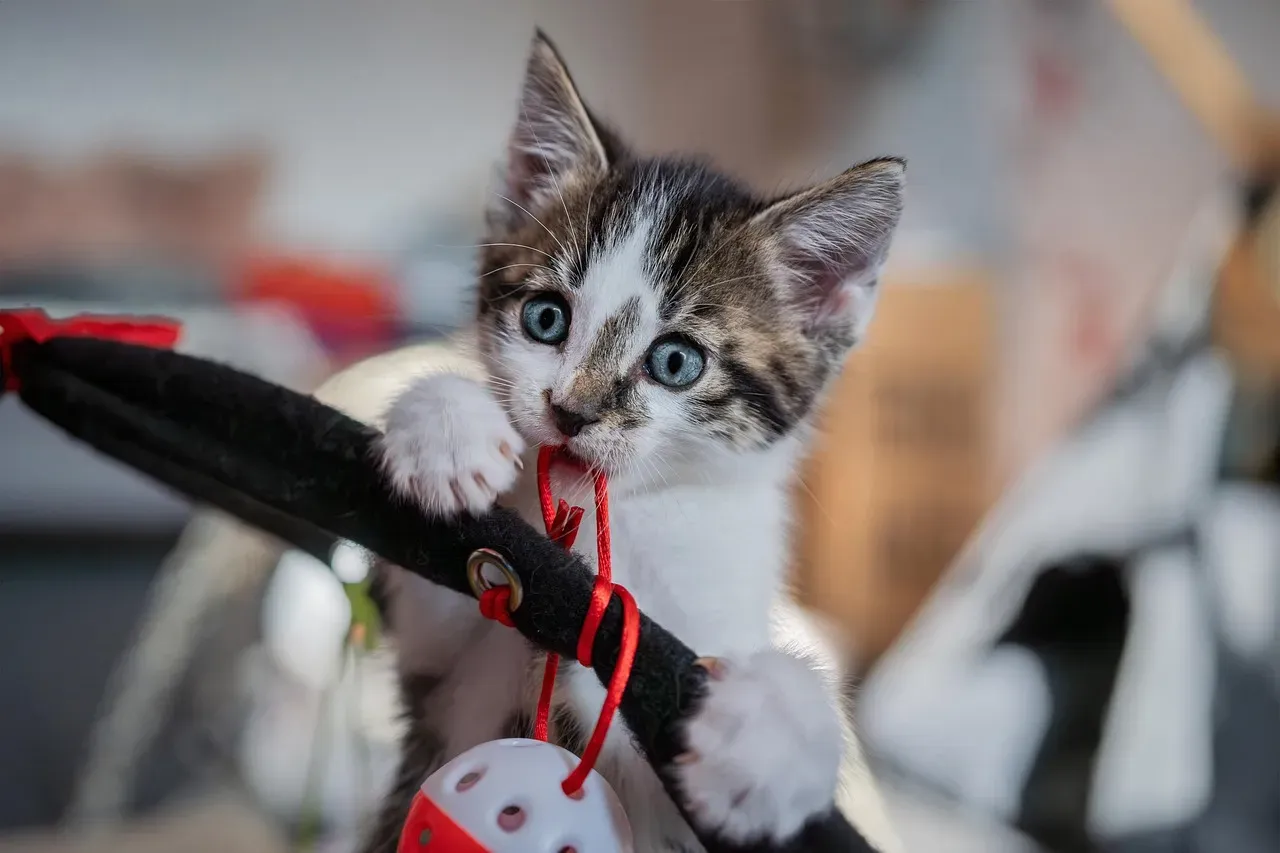
Whether it’s a favorite toy at three in the morning or something they’ve caught, when your cat brings you objects, they’re communicating something important. Other reasons they do this could include trying to return the feeding favor for keeping their kibble bowls full, imitating what their mama cats did for them, or giving you their catch so that you can store it for later. Some people think cats bring gifts because they see us as incompetent hunters who need help.
Honestly, it might not be the most pleasant gift when it’s a real mouse or bug, but your cat is showing you affection and trust. They’re sharing their resources with you, which in the feline world is a big deal. When your cat drops a toy at your feet or leaves you a present, they’re telling you that you’re part of their family and they want to provide for you, just as you provide for them.
Understanding these nine subtle signals transforms your relationship with your cat from one-sided to a true dialogue. When you learn to read cat signals accurately, you can respond in ways that build trust, respecting boundaries when your kitty is anxious, or engaging playfully when they’re in the mood. Every tail flick, whisker position, and vocal sound carries meaning.
The more attention you pay to these communications, the deeper your bond becomes. Your cat has been trying to talk to you all along. Now you have the tools to truly listen. What subtle signal have you noticed from your cat lately that you might have been missing before?