Cats have this wildly unfair reputation for being aloof, indifferent, and basically living their best life while paying zero attention to you. Honestly, I used to think the same thing. You call their name, they blink slowly and look away. You try to teach them a trick, they yawn dramatically and walk off. Classic cats, right?
Here’s the thing though: that apparent indifference is hiding something remarkable. Your cat is watching, cataloging, reasoning, and adapting – constantly. Every twitch of your hand, every routine you follow, every door you open is data being filed away in that mysterious little brain. The evidence is hiding in plain sight, in the everyday things your cat already does. Be ready to see your feline companion in a completely different light.
1. They Know Exactly When You’re About to Feed Them
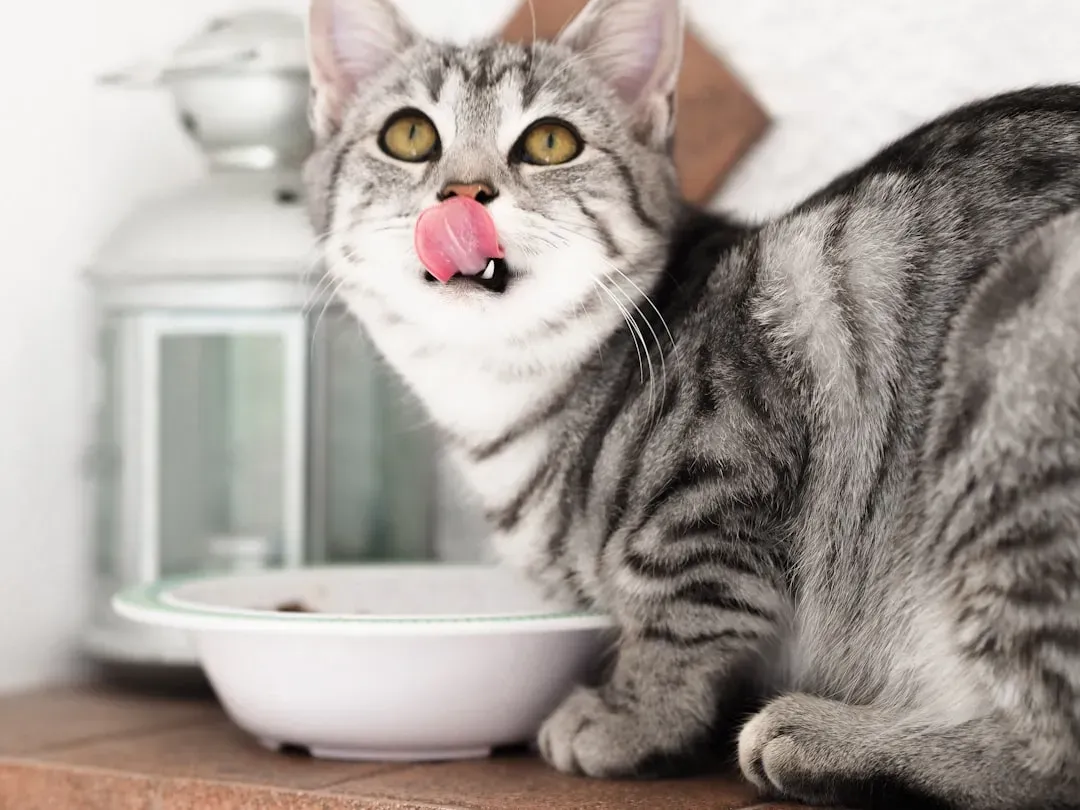
You haven’t touched the food bag yet. You haven’t even stood up from the couch. Yet somehow, your cat is already weaving around your legs in the kitchen. This isn’t magic or coincidence – it’s genuine temporal learning at work. If your cat waits by the door just before a favorite human comes home, or materializes in the kitchen the second the fridge opens, that’s not magic. Studies suggest cats use temporal learning, recognizing patterns in time and associating them with predictable outcomes.
Think of it like a living alarm clock that never needs batteries. Your cat has studied your schedule so precisely that they can predict feeding time based on environmental cues – the light shifting through the window, the particular sounds of your morning routine, even the specific way you move. Research suggests that cats have a strong internal clock. Felines are naturally active during dusk and dawn, and having natural cycles – knowing when to hunt and when to rest – makes biological sense. Notably, when cats live alongside us, they’re smart enough to readjust their natural behaviors to match human schedules. That’s not a fluke. That’s learning, refined and sharpened every single day.
2. They Watch You Open Doors – Then Try It Themselves
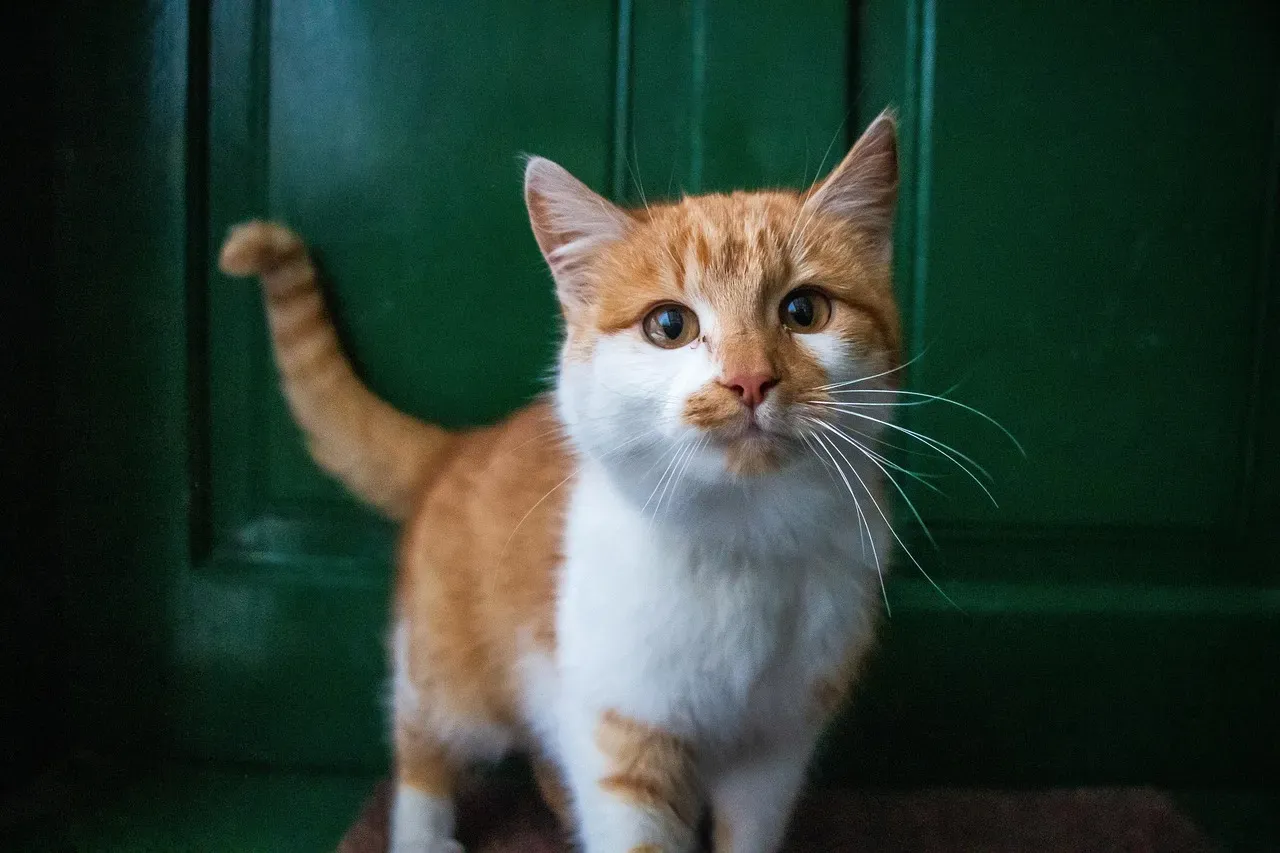
Have you ever caught your cat pressing a paw flat against a door handle and applying deliberate pressure? That specific, calculated motion didn’t come from instinct. If your cat scratches at a door, begging to go outside, even though you’ve never let it out before, it suggests that your cat has learned the purpose of the door by watching you go in and out. That simple act of observation is the foundation of higher cognitive ability in animals.
Cats learn by observation, imitation, and trial and error – just as humans do. Stories abound describing cats turning doorknobs, ringing doorbells, opening cupboards, turning off lights, and even using the toilet, all simply by observing their owners performing these activities. It sounds almost unbelievable until you watch it happen with your own eyes. Imitation is a significant component of observational learning, and cats often mimic the behaviors of their human companions or other animals, whether it’s opening doors or following human routines. This mimicking can foster a deeper bond between cats and their owners while enriching the cat’s behavioral repertoire.
3. They Recognize Your Name – and the Names of Others

You already know your cat recognizes their own name, even if they choose to ignore it spectacularly. But the depth of their linguistic awareness goes much further than you probably realize. Research has demonstrated that cats expect a specific face upon hearing the specific name of a companion, and this learning happens with no formal training at all – cats exploit spontaneous learning of relationships between names and faces in their everyday experiences, similar to what human children do. Let that sink in for a moment.
Research reveals that cats can recognize their names and their owners’ voices, responding with subtle behaviors like head and ear movements rather than overt actions. This ability highlights their social intelligence and awareness of their surroundings. It’s easy to mistake that subtle ear flick for boredom, but it’s actually their way of processing information without giving you the satisfaction of a dramatic reaction. The hypothesis supported by researchers is that cats learn face-to-name relationships by observing interactions involving their owner, and that more such observations lead to stronger learning. Your cat is essentially building a social map of your household. Quietly. Efficiently. On their own terms.
4. They Solve Puzzles Using Trial, Error, and Memory
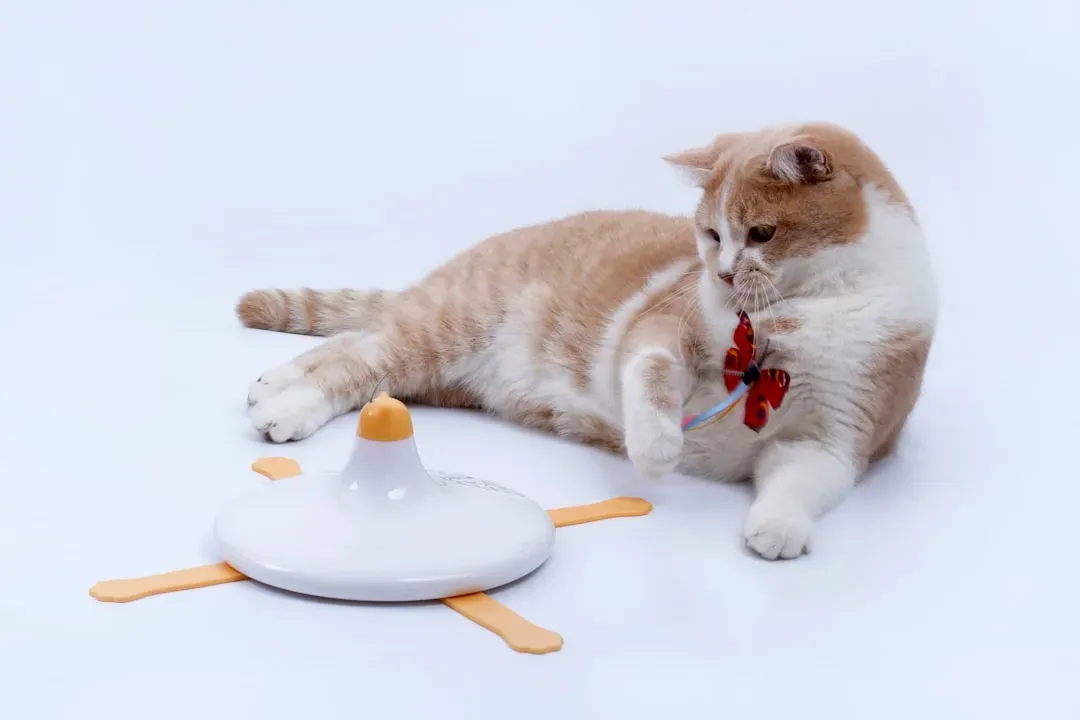
Drop a treat inside a puzzle toy and watch what happens. Some cats paw frantically at one spot. Others pause, assess the whole structure, and then systematically work through different angles until they crack it. That second approach is where things get genuinely fascinating. Many cat owners use puzzle toys that make their cats work to get treats, and each cat tackles these puzzles uniquely. Some pull obstacles out, while others push from behind – which shows different ways of thinking.
What’s more impressive is that they get better. They remember what worked and apply it to the next challenge. Early research on cat intelligence can be traced back to the late 19th and early 20th centuries, when psychologist Edward Thorndike used puzzle boxes to study animal learning. His experiments demonstrated that cats could learn to manipulate levers and latches through trial and error, revealing their capacity for associative learning. Over a century of research, and the conclusion keeps getting reinforced. Cats not only excel at learning new information but can also mesh that information with things they’ve learned previously, recall it when needed, and apply it to the current situation. That’s not random pawing – that’s a genuine cognitive process.
5. They Adjust Their Behavior Based on Your Mood
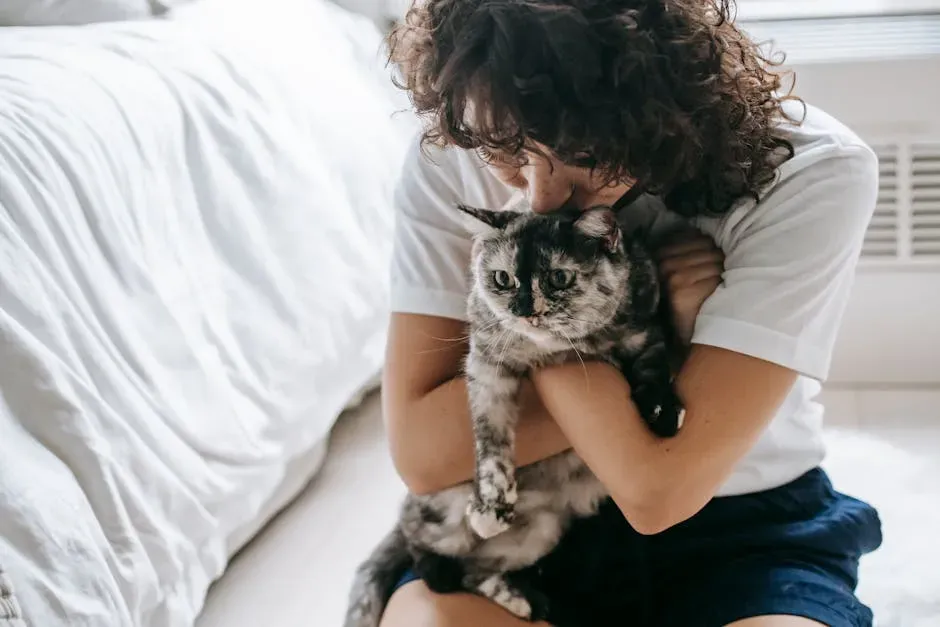
Your cat knows when you’re having a terrible day – and not because you told them. There’s no dramatic announcement needed. Something in their demeanor shifts to match yours, and before you know it, a warm, purring body is pressed against your side. Studies show cats change their behavior based on their owner’s facial expressions. They stay close when you smile but might keep their distance or act defensive when you’re angry. That emotional attunement is a form of learning, continuously updated with every interaction you share.
Cats will respond to their owners’ low moods, such as depression, by increasing interaction – meowing more frequently and rubbing against them. This indicates that cats are not only passively perceiving emotions, but also actively participating in and responding to the emotional relationship. Think of it as a feedback loop your cat has been fine-tuning for years. They’ve studied you so carefully that your emotional state is something they can read and respond to. They sense your bad days and comfort you with purrs and gentle rubs, and this sensitivity grows stronger as your bond deepens – cats watch your emotional reactions to continue learning. Honestly, that’s more empathy than some people manage.
6. They Kitten-Watch to Learn From Other Cats

Multi-cat households are fascinating little learning laboratories, and your cats know it. An experiment was conducted to identify possible observational learning in kittens. Kittens that were able to observe their mothers performing an experimentally organized act were able to perform the same act sooner than kittens who observed a non-related adult cat, and sooner still than those who had no model to observe at all. The social dynamics of learning run deep in feline biology from the very earliest weeks of life.
It doesn’t stop at kittenhood either. While kittenhood is a critical period for learning, adult cats also benefit from observation. Their experiences allow them to adapt to new environments or changes, such as new pets in the household or shifting routines, demonstrating their lifelong learning capacities. Cats living with other pets often learn by observing their companions, whether it’s mimicking a dog’s habit of fetching balls or understanding shared resources like toys and food bowls. This cross-species learning showcases cats’ adaptability and readiness to integrate into human-centric environments. Your new cat watching your resident cat isn’t laziness. It’s strategic intelligence gathering.
7. They Remember Things for a Surprisingly Long Time

Here’s a fact that tends to stop people in their tracks. In a classic memory comparison study between cats and dogs, researchers taught both species to locate food under a box marked with a lighted lamp. Once trained, the animals were prevented from going to the box for a period of time to test their recall. Canine recall lasted no more than five minutes. Cats, however, returned to the correct box as long as sixteen hours later, exhibiting a power of recall superior to that of monkeys and orangutans. That’s a staggering result.
Your cat’s long memory isn’t just a curiosity – it’s the engine behind all their learning. In both felines and humans, the cerebral cortex governs not only rational thought but also short and long-term memory and problem-solving. Memories are used to store and recall information from past experiences, and there is strong evidence that cats can recall and use information stored in their memories. Every unpleasant trip to the vet they remember, every positive reward they associate with a specific sound or action, every hiding spot they discovered six months ago – it’s all stored and retrievable. The cat’s intellectual ability is highlighted by its capacity to use retained information to solve problems. Cats are able to form “learning sets,” a skill once thought to be confined to primates. That’s not just memory. That’s applied intelligence.
8. They Track Objects They Can No Longer See
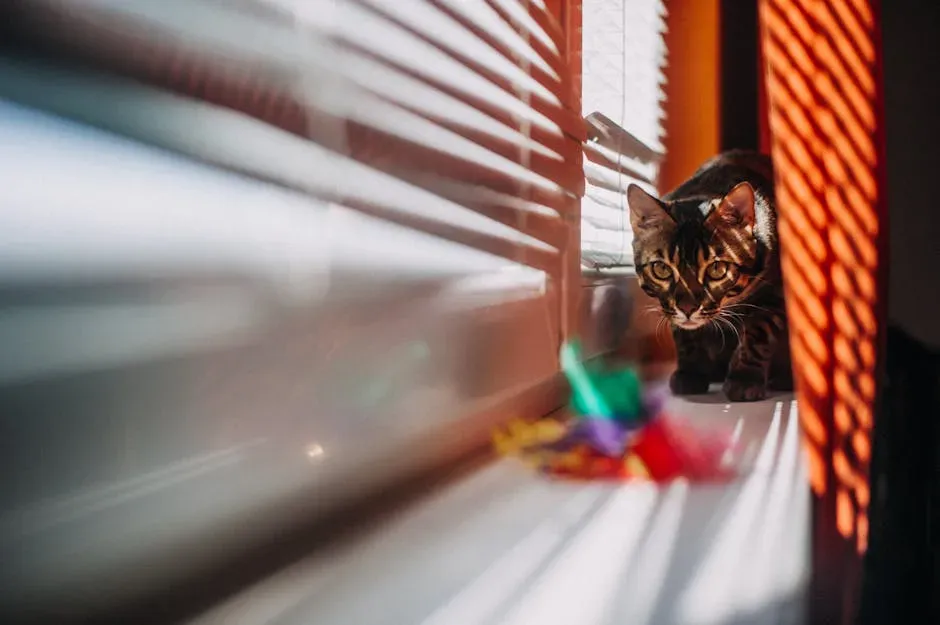
Watch your cat stalk a toy mouse under a blanket. They don’t just stare blankly at the spot where it disappeared. They circle, they anticipate, they position themselves at the likely exit point. This behavior reveals something profound about how their minds actually work. In controlled experiments, cats demonstrated fully developed concepts of object permanence, indicating that their sensorimotor intelligence is complete. In contrast, human infants are tested with multiple invisible displacements of an object to assess the emergence of mental representation. Cats’ search behavior in these tasks was consistent with their ability to represent an unsensed object.
Object permanence – knowing something still exists even when you can’t see it – is a cognitive milestone that takes human babies the better part of their first year to develop. Cats are adept at overcoming challenges, as evidenced by their ability to open doors or locate hidden treats. Studies have shown that adult cats possess object permanence similar to what is seen in human infants, indicating they can remember the presence of objects even when they are out of sight. A cat will understand that a moving target is in continuous movement, so it will immediately run to the other side of the furniture, lie in wait at the expected exit, and wait for the prey to reappear. That’s spatial reasoning, prediction, and patience all operating at once. Remarkable.
9. They Learn to Communicate With You Specifically
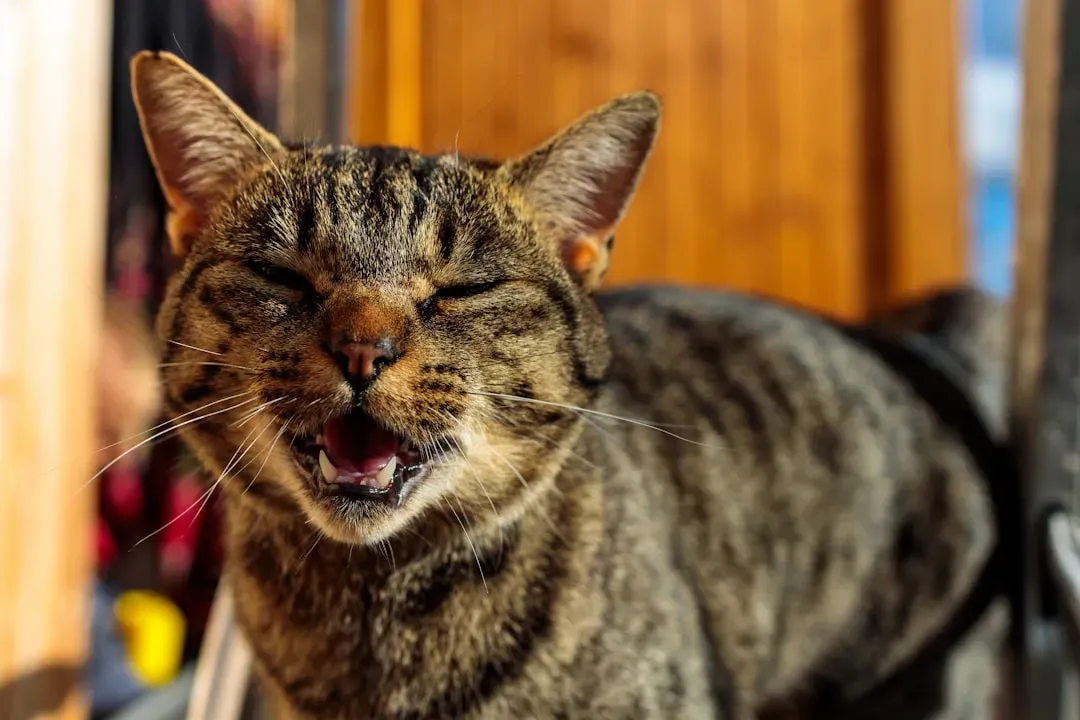
Here’s something that tends to genuinely surprise people: your cat’s meow is not a universal language. They didn’t arrive home from the shelter with a pre-set catalog of sounds. The specific vocalizations your cat uses to get your attention – that particular trill, that urgent yowl at 5am, that quiet chirp when they want to be petted – were developed over time specifically for you. Cats that learn routines, manipulate environments, and communicate clearly are using the same mental skills researchers study in labs: memory, problem-solving, and social cognition.
Adult cats rarely meow at each other in the wild. The vocal communication they use with humans is largely a learned behavior, refined through years of observing what sounds get what responses from you specifically. If your cat uses meows and other attention-getting behaviors to get you to feed it at a certain time, this indicates that your cat understands the concepts of time and cause and effect. When scientists talk about cat intelligence, they describe how effectively cats learn, remember, and adapt – not how well they obey cues. Intelligence in cats covers several mental abilities: problem-solving, memory, flexibility, and social awareness. It’s what allows them to navigate our homes as confidently as their wild ancestors once navigated forests. Your cat isn’t being demanding. They’re communicating in a language they built, just for you. That’s nothing short of extraordinary.
Conclusion: Your Cat Is Always in Class

It’s easy to look at a sleeping cat draped across the sofa like a warm scarf and assume that not much is going on upstairs. Let’s be real – that image of supreme indifference is part of their charm. But the nine things above paint a very different picture. Your cat is learning from you, from other animals, from the environment, and from the outcomes of their own choices, every single day.
Many feline behaviorists as well as child psychologists seem to agree that the intelligence of an adult cat equals that of a two to three year old child. We know how impressively clever a determined toddler can be when they want something. Cat intelligence is measured through several factors, from reading human cues to solving problems, and cats learn and adapt in surprisingly sophisticated ways. Breed matters far less than environment when it comes to how smart a cat is – enrichment, play, and social interaction shape a cat’s brain far more than pedigree.
So the next time your cat ignores your command but immediately appears the second you reach for the treat bag, don’t call them stubborn. Call them what they actually are – a lifelong learner who has been studying you, and this world, from the very first day they arrived. What would you have guessed they were thinking about all along? Tell us in the comments.