Nobody wants to imagine life without their beloved feline companion. Yet understanding what happens when your cat approaches the end can help you provide comfort during one of the most difficult times you’ll share together. Cats are incredibly stoic creatures who instinctively mask their pain and discomfort. This survival mechanism makes it even more important for you to recognize subtle shifts in their behavior.
Your cat might start acting differently weeks or even days before their final moments. These changes aren’t always dramatic or obvious. Sometimes they’re as simple as choosing a new sleeping spot or skipping a meal. Let’s explore what your cat might do in those final days, so you can understand what’s happening and be there for them when they need you most.
Your Cat Will Seek Solitude and Hide
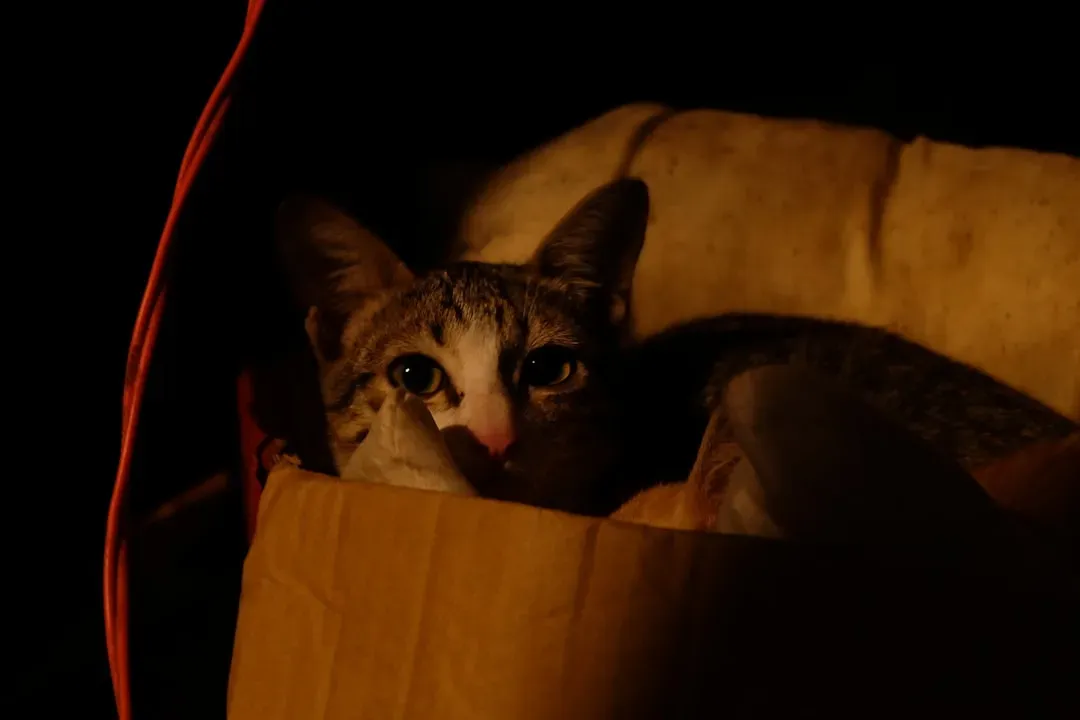
Cats are known to hide when they are gravely ill. This behavior goes back to their wild ancestry, where showing weakness could make them vulnerable to predators. Your usually social kitty might suddenly disappear under the bed, behind the sofa, or into a closet for extended periods.
A desire to be alone so that they can relax and remain calm is natural for cats if they can sense that they are coming to the end of their life. Try not to feel rejected if your cat seems to avoid you. They’re simply following an ancient instinct that tells them to find a quiet, safe place away from the world.
Your Cat Will Stop Grooming Themselves
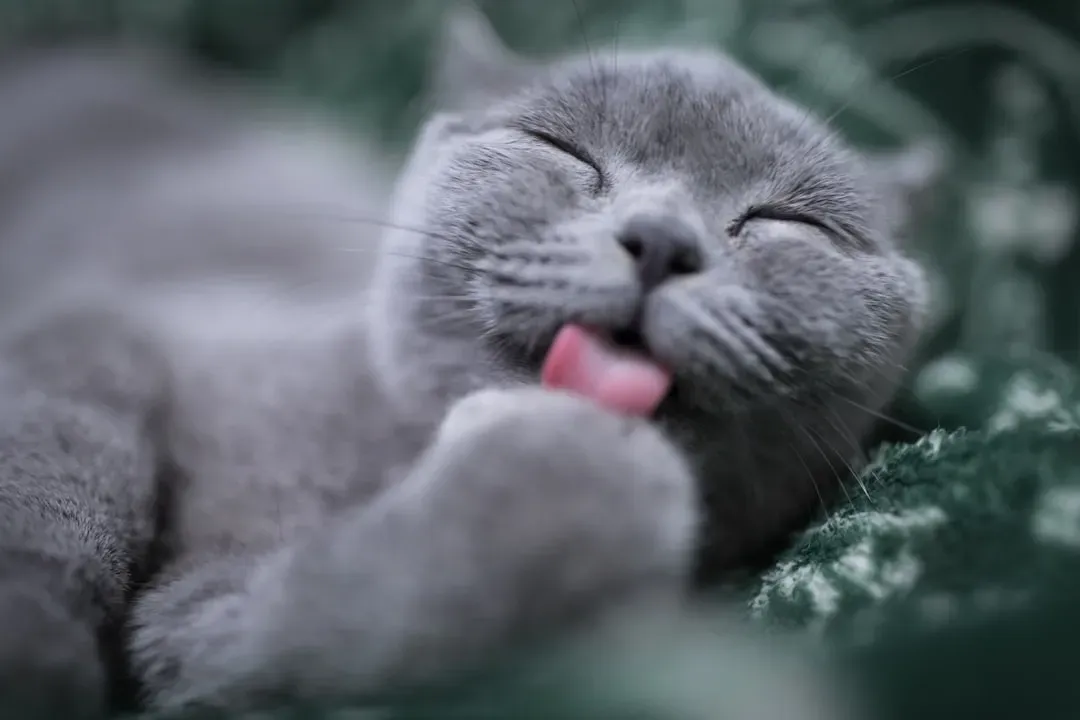
Cats are usually excellent groomers, so a decrease in grooming can be a clear sign of decline. As cats near the end of life, they may not have the energy or flexibility to keep up with their normal grooming routine. You might notice their once-pristine coat looking matted, oily, or unkempt.
Dying cats might begin to look messy and unkempt, and might even develop a detectable odor. The odor is usually due to toxins building up in the body as a result of illness. If your cat has always been fastidious about cleanliness, this change can be particularly striking. It’s hard to watch, honestly, but it signals that they simply don’t have the strength anymore.
Your Cat Will Lose Their Appetite
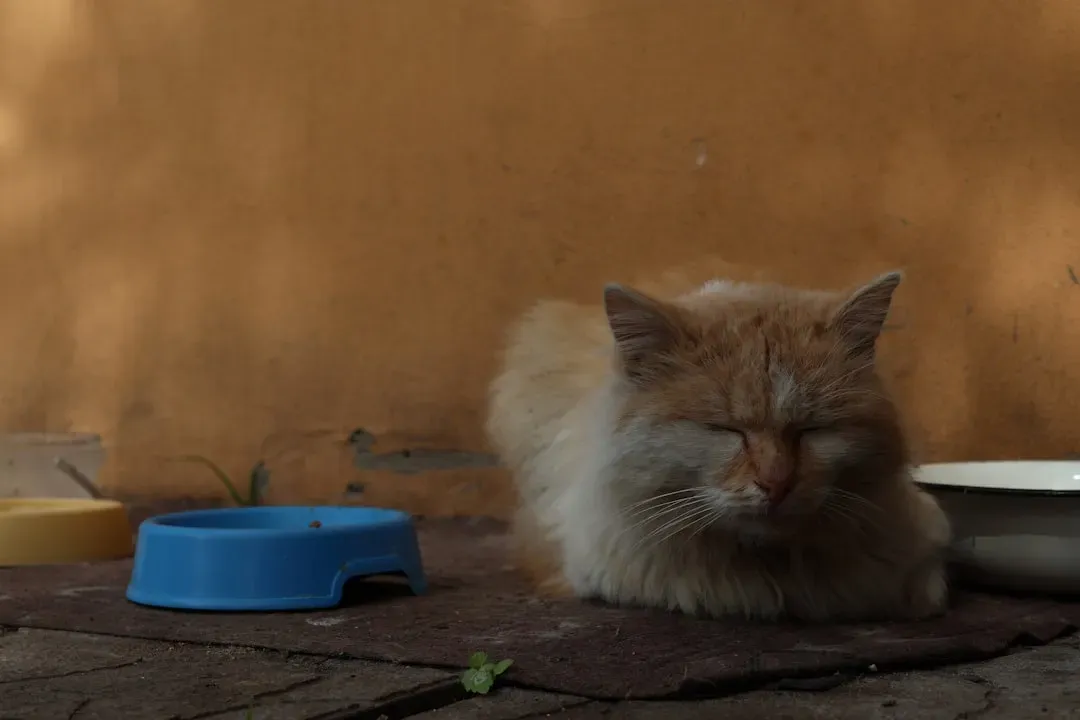
Loss of appetite is one of the first signs that a cat may be dying. Your cat might turn away from their favorite treats or ignore meals entirely. This happens because their body knows that digesting food requires energy they no longer have to spare.
For all animals, illness often culminates in a lack of interest in food or water. This is because an animal’s body knows it takes work to process any food or drink, and sometimes a cat is simply too sick or tired to expend the additional energy. You might try tempting them with different foods, but eventually they may refuse everything. Let’s be real, watching them refuse food feels devastating, but it’s a natural part of the process.
Your Cat Will Experience Dramatic Weight Loss
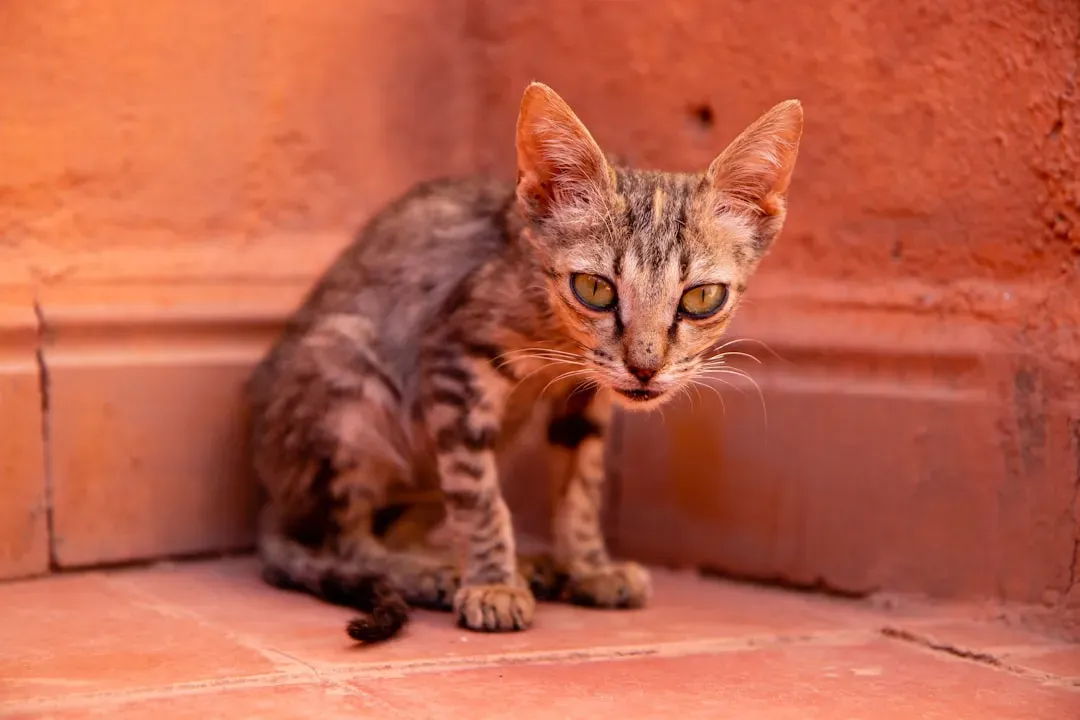
Even if your cat continues eating small amounts, you might notice they’re getting thinner. Even a cat who’s still eating might experience weight loss as they approach the end of life. Cats lose muscle mass as the body’s ability to digest protein decreases, which is a normal part of aging.
This can become extreme, with ribs, spine, and hip bones protruding. Cachexia, weight loss caused by cancer, occurs when cancer cells use excessive energy, depleting fat and muscle. The transformation can happen quickly, sometimes over just a few weeks. You’ll be able to feel bones that were never prominent before.
Your Cat Will Sleep Much More Than Usual
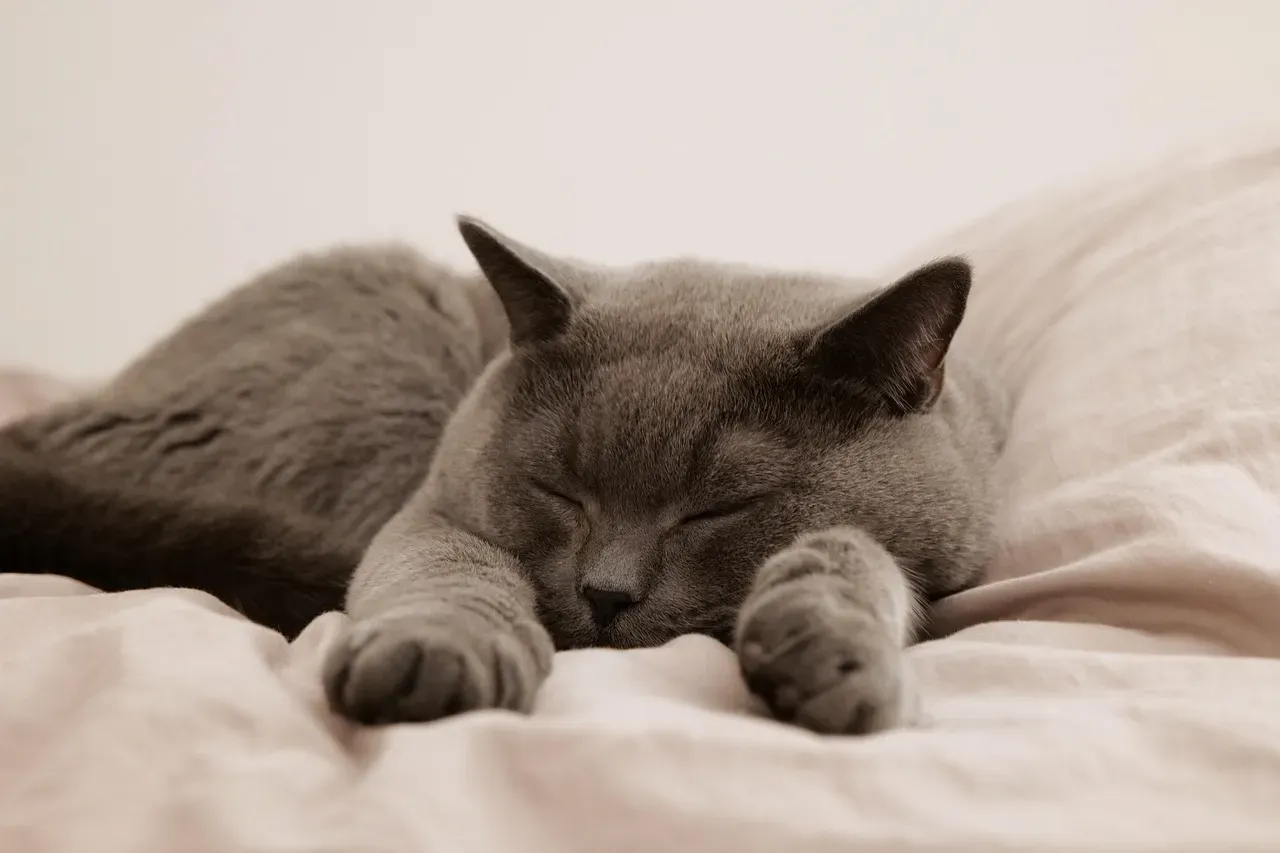
Cats nearing the end of their lives will often have less energy. They may spend a significant amount of time sleeping more than they previously did. Sure, cats already sleep a lot during a normal day. However, a dying cat might sleep nearly all the time.
As your cat’s body starts to shut down, you may notice a decline in their energy levels. Pain or weakness can also deplete energy, causing your kitty to choose sleeping over the things they normally enjoy. They may not even wake up for things that used to excite them, like the sound of a can opener or the rustle of a treat bag. This extreme lethargy reflects their body conserving what little energy remains.
Your Cat’s Behavior Will Change Drastically
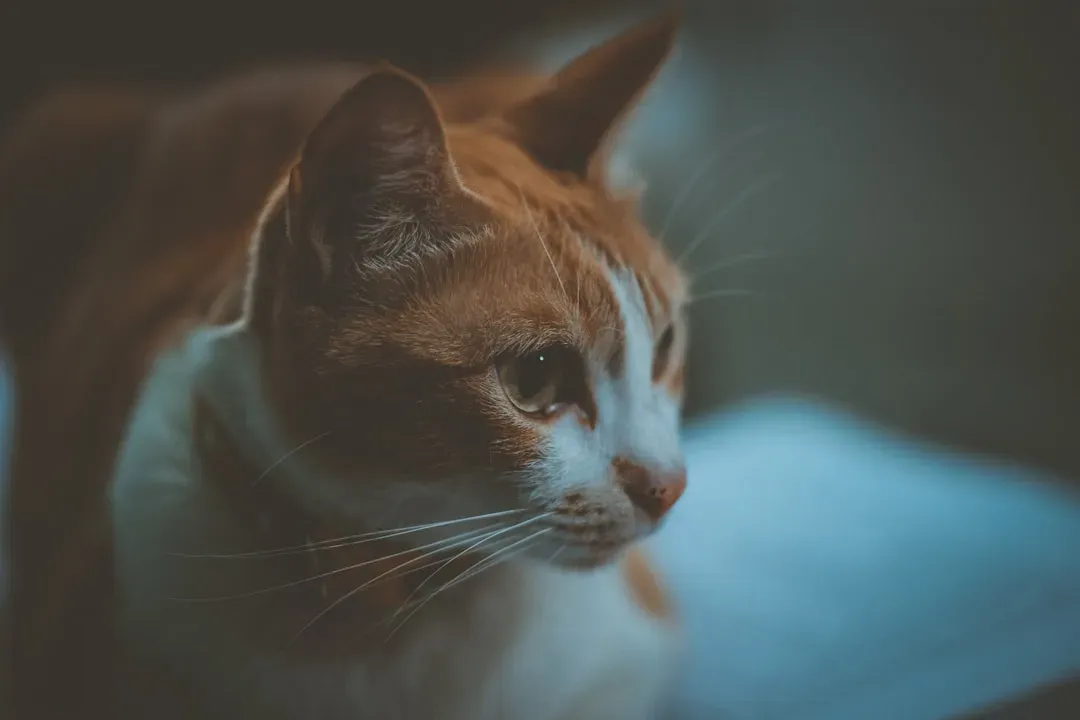
Some cats become more loving near the end, and they may want to stick close and follow you around. Conversely, others become irritable or even aggressive when touched. The thing is, there’s no single way cats behave when dying.
Many cats who usually prefer to be left to their own devices will suddenly be desperate for attention and soothing cuddles when they can tell their end is coming. Your independent cat might suddenly become your shadow, or your affectionate companion might hiss when you approach. Both extremes signal that something fundamental has shifted in how they’re experiencing the world.
Your Cat Will Show Confusion and Disorientation
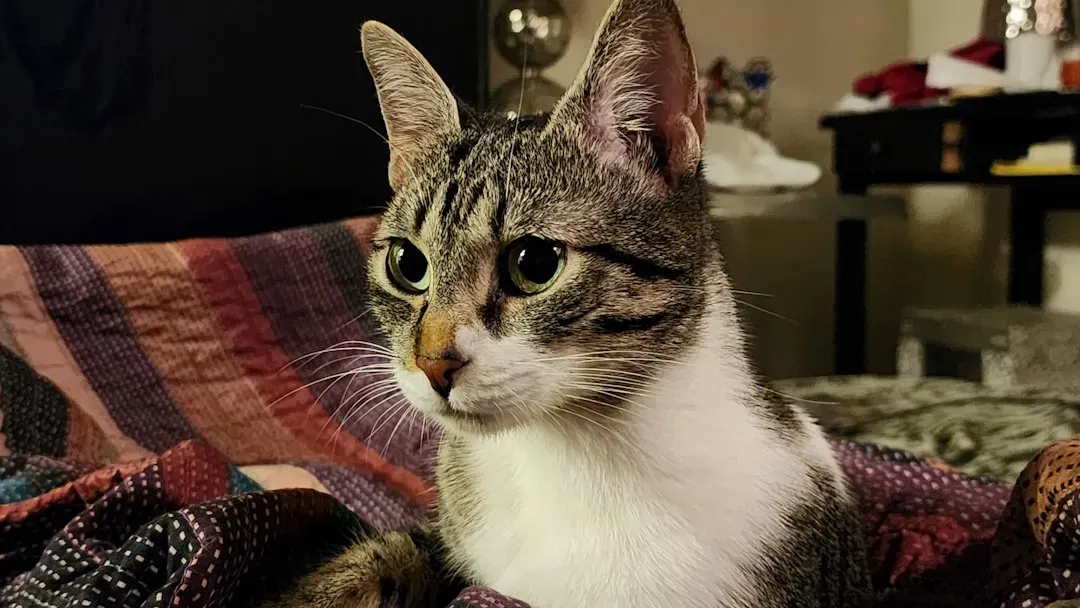
Senior cats and cats nearing the end of life might develop cognitive dysfunction much like human dementia. They may forget where they are and feel lost in their own home. You might find your cat staring blankly at walls or wandering aimlessly through rooms they’ve known for years.
Cognitive dysfunction, akin to human dementia, may cause them to wander or vocalize more at night, and seem confused. They might meow loudly, especially during nighttime hours, as if calling out for help or reassurance. It’s heartbreaking to watch them seem so lost in familiar surroundings. Some cats will even forget basic habits like where their litter box is located.
Your Cat Will Become Weak and Immobile
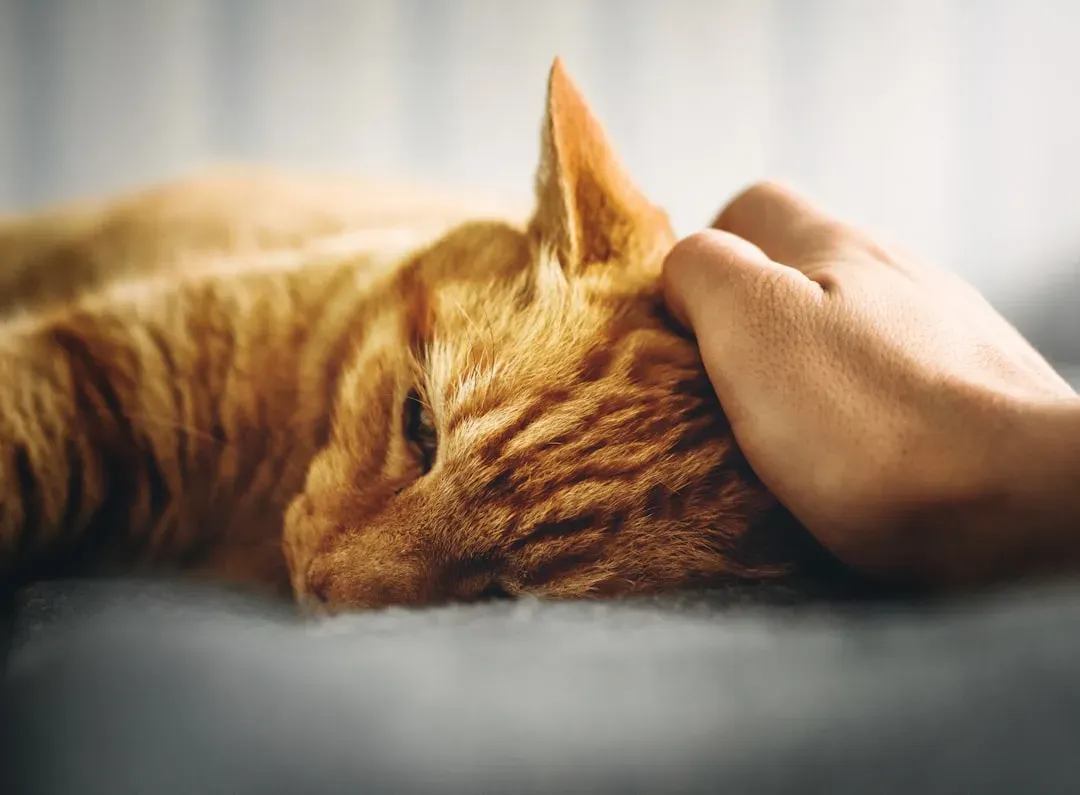
You may find that your cat is weaker once they’re up and about. They may not have the energy to walk to the litter box or jump onto their favorite cat tree to watch the world go by. Your cat may show signs like weak back legs, muscle wastage, wobbliness, or may even stumble when they walk.
When he or she is in great pain or feeling particularly weak, your cat may not be their usual energetic self. If your pet suddenly no longer shows interest in chasing their favourite toys, or they will not follow you into the kitchen even when food is on offer, you might be concerned. When they reach a stage where they cannot or will not move for an entire day, even to relieve themselves, that is definitely not a good indication. Movement becomes an enormous effort for them.
Your Cat Will Lose Interest in Everything They Once Loved
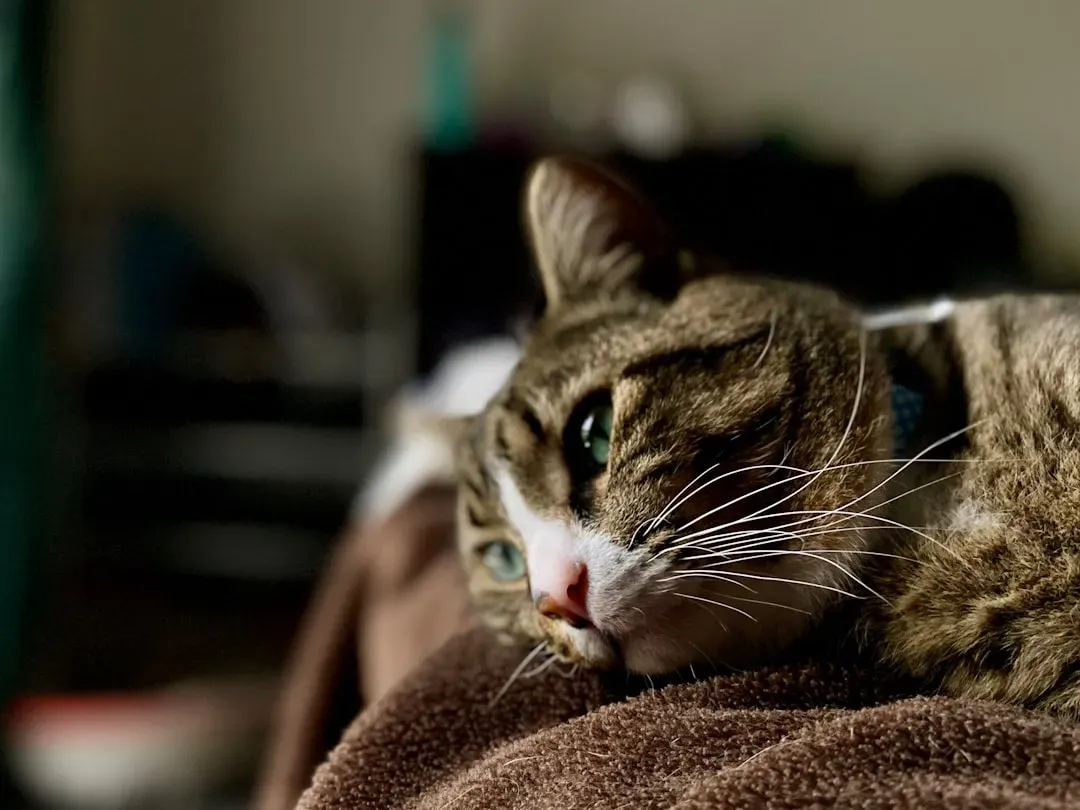
As your cat’s health deteriorates, she will lose interest in things she once enjoyed. She may no longer want to play with her toys, may turn her nose up at her favorite treats, and may even stop purring when petted. Disinterest in the world around her and a lack of joy for things she once loved are signs that your cat is ready to pass on.
That laser pointer that used to drive them wild gets no reaction. The catnip mouse they adored lies untouched. Even gentle petting might not produce the familiar rumble of their purr. Here’s the thing: when a cat stops responding to the things that brought them joy, they’re telling you that they’ve shifted their focus inward, preparing for what comes next. I think this might be the hardest sign of all to witness, because it shows just how much they’ve changed from the vibrant companion you’ve always known.
Conclusion
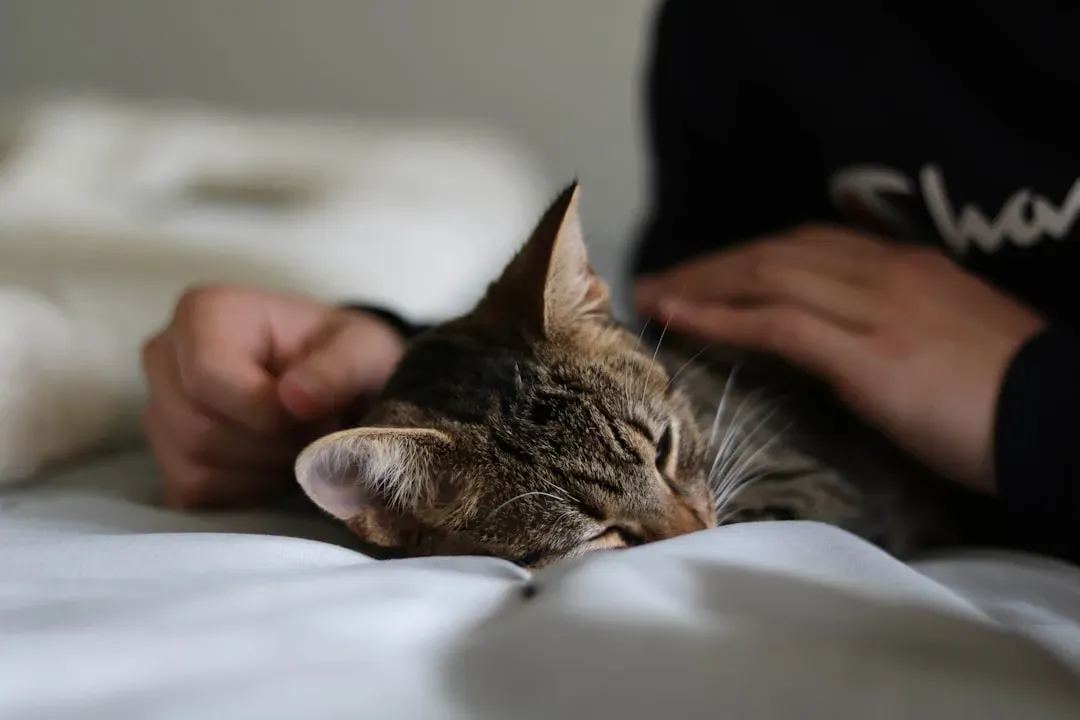
Recognizing these signs in your beloved cat is never easy. Each behavior change, from seeking solitude to losing interest in favorite activities, tells you that your companion’s journey is nearing its end. These aren’t meant to frighten you, but rather to help you understand what your cat is experiencing so you can provide comfort and dignity during their final days.
Your veterinarian can guide you through this difficult time and help you make compassionate decisions about pain management, hospice care, or euthanasia if your cat’s suffering becomes too great. Remember that being present, speaking softly, and simply offering your comforting presence can mean everything to your cat. Did you notice any of these signs in your cat? Share your experience in the comments below.