Have you ever wondered what’s going through your cat’s mind in their final days? Maybe you’ve noticed subtle shifts in behavior and dismissed them as just aging. Think again. Cats are far more emotionally complex than most people give them credit for, and when they sense their time is running out, they often engage in behaviors that seem almost deliberate, as though they’re trying to communicate something important to you.
These behaviors can vary dramatically, with some cats becoming more reclusive and less active, while others may become surprisingly affectionate. I think this is one of the most fascinating aspects of feline psychology. Here’s the thing: your cat might be trying to tell you something profound during those last moments you share together. Let’s explore what these behaviors really mean.
Seeking Unusually Intense Physical Closeness
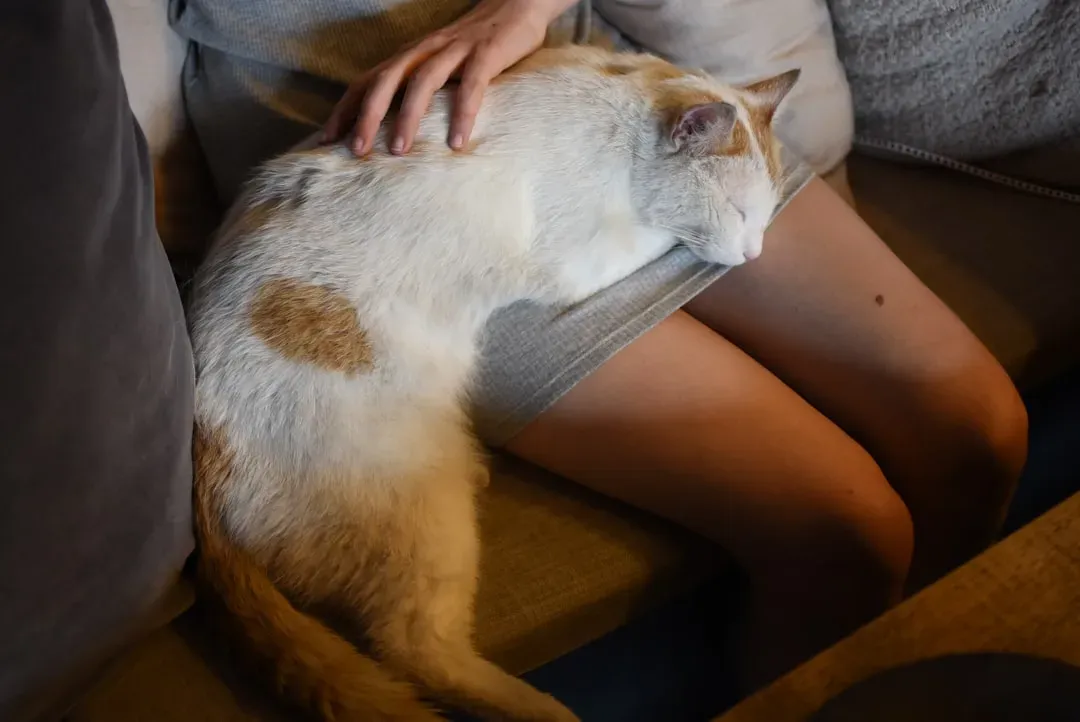
Some cats become dramatically more loving near the end, wanting to stick close and follow you around constantly, transforming from independent creatures into clingy companions. This isn’t just random neediness. Some cats become clingy and more affectionate with their humans during their final phase.
Even cats that were usually distant may begin to follow you closely, craving touch and closeness, as these precious moments represent their way of strengthening your bond one last time. It’s as if they understand time is running short and they want to make every second count. When your normally aloof cat suddenly demands constant cuddles, they might be leaving you with one final gift: the memory of connection.
Offering the Final Purr as Comfort
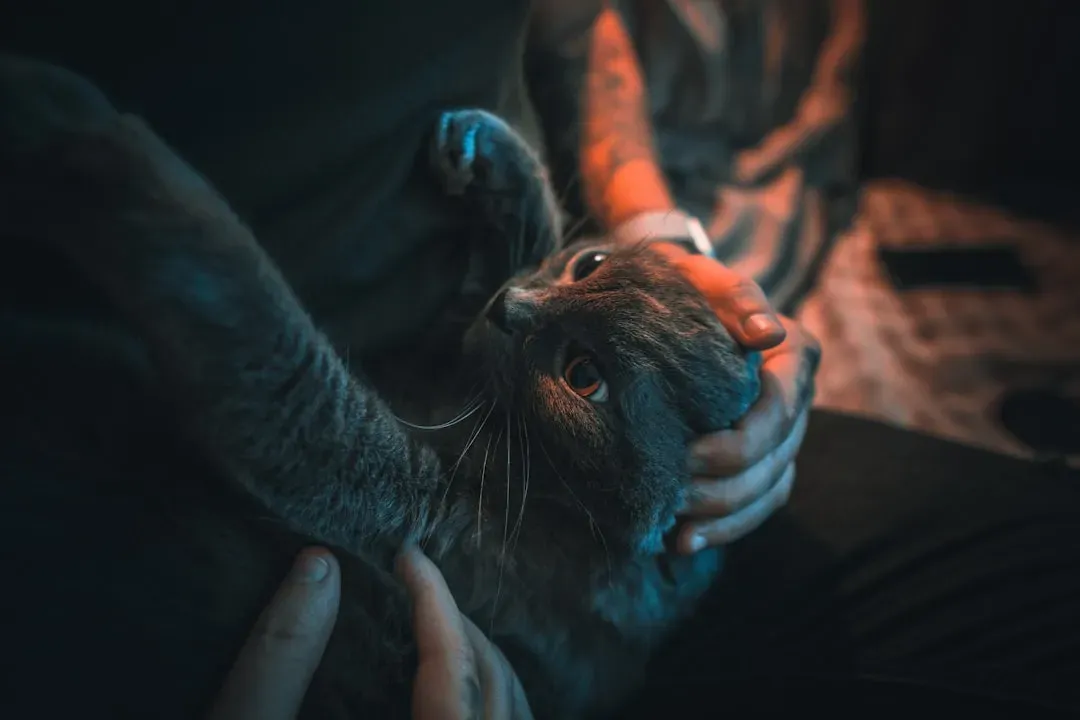
They may curl beside their owners, purr softly, or seek out gentle touches, as if they’re offering a final thank you or saying goodbye. That rhythmic vibration isn’t just a physical response. Honestly, I’ve always found purring to be one of the most emotionally loaded sounds a cat can make.
Cats typically become more attentive and affectionate, displaying increased purring and gentle physical contact while maintaining longer periods of close proximity. This behavior seems deliberate, almost ceremonial. Your cat knows that purring soothes you, and in their final moments, they’re using this intimate sound to comfort both themselves and you. It’s hard to say for sure, but this might be their way of leaving you with something calming to remember.
Making a Farewell Tour of Favorite Spots
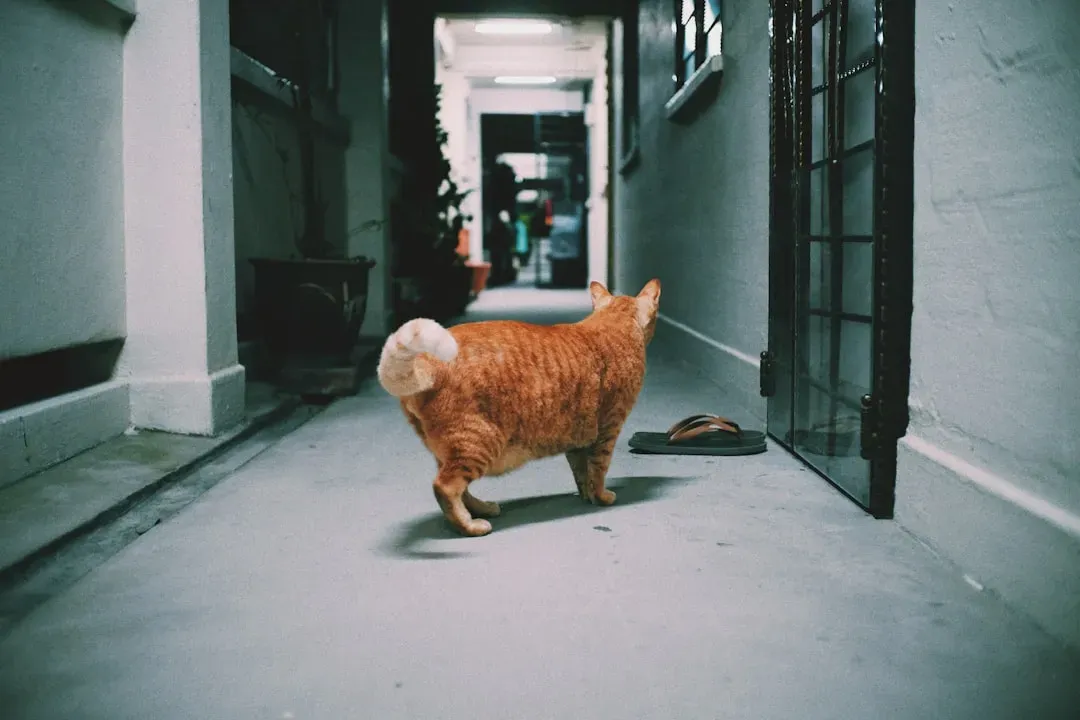
This behavior resembles a farewell tour of meaningful territories, as some cats may wander to revisit favorite indoor spots, providing a sense of closure. Let’s be real: this is heartbreaking to witness.
Your cat might wander through the house slowly, stopping at each sunny windowsill they loved or the corner where their favorite toy once lived. Watching this ritual unfold can be both heartbreaking and beautiful as they honor the spaces that defined their world. They’re not confused or lost. They’re remembering, and perhaps they want you to remember too.
Communicating Through Changed Vocalizations
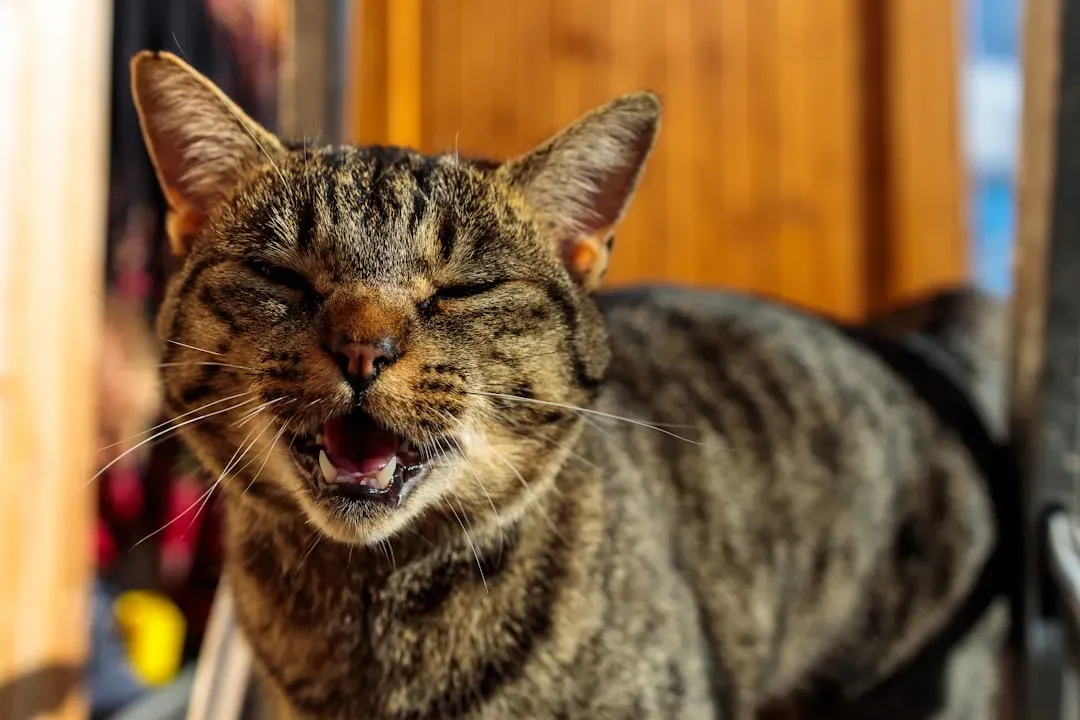
The sounds your cat makes may dramatically transform, with a previously quiet cat becoming unusually vocal with haunting meows that sound different, while conversely, a typically talkative feline might fall completely silent. Some cats show changes in vocal patterns, with some meowing more often while others became quieter than normal.
These vocalizations often occur at unusual times, particularly during the night when the house is quiet, and the tone and pitch frequently change, sometimes becoming more urgent or mournful. They’re trying to tell you something. Whether it’s discomfort, fear, or simply a need for reassurance, these vocal shifts are their attempt to bridge the communication gap before they no longer can.
Seeking Solitude to Protect You
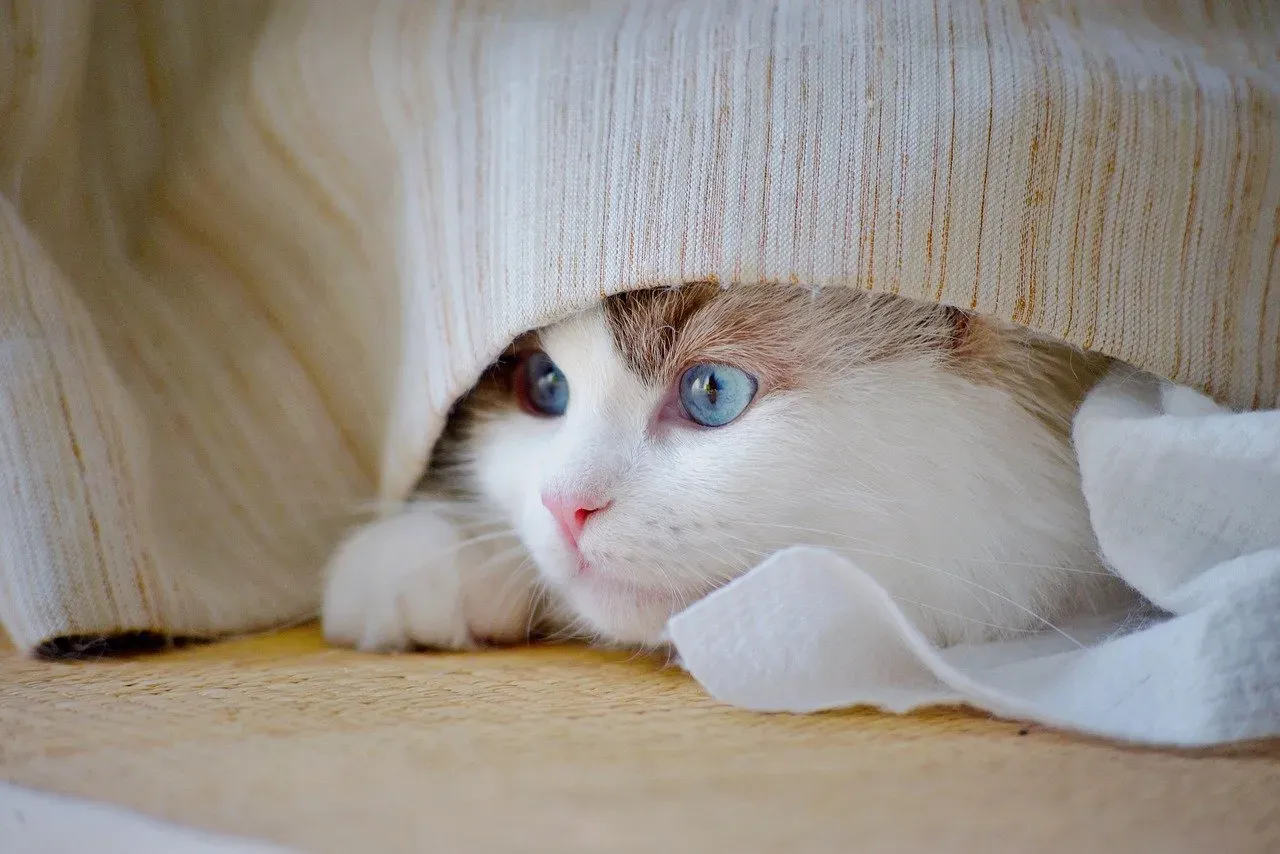
One of the most common behaviors in dying cats is their tendency to isolate themselves, hiding under beds, behind furniture, or in closets during their final days, which isn’t rejection but instinct, as injured or sick animals hide to protect themselves from predators in the wild. This one stings the most for many cat owners.
It is common for cats to move to a quiet place when they are very close to passing. It is not unusual for a cat to begin to hide as their time draws near, though this could be a symptom of their worsening illness and not a direct sign that they know the end is coming. Still, some experts believe cats might withdraw to spare you the sight of their decline. Your cat may be trying to make this easier on you, in their own instinctive way.
Showing You Meaningful Eye Contact
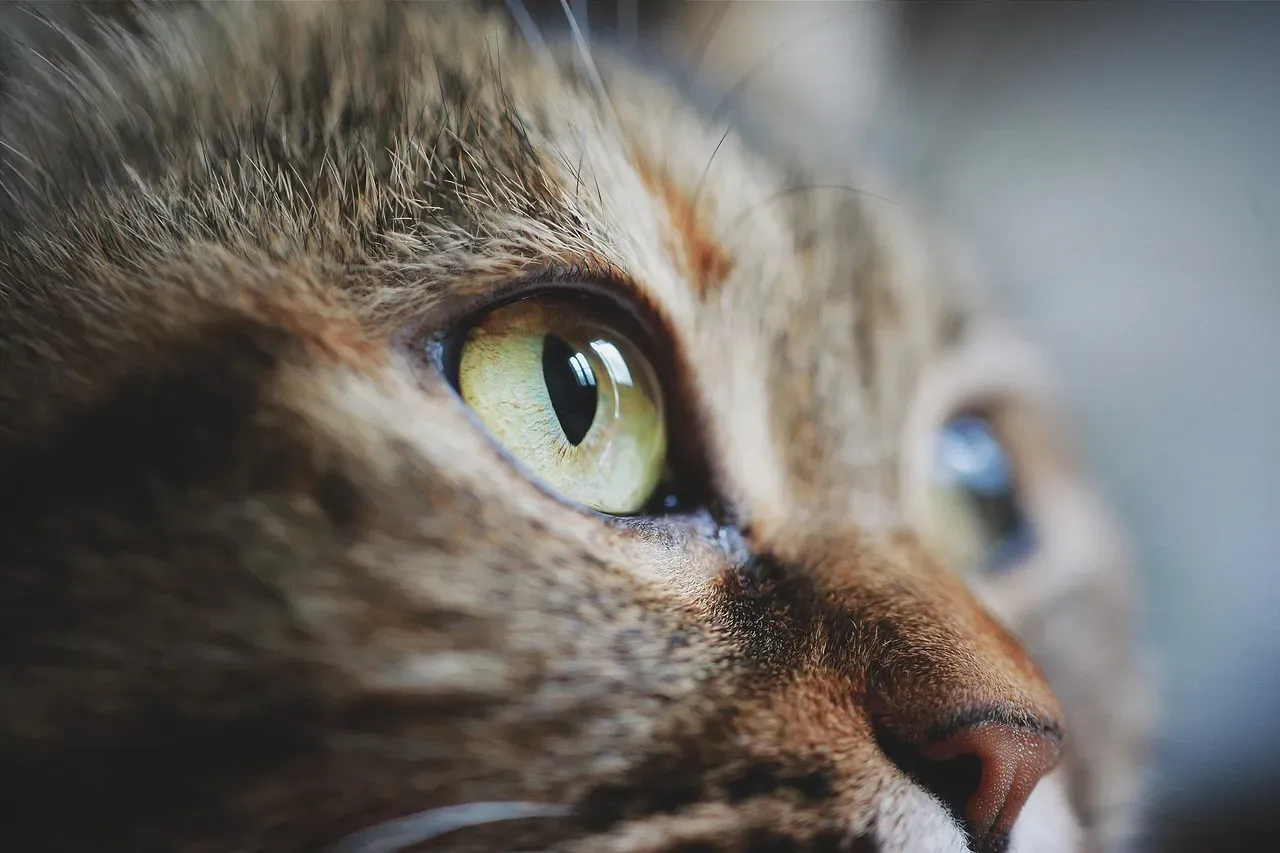
Cats don’t maintain prolonged eye contact casually. It’s a gesture of trust and vulnerability. In their final days, you might notice your cat gazing at you longer than usual, with a softness in their eyes that’s unmistakable. These aren’t blank stares.
They’re moments of connection that feel almost human. Your cat is looking at you, really looking, as if trying to memorize your face or communicate something beyond words. I know it sounds intense, but anyone who’s experienced this knows exactly what I’m talking about. These silent exchanges can be some of the most powerful moments you share.
Reducing Grooming to Conserve Energy
Cats may stop grooming themselves if they are too uncomfortable or unwell. Normally fastidious creatures, cats take pride in their appearance. When they stop caring for their fur, it signals something significant. Your cat may detach from social situations, seek solitude, or hide in quiet places, as this detachment reflects their need to conserve their energy.
They’re making choices about how to spend their remaining strength. Rather than maintaining their coat, they’re prioritizing time with you or simply resting. This visible change in grooming habits is their body telling them to focus on what matters most. What matters most, it seems, is often you.
Transferring Guardianship to You
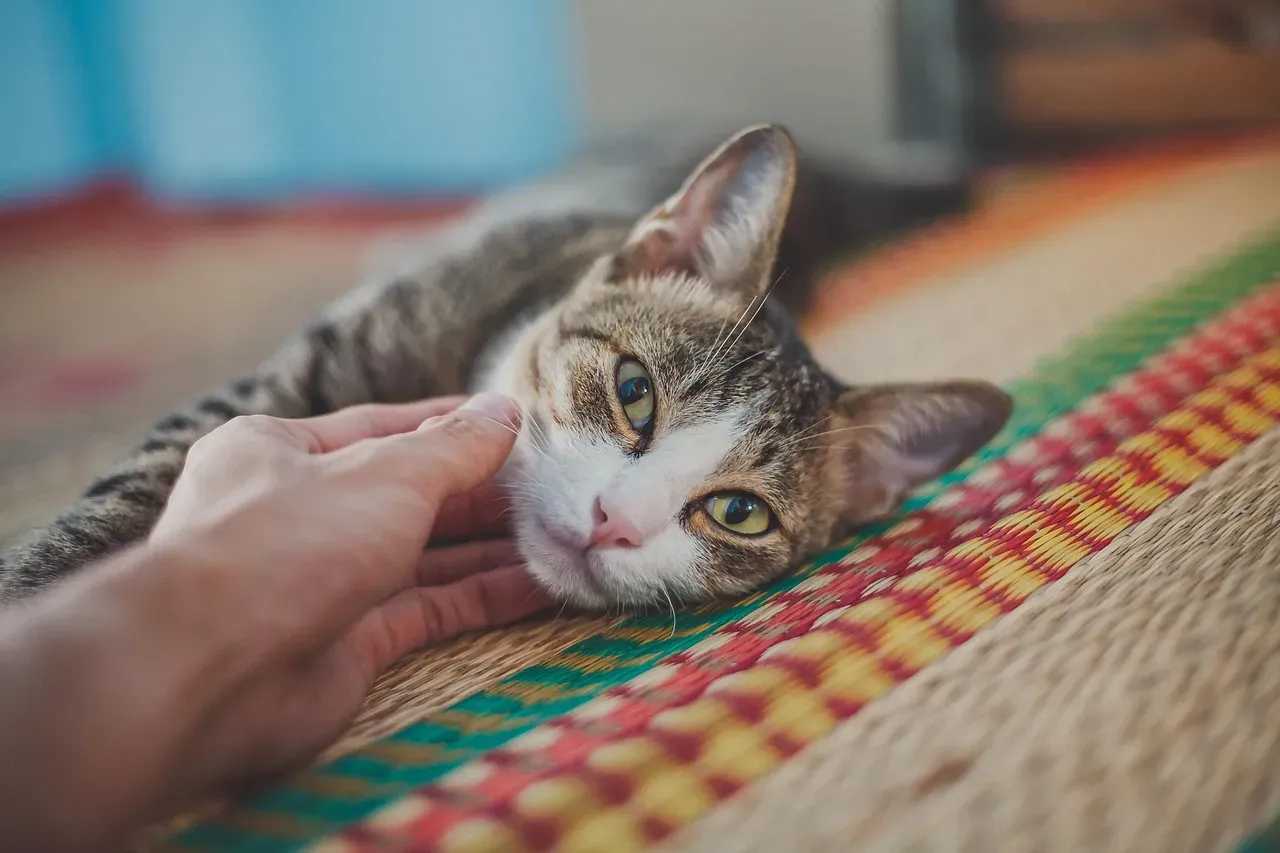
This behavior is subtle but profound. Cats often display distinctive behaviors when saying goodbye, such as seeking unusual amounts of attention or finding isolated spots to rest. Some cats seem to shift into a mode where they want to ensure you’re prepared for their absence.
They might lead you to their hiding spots, show you where they feel safe, or even bring you their favorite toy. It’s as though they’re saying, “This is where I’ll be” or “Remember this about me.” Honestly, it feels like they’re trying to pass on some responsibility or knowledge, ensuring you understand their world before they leave it. This gesture, while quiet, carries enormous emotional weight.
Leaving Behind Personal Items
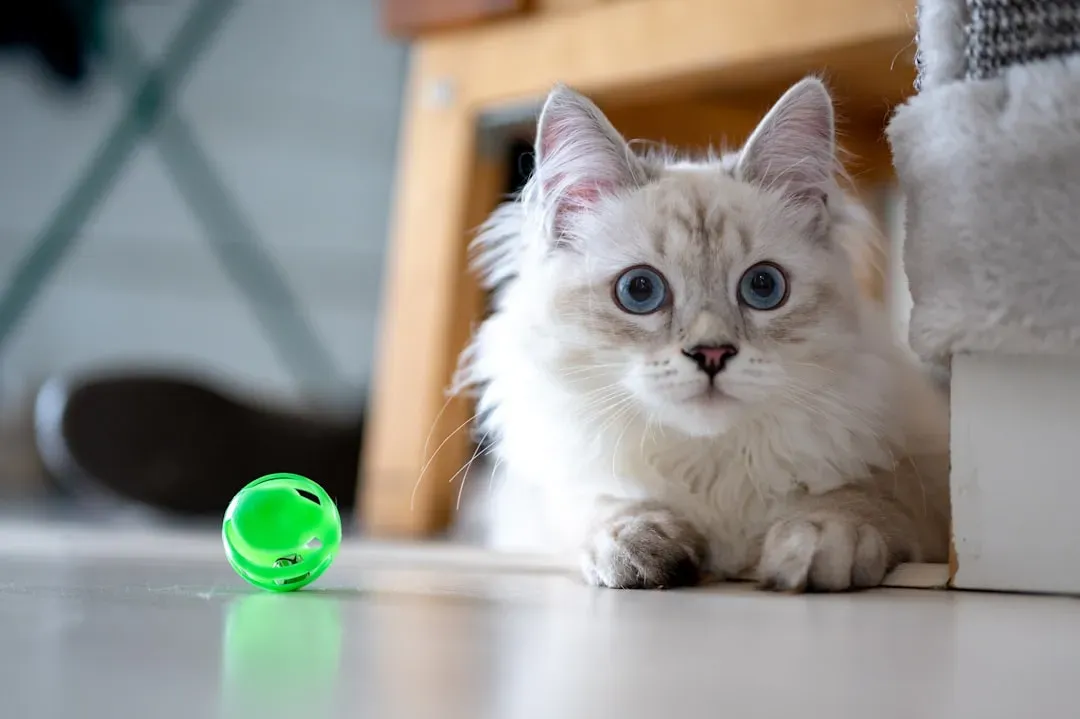
Your cat might deliberately place their favorite toy near you, or leave traces of themselves in places you frequent. Cats nearing the end of their lives often exhibit behavioral changes including altered eating habits, visible pain, and seeking solitude or comfort from their owners, which can be interpreted as a cat’s way of communicating their declining health rather than saying goodbye literally. While they’re not consciously thinking about legacy in human terms, there’s an instinctive quality to this behavior that feels intentional. Maybe it’s their scent on your favorite blanket, or the well-worn catnip mouse left on your pillow. These small offerings are physical reminders, tokens of the life you shared. They become precious after your cat is gone.
Conclusion
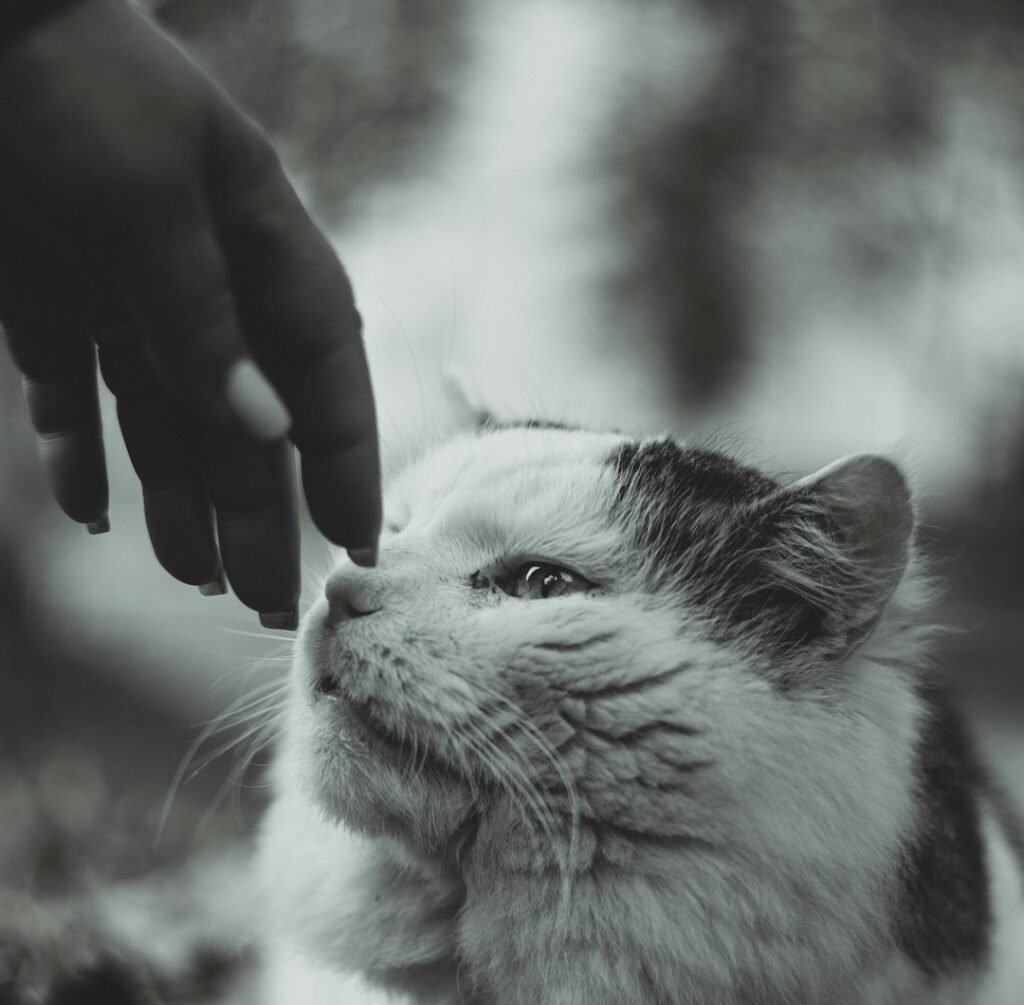
Cats nearing the end of their life show changes in their behavior, often becoming more reclusive, less active, or more affectionate. Each of these nine behaviors represents a language all its own. Your cat can’t tell you in words what they’re feeling, but through these actions, they’re saying something important: “I was here. I loved you. Remember me.” Understanding how cats say goodbye before they die allows pet owners to provide the compassionate care and comfort feline friends deserve in their final days. These aren’t just random shifts caused by physical decline. There’s meaning woven through these final gestures, whether it’s the extra purr, the lingering gaze, or the way they choose to spend their last energy beside you. Did you notice these signs in your own cat? What moment will you hold onto forever? Tell us in the comments, because these stories matter, and your cat’s memory deserves to be shared.