Have you ever caught your feline companion staring at you with those mesmerizing eyes and wondered what’s going on in that mysterious little head? Cats have a reputation for being aloof and indifferent, yet nothing could be further from the truth when they’ve truly bonded with their human. Unlike dogs, who wear their hearts on their furry sleeves, cats express their deepest affection and trust through subtler signals that many people completely miss.
Trust, to cats, is all about safety. Your cat is constantly evaluating whether you’re a threat or a source of comfort. Once you’ve earned their confidence, they’ll communicate this bond through specific behaviors that reveal just how special you are to them. Let’s dive into the fascinating world of feline trust signals that prove you’re not just a roommate who fills the food bowl. You’re their person.
They Sleep Near You or Right On Top of You
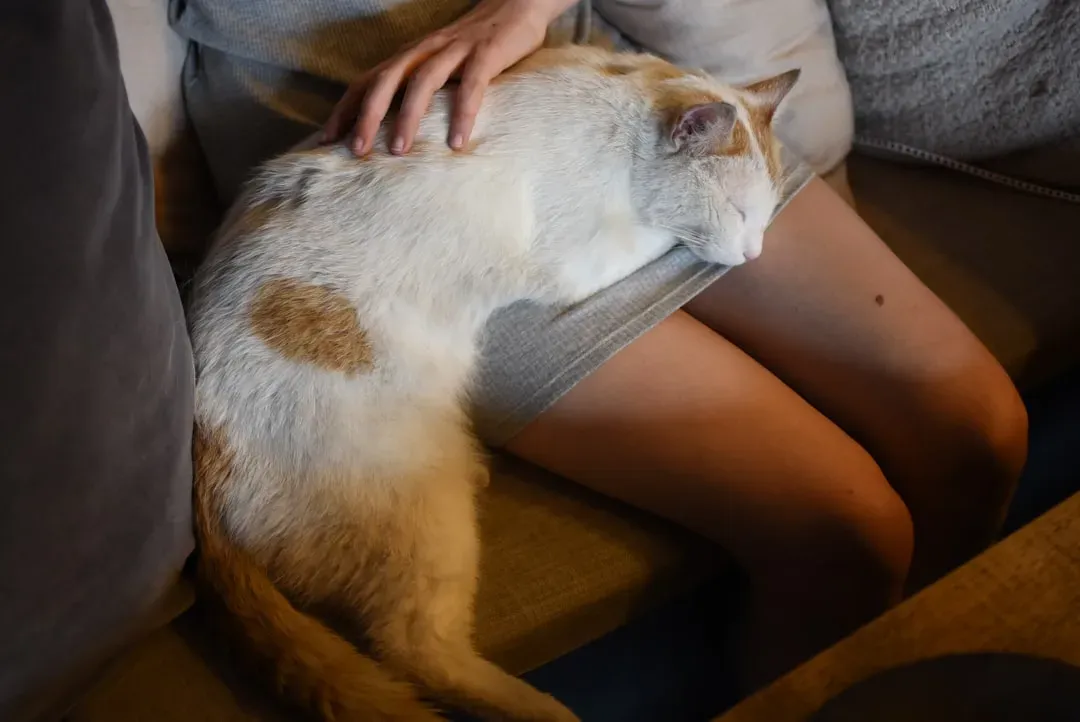
Here’s the thing: cats are incredibly vulnerable when they’re asleep. When your furry feline curls up next to you, they’re showing the ultimate trust in you. Sleep is when cats are most vulnerable, so if they choose to snooze near you, it means they feel totally safe and secure in your presence. Think about it. In the wild, a sleeping cat is basically a sitting duck for predators.
If your cat chooses your lap, your bed, or even your chest as their preferred napping spot, congratulations. The ultimate compliment is if they want to sleep on you – being close to you when they are at their most vulnerable is a definite sign that you have earnt your cat’s trust. Some cats will even insist on sleeping right next to your face or tucked under your arm. It’s not just about warmth or comfort. It’s about complete and utter faith that you’ll keep them safe while they dream about chasing mice.
The Slow Blink of Deep Affection
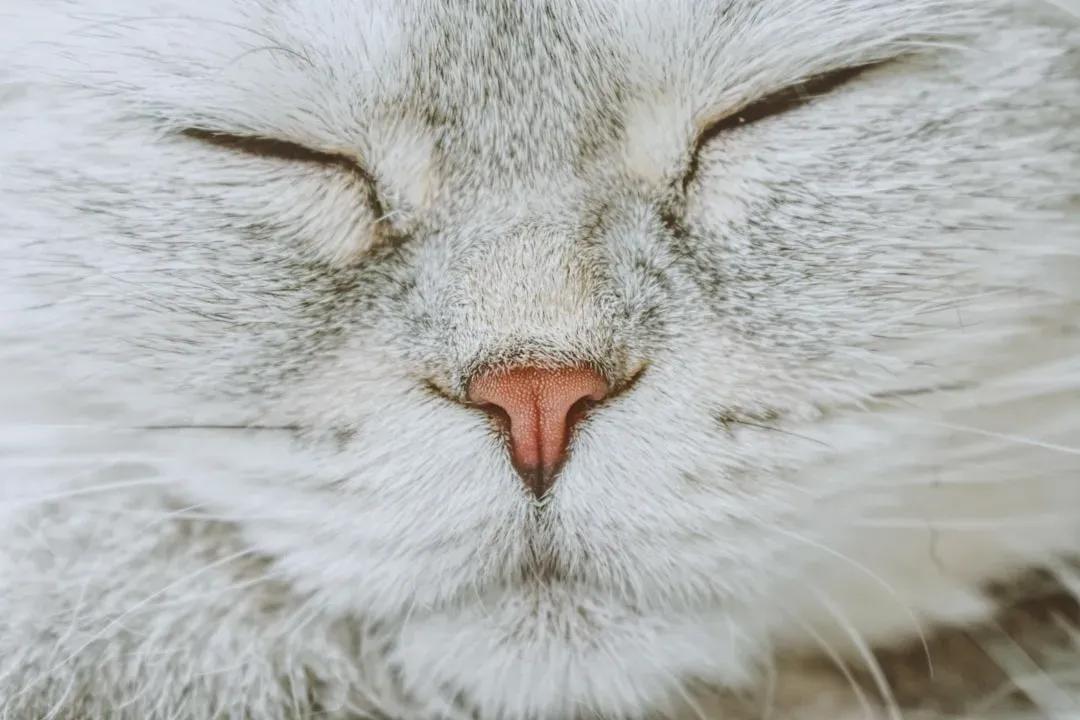
Cats use slow blinking to demonstrate affection and trust. This isn’t just a random eye movement. The slow blink is a sign of trust, your cat is showing that they are relaxed and comfortable in your presence. It’s like their version of blowing you a kiss or saying “I love you” without words.
The next time your cat gazes at you and slowly closes their eyes in that dreamy, languid way, they’re actually communicating something profound. If a cat blinks slowly at you, it means they trust and love you. Try returning the gesture by slowly blinking back at them. Honestly, it’s one of the simplest yet most powerful ways to strengthen your bond. This silent conversation can make your relationship even deeper, creating a unique language that only the two of you share.
Head Bunting and Cheek Rubbing Rituals
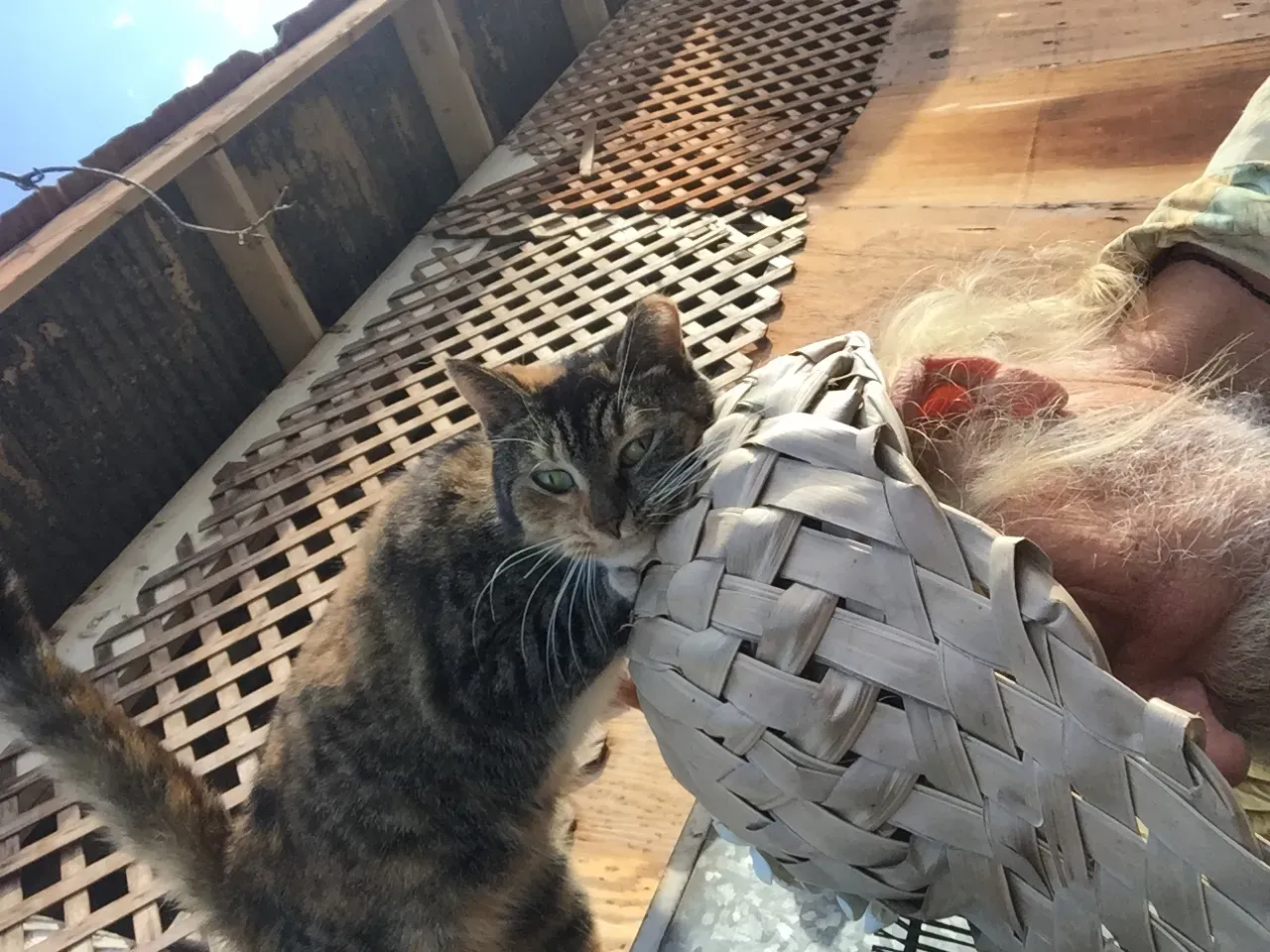
Ever had your cat headbutt you or rub their face against your legs, hands, or even your face? This adorable behavior has a scientific name: bunting. When a cat rubs their face on you or headbutts their human’s leg or face, they are actually marking them with the scent glands located along the side of their face and top of their head. You’re literally being claimed as theirs.
Intermingling scents is a sign of love, acceptance and ownership – cats only ‘own’ people they trust. When your cat does this, they’re not just saying hello. They’re announcing to the world (or at least to other animals) that you belong to them and they feel safe with you. This scent-marking behavior is deeply instinctual and reserved only for those they consider family. So the next time your cat gives you a gentle headbutt, take it as the high honor it truly is.
Exposing Their Vulnerable Belly
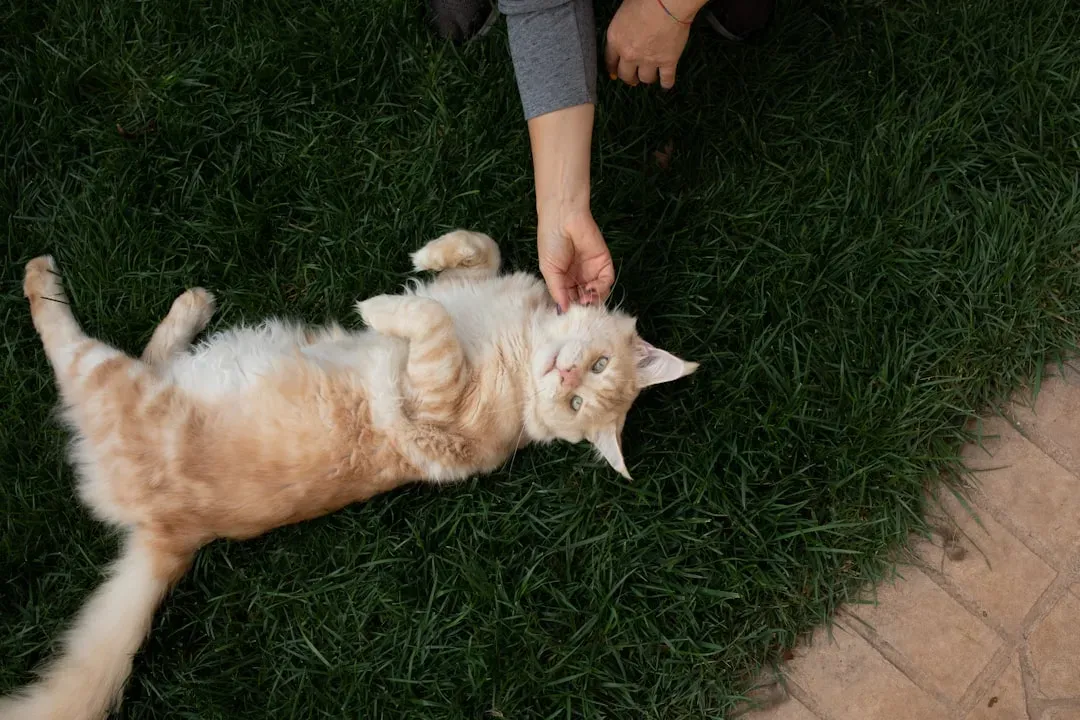
You walk into the room and your cat suddenly flops over, rolling onto their back with their belly exposed. Your cat’s belly is a particularly tender spot. If she rolls onto her back and exposes her belly, she’s telling you she’s comfortable being around you. This is their most defenseless position, where all their vital organs are completely unprotected.
It’s mainly a sign that she feels protected when you’re nearby, since being on her back is a defenseless position. However, here’s where it gets tricky: just because they show you their belly doesn’t necessarily mean they want you to touch it. This doesn’t necessarily mean your cat wants you to pet her belly, though; most cats don’t actually like that. The display itself is the compliment. They’re showing they trust you enough to be in such a vulnerable state, which is honestly one of the highest forms of feline flattery.
Bringing You “Gifts” From Their Hunting Adventures
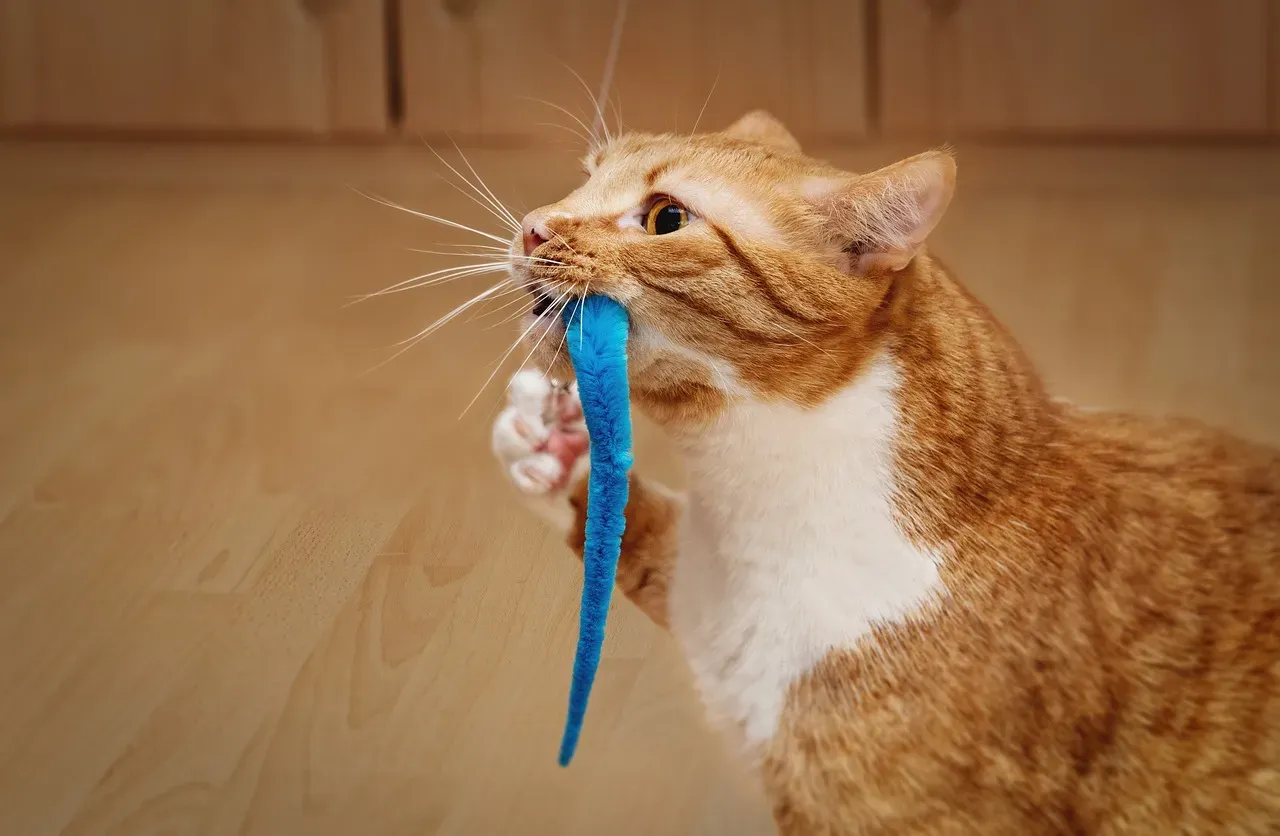
Let’s be real: finding a dead mouse, bird, or even a beloved toy at your feet might not seem like a gift you particularly want. Yet to your cat, it’s the ultimate gesture of trust and affection. Wild cats would catch food for their young, so your cat’s “gift” of his latest catch just means he considers you family. They’re essentially treating you like a member of their colony.
Your cat is trying to show you that he trusts you enough to share such a vital part of his survival. In feral cat colonies, hunters bring food back to their bonded companions, and your domestic feline is following that same instinct. While you might be tempted to react with horror (totally understandable), try to appreciate the thought behind the gesture. Your cat genuinely believes they’re providing for you and showing they trust you to appreciate their hunting prowess.
They Meow and Vocalize Specifically for You
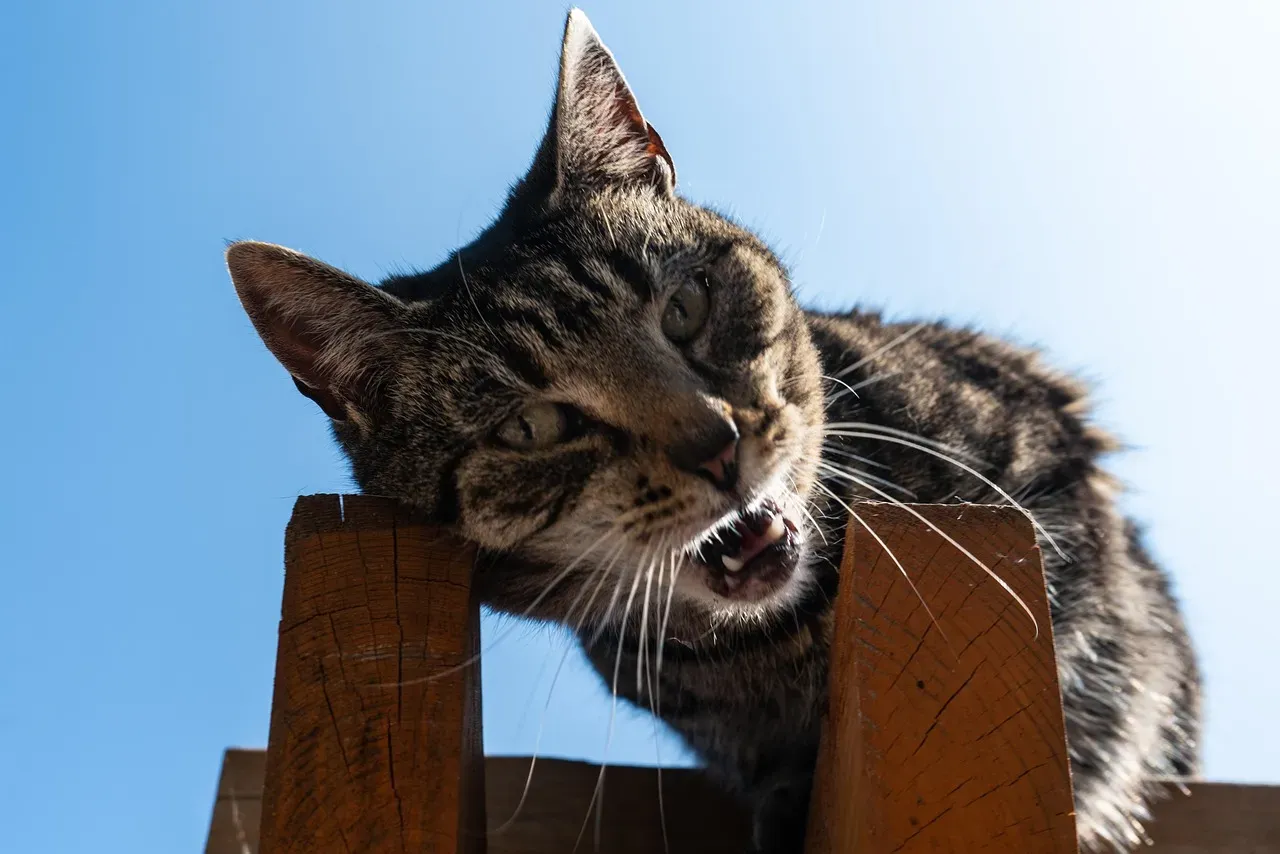
Did you know that adult cats don’t typically meow at each other? Cats don’t really meow at each other. They meow at their mothers, who provide them with food, warmth, and safety when they are kittens, and they meow at their people, who provide them with the same things as adults. When your cat meows at you, they’re essentially treating you like their parent.
Soft ‘peeping’ sounds, called a trill, is also a sign that your cat loves and accepts you. Each cat develops their own unique vocabulary with their favorite human. Some cats chirp when they see you, others have demanding meows for dinner time, and some engage in full conversations. The fact that they vocalize specifically for you demonstrates they trust that you’ll respond to their needs and understand what they’re trying to communicate.
Kneading You Like Dough
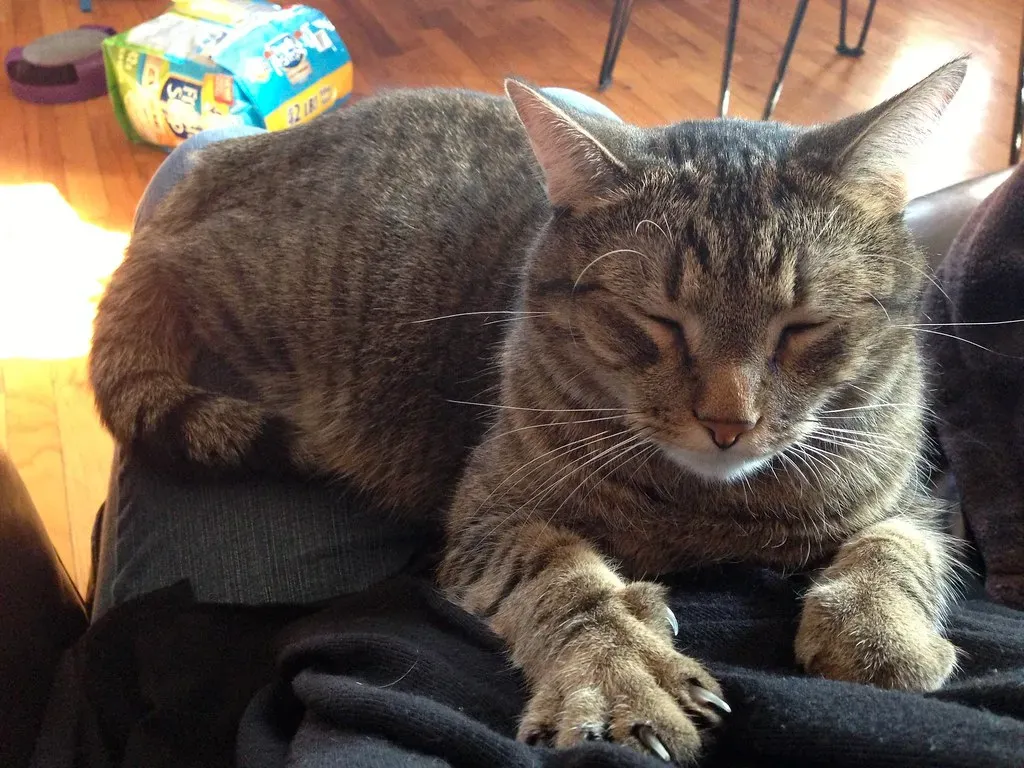
If your cat pushes their paws in and out against your lap, your stomach, or even your face, they’re performing a behavior called kneading (or “making biscuits”). Kneading with their paws is a sign of affection and trust. Cats often knead on soft surfaces – or your lap – as a comforting, kitten-like gesture of bonding. This behavior originates from kittenhood when they kneaded their mother’s belly to stimulate milk flow.
When your adult cat kneads you, they’re regressing to that safe, comfortable state they felt as a kitten with their mother. It’s a sign they feel equally secure and content with you. Some cats even purr while doing this, entering a blissful, almost meditative state. Yes, the claws can be uncomfortable (especially if they’re not trimmed), yet that minor discomfort is a small price to pay for being the recipient of such profound trust and contentment.
Grooming You or Letting You Groom Them
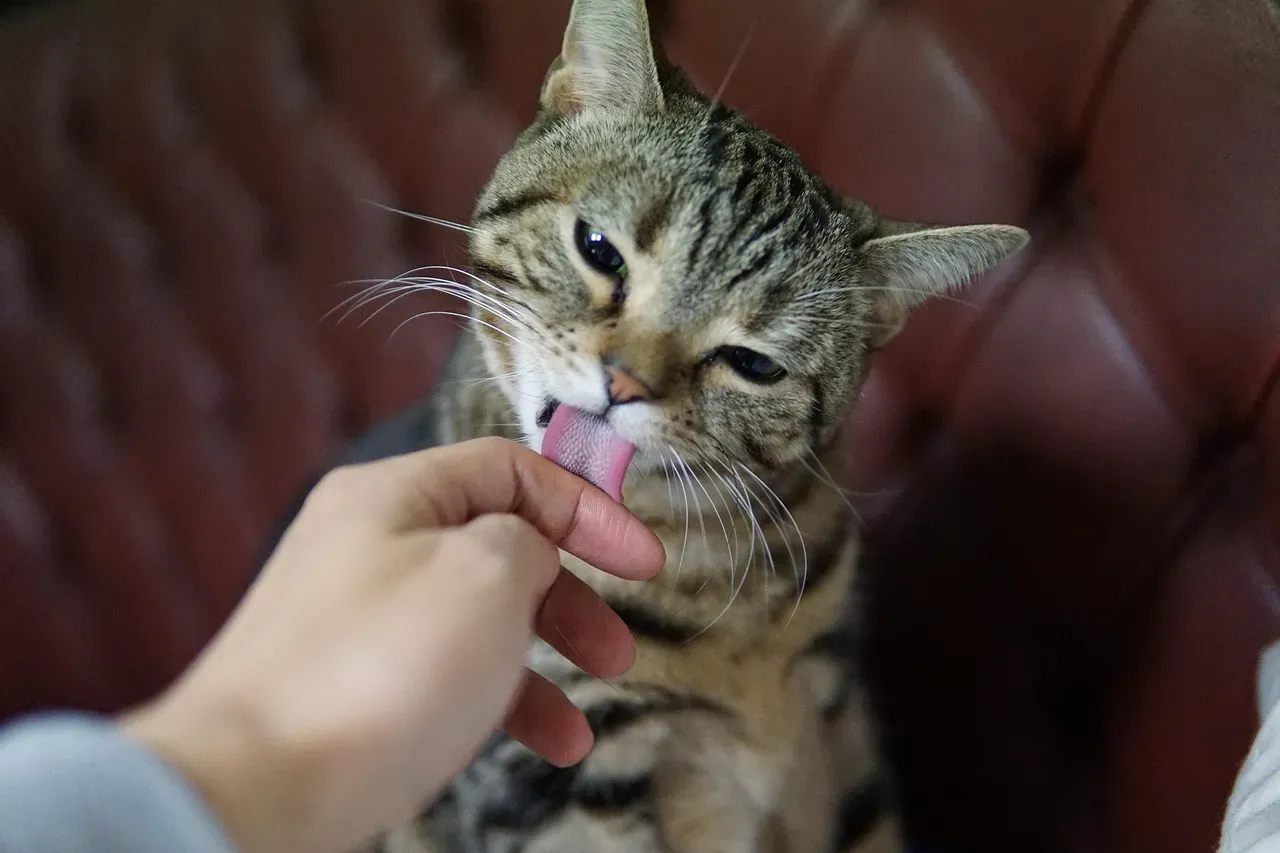
Cats are often solitary animals, but if they live in a bonded pair or group, they will spend time grooming each other. If your cat licks you or grooms you, this is cat behavior indicating trust and love. When your cat licks your hair, your hands, or your face, they’re treating you like a fellow feline they deeply care about.
Mutual grooming is common among cats. So, when your cat grooms you or allows you to groom them, it is often an indication that they not only trust you, but see you as a member of their family. Allowing you to brush them or touch sensitive areas like their paws or ears demonstrates an incredible level of trust. They’re essentially saying, “I trust you won’t hurt me, even when I’m in a vulnerable position.” This mutual grooming creates a powerful bond that strengthens your relationship every single day.
Following You From Room to Room
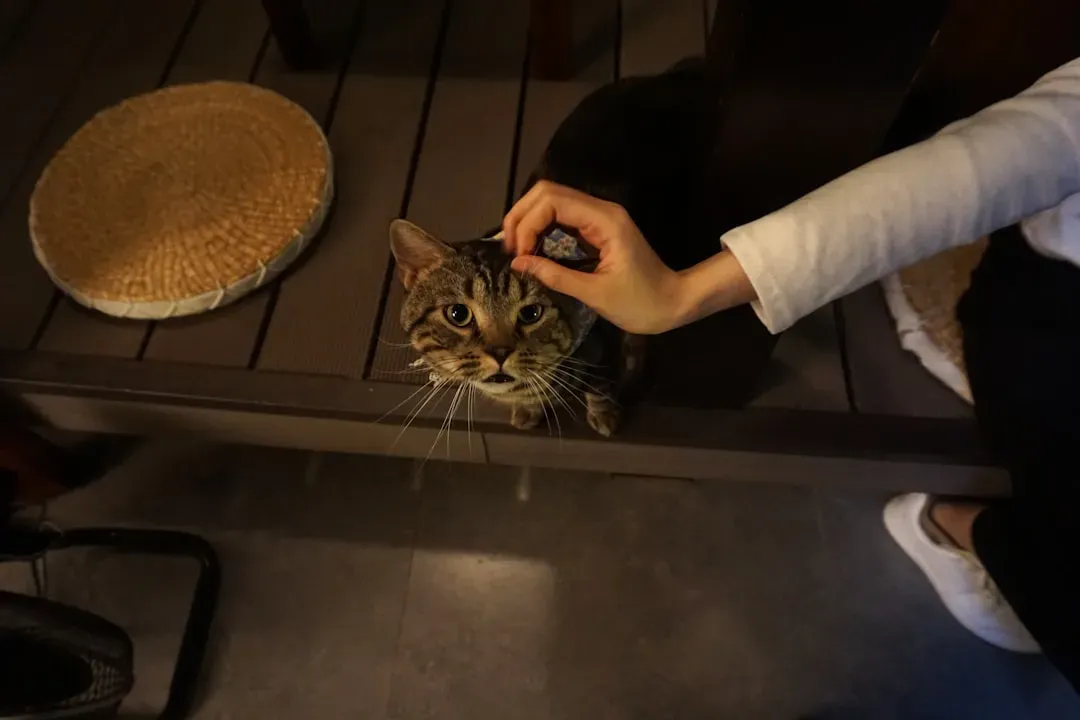
If your feline companion frequently follows you from room to room, it’s a sign they enjoy your company and feel safe with your presence. This behavior shows that your presence provides comfort and security. Your cat isn’t just bored or curious about what you’re doing. They genuinely want to be near you because you make them feel safe and content.
Some cats will follow their humans to the bathroom, the kitchen, the bedroom, and everywhere in between. They might not always demand attention or interaction. Sometimes they’re perfectly happy just being in the same space as you, keeping an eye on what you’re up to. This shadowing behavior proves that you’re their safe haven, their source of security in an unpredictable world. They trust you so completely that they choose your company over solitude, which for an independent creature like a cat, speaks volumes about the depth of your bond.
Conclusion: The Silent Language of Feline Trust
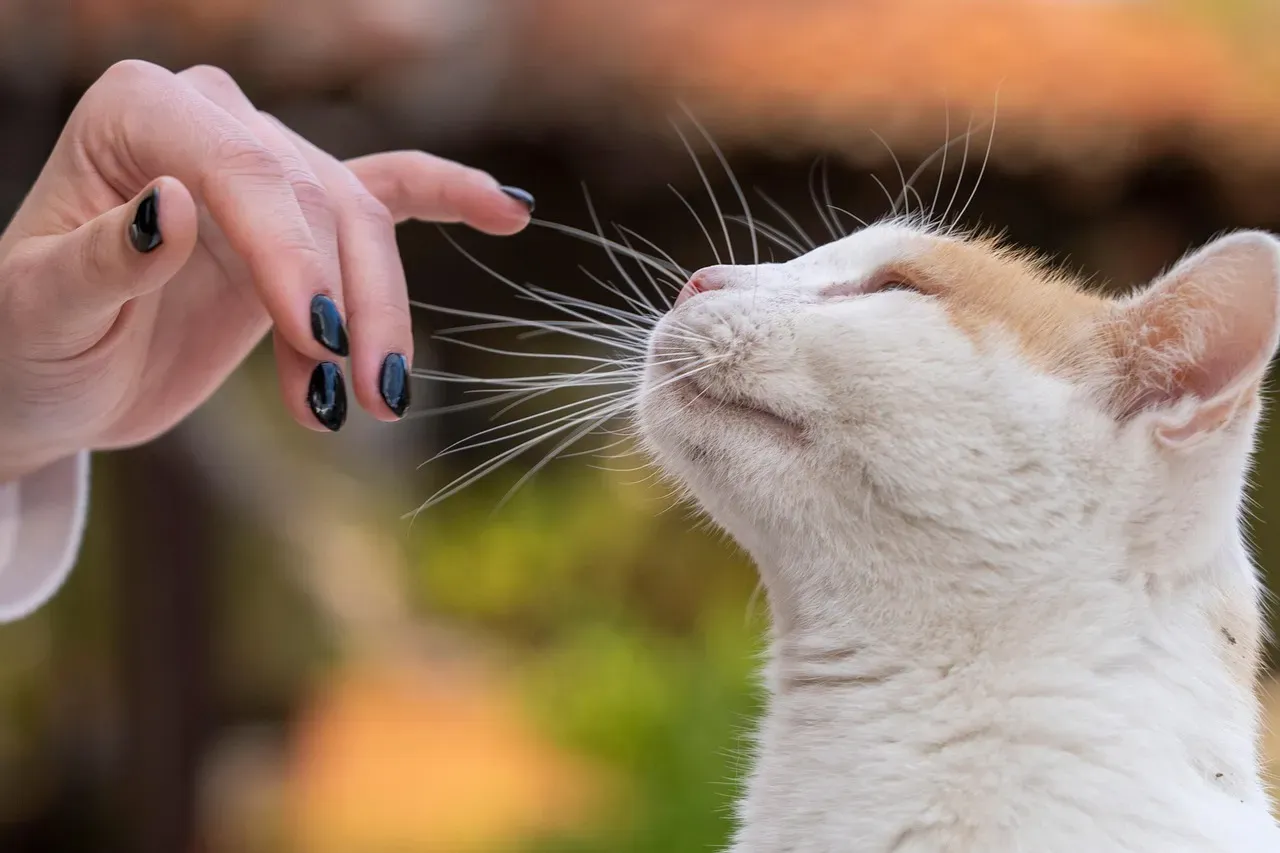
Cats may not express their feelings as openly as dogs do, yet their trust signals are no less meaningful. From the slow blink to the vulnerable belly display, each behavior represents a deep confidence in your ability to keep them safe and loved. Understanding these signs helps you appreciate the unique bond you share with your feline companion and respond to their needs with greater sensitivity.
The next time your cat brings you a “present,” headbutts your leg, or curls up on your lap for a nap, remember that you’ve earned something truly special. You’re not just their caretaker. You’re their most trusted confidant, their safe space, their chosen family. What do you think about these trust signals? Does your cat display any of these behaviors? We’d love to hear your stories in the comments.