We all want what’s best for our feline companions. You’ve probably heard the debate about indoor versus outdoor cats more times than you can count, with passionate arguments on both sides. While the dangers of letting cats roam freely are real and documented, there’s a middle ground that many pet parents haven’t fully explored yet.
What if your cat could experience the enriching wonders of the outdoor world without facing those terrifying risks? Controlled outdoor access through catios, leash training, or secure enclosures offers something truly remarkable for your feline friend. The benefits go far beyond what you might initially imagine, touching everything from physical health to emotional wellbeing in ways that might genuinely surprise you.
Your Cat’s Mental Health Gets a Serious Upgrade
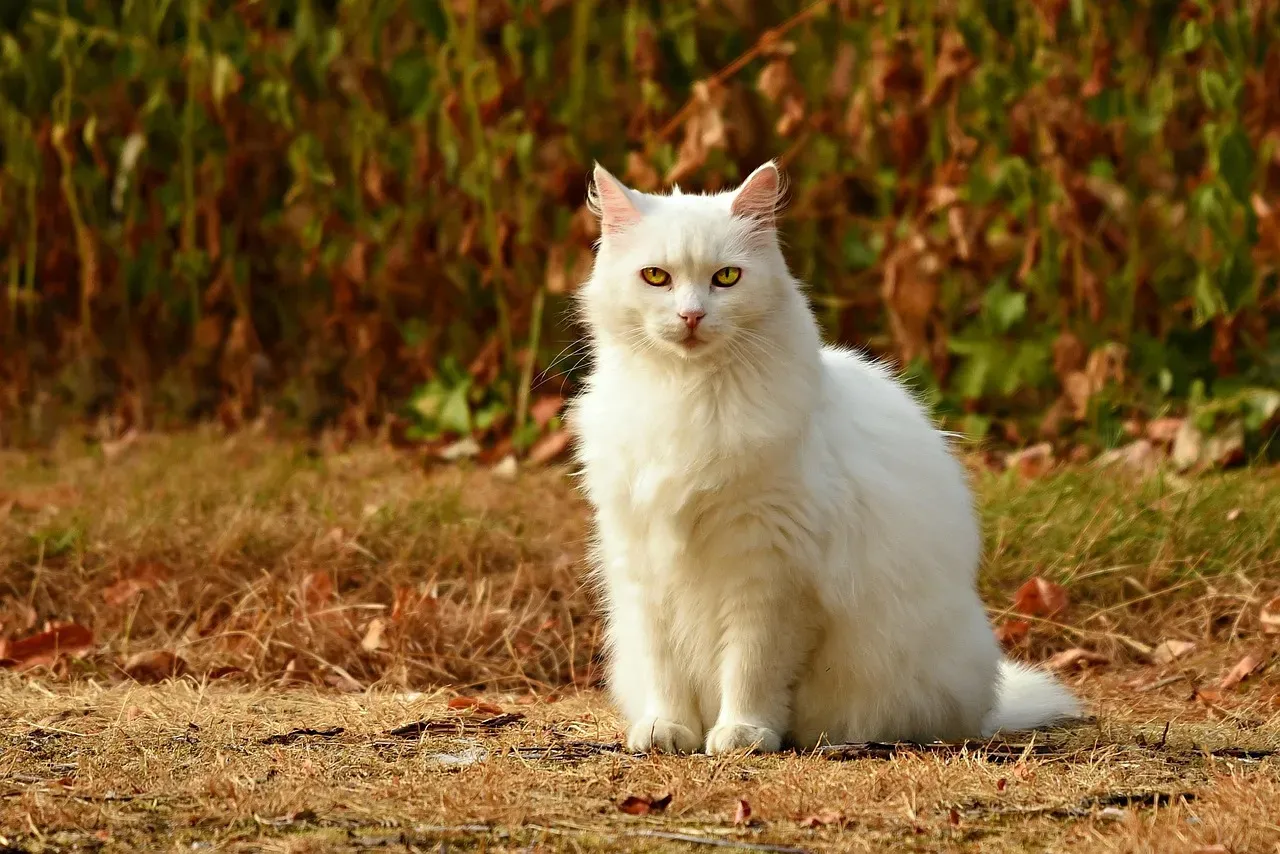
Owners who allow their cats controlled outdoor access most frequently cite benefits to their cat’s mental health. Think about it from your cat’s perspective for a moment. Day after day, they’re surrounded by the same walls, the same furniture, the same predictable routines.
Confining a cat indoors can cause stress, depressive states, or states of extreme agitation, while outdoor access not only prevents negative mood states but also promotes positive experiences. The natural sights, sounds, and scents of the outdoors have a soothing effect on cats, helping to reduce anxiety and stress. Your cat’s brain is wired to process complex sensory information, and outdoor environments deliver that in spades.
Natural Behaviors Finally Get an Outlet
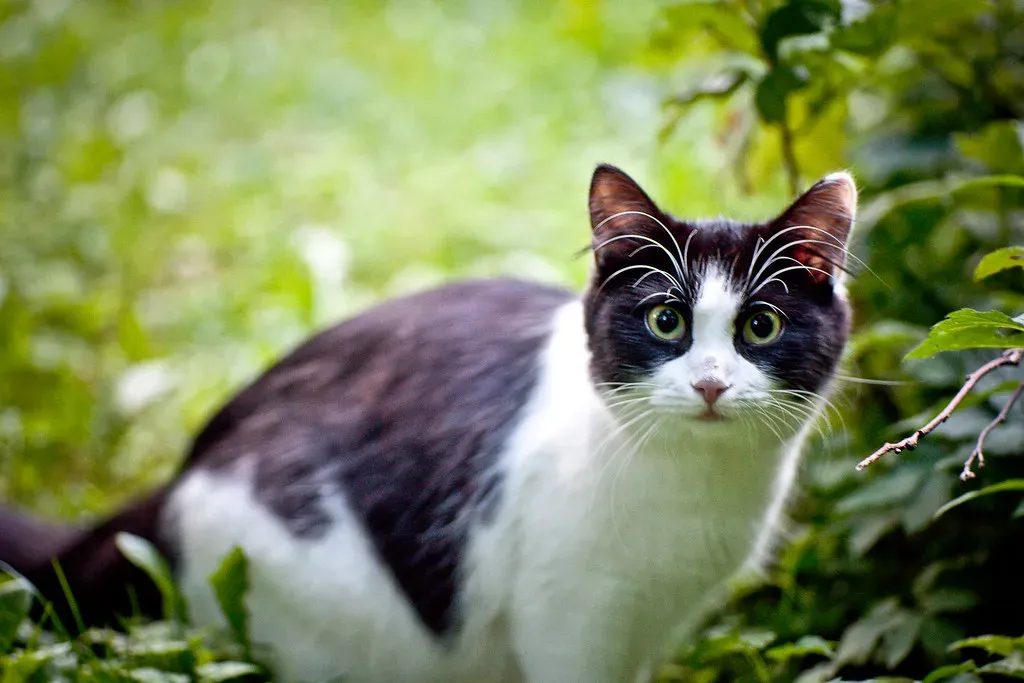
Giving cats access to the outdoors gives them mental stimulation, exercise and reduces stress. Your cat isn’t being difficult when they scratch your couch or sprint through the house at midnight. They’re simply trying to express deeply ingrained behaviors that evolution has hardwired into them.
Outdoor access provides an outlet for natural behaviors, allowing cats to scratch on trees, patrol their territory and put their hunting instincts to use. When you give your cat safe outdoor access, you’re essentially giving them permission to be authentically themselves. Being outside allows cats to express their natural behaviors, like hunting and exploring.
Weight Management Becomes Significantly Easier
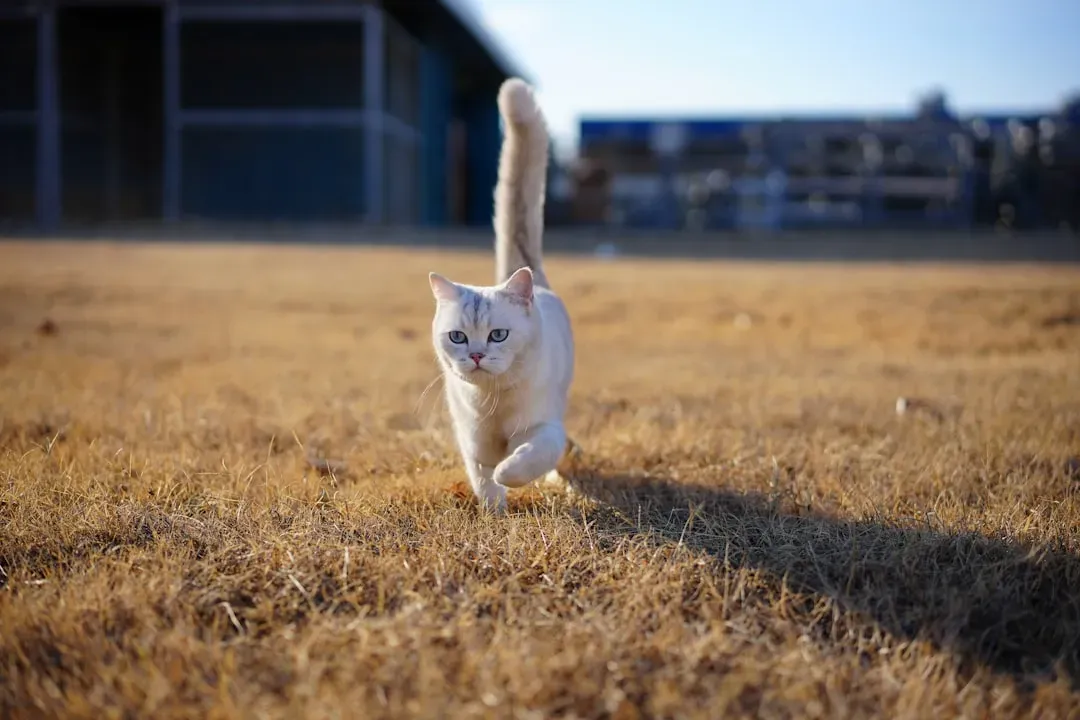
Let’s be real about something many cat owners struggle with silently. Nearly half of domestic cats are overweight or obese, and it’s one of the most common health concerns veterinarians see. An outdoor cat is far less likely to become overweight because the great outdoors has so much to do.
Outdoor cats stay active through running, climbing, and hunting, which helps maintain a healthy weight and build muscle. Outdoor cats typically get more exercise, which reduces their risk for obesity. When your cat has access to vertical climbing opportunities, spaces to explore, and things to investigate, exercise happens naturally rather than feeling like a chore you need to manufacture indoors.
Their Senses Get the Stimulation They Crave
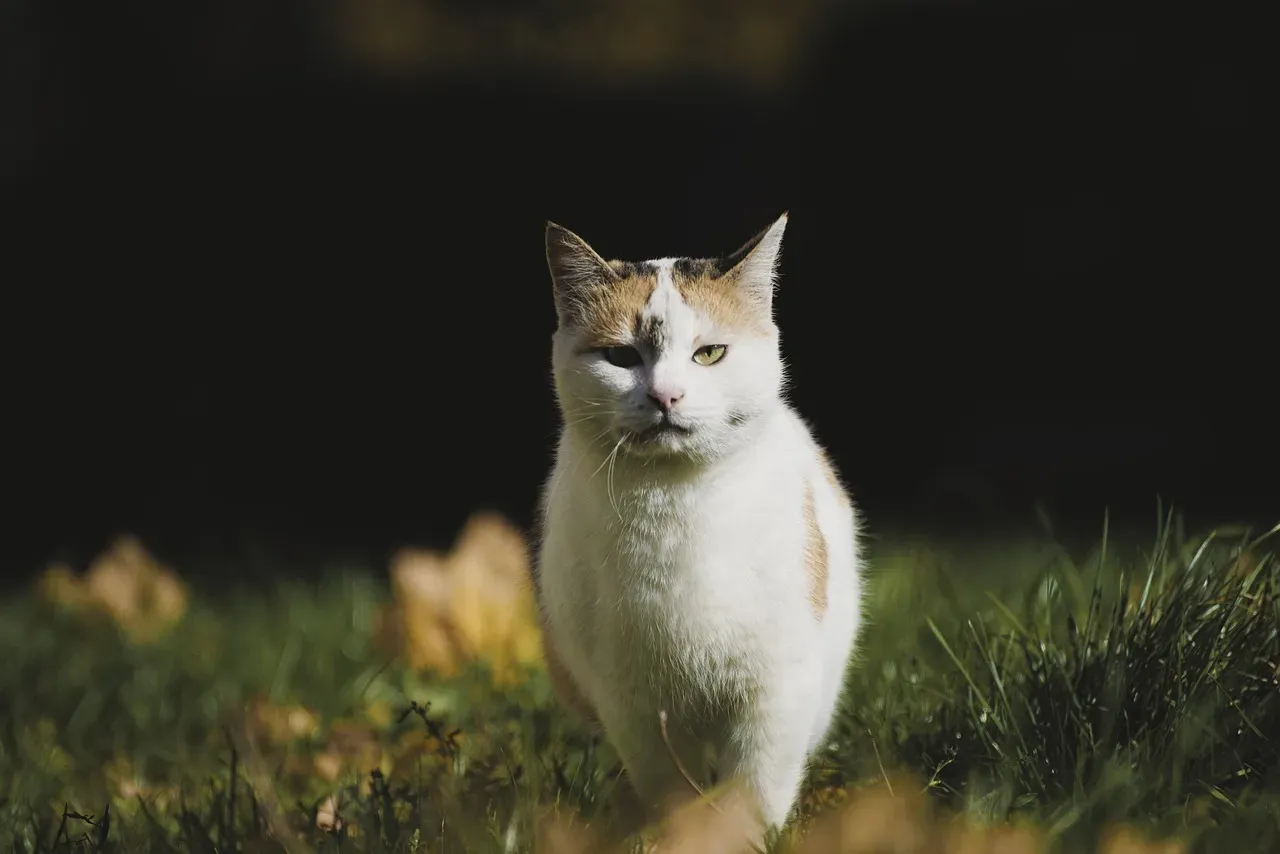
Here’s something fascinating that most people don’t realize. Olfaction is a cat’s most powerful and important sense, and cats can even hear sound in the ultrasonic range that humans have no perception of. Your indoor environment, no matter how enriched, simply cannot compete with what nature offers.
Cats who are given the opportunity to spend time outside are stimulated by all of the sights, sounds, and smells of nature, providing much needed mental stimulation that indoor-only cats miss out on. Outdoor enclosures expose cats to various sights, sounds, and smells, satisfying their curiosity and reducing boredom. Every rustling leaf, every bird chirp, every scent carried on the breeze gives your cat’s sophisticated sensory systems exactly what they’re designed to process.
Confidence Levels Can Actually Increase
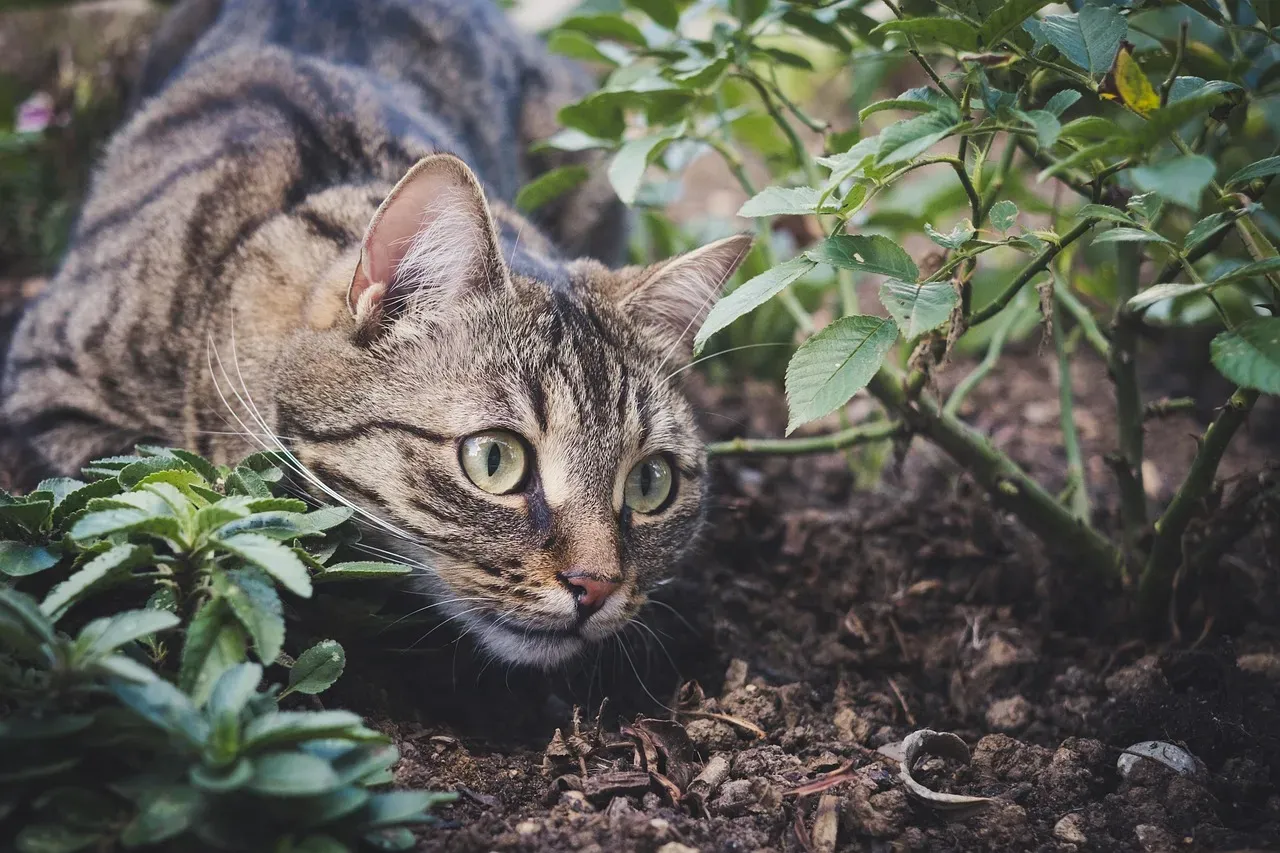
You might not expect this one, but it’s genuinely remarkable to witness. Timid or shy cats often become more self-assured when given a safe outlet to explore their surroundings. Think about how you feel after accomplishing something challenging or exploring somewhere new.
Outdoor environments provide a space for cats to experience a sense of independence, which can boost confidence and reduce stress, helping them connect with their instincts. That same sense of achievement and capability applies to your feline friend. When they successfully navigate an outdoor space, even a small enclosed one, they’re building self-assurance in ways that translate to their overall demeanor.
Behavioral Problems Often Decrease Dramatically
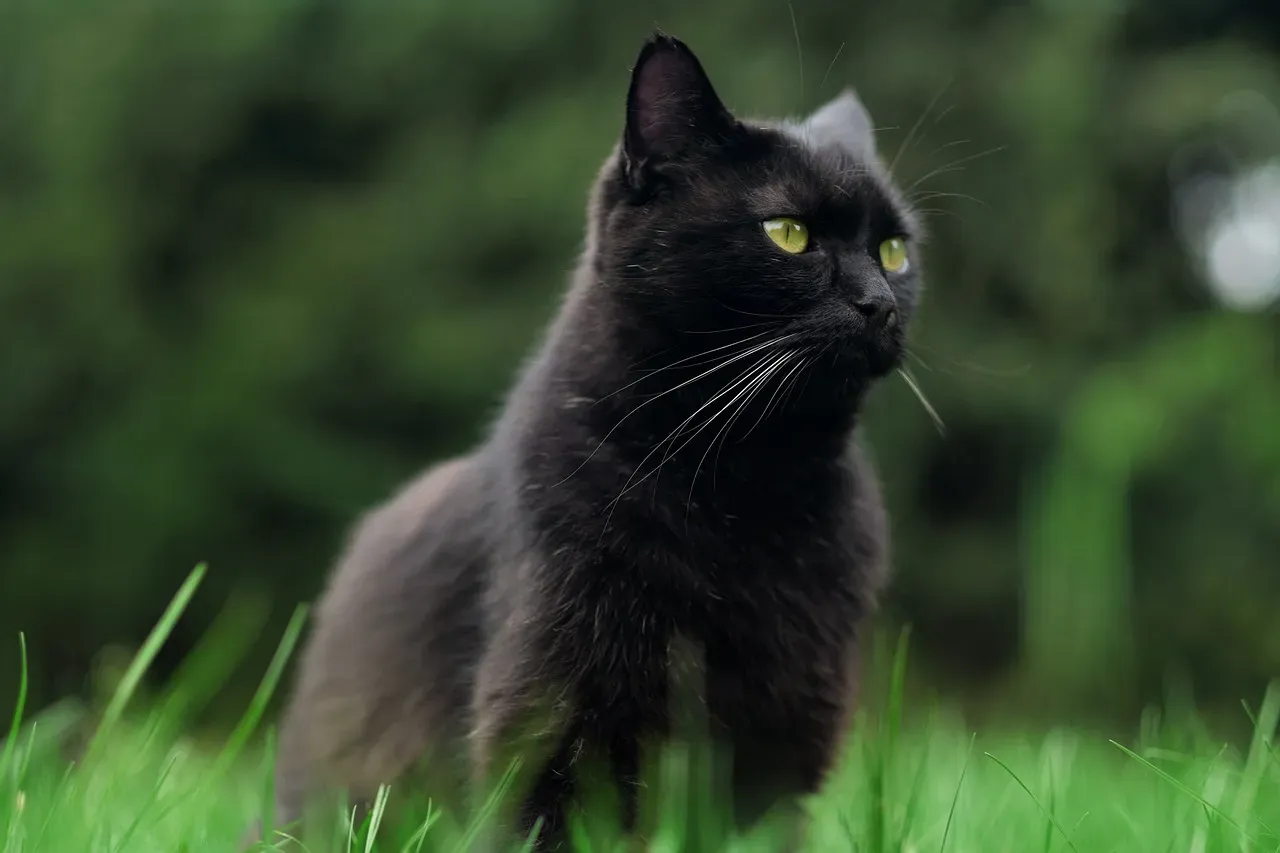
Many cat owners don’t realize that the scratching, excessive meowing, and destructive behaviors they’re dealing with are actually symptoms of understimulation. Cats with access to outdoor enrichment tend to exhibit fewer destructive or attention-seeking behaviors.
A change of scenery and a break from the monotony of indoor life can lead to improvements in behavior, potentially reducing negative behaviors like scratching furniture or excessive meowing. Providing an enriched environment can decrease undesirable behaviors such as excessive grooming or scratching, which often stem from stress or boredom. I’ve honestly seen cats transform from anxious, destructive animals to calm, content companions simply by adding controlled outdoor access to their routine.
Physical Fitness Improves Across Multiple Systems
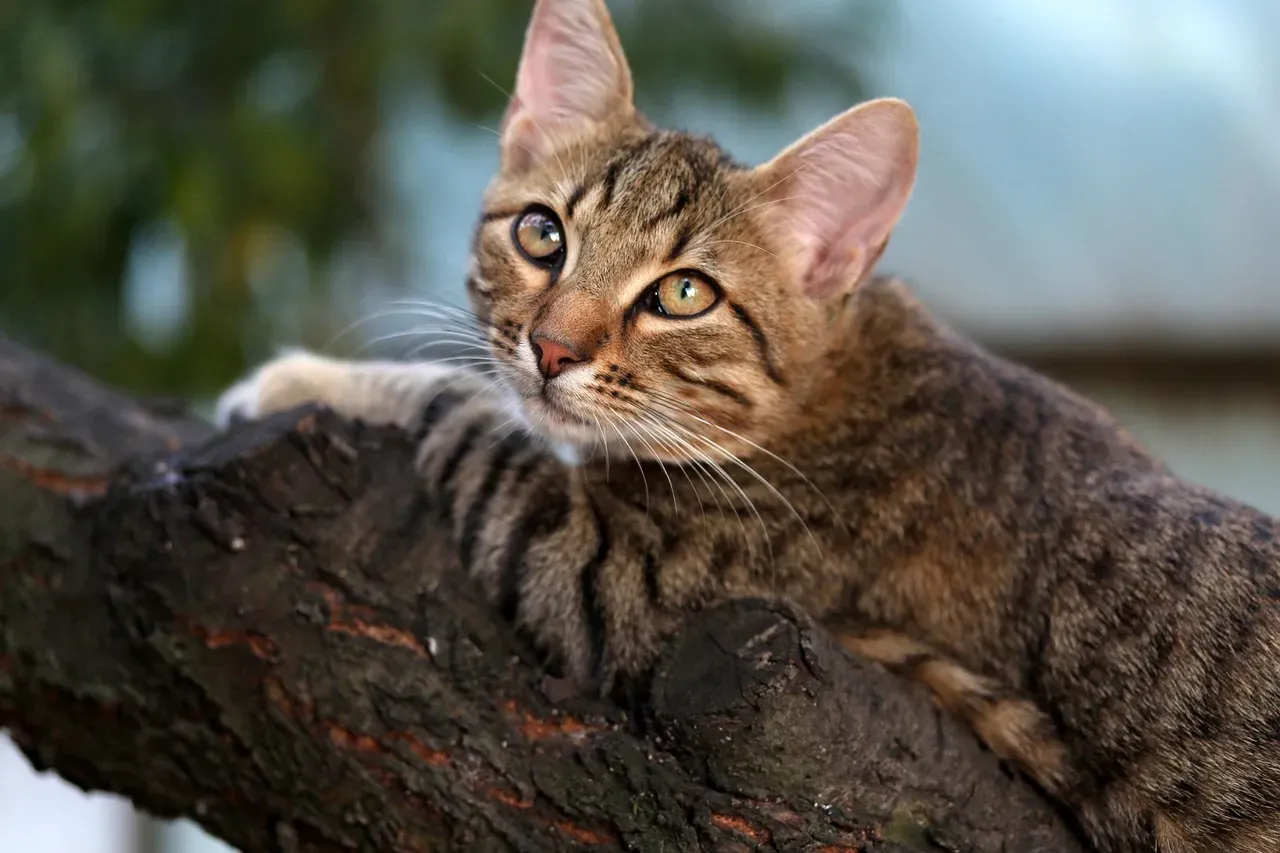
Climbing, jumping, and walking within a catio encourages natural movement and exercise, helping support healthy weight and metabolic balance while maintaining strength, coordination, and agility. Your cat’s body is designed for remarkable feats of athleticism, yet most indoor cats never get to fully utilize their physical capabilities.
Climbing and exploring within a catio help maintain muscle strength and joint flexibility, reducing the risk of arthritis. The sights, sounds, and smells of the outdoors provide endless mental stimulation, helping to keep cats happy and preventing boredom-related behaviors. When your cat has opportunities for varied movement in three-dimensional space, their entire musculoskeletal system benefits.
They Get Essential Immune and Circadian Rhythm Support
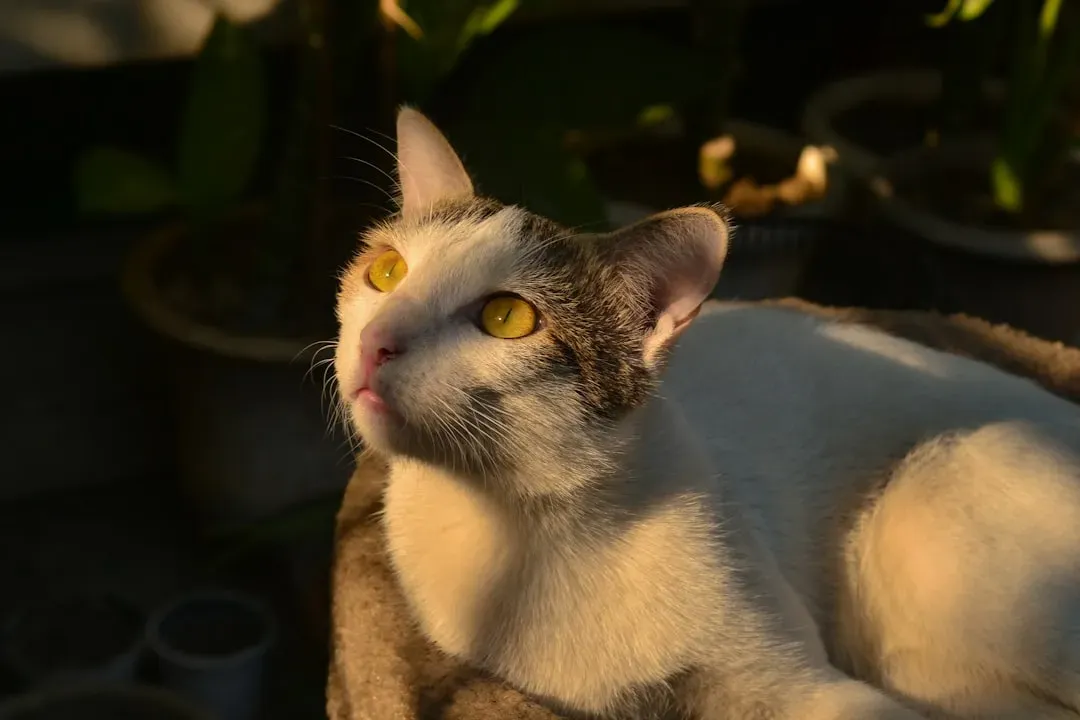
This benefit is subtle but incredibly important for long-term health. Exposure to fresh air and natural light can help regulate circadian rhythms and support immune health. Your cat’s body, just like yours, is designed to respond to natural light cycles.
Outdoor time provides natural sunlight exposure, which helps regulate circadian rhythms and supports immune health. Indoor lighting simply doesn’t provide the same spectrum or intensity that sunlight offers. When your cat gets regular exposure to natural daylight, their sleep-wake cycles become more aligned with natural rhythms, which has cascading positive effects on everything from hormone regulation to immune function.
Enrichment That Actually Enriches Their Lives
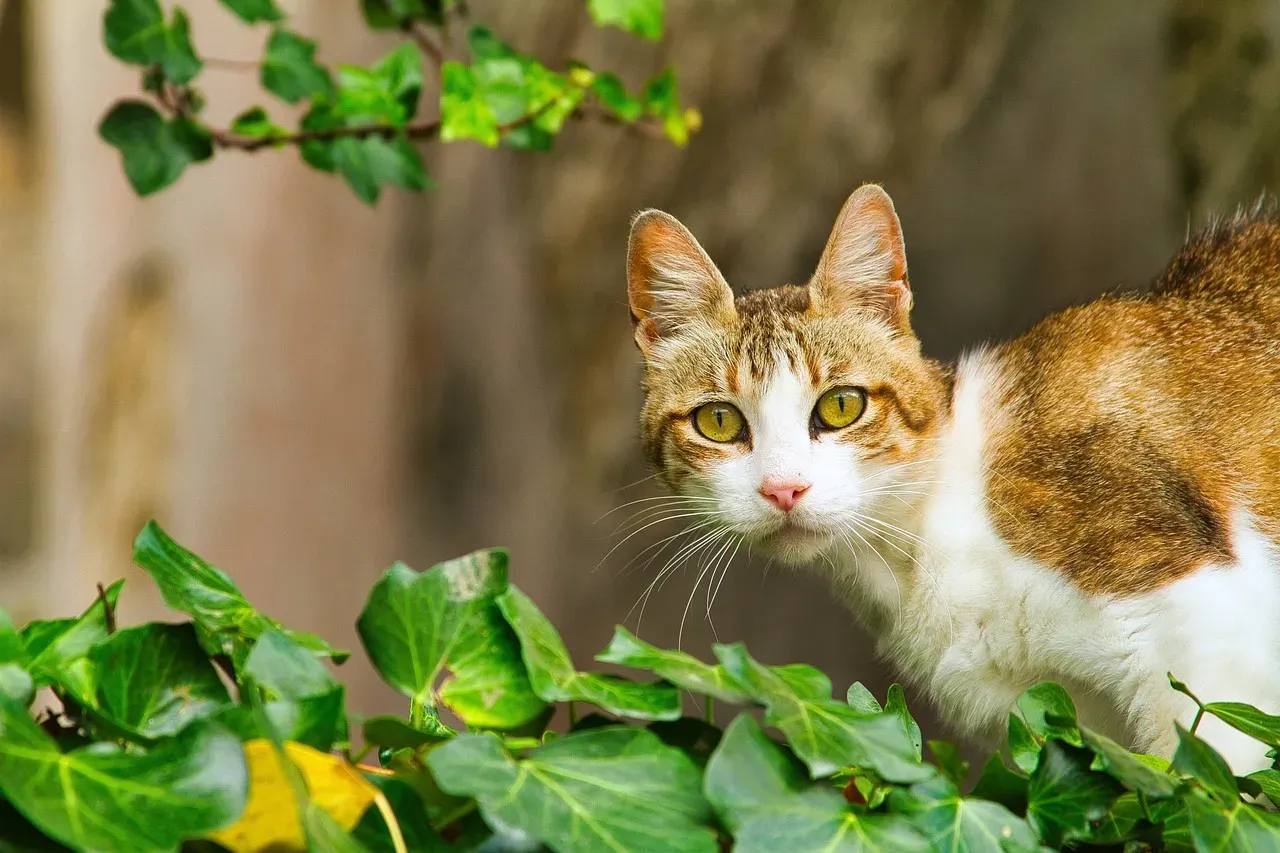
Even if cats are leashed or fenced in, outdoor access can provide auditory, olfactory, and visual enrichment through environmental stimulants and are available options in which cats can interact with their natural environment. Here’s the thing about enrichment that honestly frustrates me sometimes. The term gets thrown around constantly in pet care circles, yet many enrichment attempts fall flat.
The outdoor environment offers ever-changing stimuli – new smells, the sound of birds chirping, and the movement of leaves in the wind – all of which keep your cat’s senses engaged. The benefits to cats of having the opportunity to spend time outdoors cannot be overstated, as the outdoor environment is full of things that stimulate their interest and all of their senses. Real enrichment changes the quality of your cat’s existence, and controlled outdoor access delivers that in ways few other interventions can match.
Conclusion
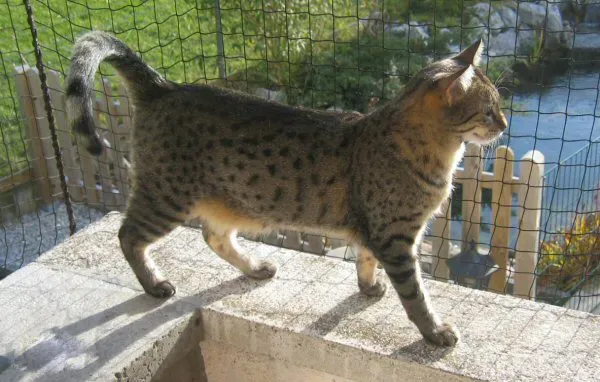
The conversation about cats and outdoor access doesn’t have to be all-or-nothing. Through catios, secure enclosures, leash training, or supervised outdoor time, you can give your cat access to nature’s benefits without the terrifying risks of free roaming. The improvements you might see span physical health, mental wellbeing, behavior, and overall quality of life.
Your cat’s wild ancestors lived in complex, ever-changing outdoor environments, and that evolutionary legacy doesn’t just disappear because we’ve domesticated them. By thoughtfully providing safe outdoor experiences, you’re honoring those instincts while keeping your companion protected. Did any of these benefits surprise you? What method of safe outdoor access might work best for your living situation?