Cats have a reputation problem. For decades, they’ve been slapped with the label of being cold, indifferent, and borderline antisocial creatures who tolerate humans the same way commuters tolerate delayed trains – reluctantly and without warmth. But here’s the thing: that reputation couldn’t be more wrong. Cats are deeply emotional, surprisingly complex, and more loving than most people give them credit for.
The catch? They don’t love the way a golden retriever loves. They don’t bound through the front door, crash into your legs, and lick your face until your glasses fall off. Their love is quieter, more deliberate, and honestly, far more interesting once you learn the language. So let’s dive in – because what your cat has been trying to tell you all along might just surprise you.
1. The Slow Blink – Your Cat’s Version of “I Love You”
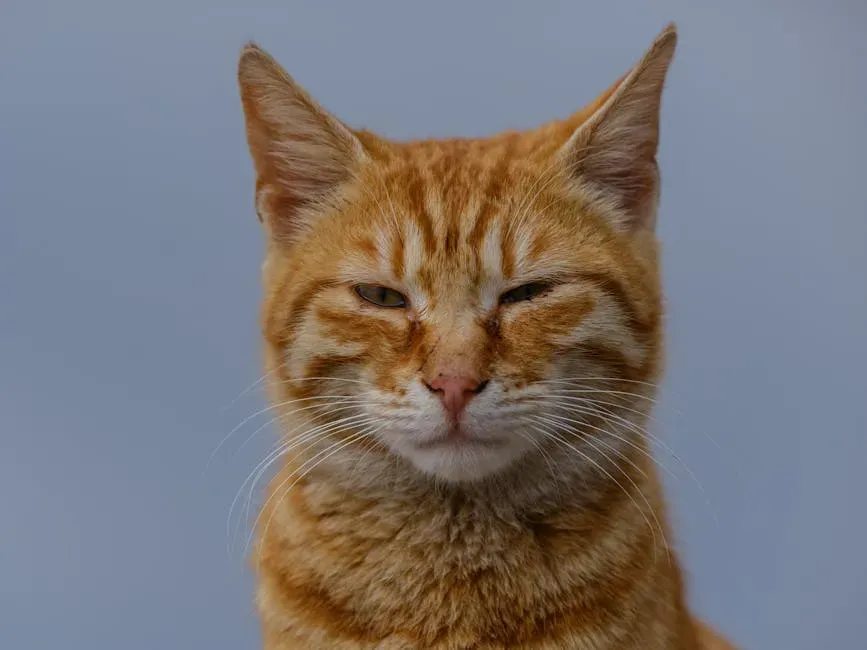
You’ve probably caught your cat staring at you from across the room, eyes half-closed, blinking slowly like they’re barely awake. It’s easy to mistake this for boredom or sleepiness. In reality, it’s one of the most tender things a cat can do. Cats will often make eye contact with lowered eyelids and steady, slow blinks – this is considered a feline version of a kiss.
What makes this even more beautiful is that you can actually respond in kind. When your cat slowly blinks with half-closed eyes, it is a gesture of affection that shows huge contentment. If your cat likes eye contact, you can try kissing back by mirroring the same action to strengthen your bond even further. Think of it as a silent conversation happening in the most intimate feline dialect possible.
2. Headbutting You Like You’re the Most Important Person Alive
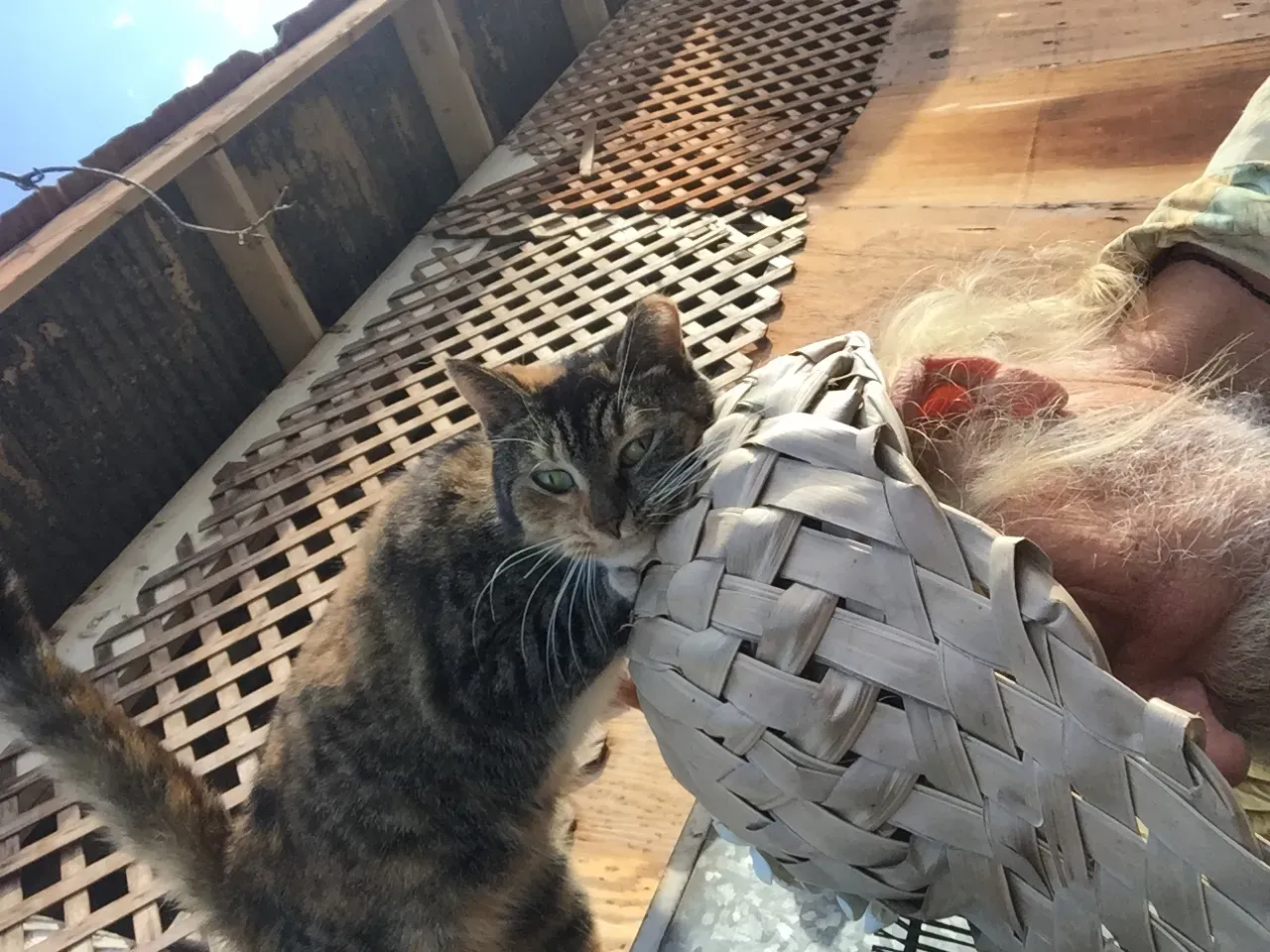
When your cat walks straight up to you and bumps their head against your chin, cheek, or forehead, that’s not aggression and it’s not an accident. One of the most common ways cats show affection is through head-butting and nuzzling – a behavior known as bunting. When a cat rubs its head against you, it’s not just seeking attention but also leaving its scent glands on you, claiming you as part of their territory. This gesture signifies trust and affection, indicating that your cat feels safe and loved in your presence.
Honestly, when you frame it that way, being “claimed” by a cat feels less like possession and more like a profound compliment. When they bump or rub their head against you, they’re saying “I love you” and attempting to show you affection by their closeness to you. Not only that, but they’re also making sure the rest of the world knows too. By rubbing their head on you, they’re marking you with their scent and telling the rest of the cat world that you are their human. You are, in the most literal sense, your cat’s chosen person.
3. Kneading Your Lap Like You’re Fresh Bread Dough
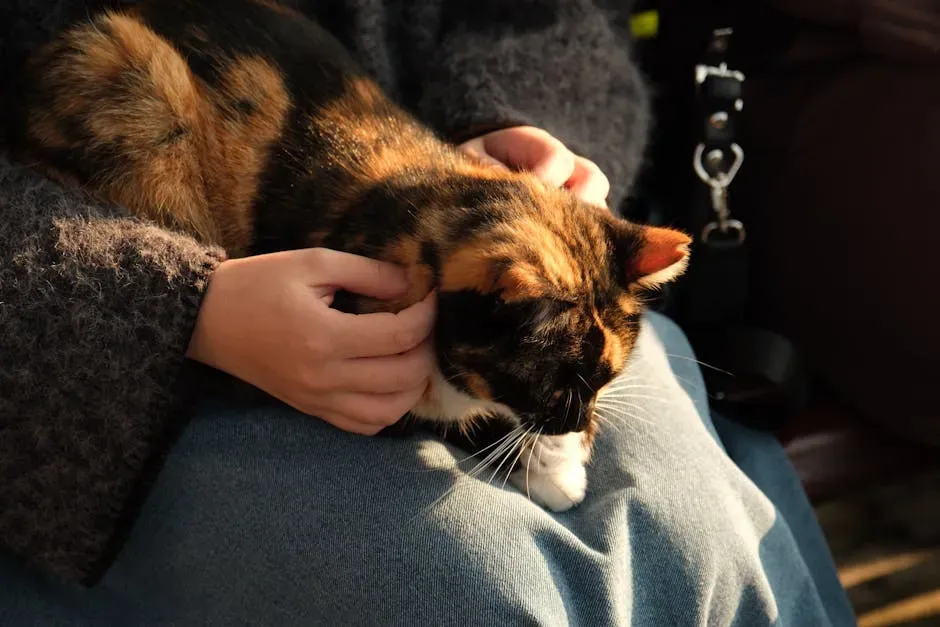
If your cat climbs onto your lap and starts pressing their paws rhythmically into your thighs – yes, sometimes with claws out – you might be wincing. Fair enough. But this is actually one of the oldest and most heartfelt behaviors a cat can display. Cats usually knead with their front paws. This is a behavior that begins in kittenhood and is associated with nursing on their mother. Kneading is believed to bring comfort by releasing endorphins to reduce stress and promote relaxation.
A gentle kneading while sitting on you is a signifier of contentment. When they knead you, the action allows them to mark you using their scent glands. Some cats retract their claws while kneading and if they don’t, you should generally still take it as a sign of a cat feeling love for you – albeit in between wincing a little! So yes, the pain is real, but so is the love. That’s kind of a universal truth, isn’t it?
4. Bringing You “Gifts” You Absolutely Did Not Ask For
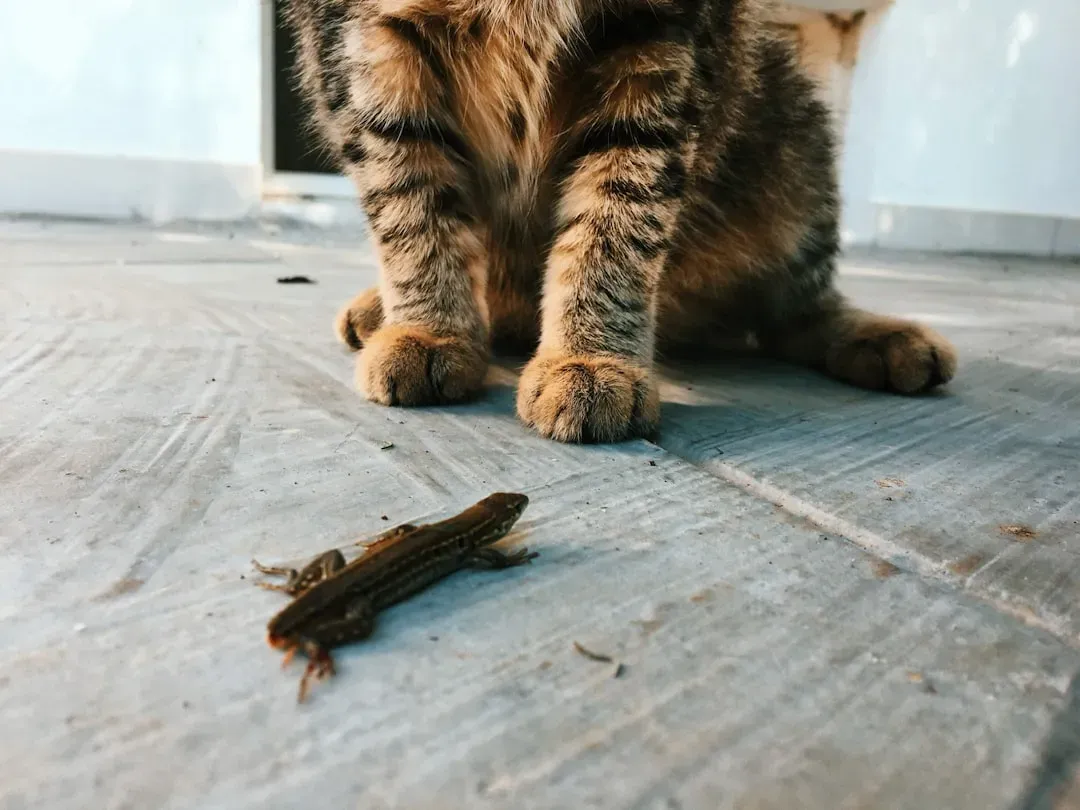
Few things are more alarming than waking up to find a dead mouse, a half-eaten lizard, or a crumpled toy deposited lovingly at your feet. Your first instinct is probably not gratitude. But you might want to reconsider. While it may not always be pleasant, the act of bringing you presents such as dead mice or birds – or favorite toys for indoor-only cats – is your cat’s way of showing affection. Cats are instinctive hunters and highly social, and in the wild, they would share their bounty with their family members. Even if their gifts may be startling, it means they view you as part of their family.
Think of it like this: imagine someone saving you the last slice of their favorite pizza. That’s basically what your cat is doing, except their favorite food is a mouse and they caught it themselves. Food is a “precious commodity” and most of a cat’s time is spent hunting. When it comes to sharing their bounty, they do so only with those closest to them. It’s a sign of them caring for you, almost as if they were saying, “Don’t worry about dinner tonight, I’ve got it covered.” Gross? A little. Sweet? Undeniably.
5. Following You Everywhere – Including the Bathroom
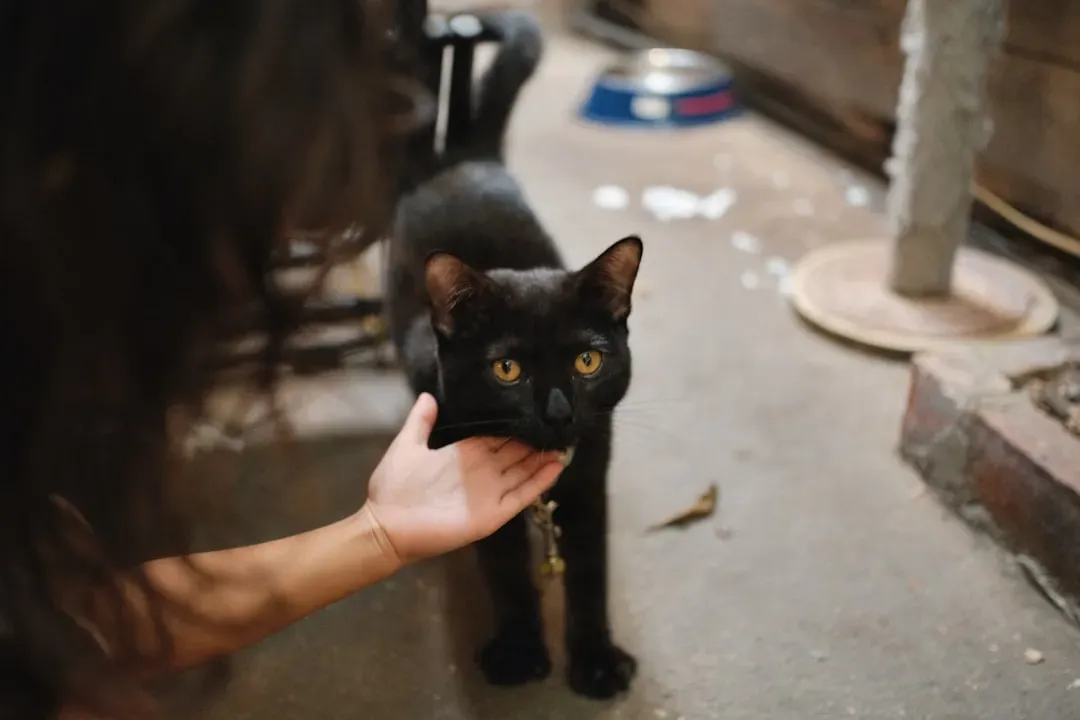
Let’s be real – there is something both flattering and mildly unnerving about a creature that refuses to let you use the bathroom alone. Yet this behavior, as intrusive as it feels, is one of the clearest signals of feline devotion. Does your cat follow you from room to room? Or are they walking across your keyboard while you work? This is a sign they’re attached to you and want to be near you, even if you’re just going to the bathroom.
Ever notice that your kitty likes to trail you around the house? There can be many reasons for this – from wanting food to being anxious – but there are many cases in which your cat simply enjoys your company and wants to be with you. If it’s not close to feeding time and your cat isn’t acting like they want anything, chances are they are just trying to bask in your presence. You are, essentially, your cat’s favorite room to be in. That’s a beautiful thought.
6. Sleeping on or Near You – The Ultimate Vulnerability
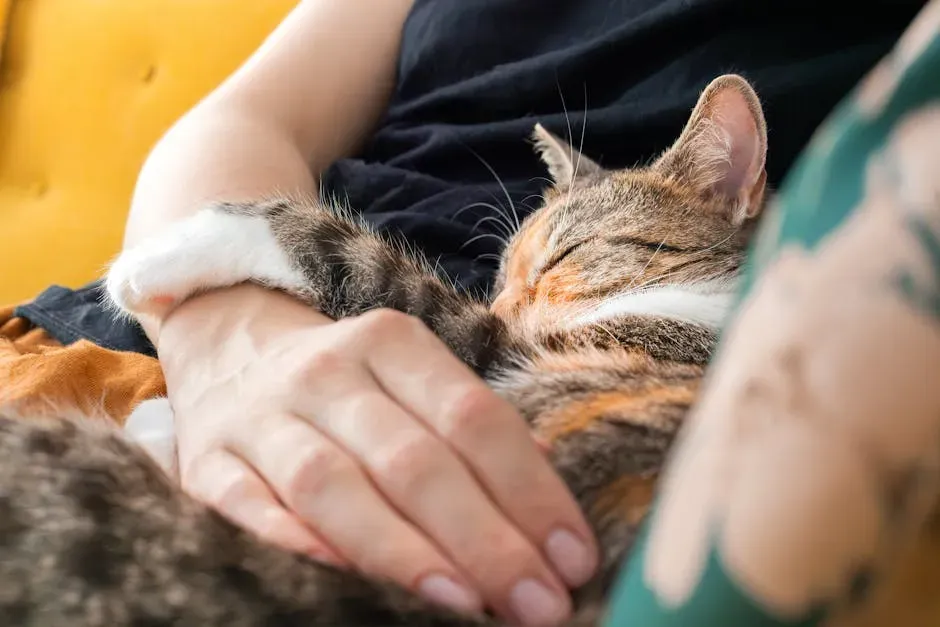
A sleeping cat is a trusting cat. That might sound simple, but consider this: in the wild, sleep is when any animal is at its most exposed and defenseless. Cats feel most vulnerable when they sleep. If your cat curls up on you or next to you, it means they trust you and enjoy being with you. This is not a casual gesture. This is your cat deciding, with full awareness, that you are safe.
If your cat sleeps by your side or is cuddled against you, it means it seeks comfort from you and trusts that you’ll always protect it. That level of trust is earned – not given freely, especially in cats. Curling up next to you for warmth and protection is a simple sign that your cat likes you. This is especially true when they’re sleeping. If they nap on top of you, take this as a significant reflection of your cat’s affection. Next time your cat commandeers your pillow at 3am, try to feel honored instead of annoyed.
7. Grooming You Like You’re One of Their Own
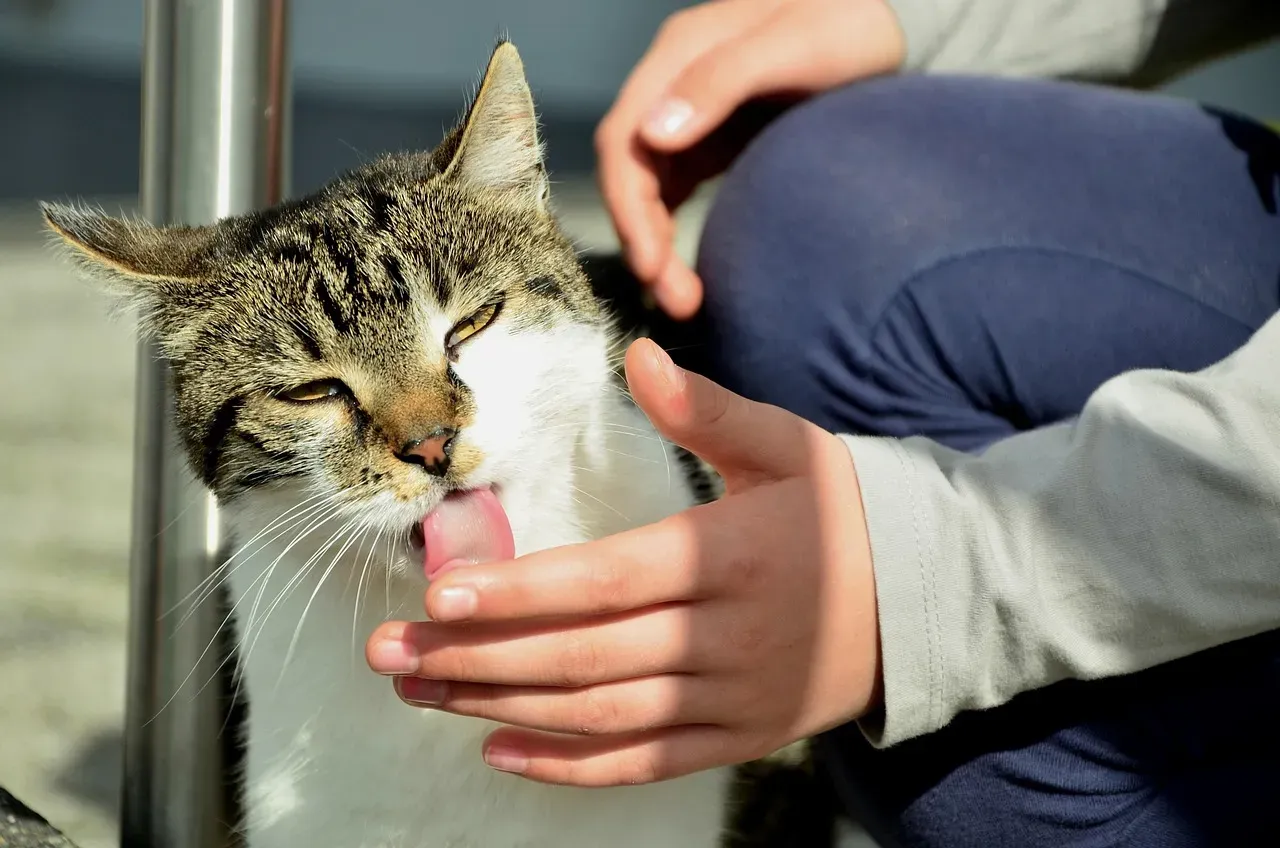
There are few things more unexpectedly touching than having your cat lean in and start licking your hand, arm, or hair. It’s a little rough, a little weird, and completely wonderful if you understand what it actually means. Cats groom each other as a display of affection, and this behavior will extend to humans when trust is built. Cats will often lick their people or allow them to brush them. Licking is similar to the grooming cats perform on their feline friends, allowing them to mark each other and build their bond.
Just as mother cats will groom their young, cats who are bonded with each other will often groom one another, showing comfort and familial acceptance. If you find your kitty licking you repetitively, you’ve either spilled something delicious on yourself or they see you as a close family member. I think we can safely assume it’s the latter. Your cat has essentially inducted you into their inner circle – a very exclusive club with very sandpapery membership initiation.
8. Trilling and Chirping Just for You
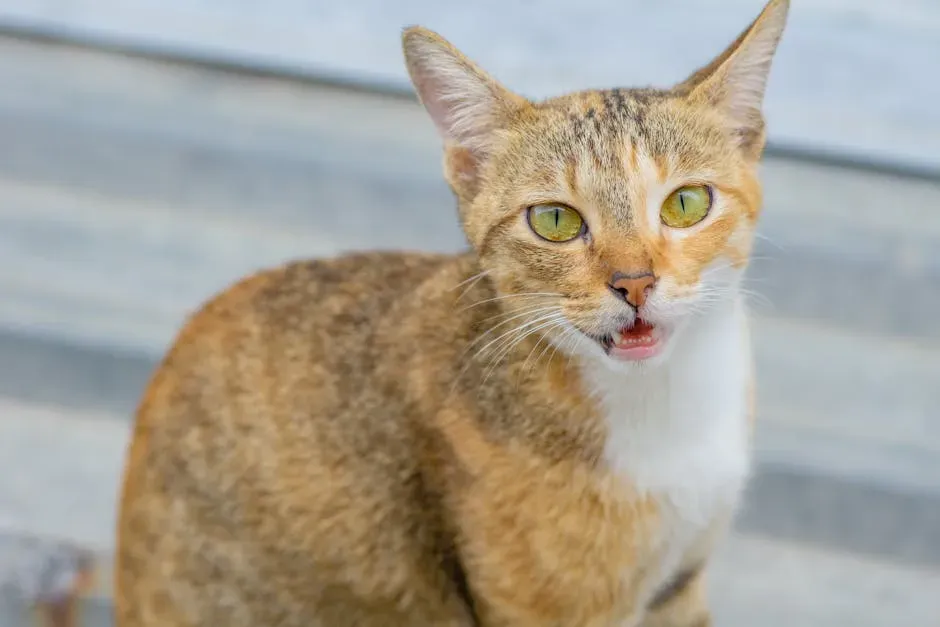
You might not even know this sound exists until your cat makes it directly at your face with an expression of pure joy. It’s not quite a meow and not quite a purr. It’s something else entirely, and it’s reserved for very special people. Trilling, also known as chirping, is the high-pitched, repetitive sound that cats make when they see someone they like and trust, or when they are feeling content. Trilling may also be an invitation for you to spend some quality time together.
Trilling is a universal sign of affection in cats. These melodic, high-pitched, purr-adjacent noises are almost always reserved for their most favorite humans and are usually performed in greeting or in gratitude after a pat or snack. A trill is always a sign of how much your cat loves you, whereas a meow can sometimes mean annoyance too. So if your cat trills at you the moment you walk through the door, know that you are genuinely cherished. Not just tolerated – cherished.
9. Showing Their Belly – A Sign of Total Trust
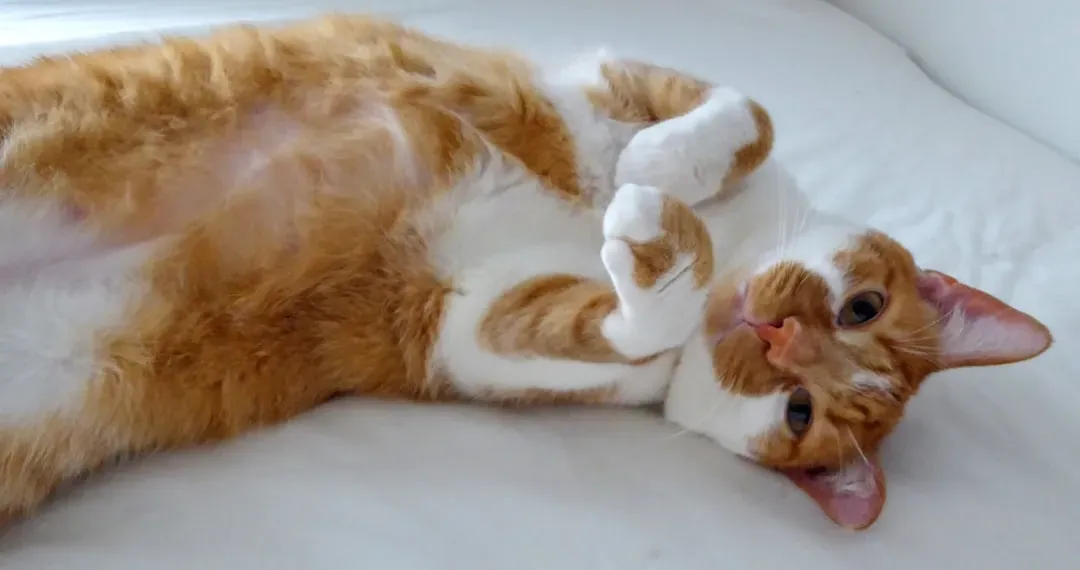
If you’ve ever had a cat roll over and expose their belly to you, you might have instinctively reached out to give it a rub – only to get a swift swipe of claws in return. Here’s what that moment actually was, though: a declaration of deep trust. If your cat rolls over and shows their belly, they feel safe and comfortable with you. Their bellies are extremely vulnerable and are only exposed to those they trust.
Cats will only expose their bellies to someone they trust. But don’t necessarily go in for a pet, because usually it’s only for looks – and you run the risk of being clawed. If your cat really loves you, however, they might let you rub their belly. Rolling over is how cats show their affection on your return home and means “I’m so excited you’re back” in cat language. They are exposing the vulnerable area of their belly, and this is a sign that a cat both trusts and loves you. So the next time your cat flips over like a furry pancake, appreciate the moment – even if you’ve learned not to touch it.
A Final Thought Worth Keeping
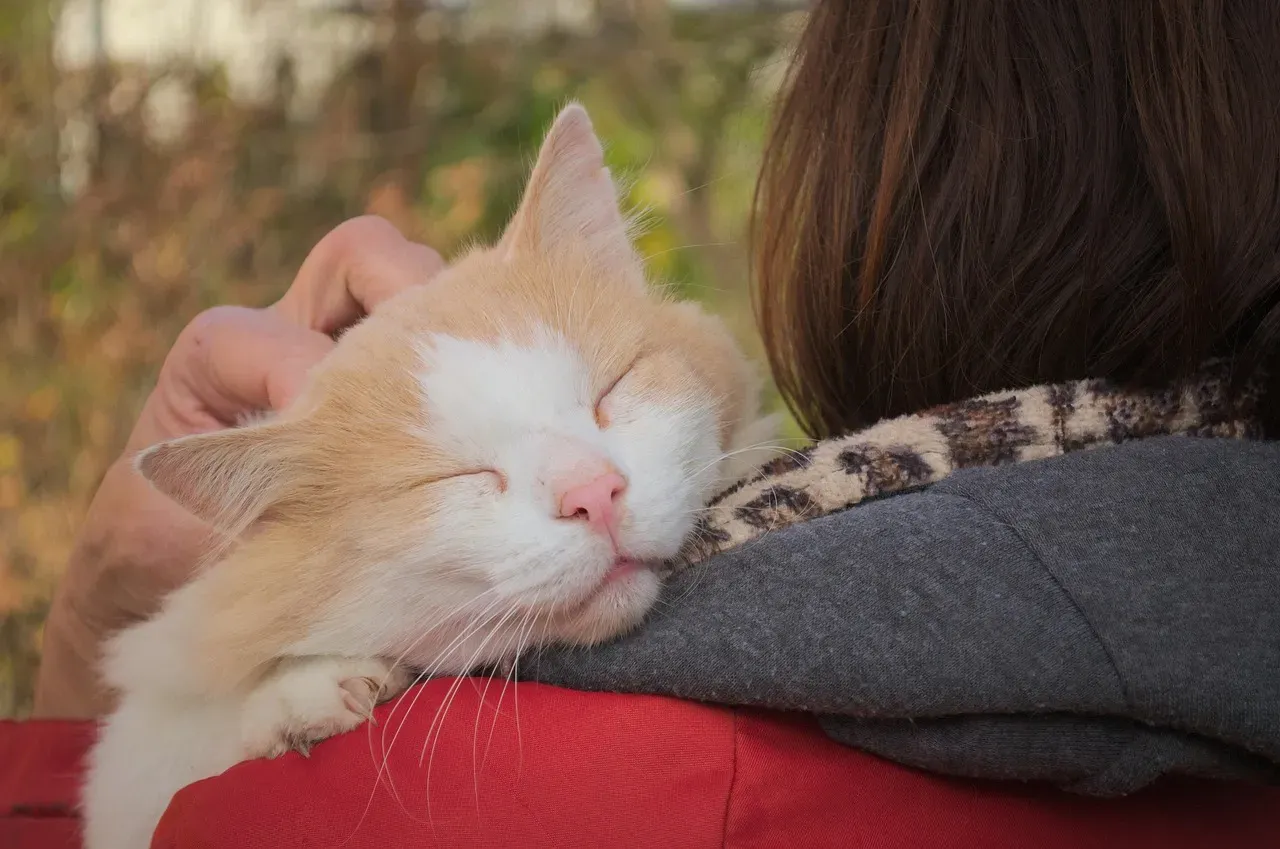
Here’s what it all comes down to: cats love on their own terms, in their own language, at their own pace. Studies indicate cats recognize their owners’ voices and can form strong emotional bonds. Unlike dogs, cats have unique ways of expressing affection that are often subtle and easily misunderstood. The fact that their love looks different from what we expect doesn’t make it less real. If anything, it makes it more meaningful.
Cats form attachment bonds with their owners, leading to certain behavioral patterns which add up to the “secure base effect.” In the secure base effect, the cat uses their owner as a source of comfort and security. You are, in the truest sense, your cat’s safe place in the world. That’s not nothing. That’s everything.
So the next time your cat headbutts you at an inconvenient moment, drops a toy at your feet like a tiny proud hunter, or simply sits within arm’s reach without saying a word – know that all of it is love. Quiet, peculiar, unmistakably feline love. Had you ever stopped to notice how many ways they were already saying it?