You love your dog. There is absolutely no question about that. You buy the good food, you take walks, you give belly rubs, and you talk to them in a voice you would never, ever use in public. So the idea that you might be hurting your dog’s feelings? It feels almost impossible.
Here’s the thing though. New research has revealed that people often do not perceive the true meaning of their pet’s emotions and can regularly misread their dog, partly due to a human tendency to project our own emotions onto them. We think we know our dogs deeply, and in many ways we do. But our good intentions don’t always translate into the emotional language our dogs actually understand. Some of the things we do out of pure love, routine, or even thoughtlessness, can quietly bruise our dogs in ways they can’t voice. Let’s dive in.
1. Yelling When You’re Frustrated With Them
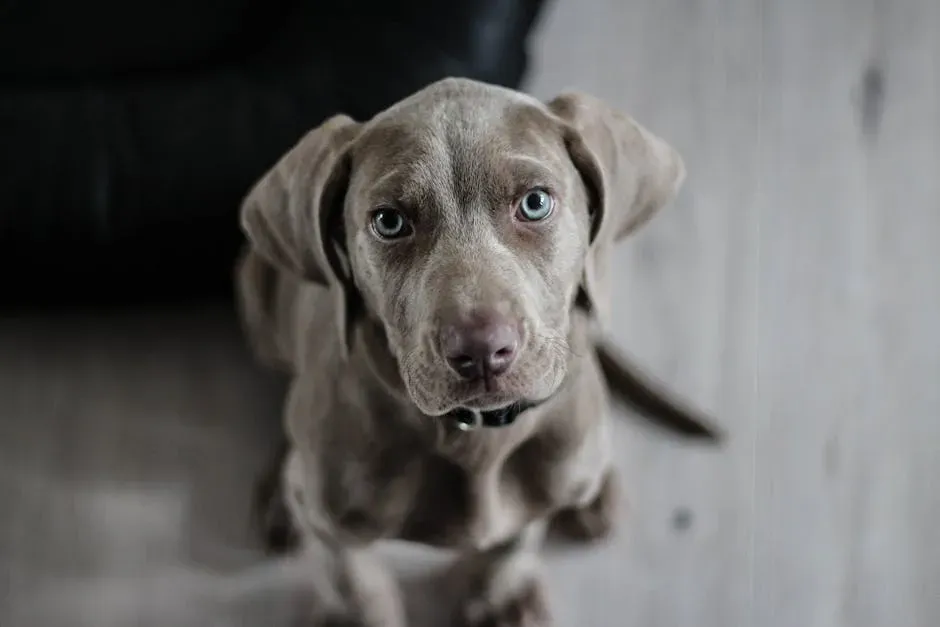
We’ve all had those days. Your dog chewed your favorite shoe, knocked over the trash, or had an accident on the carpet. The impulse to raise your voice feels automatic, like a pressure valve releasing. But here’s what your dog actually experiences in that moment.
When you raise your voice or lock them up as punishment, dogs become scared and confused. A study conducted by the Universities Federation for Animal Welfare found that when an owner yells at their dog, their stress and cortisol levels increase. Think of it this way: imagine someone you love and trust completely suddenly became a stranger who screams at you in a language you barely understand. That’s essentially what your dog experiences. Anger is an emotion most dogs are unfamiliar with, and they’re unable to comprehend why they’re being treated differently by someone they love. Training experts advise speaking to them in a soft, quiet yet firm voice instead of yelling.
2. Forcing Hugs on Them
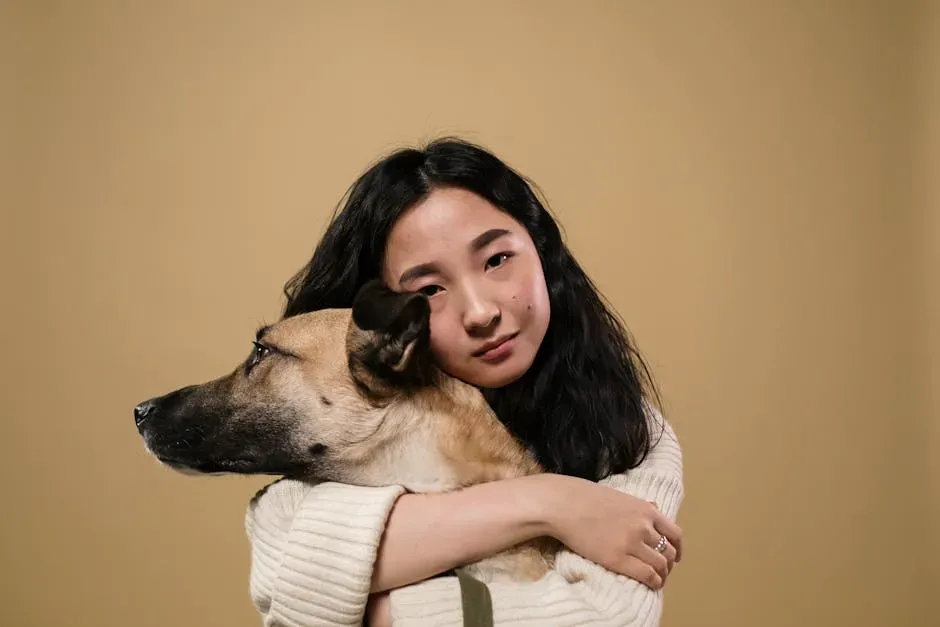
I know this one hurts to read. You squeeze that fluffy body and feel pure joy. Your dog, however, might be thinking something very different. One study of 250 photographs of people hugging their dogs found that over four out of every five showed at least one sign of stress. A study of videos found that two thirds of dogs who were hugged responded by trying to nip or bite.
Dogs are technically cursorial animals, designed for swift running. In times of stress or threat, their first line of defense is their ability to run away. Behaviorists believe that depriving a dog of that course of action by immobilizing them with a hug can increase stress levels significantly. That tight squeeze you think of as love is, to a dog, more like being trapped. It’s far more likely your dog is simply tolerating your behavior. Most dogs display stress signals when hugged, and their owners are completely oblivious.
3. Ignoring Them or Pushing Them Away

If you are constantly rejecting or ignoring your dog’s attempts to get attention or give affection, your dog may come down with a serious case of the doggy blues. You are, after all, at the center of your dog’s universe. They depend on us for everything from their happiness to their food, and they thrive on our attention.
It’s a bit like being ghosted by your best friend. Repeatedly. Dogs are social animals and need to be around their pack. Isolation from their pack will eventually result in depression. If you’re working from home and physically present but mentally checked out, that matters too. When you’re physically present but mentally absent, constantly telling them “not now” or pushing them away, you create confusion and frustration. Your dog doesn’t understand “I’m busy.” They only understand that you’re right there, and choosing not to be with them.
4. Rushing Them on Walks
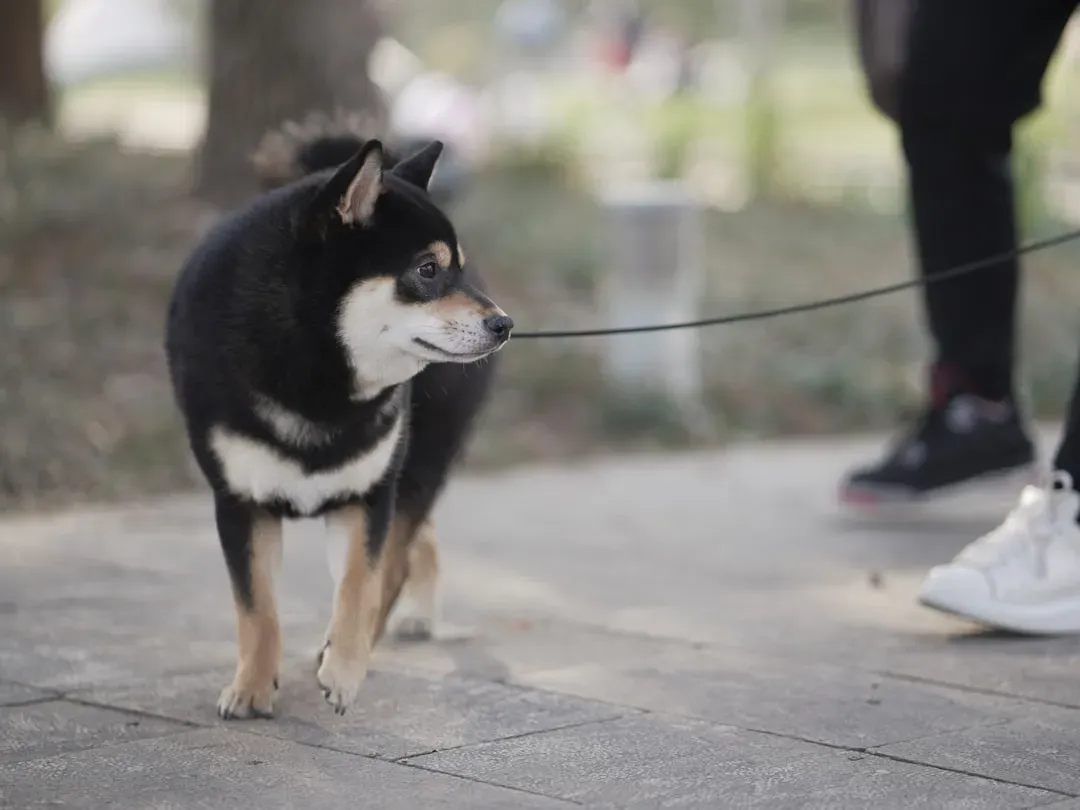
You’re on a schedule. You need to get back to work, your coffee is getting cold, and your dog has been sniffing the exact same patch of grass for five straight minutes. So you tug the leash and march forward. Understandable, honestly. But to your dog, that sniff session wasn’t a delay. It was the whole point.
Dogs love taking time to sniff around while on a walk, and hurrying them up when they’re exploring can be genuinely frustrating for them. Sniffing is how your dog “reads the newspaper” of the neighborhood. It’s mentally stimulating in a way that a brisk, no-sniff power walk simply isn’t. Reducing a dog’s walk time may hurt their feelings as they are not getting enough enrichment time, which includes not just walks but also playtime and interacting with other pets and people. Letting your dog lead the nose occasionally is one of the simplest gifts you can give them.
5. Using Their Crate as Punishment
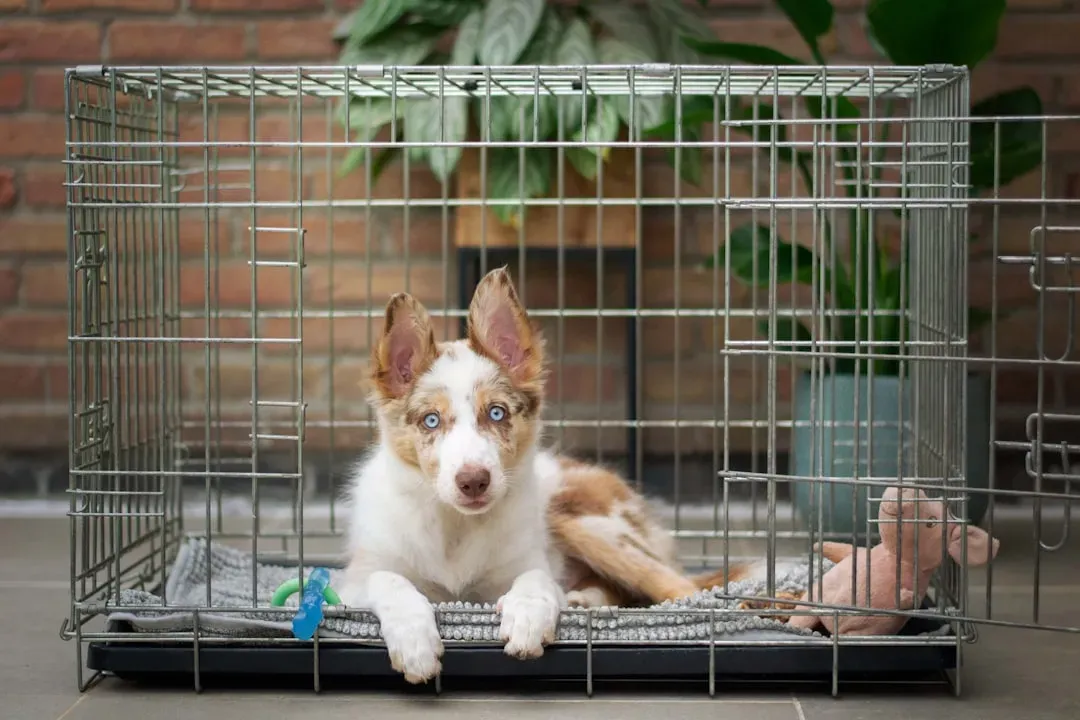
To a lot of dogs, their crate is their safe place. With a comfy bed and a little privacy, a dog can snooze the day away without a care in the world. That’s the way a crate is supposed to function. It’s their den, their personal sanctuary. Think of it as their bedroom.
If you send your dog to their crate as a punishment, and even worse, yell and lock them in, that crate is no longer a happy space. You’ve destroyed their wonderful den and left them confused and upset. Once that association is broken, it’s genuinely hard to rebuild. According to certified professional dog trainer Stephanie Gibeault, it’s important to create as many positive associations with the crate as possible. Think about making the crate comfortable by adding toys, treats, and bedding. You can even play games or serve their meals inside the crate.
6. Being Inconsistent With Rules and Routines

Monday you let them on the couch. Tuesday you scold them for it. Wednesday you invite them up again because they looked at you with those eyes. To you, this feels flexible and loving. To your dog, it’s genuinely disorienting. When routine changes all of a sudden, dogs cannot process that their human is simply busy. They become clueless about the situation, and this uncertainty has a direct impact on their stress response. When changes happen regularly, it can affect their confidence, trust, and emotional behavior.
A 2021 study published in Animals found that shelter dogs on consistent schedules had significantly lower cortisol levels than those without a routine. Predictability signals safety, and when dogs feel safe, they’re more relaxed, focused, and responsive. It’s not about being rigid or boring. It’s about giving your dog the emotional stability of knowing what to expect. For dogs, routine isn’t boring as it is for humans. It is reassuring. Daily habits like morning walks, meal times, and play sessions form an invisible emotional structure deep inside their minds.
7. Laughing at or Teasing Them
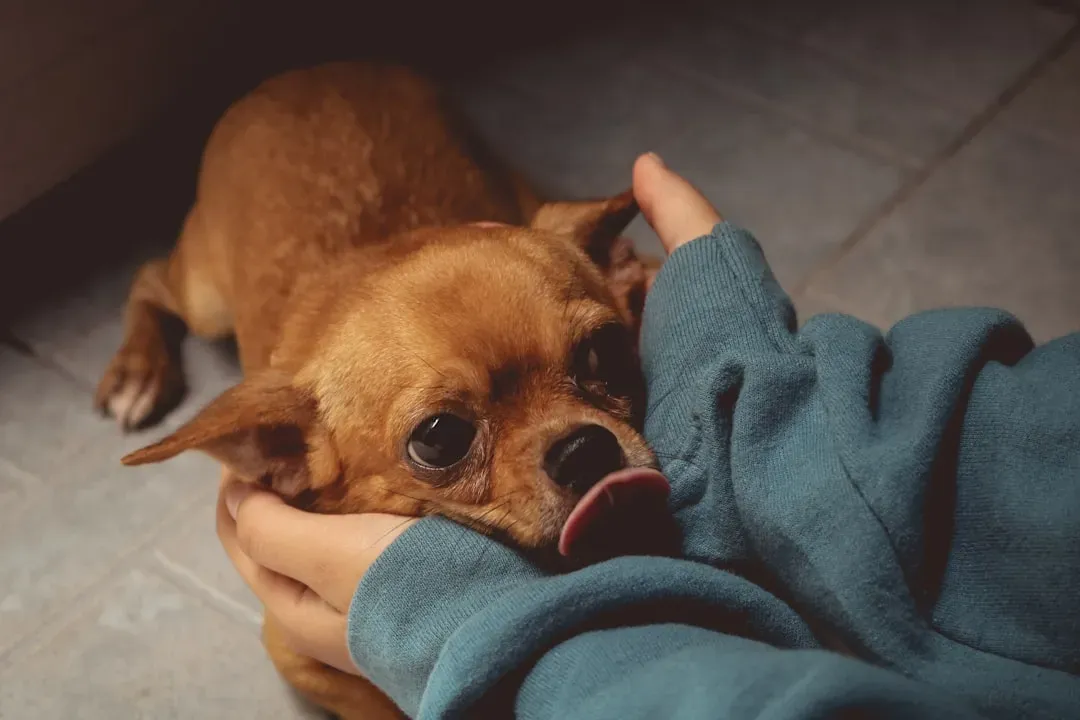
Honestly, this is one a lot of people don’t even think about. You blow on their nose just to see what happens. You hold a treat just out of reach for longer than necessary. You poke them while they’re napping because it’s cute when they startle. It seems harmless, even affectionate. It isn’t. Not from your dog’s perspective.
Although our cute aggression may be at an all-time high when we see our dogs, this is no reason to tease them. Blowing on their nose or poking them while they’re sleeping will only make them feel frustrated or confused. Teasing a dog may also lead to behavioral issues such as hypersensitivity, lack of manners, and aggression. It’s the animal equivalent of constantly being poked by a coworker who thinks it’s hilarious. Consistent teasing can also damage your relationship with your dog, causing them to distrust or feel threatened by you.
8. Rubbing Their Nose in Accidents

Rubbing your dog’s nose in pee or poop when they’ve had an accident does not work. It’s an outdated idea, but unfortunately, many people still think this is appropriate. Picture a toddler who had an accident. You wouldn’t rub their face in it. The principle is basically the same, even if the species is different.
Dogs have accidents usually because they can’t hold it, which means you either need to walk your dog more frequently or you weren’t paying attention to them knowing they were giving you signals to take them out. By rubbing their nose in the accident, you’re exposing them to bacteria and not correcting the problem. In fact, you are most likely making it worse because now your dog has anxiety around a natural physiological process. The guilt you see on their face afterward? That isn’t an admission of wrongdoing. It’s fear of your reaction.
9. Misreading Their Emotions Entirely
This one is perhaps the most humbling of all. We tend to believe that because we love our dogs so completely, we must understand them completely too. Science, it turns out, politely disagrees. Research from Arizona State University shows that humans typically do not have a good understanding of the emotional state of their dog because they judge the dog’s emotions according to the context of the event they witness rather than the dog’s actual behavior.
New research has revealed that people often do not perceive the true meaning of their pet’s emotions. People do not look at what the dog is doing. Instead, they look at the situation surrounding the dog and base their emotional perception off of that. So you see a wagging tail and assume happiness. You see them sitting quietly and assume contentment. Meanwhile, your dog might be screaming in their own language, and you’re simply not tuned in. The first step, researchers say, is just to be aware that we are not that good at reading dogs’ emotions. We need to be humbler in our understanding. Once we start from a basis of understanding our biases, we can begin to look at our dogs in a new light.
Conclusion
The beautiful, slightly uncomfortable truth here is this: the fact that you’re reading this already says something meaningful about the kind of dog owner you are. Nobody deliberately sets out to hurt their dog’s feelings. It happens through habit, assumption, and the very human tendency to assume that what feels loving to us must feel loving to them.
The good news is that dogs are quite forgiving creatures, so those hurt feelings usually heal fast if you do the right things to regain their trust. Learn their body language. Slow down on walks sometimes. Swap that bear hug for a gentle pat and an enthusiastic voice. Build routines they can count on. The relationship you’ll grow from those small changes will be deeper and more genuine than any amount of hugging you’ve been forcing on a very patient, very good dog.
Your dog has been trying to tell you how they feel all along. The question is, are you ready to really listen? Share your thoughts or stories in the comments below!