You feed your cat every day, yet somehow you still find yourself wondering – is my cat actually hungry right now, or just being dramatic? Honestly, most cat owners have been there. Your feline companion is sitting right next to you, not making a single sound, but something about the way they’re acting makes you feel a twinge of guilt.
Here’s the thing: cats are masters of silent communication. They use a whole range of communication methods, including vocal, visual, tactile, and olfactory signals. The meow is just the tip of the iceberg. Beneath it lies a rich, nuanced language of body movements, routines, and behaviors that are speaking to you loud and clear – if you know what to look for. Get ready to be surprised by what you’ve been missing. Let’s dive in.
The Intense Kitchen Stare That Could Bore Through Walls
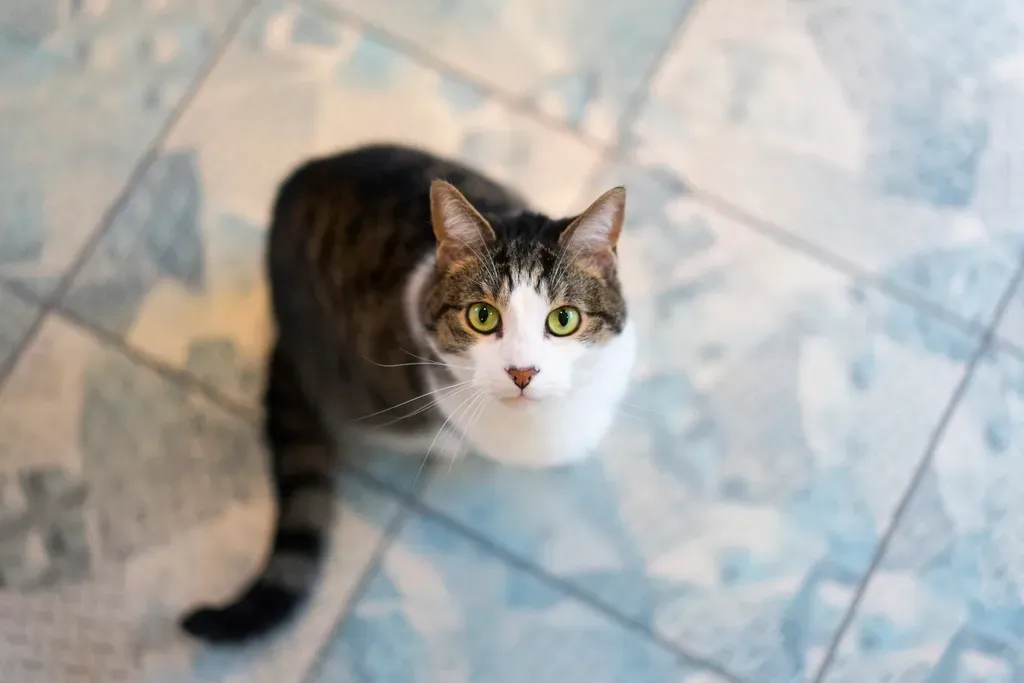
You’re standing in the kitchen doing absolutely nothing food-related, and yet there’s your cat, sitting perfectly still, eyes locked on you like a tiny furry surveillance camera. This is not a coincidence. Your cat takes great comfort in familiar routines, so their internal clock lets them know when it’s about to become mealtime – and even if you’re never late in offering food at the same time every day, they may still sit there in anticipation.
Think of it as a silent alarm system with fur. The stare is deliberate, loaded, and completely intentional. To interpret your cat’s body language properly, it’s important to notice changes in posture – and this body language is mostly quite inconspicuous. That unblinking gaze across the kitchen isn’t random. It’s a calculated, silent demand that says: “You know what time it is. Act accordingly.”
The Shadow Follow: Becoming Your Personal Escort
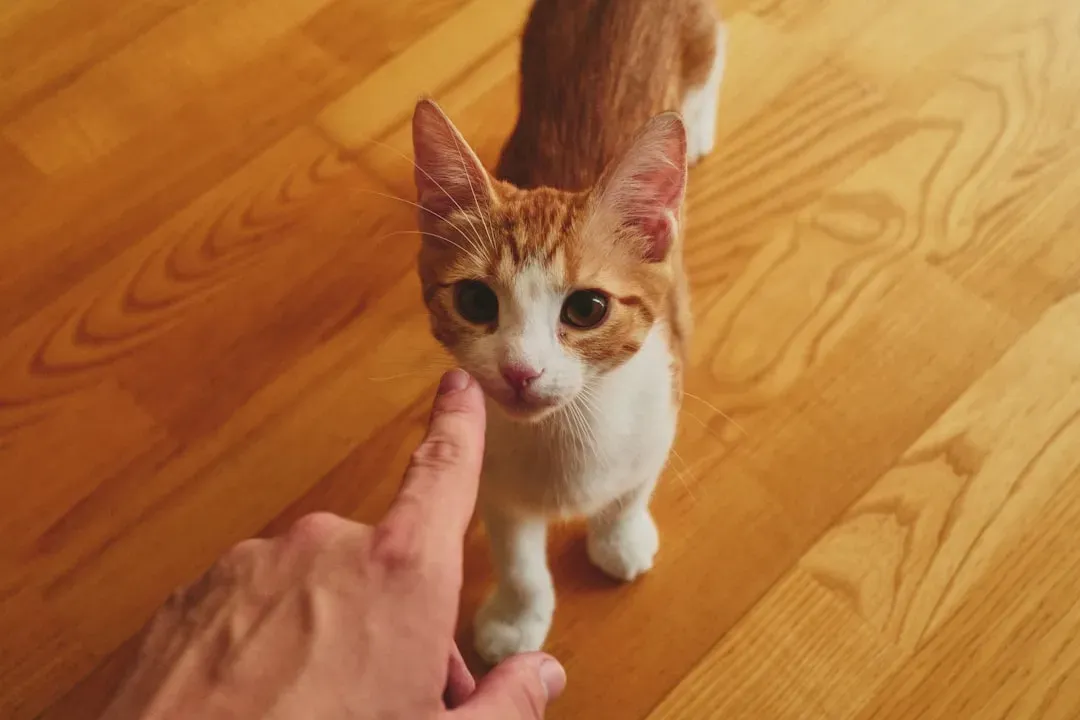
You walk to the bathroom. Your cat follows. You walk back to the couch. Your cat follows. You head toward the kitchen and suddenly your cat is practically sprinting ahead of you. This behavior, sometimes called “shadowing,” is one of the most reliable non-vocal hunger cues you’ll ever witness. They might engage in behaviors like pacing around their food bowl or following you from room to room with expectant eyes – and these actions speak volumes.
It’s almost like being escorted by a tiny, impatient maître d’. When cats communicate with humans, they do so to get what they need or want – such as food, water, attention, or play. Following you everywhere is simply your cat’s way of making sure you don’t “forget” the most important appointment of their day. If the path they keep steering you toward happens to end at the food bowl, you now know exactly what they’re telling you.
The Paw Tap: A Polite but Firm Reminder
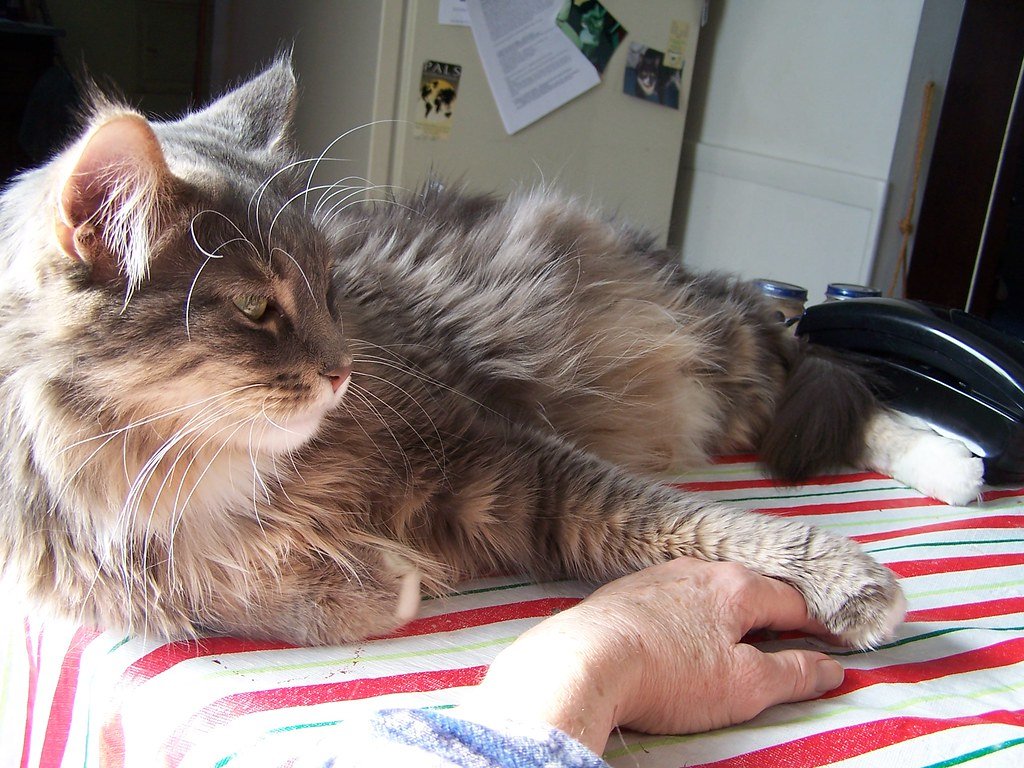
A gentle paw placed on your arm. A soft pat on your leg. Maybe a tiny tap on your hand while you’re working on your laptop. These little physical nudges might look sweet and affectionate – and sometimes they are – but when they happen consistently right before mealtime, they’re a deliberate communication strategy. Cats use body language and movement to communicate a wide range of feelings and information, and various responses involve specific physical postures and gestures.
The paw tap is essentially your cat saying “Excuse me, human, you appear to have forgotten something rather important.” It’s polite, at first. Ignore it long enough, though, and the taps tend to become increasingly persistent and slightly less polite. If you make a point of observing your cat’s behavior, mutual understanding is entirely possible. All you need to do is pay attention to when those little paw taps occur – and you’ll start to see the pattern clearly.
The Dramatic Sit Right in Front of the Food Bowl
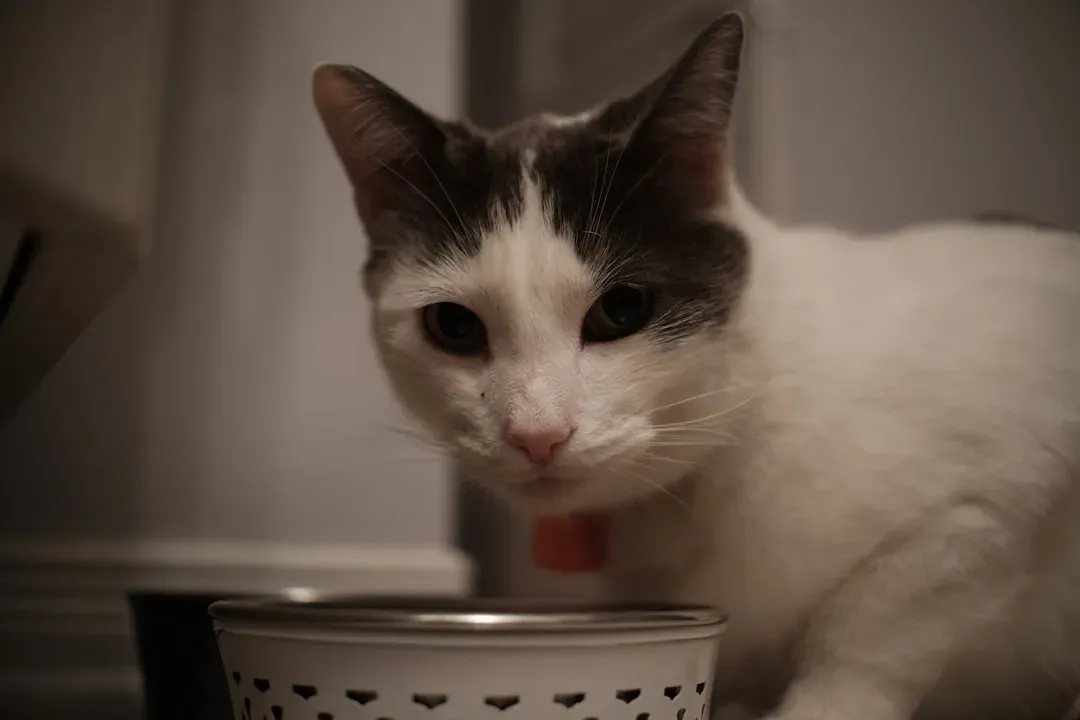
There is perhaps no posture more loaded with meaning than a cat sitting bolt upright, directly in front of their empty food bowl, eyes occasionally flicking between the bowl and your face. It’s theatrical. It’s deliberate. And it is, without a single sound, one of the most effective hunger signals in the feline communication toolbox. If your cat insists on sitting at the feeding station, it’s worth making sure the feeding schedule is correct for your cat’s age, health, and activity level.
It’s a bit like being handed a passive-aggressive sticky note. The bowl is the note. The cat sitting next to it is the highlighter. Your cat is simply running off an internal clock that says it’s time to eat – because in the wild, cats eat smaller meals multiple times throughout the day, so it makes total sense why house cats beg for food often. It’s only instinctual. Recognize this bowl-adjacent sit for what it is: a polite, strategic, and brilliantly effective nonverbal request.
Rubbing Against Your Legs With Unusual Intensity
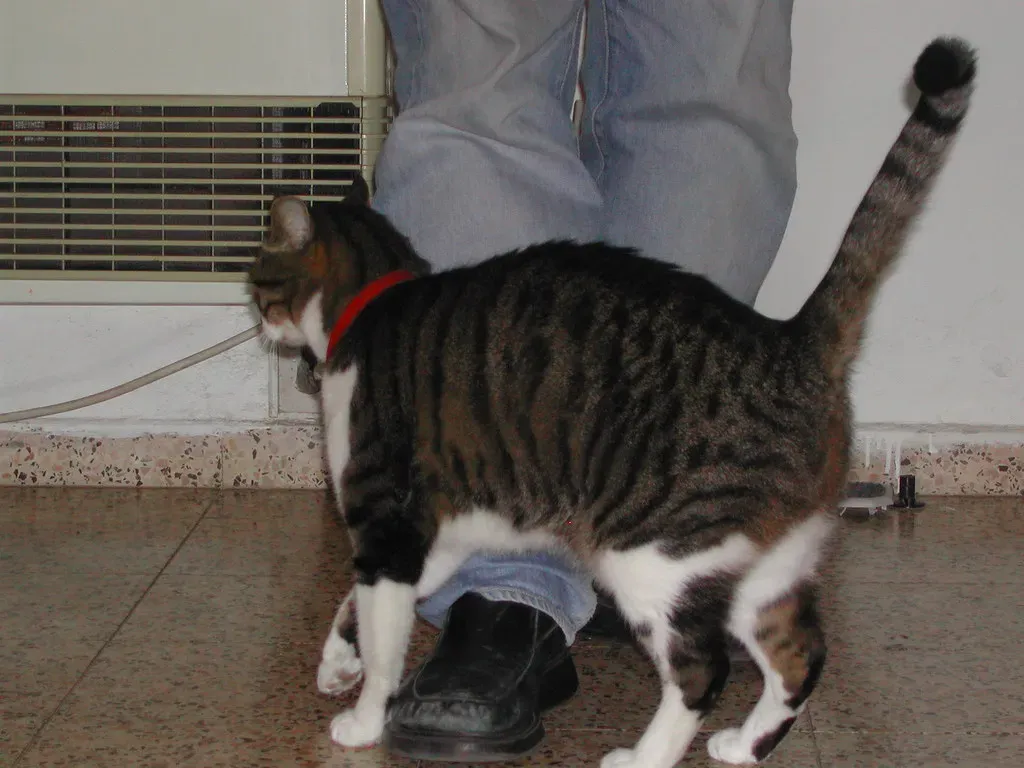
Cats rub against things all the time, and it usually signals affection and territorial comfort. Cats have scent glands located on various parts of their bodies, including the face, paws, and tail. When a cat rubs its face against an object or person, it’s depositing pheromones that signal ownership and familiarity – often a sign of affection and comfort. However, there’s a very specific quality to hunger-related leg rubbing that sets it apart from casual affection.
When your cat is hungry, the leg rubs tend to come in rapid succession, are more persistent, and are usually timed to coincide with your presence in or near the kitchen. Rubbing is a way a happy cat marks their territory – as in “This couch is mine, this table is mine, this human is mine.” So yes, when that weaving, rubbing figure-eight around your ankles intensifies as you approach the pantry, your cat is both marking their territory AND placing a very clear food order. Simultaneously. Efficient, isn’t it?
The Solicitation Purr: Not All Purring Is Created Equal
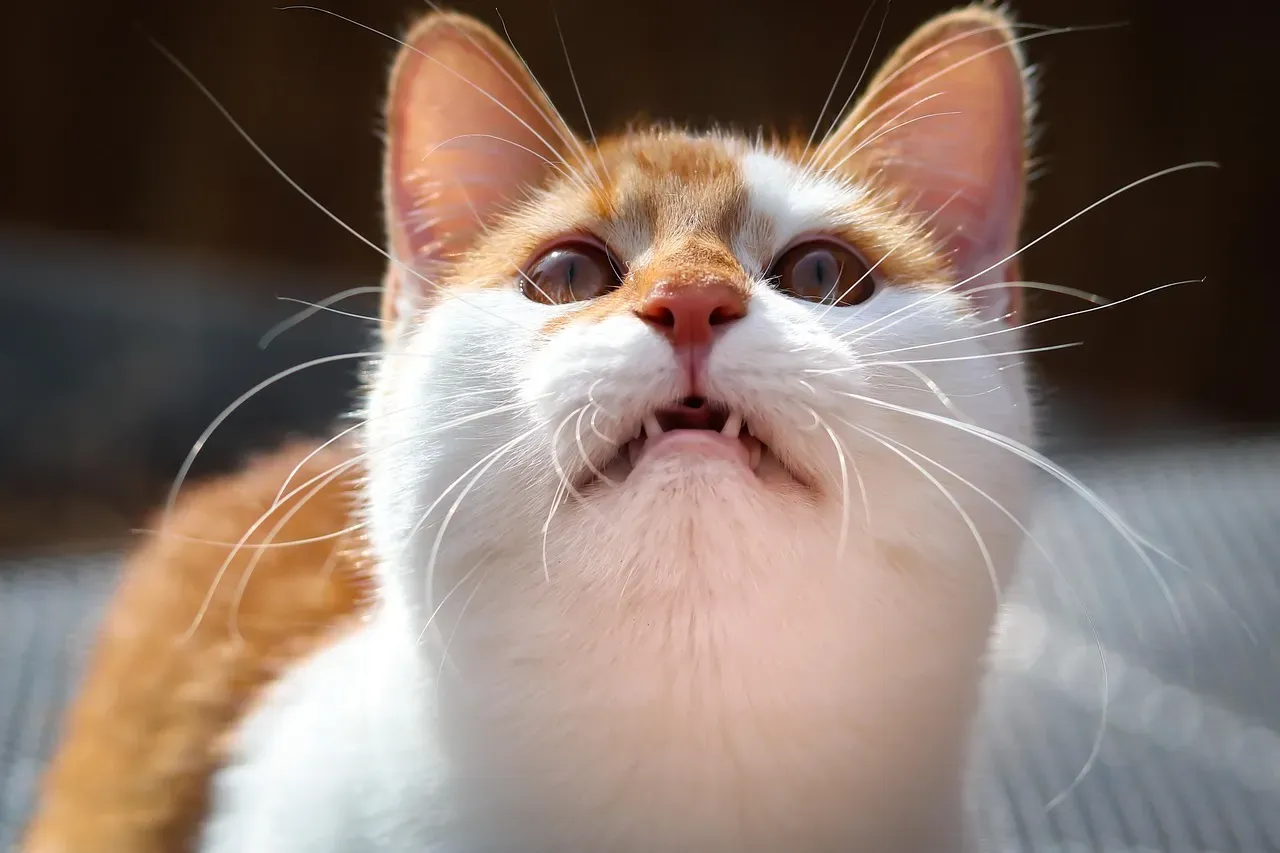
Most people assume purring means a happy, content cat. I used to think the same thing. The truth is surprisingly more complex. Cats may purr for a variety of reasons, including when they are hungry, happy, or anxious. There’s actually a specific type of purr that researchers have identified as a hunger signal, and once you’ve heard it, you’ll never mistake it for a regular contentment purr again.
The hunger purr tends to have a slightly higher, more urgent quality. There is a purr of hunger, which is often combined with a mewing sound – and there is also a purr of bonding, usually used between kittens and mothers as a way to help them reassure each other. Pay close attention to when the purring happens. Is your cat purring while rubbing around your legs right before dinner? Or pressing against you with an almost urgent vibration while staring at the kitchen? That’s not contentment. That’s a very effective, emotionally manipulative hunger alert – and honestly, it works every single time.
Speed-Eating and Bowl-Checking Between Meals
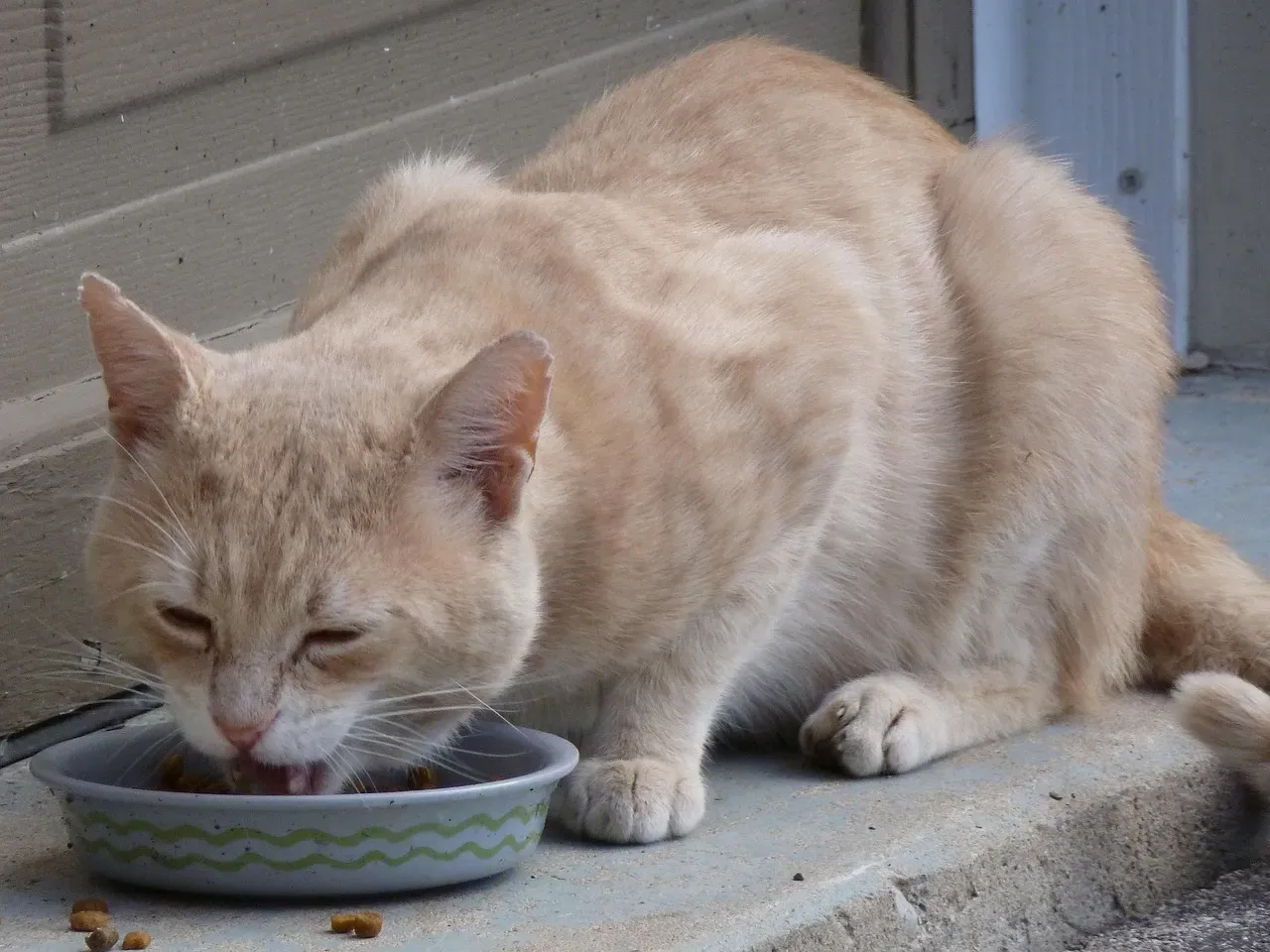
If your cat wolfs down their food in what feels like approximately four seconds and then immediately goes back to sniff the empty bowl with a vaguely disappointed expression, this is more than just habit. It’s information. If they’re wolfing down their food in a matter of seconds, this may be because they’re not getting enough, or there’s too big a gap between mealtimes. That return trip to the bowl is your cat double-checking, just in case you somehow forgot to put more food in there while they were blinking.
Repeatedly visiting an empty bowl throughout the day is a quiet but persistent hunger signal that many owners overlook. The speed-eating could simply mean they’re a bit greedy, so it’s worth observing their behavior straight after feeding – are they begging or crying out for more food? Could it be down to other potential reasons such as boredom, stress, or fear that another mealtime competitor will strike first? Take note of how often they return to that empty bowl. It’s a silent clock ticking down to their next meal, and they want you to notice it too.
The Kitchen Patrol: Pacing and Circling Before Meals
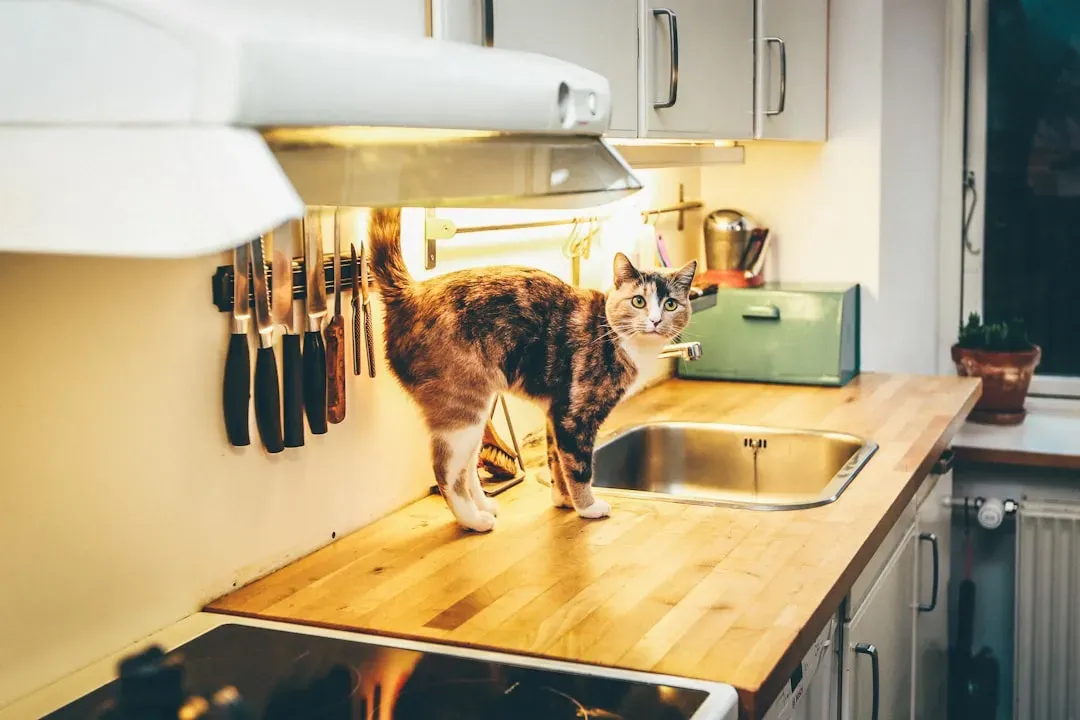
Watch your cat in the twenty minutes leading up to their usual feeding time and you’ll likely notice a very specific pattern of pacing, circling, and restless movement near the kitchen or wherever their food is served. Cats are natural grazers, typically preferring multiple small meals throughout the day. In the wild, they might hunt and eat many times daily, and this biological programming can translate into frequent food-seeking behaviors in domestic cats, even when they’re well-fed.
This pre-meal pacing is essentially the feline equivalent of tapping your foot impatiently at a restaurant when your food order is taking too long. It’s restless, repetitive, and clearly directed. If you have a rescued cat who previously had to hunt for their meals, they may always retain some concern over whether there’s enough food – and this can also be the behavior of a cat who is put on a weight reduction regimen. Either way, that little kitchen patrol routine is not random restlessness. It’s a beautifully timed, silently urgent statement of intent.
Sudden Loss of Grooming or Unusual Lethargy Near Mealtime
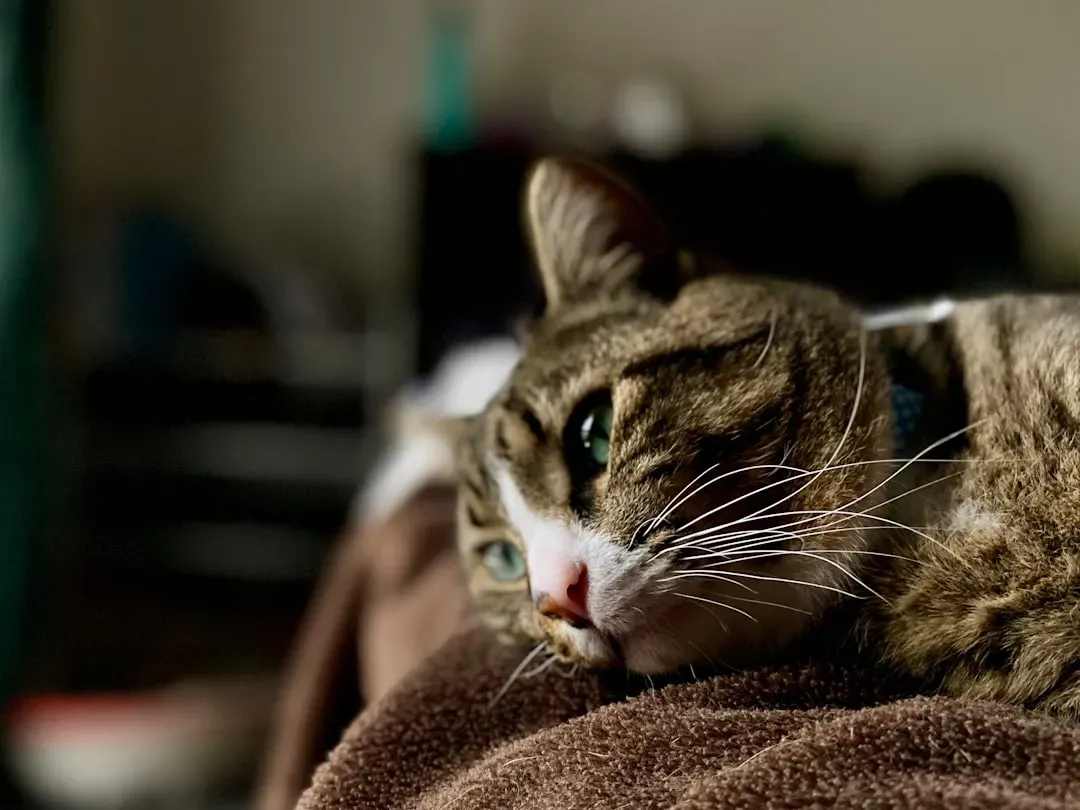
This one surprises most cat owners. When a cat is truly hungry – not just performing a food ritual but genuinely underfed over time – their behavior starts shifting in subtle but telling ways. Grooming is an expected behavior for cats. In the wild, cats clean themselves after each meal to remove any food scent from their bodies, and grooming is a clear sign of health in a cat. A cat that doesn’t groom themselves is unwell – and in some cases, it could be a sign of nutrition deprivation.
Similarly, a noticeable dip in your cat’s usual energy or playfulness, particularly around what would normally be mealtime, is a signal worth paying attention to. If a cat doesn’t eat, they don’t have energy – and a starving cat won’t have much energy to do their basic routines. You may see the cat sleeping more, ambling, and hardly ever running and playing, as this is a survival instinct to preserve as many calories as possible. If your usually bouncy cat is suddenly sluggish and disinterested in everything except watching you with tired, hopeful eyes, check the bowl. And then check it again.
Conclusion: Learn the Language and Strengthen the Bond
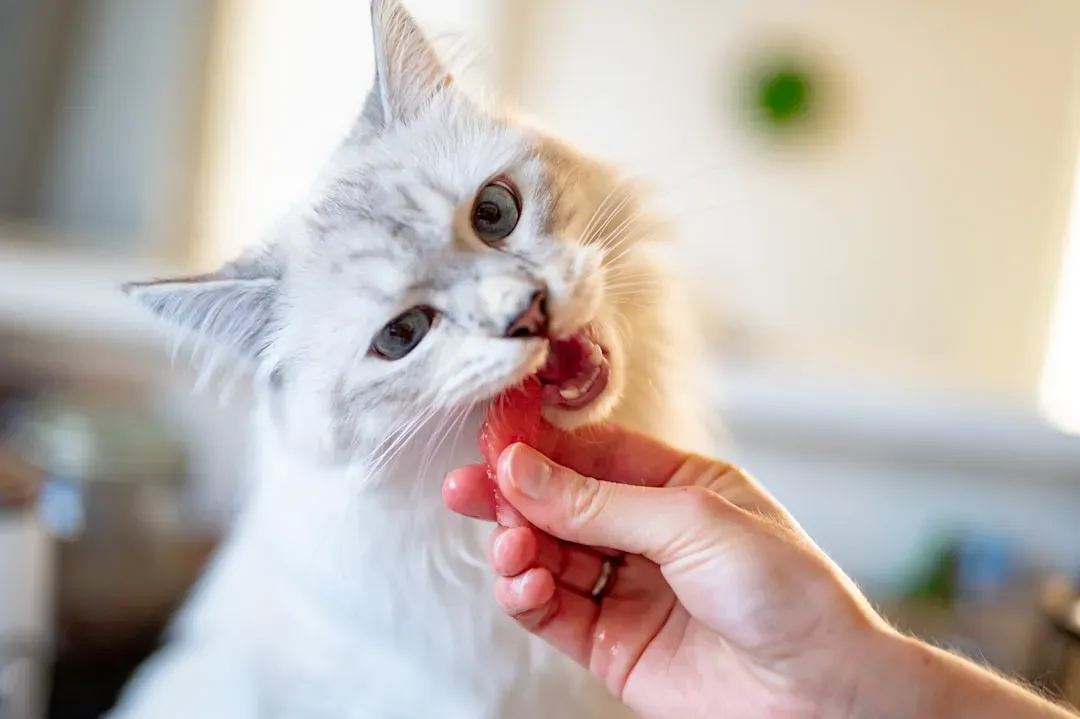
Your cat is talking to you constantly. Not with meows, but with their body, their routines, their eyes, and their silent rituals around the kitchen. The silent language of cats is a rich and complex form of communication that goes beyond the simple meow. By understanding the various methods cats use to convey their emotions and intentions, from tail movements to behavioral cues, you can deepen your connection with these fascinating creatures – because each nonverbal cue offers valuable insight into a cat’s world.
Now that you know what to look for, you’ll start seeing these signals everywhere. The stare, the paw tap, the bowl-sit, the hunger purr – they were always there, waiting to be understood. When a cat lives with a human, they very quickly learn to read their human’s mood from body language, the sound of their voice, and eye contact. Cats are extremely good at picking up on emotions. The least you can do is return the favor.
The next time your cat silently escorts you to the kitchen with soulful eyes and a vibrating purr, you won’t need to guess anymore. You’ll simply know. How many of these signals has your cat been sending you all along without you realizing? Tell us in the comments – we’d genuinely love to know.