You walk into your living room and there she is. Your cat, sitting upright, tail wrapped neatly around her paws, watching you with half-closed eyes. No sound. No movement. Yet you somehow know exactly what she’s thinking.
Here’s the thing. Cats may not talk like we do, but honestly, they’re saying plenty. Every flick of the tail, every slow deliberate blink, every head bump against your shin carries meaning. Most of us miss about half of it. We wait for the meow when the real conversation is happening through posture, eyes, and touch.
So, are you really listening to what your cat is telling you?
The Slow Blink Is Her Way of Saying “I Trust You”
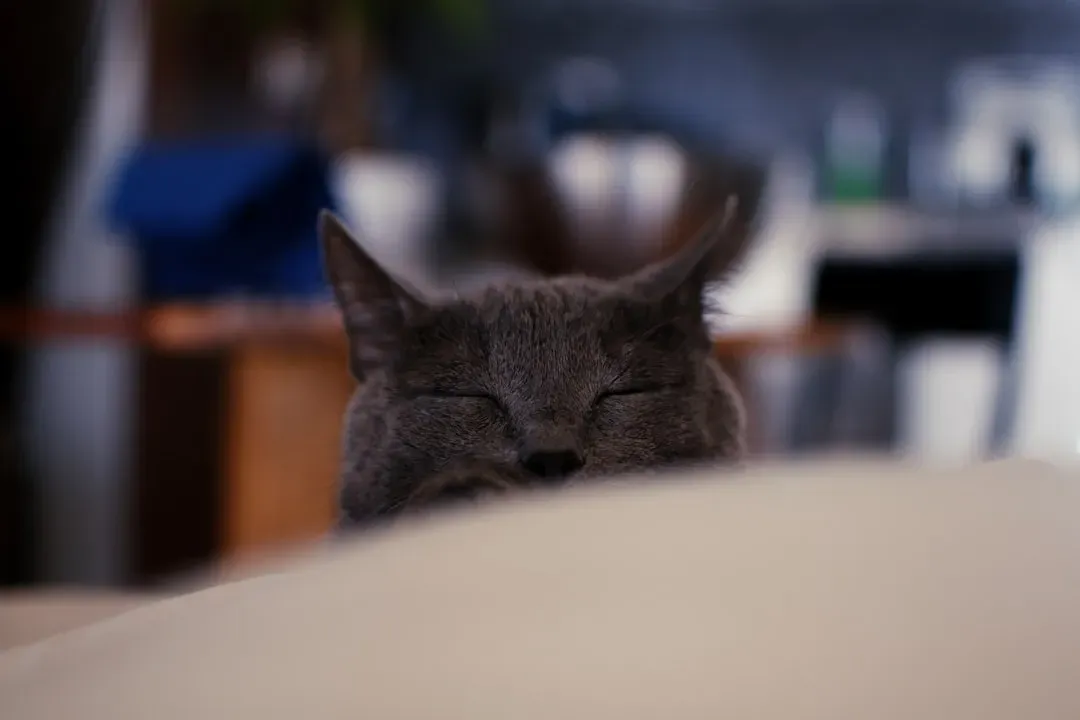
Your cat’s slow blink is often described as a feline kiss and is a sign they trust you and feel comfortable around you. Think about it for a moment. Cats are both predators and prey. Anytime their eyes are closed, they can’t spot potential threats nearby and become vulnerable.
Slow blink sequences typically involve a series of half-blinks followed by either a prolonged eye narrow or an eye closure, and research revealed that cats produce these movements more frequently in response to slow blink stimuli from their owners and had a higher propensity to approach an experimenter after a slow blink interaction. You can actually blink back at your cat. It’s a conversation. Close your eyes slowly, hold for a beat, then open them again. You might be surprised at the response.
Tail Position Reveals More Than You’d Expect
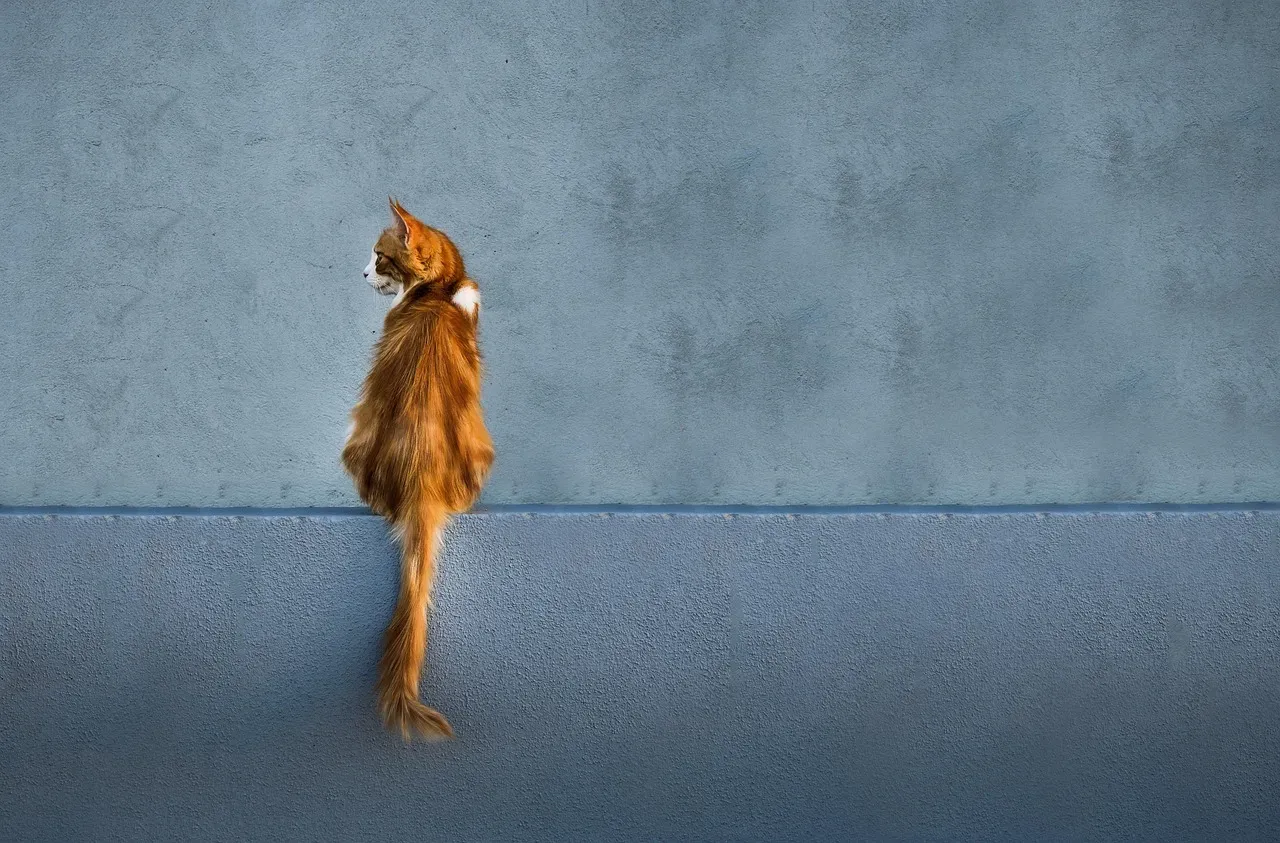
The position of a cat’s tail can indicate whether she’s interested or fearful of you. A tail held high and slightly curved at the tip? That signifies a cat is feeling confident and ready to engage in some positive interaction. You’ll likely see this when your cat approaches you for affection or play.
A tail held low or tucked between their legs signals anxiety, insecurity, or fear, and a cat displaying this behavior might be feeling threatened or uncomfortable in their environment. A cat’s wagging tail isn’t the same as a dog’s happy tail wagging gesture, and a fast-thumping tail is a good indicator that a cat is agitated and should be left alone. The puffed-up tail? That’s fear or aggression, plain and simple. Your cat is trying to appear larger to ward off a perceived threat.
Those Expressive Ears Are Constantly Moving for a Reason
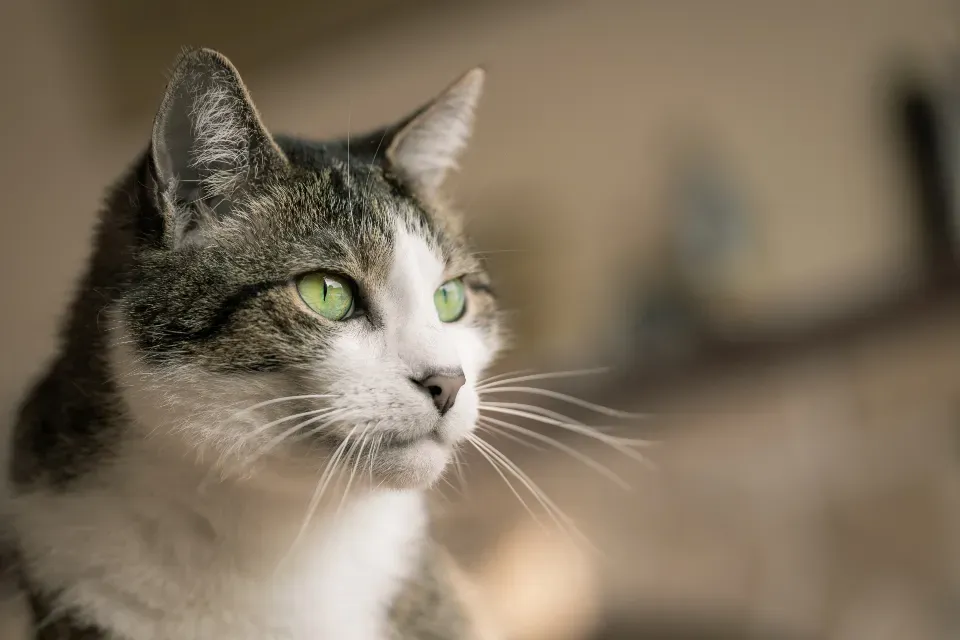
Research shows that the position of ears is more important than tail position when cats interact with each other and is an important visual signal as part of the facial configuration in cats. Ears straight forward often means your cat is fully locked in and paying close attention, possibly prepping to pounce or play.
When your cat’s ears shift sideways like tiny wings, that’s the classic airplane position and usually signals mixed emotions or overstimulation. I’ve noticed this happens during petting sessions right before my cat has had enough. When a cat pins their ears flat against their head, it’s a strong signal that they feel threatened or upset and often comes with other signs like a puffed-up tail. Respect that boundary immediately.
Head Bunting Means You’re Part of the Family
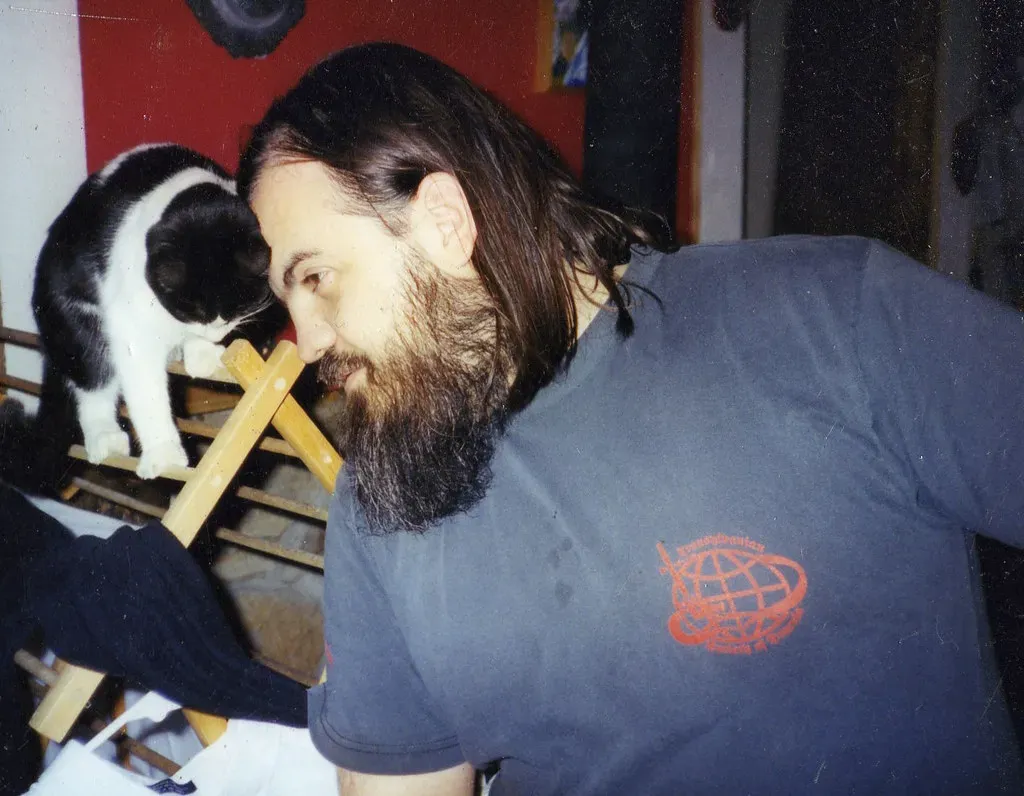
This behavior, identified as bunting, occurs when a cat rubs up against a person to deposit scent and is usually a sign of marking territory, acceptance into the group, and greetings and affection. This behavior deposits scent from glands located around their face, lips, and forehead.
When your cat engages in head bunting or head rubbing, he is placing his scent there as a social and affectionate gesture. It’s not just territorial claiming, though that’s part of it. A cat might rub its face to deposit scent, which identifies those marked as belonging to a specific group. That group? Your little family unit. You should feel honored. This is a deep gesture of trust and belonging. Your cat is literally choosing you.
Kneading Isn’t Just Adorable, It’s Communication
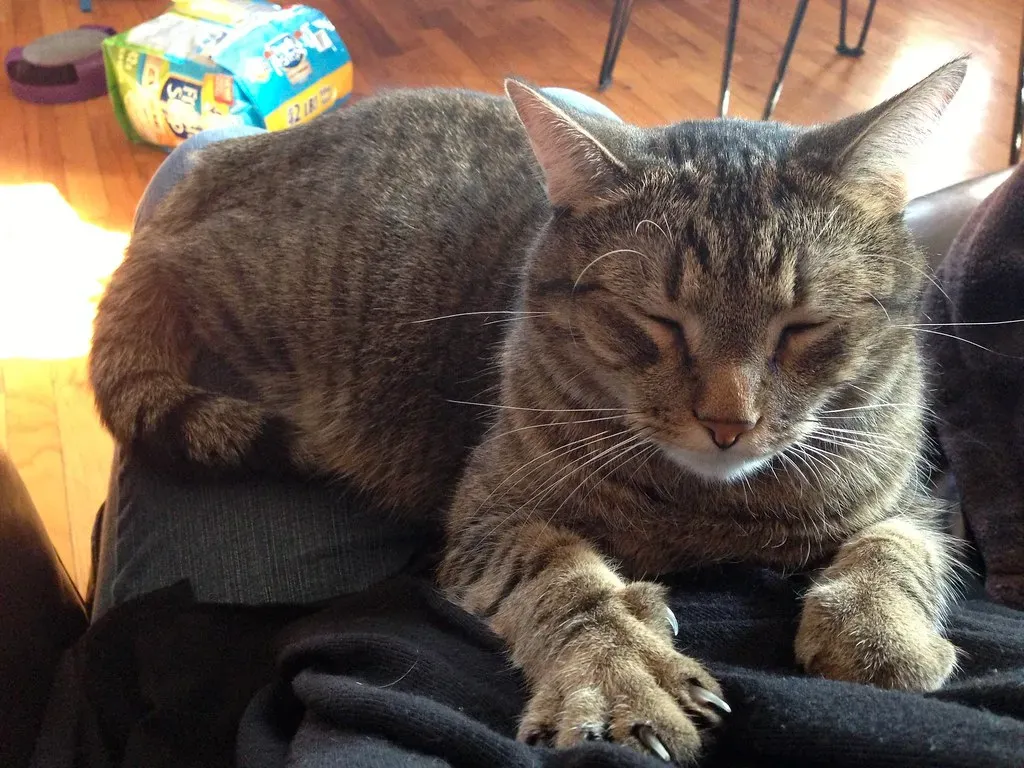
Scientists who study cat behavior call this distinctive paw action kneading and believe it to be a sign of a relaxed cat. Kittens knead their mother’s mammary glands to stimulate the milk flow, and they may grow to associate kneading with the deep comfort of nursing, providing adult cats with the same feeling of contentment.
Cats bond deeply with their humans, and kneading is one of the most common ways for cats to show their human companions how much they’re loved, and when a cat jumps on your lap and decides to knead, it’s because they feel love and contentment when close to you. The paws have glands that leave scent behind when they rub, scratch, or knead. So yes, she’s marking you. Still, the primary message is comfort and affection. Let’s be real, even if those claws dig in a bit, it’s worth it.
Purring Doesn’t Always Mean Happiness
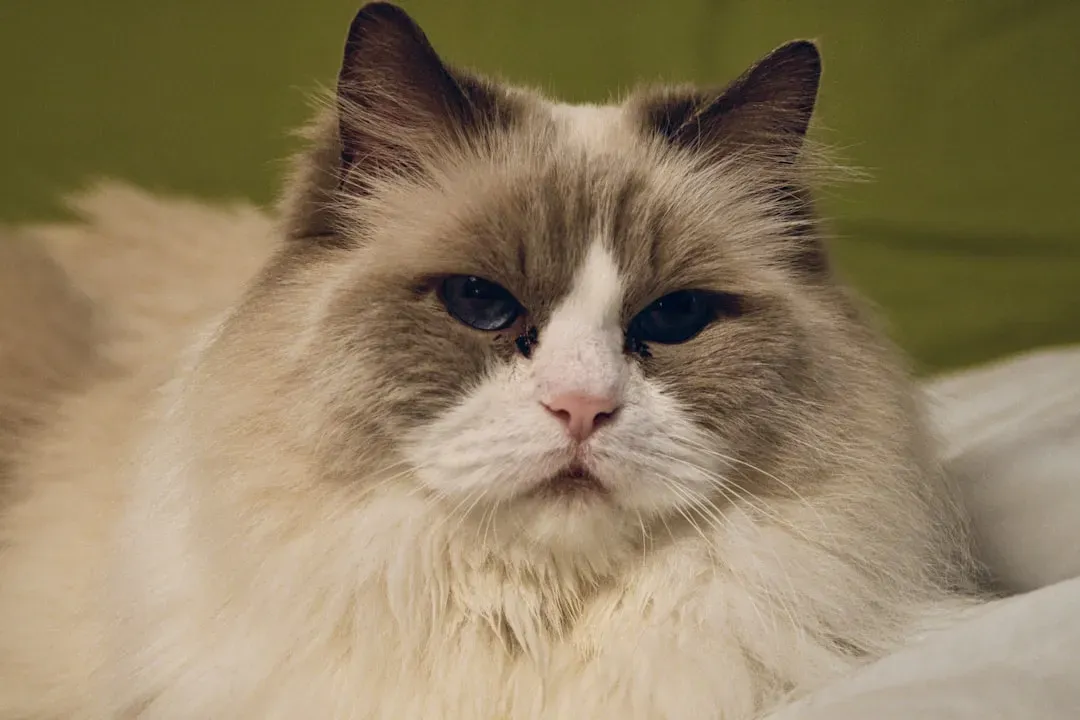
Most people assume purring equals a happy cat. That’s mostly true. Cat purring is a complex vocalization and has mostly been associated with contentment, excitement, or other positive emotional states, and when a cat is purring with content, they have a relaxed facial expression and body language.
Here’s what’s surprising though. A cat’s purring can also indicate distress, such as illness, injury, or impending death, and it is suspected that by purring, the cat communicates to other cats that it is harmless or tricks potential predators, and cats can also soothe themselves by purring, which is why cats can often purr in stressful situations such as at the vet clinic. Some cats purr when they are anxious, and this may be a coping mechanism to help reduce their anxiety, and if your cat is purring after coming home from the veterinary clinic, they may be trying to recover and self-soothe from a stressful situation. Context matters. Look at the whole picture.
Belly Exposure Is Trust, Not an Invitation
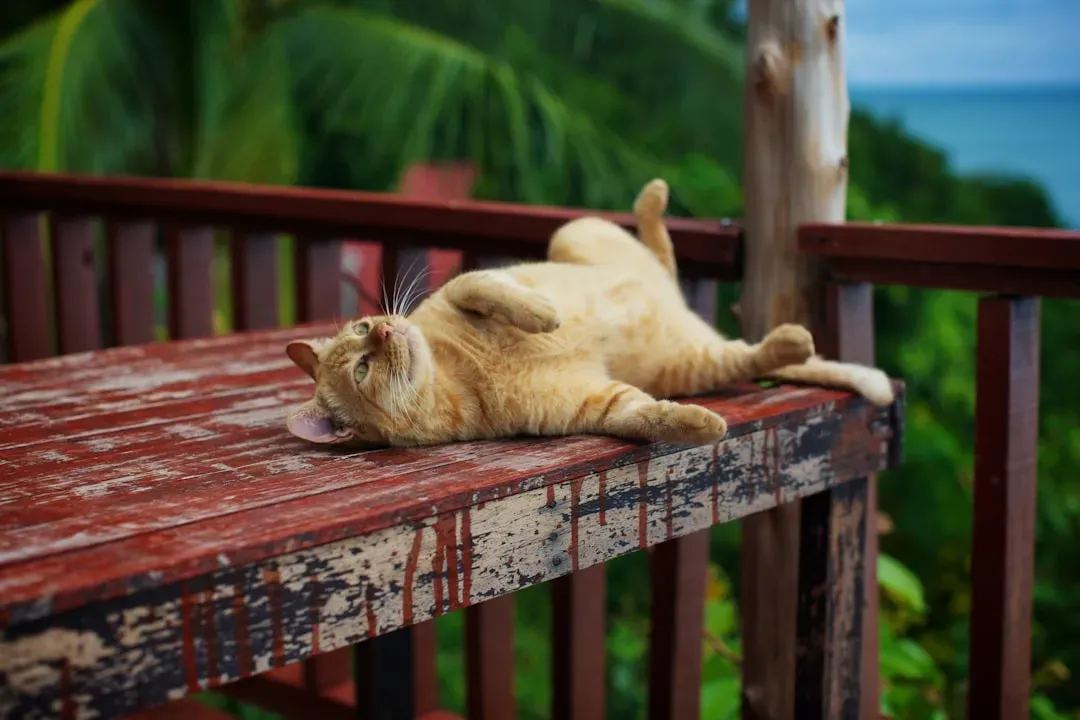
Exposing the belly demonstrates trust because cats will often protect their belly in fearful situations. When your cat rolls over and shows you her stomach, she’s saying she feels completely safe with you. It’s vulnerable. It’s intimate.
However, just because she’s showing her belly doesn’t mean she wants you to touch it. A belly-up posture often means trust and relaxation, but many cats don’t want belly rubs. I know it sounds crazy, but this is one area where cats really do have boundaries. Try chin or cheek scratches instead. Your fingers will thank you.
Whisker Position Offers Subtle Clues About Mood
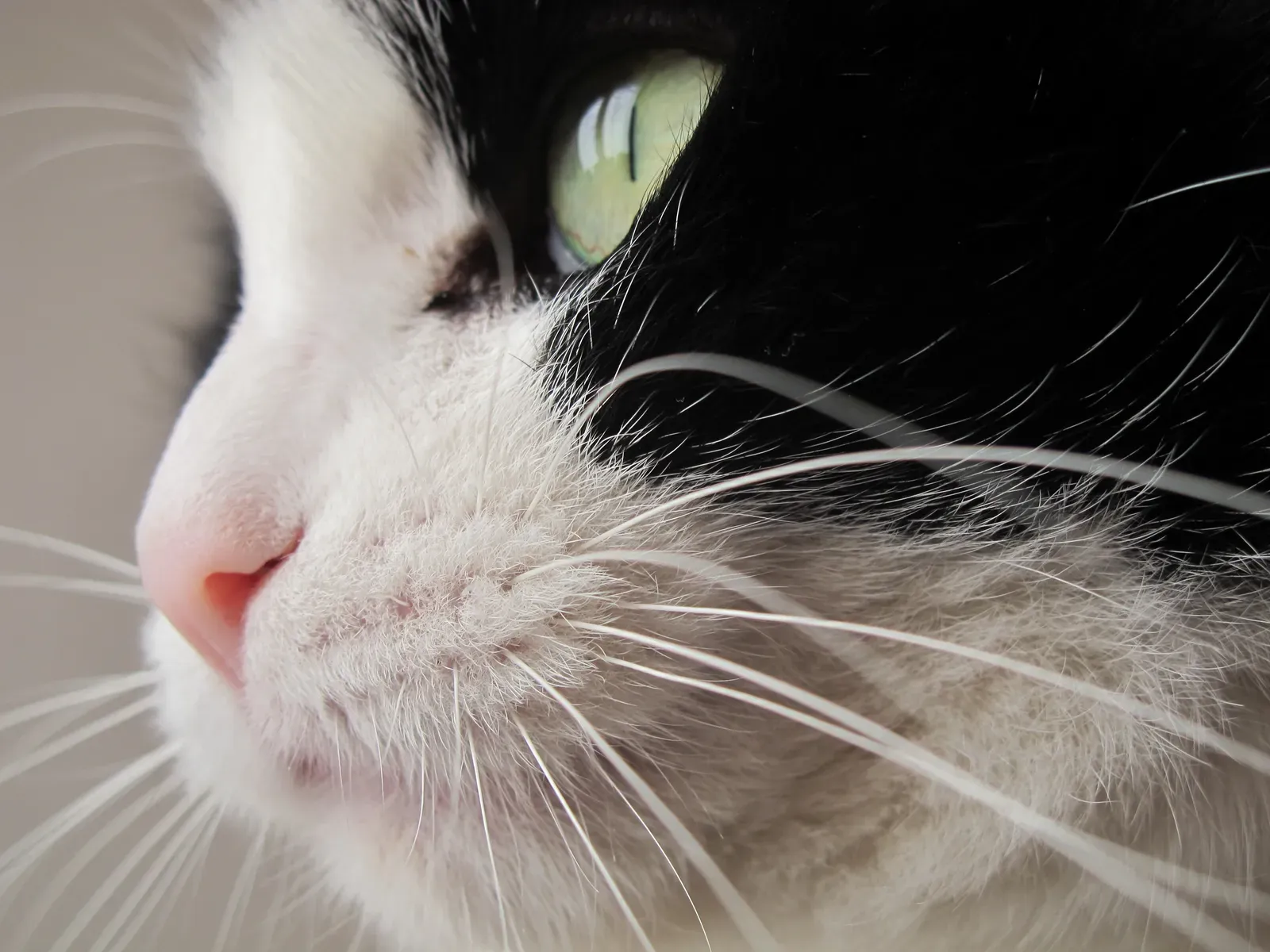
If you’ve taken in all the other signs and you still want more information, check out a cat’s whiskers, though compared to a cat’s posture, tail, ears, and eyes, the whiskers aren’t going to tell you as much, but they may provide a helpful hint. A fearful cat’s whiskers may be pulled back flat against their face.
Confident cats, by contrast, might push their whiskers forward. It’s subtle. You have to watch closely. Relaxed whiskers point outward in a neutral position. Tense whiskers pulled tight against the face? Something’s bothering your cat. Pay attention to the environment and what might be causing stress.
Body Posture Tells the Whole Story
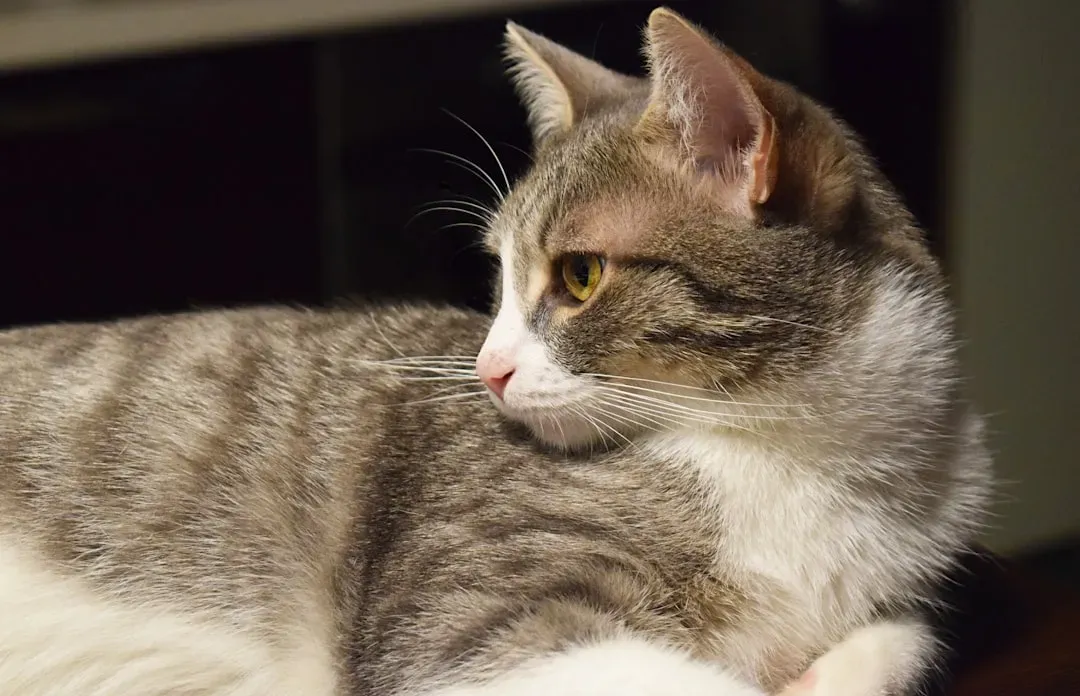
When a cat is happy, their posture is typically loose, with their limbs and tail stretched out away from their body when lying down. A cat laying stretched out on its side feels at ease and comfortable with their surroundings, and in most cases, this is an excellent time to approach a cat and say hello.
When a cat is feeling stressed, they may have a stiff and tense body held low to the ground. In response to fear, they may initially make themselves look smaller by crouching low to the ground and scrunching up their body. It’s fascinating how cats can change their entire presence based on their emotional state. Big and confident when they’re comfortable, small and compressed when they’re scared. With their posture, tails, ears, eyes, whiskers, and vocalizations, they’ll tell you whether they’re comfortable or not, and the main takeaway is that a cat’s body language and behaviors should be looked at as a part of single big picture.
Understanding Your Cat Strengthens Your Bond
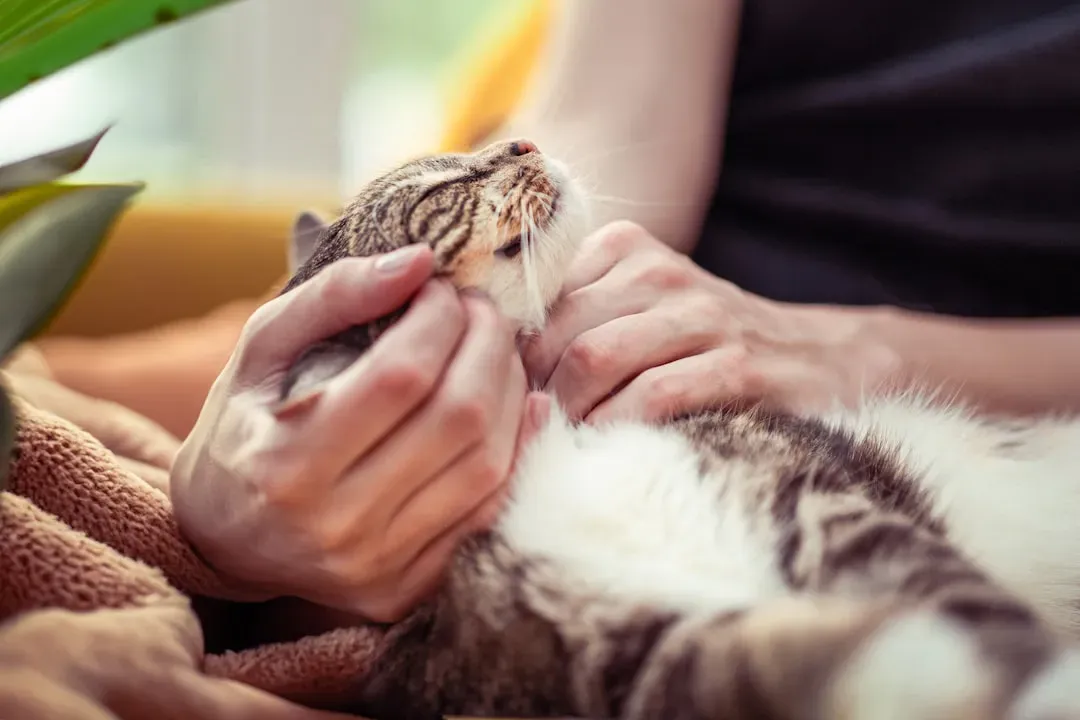
Reading cat body language isn’t just fun, it can also improve your relationship with your kitty, reduce stress, and help you spot potential health issues early. When you start paying attention to these silent signals, something shifts. You begin to anticipate your cat’s needs before she even asks. You know when to give space and when to offer affection.
Understanding cat body language gives you insight into your kitty’s emotions, helps prevent misunderstandings, and strengthens the bond you share, and learning how to read cat signals is an essential skill for every cat parent. It requires patience. Observation. A willingness to see the world from a feline perspective. The reward? A deeper, richer relationship with a creature who’s been trying to talk to you all along.
What would change if you started paying closer attention today? Your cat has been speaking to you this entire time. Maybe it’s time we actually listened. What do you think? Have you caught your cat using any of these silent signals?