Have you ever noticed your cat cozying up to a visitor who claims they’re not even a cat person? Meanwhile, you’re the one who feeds them, cleans their litter box, and schedules their vet appointments. It’s a peculiar thing, this feline affection. Cats have their own mysterious language of love, and honestly, it’s not always obvious who’s getting the VIP treatment.
The truth is, your cat does have different levels of connection. Some gestures are friendly hellos to anyone who walks through the door. Others are sacred rituals reserved exclusively for you, the chosen one. Understanding these subtle differences can help you appreciate just how special your bond truly is. So let’s dive in.
The Slow Blink Sign of Trust
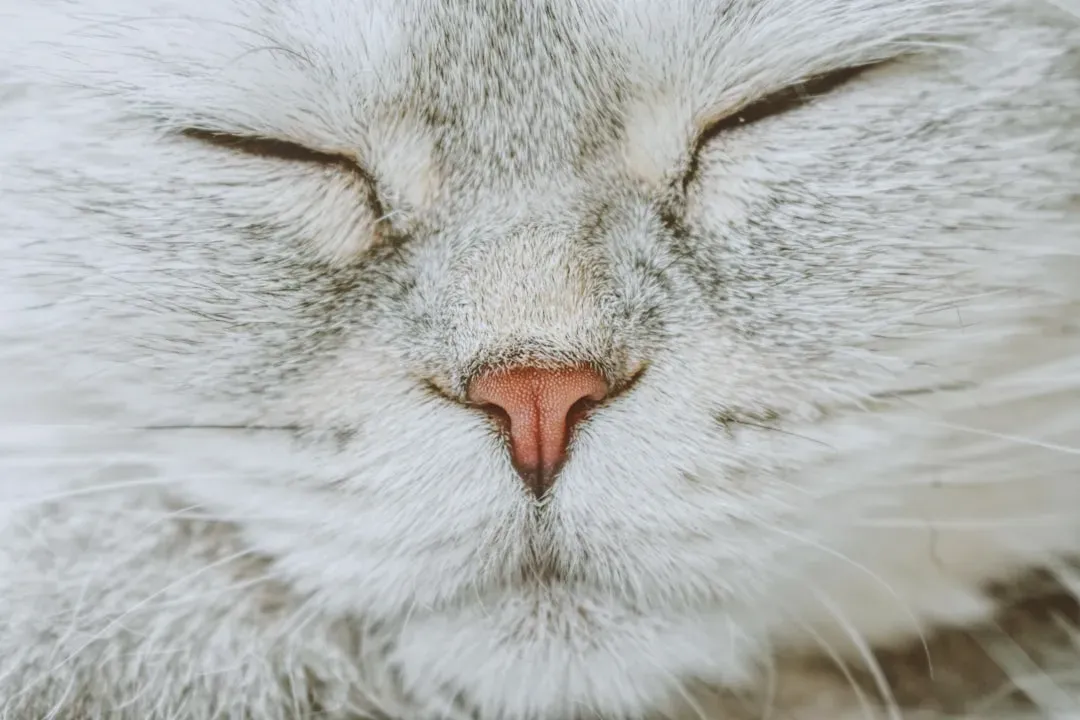
Your cat’s slow blink is a sign that they trust you and feel comfortable around you. Think of it as a feline smile, a gentle closing and opening of the eyes that lasts longer than a regular blink. Here’s the thing though: cats are also likely to slow blink back at other people who slow blink at them, and they might slow blink at other cats to be friendly, show trust, or express contentment.
This means strangers who understand cat language can actually trigger this response. Cats are more likely to approach a person who slow blinks than someone with a neutral expression. So while it feels personal, it’s actually more like a universal greeting in the cat world. Anyone who knows the code can get in on the action.
Tail Held High in Welcome
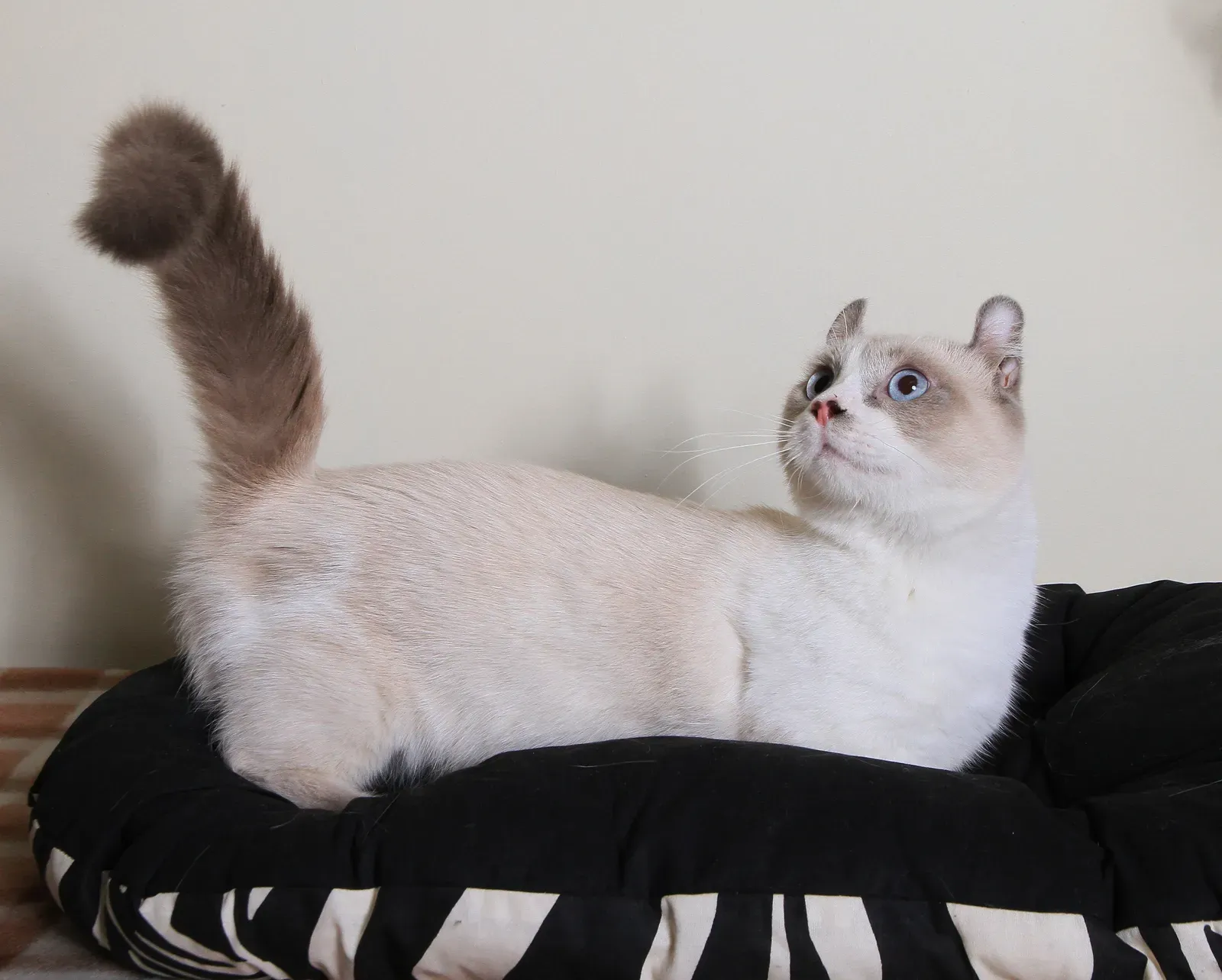
When cats show affection, they rub themselves on you, often circling or turning in little figure eights, with their tails held high, often with a tiny curve at the very end, showing that they’re happy to see you or another cat. This upright tail is a sign of confidence and friendliness. It’s their way of announcing they’re open to interaction.
Your cat might greet a new guest this way, especially if that person isn’t overwhelming them with attention. A study found that cats are more likely to approach people who don’t have much experience with them, possibly because owners tend to cross certain boundaries, unlike those who have little or no experience with cats. The irony isn’t lost on me.
Rubbing and Head Bunting
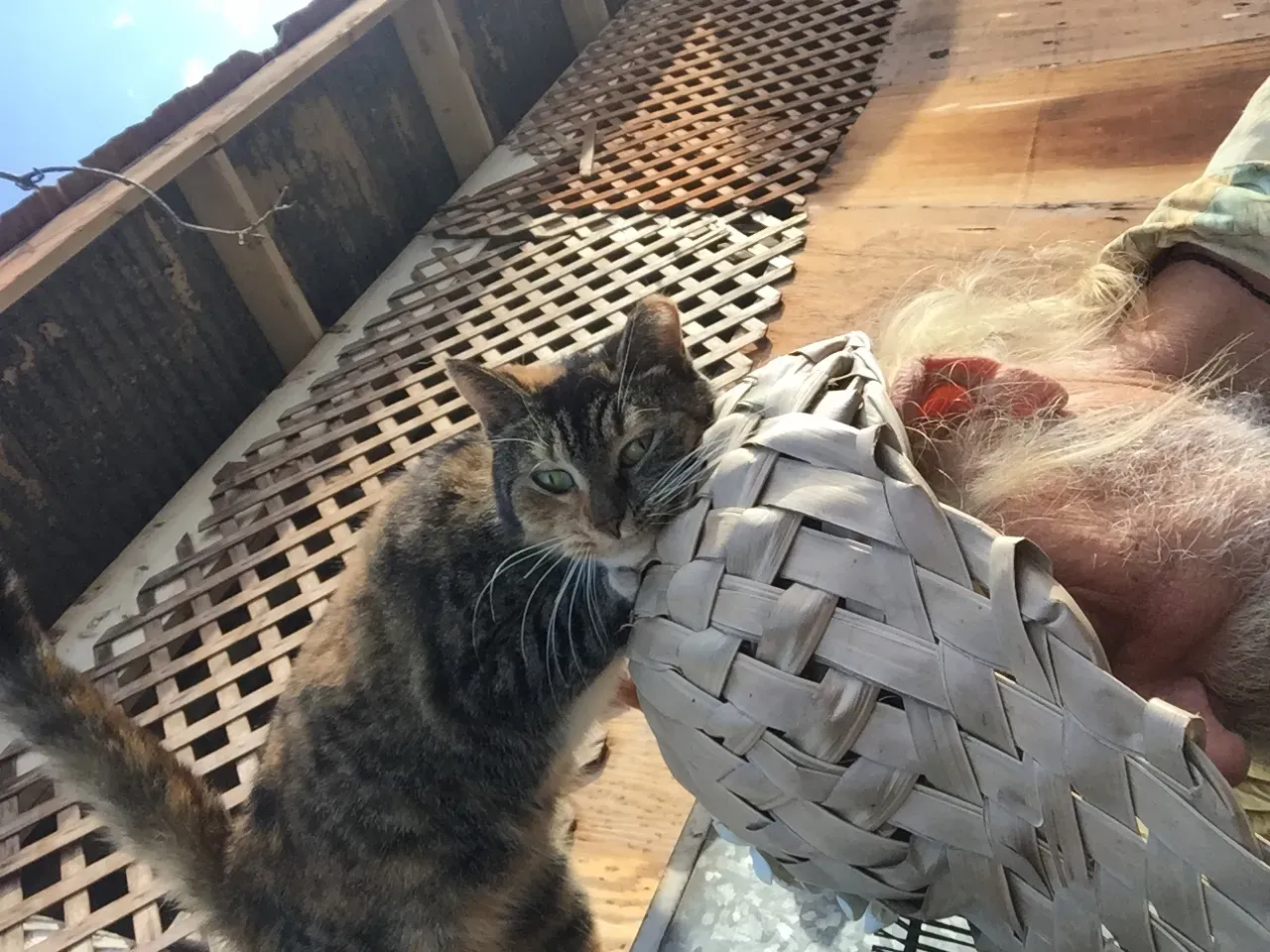
Head butts and chin rubbing are signs of affection because cats have scent glands, and they’re marking their territory, telling everyone that this is their stuff, including you. So when your cat rubs against your friend’s leg, they’re essentially claiming them as part of their territory. It’s friendly, sure, but it’s also a bit possessive.
This behavior isn’t exclusively romantic, if you will. Cats use scent marking to create a familiar environment. A stranger who’s calm and non-threatening might receive this greeting. Still, the frequency and intensity matter, and that’s where the difference lies.
Purring in Social Situations
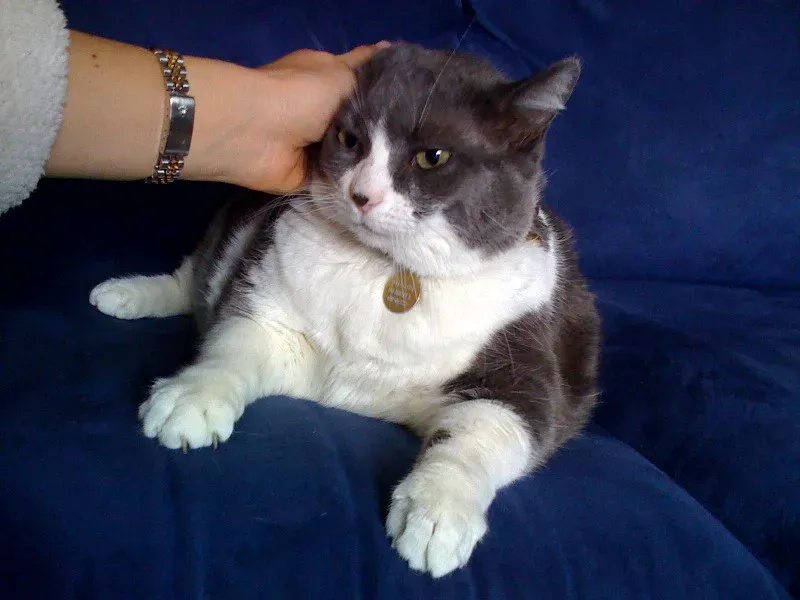
That comfy, cozy motor sound is usually a sign your cat is feeling happy and content, however, some cats may purr to self-soothe when they’re hungry or stressed. A cat might purr when a visitor pets them gently, especially if they feel safe. It’s not necessarily deep affection, more like polite acknowledgment.
Purring can happen in various contexts. A stranger providing gentle scratches in the right spot might get a purr. Yet the context matters. Is your cat seeking them out or just tolerating the interaction?
Curious Investigation and Sniffing
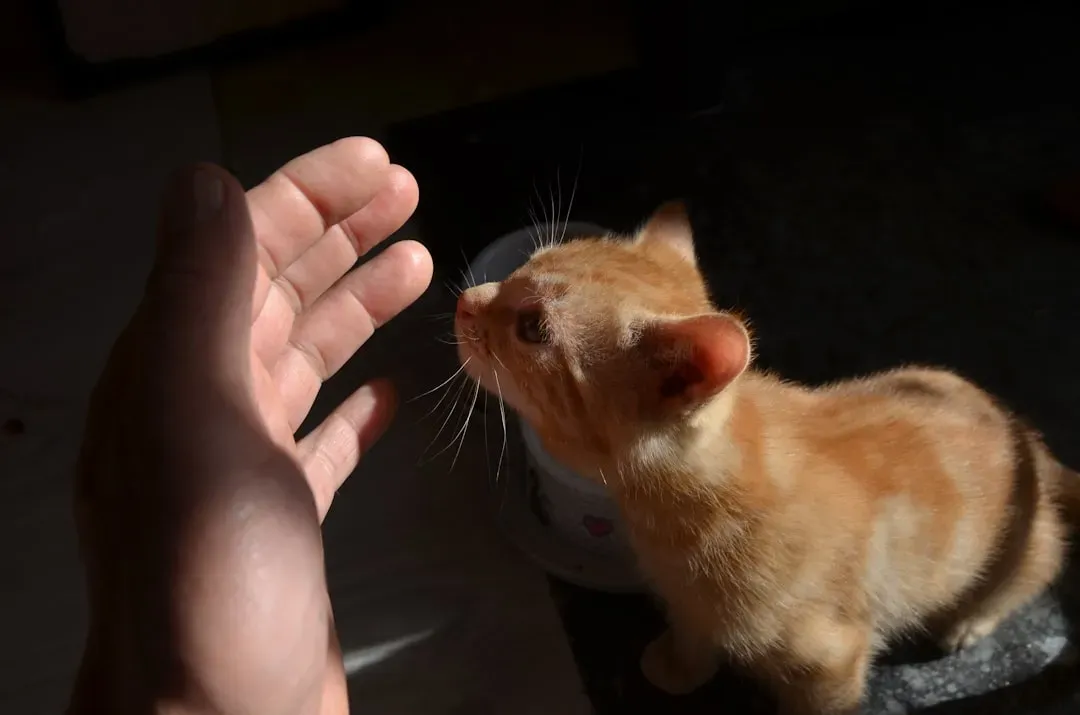
Cats are naturally curious creatures. When someone new enters their domain, they’ll often approach to investigate. This sniffing and circling behavior is about gathering information, not declaring undying love. They’re assessing whether this person is safe, interesting, or worth their time.
Think of it as a background check. Your cat might sniff a stranger’s shoes, circle their legs, or watch them from a distance. It’s friendly curiosity, but it doesn’t mean your cat has formed a bond. They’re just doing their due diligence.
Accepting Treats and Play
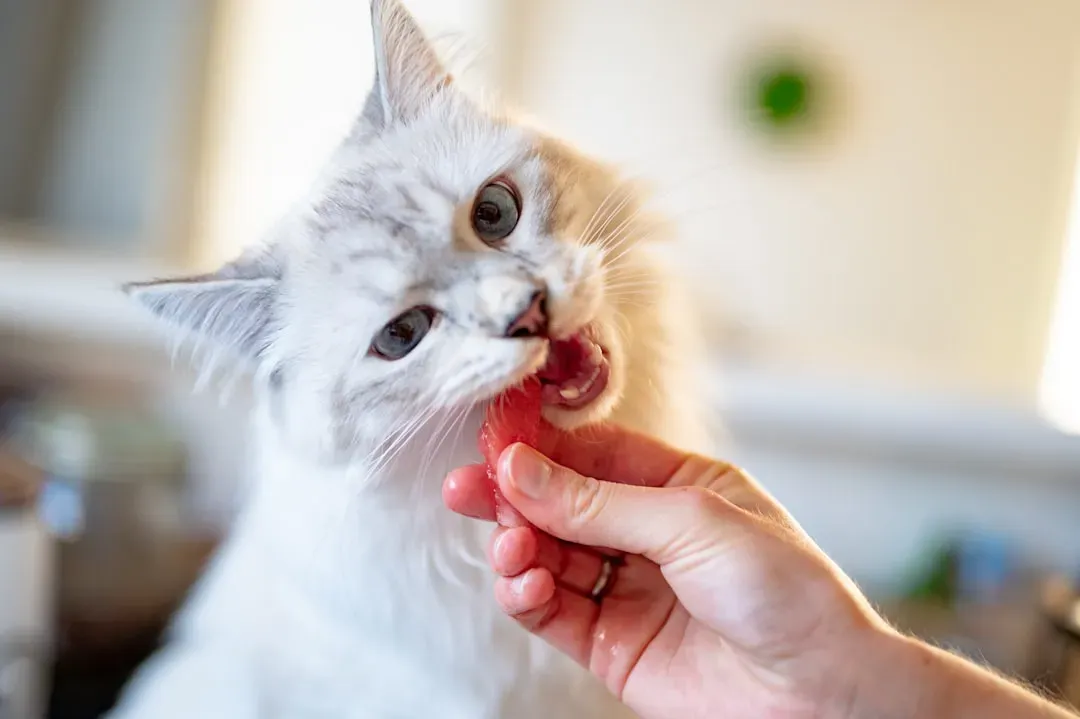
Research noted that roughly half of cats, when given the choice, most preferred human interactions over their favorite food, scent items, and toys. Still, a cat will rarely turn down a tasty treat from a stranger. Food is a powerful motivator, and accepting a snack doesn’t necessarily indicate affection.
Similarly, cats might engage in play with visitors who bring out a feather wand or laser pointer. Play is stimulating and fun, and cats enjoy it regardless of who’s holding the toy. It’s entertainment, not emotional connection.
Rolling Over to Show the Belly
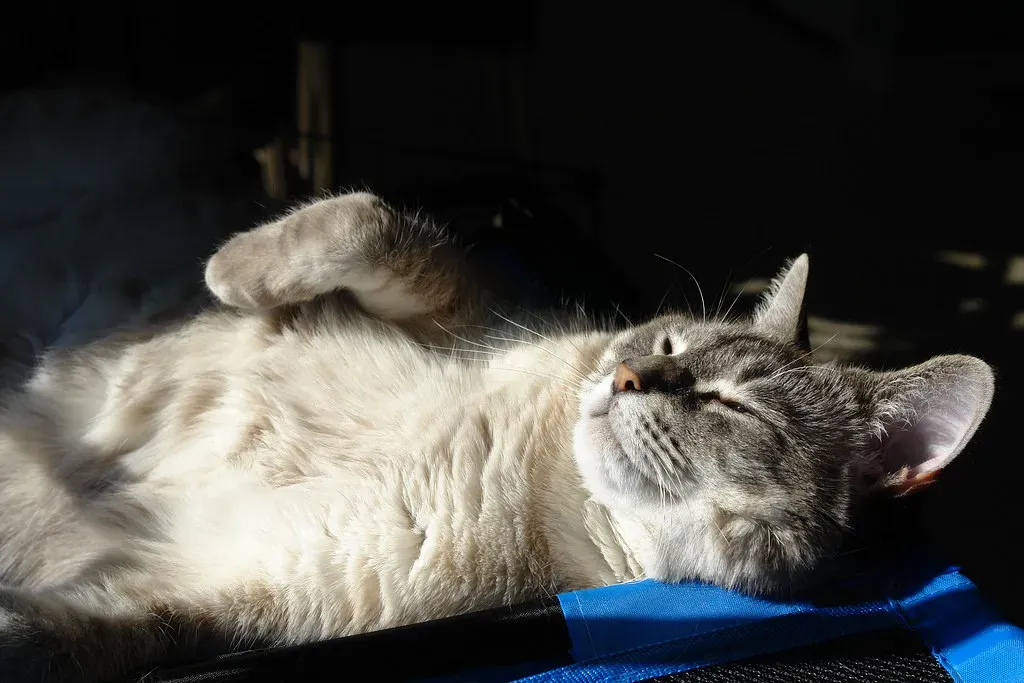
When a cat feels comfortable and relaxed, it may stretch out on its side or lie on its back, exposing its belly, and rolling on their back is a sign of love and trust because the abdomen is one of a cat’s most vulnerable areas. This gesture can happen with strangers if the environment feels safe and the person isn’t threatening.
However, showing the belly doesn’t always mean an invitation for belly rubs. Many cats will roll over as a sign of comfort but still dislike being touched there. A stranger might witness this display, but it’s more about the cat feeling secure in the moment than forming a bond.
Sitting Nearby Without Contact
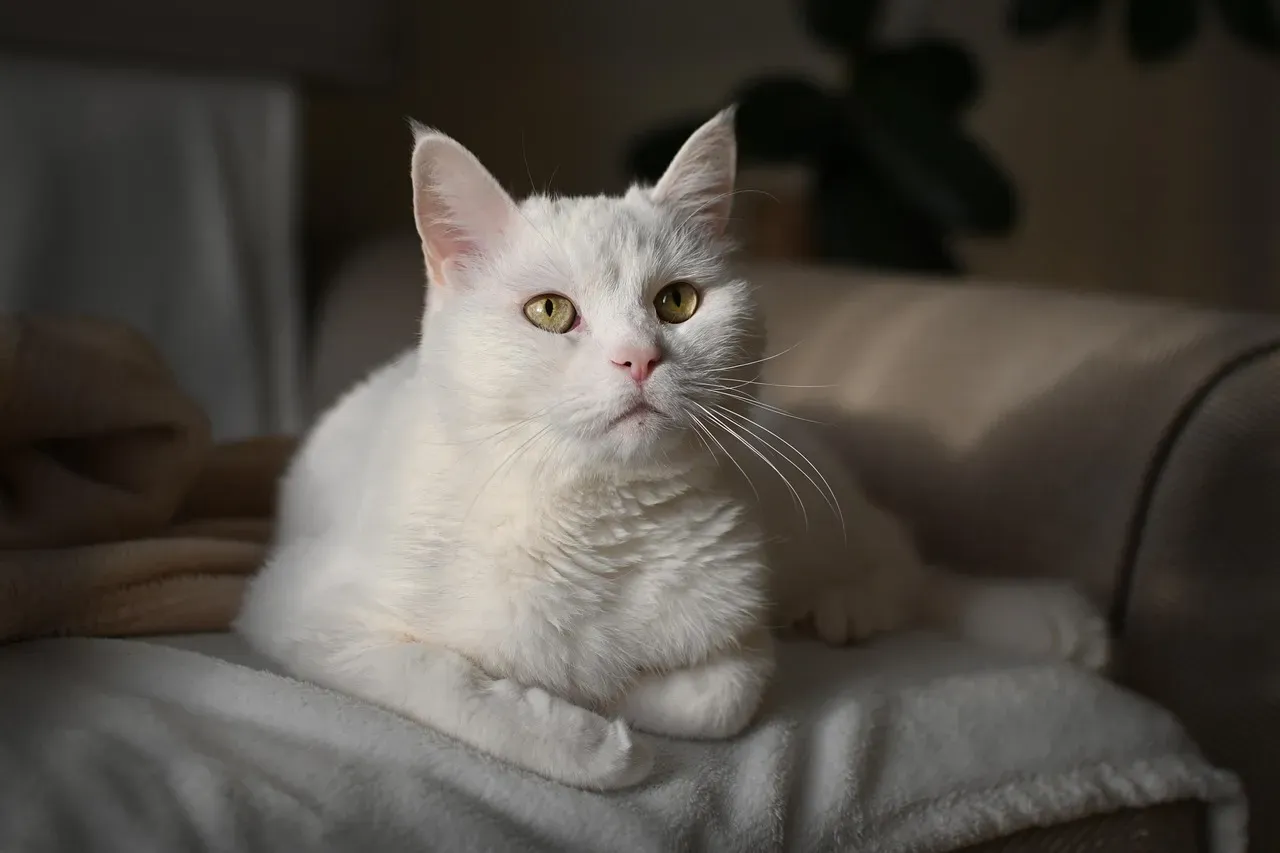
In the wild, adult cats will lay nearby one another but rarely cuddle like kittens, and if your cat likes to be on the rug while you’re on the couch, or in their tree while you’re at their desk, they’re showing you they want to be around you in their own way. A cat might choose to sit in the same room as a visitor without seeking direct interaction. This proximity is a form of social tolerance.
It’s not quite affection, more like acceptance. Your cat is saying this person is okay to have around. They’re comfortable enough to share space, but they’re not necessarily bonding.
Meowing for Attention
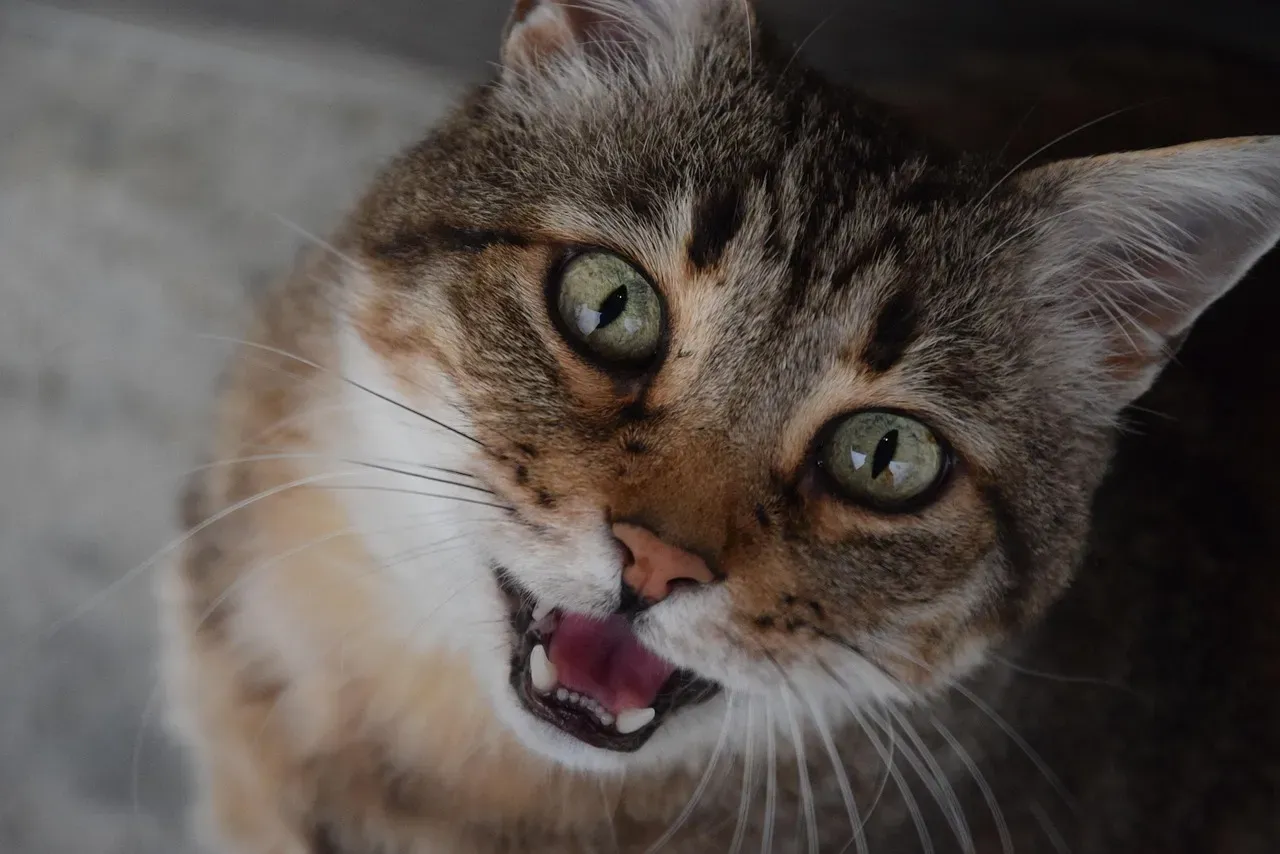
Cat slow blinks are similar to why they meow; it’s a form of communication they’ve evolved specifically to better relate to and interact with us humans. Cats might meow at strangers to get attention, request food, or simply acknowledge their presence. It’s a versatile sound that doesn’t automatically signal deep affection.
Some cats are naturally more vocal than others. A chatty cat might greet everyone with a meow. It’s friendly, but not necessarily special.
Kneading on Your Lap
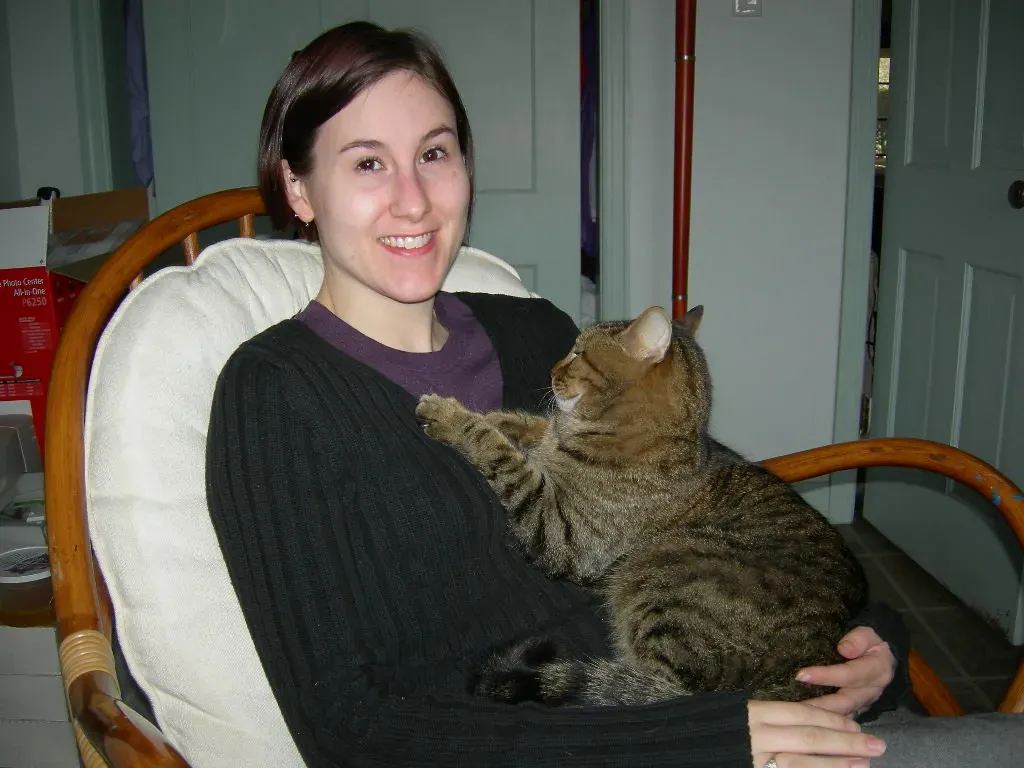
When your cat kneads you, it can be a sign of affection, since kneading is a behavior performed as a kitten with their mother, conveying a sense of comfort and security with you. This rhythmic pushing motion, often called making biscuits, is deeply rooted in kittenhood. Kittens use a kneading action to stimulate milk production from their mother cat when nursing, and because nursing and being around a mother cat’s calming pheromones encourages contentment, many cats continue to knead into adulthood to create a similar sense of calm.
Kneading is almost always reserved for those closest to the cat. When a cat kneads their owner, it can be a sign of trust and affection, demonstrating that the cat feels safe and comfortable in the presence of their human companion. Strangers rarely receive this honor. Your cat essentially sees you as a parental figure, and this behavior is a throwback to that early bonding experience. It’s intimate and special.
Bringing You Gifts
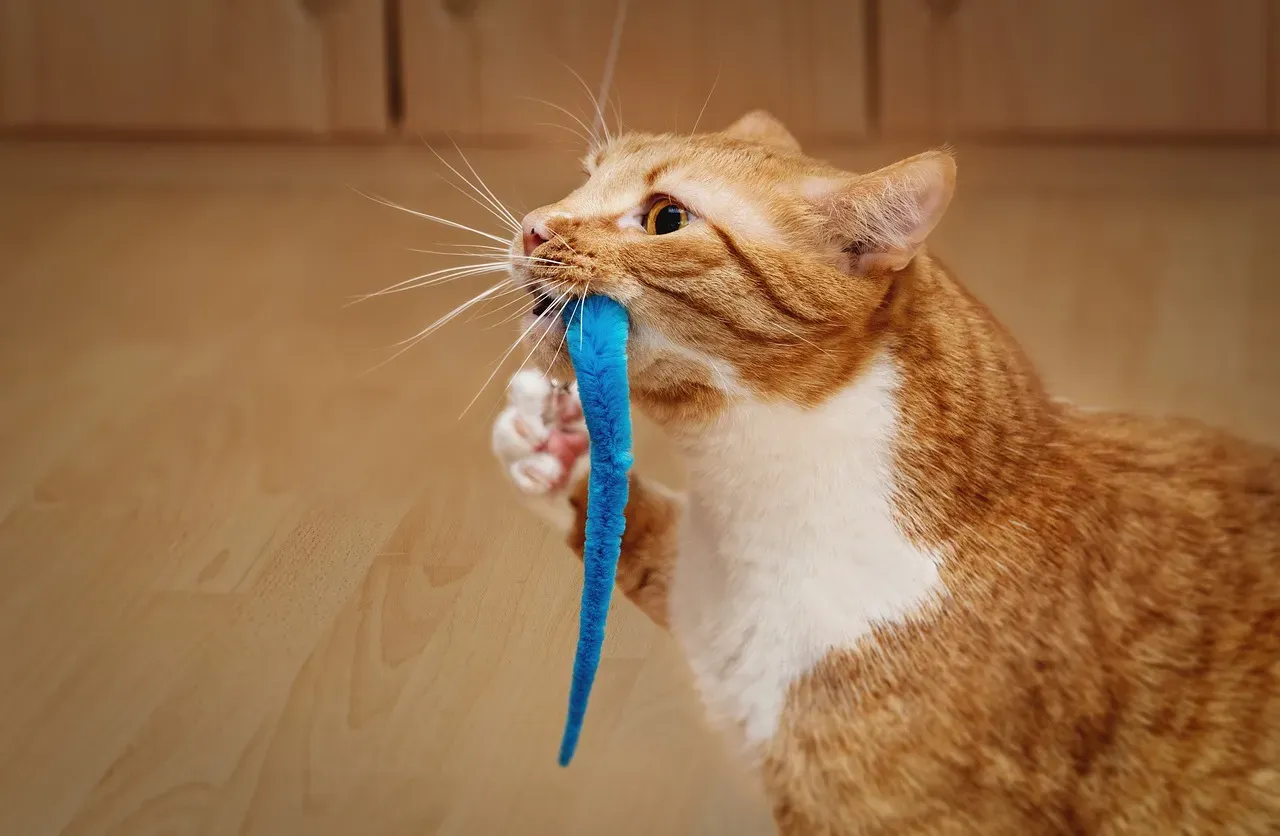
Cats sometimes bring their owners presents, whether it’s a toy mouse or, let’s be real, something more unsettling from outside. This behavior is thought to be a sign of affection and trust. Your cat is sharing their hunt with you, treating you like family.
Strangers don’t get this treatment. It’s a behavior reserved for the inner circle. If your cat has ever dropped a “gift” at your feet, consider it a compliment, even if it’s not the kind you wanted.
Grooming You with Licks
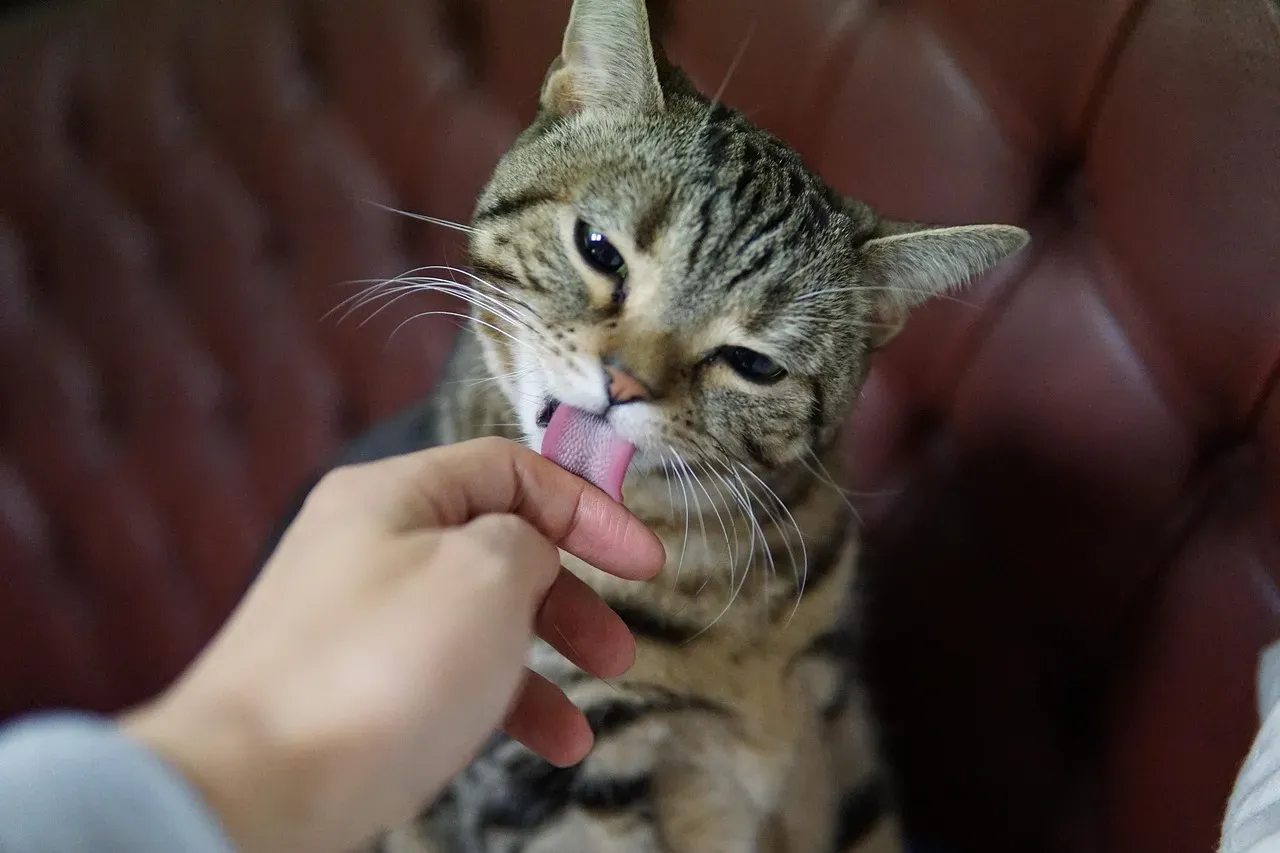
When cats groom each other, it’s a social bonding activity, and if your cat licks you, they’re extending that same camaraderie to you; in the same vein, if your cat gives you a gentle nibble, it’s typically a love bite showing you a playful sign of their love. Grooming is an intimate act that cats reserve for those they care about.
You might notice your cat licking your hand, hair, or face. This is a clear sign of affection. Visitors won’t experience this. It’s a grooming ritual that signifies you’re part of their social group, their family.
Following You Room to Room
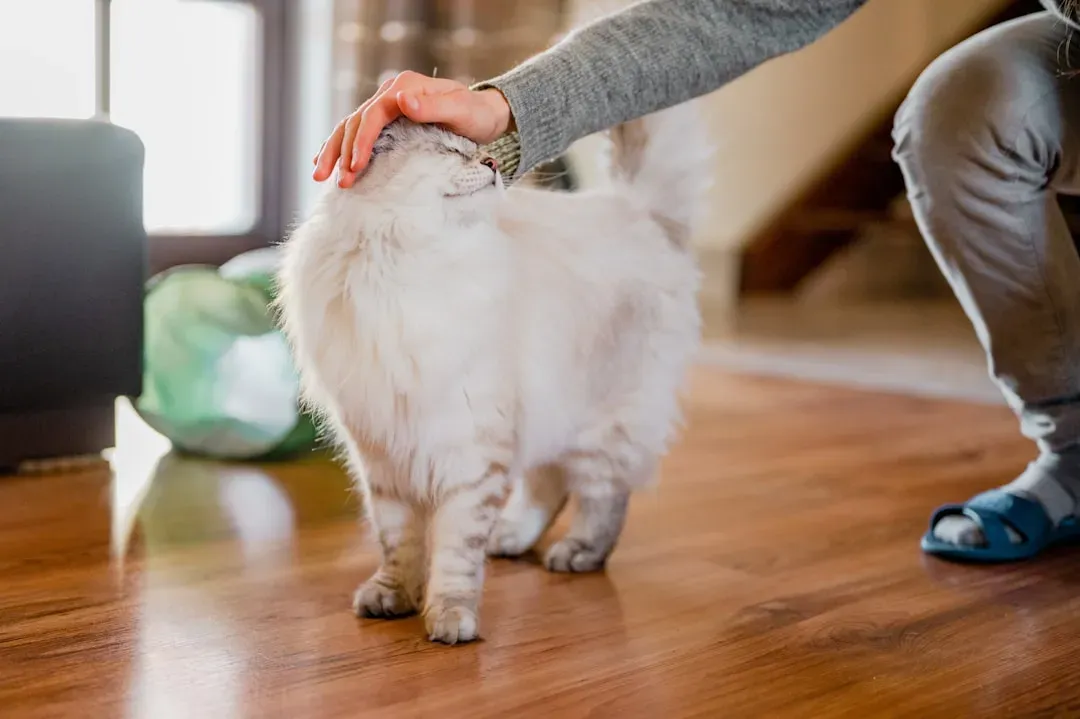
Following you around, as long as the cat feels okay, is usually an indication they want attention or simply enjoy your company. If your cat shadows your every move, it’s because they feel attached to you. They want to be where you are, even if it’s just to observe.
Strangers don’t get this level of devotion. Your cat might be curious about a visitor, but they won’t follow them around the house. This trailing behavior is reserved for their favorite person, the one who makes them feel secure.
Sleeping on or Next to You
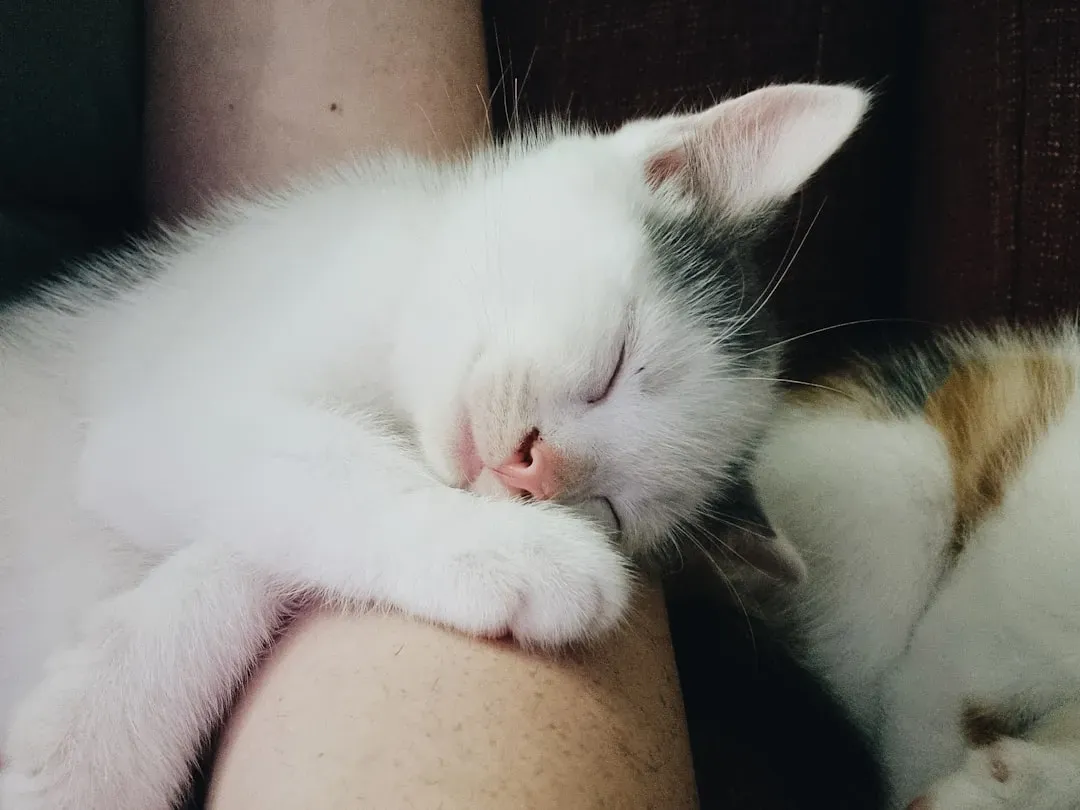
Sleep is a vulnerable state for cats. When they choose to curl up on your lap, chest, or right next to you in bed, it’s a profound sign of trust. They’re putting themselves in a defenseless position because they feel completely safe with you.
Guests might have a cat sit near them, but sleeping on them? That’s different. Your cat’s choice to snooze with you is one of the highest compliments they can give. It means they trust you implicitly.
Conclusion: The Special Language of Love
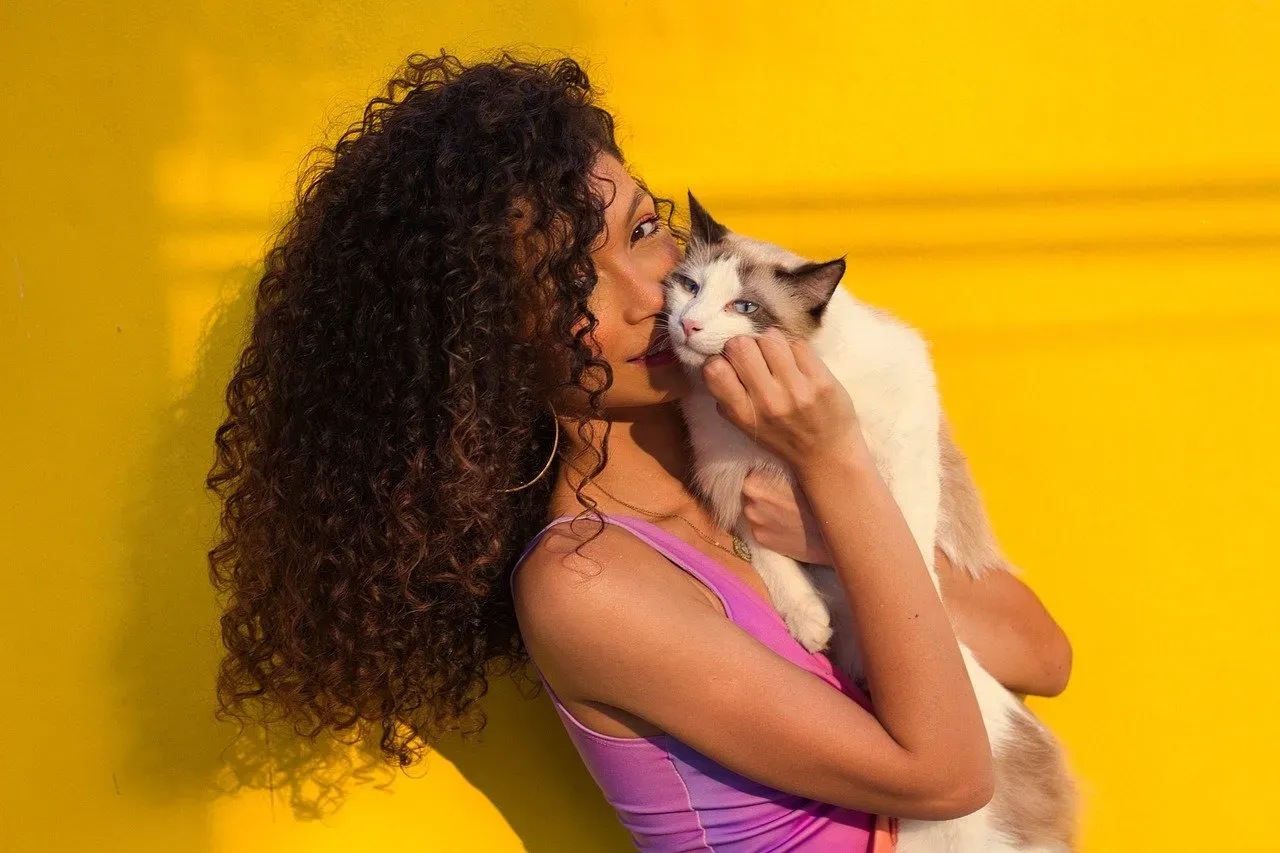
Cats can form deep emotional bonds and meaningful connections with their human companions, and understanding the subtle ways cats show they miss their owners is a powerful reminder of just how strong those bonds can be. While your cat might extend polite greetings and friendly gestures to strangers, the behaviors they save for you are the real deal. The kneading, the grooming, the sleeping beside you, the trilling – these are the sacred rituals of feline affection.
So next time your cat ignores you in front of company, don’t worry. They’re just playing it cool. Deep down, you’re the one they’ve chosen. What do you think? Does your cat have a favorite person in your household?