You have probably stared at your cat at some point and genuinely wondered what on earth is going on inside that tiny, furry skull. Maybe you caught them chattering at a window, dropping a dead insect at your feet like a trophy, or doing that slow, intense blink that feels almost theatrical. Honestly, it’s easy to write these moments off as random quirky behavior. But here is the thing – most of it is not random at all.
Your cat’s intelligence refers to their ability to solve problems, adapt to their environment, learn new behaviors, and communicate their needs. Structurally, a cat’s brain actually shares similarities with the human brain, containing around 250 million neurons in the cerebral cortex, which is responsible for complex processing. In other words, that little creature napping on your sofa is working with some serious mental hardware. So before you dismiss the next weird thing your cat does, let’s dive in.
1. Kneading You Like Bread Dough
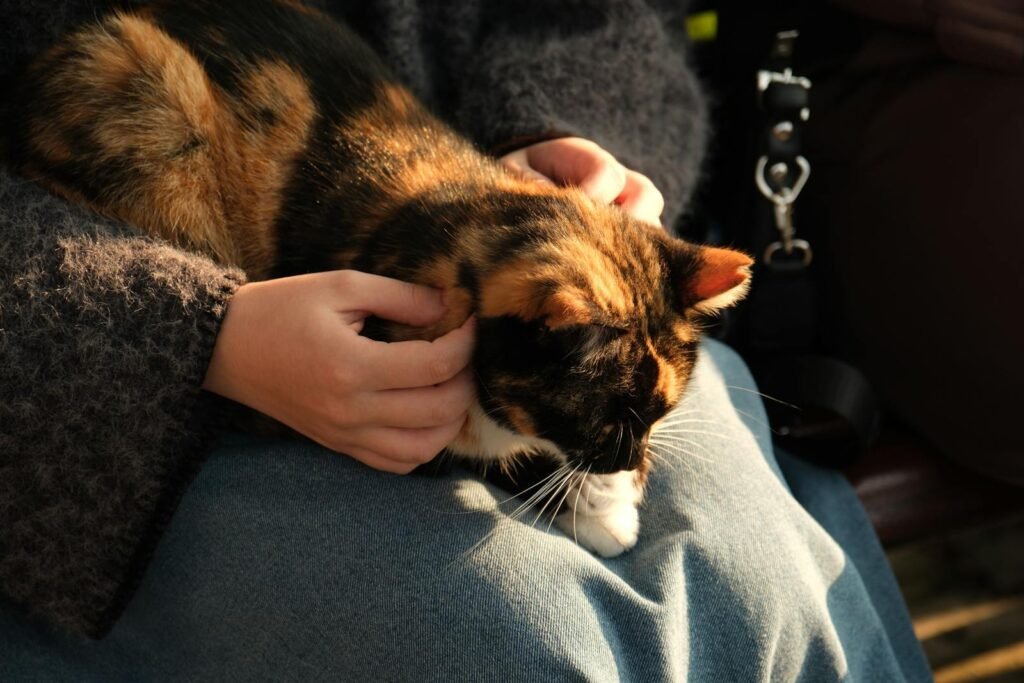
You are sitting on the couch and your cat climbs onto your lap, starts rhythmically pushing their paws in and out, and suddenly looks like a tiny, furry baker. It is strange. It is sometimes painful if their claws are out. Yet somehow, it is also completely adorable. This behavior goes by many names – “making biscuits” is perhaps the most endearing.
Kneading begins in kittens as an instinctual behavior associated with feeding – it is not something cats ever have to learn. The way the behavior starts is that kittens knead the mother’s mammary glands to actually suck the milk. Kneading helps cats release endorphins, which promote feelings of relaxation and well-being, making it a self-soothing behavior that brings them relaxation and security. So when your cat kneads on you specifically, that is not random. Cats have scent glands between the soft pads of their paws that release pheromones, and when they knead a soft surface, it releases that scent into whatever they are kneading – in doing this, your cat is marking their territory or claiming an object, or human, as their own. You have been claimed. Congratulations.
2. Chirping and Chattering at Birds Through the Window
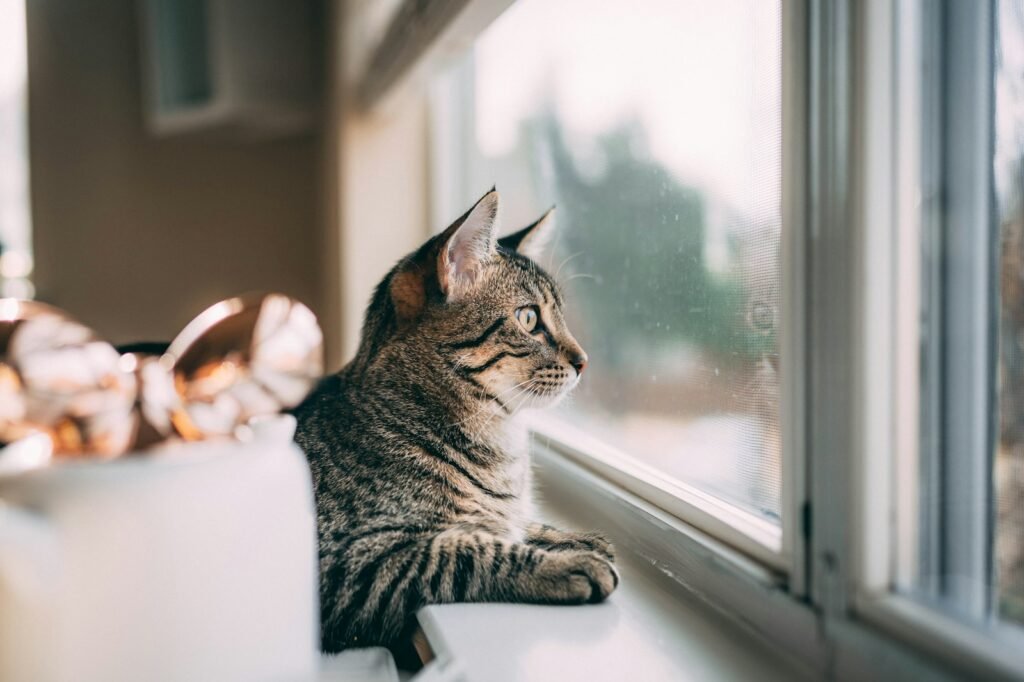
If you have ever watched your cat glue themselves to a window while a bird lands outside, you have almost certainly heard it – that rapid, stuttering chatter. It sounds like a tiny broken machine, or maybe a miniature typewriter on high speed. When your cat sees a bird or wildlife outside the window, they might chatter at it. Chattering is a distinctive, repetitive clicking sound made from a combination of lip smacking and rapidly vibrating the lower jaw, and a lot of cats also sprinkle in soft, birdlike chirp sounds.
Your cat’s teeth chattering when they see birds or squirrels outside the window is an instinctual response linked to their hunting drive. It actually mimics the precise lethal bite cats use to snap their prey’s necks. Think about that for a second. Your cat is not just excited – they are mentally rehearsing a hunting technique while sitting behind glass in your living room. This strange cat trait is thought to be a mix of predatory excitement and frustration at not being able to get to the bird. That is not just weird behavior. That is strategic mental preparation.
3. Bringing You “Gifts” (Dead or Alive)
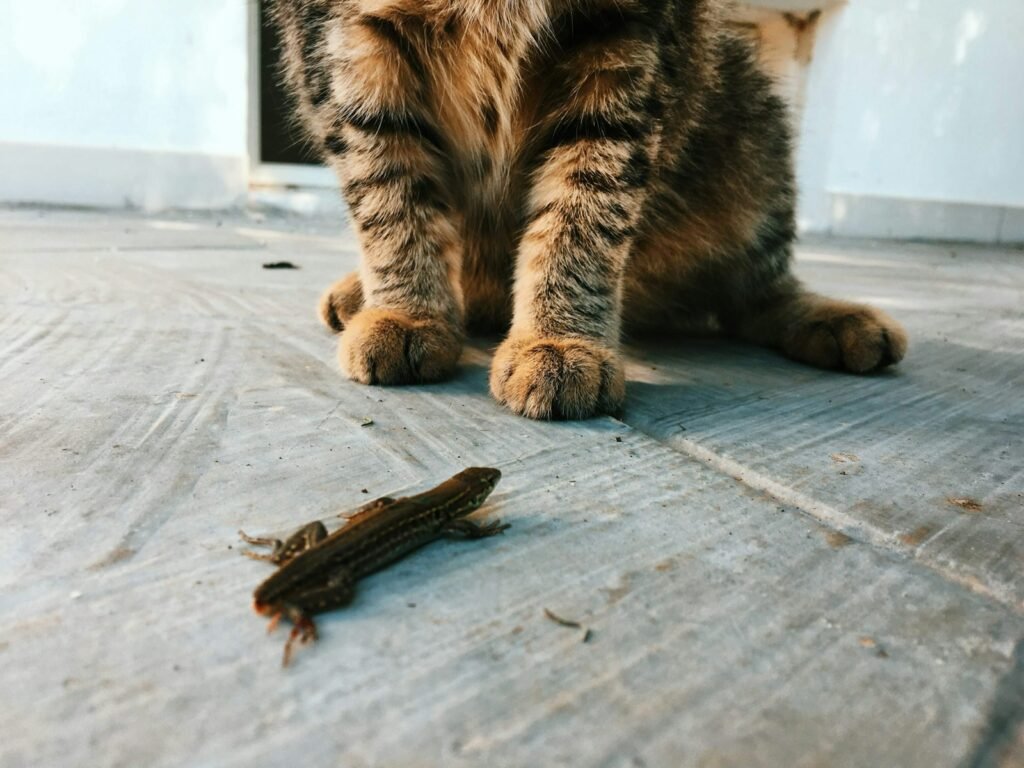
Few things jolt you awake quite like stepping on a dead mouse in the hallway at two in the morning. If you have an outdoor cat, you have probably experienced some version of this. The offerings range from toy mice dragged dramatically across the floor to real creatures deposited with unmistakable pride. Cats occasionally bring gifts to their owners, ranging from toys or socks to gruesome offerings like small dead animals. This is a demonstration of their affection and their hunting prowess, and while it can be unnerving, especially with dead creatures, your cat sees it as sharing their successful hunt with you, a valued member of their family.
If your cat leaves a toy or, more alarmingly, a real critter at your feet, they are not trying to gross you out – they are sharing their hunting success. This behavior stems from instincts and serves purposes such as marking territory and seeking approval. I know it sounds crazy, but your cat bringing you something dead is actually an act of generosity and even a form of teaching. In the wild, mother cats bring prey to their kittens to show them how to hunt. When your cat brings you a bird, they may literally be treating you like family who needs to be fed and educated. Weird? Yes. Touching? Also yes.
4. The Intense, Unblinking Stare
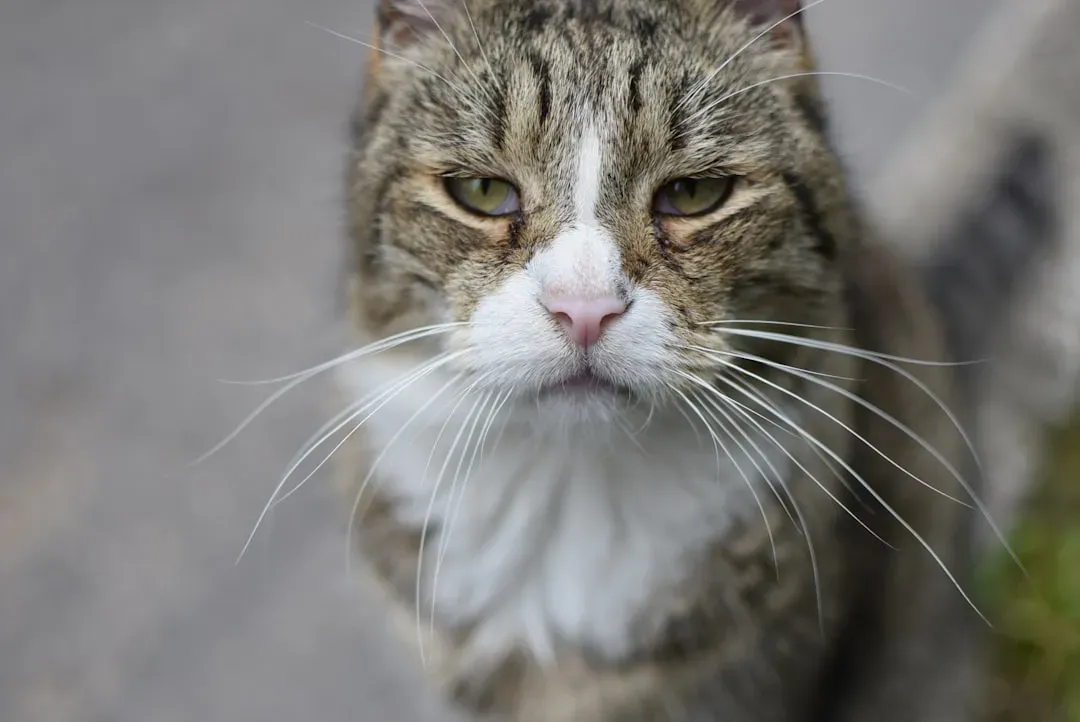
At some point, you have probably looked up from whatever you were doing to find your cat just staring at you. No blinking. No movement. Just two enormous eyes locked onto yours like laser beams. It feels slightly unsettling, almost like they are evaluating you. And honestly, they might be. Cats sometimes fixate on spots where nothing is visibly happening, which may be due to their heightened senses catching subtle sounds or movements that we cannot detect.
A cat’s stare is not always aggressive or challenging, despite common misconceptions. In many instances, a slow blink accompanied by a stare can be interpreted as a cat kiss – a sign of trust and affection. Other times, the stare serves a more functional purpose: they might be watching your movements to anticipate feeding time or simply observing their environment. So your cat is essentially running a silent calculation – tracking your patterns, reading your body language, and updating their mental model of your behavior. If that is not intelligence, I honestly do not know what is.
5. Knocking Things Off Counters on Purpose

There is something uniquely infuriating about watching your cat make deliberate, sustained eye contact with you as they slowly push your favorite mug off the edge of a table. One paw. Push. Gone. And then they just sit there, completely unfazed. This behavior has become something of an internet sensation, but the science behind it is surprisingly interesting. It is not pure spite – though it can certainly feel like it.
With so many soft and comfy places to rest, a cat plunking down on a hard laptop could be because it is nice and warm after being used for a while, or maybe they have figured out this is a good way to get your attention. Cats can be very clever! The same principle applies to knocking things over. When we think of cats doing something like tapping our faces to wake us up, we may think of that as them being clever – and that may be true, but they have learned that behavior because they know the consequence is that we will eventually wake up and respond. Pushing objects off surfaces follows the same logic – it is cause-and-effect learning, deliberately applied to get a reaction from you. They have, quite simply, trained you.
6. Following a Daily Routine With Clockwork Precision
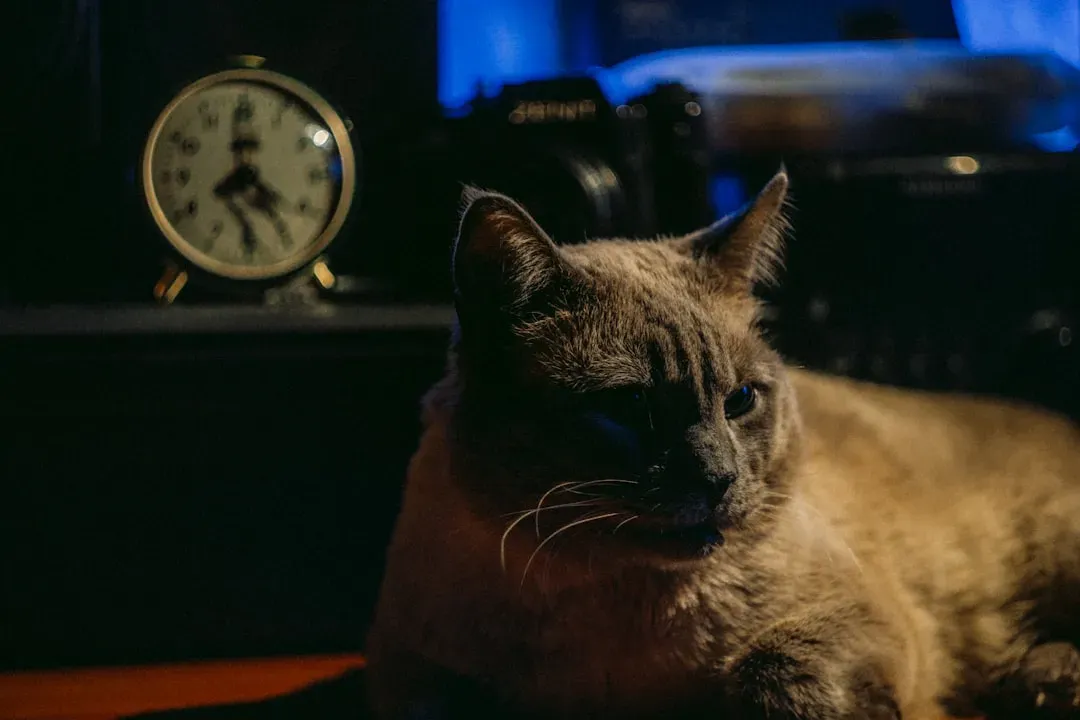
Your cat always appears in the kitchen at 6:47 AM. Not 6:45. Not 6:50. Exactly 6:47. You have probably laughed about it, maybe even commented to a friend that your cat is more punctual than most humans you know. What you might not have realized is that this is actually a sign of sophisticated cognitive ability. Cats display neuroplasticity, allowing their brains to reorganize based on experiences. They have well-developed memory, retaining information for a decade or longer, and these memories are often intertwined with emotions, allowing cats to recall both positive and negative experiences associated with specific places.
Studies have found that cats have various smarts, such as object permanence, working memory, sensitivity to human cues, and more. In addition, cats can recognize different people’s voices, and can tell the difference between various quantities as well as short and long periods of time. That last part is the key. Your cat does not just know it is “morning.” They perceive the distinction between durations of time, which is part of why they always show up precisely when your alarm goes off. It is worth remembering that cats do not only learn when we think we are training them – every day, they learn new things based on what happens around them, whether that is the human behavior they see, the environment they are living in, or other animals around them.
7. Head-Butting You (Also Called “Bunting”)

Your cat walks up, narrows their eyes in what looks like contentment, and then firmly bonks their head into your chin, leg, or hand. Sometimes they rub their cheek across your arm afterward. It looks affectionate. It feels affectionate. Still, it is a bit odd – you would not greet your friends by head-butting them. At least, not repeatedly. Head butting, or bunting, is a sweet and affectionate behavior where your cat rubs their head against you. Cats have scent glands on their cheeks and head, so this action marks you as their territory, and while it might seem strange, this is a normal and comforting behavior in the feline world, signifying trust and bonding between the cat and its human companion.
Think of it like a very personal signature. Your cat is essentially tagging you with their scent, communicating to other animals that you are part of their social group. Cats even adjust their vocal cues to influence humans – that “feed me” meow may be more strategic than genuinely desperate, and they are known to use an infant-like cry embedded in a purr to tap into our caregiving instincts. The bunting behavior follows a similar social intelligence thread. Your cat is not just showing love. They are actively managing their social environment and reinforcing bonds through scent-based communication – a system that is far more nuanced than it appears on the surface.
8. Sleeping in Impossibly Small Boxes and Tight Spaces
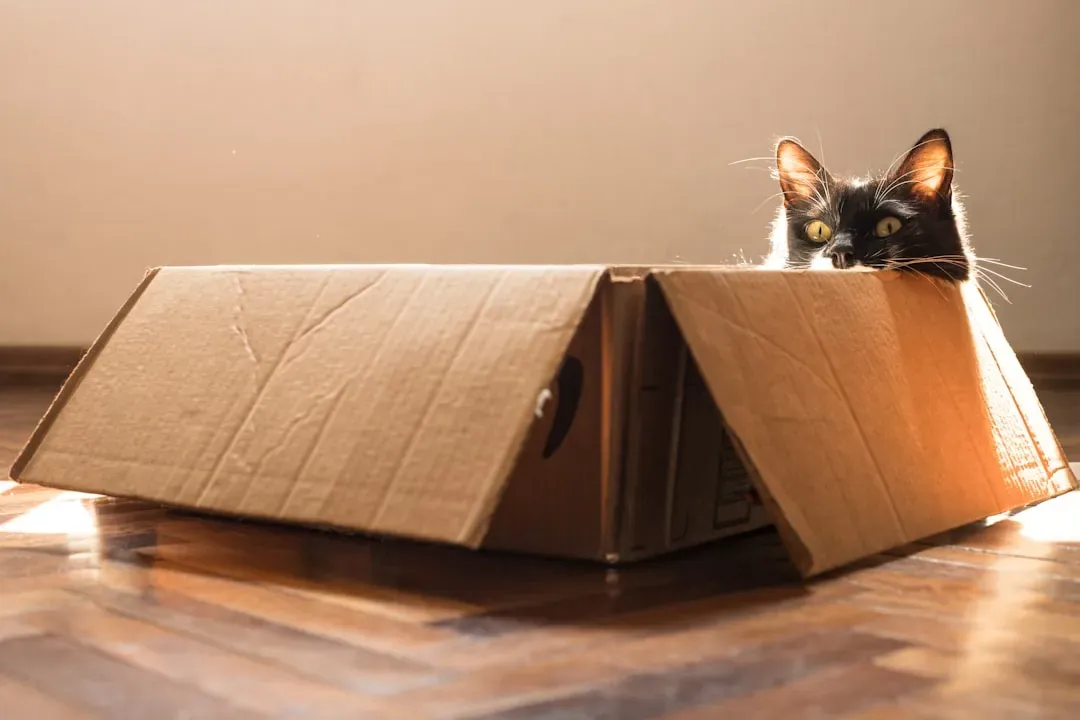
You buy your cat a plush, expensive bed. They ignore it. You put an Amazon delivery box on the floor and walk away for three minutes. You return to find your cat perfectly folded inside it, looking utterly at peace with the universe. It is baffling and yet somehow completely predictable. Every cat owner has lived this exact experience. Cats often sit in boxes, drawers, or other confined spaces, and this preference likely stems from their instinct to seek out secure hiding spots where they feel safe and protected.
Cats’ intelligence may have increased during their semi-domestication, as urban living may have provided an enriched and stimulating environment requiring novel adaptive behaviors. Seeking out enclosed spaces is part of that adaptive intelligence – it is a survival strategy carried over from the wild, where small hidden spaces meant protection from predators and a tactical vantage point for observing prey. Intelligence in cats covers several mental abilities: problem-solving, memory, flexibility, and social awareness – and it is what allows them to navigate our homes as confidently as their wild ancestors once navigated forests, interpreting humans, learning routines, and making decisions that get them what they want. That humble cardboard box? Pure tactical genius.
9. Using a Unique Meow Just for You
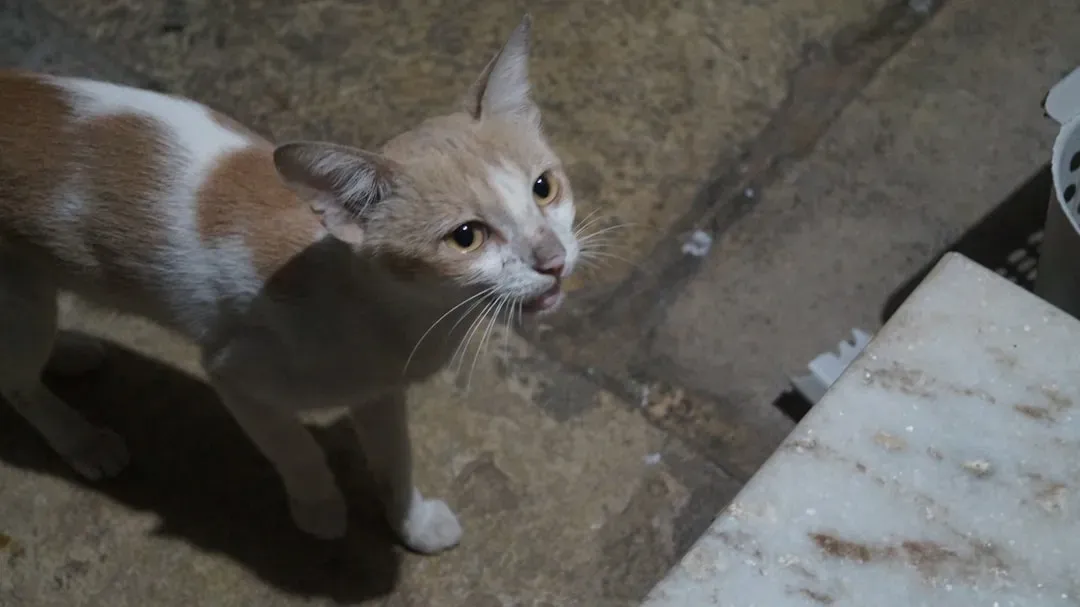
Here is something that genuinely surprised me when I first came across it. Your cat does not meow at other cats the way they meow at you. This is not a coincidence or a quirk. It is something that evolved specifically in the context of living with humans. Scientists have counted around nine different types of vocalization in young cats and around 16 in adult animals – and domestic cats have more different words than wild cats. House cats have apparently adapted to humans in the course of their domestication.
A study by a team of Hungarian researchers found that cats can indeed follow human gestures to find food. Layer that on top of their vocal adaptations and you start to see a genuinely sophisticated communicator. Rather than testing for abstract logic, scientists assess how cats use learning and memory to adapt to changing environments and relationships – and feline intelligence is measured not by obedience but by ingenuity, and by how skillfully cats turn curiosity into strategy. Your cat has developed a private language, a set of sounds that evolved purely for communicating with you. They did not learn this from other cats. They invented it for you specifically. If that is not proof of a sharp, adaptable mind, it is hard to say what is.
Conclusion: Your Cat Is Smarter Than You Think
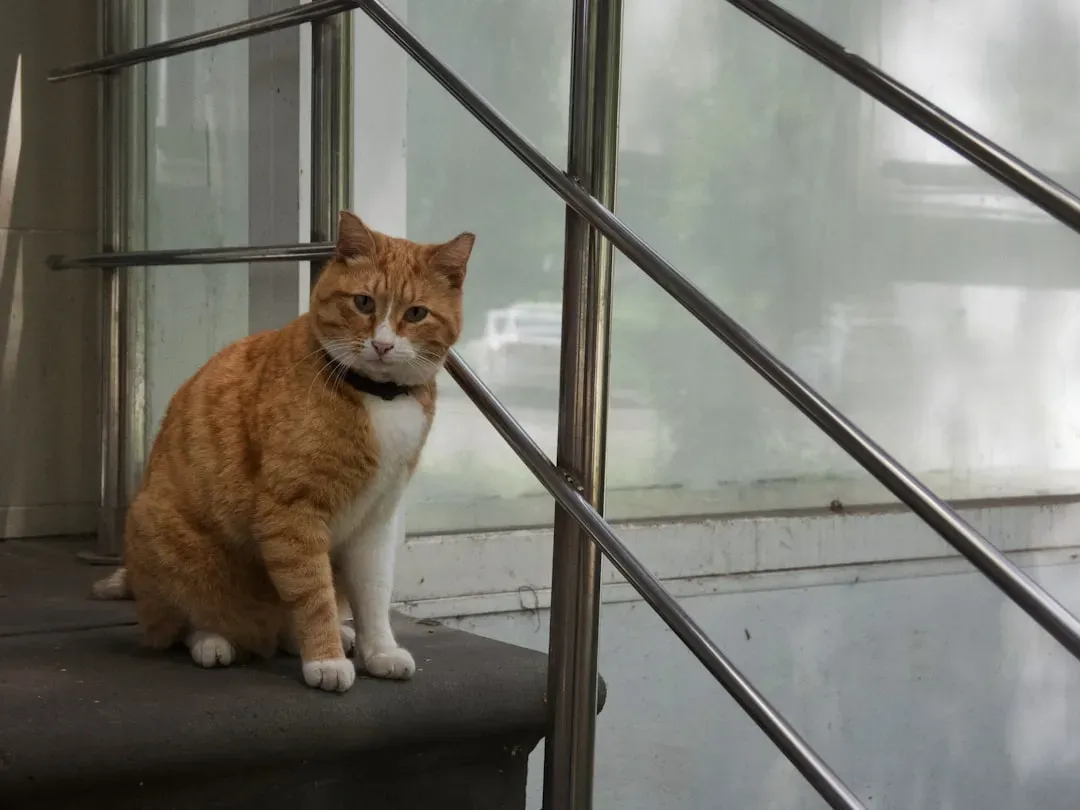
Let’s be real – cats have a reputation for being aloof, indifferent, and a little mysterious. That reputation has, for a long time, made people underestimate just how intelligent they truly are. Experts in animal intelligence have generally found that cats are similar to many other mammals in their ability to solve problems, learn habits, and develop emotional relationships, and the average cat is about as smart as a two-year-old human – which is pretty impressive.
In evolutionary terms, cats are a huge success, and this is largely down to how well they have learned to incorporate their natural behaviors into modern life. You could call it intelligence, or you could call it instinct, but the fact is that cats are such a successful species because they have learned how to take such good care of themselves. Every weird habit, from the chirping at birds to the perfectly timed morning wake-up call, is a window into a genuinely remarkable mind. So next time your cat does something that makes absolutely no sense to you, pause for a second. It probably makes perfect sense to them.
Which of these habits does your cat do most? Tell us in the comments – we would love to hear about the genius living in your home.