The domestic cat, known scientifically as Felis catus, shares a fascinating evolutionary history with its wild relatives. Millions of years ago, domestic and wild cats shared a common ancestor. This lineage led to the diverse family of Felidae, which includes lions, tigers, bobcats, and of course, domestic cats. Understanding this evolutionary history provides insight into why domestic cats still exhibit many traits found in their wilder cousins.
The Process of Domestication
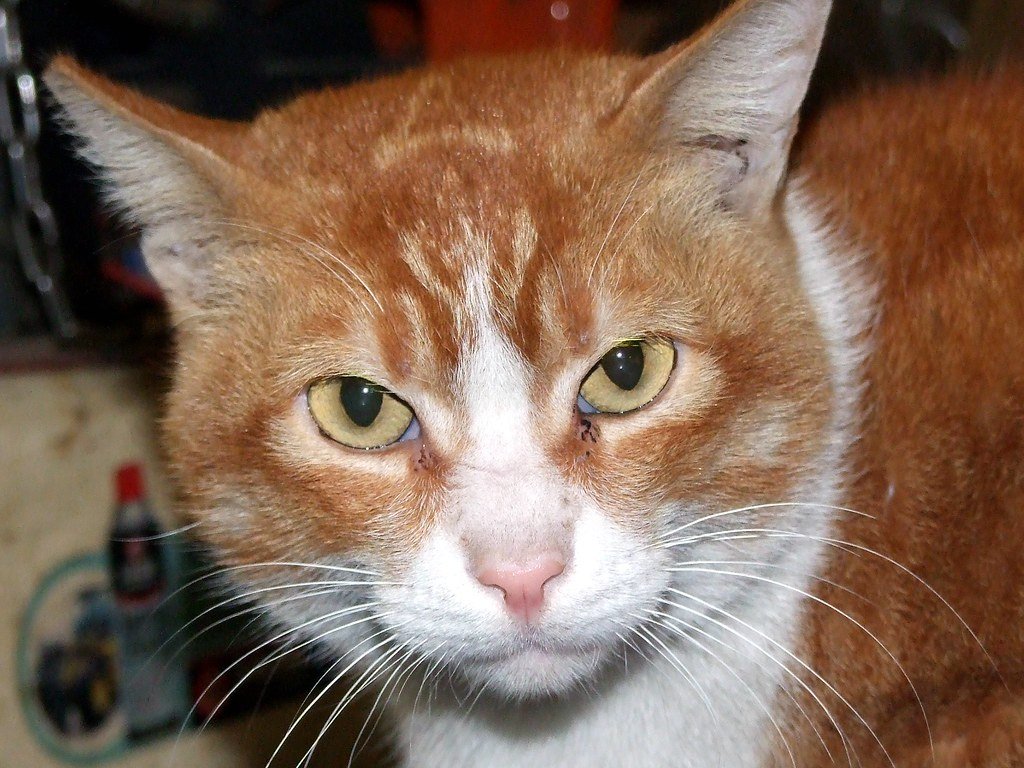
Domestication is a slow process through which wild animals adapt to living with humans, involving genetic changes over generations. Unlike dogs, cats underwent a different path; while dogs were actively selected for specific traits by humans, cats essentially domesticated themselves. Their symbiotic relationship with humans began roughly 9,000 years ago, primarily for pest control, with very little selective breeding until recent centuries.
Behavioral Similarities
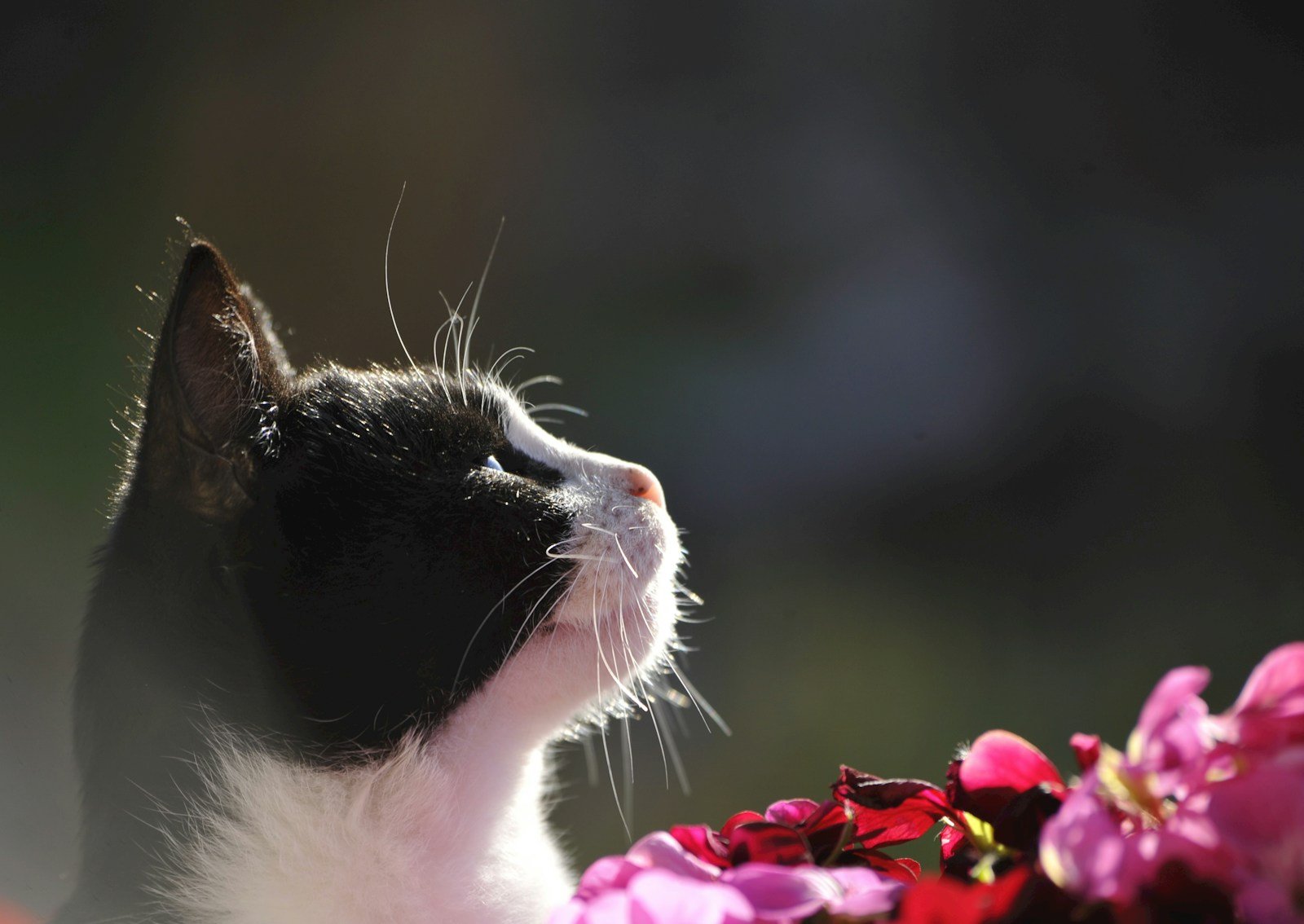
One of the most noticeable similarities between domestic cats and their wild relatives is behavior. Domestic cats demonstrate predatory instincts through play, stalking, and pouncing on toys or other objects. These actions are direct remnants of the hunting strategies employed by wildcats to capture prey, illustrating a fundamental connection to their wilder ancestors.
Anatomical Features
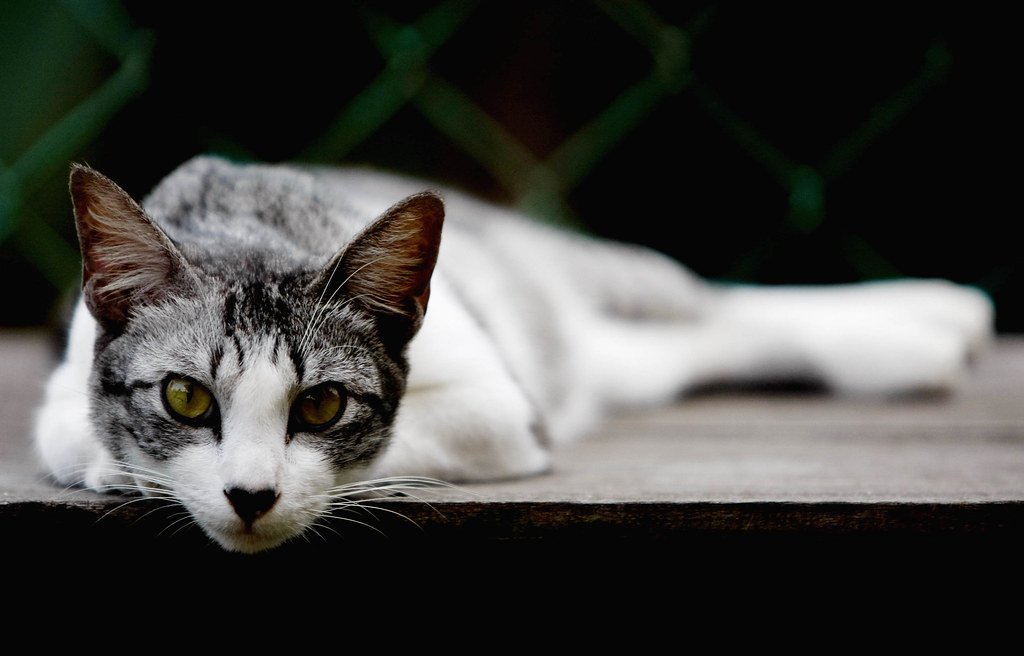
Despite centuries of domestication, domestic cats have retained anatomical features that reflect their wild origins. These include retractable claws, acute vision adapted for low-light conditions, and sharp teeth designed for hunting. Each of these features serves a purpose in the wild, which domestic cats continue to show off in their daily lives.
Sensory Abilities
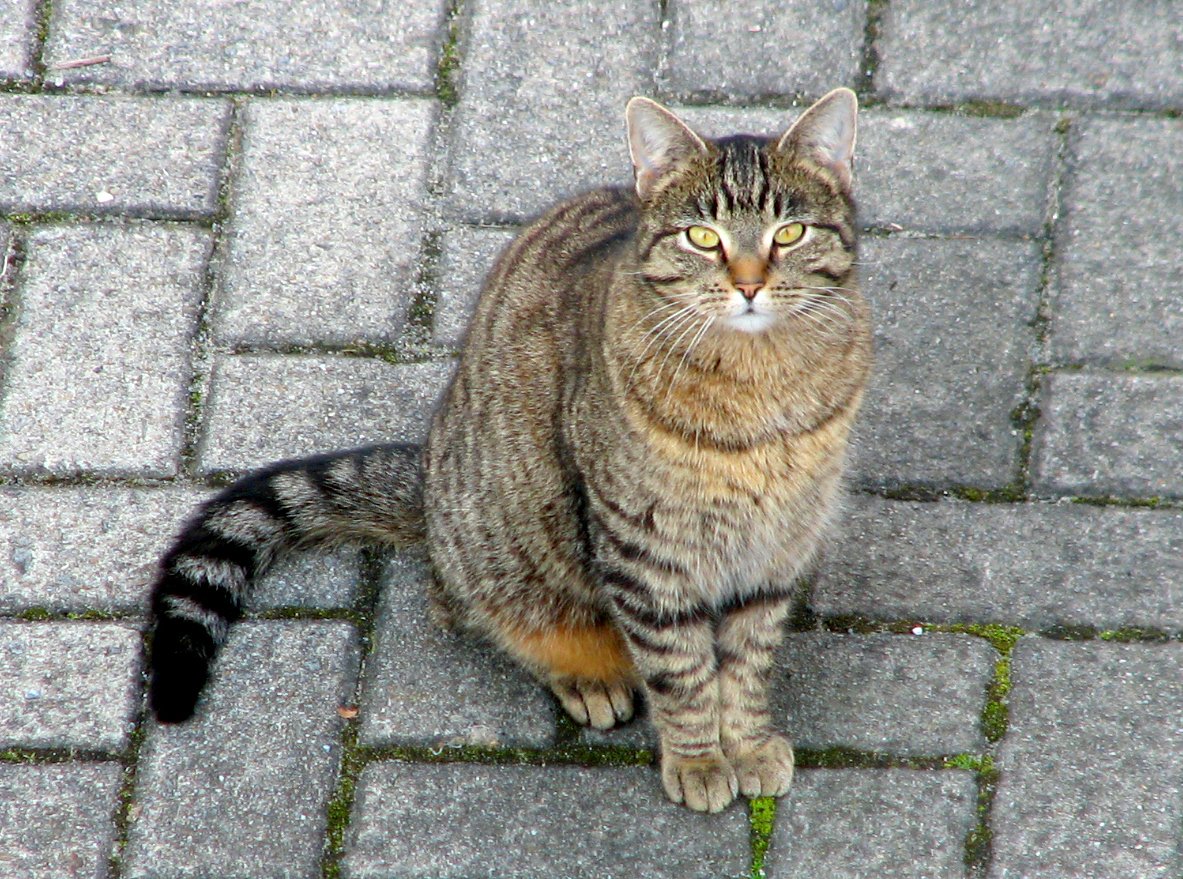
Both domestic and wild cats share an extraordinary set of sensory capabilities. Their remarkable night vision, acute sense of hearing, and sharp sense of smell are among the best in the animal kingdom. These heightened senses allow cats to navigate and hunt effectively, both in the wild and at home, demonstrating shared evolutionary traits.
Communication and Social Structures
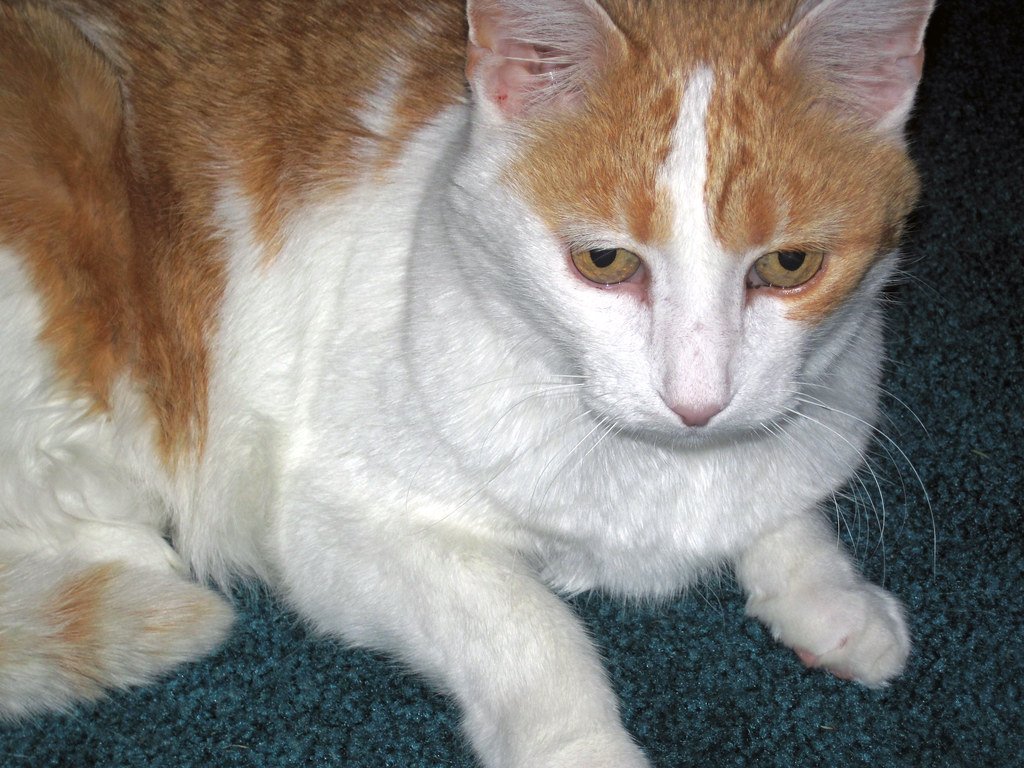
Cats communicate using a complex combination of vocalizations, body language, and scent marking. These practices are not only evident in domestic cats but are also seen in their wild counterparts. For example, lions, like domestic cats, use vocal sounds and grooming to strengthen social bonds within their prides, showcasing similar social and communication behaviors.
Territorial Instincts
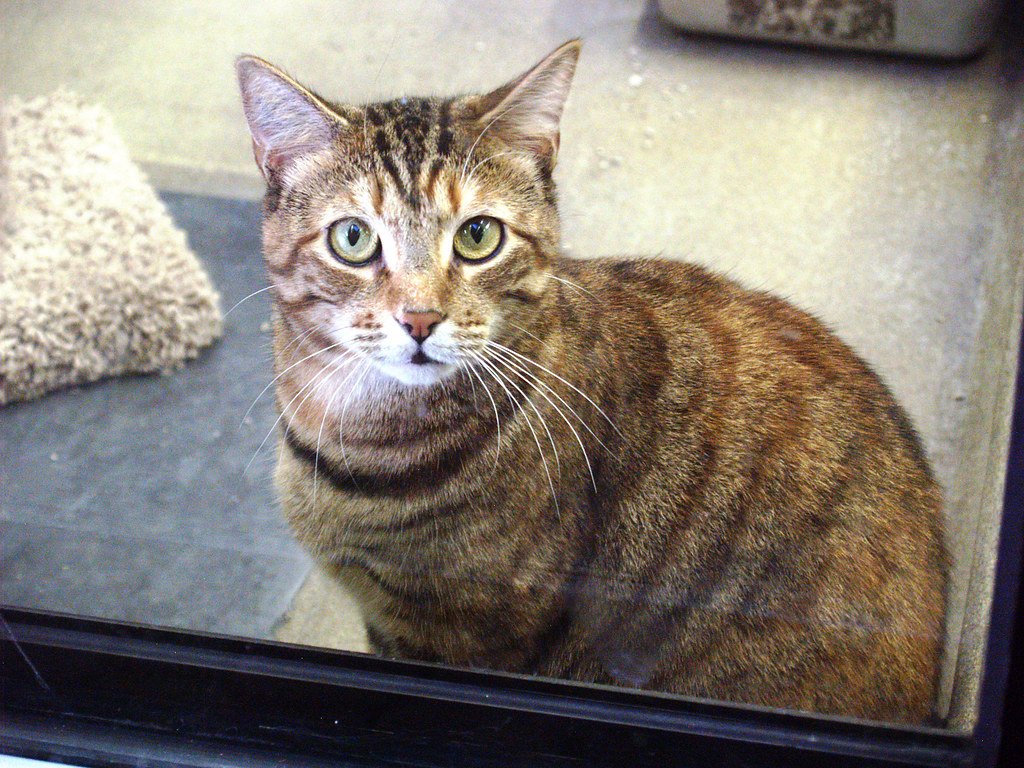
Domestic cats inherit strong territorial instincts from their wild relatives, often marking territory with scent glands located on their cheeks, paws, and tails. This behavior is crucial for wildcats in defining home ranges and reducing conflicts, a trait that remains a significant aspect of domestic cat behavior today.
Diet and Feeding Habits
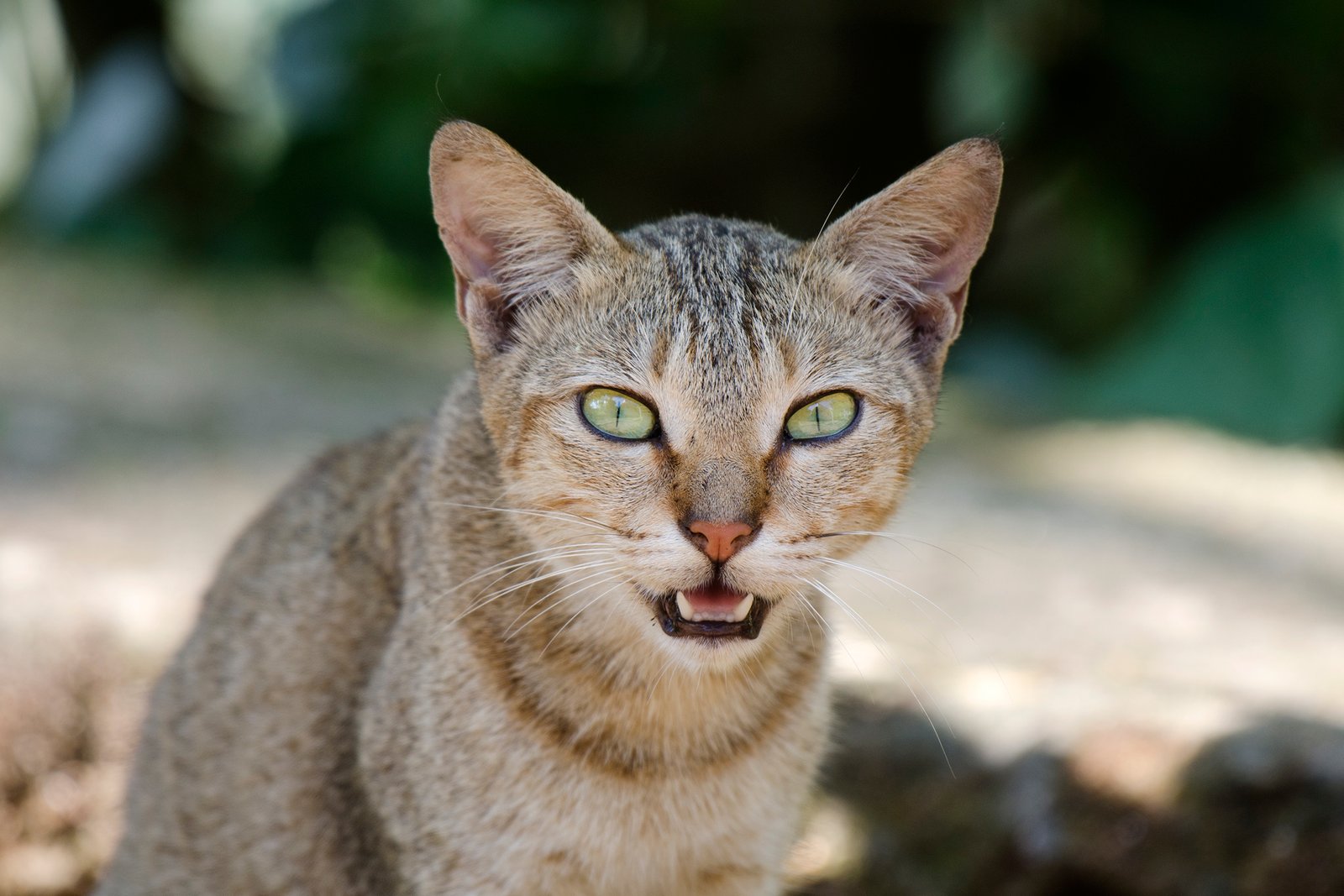
While the typical pet diet of domestic cats is largely managed by their owners, their preference for a carnivorous diet is a direct link to their wild relatives. Wildcats, like lynxes or cheetahs, primarily feed on meat, displaying hunting skills that are mirrored in the play behavior of domestic cats. Despite living in a domestic setting, cats retain natural instincts for a diet high in protein.
Adaptability and Survival Skills

Cats’ ability to adapt to various environments is another trait shared with their wild relatives. Whether it’s a city apartment or the jungles of Africa, cats can navigate diverse terrains effortlessly. This adaptability is a key survival skill seen in both domestic and wild cats, essential for enduring different environmental challenges over time.
Genetic Links
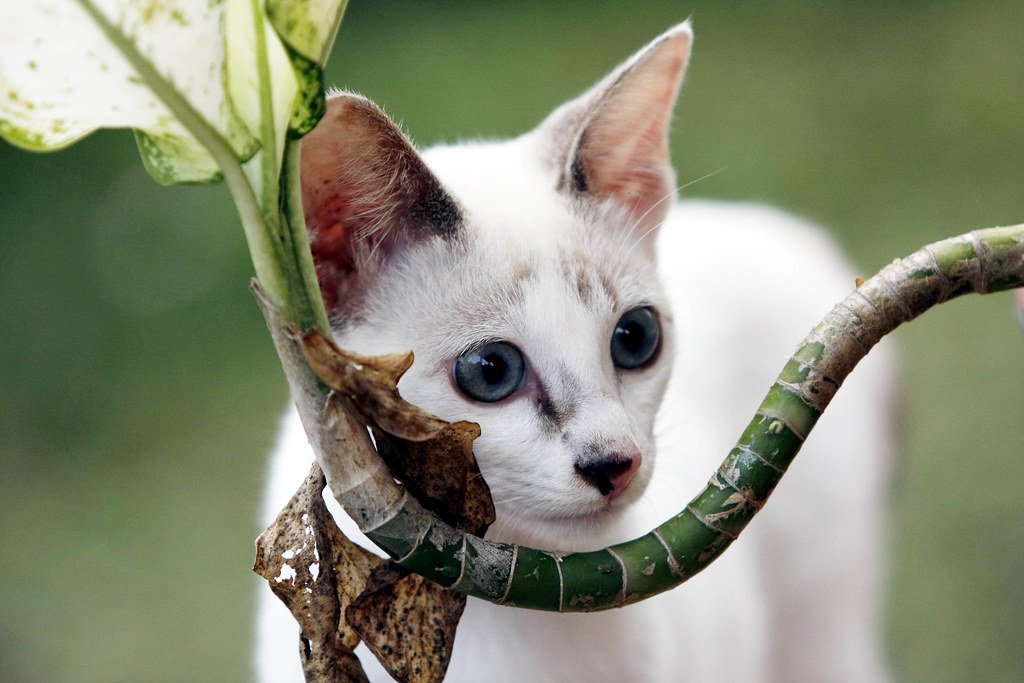
Genetically, domestic cats remain closely related to wildcats such as the African wildcat (Felis silvestris lybica). Studies have shown that domestic cats share about 95.6% of their DNA with tigers. This genetic similarity is a testament to their wild heritage, underpinning shared physical and behavioral characteristics.
The Future of Domestic Cats
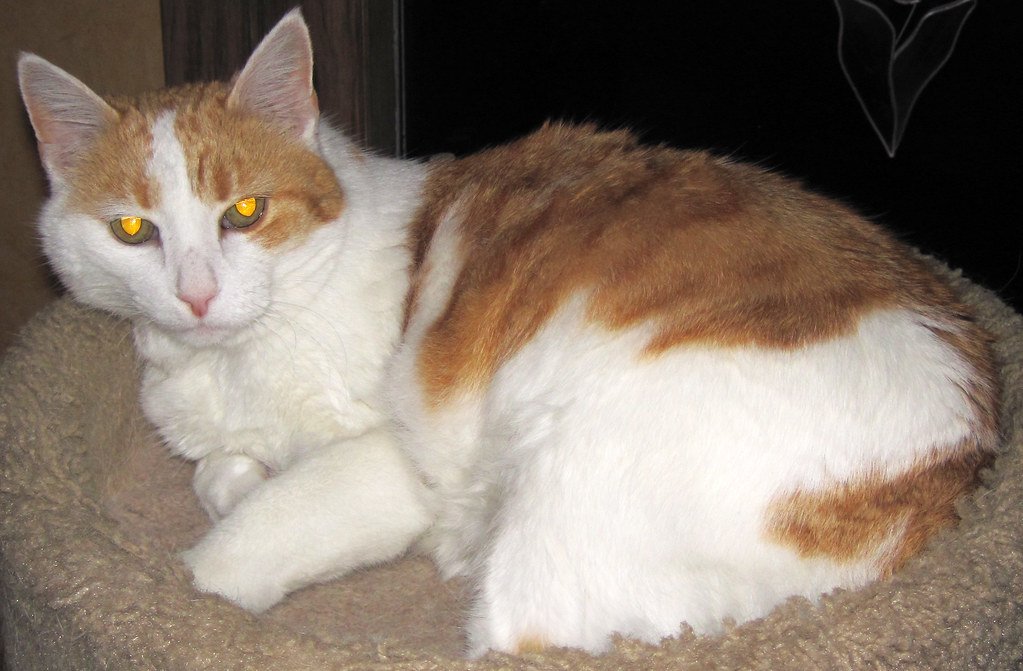
As they continue to live alongside humans, domestic cats will likely retain many of the traits they share with their wild relatives. While their environment may evolve, their natural behaviors, anatomical traits, and genetic makeup will continue to reflect the resilience and adaptability passed down from their wild ancestors.

Hi, I’m Bola, a passionate writer and creative strategist with a knack for crafting compelling content that educates, inspires, and connects. Over the years, I’ve honed my skills across various writing fields, including content creation, copywriting, online course development, and video scriptwriting.
When I’m not at my desk, you’ll find me exploring new ideas, reading books, or brainstorming creative ways to solve challenges. I believe that words have the power to transform, and I’m here to help you leverage that power for success.
Thanks for stopping by, Keep coming to this website to checkout new articles form me. You’d always love it!