The domestic cat, known scientifically as Felis catus, belongs to the family Felidae, a lineage that dates back around 10-15 million years. This family includes not only domestic cats but also big cats like lions, tigers, and leopards, as well as other small wild cats. Understanding the evolution of domestic cats requires examining this diverse feline family tree.
Emergence of Felis Silvestris
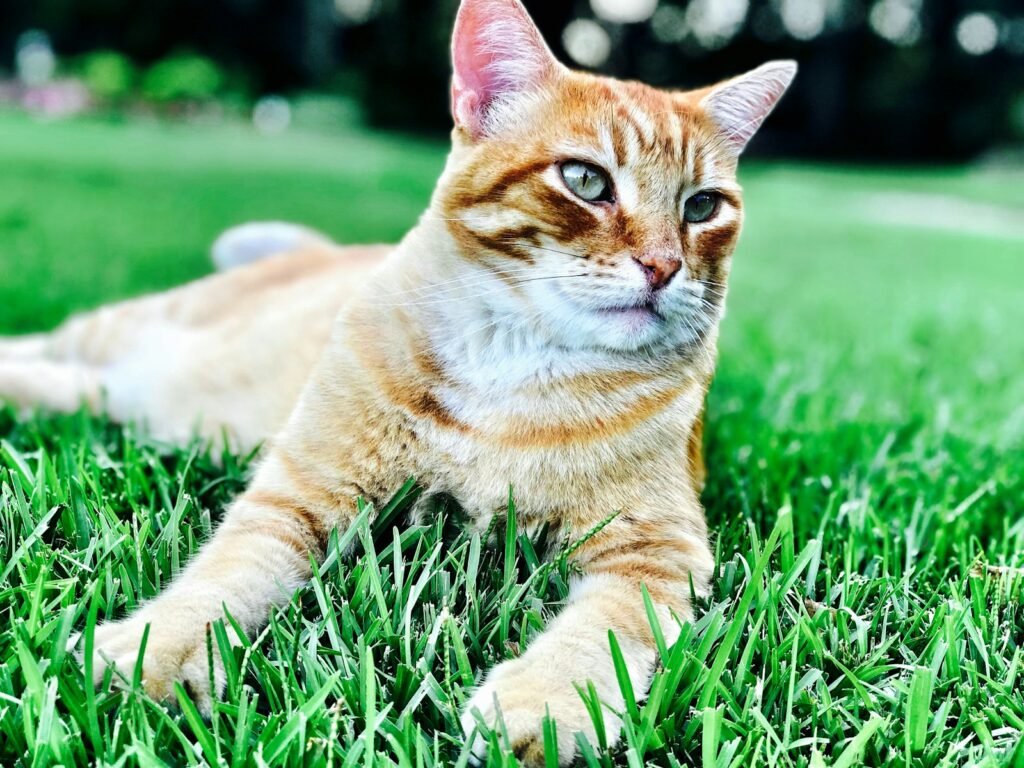
Within the Felidae family, the species Felis silvestris, also known as the wildcat, emerged approximately 2 million years ago. This species can be found in various subspecies across Europe, Africa, and Asia, and is the direct ancestor of today’s domestic cats. Among these subspecies, the African wildcat (Felis silvestris lybica) plays a crucial role in the domestication story.
The Role of African Wildcats
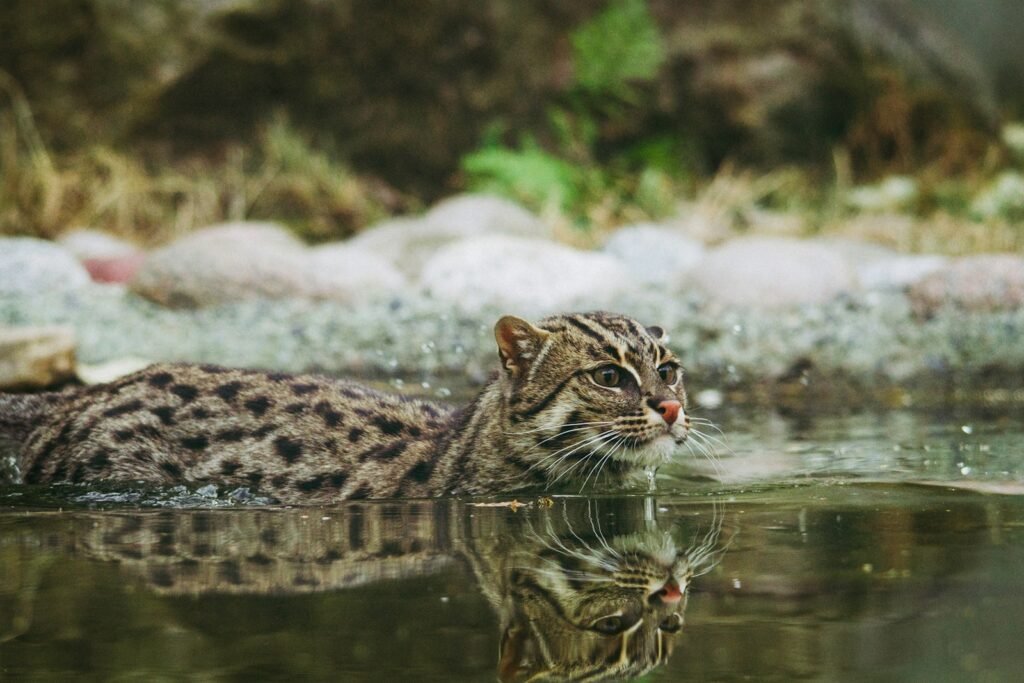
The African wildcat, identified as the primary ancestor of domestic cats, adapted remarkably well to a wide range of environments. These adaptable creatures lived on the peripheries of human settlements as agricultural practices began to develop, particularly in the Fertile Crescent, which played a key part in their eventual domestication.
Domestication in the Agricultural Revolution
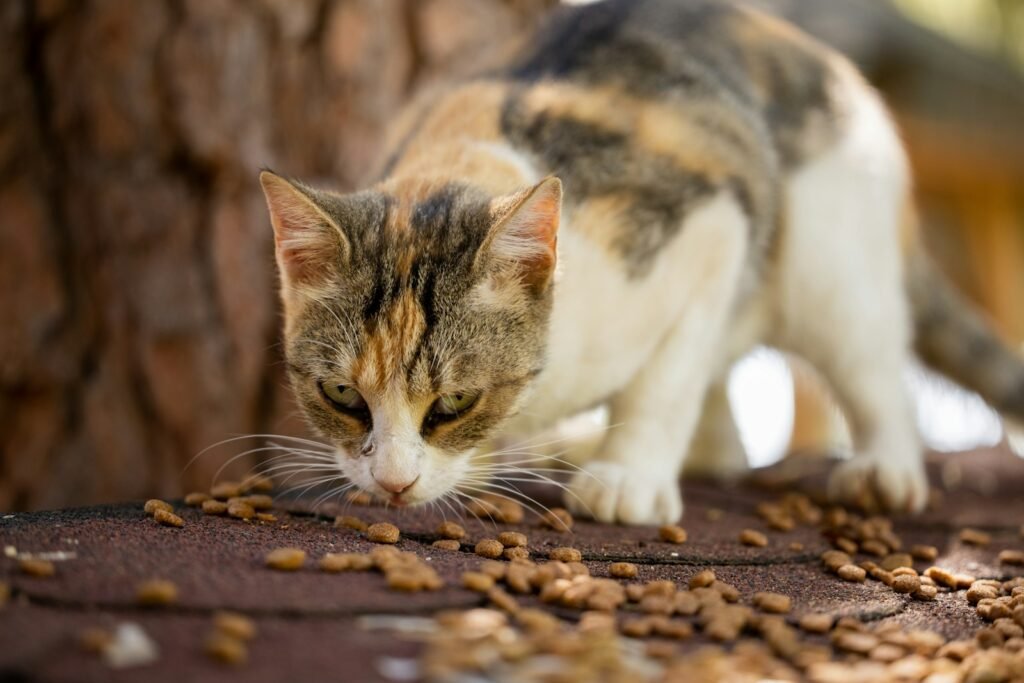
The rise of agriculture around 10,000 years ago in the Middle East encouraged the journey from wild to domestic. As humans stored surplus grain, rodents were attracted. Wildcats, in turn, found these groups of rodents excellent opportunities for food and frequent human proximity gradually led to a mutually beneficial relationship between humans and cats.
Natural Selection and Human Influence
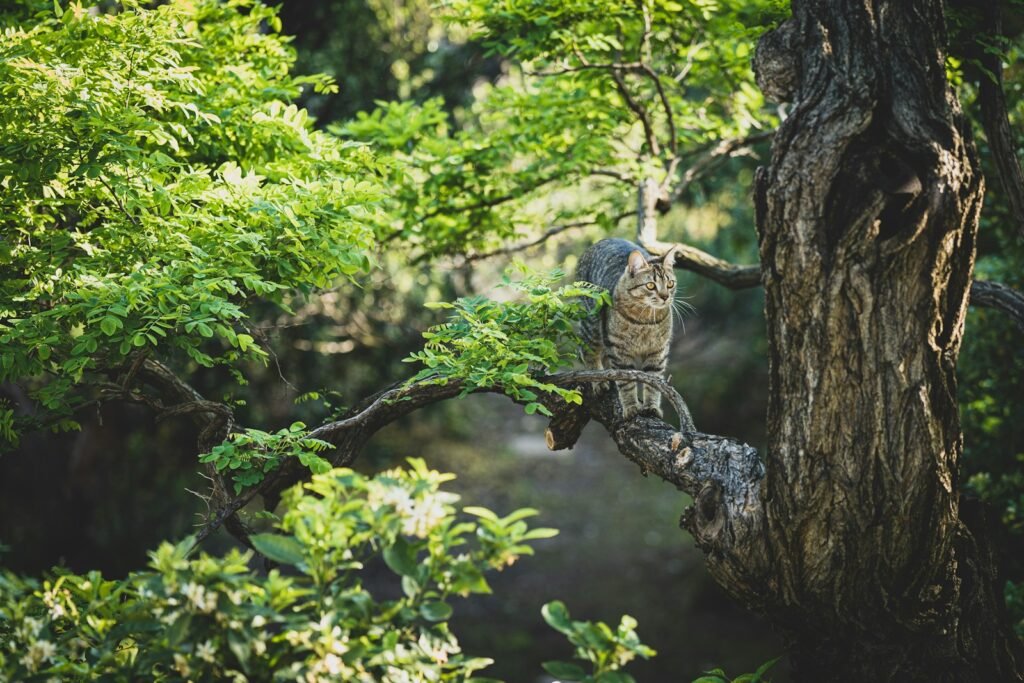
Unlike other domestic animals, cats largely domesticated themselves. The process was gradual, occurring over thousands of years as more sociable and less aggressive wildcats thrived near human settlements. This natural selection eventually led to the evolution of a lineage with traits favorable for coexistence with humans, although humans did inadvertently contribute by tolerating and encouraging these behaviors.
The Genetics of Domestication
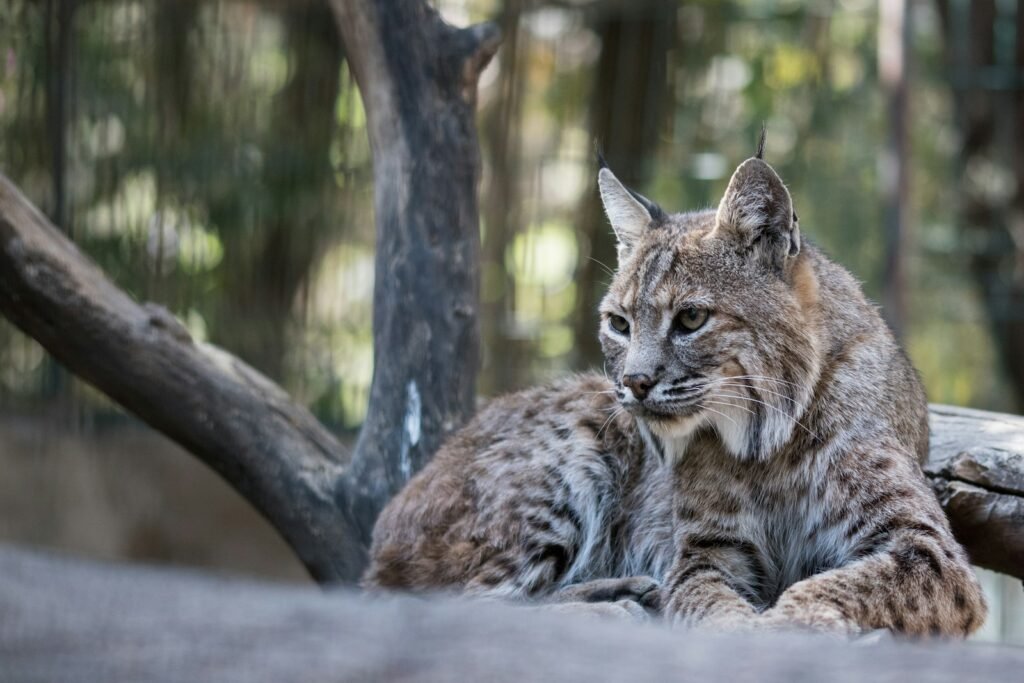
Genetic studies have shown that domestic cats still share a vast majority of their DNA with their wild ancestors. However, certain genetic traits, like tameness and coat color variations, have become more prevalent in domestic cats. These genetic adaptations have facilitated the characteristic diversity seen in domestic breeds today while retaining the essential predatory instincts.
An Overview of Cat Breeds
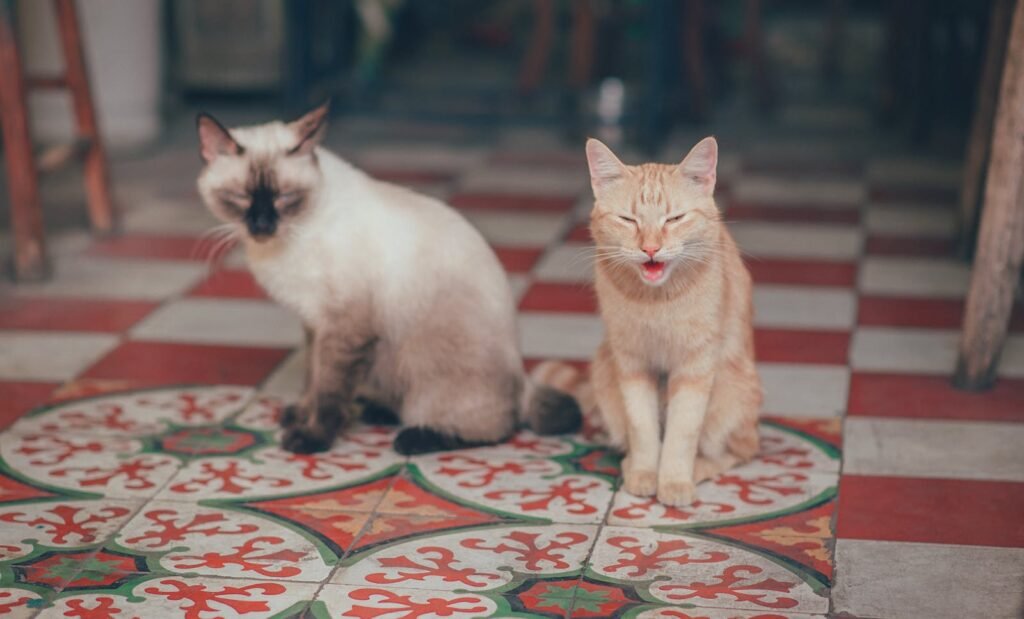
Today, domestic cats boast a variety of breeds, each with unique characteristics such as fur length, color, and temperament. These breeds have developed over the years through selective breeding practices introduced by humans for less natural purposes, often for aesthetic or companionship reasons rather than survival.
Cultural and Religious Significance
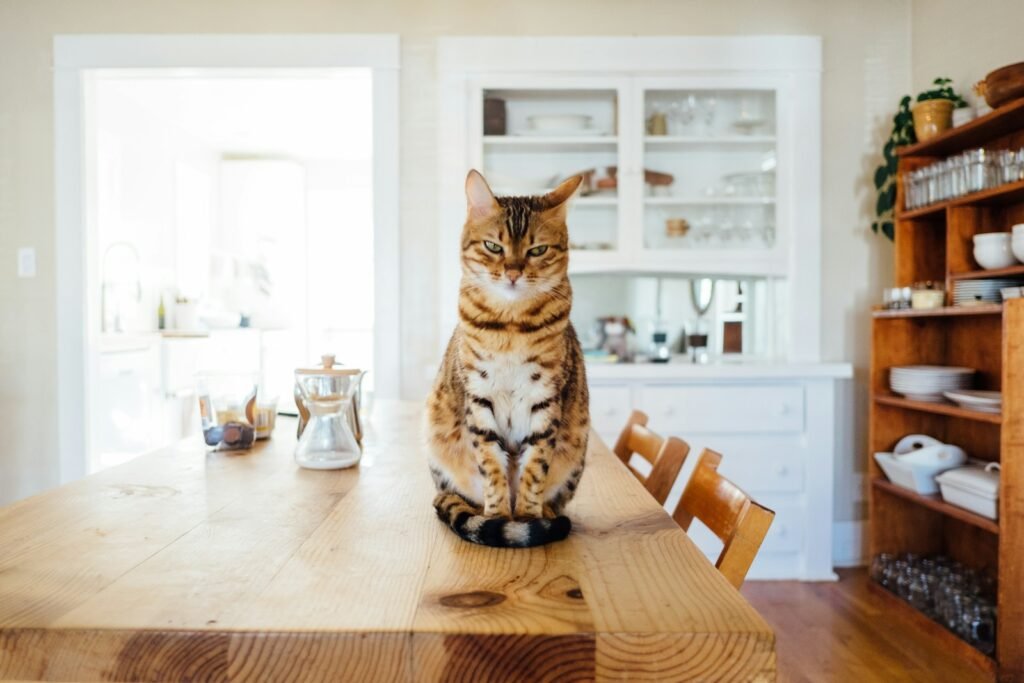
Throughout history, cats have held significant cultural and religious roles in many societies. In ancient Egypt, for example, cats were revered and often associated with deities. Similarly, in various cultures, cats have been seen as symbols of luck, mystery, and independence, showcasing their integral and evolving role in human societies.
Continuing Evolutionary Changes
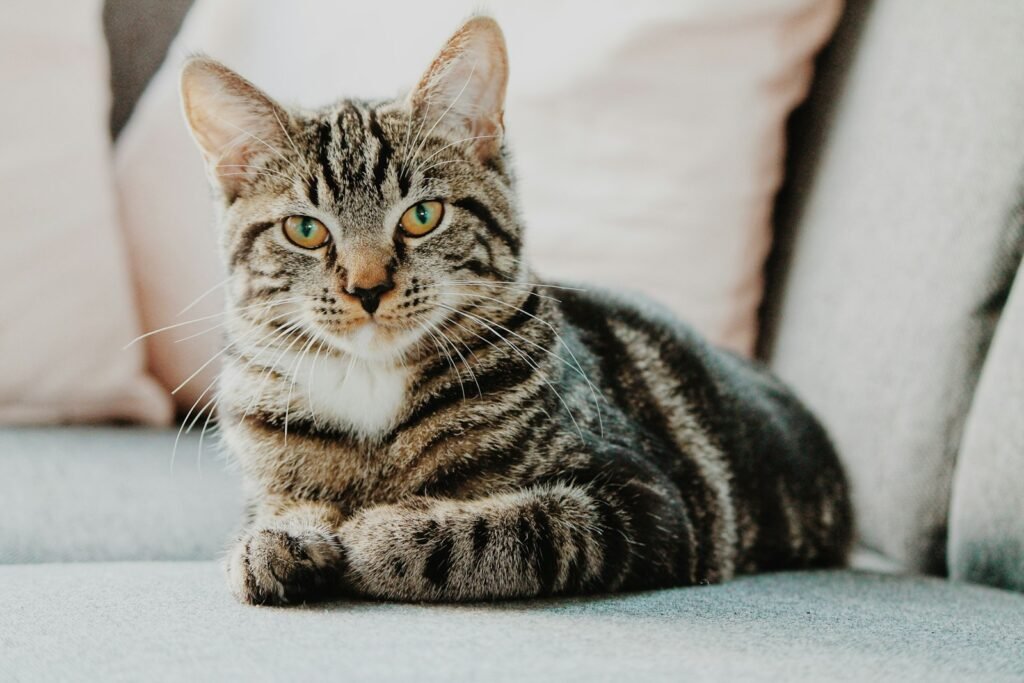
The relationship between humans and domestic cats continues to evolve. With increased urbanization and changes in lifestyles, domestic cats have adapted by becoming better suited to indoor living, altering behaviors to coexist more closely with humans. This ongoing evolution hints at further changes as humans and cats continue to shape each other’s environments.
Conclusion: A Guided Evolution
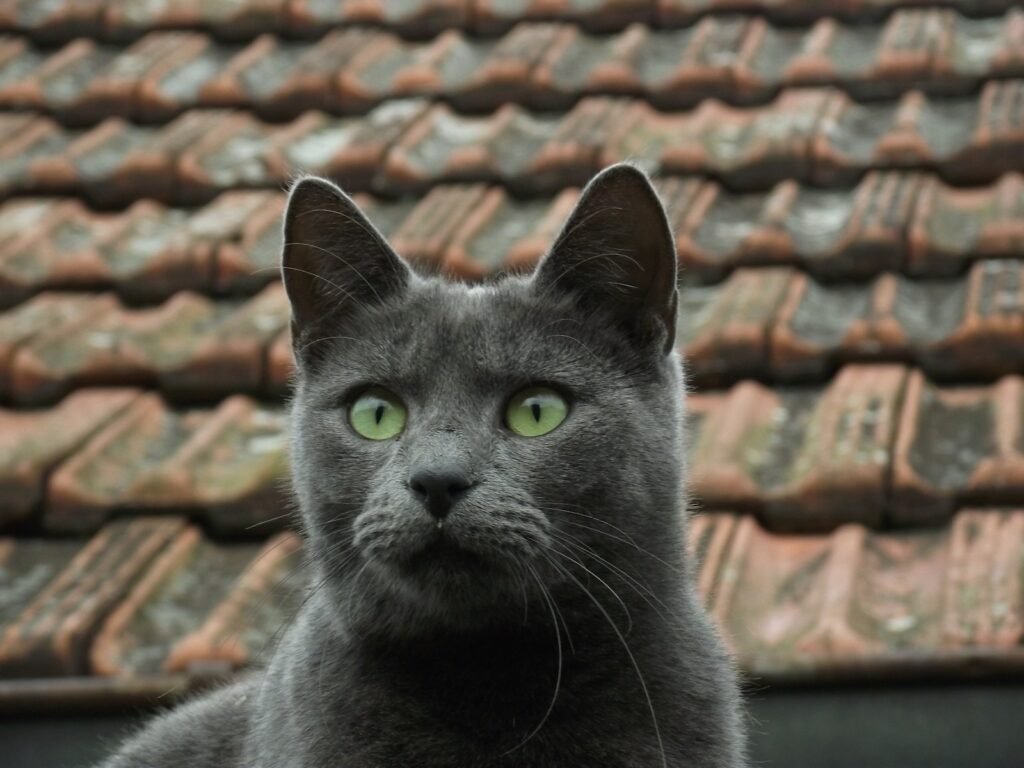
The journey from wildcats to cherished pets demonstrates a unique form of domestication that largely unfolded independently of human intention. While agricultural settings spurred the initial connection, the modern bond between humans and cats continues to be defined by mutual benefit and adaptation. The domestic cat thus stands as a testament to the nuanced interplay of natural evolution and human influence.
Growing up traveling and experiencing new cultures and wonders, I have had a passion for nature, adventuring, photography, and videography. I am currently working towards a BSc in Biodiversity and Ecology at Stellenbosch University, and I hope to specialise in Marine Sciences one day.
Please send any feedback to Feedback@animalsaroundtheglobe.com