Big cats, including lions, tigers, leopards, and cheetahs, represent some of the most iconic and charismatic species on our planet. However, these magnificent animals face numerous threats in the wild, such as habitat loss, poaching, and human-wildlife conflict. Protected reserves have emerged as critical sanctuaries designed to provide a safe haven for big cats, allowing them to thrive. This article explores how these reserves contribute to the survival and growth of big cat populations.
The Importance of Protected Reserves
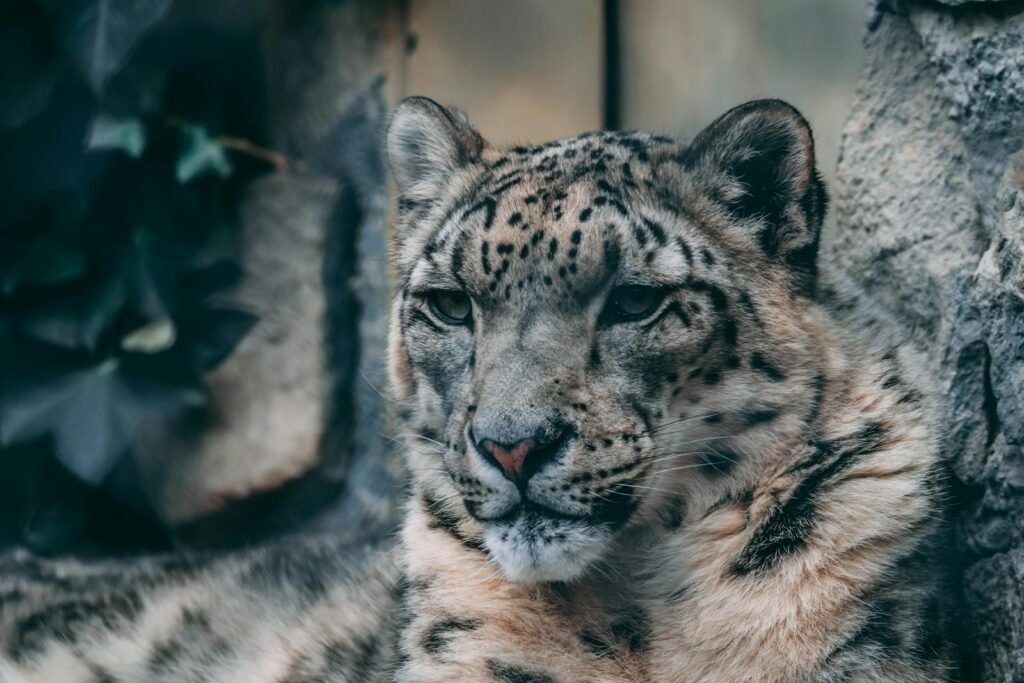
Protected reserves are designated areas where wildlife is safeguarded and ecosystems are preserved. These areas offer big cats a secure environment where they can live and hunt without the immediate threat of human intervention. By providing a controlled and regulated space, protected reserves play a vital role in the conservation of big cats.
Habitat Restoration and Preservation
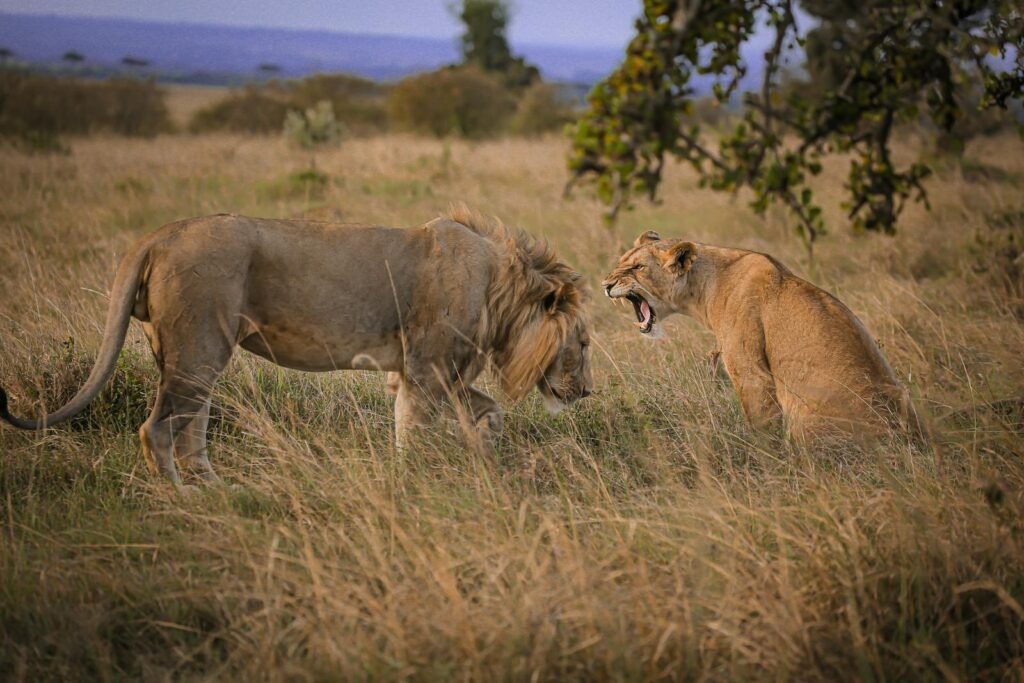
One of the primary benefits of protected reserves is the preservation and restoration of critical habitats. These areas protect the natural landscapes that big cats require for hunting and raising their young. Conservation efforts often include reforestation projects and the rehabilitation of degraded lands, ensuring big cats have ample space and resources to flourish.
Effective Anti-Poaching Measures
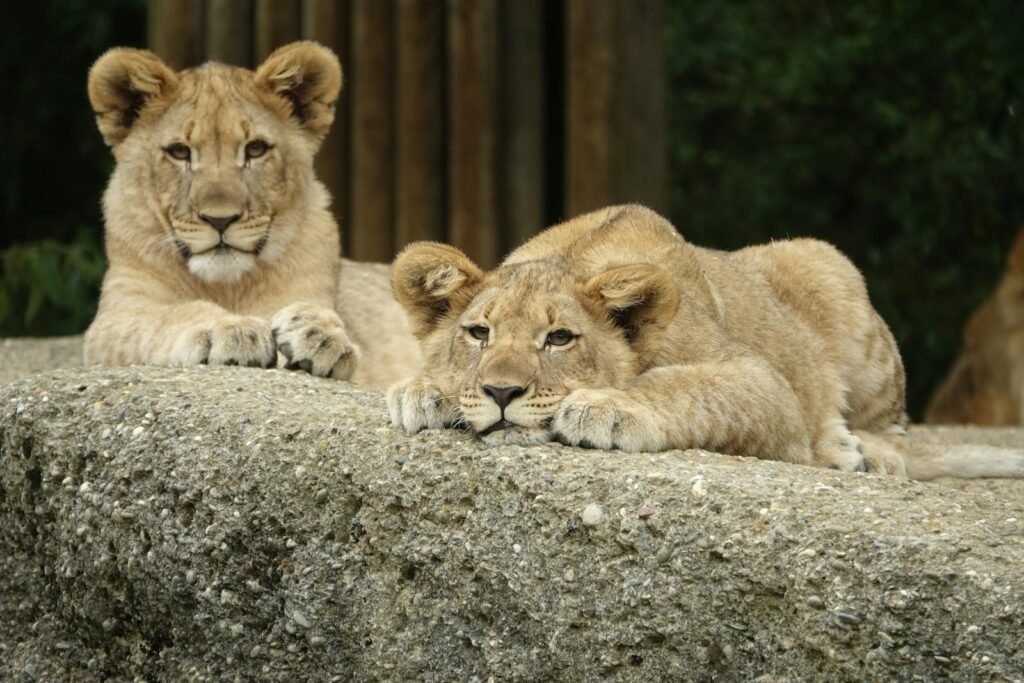
Poaching remains one of the most significant threats to big cat populations. Protected reserves employ rigorous anti-poaching measures, including patrolling by well-trained guards and the use of technology like drones and surveillance cameras. These measures significantly reduce the risk of illegal hunting, helping to stabilize and increase big cat numbers.
Scientific Research and Monitoring
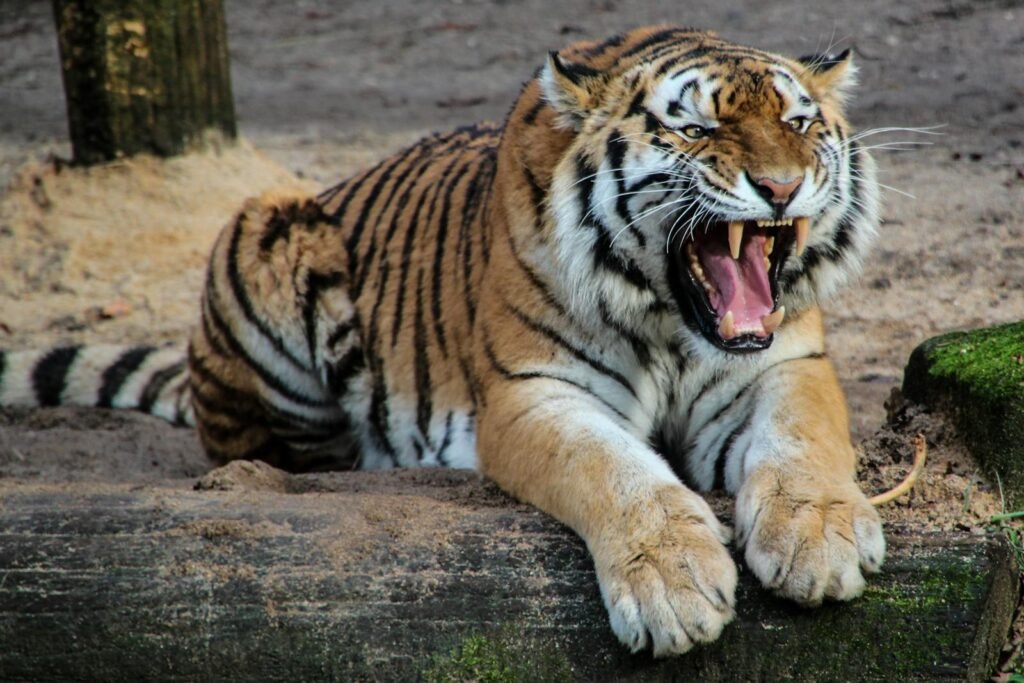
Protected reserves serve as vital sites for scientific research and monitoring. Conservationists and researchers conduct studies on big cat behavior, genetics, and ecology, generating valuable data that informs conservation strategies. Monitoring programs also help track population dynamics and health, enabling timely interventions when needed.
Community Involvement and Education
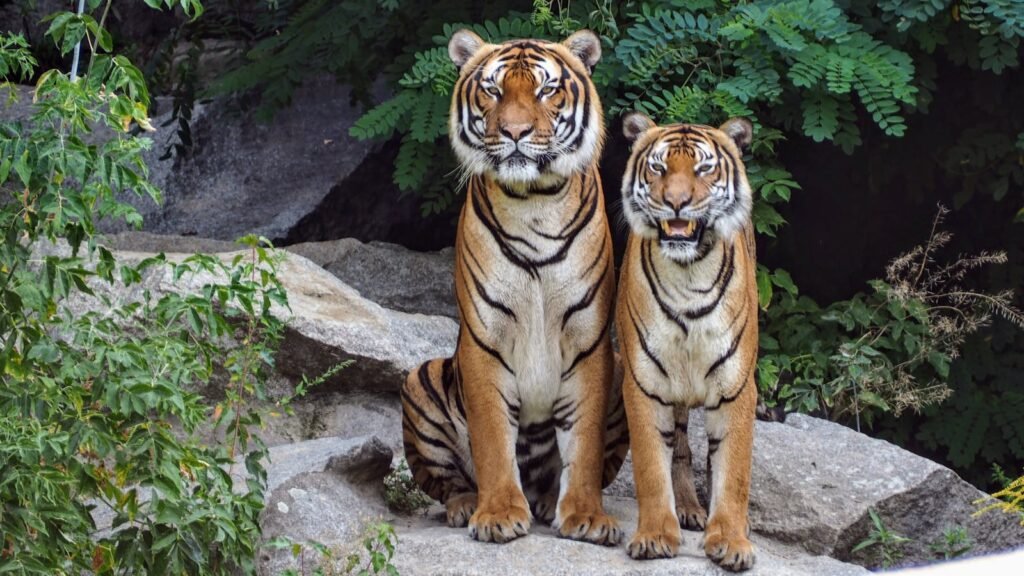
Engaging local communities is crucial for the success of protected reserves. Many programs involve educating residents about the ecological and economic benefits of conservation. By fostering a sense of stewardship and encouraging sustainable practices, reserves help reduce human-wildlife conflicts and build local support for big cat conservation.
Conflict Mitigation Strategies
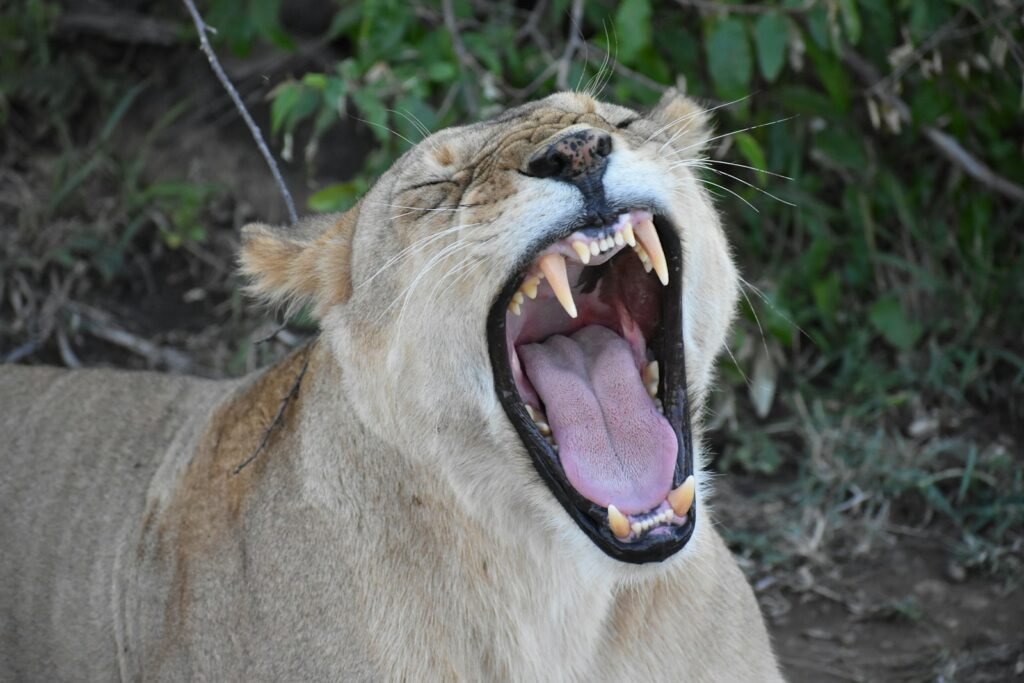
Human-wildlife conflict, particularly with livestock and local communities, is a significant challenge for big cat conservation. Reserves implement various conflict mitigation strategies, such as creating buffer zones and setting up compensation schemes for livestock losses. These initiatives help decrease negative interactions and promote coexistence.
Collaborations and Partnerships

Protected reserves often collaborate with international organizations, governments, and NGOs to enhance conservation efforts. These partnerships can bring additional resources, expertise, and political support, leading to more effective management and protection of big cats across multiple regions.
Ecotourism as a Conservation Tool
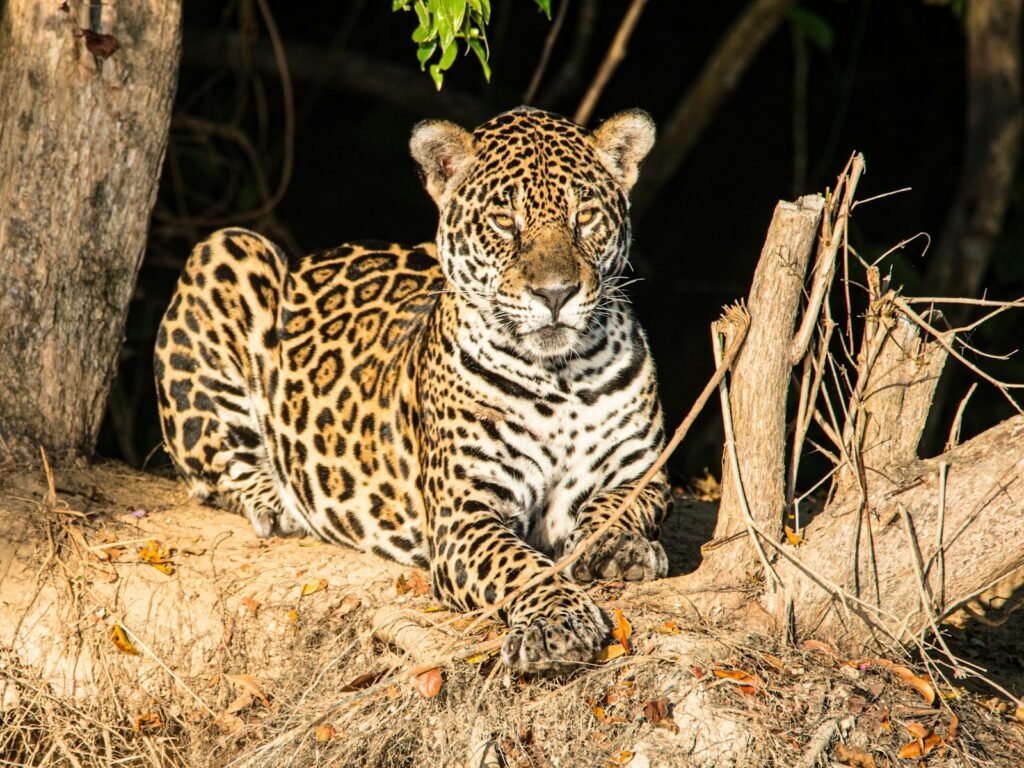
Ecotourism provides a sustainable alternative to destructive land uses and generates revenue that supports conservation. By attracting tourists to see big cats in their natural habitats, reserves can fund ongoing conservation efforts and provide economic benefits to local communities, creating a symbiotic relationship between tourism and conservation.
Key Success Stories
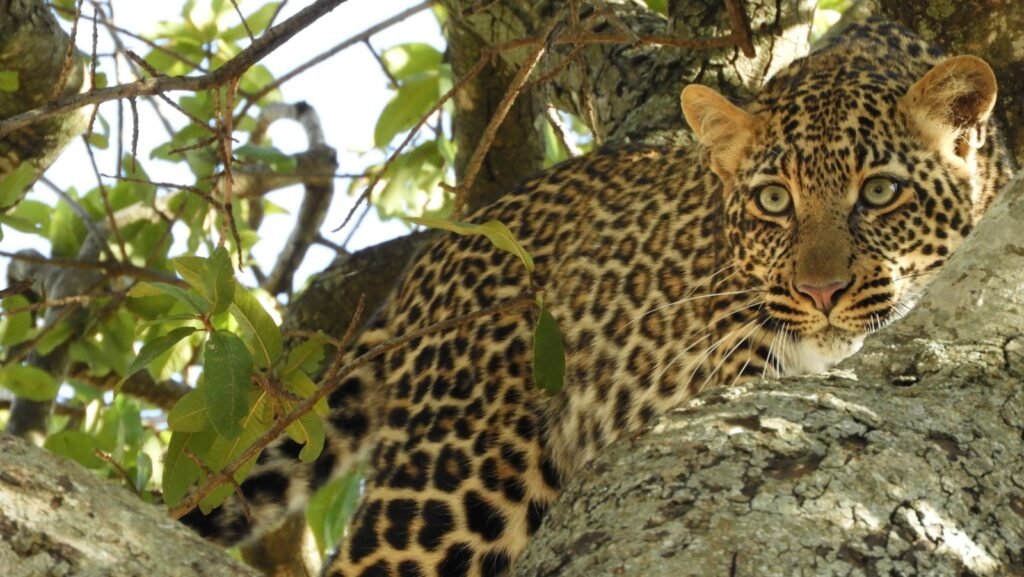
Several protected reserves around the world have achieved remarkable success in big cat conservation. For example, India’s Ranthambore National Park has seen a significant increase in tiger populations due to stringent protection measures. Similarly, the Maasai Mara in Kenya is renowned for its thriving lion prides, thanks to effective management and community involvement.
Future Challenges and Opportunities
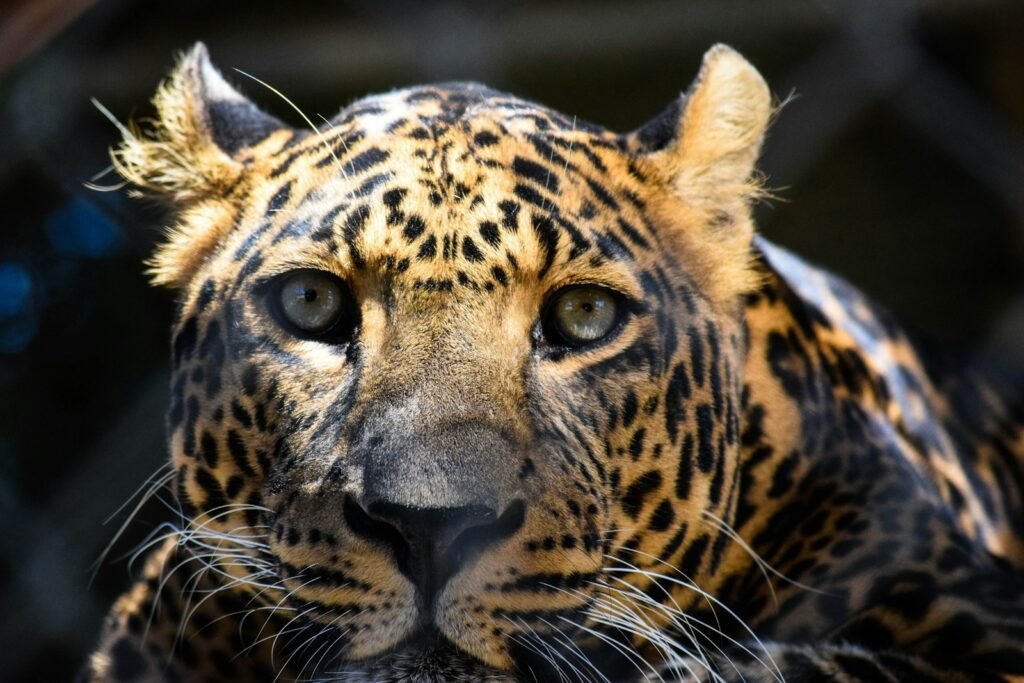
While protected reserves offer crucial support for big cats, they also face challenges, such as climate change, limited funding, and political pressures. Nevertheless, ongoing innovation in conservation techniques and increased global awareness present opportunities to enhance the effectiveness of these reserves. Collaborative efforts and adaptive management practices will be essential in ensuring the continued success of big cats in protected areas.
Conclusion
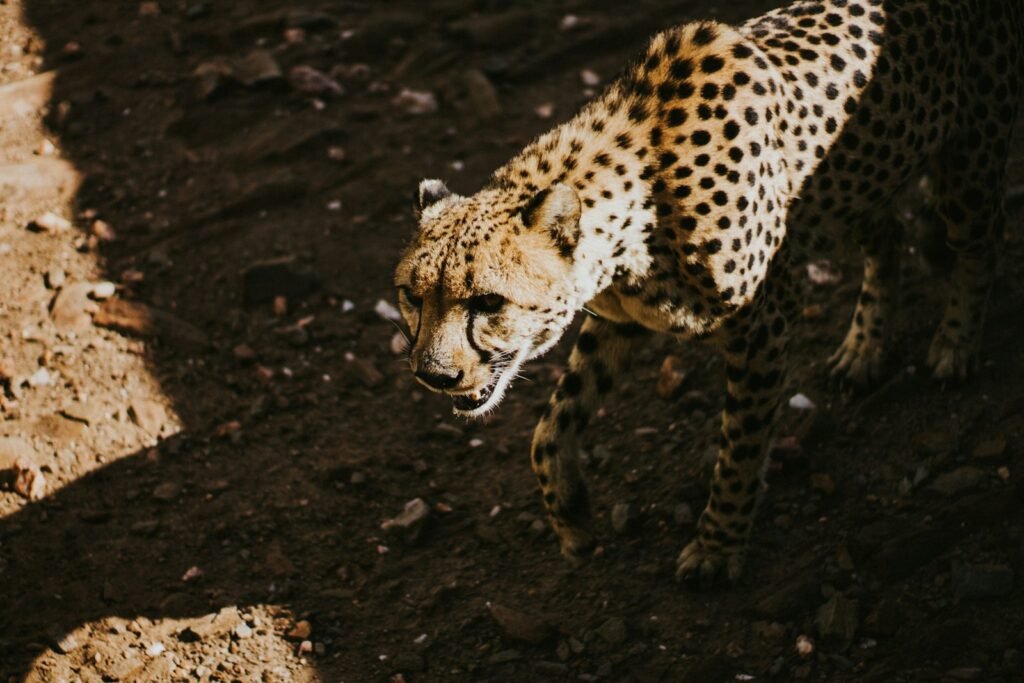
Protected reserves play a pivotal role in securing the future of big cats. By offering safe habitats, reducing poaching, and engaging communities, these sanctuaries support diverse and growing populations of these majestic predators. With the collective efforts of researchers, conservationists, and local communities, big cats can continue to thrive in the wild, ensuring their presence for generations to come.

Hi, I’m Bola, a passionate writer and creative strategist with a knack for crafting compelling content that educates, inspires, and connects. Over the years, I’ve honed my skills across various writing fields, including content creation, copywriting, online course development, and video scriptwriting.
When I’m not at my desk, you’ll find me exploring new ideas, reading books, or brainstorming creative ways to solve challenges. I believe that words have the power to transform, and I’m here to help you leverage that power for success.
Thanks for stopping by, Keep coming to this website to checkout new articles form me. You’d always love it!