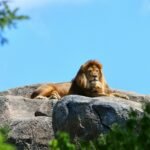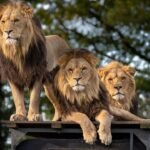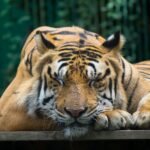
Wild cats are fascinating creatures known for their powerful presence and unique behaviors. While some, like lions, are known for living in groups, others, such as leopards and tigers, prefer solitude. This preference for solitary territory is driven by a variety of ecological and biological factors that influence their behavior and survival strategies.
The Basics of Solitary Behavior
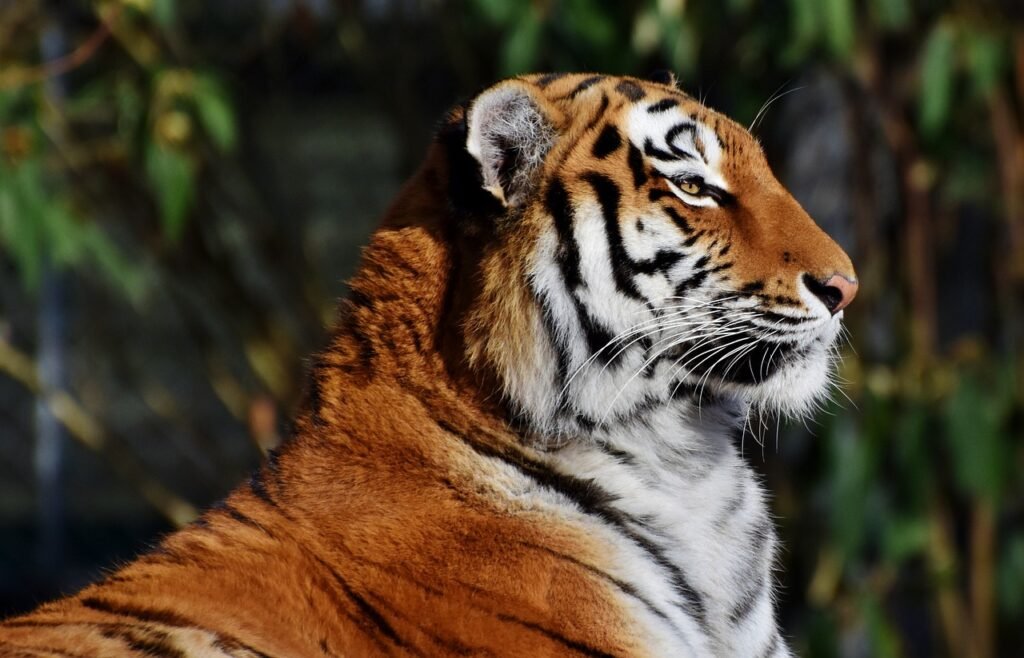
Many species of wild cats live solitary lives, meaning they hunt, sleep, and reproduce without the company of others. This behavior contrasts with social animals that form groups or packs. Solitary wild cats have developed specific adaptations that support their independent lifestyle.
Advantages of Solitary Living
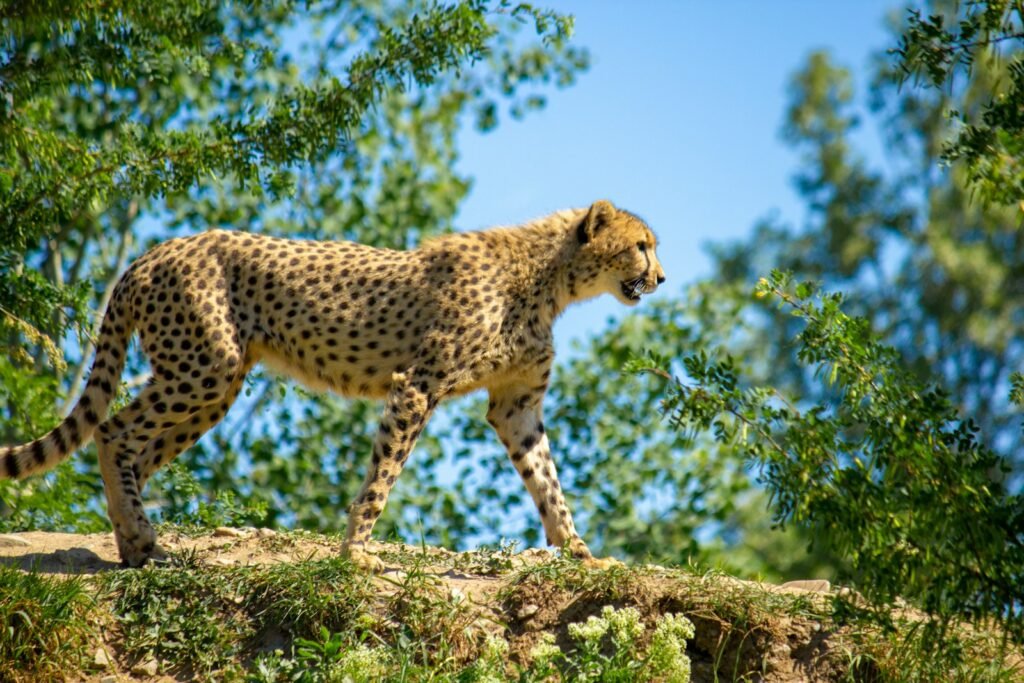
Living alone provides several benefits to wild cats. It reduces competition for food and mating partners and minimizes the spread of disease. Solitary living can also decrease the likelihood of encounters with rivals, thereby avoiding potentially dangerous conflicts.
Impacts of Environment and Habitat
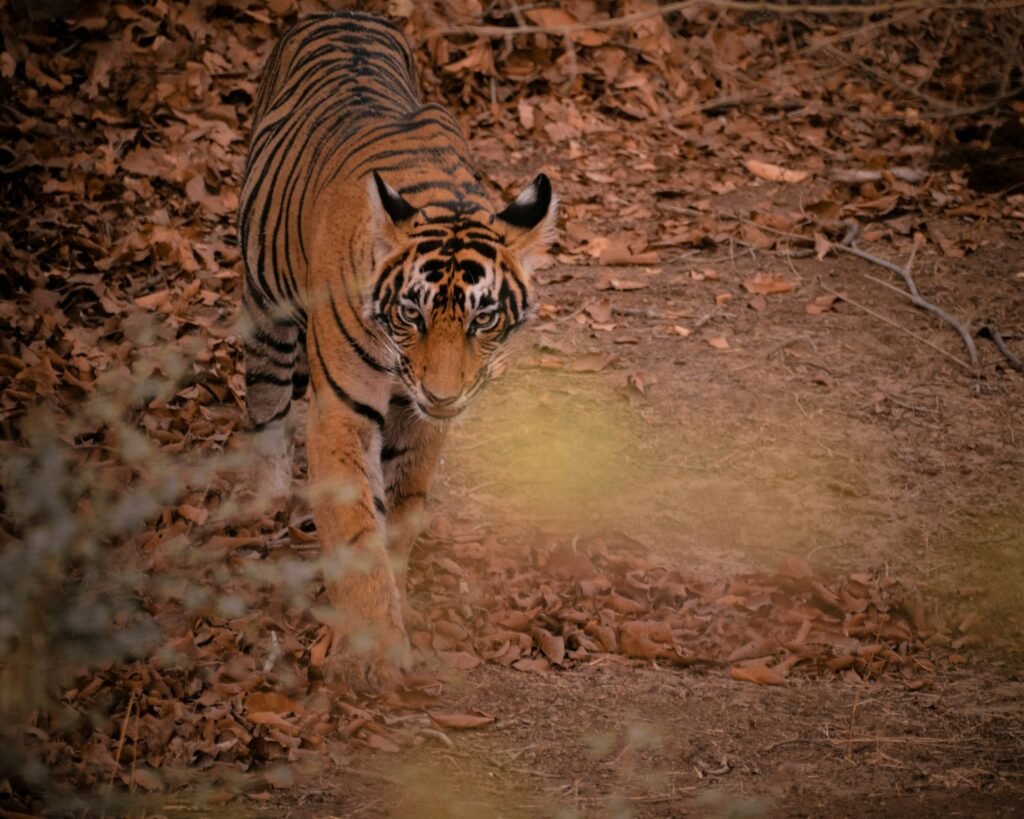
The environment plays a crucial role in a wild cat’s preference for solitude. Dense forests, mountainous regions, and other terrains with abundant cover are ideal for solitary hunters, as they provide the necessary camouflage and opportunities for ambush hunting. Sparse or open environments, on the other hand, often support social structures due to the need for cooperative hunting.
Territorial Behavior and Marking
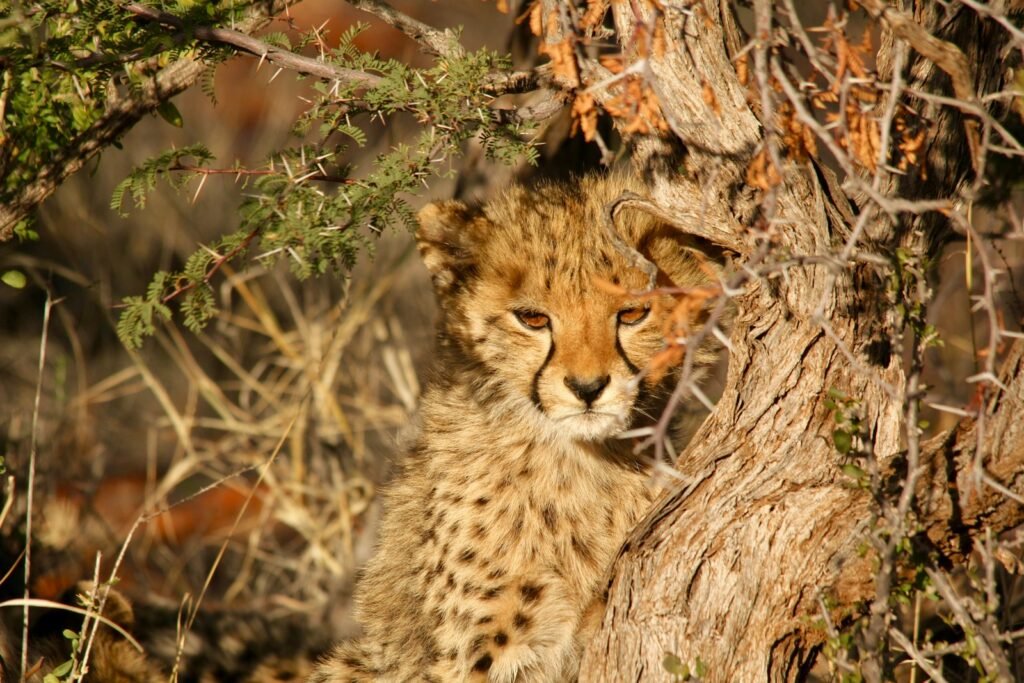
Solitary wild cats typically establish territories that they mark with visual signals and scent markings. This territorial behavior helps them maintain control over their hunting grounds and reduces overlap with other individuals. Scent marking involves urine, feces, and gland secretions, signaling ownership to other cats.
Diet and Hunting Strategies
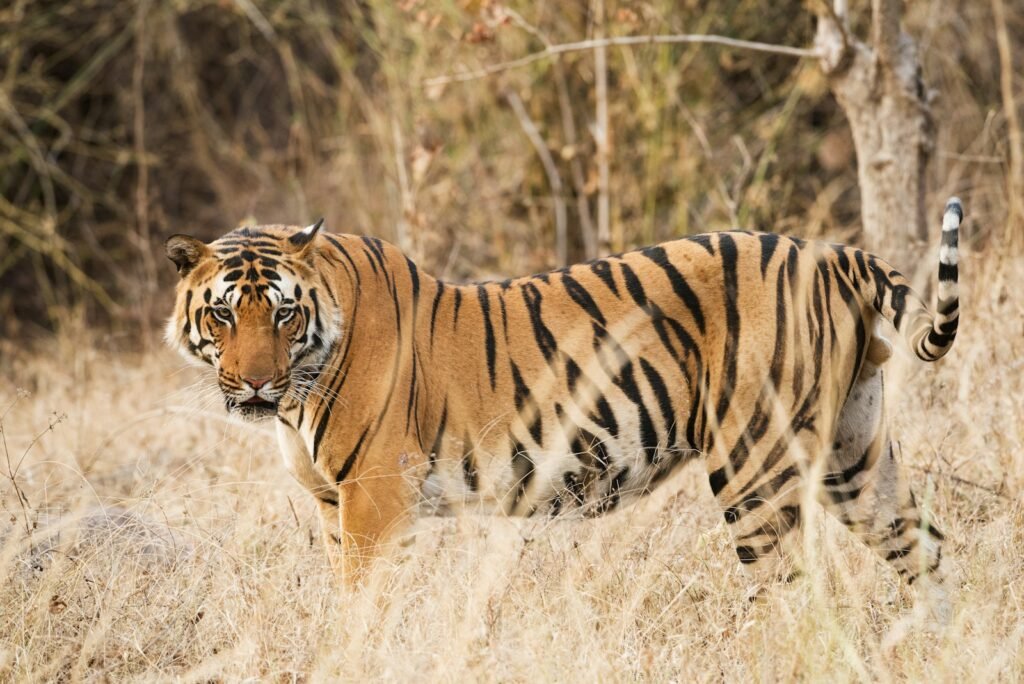
Solitary wild cats generally rely on stealth and ambush tactics to catch their prey. Such strategies are better suited for lone hunters, as cooperation is less necessary. Specializing in specific types of prey also supports solitary living, allowing them to carve out ecological niches where competition is minimized.
Role of Reproductive Strategies
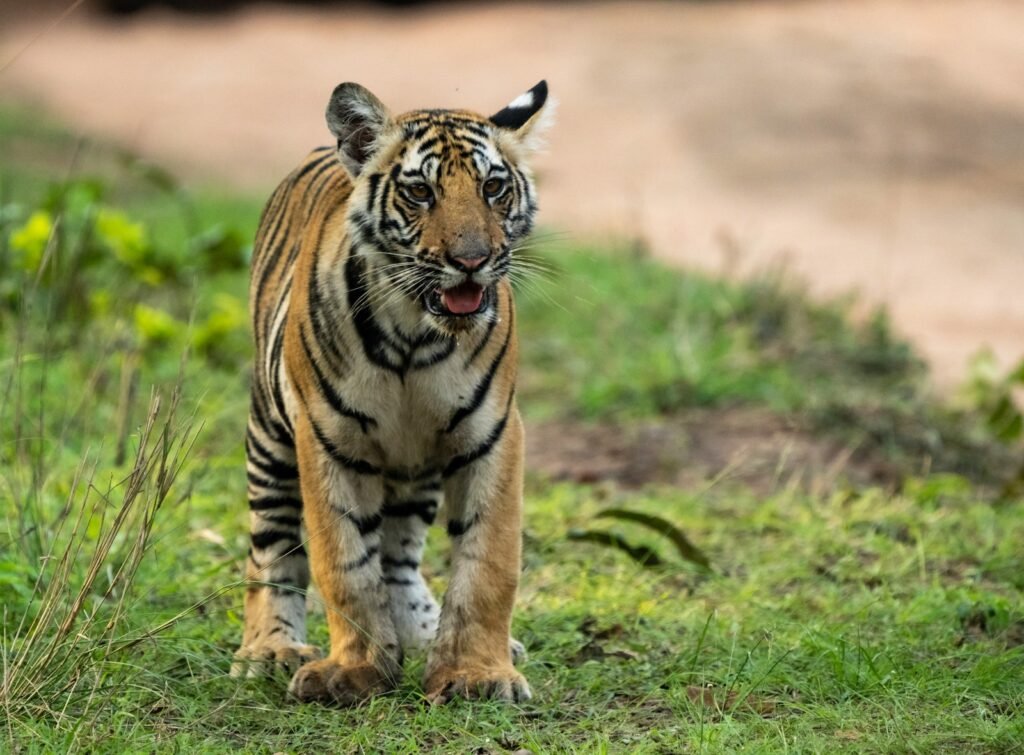
In many solitary wild cat species, males and females come together only for mating. This short-term association suits species that have ranges abundant with resources necessary for raising young alone. The female typically cares for her offspring without assistance from the male, who moves on to seek other opportunities to mate.
Longevity and Lifecycle
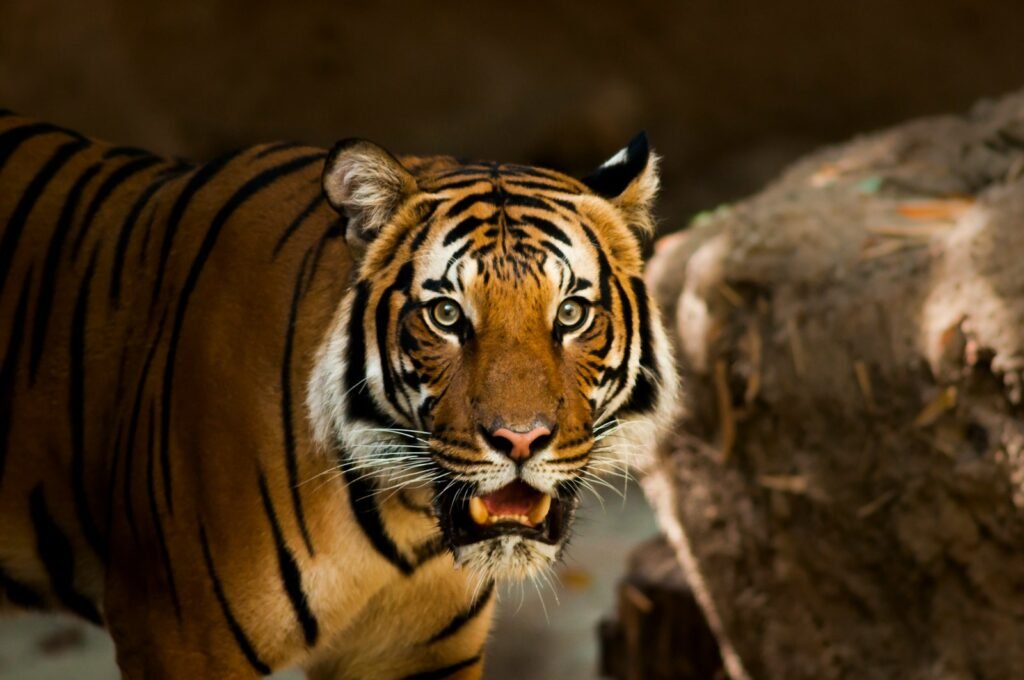
The lifecycle of solitary wild cats is affected by their solitary nature. Young cubs, often cared for by the mother alone, learn quickly to fend for themselves. This independence helps ensure their survival once they leave their natal range to establish their own territory.
Evolutionary Perspectives
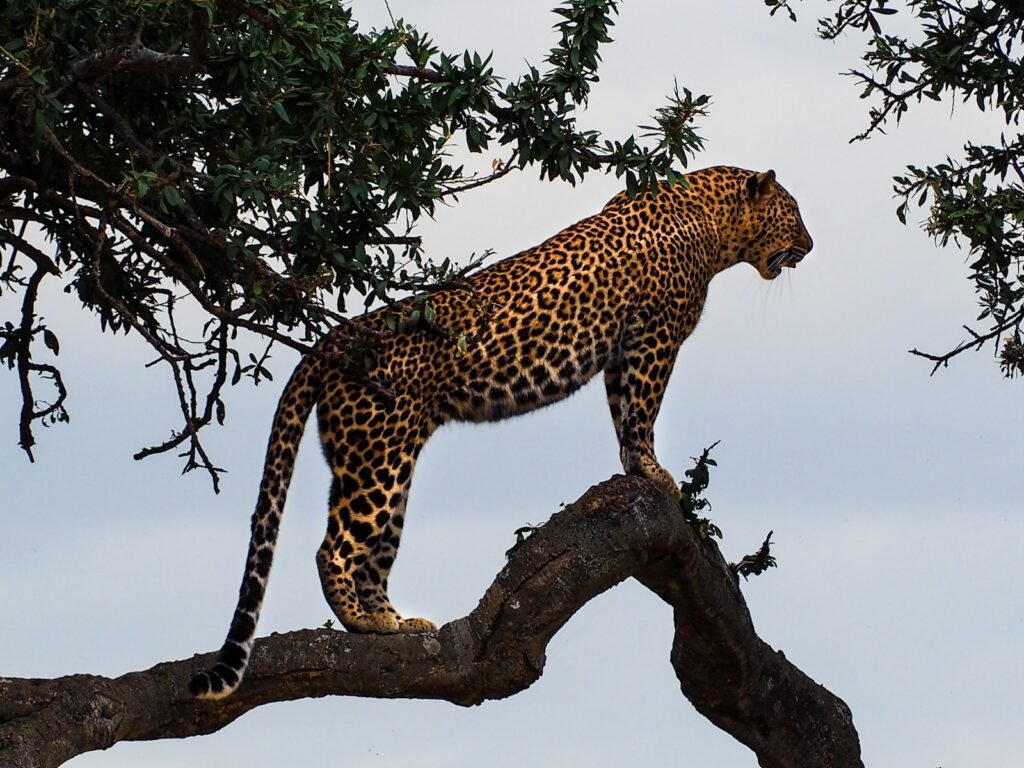
The evolution of solitary behavior in wild cats can be traced back to ancestral adaptations that favored independence over sociality. Factors such as prey availability, competition, and environmental pressure may have driven certain species toward solitary lifestyles. Understanding these evolutionary drivers provides insight into the behavior of modern solitary wild cats.
Human Impact and Conservation
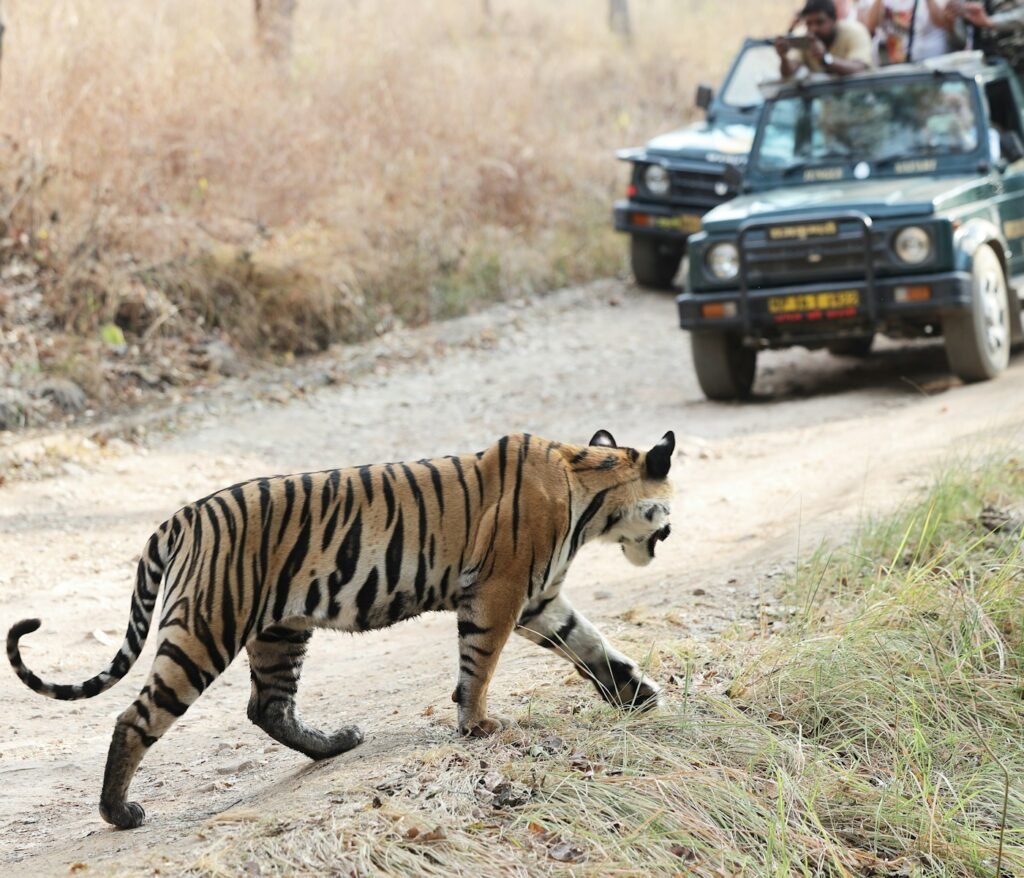
Human activities such as habitat destruction and hunting pose significant threats to solitary wild cats. These animals are particularly vulnerable due to their expansive territorial needs and low population densities. Conservation efforts aimed at preserving their natural habitats and reducing human impact are essential for their continued survival.
Conclusion: The Significance of Solitary Living
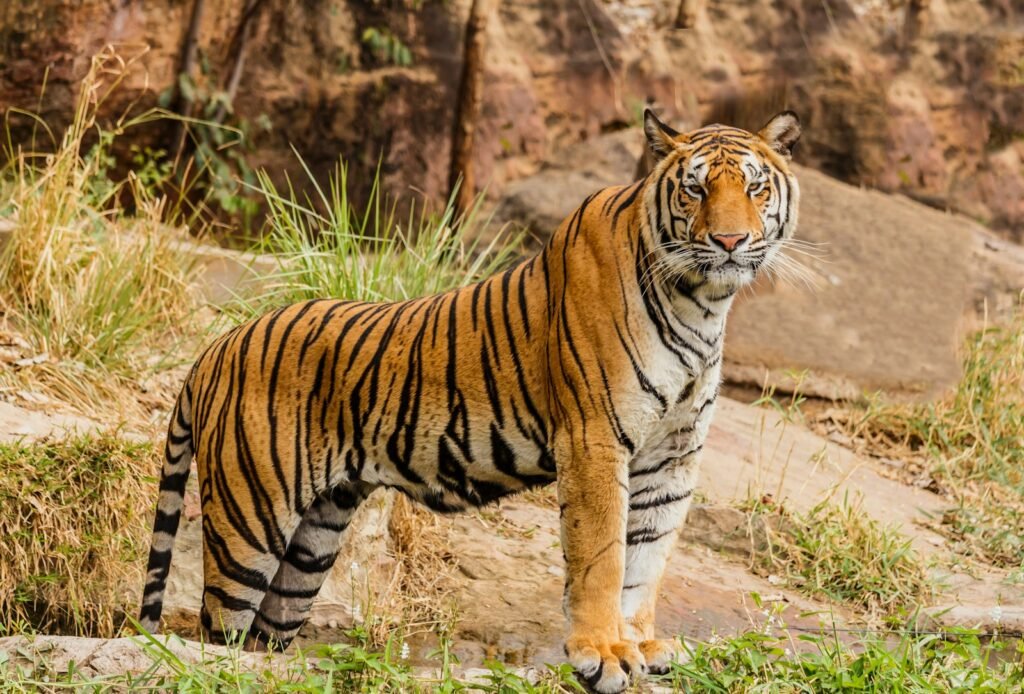
The preference for solitary living among certain wild cats is a complex interplay of ecological, biological, and evolutionary factors. Understanding these factors not only informs us about the lives of these enigmatic creatures but also emphasizes the importance of conserving their environments. Insight into solitary behavior broadens our knowledge of animal ecology and the diverse strategies animals use to thrive in the wild.
Growing up traveling and experiencing new cultures and wonders, I have had a passion for nature, adventuring, photography, and videography. I am currently working towards a BSc in Biodiversity and Ecology at Stellenbosch University, and I hope to specialise in Marine Sciences one day.
Please send any feedback to Feedback@animalsaroundtheglobe.com