Cats have accompanied humans on maritime adventures for centuries, with their initial introduction to ships dating back to ancient seafaring cultures such as the Egyptians and the Phoenicians. These early sailors quickly realized the pragmatic advantages of keeping cats on board, as they effectively controlled the rodent populations that threatened precious food supplies and ship materials.
The Role of Cats in Ancient Maritime Civilizations
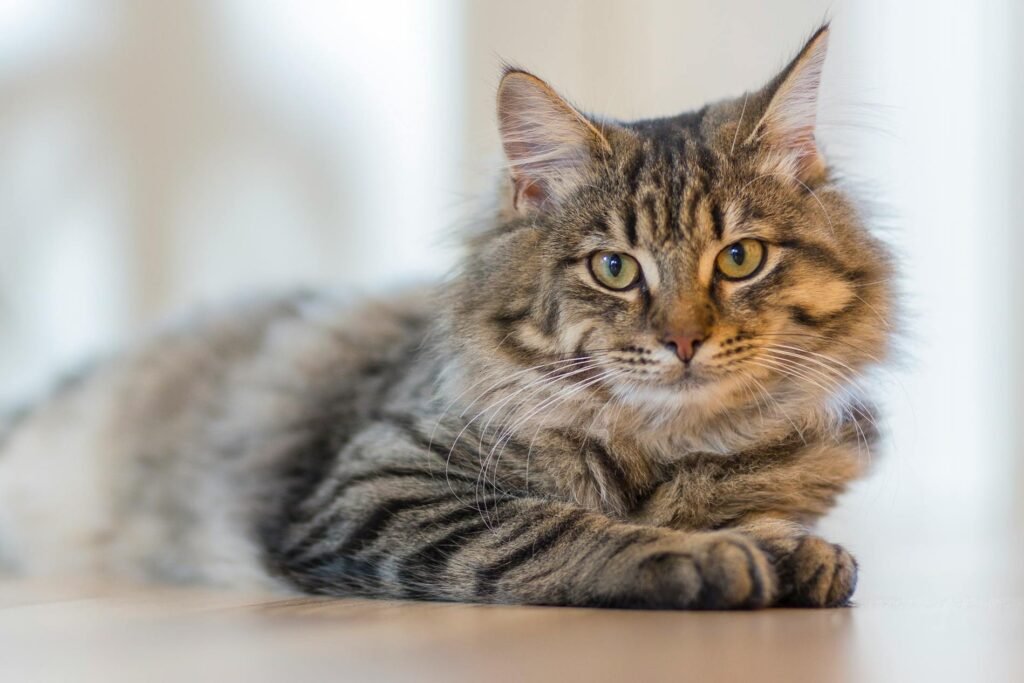
In ancient Egypt, cats were revered as sacred animals and their presence on trading vessels was a common sight. They played a dual role, both as protectors of cargo from vermin and as symbols of good fortune. As these ships sailed throughout the Mediterranean, the practice of having cats on board spread to other seafaring cultures, including the Greeks and Romans.
Cats and Viking Expeditions
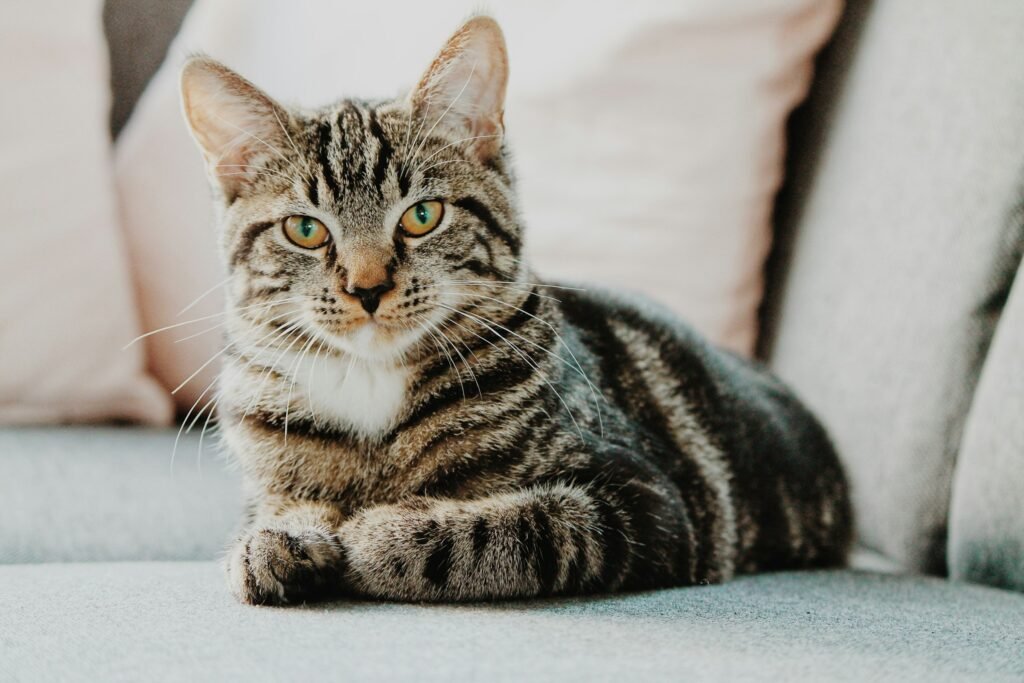
Vikings, known for their formidable maritime expeditions, also took cats along on their voyages. These cats, believed to be ancestors of the modern Norwegian Forest Cat, were treasured for their hunting prowess. The Viking ships traveled far and wide, from the icy waters of the North Atlantic to the rivers of Eastern Europe, spreading the presence of ship cats across these regions.
Ship Cats in Medieval Europe
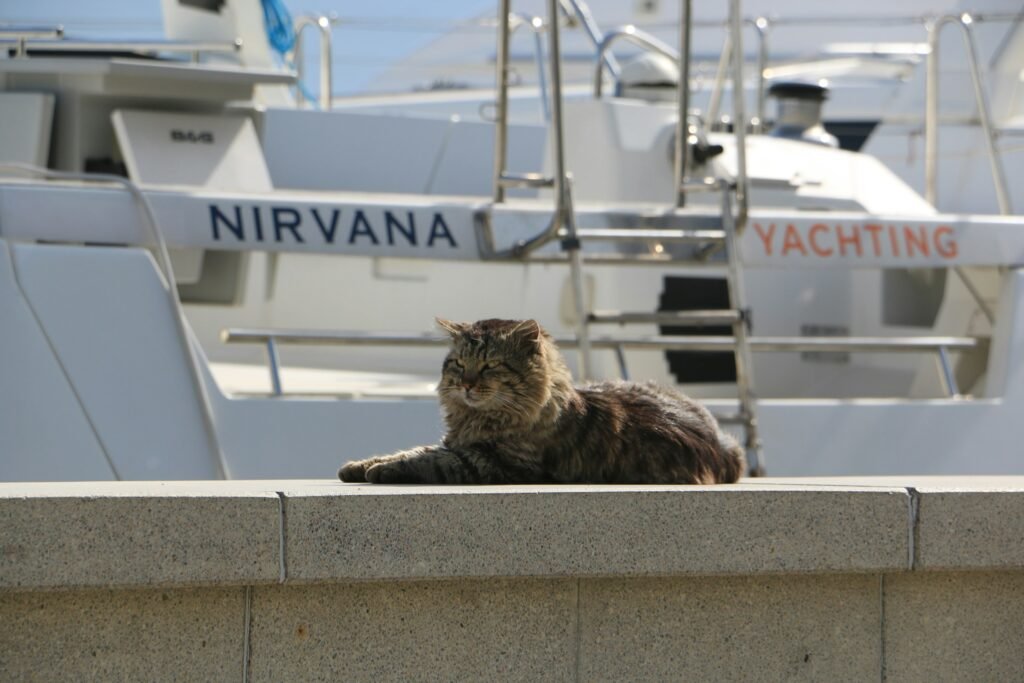
During the Middle Ages, European explorers and merchants embarking on long journeys continued the tradition of keeping cats on board. These animals not only controlled pests but also provided companionship to sailors who faced long periods at sea. Ship cats became an essential part of naval life, and their popularity persisted throughout the Renaissance.
Cats in the Age of Exploration
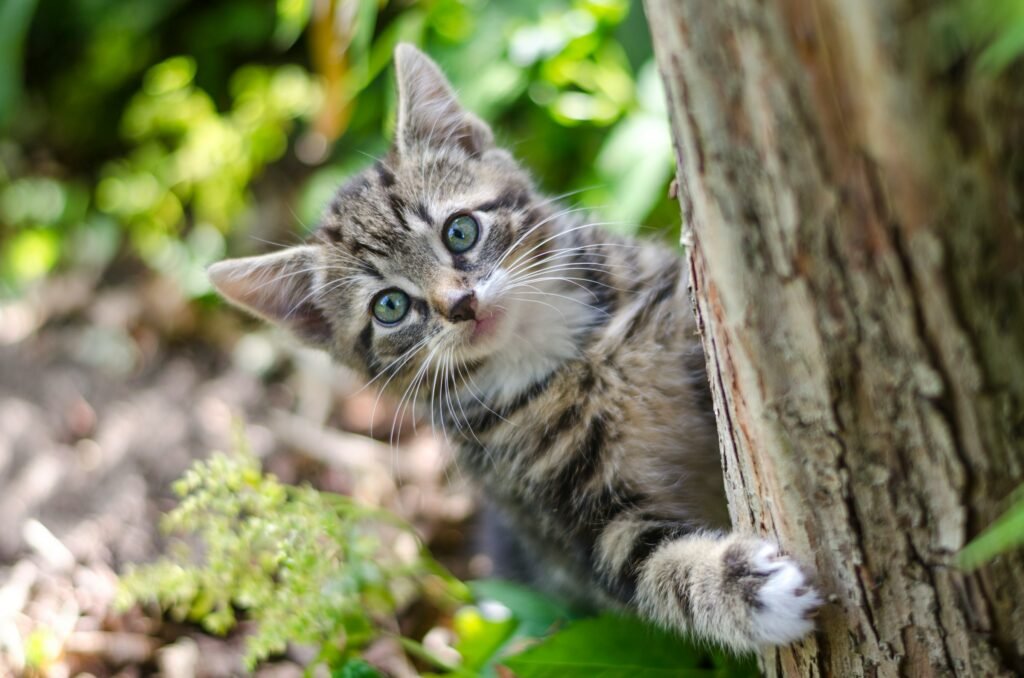
The Age of Exploration, which spanned the 15th through the 17th centuries, saw an increase in global maritime trade. Ships voyaging to the Americas, Africa, and Asia often carried cats, who earned their keep as expert rodent hunters. These cats inadvertently spread across the globe, their descendants becoming part of the ecosystems in distant lands.
Nautical Superstitions and Beliefs About Cats
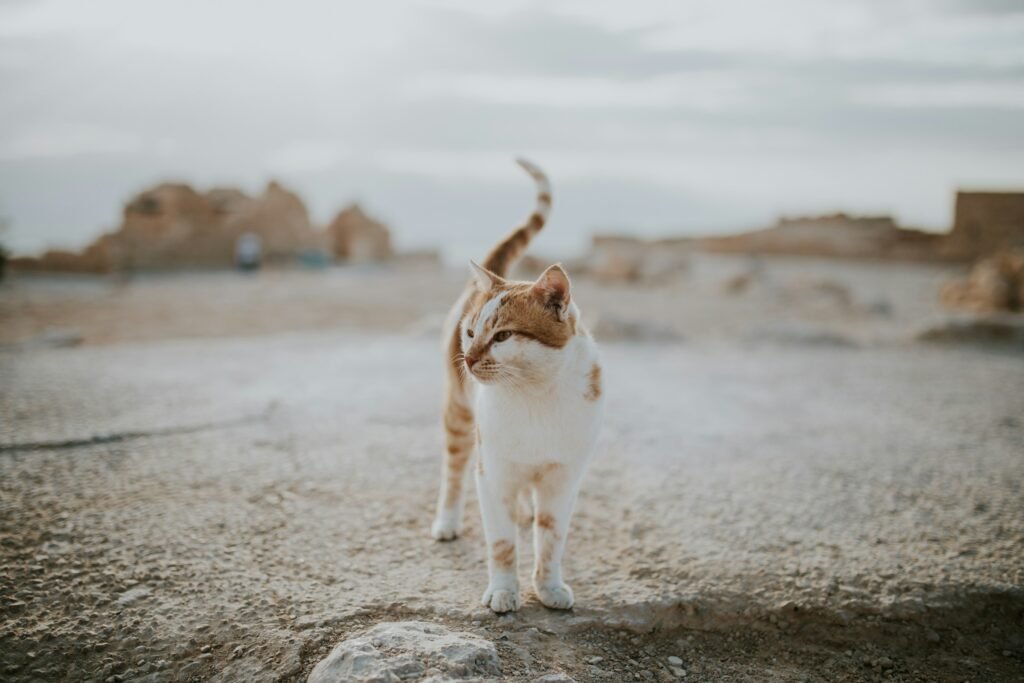
Throughout history, sailors developed numerous superstitions and beliefs surrounding cats. Black cats, for example, were often seen as harbingers of good luck, and a happy, well-fed ship cat was considered a positive omen for a successful voyage. Conversely, harming a cat was believed to bring storms and bad fortune.
Cats in the Age of Sail
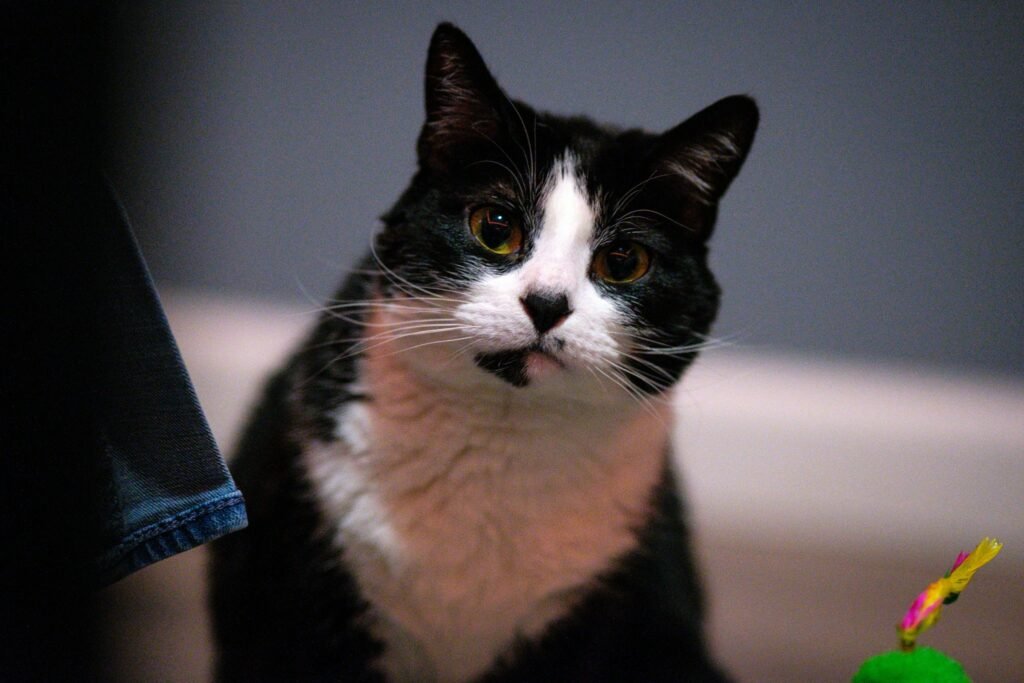
During the 18th and 19th centuries, known as the Age of Sail, cats maintained their status as indispensable members of a ship’s crew. The rise of larger and more sophisticated vessels made the presence of cats even more critical, as food stores increased and the threat of rat infestations grew more severe.
Famous Maritime Cats
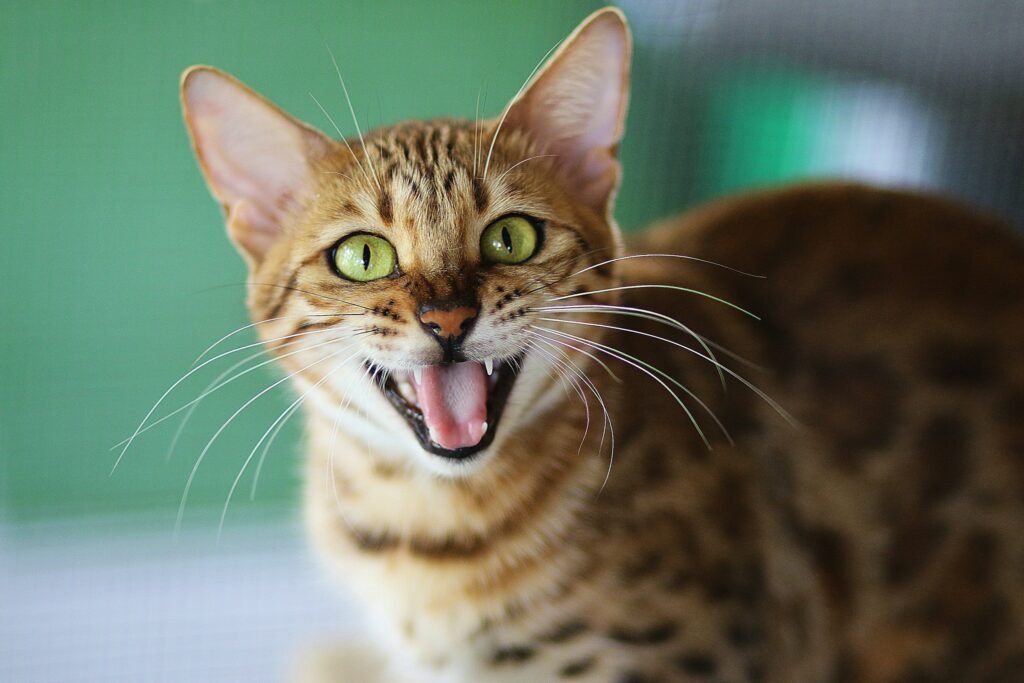
Several ship cats have found their way into maritime lore, such as “Trim,” the beloved companion of navigator Matthew Flinders, and “Simon,” the Pacific Fleet’s feline hero during World War II who earned a Dickin Medal for his bravery and companionship on the HMS Amethyst. These famous felines demonstrated resilience and loyalty, leaving a lasting impression in naval history.
The Science Behind Cats’ Maritime Roles
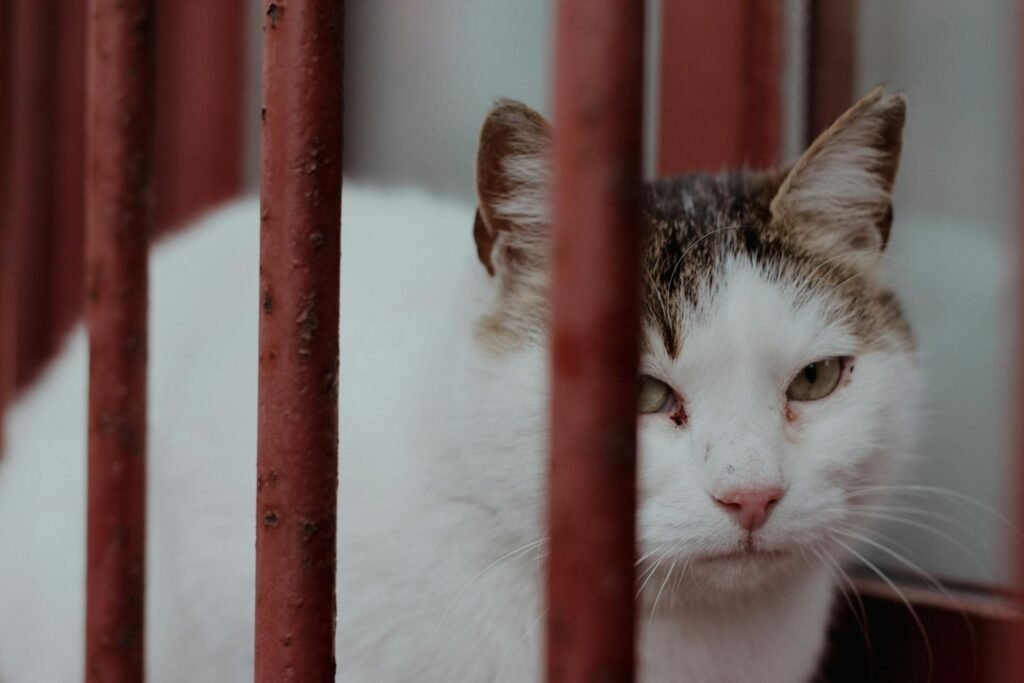
From a scientific perspective, cats’ success in maritime environments can be attributed to their keen senses and agility, which make them excellent hunters. Additionally, their low maintenance requirements and independence suited the challenging conditions of life at sea. These biological traits ensured their continued presence aboard ships well into the modern era.
Cats and Modern Maritime Practices
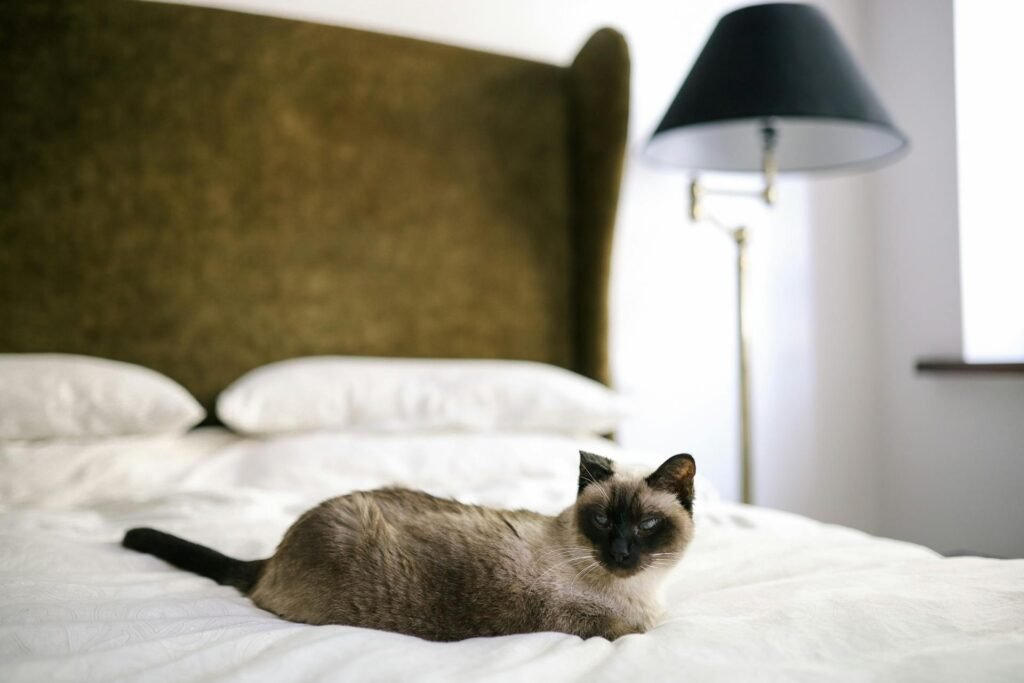
Today, stringent regulations on live animals on commercial vessels have reduced the prevalence of ship cats. However, their historical significance remains a point of cultural interest. Some navies and private yacht owners still keep cats as mascots and companions, celebrating the traditional role of felines in maritime culture.
Conclusion: The Enduring Legacy of Ship Cats
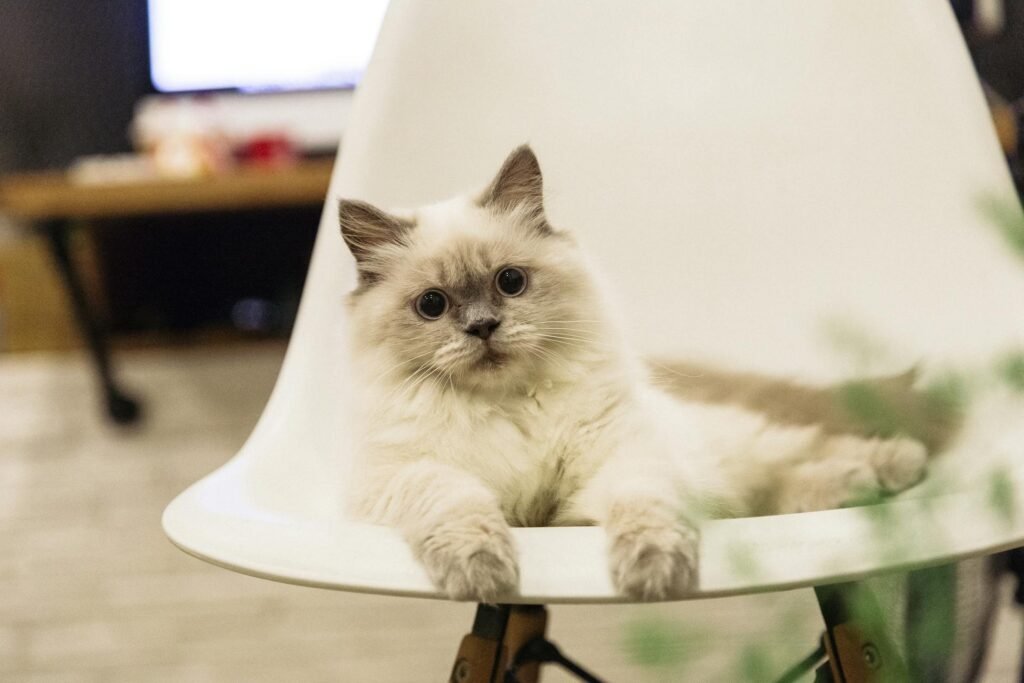
The history of cats in maritime culture is not just a story of practical utility but also one of companionship, superstition, and adaptation. From the bustling ports of ancient civilizations to the far-reaching voyages of exploration, cats have been steadfast allies to sailors, leaving an indelible mark on the annals of naval history.
Suhail Ahmed is a passionate digital professional and nature enthusiast with over 8 years of experience in content strategy, SEO, web development, and digital operations. Alongside his freelance journey, Suhail actively contributes to nature and wildlife platforms like Feline Fam, where he channels his curiosity for the Feline into engaging, educational storytelling.
With a strong background in managing digital ecosystems — from ecommerce stores and WordPress websites to social media and automation — Suhail merges technical precision with creative insight. His content reflects a rare balance: SEO-friendly yet deeply human, data-informed yet emotionally resonant.
Driven by a love for discovery and storytelling, Suhail believes in using digital platforms to amplify causes that matter — especially those protecting Earth’s biodiversity and inspiring sustainable living. Whether he’s managing online projects or crafting wildlife content, his goal remains the same: to inform, inspire, and leave a positive digital footprint.