The world of big cats is as diverse as it is majestic, home to some of the most awe-inspiring creatures on Earth. While most are familiar with the typical tawny coats of lions or the striped pattern of tigers, there exists a fascinating subset of these animals that display rare color mutations. Such variations not only enhance their allure but also provide insights into the complexities of genetics. In this article, we’ll explore five rare big cat color mutations that you’ve probably never seen.
The Role of Genetics in Color Variation
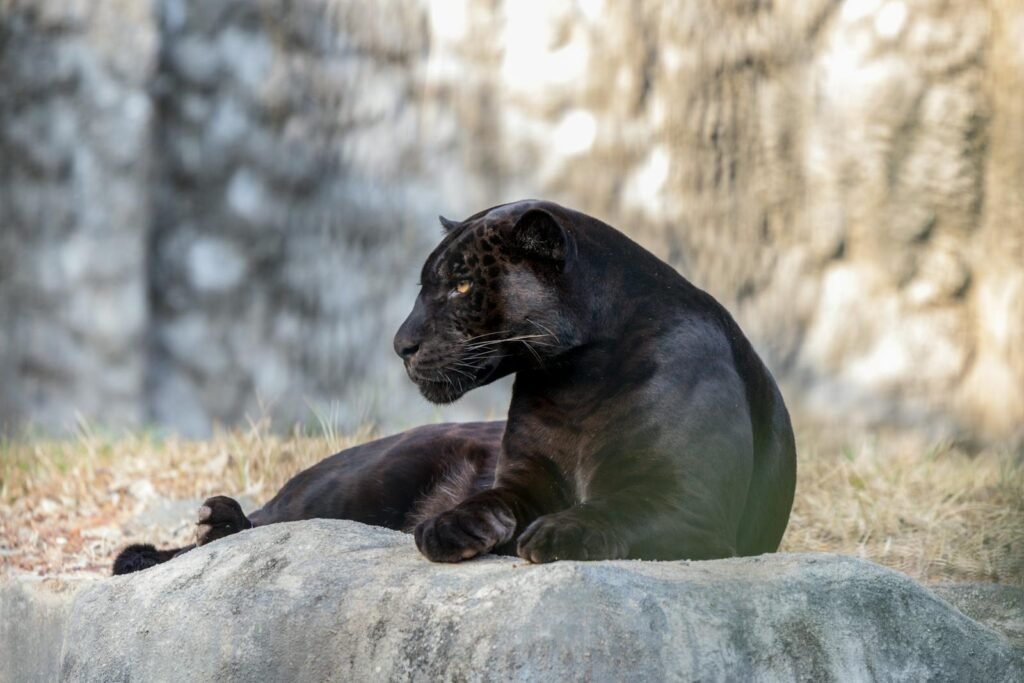
Color mutations in big cats are primarily the result of genetic variations. These changes can occur due to mutations in the genes responsible for pigment production or distribution. The study of genetics reveals that even a slight alteration in DNA can result in significant changes in color and pattern, leading to unique individuals that stand out from their usual counterparts.
White Tigers: A Case of Hypomelanism
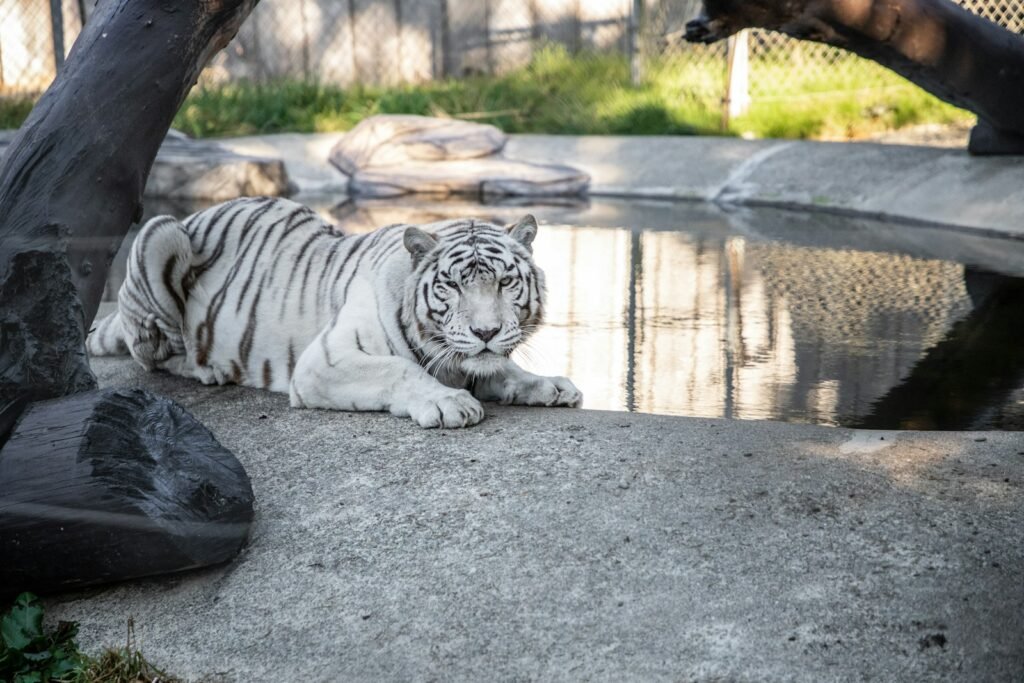
White tigers are perhaps the most well-known among the unusually colored big cats. This striking coloration stems from a genetic condition known as hypomelanism, which reduces the pigment in their fur. Unlike albinos, white tigers still possess some coloration, such as their distinctive black stripes. These animals have an enchanting appearance but carry genetic disadvantages such as higher susceptibility to health issues.
Melanistic Leopards: Nature’s Black Beauties
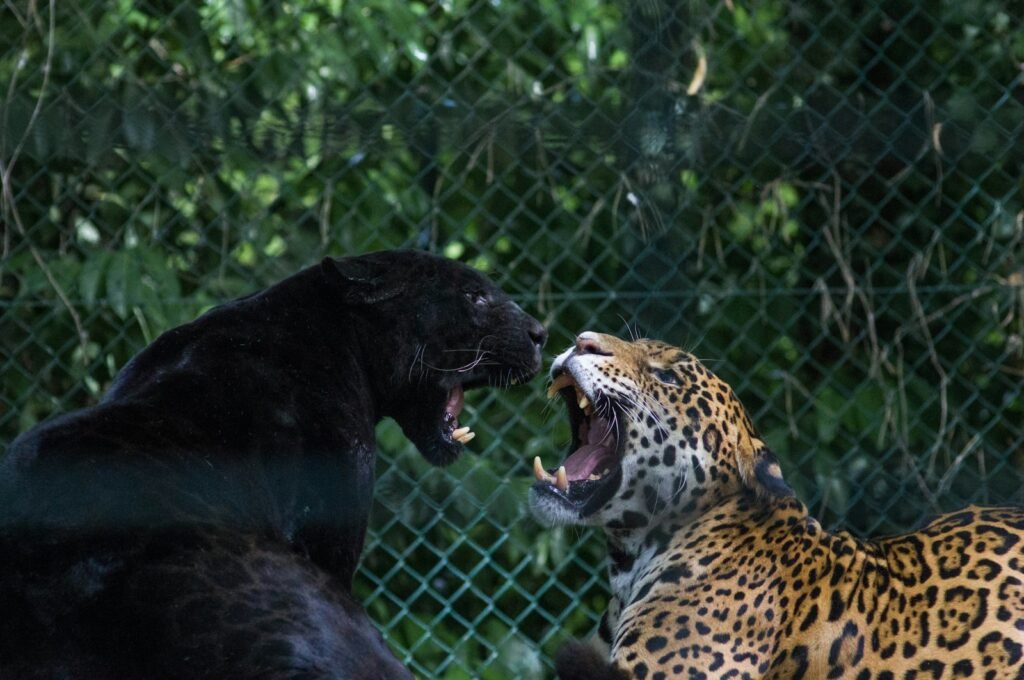
Also referred to as black panthers, melanistic leopards are not a separate species but rather a color variant. Melanism causes an overproduction of melanin, the dark pigment in the skin and fur, resulting in a black coat. Though their spots are still present, they blend closely with the rest of the fur and are visible only in certain lighting. This adaptation is believed to aid in their stealthy hunting practices.
King Cheetahs: The Unique Pattern of Recessive Genes
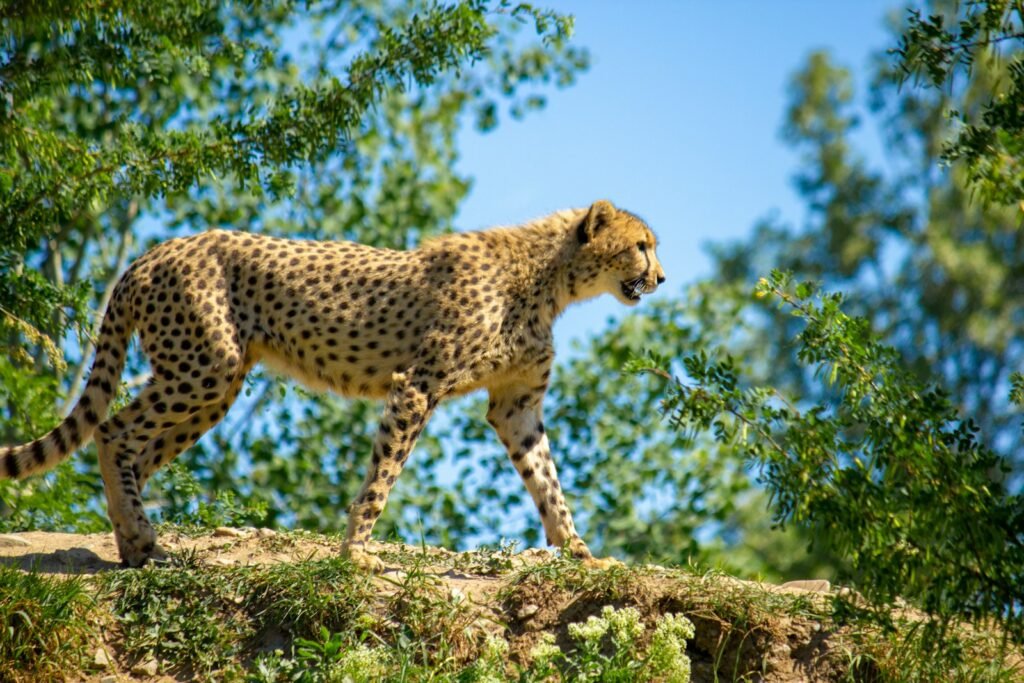
The king cheetah stands apart from its spotted relatives with its broad stripes and elongated spots. This rare mutation is the result of a recessive gene that alters the traditional pattern. King cheetahs are primarily found in Southern Africa, where they continue to captivate researchers and wildlife enthusiasts with their unique and alluring appearance.
Golden Tigers: The Rare Aesthetic of Recessive Traits

Golden tigers, not to be confused with white or standard orange tigers, possess a unique recessive gene that results in their golden-hued fur. This mutation gives them lighter bodies with pale orange stripes, presenting a beautifully ethereal look. Golden tigers are scarce in the wild and are mostly seen in captivity, where conservationists study their genetics and ensure the trait’s survival.
Blue Tigers: Legends of the Maltese Tiger
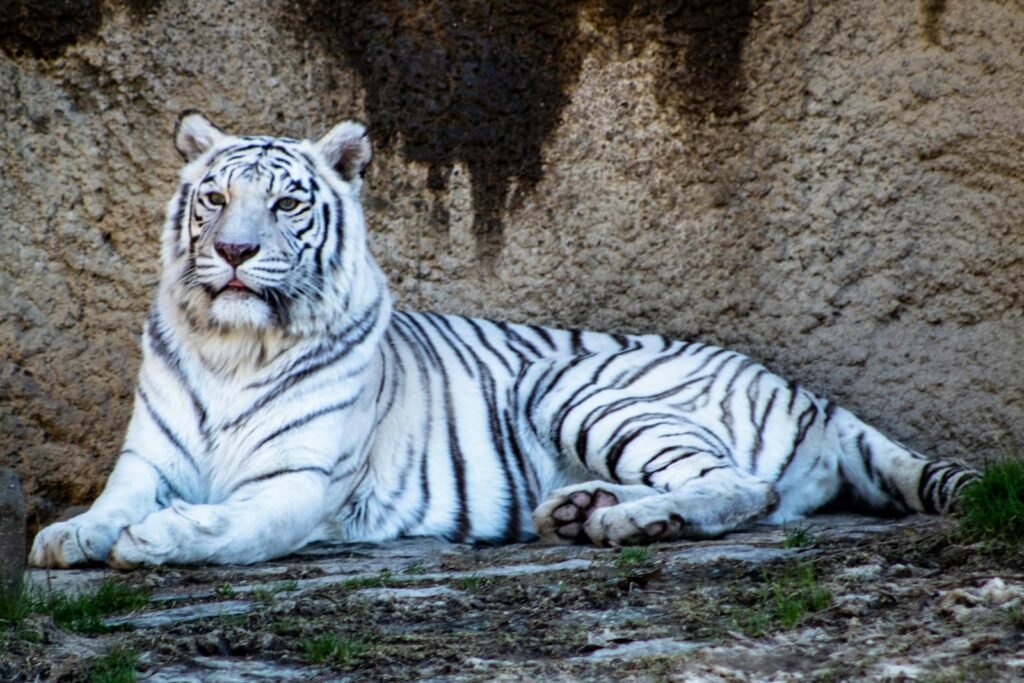
The blue tiger, also known as the Maltese tiger, is so rare it has become somewhat of a legend within scientific communities. With a bluish-grey coat and darker blue stripes, sightings are extremely rare, and no confirmed captive specimens have been recorded. Known mainly from anecdotal evidence, these extraordinary cats, if they exist, continue to intrigue and stimulate research into unexplored genetic possibilities.
The Implications of Color Mutations on Survival
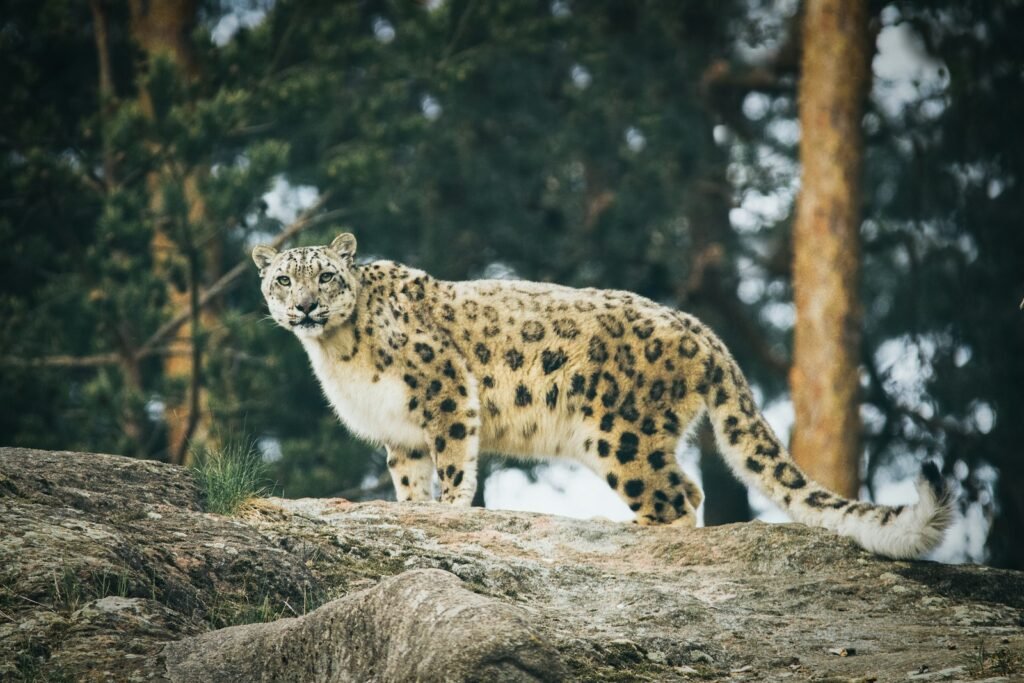
While these rare colorations make for visually captivating creatures, they often come with survival challenges. In the wild, unusual coloring can impede camouflage, making these animals more conspicuous to both prey and predators. As such, these mutations might reduce the likelihood of survival in natural habitats, which is why many of these cats are found in controlled environments like wildlife reserves and zoos.
Conservation Efforts and Ethical Concerns
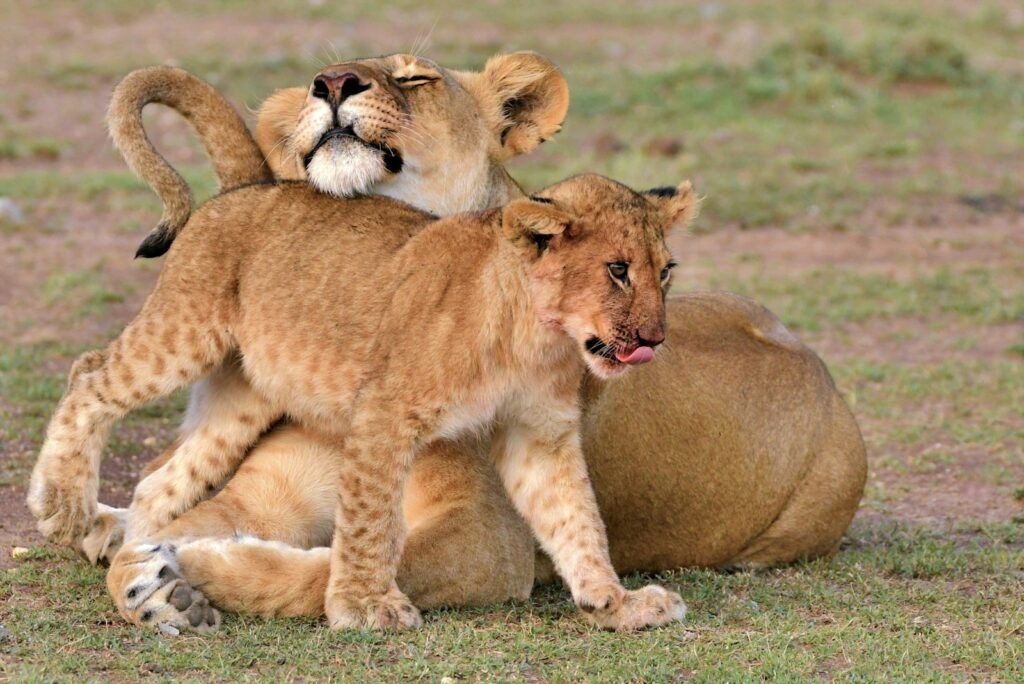
Conservationists strive to study and protect these genetic rarities while considering ethical concerns associated with breeding for specific traits. There’s a delicate balance in safeguarding these extraordinary beings without compromising genetic health in favor of aesthetics. Collaboration between geneticists, conservationists, and ethical committees is crucial for responsible management of these rare color mutations.
Future Directions in Big Cat Research
The study of color mutations in big cats is advancing with improvements in genetic mapping and sequencing. Researchers continue to explore the genetic underpinnings of these phenomena, aiming to apply this knowledge to broader ecological and evolutionary studies. Understanding these mutations better can improve conservation strategies, genetic health management, and potentially offer new insights into animal genetics.
Conclusion: Celebrating Diversity in the Animal Kingdom
Rare big cat color mutations not only captivate the imagination but also highlight the incredible diversity within the animal kingdom. They remind us of the intricate tapestry of life shaped by genetics, evolution, and the environment. As science progresses, further uncovering the mysteries behind these rare occurrences, we deepen our appreciation for what makes each of these magnificent animals unique.
Growing up traveling and experiencing new cultures and wonders, I have had a passion for nature, adventuring, photography, and videography. I am currently working towards a BSc in Biodiversity and Ecology at Stellenbosch University, and I hope to specialise in Marine Sciences one day.
Please send any feedback to Feedback@animalsaroundtheglobe.com