As magnificent symbols of power and beauty, big cats have captured human imagination for centuries. Yet, these awe-inspiring creatures are facing unprecedented threats from human activities, pushing them closer to extinction. In this article, we explore five big cat species currently endangered and what can be done to protect them for future generations.
Cheetah: The Swift Hunter on the Verge
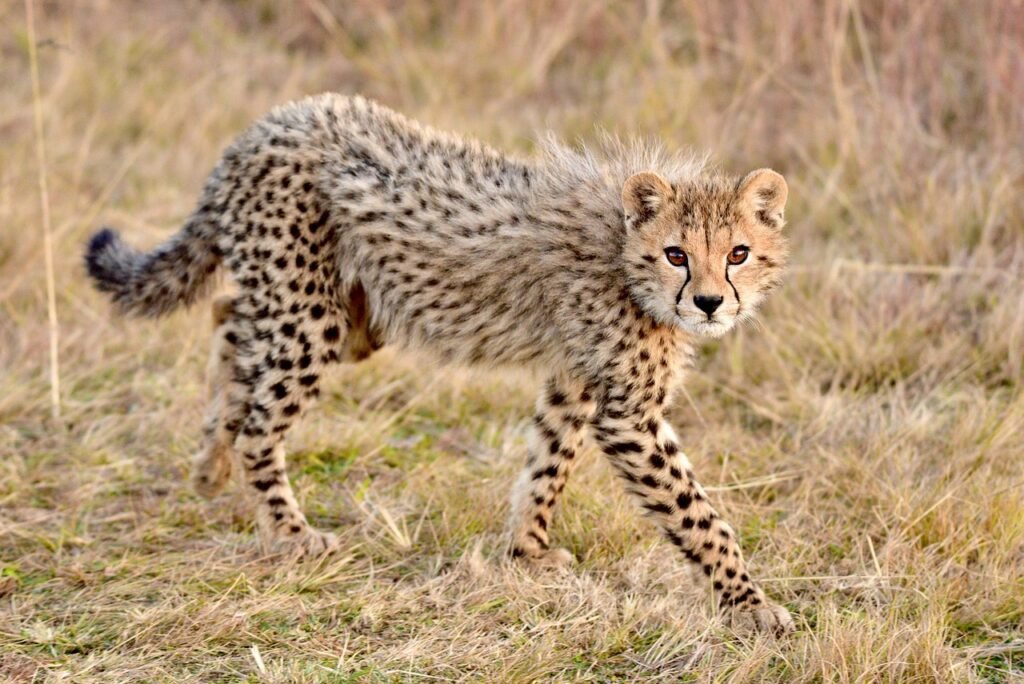
The cheetah, known as the fastest land animal, faces declining numbers across its African range, with an estimated 7,000 remains in the wild. Habitat loss, human-wildlife conflict, and illegal wildlife trade are significant threats. Cheetahs require vast expanses of land to hunt, but human encroachment limits their territory, leading to conflict.
Efforts to help cheetahs include supporting organizations that work to mitigate human-wildlife conflict, such as the Cheetah Conservation Fund, and promoting conservation policies that protect habitats. By supporting protected areas and fostering coexistence strategies with local communities, we can help ensure the cheetah’s survival.
Amur Leopard: The Rare Ghost of Russia
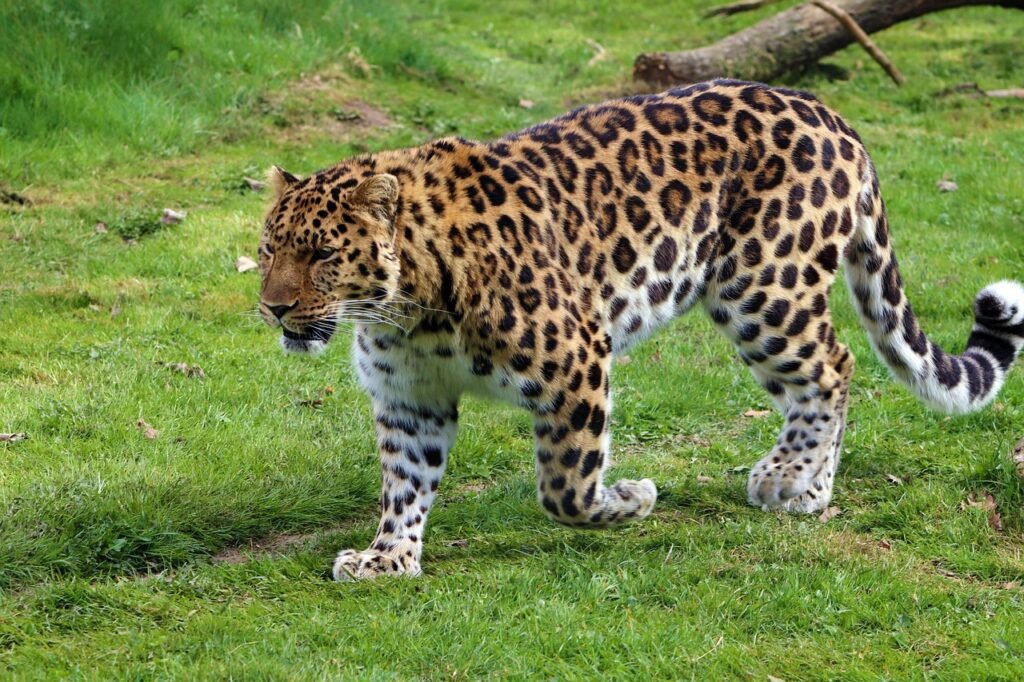
The Amur leopard is one of the world’s most endangered big cats, with just around 100 individuals left in the wild, primarily located in the forests of Eastern Russia and China. Poaching, prey depletion, and deforestation are the main threats.
To aid the Amur leopard, support conservation organizations like WWF, which work to establish protected areas and create anti-poaching measures. Public awareness and stricter enforcement of wildlife protection laws are also critical in conserving their habitat.
Tiger: The Iconic Predators on Survival’s Edge
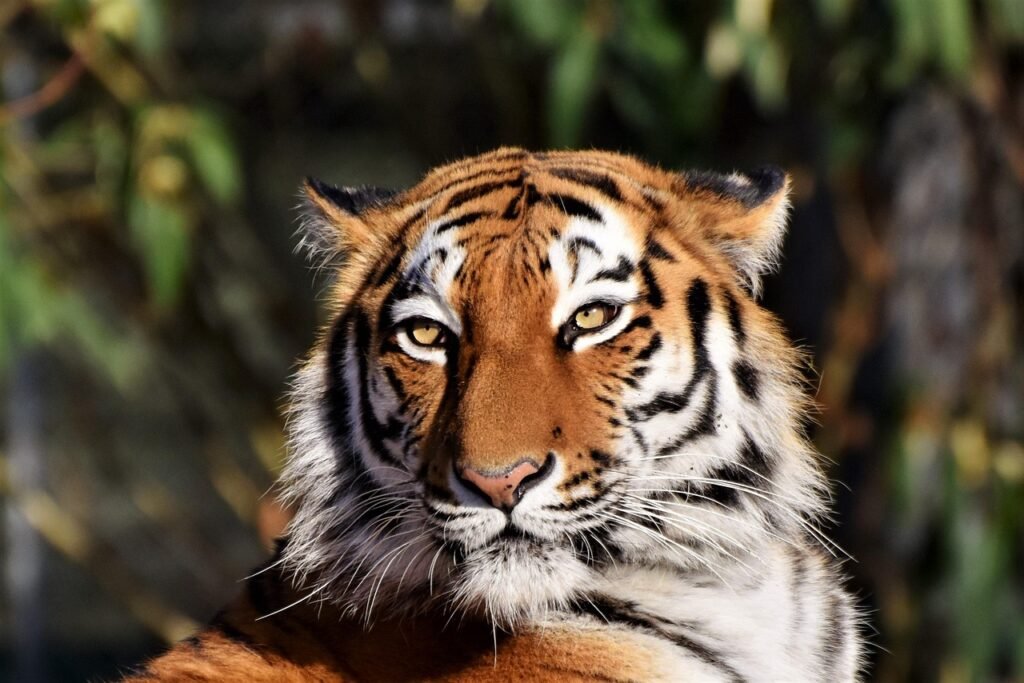
Tigers, once roamed vast parts of Asia, have suffered severe population declines due to poaching for their parts, habitat destruction, and human conflict. With fewer than 4,000 tigers left in the wild, these majestic animals are on the brink of extinction.
Supporting global initiatives such as the Global Tiger Recovery Program can lead to meaningful change. This includes contributing to ranger patrols, advocacy for legal reforms, and fostering community-based conservation projects to create sustainable livelihoods that reduce reliance on wildlife exploitation.
Snow Leopard: The Elusive Mountain Ghost
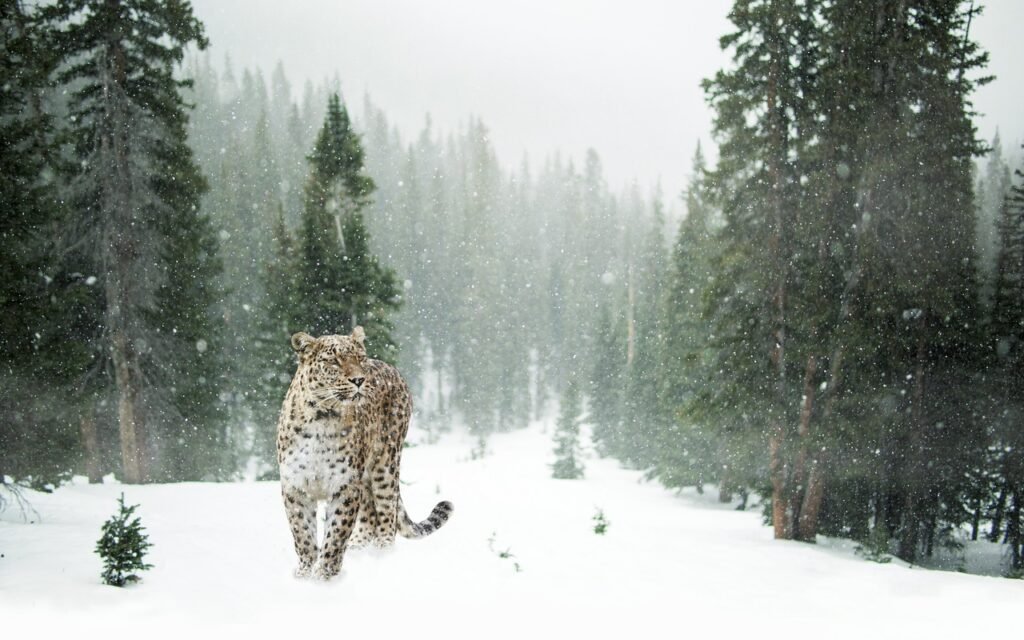
Residing primarily in the mountainous regions of Central and South Asia, the elusive snow leopard is threatened by poaching, climate change, and habitat fragmentation. As climate change alters their habitat, these cats are forced into smaller areas, increasing human-leopard conflicts.
To help snow leopards, support the Snow Leopard Trust, which works on community-based conservation programs and research initiatives. Engaging indigenous communities in conservation, promoting sustainable farming, and reducing retaliatory killings can facilitate a healthier coexistence.
Sumatran Tiger: A Distinctive Species on the Brink
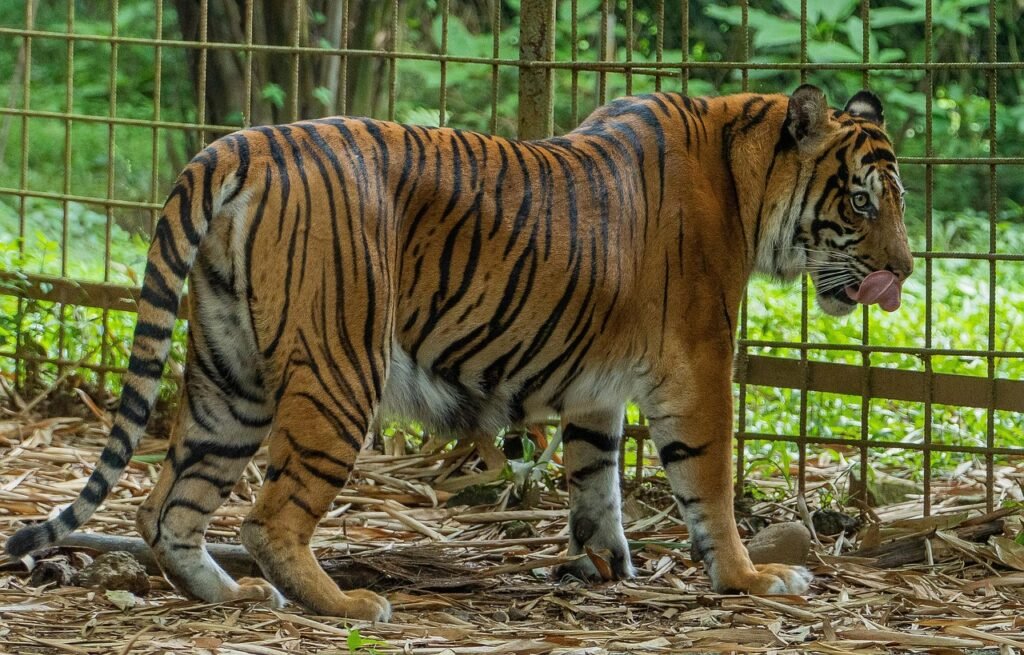
Found only on the Indonesian island of Sumatra, the Sumatran tiger faces critical dangers from palm oil plantation expansion, poaching, and forest fires. With fewer than 400 individuals in the wild, they require immediate and effective conservation action.
To protect these tigers, support organizations like the Sumatran Tiger Conservation Foundation. Advocacy efforts focused on sustainable palm oil production, addressing illegal logging, and creating more protected areas can make a vast difference in their survival rates.
CONCLUSION
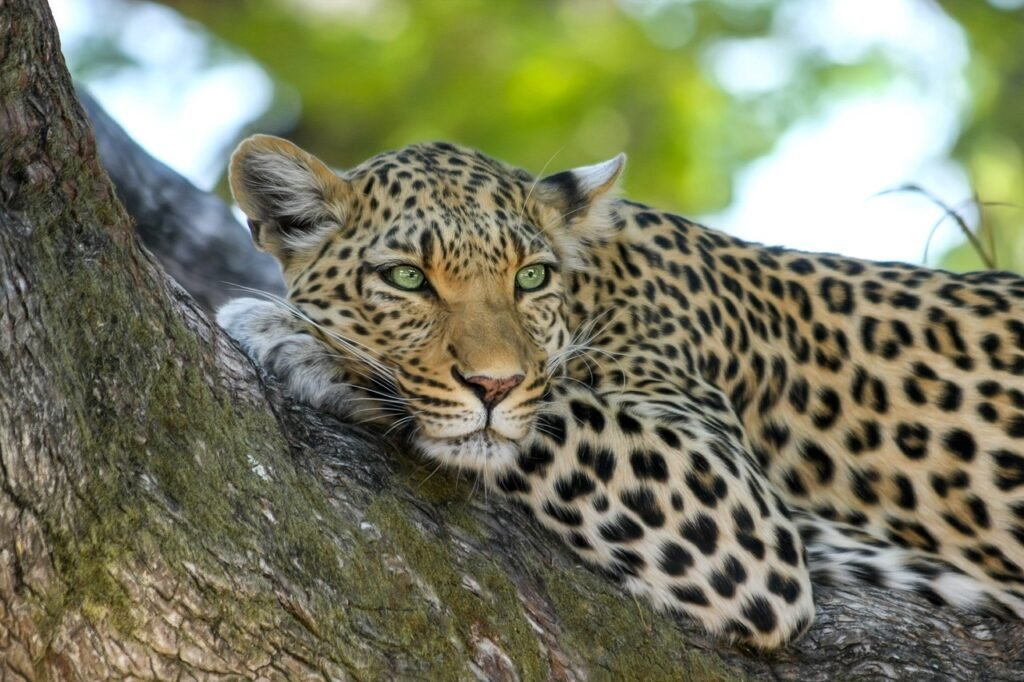
Protecting these endangered big cat species involves a concerted global effort. Conserving their habitats, enforcing anti-poaching laws, and working collaboratively with local communities are essential strategies. By supporting conservation organizations, raising awareness, and urging policymakers to prioritize wildlife conservation, we can help ensure the survival of these magnificent animals for future generations to marvel at and cherish.

Hi, I’m Bola, a passionate writer and creative strategist with a knack for crafting compelling content that educates, inspires, and connects. Over the years, I’ve honed my skills across various writing fields, including content creation, copywriting, online course development, and video scriptwriting.
When I’m not at my desk, you’ll find me exploring new ideas, reading books, or brainstorming creative ways to solve challenges. I believe that words have the power to transform, and I’m here to help you leverage that power for success.
Thanks for stopping by, Keep coming to this website to checkout new articles form me. You’d always love it!