
Cats have long been cherished companions in many households, and their mysterious yet affectionate nature often draws people in. When it comes to children, the relationship between them and their feline friends can be particularly special. Cats and children can develop a unique emotional bond that is both enriching and educational. As parents, understanding this dynamic can help foster a healthy and loving relationship between your child and their furry friend.
The Benefits of Cats for Children’s Emotional Development
Cats can play a significant role in a child’s emotional development. Their presence can teach children empathy, as they learn to interpret and respond to their cat’s needs and emotions. This interaction helps children understand non-verbal communication, a skill that is essential for building relationships with people. Moreover, taking care of a cat can instill a sense of responsibility in children, as they learn the importance of feeding, grooming, and caring for another living being. This responsibility can boost their self-esteem and provide a sense of accomplishment. Additionally, the unconditional love and companionship offered by a cat can be a source of comfort and emotional support for children, helping them cope with stress and anxiety.
Understanding the Cat’s Perspective
From a cat’s perspective, children can be both intriguing and intimidating. Cats are naturally cautious creatures, and the unpredictable nature of children might initially make them wary. However, with time and proper introduction, cats often grow fond of their young human companions. It’s important for parents to teach children how to approach and handle cats gently and respectfully. Cats appreciate a calm environment, and teaching children to respect their cat’s space can lead to a more harmonious relationship. Observing a cat’s body language can provide valuable insights into their comfort levels. For instance, a cat with a relaxed posture and purring is likely content, whereas a swishing tail or flattened ears may indicate stress.
Encouraging Positive Interactions

Creating a safe and positive environment for both cats and children is crucial for fostering a strong bond. Encouraging supervised playtime can help build trust and familiarity between them. Simple games like using a feather wand or a ball of yarn can provide endless entertainment and strengthen their connection. It’s essential to establish boundaries, teaching children what behaviors are acceptable and which ones might scare or upset the cat. Reinforcing positive interactions with treats or praise can encourage both children and cats to engage with each other in a loving manner. Remember, patience is key, and building this relationship takes time and understanding.
Recognizing the Therapeutic Effects
For many children, cats can serve as a form of therapy. Their soothing presence can be particularly beneficial for children with special needs or those experiencing emotional challenges. The act of petting a cat can reduce stress and promote relaxation, thanks to the rhythmic motion and the soft texture of a cat’s fur. Cats have an uncanny ability to sense their owner’s emotions and often provide comfort during difficult times. This therapeutic bond can help children express their feelings and develop emotional resilience. Parents should recognize and nurture this connection, as it can have long-lasting positive effects on a child’s mental well-being.
Building Lifelong Friendships

The bond formed between a child and their cat can lead to a lifelong friendship. As children grow, their relationship with their cat can evolve, becoming a source of stability and companionship. Cats often become a constant presence in a child’s life, providing comfort during transitions such as starting school or moving to a new home. These shared experiences can create cherished memories that last a lifetime. Encouraging children to participate in their cat’s care and activities can strengthen this connection, teaching them the value of friendship and loyalty.
Addressing Allergies and Health Concerns
While the bond between cats and children can be rewarding, it’s crucial to consider any potential health concerns. Some children may be allergic to cat dander, which can cause symptoms like sneezing, itching, or respiratory issues. If allergies are a concern, parents should consult with a healthcare professional for guidance. Regular grooming and maintaining a clean home can help minimize allergens. Additionally, ensuring that the cat is up-to-date on vaccinations and regular vet visits can prevent the transmission of any diseases. With proper precautions, most health concerns can be managed, allowing for a safe and happy relationship between children and cats.
Balancing Screen Time with Cat Time
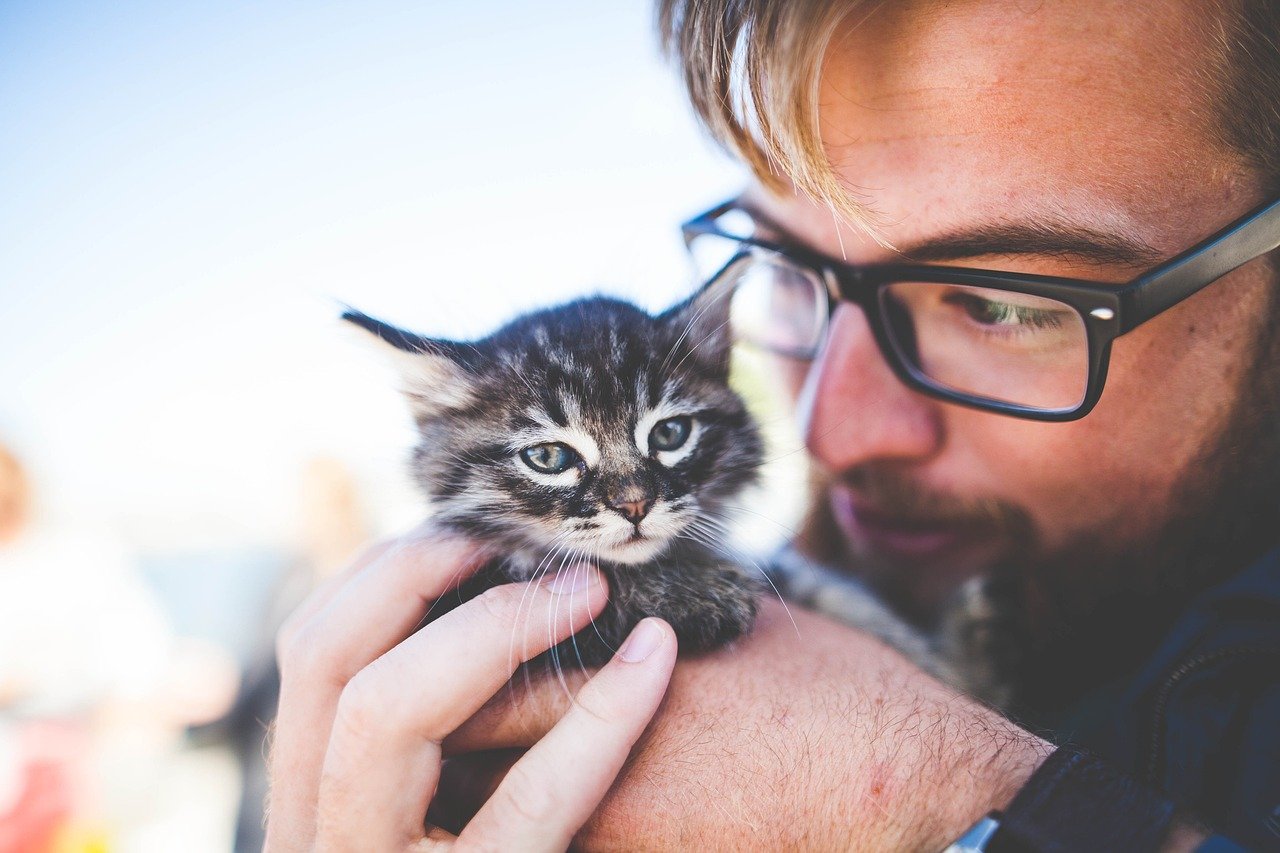
In today’s digital age, balancing screen time with meaningful interactions is more important than ever. Encouraging children to spend quality time with their cat can promote physical activity, creativity, and social skills. Cats can inspire imaginative play, storytelling, and even artistic expression, providing a healthy alternative to screen-based entertainment. Setting aside dedicated time each day for children to engage with their cat can strengthen their bond and create a routine that both the child and cat look forward to. This balance can lead to a more enriching and fulfilling lifestyle for children, fostering a deeper appreciation for their feline friend.
In conclusion, the emotional bond between cats and children is a dynamic and rewarding relationship that can enhance a child’s development and emotional well-being. By understanding and nurturing this connection, parents can create an environment where both their children and cats thrive together.
Linnea is a born and bred Swede but spends as much time as possible in Cape Town, South Africa. This is mainly due to Cape Town’s extraordinary scenery, wildlife, and atmosphere (in other words, because Cape Town is heaven on earth.) That being said, Sweden’s majestic forests forever hold a special place in her heart. Linnea spends as much time as she can close to the ocean collecting sea shells or in the park admiring puppies.