In the vast world of online pet marketplaces, finding your perfect feline companion can be both exciting and daunting. While many genuine breeders and sellers offer adorable cats, some deceitful scammers prey on unsuspecting cat lovers. Navigating these digital markets requires vigilance and awareness to ensure you don’t fall victim to a scam. This article delves into how you can spot cat scams in online pet marketplaces, providing you with insights to make your search safe and enjoyable.
Understanding the Online Pet Marketplace Landscape

The online pet marketplace is a bustling environment. It connects potential pet owners with sellers and breeders, making it easier to find a new furry friend. However, like any online platform, it is not immune to scams. Recognizing the legitimate platforms and understanding how they operate is crucial. Many genuine sites have stringent vetting processes for sellers, ensuring the safety and authenticity of transactions. Always check if the platform has good reviews and a robust customer support system. It’s similar to choosing a restaurant; you’d opt for one with positive reviews and a high hygiene rating.
Recognizing Red Flags in Seller Profiles
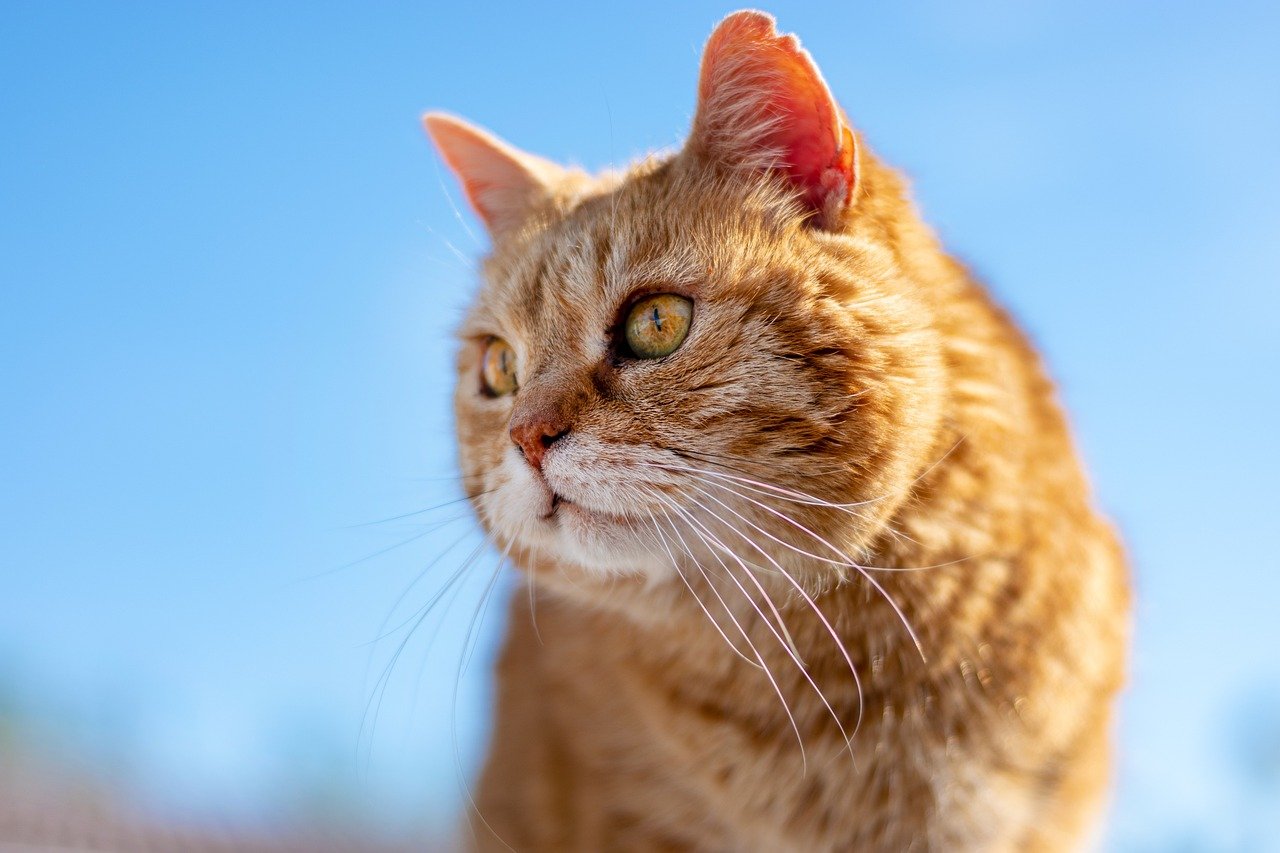
One of the first steps in identifying a scam is scrutinizing the seller’s profile. Genuine sellers often have detailed profiles with verified contact information and a history of positive interactions. On the other hand, scammers might have incomplete profiles, lacking basic details such as location or contact information. If the seller’s profile seems hastily put together or has vague descriptions, proceed with caution. It’s akin to meeting someone for the first time; if they seem evasive or overly secretive, you might question their intentions.
Too Good to Be True Offers
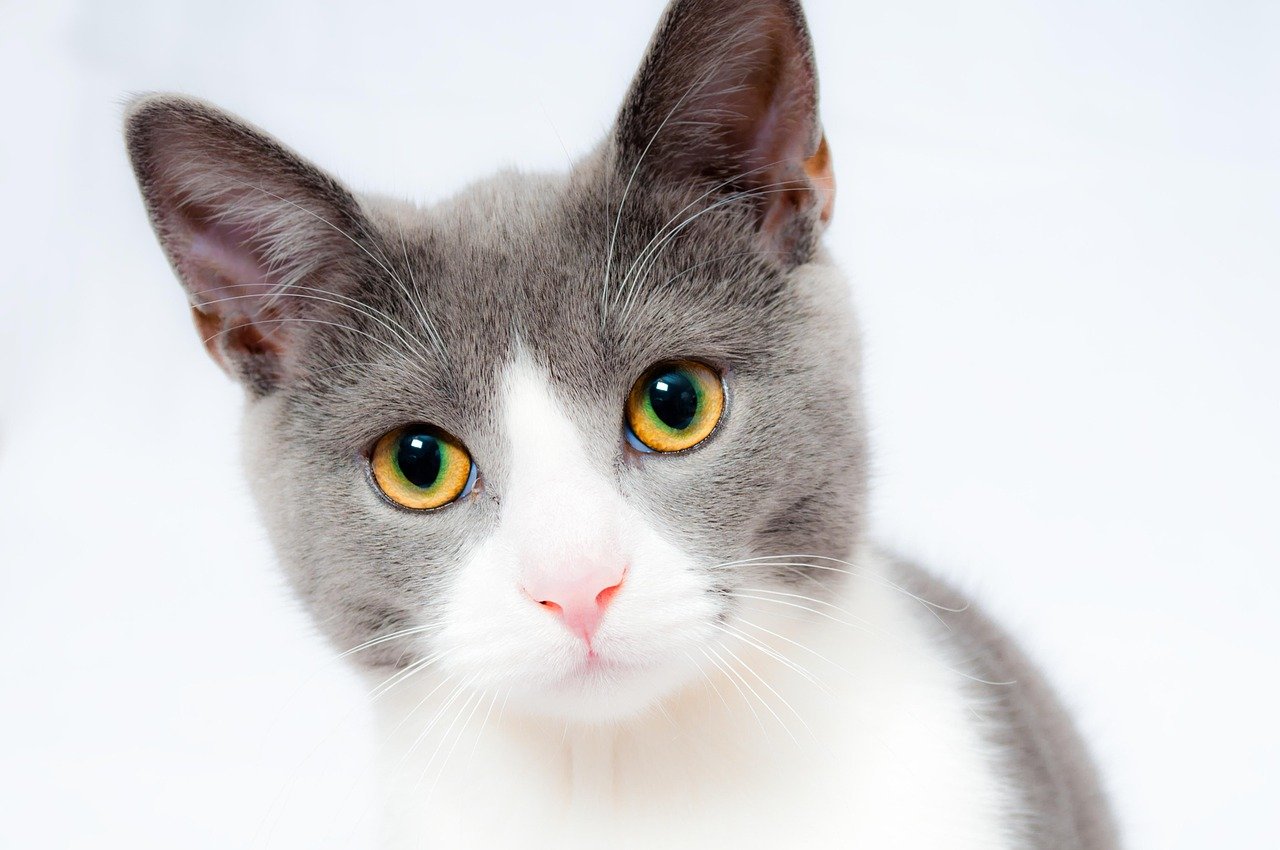
A common tactic used by scammers is offering pedigree cats at unbelievably low prices. If an offer seems too good to be true, it probably is. Scammers know that potential buyers may be lured by the prospect of acquiring a rare breed at a fraction of the cost. This is the classic bait-and-switch technique, where the offer is appealing, but the reality is far from it. Remember, quality comes at a price, and reputable breeders charge accordingly for their services and the care of the animals.
Payment Methods That Raise Eyebrows
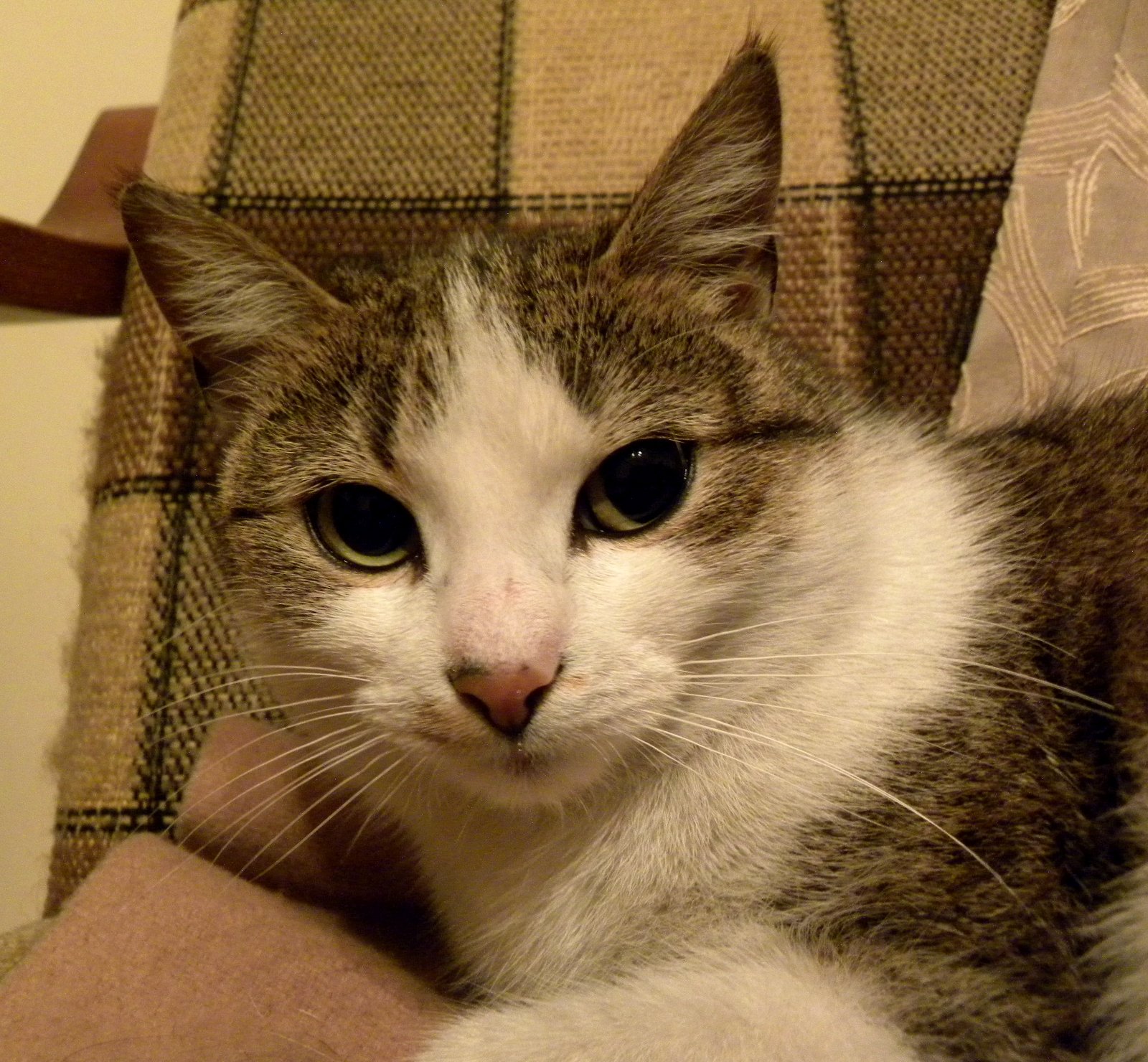
The mode of payment is a significant indicator of a scam. Scammers often insist on untraceable payment methods such as wire transfers or prepaid gift cards. They avoid secure payment platforms that offer buyer protection. A legitimate seller will typically offer multiple payment options, including credit cards or PayPal, which provide a safety net for buyers. Think of it like shopping online; you’d prefer using a credit card over handing cash to a stranger on the street.
Poor Quality or Stolen Photos

Examining the photos provided in the listing is essential. Scammers tend to use low-quality or stolen images from other sites. A reverse image search can reveal if the photos have been lifted from another source. Genuine sellers will have original images showcasing the cats in different settings, reflecting their current living conditions. It’s like looking at a friend’s holiday photos; you can tell which ones are authentic and which have been taken from a travel brochure.
Inconsistent Communication and High Pressure Tactics
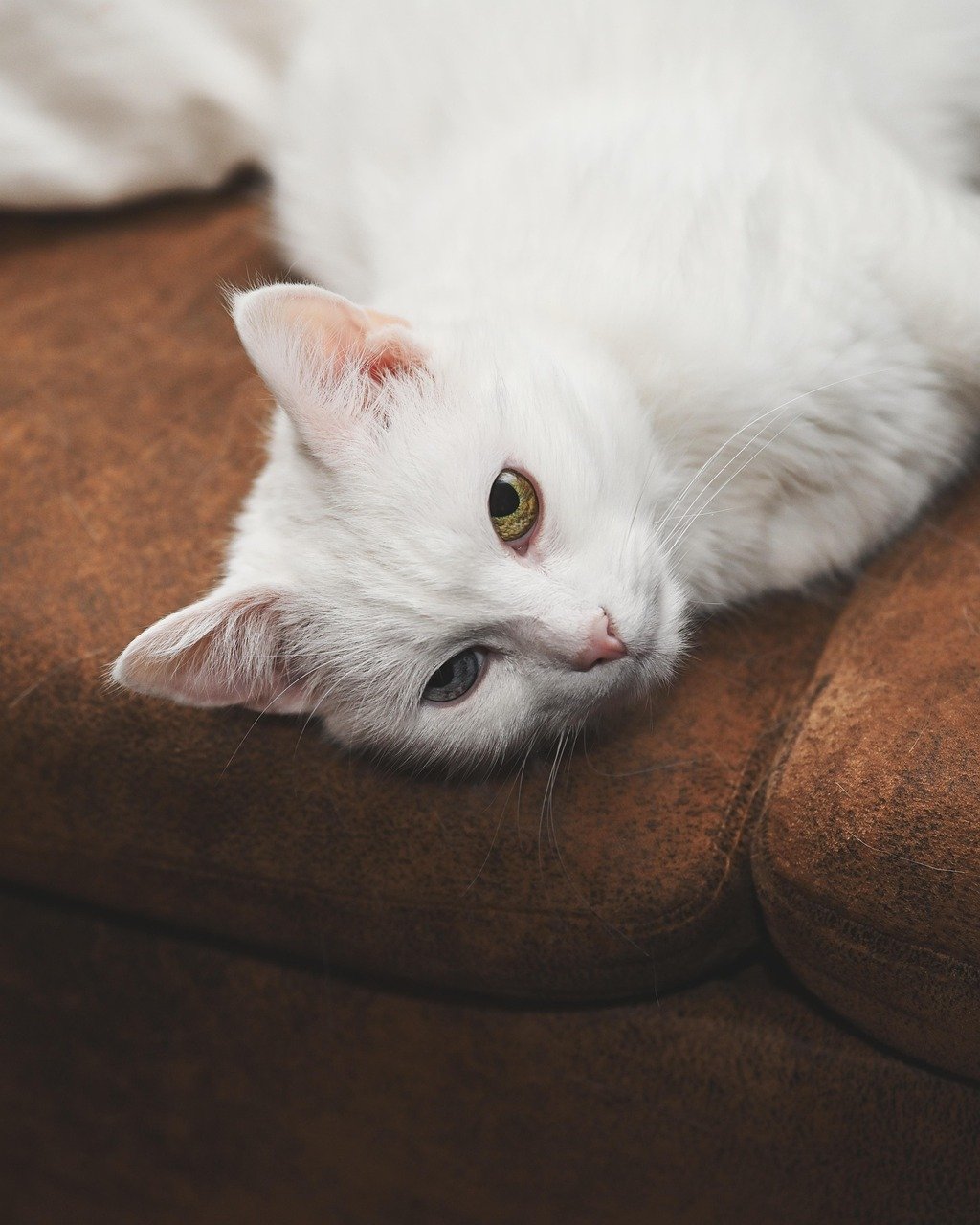
Communication is key when dealing with potential sellers. Scammers often exhibit inconsistent communication patterns, with delayed responses or overly generic replies. They may also employ high-pressure tactics, urging you to act quickly or risk losing the opportunity. Genuine sellers are patient and willing to answer questions, understanding the importance of making an informed decision. Imagine buying a car; you’d be wary of a dealer pushing you to sign immediately without allowing you to inspect the vehicle.
Unwillingness to Provide Additional Information
A trustworthy seller will be open to providing additional information about the cat, including health records and lineage details. Scammers, however, often evade such requests or provide vague answers. They might claim that the documents are unavailable due to technical issues or other excuses. This reluctance is a significant red flag. Think of it like requesting a product manual; if the seller hesitates, you’d question the authenticity of the product.
No Option for In-person Meetings

A genuine seller usually offers the possibility of meeting the cat in person before purchase. Scammers will often avoid this, citing various reasons such as distance or time constraints. They prefer keeping the transaction virtual to avoid revealing their deceit. In-person meetings allow you to verify the cat’s condition and temperament. It’s akin to buying shoes; you’d want to try them on before making a purchase, ensuring they fit comfortably.
Fake Reviews and Testimonials
Scammers sometimes create fake reviews and testimonials to appear credible. These reviews are often overly positive without any constructive feedback. Authentic reviews usually contain detailed experiences, both positive and negative, reflecting real interactions. Be cautious of profiles with a sudden influx of glowing testimonials, as these might be fabricated. It’s similar to product reviews online; those that sound too perfect may not be trustworthy.
Spotting Fake Documentation
Scammers may provide fake documentation to appear legitimate. These can include falsified health records or pedigree certificates. Genuine documents often have verifiable details such as vet contact information or registration numbers. If the documents appear tampered with or incomplete, request verification from the issuing body. It’s like checking the authenticity of a signature; you’d look for consistent handwriting and official stamps.
Understanding the Importance of Research
Research is your best ally in avoiding scams. Educate yourself about the breed you’re interested in and the average market price. Familiarize yourself with the common traits and behaviors of the breed to recognize any discrepancies in seller descriptions. Just as you would research a new gadget before buying, understanding the specifics of your desired cat breed can prevent potential mishaps.
Verifying Seller Credentials
Legitimate sellers often have credentials or affiliations with recognized breeding associations. Scammers rarely have such affiliations, and if they claim to, their memberships are often unverifiable. Request the seller’s credentials and verify them with the relevant authorities. It’s akin to checking a professional’s qualifications; you’d want to ensure they’re certified and recognized in their field.
Trusting Your Instincts
Sometimes, your instincts can be your best guide. If something feels off about a transaction, it’s worth taking a step back. Trust your gut feelings and prioritize your safety and peace of mind over a potentially risky deal. It’s like navigating through a dark alley; if it feels unsafe, it’s better to turn back and find a well-lit path.
Leveraging Online Communities
Online communities and forums dedicated to cat enthusiasts can be valuable resources. Members often share their experiences and provide recommendations for reputable sellers. These platforms can also alert you to known scams and fraudulent sellers. Think of it as joining a club; the collective knowledge and experiences of the group can guide you towards making informed choices.
Understanding Common Scammer Tactics

Being aware of common scammer tactics can help you stay one step ahead. Scammers often use emotional stories or claim urgent situations to elicit sympathy and rush decisions. Recognizing these tactics can prevent you from falling into their traps. It’s like being aware of phishing scams in your email; knowing what to look out for can protect you from potential threats.
Utilizing Secure Communication Channels
Secure communication channels can protect your personal information from falling into the wrong hands. Avoid sharing sensitive details over unsecured platforms and opt for encrypted messaging services. It’s similar to protecting your social media accounts; using strong passwords and secure channels can prevent unauthorized access.
Seeking Professional Advice
If you’re uncertain about a transaction, seeking advice from professionals can provide clarity. Vets, breeders, or trusted pet organizations can offer insights and verify the legitimacy of a seller. Consulting a professional is like getting a second opinion from a doctor; their expertise can confirm or challenge your initial assessment.
Recognizing Regional and Cultural Differences
Scammers may exploit regional or cultural differences to their advantage. They might claim to be from distant locations to justify certain irregularities. Being aware of these differences can help you identify inconsistencies in their stories. It’s akin to understanding cultural nuances when traveling; knowing local customs can prevent misunderstandings and potential scams.
Learning from Past Experiences
Reflecting on past experiences, whether personal or shared by others, can offer valuable lessons. Analyzing what went right or wrong in previous transactions can inform future decisions. It’s like reviewing past mistakes in a project; understanding them can pave the way for improved outcomes in the future.
In conclusion, navigating online pet marketplaces requires a keen eye and careful consideration. By arming yourself with knowledge and remaining vigilant, you can enjoy the process of finding your perfect feline companion while steering clear of deceitful scams.

Hi, I’m Bola, a passionate writer and creative strategist with a knack for crafting compelling content that educates, inspires, and connects. Over the years, I’ve honed my skills across various writing fields, including content creation, copywriting, online course development, and video scriptwriting.
When I’m not at my desk, you’ll find me exploring new ideas, reading books, or brainstorming creative ways to solve challenges. I believe that words have the power to transform, and I’m here to help you leverage that power for success.
Thanks for stopping by, Keep coming to this website to checkout new articles form me. You’d always love it!