Big cats have long captured the imaginations of humans with their grace, power, and mystique. However, many of these majestic creatures are facing the threat of extinction. Habitat destruction, poaching, and human-wildlife conflicts are some of the key factors driving these species to the brink. Yet, there is hope. By understanding their plight and taking action, we can help ensure that future generations will still have the chance to marvel at these incredible animals.
Tigers: The Struggle for Survival
Tigers, the largest of the big cats, are icons of strength and beauty. Unfortunately, they are also among the most endangered. With fewer than 4,000 left in the wild, tigers are primarily threatened by habitat loss and poaching. Forests, their natural homes, are being cleared for agriculture and human settlement. Poachers, driven by the demand for tiger parts in traditional medicine, continue to hunt these majestic creatures mercilessly. Conservation efforts like anti-poaching patrols and habitat restoration are crucial. By supporting organizations working on the ground, you can play a part in saving the tiger.
Lions: The King in Peril
Once reigning across the African continent and beyond, lions have seen their numbers dwindle dramatically. Habitat loss and conflicts with humans pose significant threats. As human communities expand, lions lose their hunting grounds, leading to clashes with livestock owners. Conservationists are working tirelessly to create protected areas and promote coexistence strategies between humans and lions. By raising awareness and supporting local conservation initiatives, you can help protect the king of the jungle.
Leopards: Masters of Camouflage
Leopards are known for their adaptability and elusive nature. However, even their stealth cannot shield them from the dangers they face. Habitat fragmentation and poaching have led to a decline in leopard populations. Unlike other big cats, leopards often venture closer to human settlements, increasing the chances of conflict. Conservationists are employing innovative techniques like camera traps to monitor their movements and protect their habitats. Supporting these efforts can make a difference in the survival of these spotted predators.
Snow Leopards: Ghosts of the Mountains
Snow leopards are often referred to as the “ghosts of the mountains” due to their elusive nature and remote habitats. These cats inhabit the rugged terrains of Central Asia but face threats from poaching and habitat degradation. Their thick fur and bones are highly valued in illegal wildlife trade, making them targets for poachers. Conservation initiatives focus on community-based efforts, encouraging local communities to protect these cats. By supporting eco-tourism and conservation programs, you can help safeguard the snow leopards’ fragile existence.
Cheetahs: Speed Demons in Danger

Cheetahs, the fastest land animals, are built for speed. Yet, they are struggling in the race for survival. Habitat loss and human-wildlife conflict are the primary threats to their existence. As grasslands are converted into farmlands, cheetahs lose their natural hunting grounds. Conservationists are working to establish wildlife corridors and promote coexistence with local communities. By supporting these initiatives, you can help ensure that the cheetah’s legacy of speed continues to inspire awe.
Jaguars: Guardians of the Rainforest

Jaguars, the largest cats in the Americas, are symbols of power and mystery. They thrive in the dense rainforests but are threatened by deforestation and illegal hunting. As forests are cleared for agriculture and mining, jaguars lose both their homes and prey. Conservation efforts focus on preserving large tracts of rainforest and implementing anti-poaching measures. By supporting organizations dedicated to rainforest conservation, you can contribute to the protection of the jaguar and its habitat.
Understanding the Importance of Big Cats
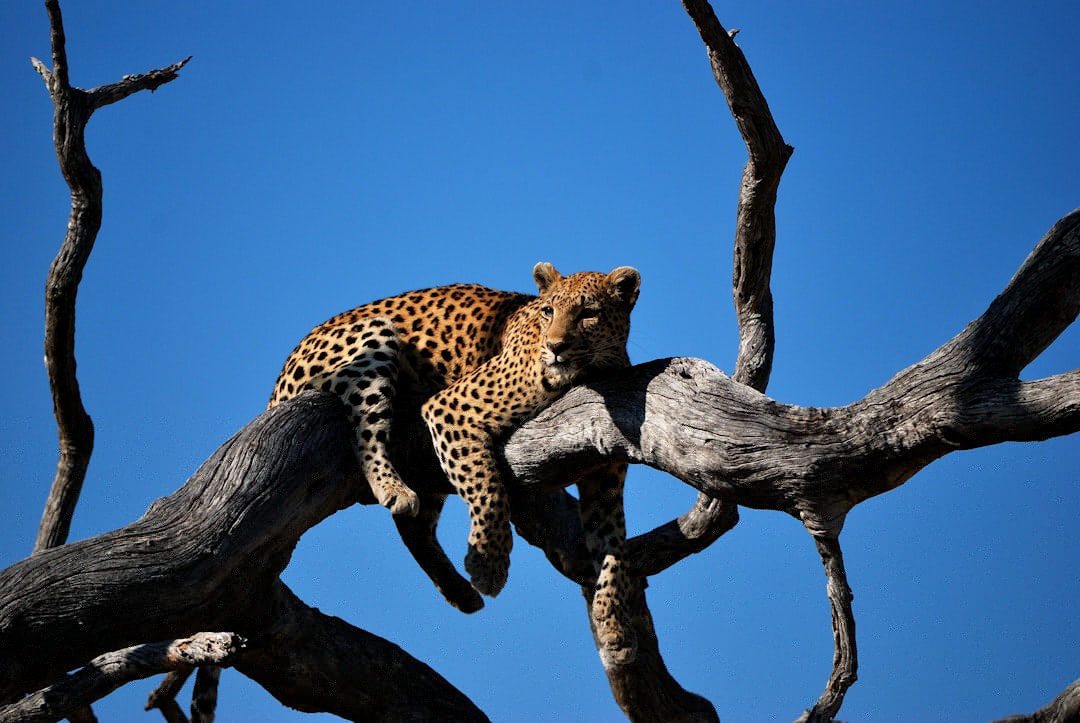
Big cats play a crucial role in maintaining the balance of ecosystems. As apex predators, they help regulate prey populations, which in turn affects the entire food chain. Their presence also indicates a healthy and functioning ecosystem. Protecting big cats is not just about saving individual species; it’s about preserving the intricate web of life they are part of. By learning about their ecological importance, we can appreciate the broader implications of their conservation.
The Impact of Human Activities
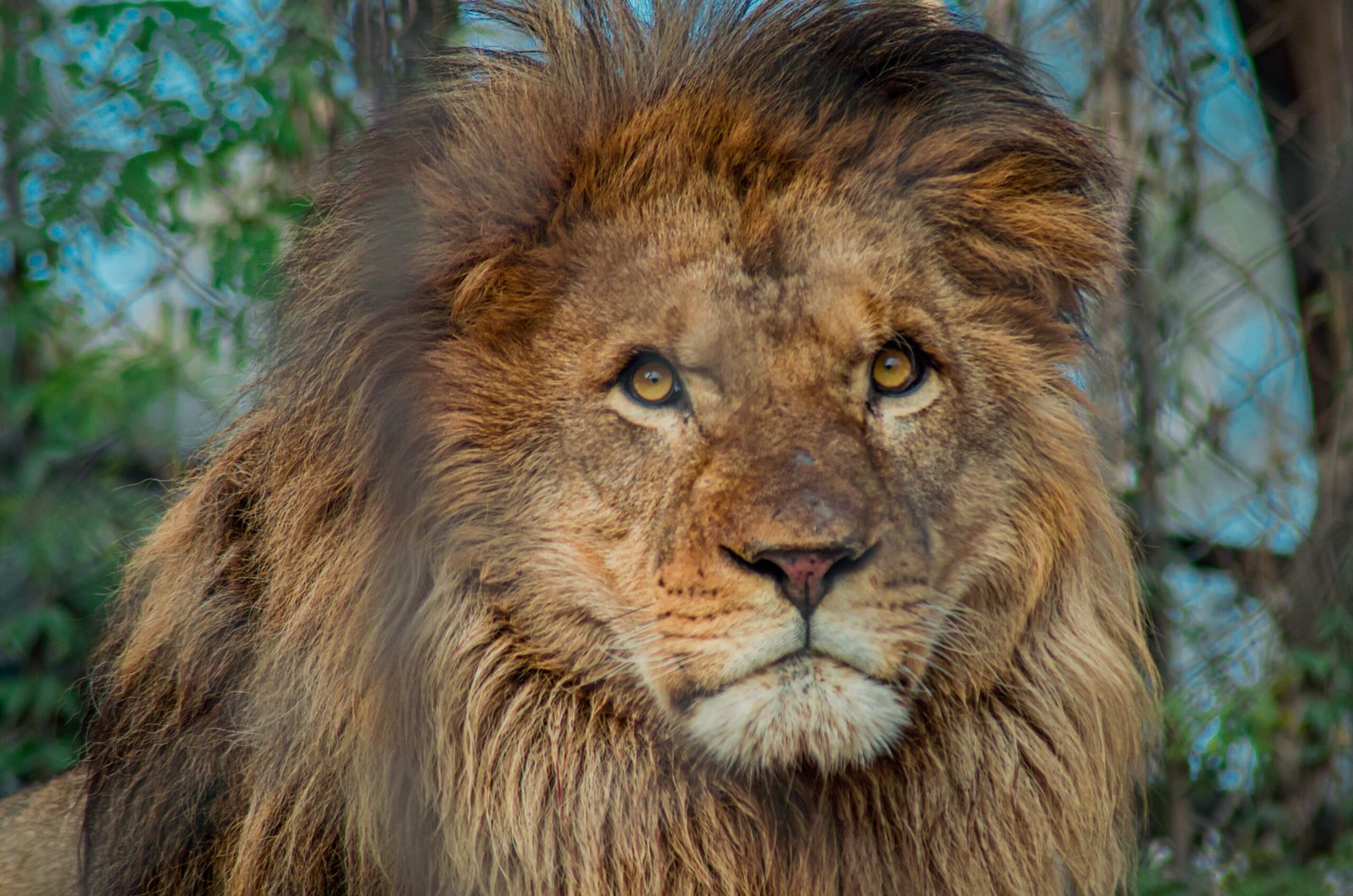
Human activities have a profound impact on the survival of big cats. Deforestation, urbanization, and agricultural expansion lead to habitat destruction. Poaching driven by demand for wildlife products further exacerbates the problem. Climate change also poses a threat by altering habitats and food availability. Understanding the interconnectedness of these issues is essential for effective conservation strategies. By reducing our ecological footprint and supporting sustainable practices, we can mitigate these impacts.
Community Involvement in Conservation
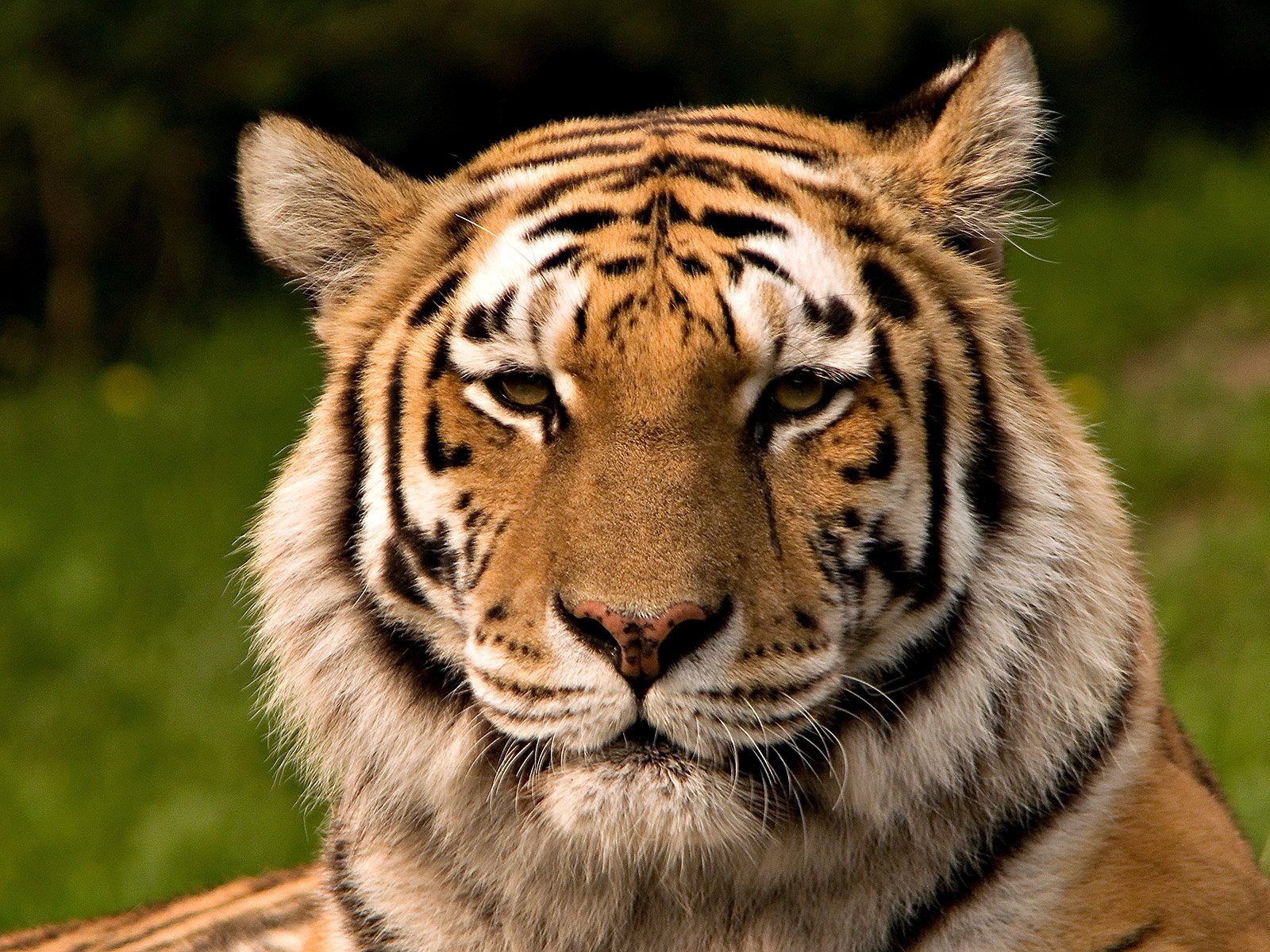
Local communities play a vital role in the conservation of big cats. Many conservation programs focus on empowering communities to protect wildlife and their habitats. Initiatives like community-based monitoring and eco-tourism provide alternative livelihoods and reduce reliance on poaching. By supporting community-led conservation efforts, we can create a win-win situation for both humans and big cats. Encouraging education and awareness within these communities fosters a sense of ownership and responsibility for wildlife protection.
The Role of Technology in Conservation

Technology is revolutionizing the way we approach wildlife conservation. Tools like GPS collars, camera traps, and drones provide invaluable data for monitoring big cat populations and their movements. These technologies help conservationists track poaching activities and assess habitat health. By supporting technological advancements in conservation, we can enhance the effectiveness of protection efforts. Public engagement with these technologies can also raise awareness and support for big cat conservation.
How You Can Make a Difference
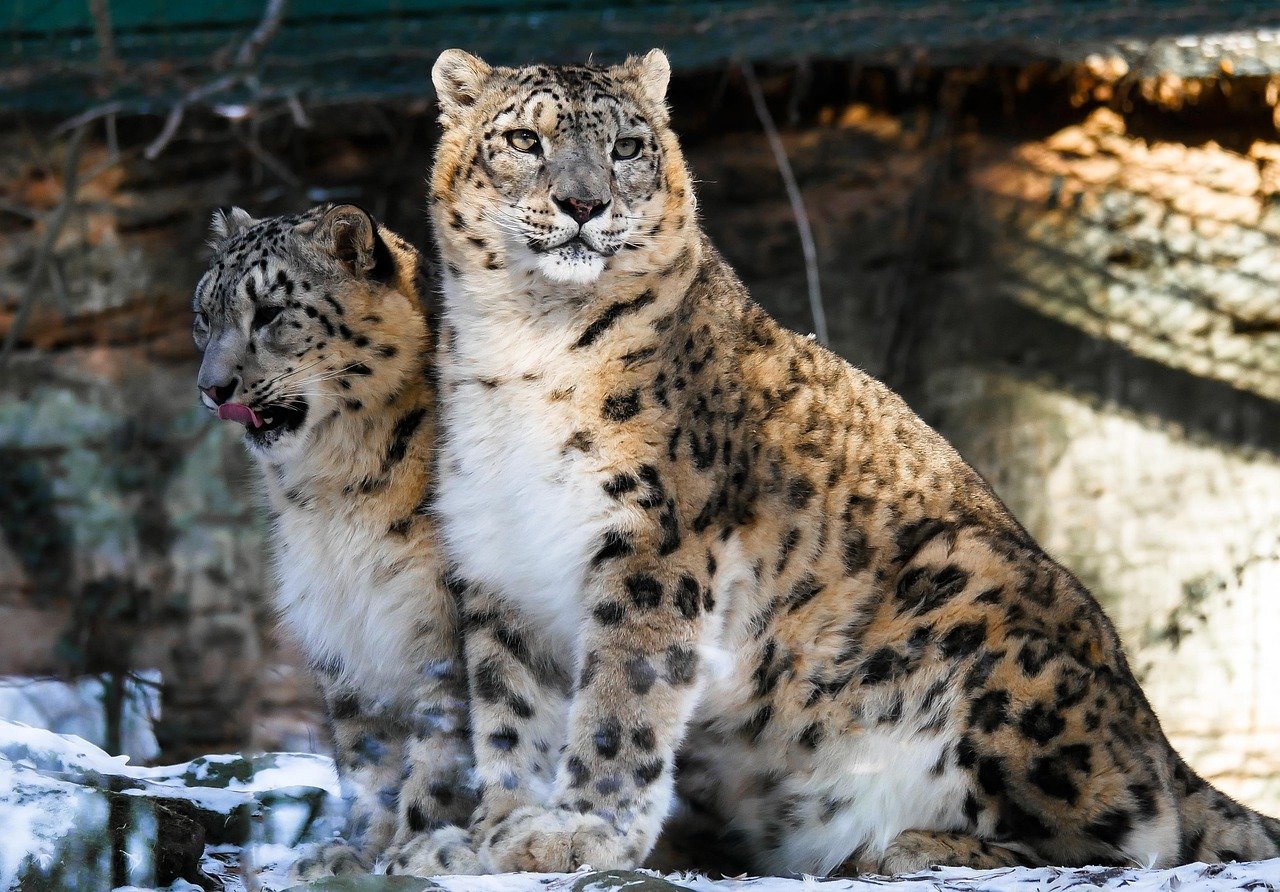
Every individual can play a role in the conservation of big cats. Simple actions like reducing waste, supporting ethical wildlife tourism, and donating to conservation organizations can have a significant impact. Educating yourself and others about the challenges facing big cats is equally important. By advocating for policies that protect wildlife and their habitats, you can contribute to a global effort to save these magnificent animals. Remember, every small action counts in the fight to preserve our planet’s biodiversity.
Supporting Conservation Organizations
Numerous organizations are dedicated to the conservation of big cats and their habitats. By supporting these organizations, you can directly contribute to their efforts. Donations fund anti-poaching patrols, habitat restoration, and community engagement programs. Volunteering your time or skills can also make a difference. Researching and choosing reputable organizations ensures that your contributions are used effectively. Together, we can support the tireless work of those on the front lines of big cat conservation.
Promoting Coexistence Between Humans and Big Cats
Finding ways for humans and big cats to coexist is crucial for their survival. Conservationists are developing strategies to reduce conflicts, such as creating wildlife corridors and implementing livestock protection measures. Educating communities about the value of big cats and the benefits of coexistence is essential. By promoting understanding and tolerance, we can create a harmonious relationship between humans and wildlife. Supporting these efforts helps ensure a future where big cats and humans can thrive together.
Raising Awareness Through Education

Education is a powerful tool in the fight to save big cats. By raising awareness about the threats they face and the importance of conservation, we can inspire action. Educational programs in schools and communities can foster a love for wildlife and a sense of responsibility for their protection. Sharing information through social media and other platforms can reach a wider audience and amplify the message. By prioritizing education, we can cultivate a generation of conservation advocates.
The Power of Storytelling in Conservation
Stories have the power to connect people with causes and inspire change. Sharing stories of big cats and their struggles can evoke empathy and motivate action. Documentaries, books, and articles can highlight the beauty and plight of these animals, reaching a global audience. By supporting and sharing these stories, we can amplify the call for conservation. Every story has the potential to spark a movement and drive positive change for big cats.
Challenges in Big Cat Conservation
Conserving big cats is fraught with challenges. Limited resources, political instability, and the ever-present threat of poaching are just a few obstacles. Balancing the needs of wildlife with those of human communities adds complexity to conservation efforts. Despite these challenges, dedicated individuals and organizations continue to work tirelessly to protect big cats. Understanding these challenges can help us appreciate the importance of supporting their efforts and advocating for sustainable solutions.
The Future of Big Cat Conservation
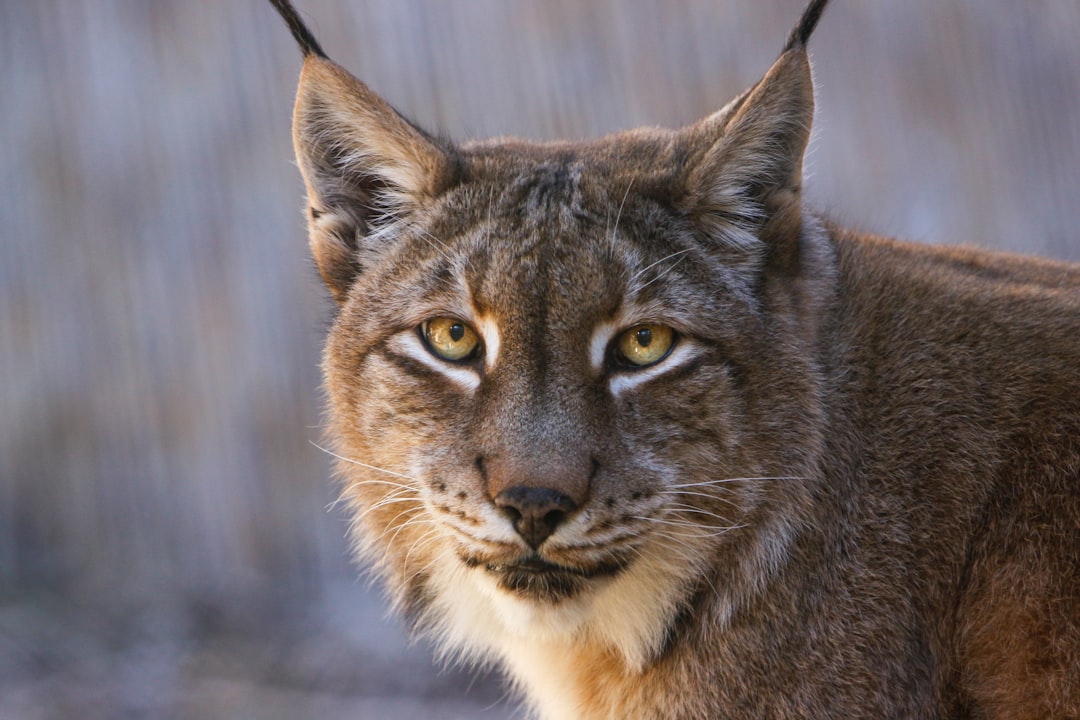
The future of big cat conservation depends on collective action and innovative solutions. Collaborative efforts between governments, NGOs, and local communities are essential for success. Embracing new technologies and strategies can enhance conservation outcomes. By staying informed and engaged, we can contribute to a hopeful future for big cats. Our actions today will determine whether these magnificent creatures continue to roam the wild landscapes of our planet.
The Importance of Biodiversity
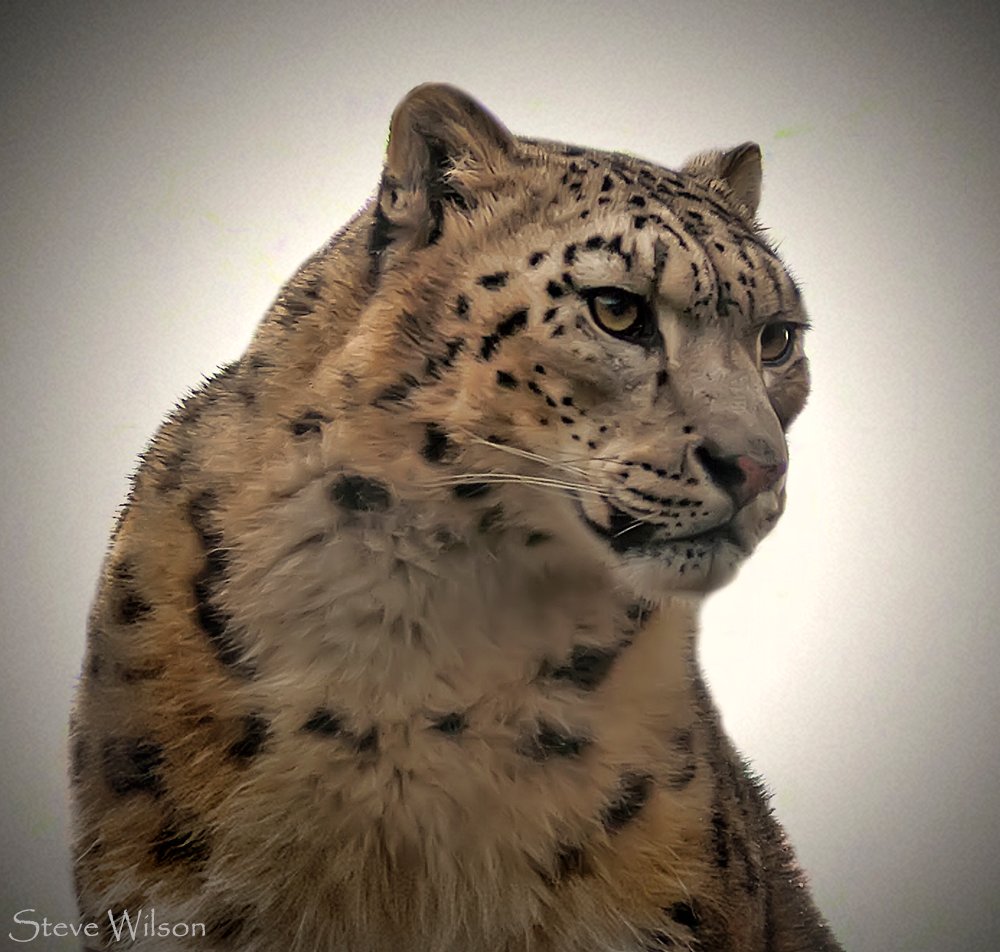
Big cats are integral to the biodiversity of their ecosystems. Biodiversity ensures the stability and resilience of ecosystems, providing benefits like clean air, water, and fertile soil. Protecting big cats means preserving the intricate web of life they are part of. By championing biodiversity conservation, we can safeguard the health of our planet and the well-being of future generations. Recognizing the interconnectedness of all living things is key to fostering a sustainable world.
Taking Action for Big Cats
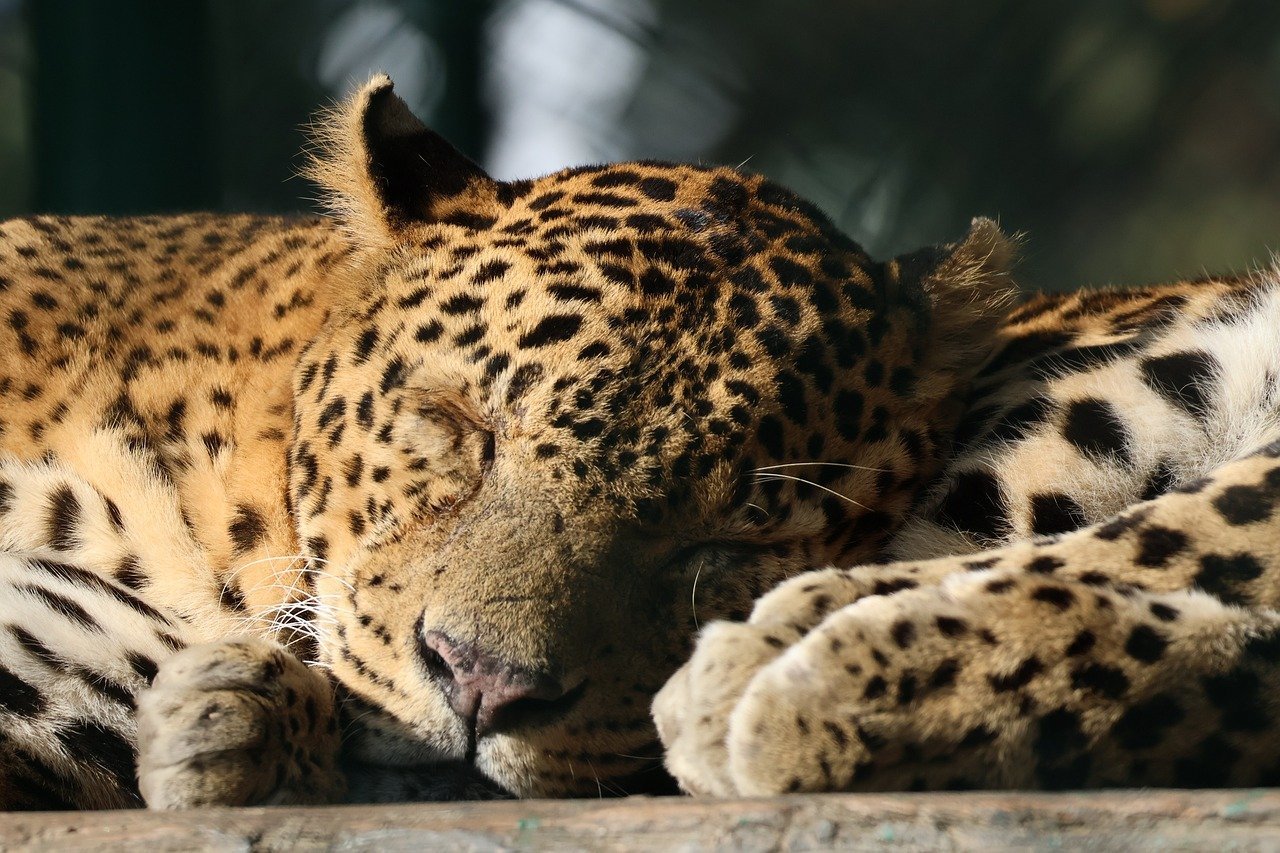
Taking action to protect big cats is a collective responsibility. By supporting conservation efforts, reducing our ecological footprint, and advocating for wildlife protection policies, we can make a difference. Simple everyday choices, like choosing sustainable products and supporting ethical tourism, contribute to conservation. Engaging with others and spreading the message of big cat conservation amplifies our impact. Together, we can ensure that these magnificent creatures continue to roam the Earth for generations to come.

Hi, I’m Bola, a passionate writer and creative strategist with a knack for crafting compelling content that educates, inspires, and connects. Over the years, I’ve honed my skills across various writing fields, including content creation, copywriting, online course development, and video scriptwriting.
When I’m not at my desk, you’ll find me exploring new ideas, reading books, or brainstorming creative ways to solve challenges. I believe that words have the power to transform, and I’m here to help you leverage that power for success.
Thanks for stopping by, Keep coming to this website to checkout new articles form me. You’d always love it!