
Cats are fascinating creatures, possessing a unique blend of independence and affection that can sometimes be puzzling to their human companions. For those who share their lives with these enigmatic pets, understanding the way cats express love and affection is crucial. This article delves into the various ways cats communicate their fondness, revealing the subtle and not-so-subtle signs of feline affection. Whether you’re a seasoned cat owner or a curious newcomer, this guide will help you decode the mysterious language of cat love.
Understanding the Purr: More Than Just a Sound
The gentle, rhythmic sound of a cat’s purr is often associated with contentment, but it can convey much more. Purring is a versatile tool in a cat’s communication arsenal. While it often signifies happiness and relaxation, cats may also purr when they’re feeling anxious or unwell. It’s their way of self-soothing, much like a human humming to calm their nerves. When your cat purrs while nestled beside you, it’s a sign they’re comfortable and happy in your presence. Just as a warm hug can convey affection between humans, a purring cat is extending a similar gesture of trust and love.
Slow Blinks: The Feline Kiss
One of the most heartwarming signs of cat affection is the slow blink. When a cat gazes at you and slowly closes its eyes, it’s akin to a human kiss. This gesture demonstrates trust, as closing their eyes makes them vulnerable. If you want to return the favor, try slowly blinking back at your cat. This mutual exchange can strengthen your bond and reassure your feline friend that the affection is mutual. It’s like a silent conversation of love, where words aren’t needed, only the gentle closing of the eyes.
Head Butts and Cheek Rubs: Marking Their Territory
Cats have scent glands on their cheeks and forehead, and when they head butt or rub their face against you, they’re marking you with their scent. This behavior is a sign of ownership and affection. It’s their way of saying, “You’re mine, and I adore you.” Much like a child clinging to a beloved toy, your cat is expressing deep attachment. The next time your cat rubs against you, know it’s not just seeking a scratch; it’s sharing a piece of its heart with you.
Tail Language: The Mood Indicator
A cat’s tail is a dynamic tool that conveys a wide range of emotions. When a cat approaches you with its tail held high, it’s a sign of confidence and friendliness. This is their way of greeting you warmly. On the other hand, a twitching or puffed-up tail might signal irritation or fear. Understanding these subtle cues is like learning to read between the lines in a conversation. By paying attention to your cat’s tail language, you can better understand their mood and respond appropriately.
Kneading: A Comforting Gesture
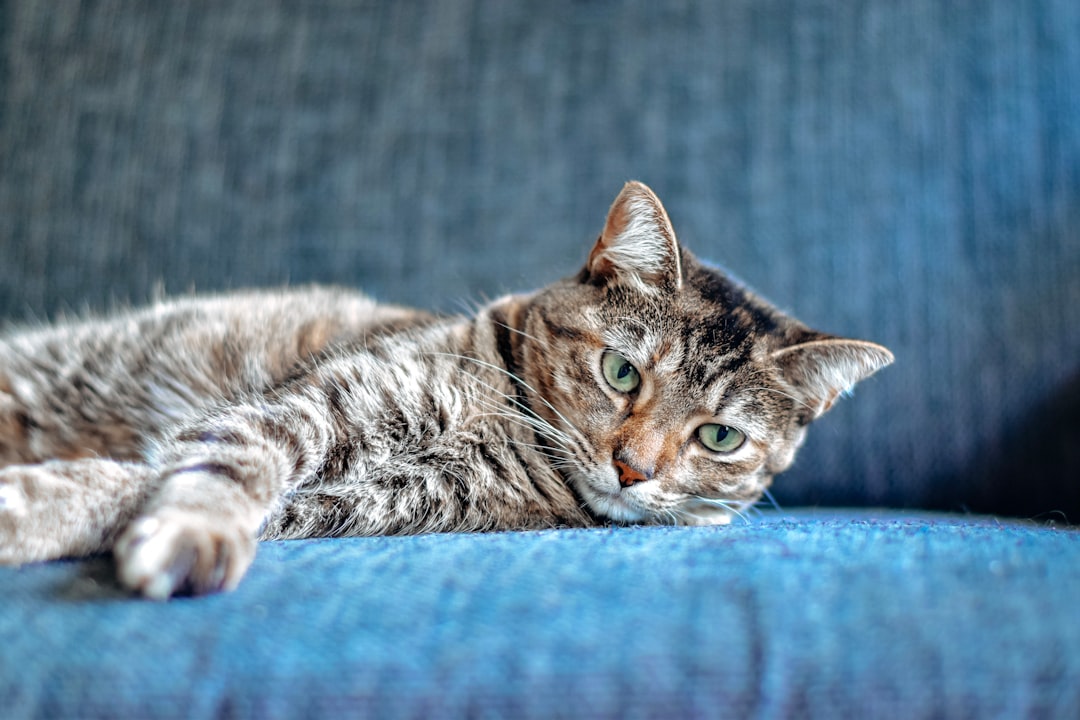
When cats knead, or “make biscuits,” they’re engaging in a behavior rooted in kittenhood. This rhythmic motion, pressing their paws into a soft surface, is reminiscent of nursing. As adults, cats knead when they’re feeling content and secure. It’s a comforting gesture, akin to a human wrapping themselves in a cozy blanket. If your cat kneads on you, consider it a high compliment. They’re expressing their love and trust, and they’re choosing you as their safe haven.
Vocalizations: The Melody of Love
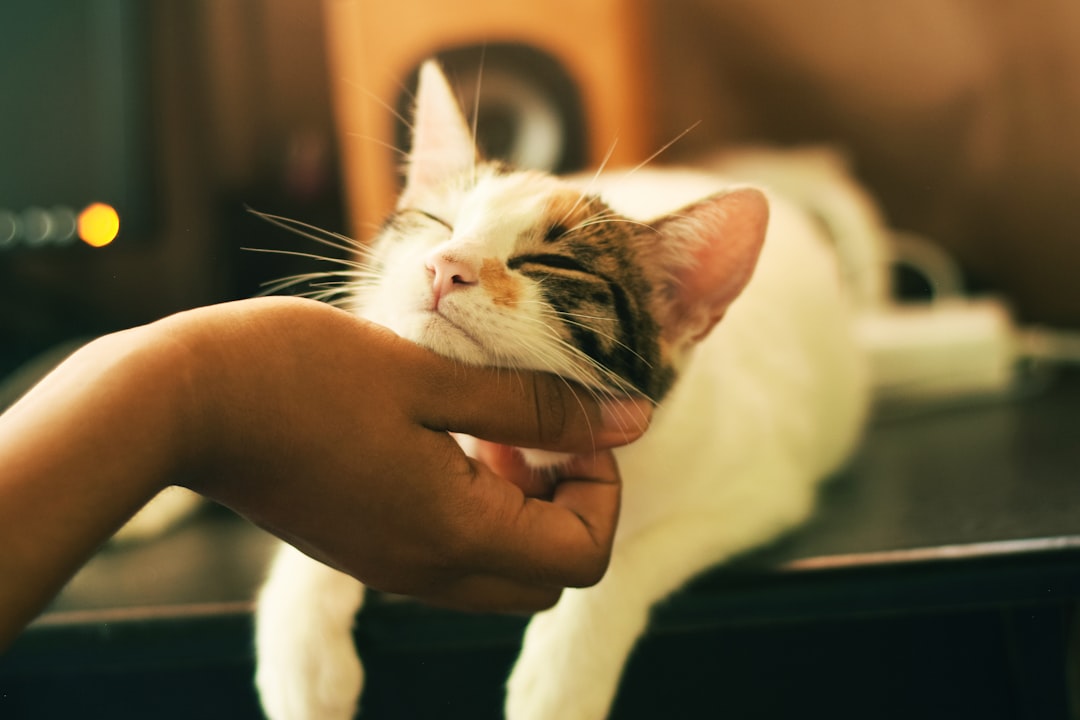
Cats are known for their diverse range of vocalizations, each with its own meaning. From the gentle trill to the insistent meow, these sounds are a cat’s way of communicating with their humans. Some cats are more vocal than others, using their voices to express affection or demand attention. Listening to your cat’s unique sounds is like enjoying a personalized symphony. By tuning into these vocal cues, you can deepen your understanding of your cat’s desires and emotions, fostering a stronger connection.
In conclusion, understanding the language of cat affection is a rewarding endeavor that enhances the bond between you and your feline companion. By recognizing and responding to these unique expressions of love, you can create a harmonious and fulfilling relationship with your cat.
Growing up traveling and experiencing new cultures and wonders, I have had a passion for nature, adventuring, photography, and videography. I am currently working towards a BSc in Biodiversity and Ecology at Stellenbosch University, and I hope to specialise in Marine Sciences one day.
Please send any feedback to Feedback@animalsaroundtheglobe.com