How to Tell If a Cat Is Waiting for You to Initiate Affection
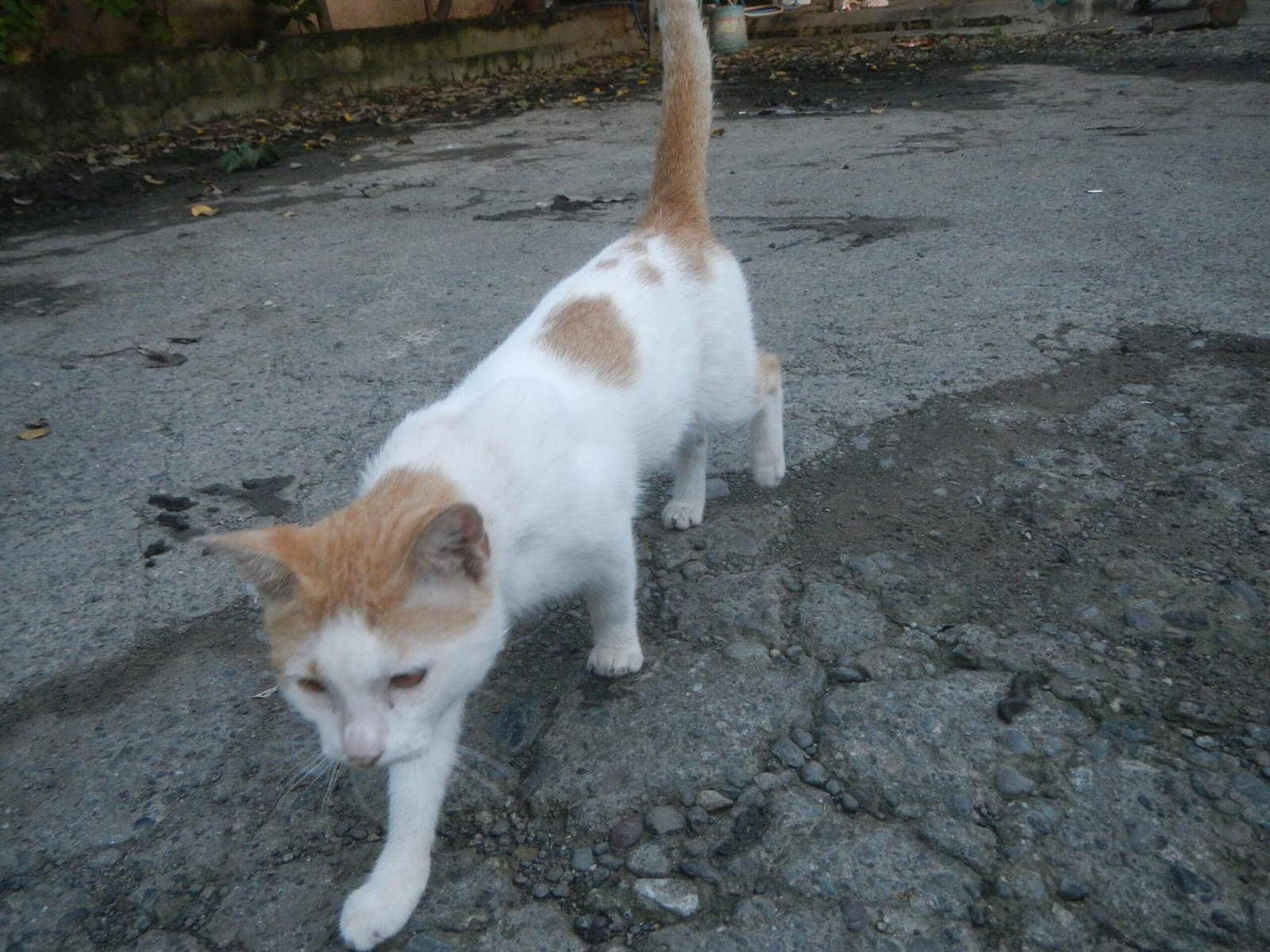
Have you ever caught your cat watching you with those big, curious eyes and wondered, “Do they want some love, or are they plotting their next escape?” The truth is, cats are mysterious creatures who communicate in ways that can sometimes seem like a riddle. But what if you could crack their secret code? Unlocking the subtle signs that your feline friend wants affection isn’t just heartwarming—it can transform your bond and fill your home with even more purrs. Let’s dive into the captivating world of cat behavior and discover the unmistakable signals that your kitty is inviting you to start the cuddle party.
Lingering Eye Contact and Slow Blinks

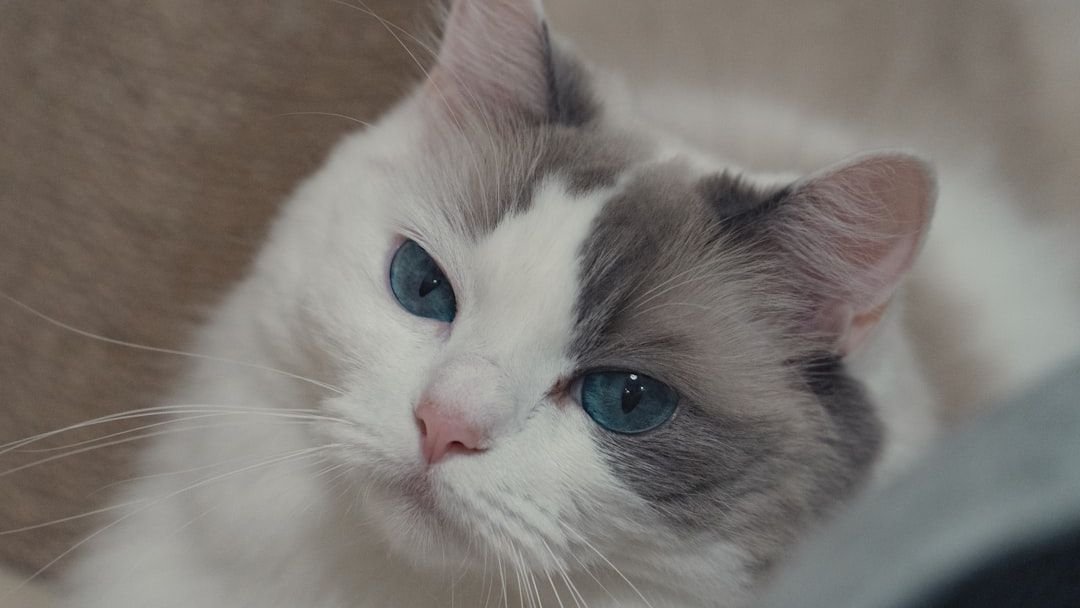
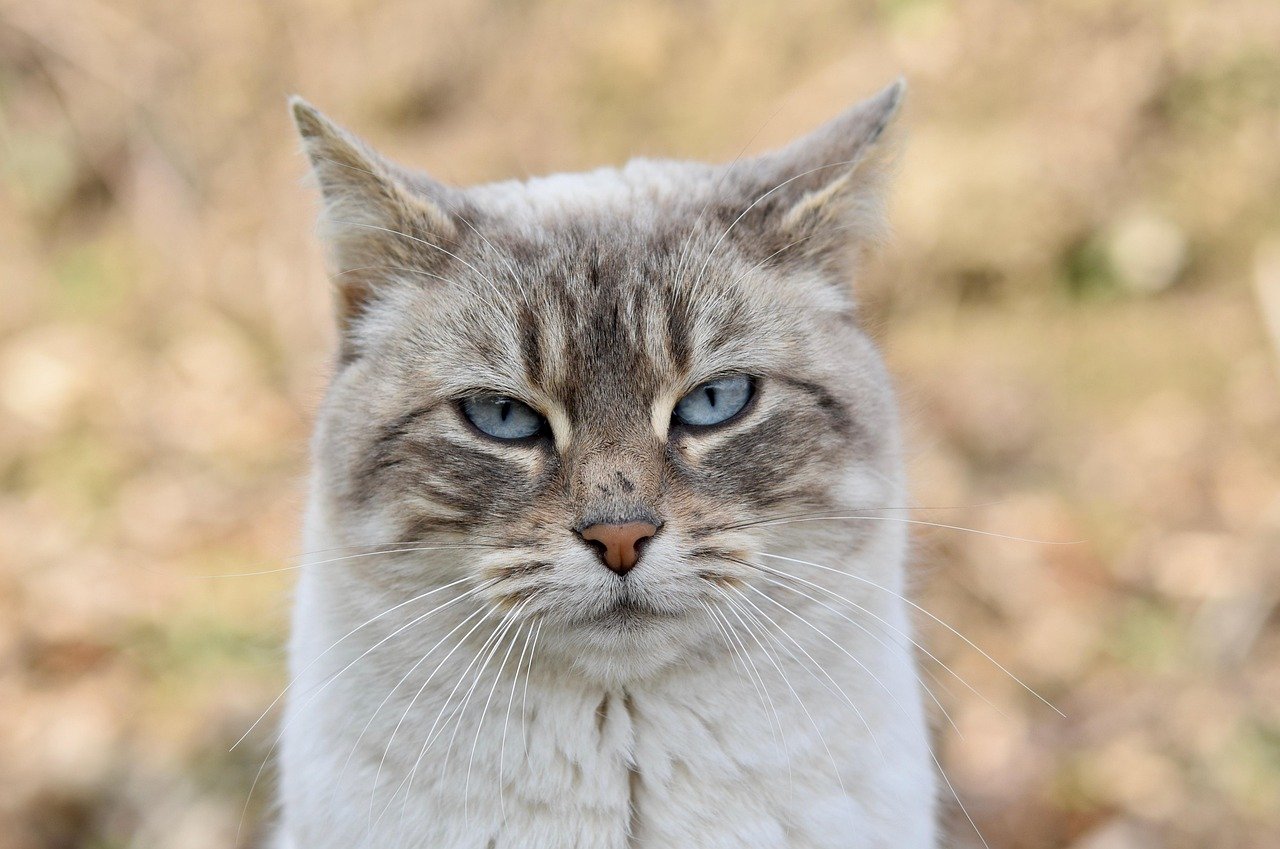
A cat’s eyes say much more than words ever could. If your cat is gazing at you and blinking slowly, it’s like they’re sending a gentle kiss from across the room. This slow blink is a universal cat sign for trust and love. When a cat holds your gaze and then closes their eyes slowly, they’re telling you, “I feel safe with you.” Don’t be surprised if you find yourself unconsciously returning the gesture—it’s a beautiful way to connect. If you notice this, it’s often a hint that your cat is hoping you’ll approach. Think of it as your invitation to start a gentle petting session. Ignoring this subtle sign might mean missing out on a magical moment.
Sitting or Lying Down Near You
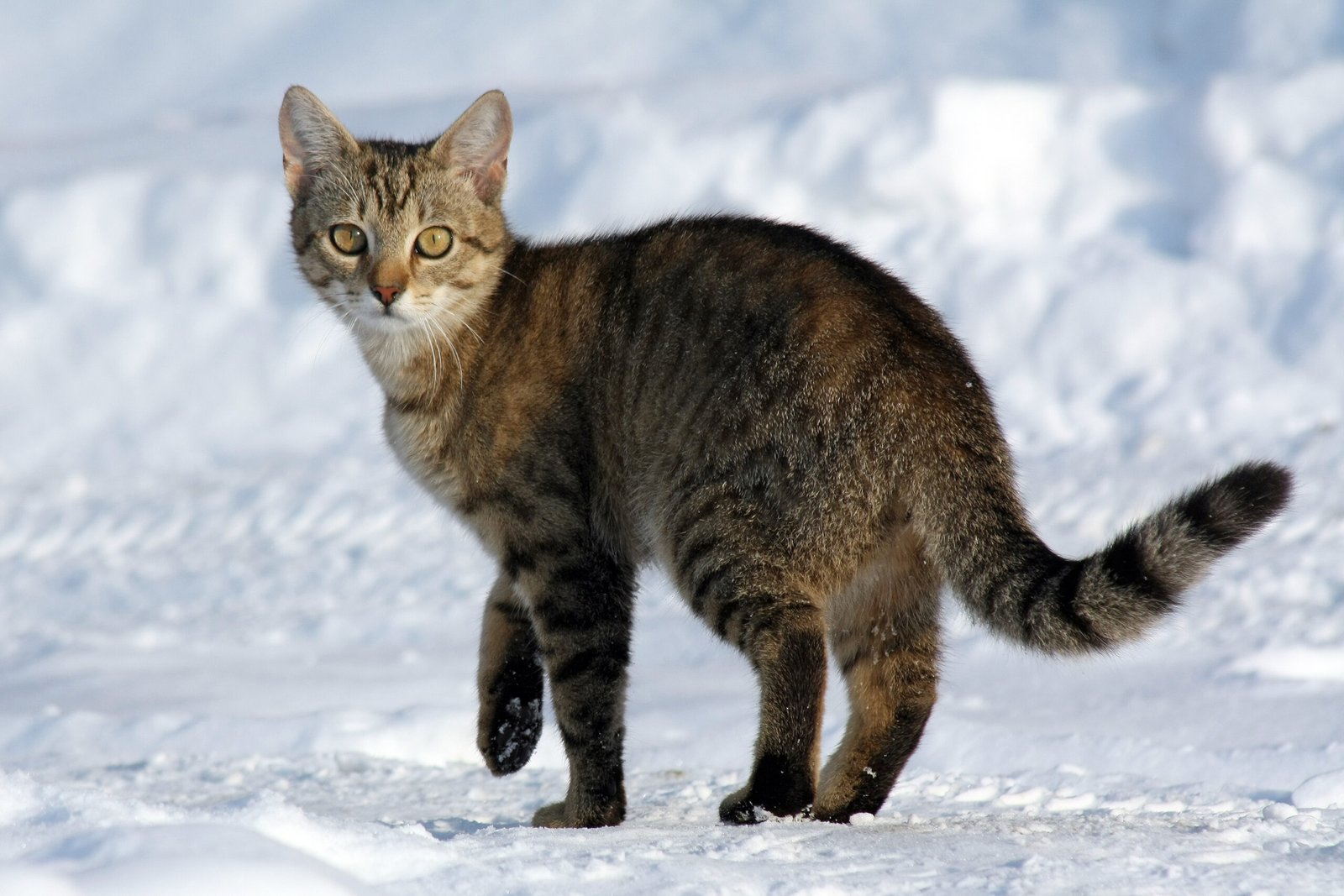
When a cat positions themselves close by without actually touching you, they’re telling you something important. This isn’t just about proximity—it’s about comfort and trust. Cats naturally seek out spaces where they feel secure, and if you’re their chosen spot, that’s an honor. It’s common for cats to sit just out of arm’s reach, waiting to see if you’ll initiate the first move. This behavior is especially common in shy or independent cats who want affection but prefer you to make the first gesture. If your cat consistently chooses your general area, it’s a gentle nudge for you to reach out.
Subtle Tail Movements
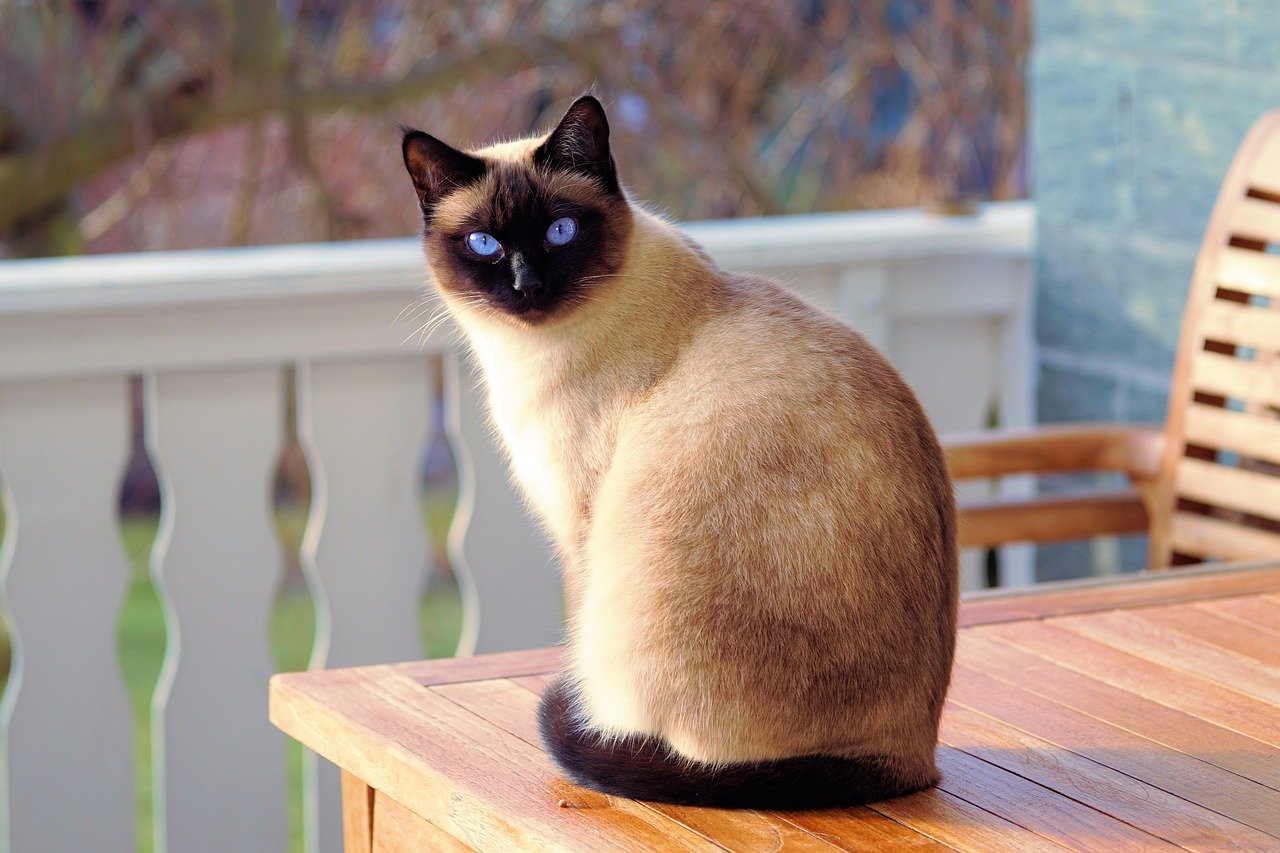
A cat’s tail is like an emotional barometer. If you see your cat’s tail softly flicking or curling around their paws while they look at you, they’re probably feeling calm and open to interaction. Unlike a bushy, swishing tail—which signals agitation—a relaxed, swaying tail means your cat is content. Sometimes, a cat will wrap their tail around themselves and glance your way, as if saying, “I’m here and waiting.” Paying attention to these subtle cues can help you know when it’s the perfect time to reach out and offer affection.
Soft Vocalizations and Gentle Meows

Not all cats are chatty, but when they do speak up, their message is worth hearing. If your cat softly meows or trills when you enter a room, it’s often a greeting or an invitation. Pay attention to the tone—a gentle, rising meow usually means they’re happy to see you and might want some attention. Some cats will even purr quietly as they wait, hoping you’ll notice them. Vocal cues are one of the more direct ways cats ask for your affection, but remember, a loud, demanding meow is more likely a request for food than love.
Presenting Their Head or Cheeks

When a cat approaches you and lowers their head or nudges you with their cheeks, it’s a clear sign they want contact. This behavior is rooted in their instinct to mark you with their scent glands, claiming you as part of their territory. Think of this as the ultimate feline compliment—they want you to pet them, especially around the cheeks and forehead. If your cat repeatedly offers their head, it’s a sign they’re waiting for you to initiate affection. Don’t hesitate to gently scratch or rub the offered area; it’s exactly what your cat craves.
Rolling Over and Exposing Their Belly

A cat showing you their belly is a big deal. This vulnerable pose isn’t just about stretching; it’s a powerful display of trust. While some cats love belly rubs, others might not want a full-on petting session but simply want you to acknowledge their trust. If your cat rolls over and looks at you expectantly, they’re likely inviting you to initiate gentle affection. Always approach this sign with caution—watch their body language for clues about how much contact they want. Sometimes, just a light touch on the chest or head will make them purr with delight.
Following You Around the House

Cats are often thought of as independent creatures, but if yours is shadowing your every move, they’re showing a deep connection. This following behavior is a strong indication that your cat wants to be near you and is possibly waiting for you to give them some attention. They might hop onto the kitchen counter while you cook or slip into the bathroom as if they’re on a secret mission. If you notice this pattern, it’s a sign your cat is seeking your company and, most likely, your affection.
Rubbing Up Against Your Legs or Hands
One of the most classic signs of a cat craving affection is when they rub their head, body, or tail against you. This is not just about marking territory—it’s a heartfelt way to say, “I want your attention.” Cats will often do this when you’re standing still or sitting quietly, hoping you’ll notice and give them a gentle pat or scratch. It’s hard to ignore this loving nudge, and that’s exactly the point. Consider it your cat’s way of ringing a little bell for affection.
Purring in Your Presence
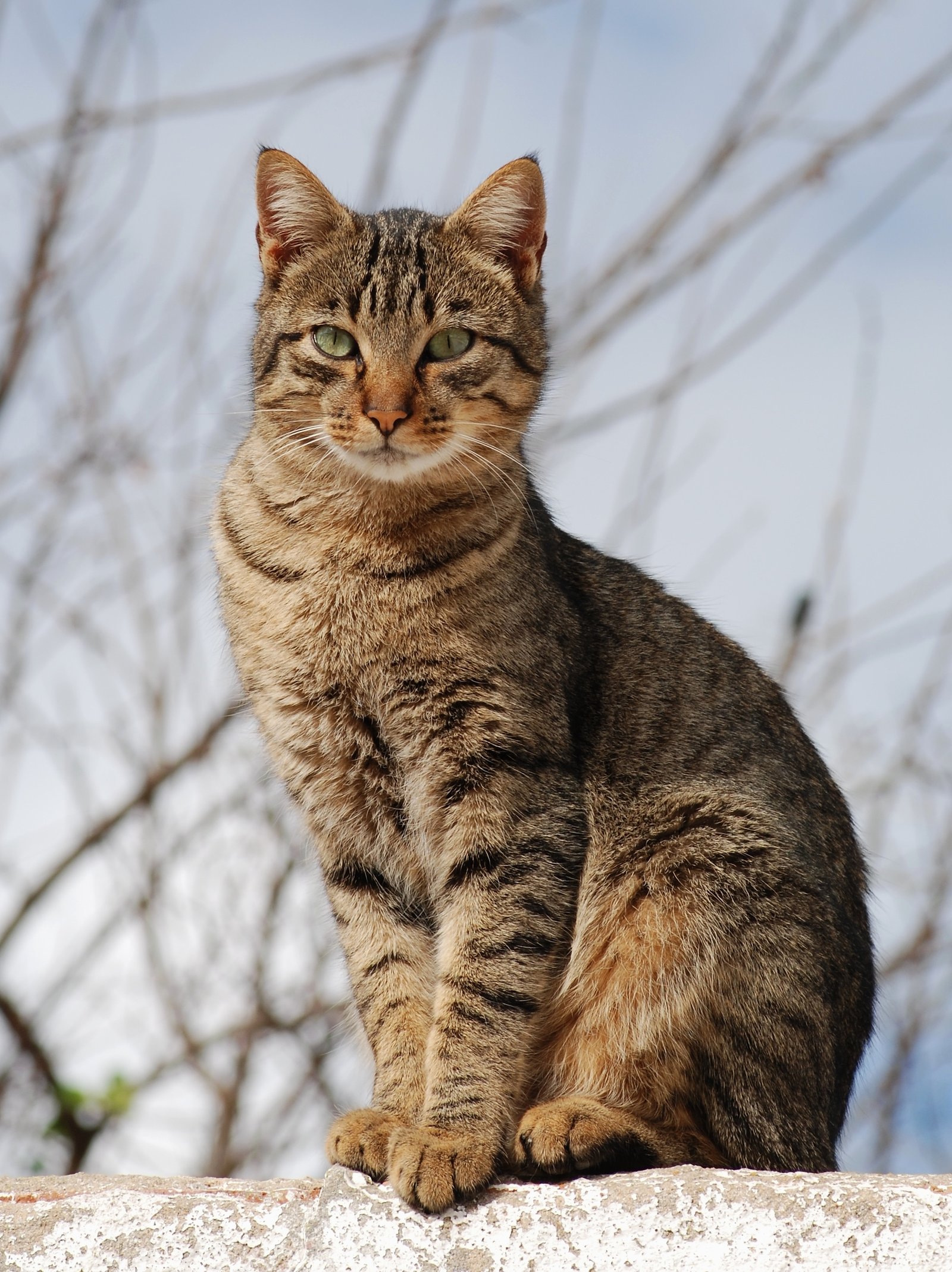
The soothing sound of purring is one of the most comforting things a cat can offer. While cats do purr for various reasons—including self-soothing—when they do it in your presence, especially while watching you or sitting close by, it’s often a signal they’re content and hoping for some love. Purring is like their version of saying, “I’m happy with you here.” If your cat starts purring as you approach, it’s usually a green light to initiate some gentle petting.
Grooming Themselves While Looking at You
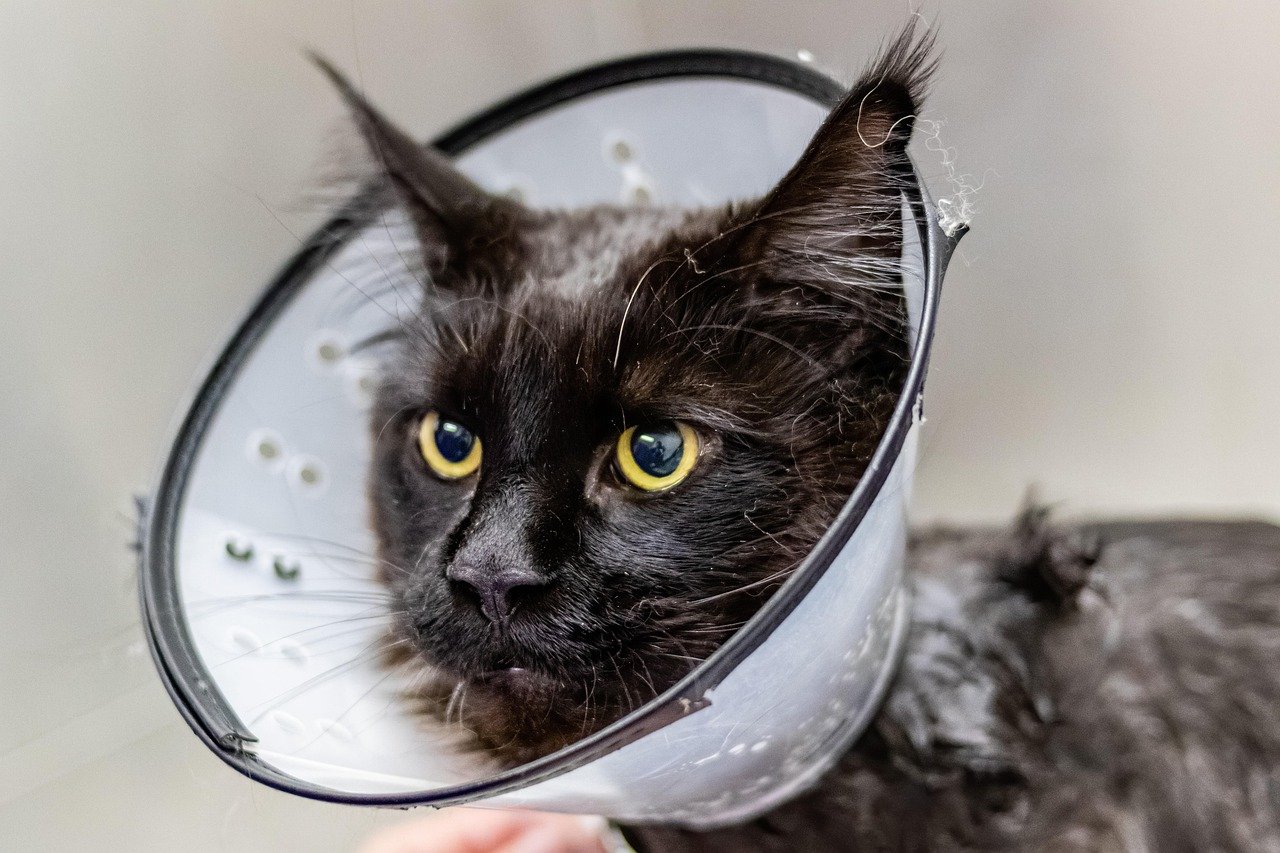
When cats groom themselves in your presence, they’re showing a huge amount of trust. If your cat starts licking their fur or paws while keeping an eye on you, it’s a sign they feel safe and relaxed. This behavior can also mean they’re comfortable enough to let their guard down, and they might be subtly inviting you to join in the relaxation. Take this as your cue to offer a few affectionate strokes—your cat will likely welcome the attention.
Positioning Their Body Toward You
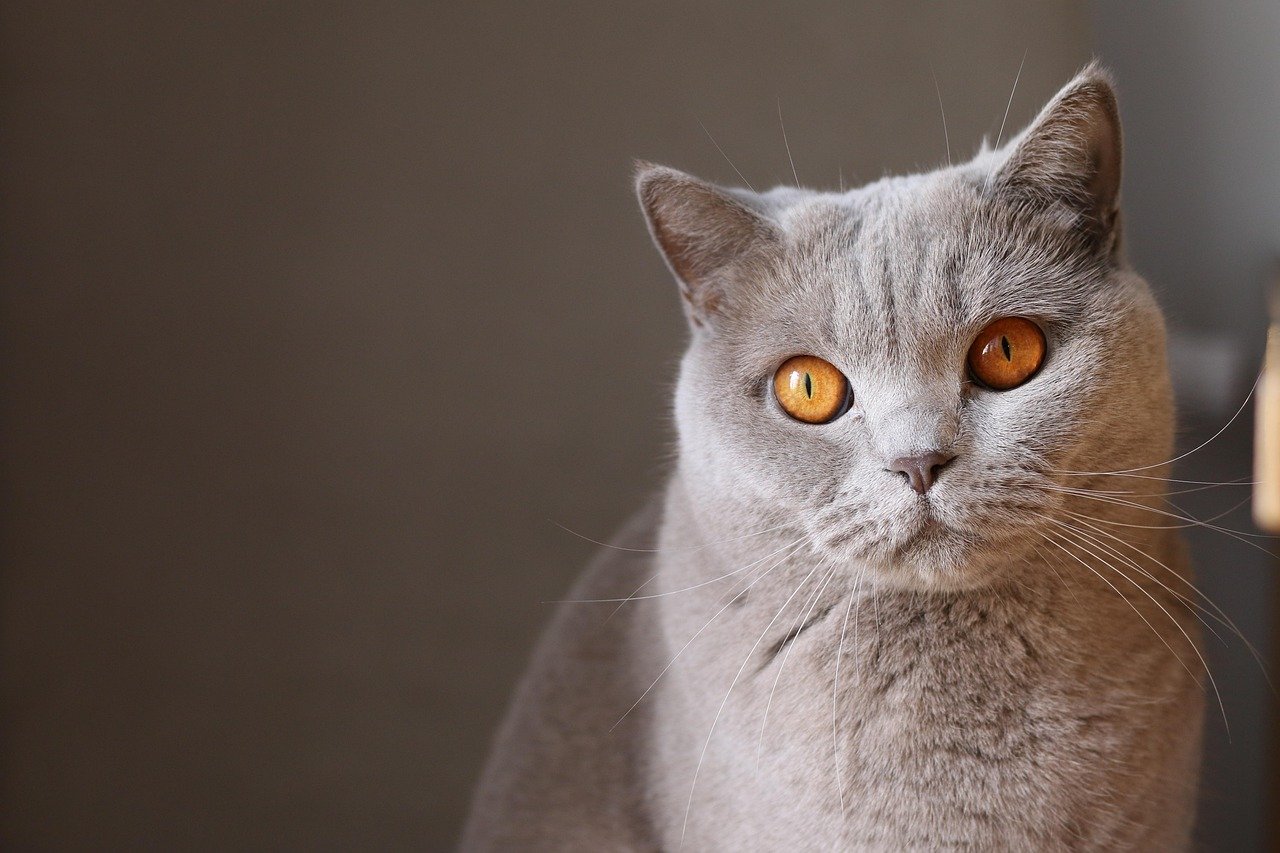
Body language is a cat’s primary way of communicating. If your cat is sitting or lying down with their body facing you, it’s a strong indicator they’re open to interaction. Unlike when they turn their back or walk away, this front-facing position is an invitation. Their ears might be pointed forward, watching your every move, waiting for you to notice them. It’s like they’re silently saying, “I’m right here—come on over.” Recognizing this posture can help you know when your cat is waiting for you to initiate affection.
Offering a Paw or Lightly Tapping You

Some cats are bolder in their requests for affection. They might reach out a paw to touch your arm, hand, or face, or give you a gentle tap. This playful gesture is their way of getting your attention without being too demanding. It’s almost as if they’re saying, “Hey, don’t forget about me!” If your cat does this, it’s a clear sign they want you to make the first move and start a loving interaction.
Chirping or Trilling When You Approach
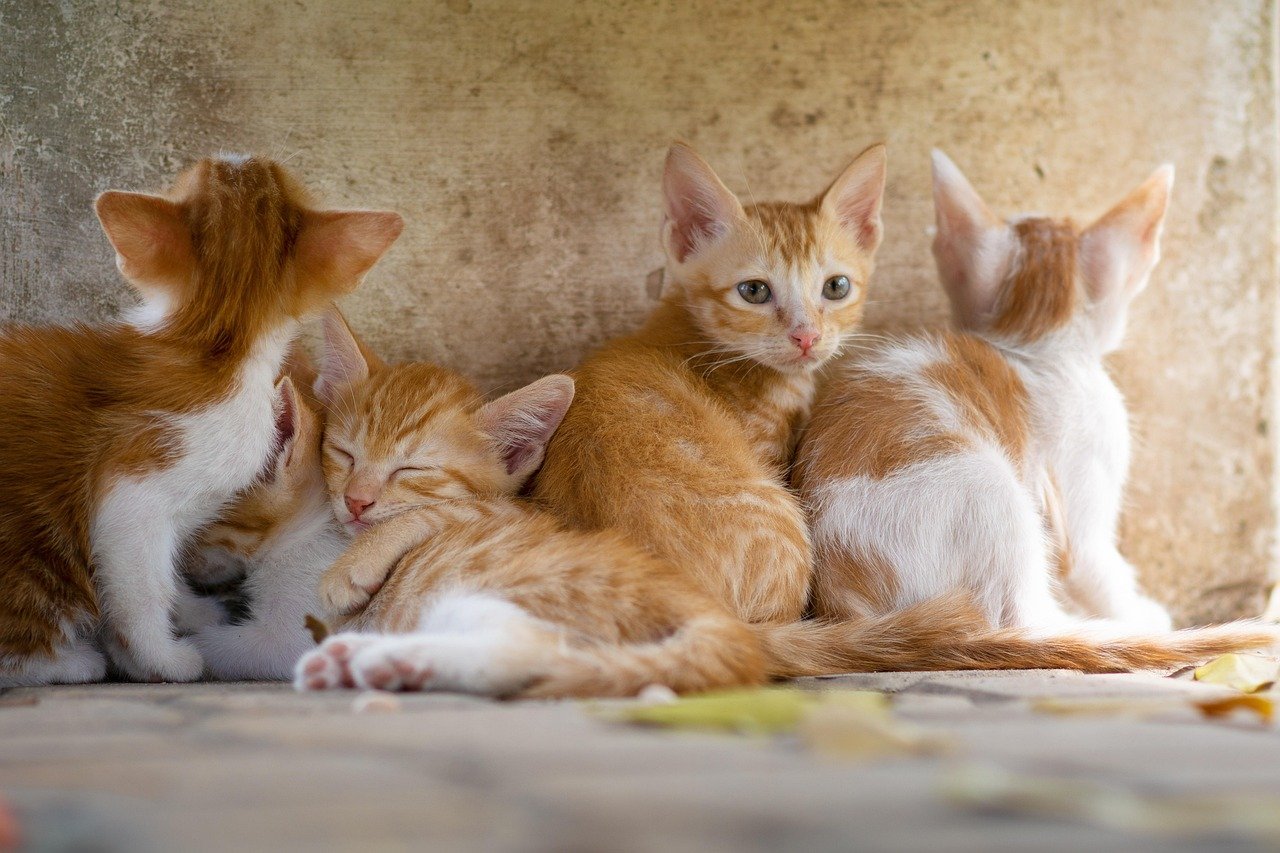
Beyond meows, cats have a range of unique vocalizations, like chirps and trills. If your cat greets you with a soft chirp or trill as you come near, it’s often a friendly call for attention. This sound is typically reserved for people or other animals they feel close to. It’s as if your cat is saying, “I’m happy you’re here—let’s spend some time together.” Responding with gentle petting or sweet talk can reinforce your bond.
Bringing You Small “Gifts”

While this might seem odd, some cats show their affection by bringing you little treasures—like toys, socks, or even (gulp) a bug. This behavior is rooted in their instinct to share with those they care about. If your cat places an item near you and waits, they may be inviting you to play or interact. It’s a quirky but meaningful way for your cat to express their desire for connection and attention.
Lying on Their Back With Paws Curled
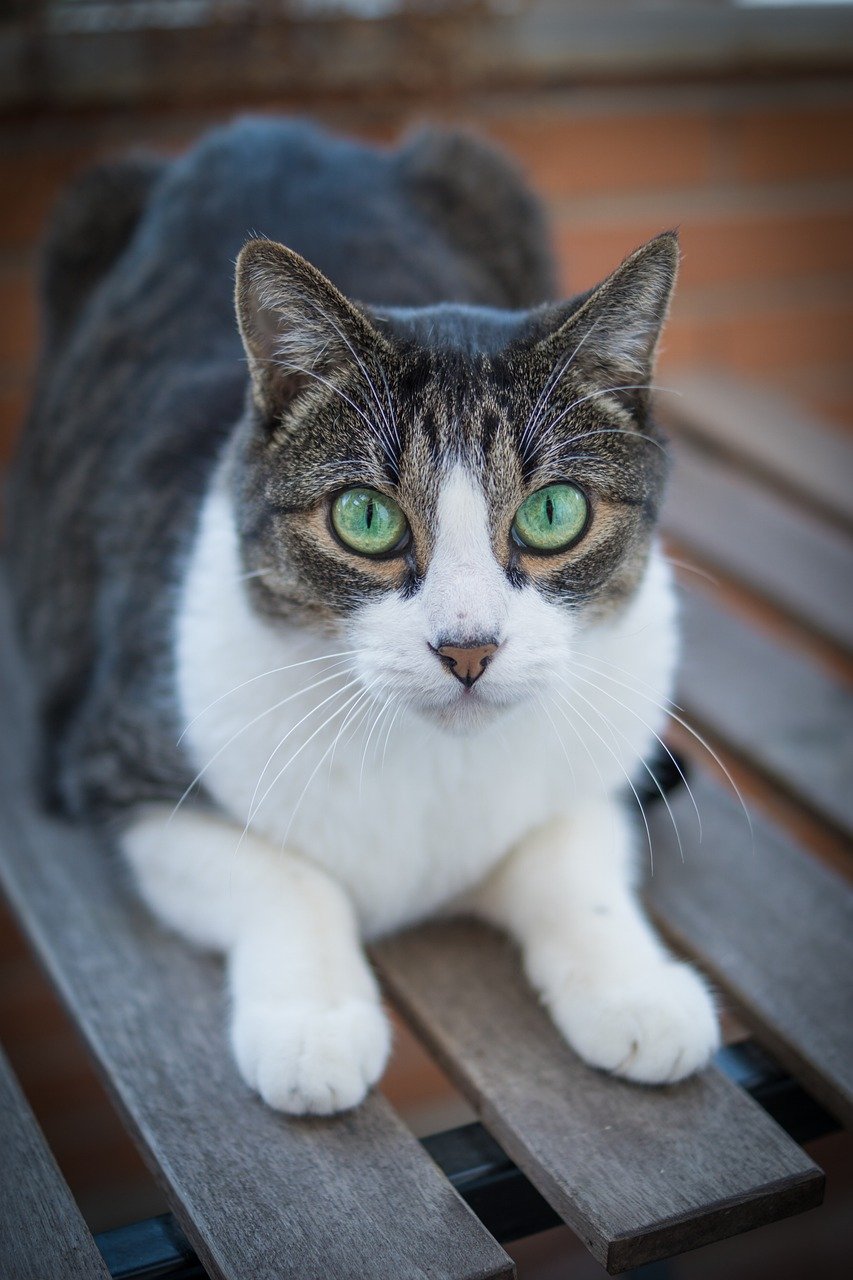
This specific pose—lying on their back with paws curled toward their chest—shows a cat is feeling playful and relaxed. It’s different from a full belly expose, as it’s often an invitation for gentle interaction. If your cat adopts this pose and looks at you expectantly, they’re likely hoping you’ll reach out and start a little play or affection. Approach slowly and watch for their response; most cats will welcome a loving touch in this moment.
Making Biscuits or Kneading the Air
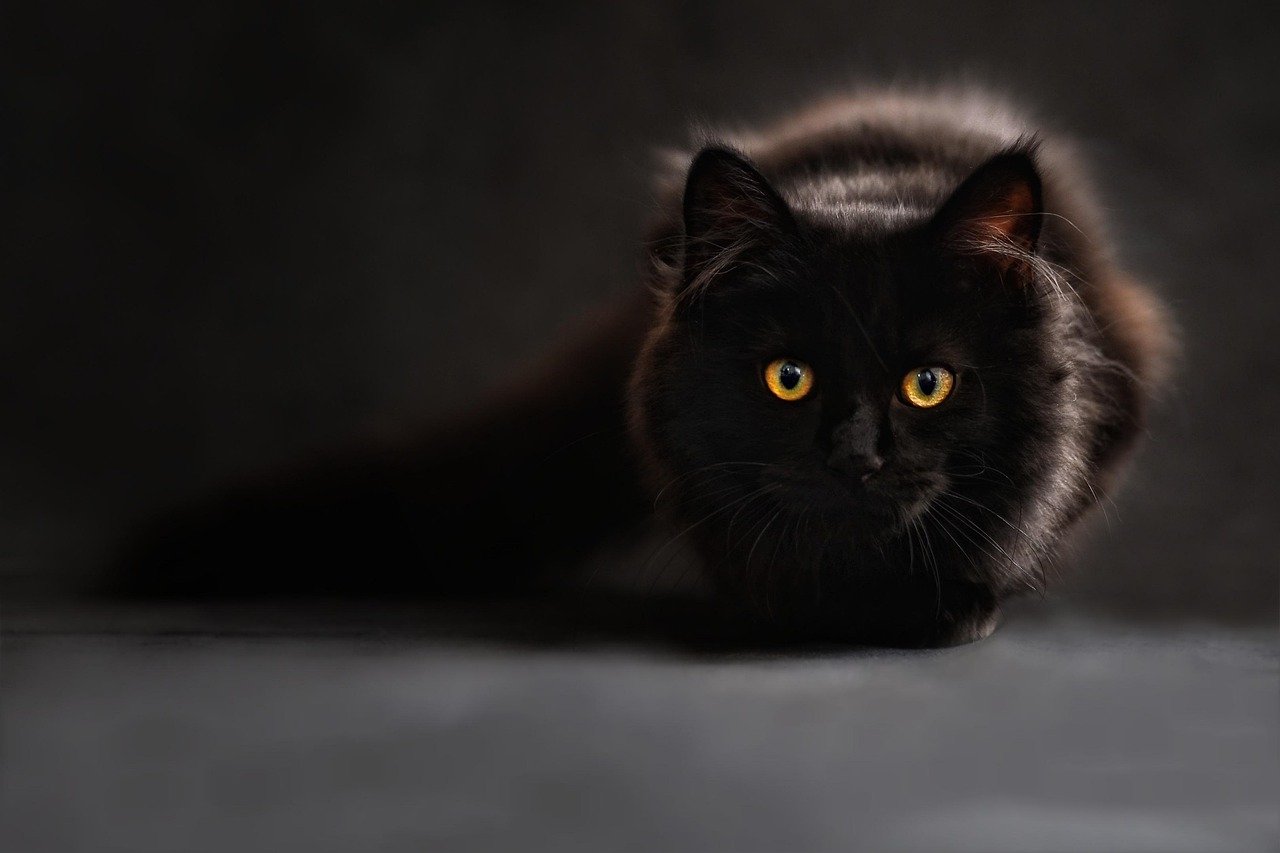
Kneading, or “making biscuits,” is a behavior that starts in kittenhood and continues into adulthood. If your cat kneads the air or a soft surface while looking at you, it’s a sign of contentment and trust. Many cats will do this near their favorite humans as a way to show they’re happy and hoping for some cuddles. This adorable gesture is often your cat’s way of inviting you to initiate some affection.
Scent Marking With Their Chin or Face

Cats have scent glands around their chin and face, and they use these to mark the things—and people—they love. If your cat rubs their chin or face on you and then sits nearby, they may be waiting for you to continue the interaction. This scent-marking isn’t just about territory; it’s about bonding. Your cat is sharing their scent and inviting you to be a closer part of their world.
Pausing Play to Look at You
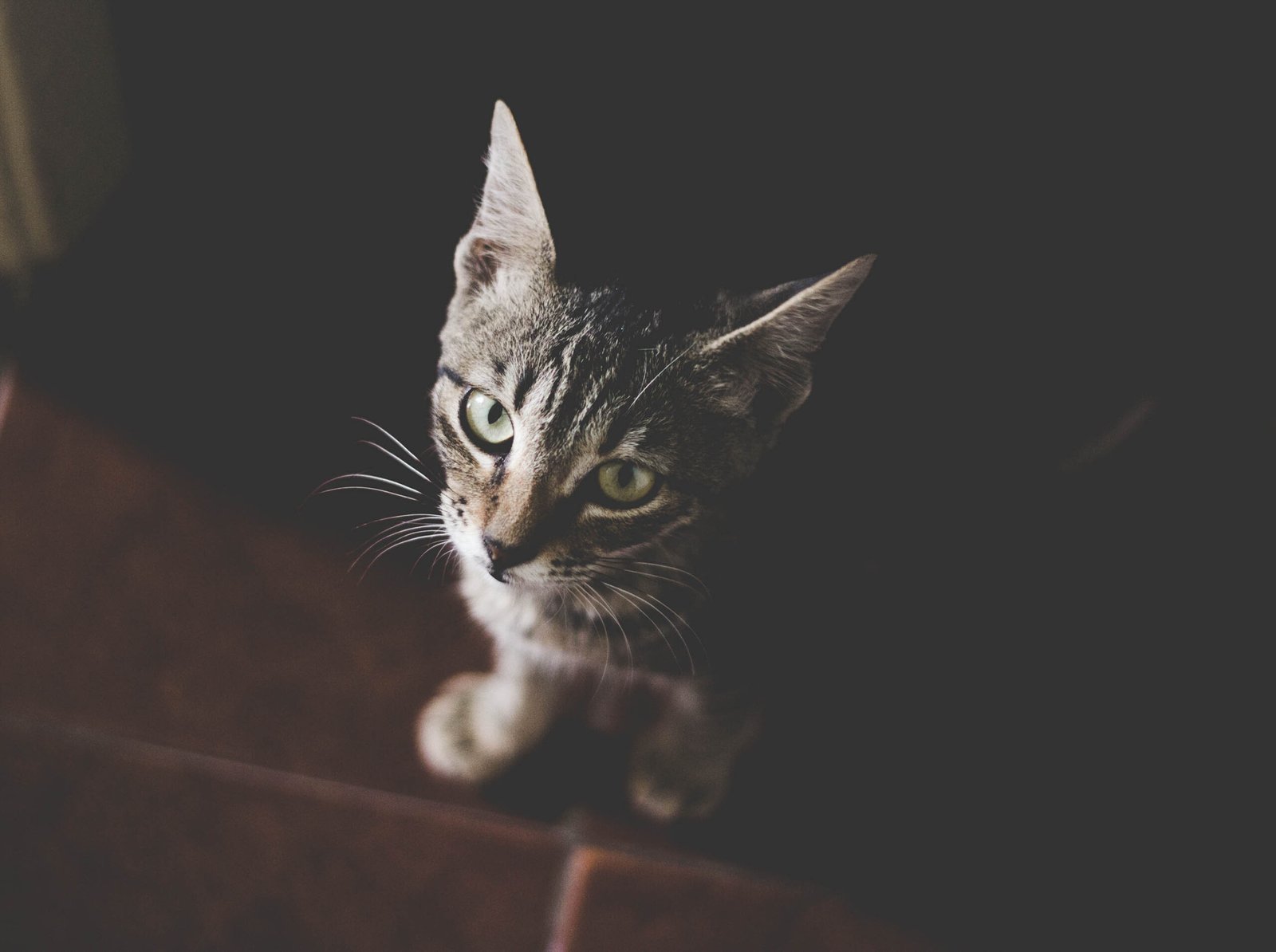
During play, if your cat suddenly stops and looks at you, they might be checking in for reassurance or seeking a little affection. This momentary pause is often an invitation for you to join in—either with a toy or a gentle pet. Cats who do this are showing that they value your involvement and want you to be part of their fun. Responding with affection can make playtime even more meaningful for your cat.
Relaxed Ears and Whiskers Pointed Forward

Pay attention to your cat’s ears and whiskers—they’re like tiny antennas for emotion. If their ears are relaxed and facing forward, and their whiskers are also pointed ahead, your cat is feeling open and friendly. This facial expression often means they’re waiting for you to approach. Conversely, flattened ears or whiskers pulled back signal discomfort. Knowing the difference helps you recognize when your cat is inviting affection.
Waiting Patiently in Their Favorite Spot

Every cat has a favorite perch or cozy nook. If yours is waiting in their cherished spot and glancing your way, they could be hoping you’ll come over and say hello. Some cats will wait quietly, while others might softly meow or stretch. This patient waiting is their way of inviting you into their world. Don’t leave them hanging—take the opportunity to offer a loving touch or a few kind words.
Reacting Positively to Your Approach

If your cat perks up, purrs, or stretches when you come near, it’s a sure sign they’re receptive to affection. Watch for signs like raised heads, soft chirps, and relaxed body language as you approach. These responses show your cat is happy to see you and wants to interact. Taking the initiative to pet or talk to them in these moments can strengthen your unique bond and make your cat feel truly loved.