Have you ever been snuggled up with your cat, basking in the warmth of a perfect cuddle, when—suddenly—those soft paws push you away? It’s a moment every cat lover knows all too well. You might laugh, sigh, or feel a twinge of rejection. But here’s the real mystery: do cats ever feel bad about it? Is there a hint of feline regret behind those bright eyes? Let’s unravel the fascinating world of cat emotions, and discover if our independent companions ever wish they hadn’t pushed us aside.
The Mystery of Feline Emotions

Cats are enigmas wrapped in fur, and their emotional lives are often misunderstood. Unlike dogs, who wear their hearts on their sleeves, cats keep their feelings close to the chest. Many people wonder if cats even feel complex emotions like regret or guilt. Science tells us that cats do experience a range of feelings, from joy to frustration, but regret is a tough one to pin down. When a cat pushes you away, it’s easy to imagine a flicker of remorse, but their brains are wired differently than ours. Instead of ruminating on their actions, cats live very much in the moment. This makes the concept of regret a tricky subject to decode in feline behavior.
Why Do Cats Push Us Away?

If you’ve felt a gentle paw on your hand or face, you might have wondered why your cat suddenly seems to want space. There are several reasons behind this classic move. Sometimes, your cat might simply be overstimulated by too much petting. Other times, they might just want to stretch, change positions, or explore. The push is rarely an act of malice—think of it as a polite, nonverbal request for personal space. Just like humans, cats have boundaries, and pushing is their gentle way of saying, “I need a break.”
Understanding Cat Body Language

A cat’s body language is a complex dance of signals. When your cat pushes you away, pay attention to their ears, tail, and eyes. Flattened ears or a twitching tail can signal agitation, while soft eyes and a relaxed body usually mean your cat is still comfortable. Sometimes, a push is accompanied by a slow blink, which is actually a sign of affection. Decoding these signals can help you understand if your cat’s action is a plea for space or just a passing whim. Reading your cat’s cues can deepen your bond and help prevent misunderstandings.
Can Cats Feel Regret?
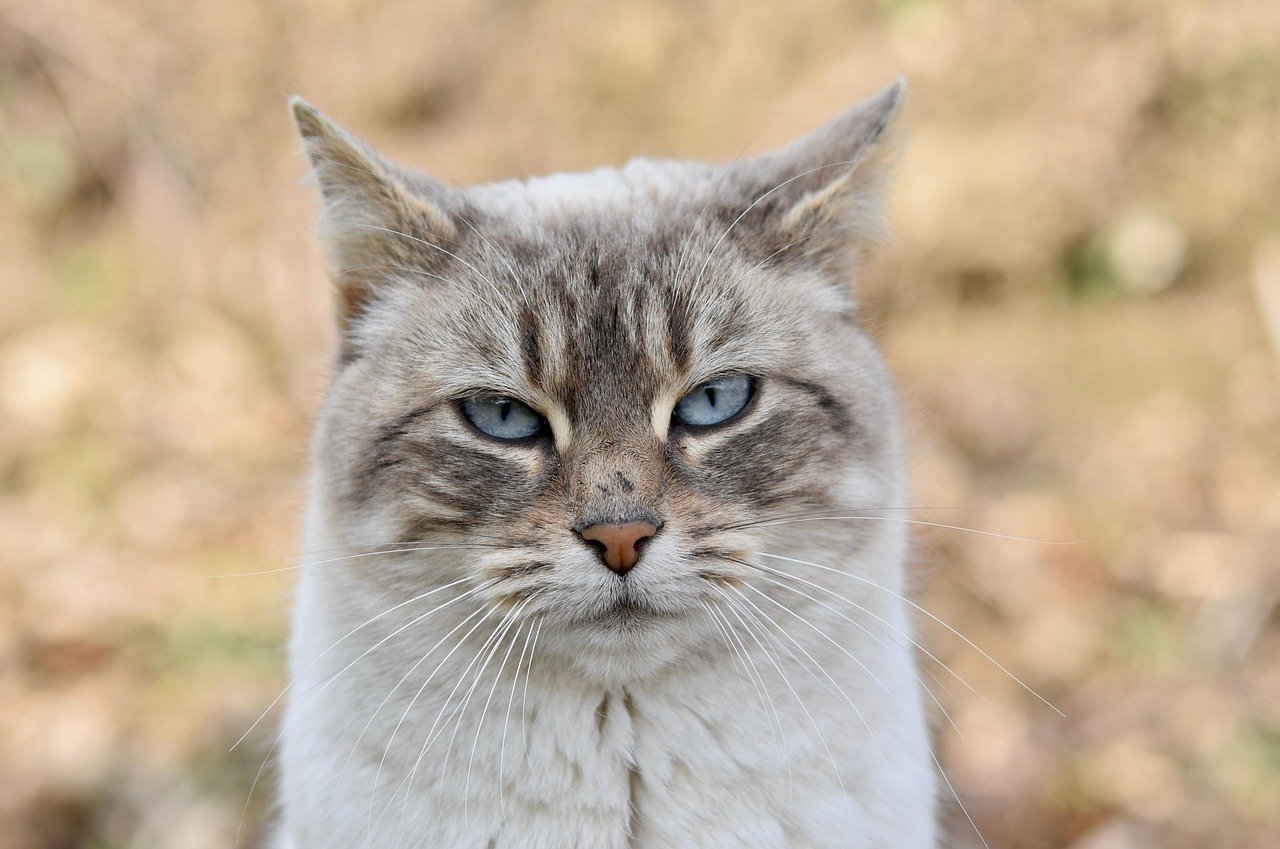
Regret is a complicated emotion even for humans. It involves recognizing a mistake and wishing for a different outcome. While cats can feel stress, happiness, and even anxiety, there’s little evidence they experience regret in the human sense. Their brains don’t dwell on the past the way ours do. Instead, cats react to what’s happening right now. If a cat pushes you away and then realizes they want attention again, they’ll simply return to you—no guilt, no shame. Their ability to live in the moment is something many humans envy.
The Role of Instinct in Cat Behavior
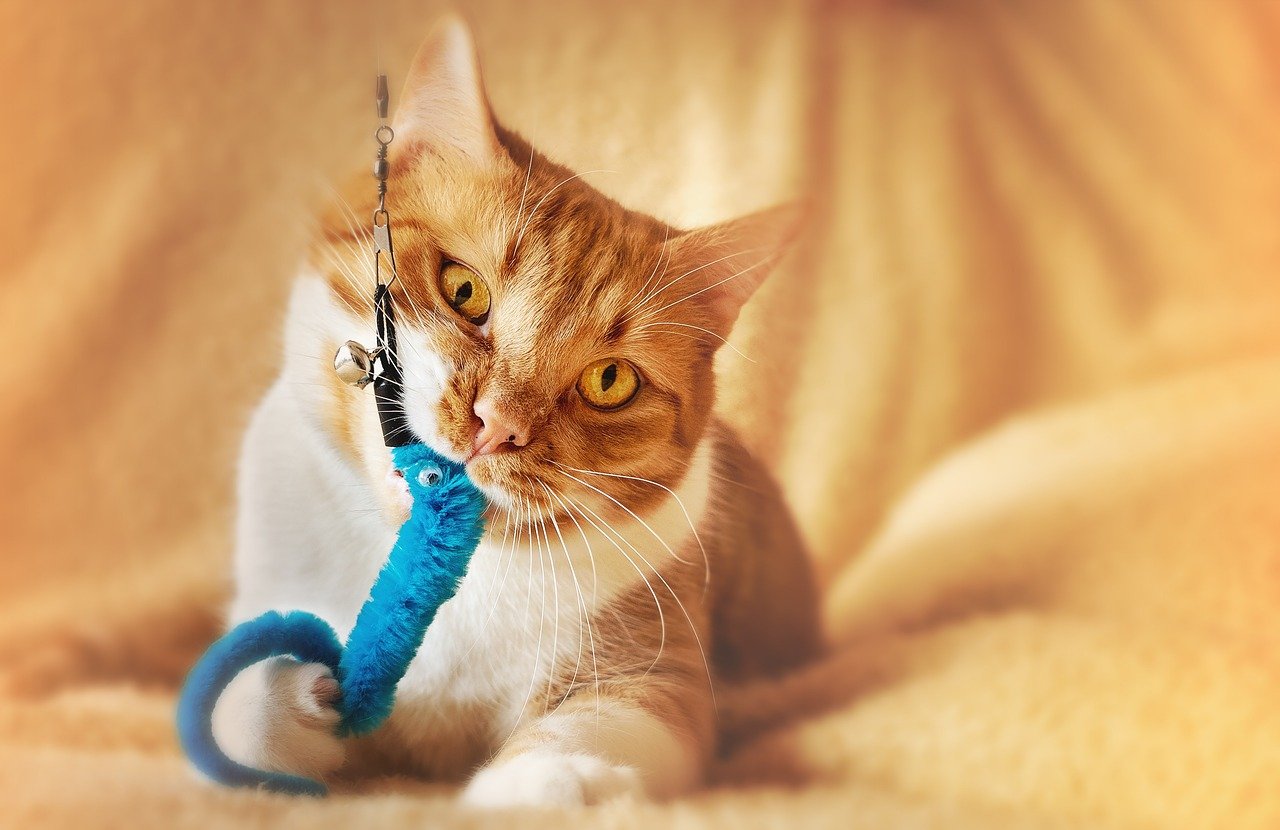
A cat’s instincts play a major role in everything they do, including pushing you away. In the wild, cats are both predators and prey. This duality makes them cautious and keenly aware of their environment. If a cat feels vulnerable or overstimulated, their instincts kick in, prompting them to create distance. This isn’t a reflection of your relationship, but rather a survival mechanism. Understanding this can help cat owners appreciate their pet’s unique way of interacting with the world.
Attachment Styles in Cats

Just like people, cats have different attachment styles. Some cats are “velcro cats,” always wanting to be near you, while others are more independent. If your cat often pushes you away, it might simply be their personality shining through. Studies suggest that cats form secure bonds with their humans, but they express affection in subtle ways. A cat that pushes you away one moment might curl up next to you the next. This push-and-pull dynamic is just part of the feline love language.
The Hormonal Side of Cat Moods

Hormones influence how cats feel and behave. When cats are overstimulated or anxious, their bodies release stress hormones like cortisol. This can make them more likely to seek solitude. Conversely, when a cat feels safe and happy, they produce oxytocin, the “love hormone.” These hormonal shifts drive much of your cat’s behavior, including moments when they crave closeness or distance. A push may simply be your cat’s way of managing their own comfort level in the moment.
Pushing Away During Petting: Overstimulation Explained

Many cat owners have experienced the “petting-induced aggression” phenomenon. One minute, your cat is purring in your lap, and the next, they’re pushing you away or even nipping. This is usually caused by overstimulation—cats can only handle so much touch before it becomes uncomfortable. Their fur is sensitive, and repeated strokes can eventually feel irritating. A push is their polite way of saying, “That’s enough for now.”
What Happens After a Push?

After your cat pushes you away, pay close attention to what they do next. Some cats will walk away, while others might stay nearby, watching you curiously. If your cat comes back on their own terms, it’s a sign that they still trust and love you. They may not regret the push, but they do value your companionship. The moment often passes quickly, replaced by a new interaction or playful gesture.
Do Cats Miss Us After Pushing Us Away?

Cats are notorious for their independence, but that doesn’t mean they don’t miss us. After pushing you away, many cats will return when they’re ready for more attention. They may nuzzle your hand, sit nearby, or vocalize to get your attention. This shows that cats do form strong attachments with their humans. While they might not regret asking for space, they do miss the warmth and comfort you provide.
Signs Your Cat Wants You Back

When a cat is ready to reconnect, they often give clear signals. These can include rubbing against your legs, jumping into your lap, or purring softly. Some cats will even bring you a toy or follow you from room to room. These gestures are their way of saying, “I’m ready for more love.” If your cat reaches out to you after pushing you away, it’s a sign they value your presence—even if they don’t show regret in the traditional sense.
Comparing Cats and Dogs: Regretful Behaviors
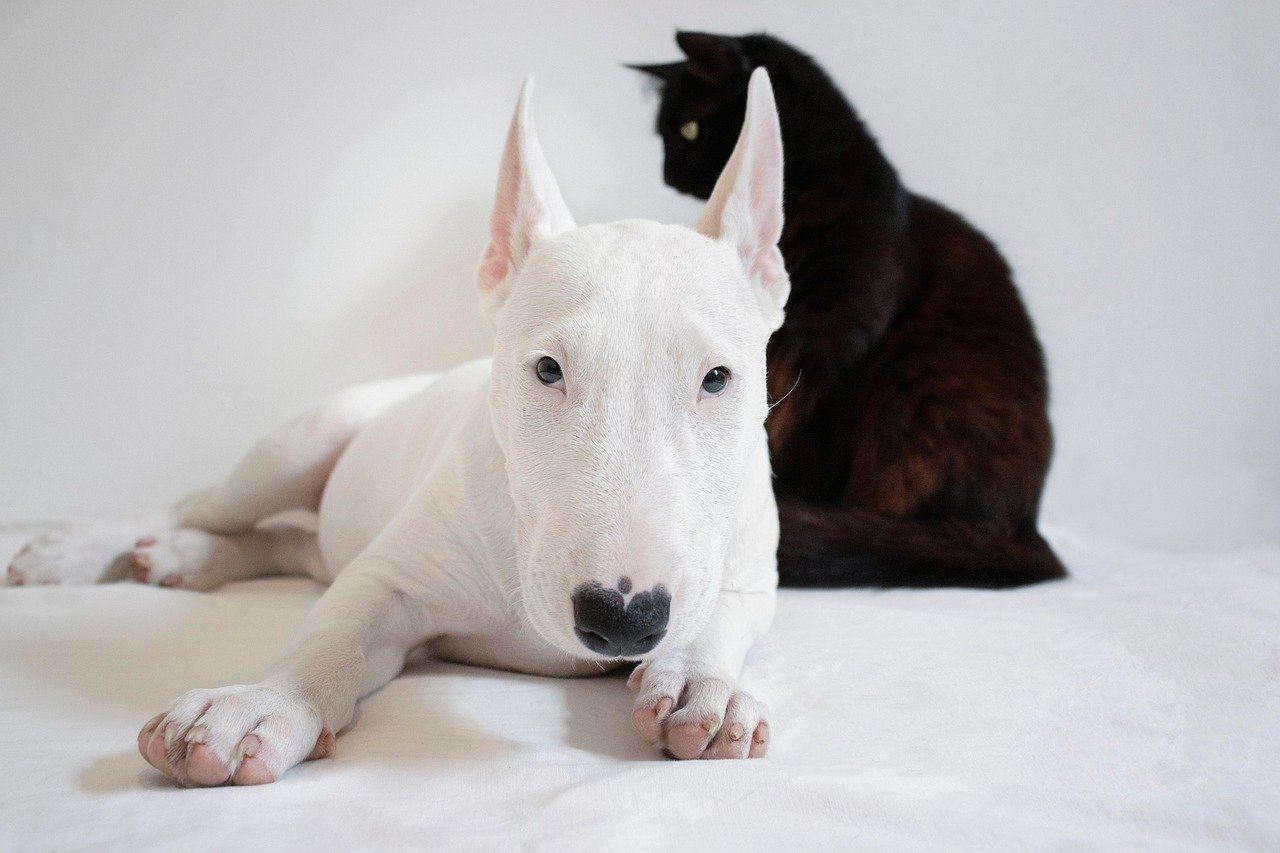
Dog owners often describe their pets as visibly guilty or regretful after misbehaving. Cats, on the other hand, seem far more composed. While dogs may hang their heads or avoid eye contact, cats are more likely to act as if nothing happened. This difference comes down to the way each species processes emotions and experiences. Cats don’t appear to dwell on their actions, and their lack of visible regret is just a part of their mysterious charm.
How Pushing You Away Strengthens Your Bond

It might seem counterintuitive, but when a cat sets boundaries, it can actually strengthen your relationship. By respecting your cat’s need for space, you show that you understand and care about their comfort. Over time, this builds trust and deepens your bond. When your cat returns to you after a push, it’s their way of reaffirming your special connection.
Do Kittens Push Away, Too?

Even tiny kittens will sometimes push away from their mother or siblings. This is a natural part of learning independence. Kittens experiment with boundaries as they grow, and these early experiences shape how they interact with humans later on. If you’re raising a kitten, expect a mix of cuddles and pushes—it’s all part of their emotional development.
Human Reactions: Why It Hurts

Getting pushed away by your cat can sting, especially if you crave their affection. It’s easy to feel rejected or worry that your cat doesn’t love you. But remember, cats express themselves differently than humans. Their push isn’t personal—it’s simply communication. Understanding this can help you appreciate the unique relationship you share with your feline friend.
Can You Prevent the Push?
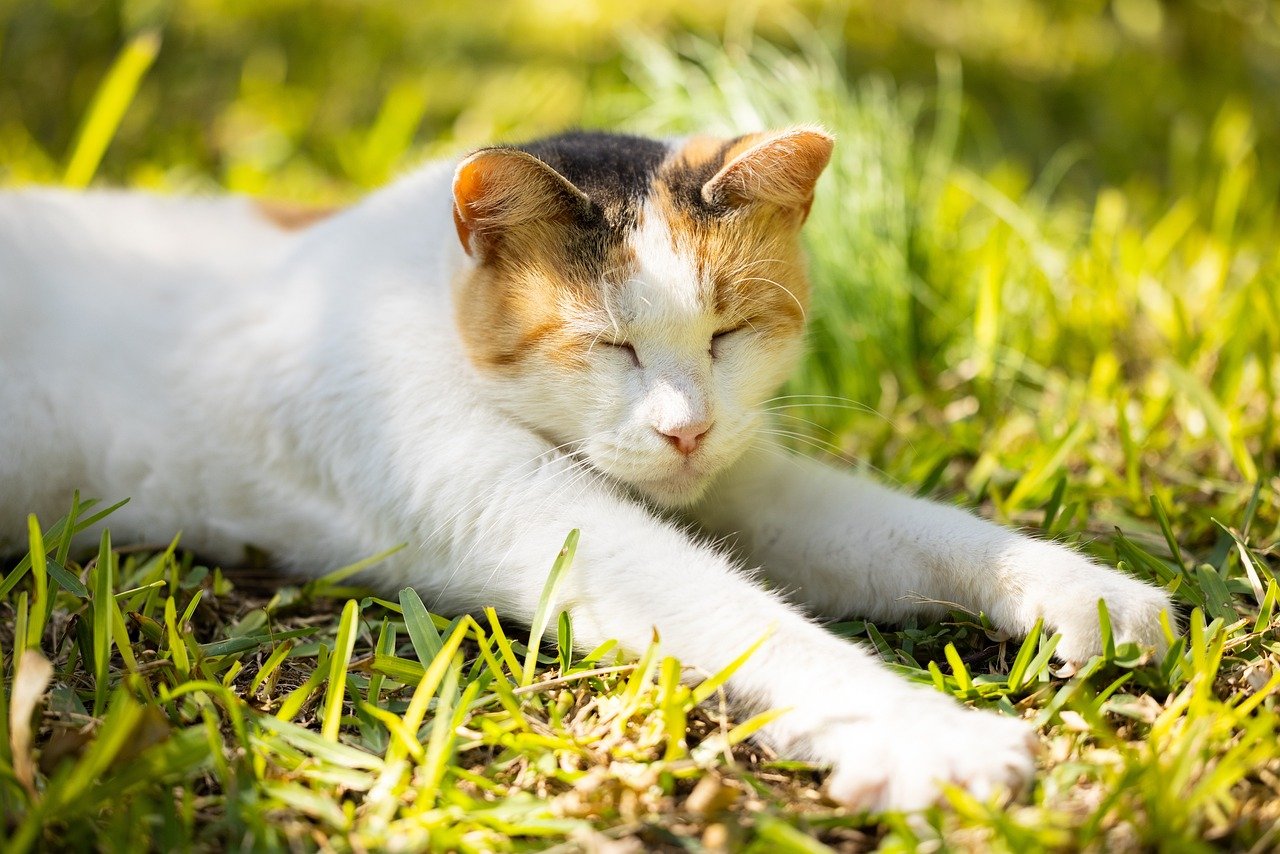
While you can’t control your cat’s every move, you can learn to read their signals and offer affection on their terms. Watch for signs of overstimulation and respect your cat’s boundaries. By doing so, you’ll reduce the chances of being pushed away. Offering treats, slow blinks, or gentle petting can help reinforce positive interactions.
What About Cats with Separation Anxiety?

Some cats struggle with separation anxiety and may push you away when they’re feeling overwhelmed. These cats often crave attention but become easily overstimulated. If your cat shows signs of anxiety, such as excessive meowing or destructive behavior, consider providing a safe space and plenty of enrichment. With patience and care, anxious cats can learn to feel more secure.
The Role of Trust in Cat Relationships

Trust is the foundation of any strong cat-human bond. When your cat feels safe with you, they’re more likely to seek out affection and less likely to push you away. Building trust takes time and patience. Offer your cat choices, respect their boundaries, and reward positive behavior. Over time, your cat will learn that your presence is a source of comfort and security.
Do Some Cats Push Away More Than Others?

Every cat is unique—some are naturally more affectionate, while others are more aloof. Breed, personality, and early life experiences all play a role in how often a cat pushes you away. For example, Siamese cats tend to be more social, while some other breeds are famously independent. Embrace your cat’s individuality and celebrate the quirks that make them special.
Living in the Moment: The Feline Way

Perhaps the most inspiring lesson we can learn from our cats is their ability to live in the present. When they push us away, it’s not about the past or the future—it’s simply what they need right now. Cats don’t dwell on regret or worry about tomorrow. They remind us to cherish each moment, and to accept love in whatever form it comes.
Learning from Our Cats

Cats may not regret pushing us away, but they teach us important lessons about boundaries, communication, and unconditional love. By respecting their needs, we become better companions and learn to appreciate the subtle beauty of feline affection. So, the next time your cat gives you a gentle push, remember: it’s just another chapter in your unique, ever-evolving friendship.

Hi, I’m Bola, a passionate writer and creative strategist with a knack for crafting compelling content that educates, inspires, and connects. Over the years, I’ve honed my skills across various writing fields, including content creation, copywriting, online course development, and video scriptwriting.
When I’m not at my desk, you’ll find me exploring new ideas, reading books, or brainstorming creative ways to solve challenges. I believe that words have the power to transform, and I’m here to help you leverage that power for success.
Thanks for stopping by, Keep coming to this website to checkout new articles form me. You’d always love it!