Why Some Cats Form Attachments Without Showing Affection

Have you ever felt puzzled by your cat’s mysterious behavior? One moment, they’re following you from room to room, the next, they’re completely indifferent to your attempts at cuddling. It can feel downright heartbreaking when your feline friend doesn’t nuzzle up to you the way you’d hoped. But here’s the hidden truth: many cats form deep, meaningful bonds with their humans—without ever showing the traditional signs of affection we expect. If you’ve ever wondered why your cat seems attached yet aloof, you’re not alone. Let’s unravel this curious feline phenomenon together.
The Nature of Feline Attachment

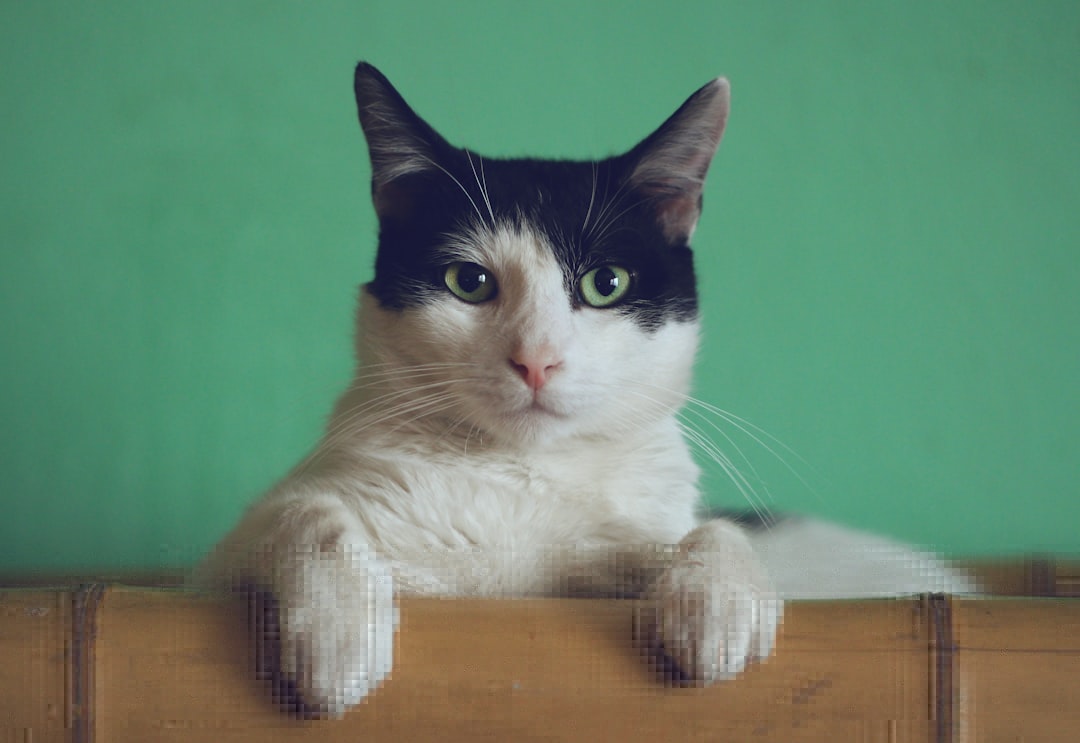
Cats have a reputation for being solitary, but that’s only part of the story. In reality, domestic cats are quite capable of forming strong attachments to their human caregivers. However, the way they express these attachments can be very different from what we see in dogs or even other humans. While dogs might leap into your arms, most cats are subtle, showing their bond through more understated actions. Some cats might simply choose to be in the same room as you, quietly observing your every move. Others may follow you from room to room, not wanting to miss out on your presence. These behaviors are all signs of attachment, even if they don't look like obvious affection.
Understanding Cat Body Language

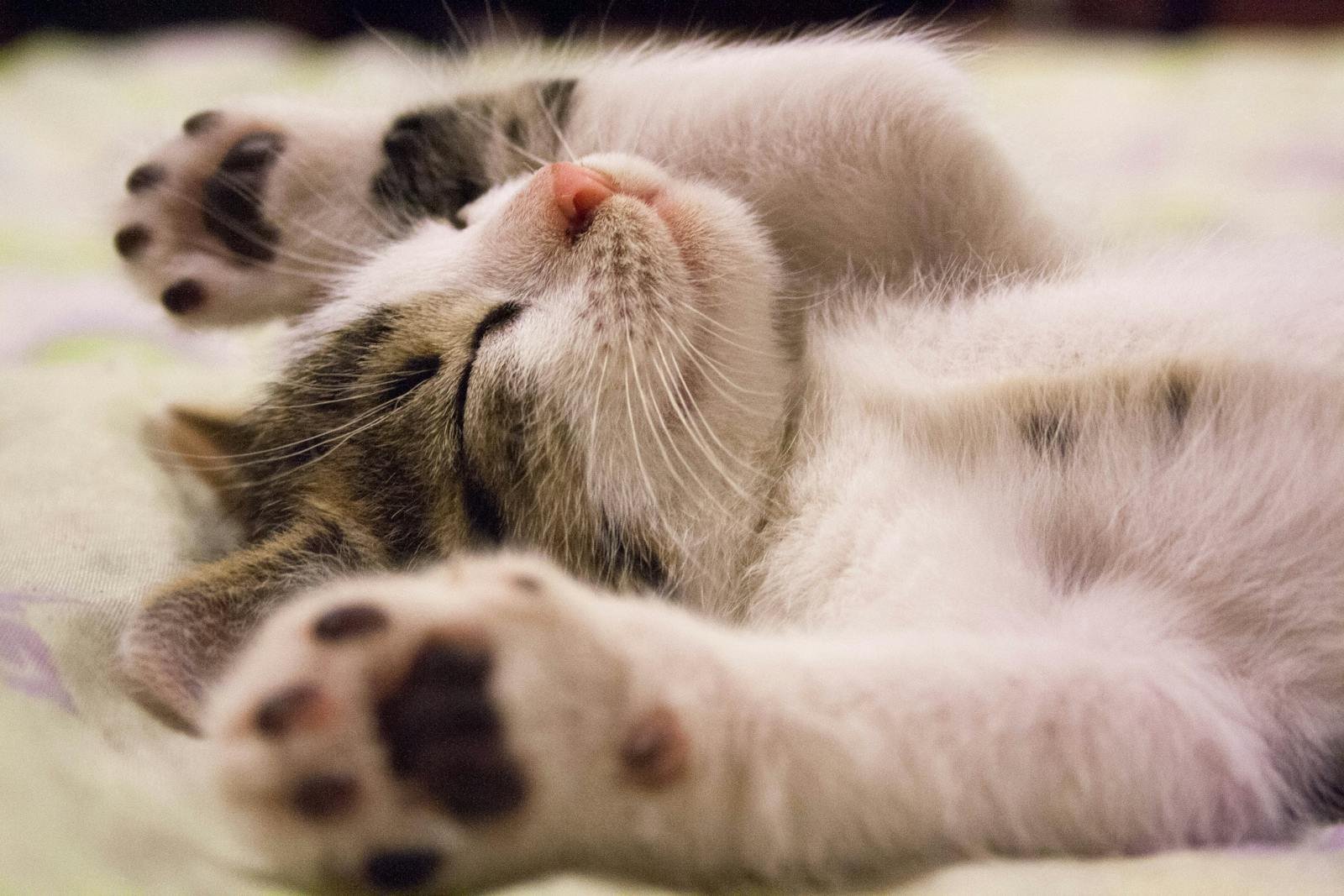
Deciphering a cat’s body language is like learning a new language—one filled with subtle cues and hidden meanings. A cat who sits nearby, with their tail gently curled or their eyes half-closed, is showing comfort and trust. Sometimes, a cat will blink slowly at you, a gesture often called a “cat kiss.” This simple blink is a huge sign of feline trust and affection, even though it doesn’t involve physical contact. If your cat turns their back on you or exposes their belly (even briefly), it’s a vulnerable gesture that signals they feel safe with you. It might not be a headbutt or a knead, but it’s just as meaningful.
Why Some Cats Avoid Physical Affection

Not every cat is a lap cat, and that’s perfectly normal. There are many reasons why a cat might avoid physical displays of affection. Some cats are naturally more independent or were not adequately socialized as kittens. Others may have had negative experiences with handling in the past, making them wary of touch. There’s also the factor of personality—just as people have personal boundaries, so do cats. For some felines, being petted or picked up feels intrusive, even if they adore your company. Respecting these boundaries is crucial for building trust and keeping your bond strong.
Signs of Attachment Beyond Cuddles

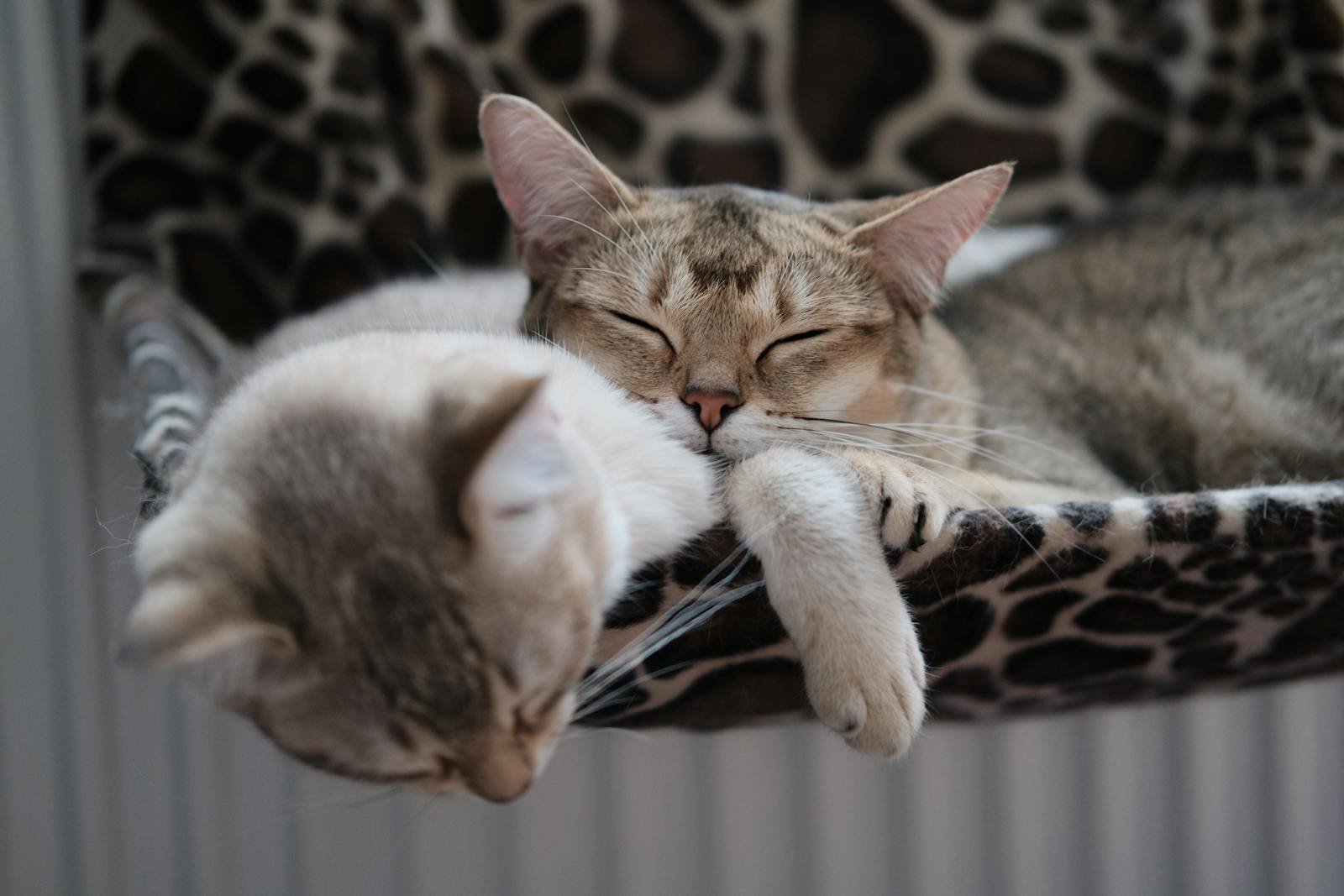
Even if your cat doesn’t curl up in your lap, they may still be deeply attached to you. Look for subtle signs: does your cat greet you at the door or vocalize when you come home? Do they follow you from room to room, or sleep nearby when you’re relaxing? These are all clear indicators that your cat values your presence. Some cats show attachment by bringing you “gifts” (even if it’s just a toy or a stray sock). Others might “supervise” your activities, quietly observing you as you work or cook. All these behaviors point to a strong, silent attachment.
The Role of Early Socialization

A cat’s early life experiences play a massive role in how they show affection as adults. Kittens who are handled gently and often by humans during their first weeks tend to be more comfortable with physical contact later on. On the other hand, kittens who grow up without much human interaction can become more reserved. This doesn’t mean they don’t form attachments; it just means they express them differently. If you adopt an older cat who’s shy, patience and gentle interactions can help them become more comfortable—but some cats will always prefer to love you from a distance.
Attachment Styles in Cats

Just like people, cats have different “attachment styles.” Some are securely attached and express their affection openly, while others are more reserved or even avoidant. A cat with an avoidant attachment style might stay close but resist being held or petted. This isn’t a reflection of your bond—it’s simply their personality and past experiences shaping how they show love. Understanding and accepting your cat’s unique style can help you appreciate the quiet ways they say “I care.” It’s a reminder that love doesn’t always look the same for everyone.
Strengthening the Bond Without Forcing Affection

If you want to deepen your relationship with a standoffish cat, patience and respect are your best tools. Let your cat approach you on their own terms, and never force physical affection. Try engaging them with interactive play or gentle conversation. Offer treats or special meals to create positive associations. You might be surprised how much your cat warms up over time, but even if they don’t become a lap cat, your efforts will build trust. Remember, a cat’s loyalty and attachment aren’t measured by cuddles alone—they’re found in the quiet moments you share.