Have you ever watched a cat melt into bliss just because you said its name softly? Cats, with their mysterious ways and quiet company, crave little reassurances more than we might think. These tiny gestures, easily overlooked in our busy lives, often mean the world to our feline friends. From a gentle touch to a whispered word, the little things you do might just be the secret to your cat’s happiness. Let’s dive into the surprisingly powerful ways you can make your cat feel safe, loved, and at home—without ever saying a word.
Calm, Predictable Routines

Cats thrive on routine. When their day follows a predictable pattern, it sends a wave of comfort through their sensitive hearts. Morning feedings, play sessions in the afternoon, and sleepy cuddles at night all help them feel grounded. Even small disruptions can unsettle a cat, making consistency one of the greatest gifts you can give. Something as simple as scooping their litter box at the same time every day can become a sign that all is well. This predictability reassures them that their world is safe and under control. Cats might not wear watches, but they definitely know when the routine changes. Sticking to consistent times for daily rituals is one of the easiest ways to show you care.
Gentle, Soothing Voices

A calm, gentle voice can work wonders for a cat’s nerves. Unlike dogs, cats are more attuned to subtle changes in tone and volume. When you speak softly, your cat hears trust and safety in your words—even if it doesn’t understand the language. Harsh or loud sounds can startle them, while a soothing tone can make them feel like nothing bad will happen. Whispering their name or simply humming nearby is enough to ease anxiety. Cats often associate your voice with positive experiences, like treats or snuggles. Over time, your reassuring tone becomes a comfort blanket they’ll seek out when they’re scared.
Safe Hiding Spots

Every cat deserves a hideaway they can call their own. Whether it’s a cardboard box tucked under the bed or a cozy cat tree perch, these private spots offer a refuge from the world. When a cat has somewhere safe to retreat, it feels in control of its environment. This sense of security is especially important in busy households or during stressful events. Even shy or anxious cats will emerge more confident if they know they can escape whenever they need. Providing multiple hiding options on different levels—some high, some low—caters to every personality. It’s a simple but powerful way to say, “You’re safe here.”
Consistent Feeding Times

Food is more than just nutrition to a cat—it’s a ritual. Serving meals at the same time each day tells your cat that you’re reliable and attentive. Waiting too long or feeding at random times can cause anxiety, especially for cats who have known hunger before. Even free-fed cats appreciate a regular refill schedule. Mealtimes become happy moments they look forward to, reinforcing the bond between you. A simple “it’s time to eat” can transform their mood and make them feel treasured. Remember, a well-fed cat is not just a healthy cat, but a reassured one.
Gentle Physical Contact

Not all cats are cuddly, but most appreciate gentle physical touch on their own terms. Soft strokes along the cheek or a slow blink can communicate love and acceptance. Physical affection, when offered respectfully, tells your cat you respect their boundaries. Some cats love being petted while lying next to you, while others prefer a quick chin scratch. Always let your cat initiate contact and watch for signs of comfort or discomfort. Over time, your gentle touch will become a reassurance, especially after a tough day or a trip to the vet. Even a single, well-timed pat can make a world of difference.
Familiar Scents

A cat’s world is built on scent. Items that carry your smell—like a worn t-shirt or blanket—can be surprisingly comforting. If you’re planning to be away, leaving an item with your scent behind can help ease separation anxiety. Familiar scents help cats navigate their territory and identify what’s safe. New smells can be overwhelming, so keeping favorite bedding or toys unwashed for a while can provide stability. This subtle reassurance helps cats settle quickly, especially in new environments or after changes in the home. Sometimes, the best comfort is something they can sniff.
Soft, Steady Eye Contact

Cats communicate volumes with their eyes. Slow blinking is the feline version of saying “I trust you.” When you make soft eye contact and slowly blink at your cat, you’re telling them there’s nothing to fear. This gesture is both a greeting and a reassurance. Cats often return the slow blink, building a bridge of trust between you. In contrast, staring or wide eyes can feel threatening, so it’s important to keep your gaze gentle. Try this simple act next time your cat seems nervous—you might be surprised at the calming effect it has.
Plenty of Vertical Space

Cats love to climb, and vertical territory offers security as well as entertainment. High shelves, cat trees, or window perches let your cat observe their domain from a safe distance. These elevated spots provide a sense of control, allowing your cat to escape chaos or simply enjoy the view. Giving your cat access to vertical space reassures them that they have options—whether they want to hide, play, or just relax. It’s a small investment with a huge payoff in feline confidence and happiness. When a cat feels secure up high, their worries seem a little farther away.
Regular Playtime

Play is more than just fun for cats—it’s a sign that all is well. Daily play sessions, even if brief, let your cat burn off energy and engage their natural instincts. Chasing a feather wand or batting at a crinkle ball mimics the hunt and reassures them that their environment is safe enough for play. Playtime also deepens your bond, as you become part of their trusted circle. Even older or shy cats benefit from gentle interactive games. Setting aside time every day for play signals to your cat that they matter and that life is good.
Respect for Their Space

Every cat needs a little “me time.” Respecting your cat’s space is a powerful form of reassurance. If they retreat under the bed or into a quiet room, let them have their solitude without interruption. Forcing attention on a cat who wants to be alone can break trust and cause stress. Instead, let them come to you when they’re ready. This respect for boundaries tells your cat that you understand and value their needs. Over time, your cat will feel more comfortable and confident, knowing their wishes will be honored.
Quiet, Peaceful Environments

Cats are sensitive to noise and chaos. Too much commotion can make them feel unsafe, especially in multi-pet or busy households. Creating quiet corners or rooms where your cat can retreat offers essential peace of mind. Soft music, gentle lighting, and minimal noise can transform a stressful environment into a sanctuary. Even small changes, like turning down the TV or closing a door, can make a big difference. A peaceful home reassures your cat that they are in a safe and loving place.
Positive Reinforcement

Positive reinforcement is a gentle way to build trust and encourage good behavior. Rewarding your cat with treats, praise, or affection when they do something right makes them feel proud and secure. Cats respond well to rewards, especially when they’re consistent and immediate. Even a soft “good kitty” or a favorite treat after using the litter box can work wonders. Avoid punishment, as it can create fear and confusion. Instead, focus on the good moments and celebrate them together.
Predictable Human Behavior

Cats watch us closely and pick up on our habits. When your actions are predictable, your cat feels more at ease. Sudden movements or unpredictable behavior can make them nervous, while calm, steady actions are reassuring. Whether it’s how you greet them, pick them up, or move around the house, consistency is key. Even the way you open a can of food can become a comforting routine. Predictable behavior helps cats know what to expect, turning you into a reliable anchor in their world.
Soft Bedding and Cozy Blankets

A soft, comfortable spot to nap is every cat’s dream. Providing cozy bedding or blankets gives your cat a safe zone to relax and recharge. The texture, warmth, and smell of these items all play a role in making them feel at home. Rotating blankets or adding new ones can refresh their environment while keeping comfort constant. Cats often knead or burrow into their bedding, a behavior linked to feelings of security from kittenhood. Watching your cat curl up and purr is proof enough that a comfy bed is a powerful reassurance.
Routine Grooming Sessions
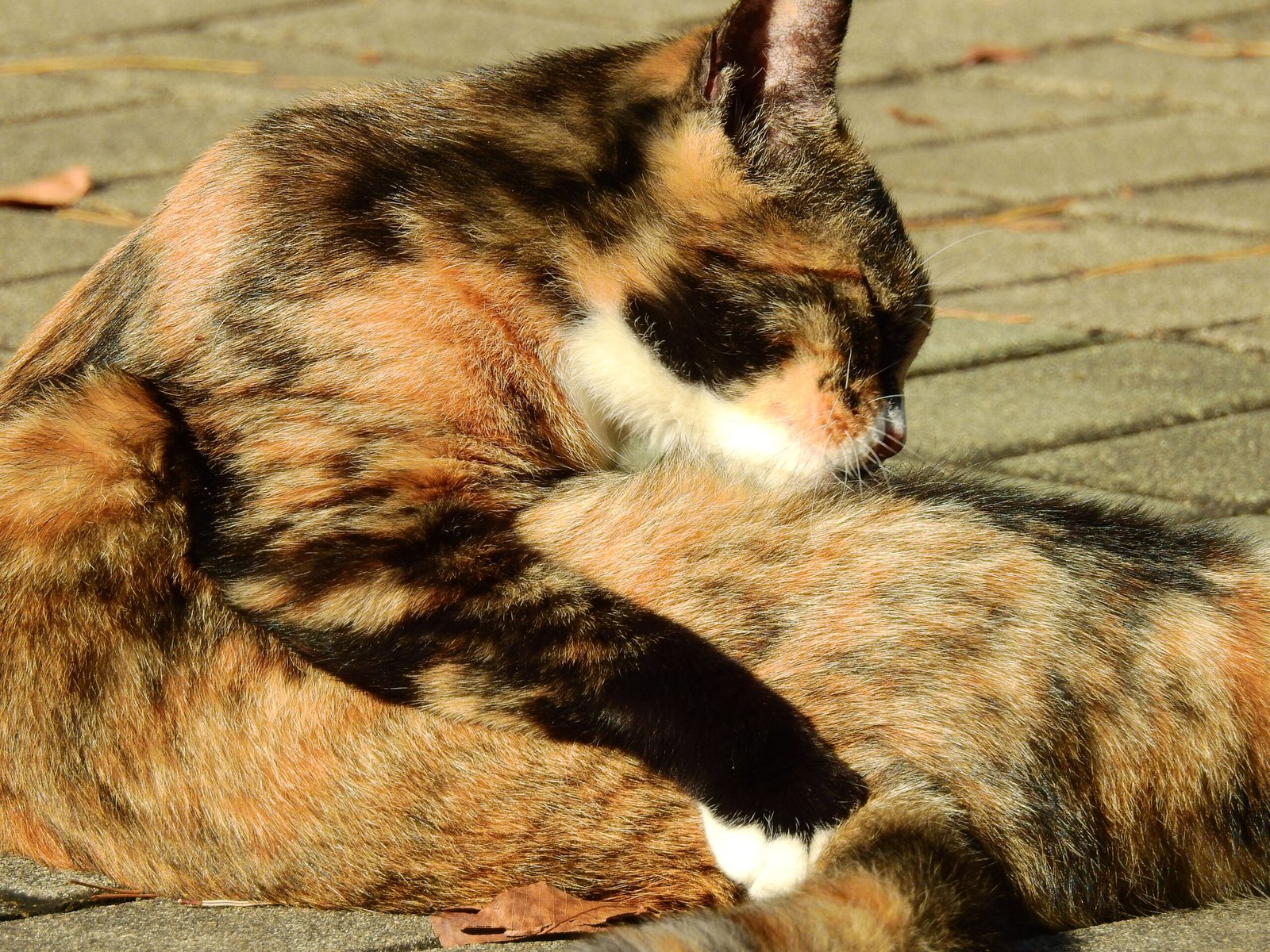
Regular grooming isn’t just about hygiene—it’s a bonding ritual. Brushing your cat, especially with gentle strokes, mimics the care they’d receive from their mother or siblings. This act of love reassures your cat that they’re cared for and safe. Many cats will purr or relax completely during grooming, showing how much it means to them. Even short sessions can make a difference, especially for older cats or those with longer fur. Grooming also gives you a chance to check for health issues, adding another layer of care.
Interactive Toys and Puzzles

Mental stimulation is just as important as physical comfort. Toys and puzzles that challenge your cat’s mind offer reassurance by keeping boredom and anxiety at bay. Food puzzles, treat balls, and interactive toys provide entertainment and a sense of achievement. When your cat solves a puzzle or catches a moving toy, they feel confident and content. These activities also distract from stress and help establish a positive routine. Keeping your cat mentally engaged is a small step with big emotional rewards.
Time Spent Together—On Their Terms
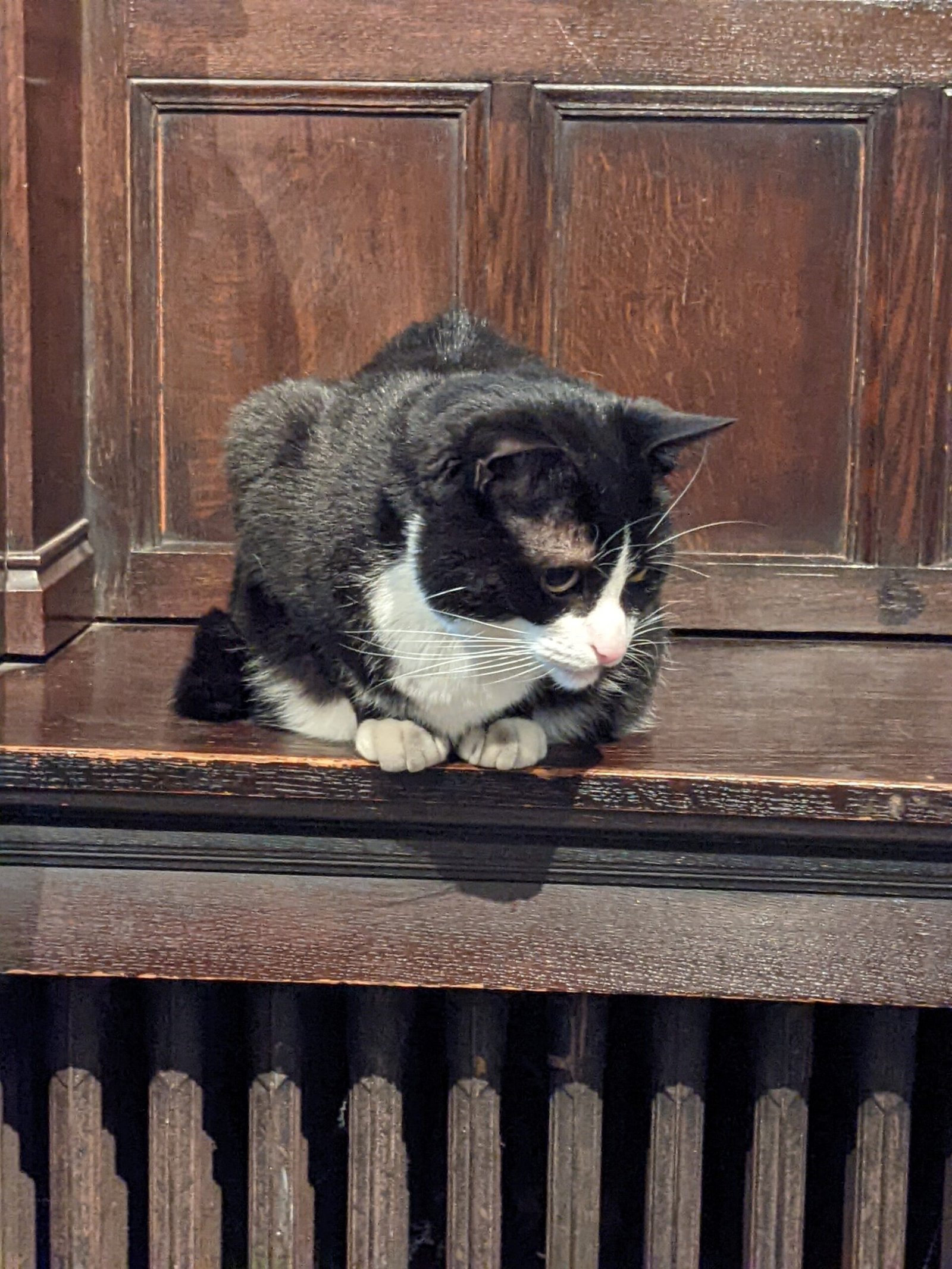
Sometimes, the best reassurance you can offer is simply being there. Sitting quietly in the same room, reading or working, lets your cat feel your presence without pressure. Even if your cat isn’t a lap cat, they appreciate the companionship. Respect their desire for closeness or distance, and let them set the pace. Over time, your cat will seek you out for comfort, knowing you’re a safe and steady presence. These moments, quiet and unhurried, build a foundation of trust.
Reassuring Routine Words and Phrases

Cats may not understand every word, but they pick up on familiar phrases and tones. Simple, repeated phrases like “It’s okay,” “Good morning,” or “Time for dinner” can become powerful reassurances. Your cat learns to associate these words with safety and routine. Over time, even the sound of your voice saying these phrases can calm their nerves. Don’t underestimate the power of words—your cat is listening more closely than you think.
Soft Lighting at Night

Cats see well in low light, but sudden darkness or harsh lights can be unsettling. Leaving a soft nightlight on or using gentle lamps in the evening helps your cat navigate and feel secure. This is especially important for older cats or those in unfamiliar environments. Soft lighting mimics the safety of dusk and dawn, times when cats are naturally most active. A dimly lit room becomes a haven, reducing anxiety and promoting restful sleep.
Gentle Introductions to New Experiences

Change can be overwhelming for cats, so gentle introductions to new people, pets, or environments are crucial. Taking things slow and allowing your cat to explore at their own pace reassures them that they’re safe. Whether it’s a new family member or a big move, patience and encouragement go a long way. Use treats, toys, and familiar items to make transitions smoother. Remember, every big change is easier to handle when your cat knows you’re there, offering support and understanding.
Affectionate, Meaningful Attention

Every cat, no matter how independent, craves meaningful attention. Taking a few minutes each day to focus solely on your cat—stroking their fur, talking softly, or sharing a quiet moment—deepens your bond. This attention tells your cat they are loved and valued, reinforcing their sense of belonging. Even the most aloof cats respond to genuine affection, often in subtle ways. Watch for the slow blink, the soft purr, or the gentle head bump—these are your cat’s way of saying, “Thank you for loving me.”

Hi, I’m Bola, a passionate writer and creative strategist with a knack for crafting compelling content that educates, inspires, and connects. Over the years, I’ve honed my skills across various writing fields, including content creation, copywriting, online course development, and video scriptwriting.
When I’m not at my desk, you’ll find me exploring new ideas, reading books, or brainstorming creative ways to solve challenges. I believe that words have the power to transform, and I’m here to help you leverage that power for success.
Thanks for stopping by, Keep coming to this website to checkout new articles form me. You’d always love it!