Have you ever caught yourself gazing at your feline friend and wondering if their world would be brighter with a companion? Maybe the silence in your home feels a little too quiet, or you sense a spark of loneliness in your cat’s eyes. The idea of adding another cat can feel both thrilling and nerve-wracking—like standing at the edge of a diving board, not sure if the water below is warm or icy. For cat lovers, the decision isn’t just about doubling the fur or the food bowls; it’s about making your home happier, livelier, and maybe even a little more chaotic in the best possible way. But how do you know when it’s truly the right time? Let’s unravel the mystery, one whisker at a time.
Your Cat’s Current Behavior

The first clue often lies in your cat’s daily actions. Are they spending more time staring out the window or meowing at nothing in particular? If your cat seems restless, bored, or even a little mopey, it could be a sign they’re craving more stimulation or company. Sometimes, a cat that used to play endlessly with you now just lounges around. This shift might mean they need a new playmate to reignite that spark. On the flip side, if your cat is content, active, and engaged, the urgency for a companion might be less pressing. It’s all about reading the subtle language of feline moods. Trust your gut—nobody knows your cat like you do.
Seeking More Attention Than Usual

Has your cat become a little shadow, following you from room to room and demanding pets at all hours? When cats crave constant attention, it might be their way of telling you they’re feeling lonely. Increased vocalization, rubbing against your legs, or even interrupting your work calls are all little hints. If their neediness has ramped up and you’re struggling to meet it, another cat could split the attention load and enrich both their lives. Sometimes, it’s like having a toddler who never wants to play alone—two playmates can ease that need.
Changes in Eating or Sleeping Habits

Cats are creatures of habit, so changes in their eating or sleeping patterns can signal a bigger issue. Maybe your cat’s not finishing meals or is sleeping more than usual. While health problems should always be ruled out by a vet, sometimes these changes stem from boredom or loneliness. Just like people, cats can feel down and lose interest in things they once loved. A new furry friend might inject some excitement and bring back that healthy appetite and playful energy.
Destructive or Anxious Behavior

Shredded curtains, knocked-over plants, or mysterious scratches on the sofa—sound familiar? When a normally well-behaved cat starts acting out, boredom or anxiety could be the culprit. Destructive behaviors are often a silent cry for more stimulation or companionship. If you’ve tried new toys and extra playtime but nothing seems to help, a second cat can be a game-changer. Sometimes, it’s like giving a bored child a sibling—they might fight at first, but soon they’re partners in crime.
Social Nature of Your Cat

Not every cat dreams of a feline sidekick. Some are natural loners, while others are social butterflies. If your cat perks up around other animals, greets guests warmly, or seems curious during playdates, they might thrive with a cat companion. On the other hand, a cat who hides from visitors or hisses at the neighbor’s pet may not appreciate a new roommate. Watch how your cat reacts to other animals before making the leap.
Your Cat’s Age and Health

Age and health play a huge role in this decision. Young, energetic cats often crave more play and adventure, making them more receptive to a new friend. Senior cats, especially those with health issues, might prefer peace and routine over the chaos of a kitten. If your cat has medical needs, consider whether a new arrival would add stress or help lift their spirits. It’s a bit like deciding if grandma wants a rambunctious puppy—sometimes yes, sometimes absolutely not.
Your Household Routine

Are you home a lot, or does your job keep you out for long hours? Cats left alone for extended periods can get lonely, especially if they’re used to more interaction. If your schedule has changed or you’ve started working longer shifts, your cat may benefit from a companion to keep them company. A second cat can make the house feel less empty and give your pet a partner to share the lonely hours.
Past Experience with Other Cats

Does your cat have a history with other cats? If they grew up with siblings or previously lived in a multi-cat home, they might miss that camaraderie. Cats who’ve shown positive interactions in the past often adjust more easily to a new friend. However, if your cat had a traumatic experience or fought with other animals, tread carefully. Past behavior isn’t everything, but it’s a helpful guide.
Signs of Separation Anxiety

Some cats develop separation anxiety, a condition where they become stressed or upset when left alone. Symptoms include excessive meowing, destructive behavior, or even going potty outside the litter box. If you notice these signs, your cat might benefit from a companion’s comforting presence. Another cat can’t replace you, but it can make the alone times less scary. Think of it as having a friend to wait with you at the bus stop—it just feels better.
Multiple Cats, Happier Home?

It’s a popular belief among cat lovers that two cats are better than one. While this isn’t always true for every feline, many thrive in pairs or small groups. Watching two cats groom each other, chase toys, or curl up together can be downright heartwarming. They entertain and challenge each other in ways humans simply can’t. If you’re ready for more love, laughter, and maybe a little mischief, a second cat might be the answer.
Your Financial Situation

Adding another cat means doubling some costs: food, litter, vet bills, and pet insurance. It’s important to be honest about your budget before making the leap. Unexpected expenses, like emergency vet visits, can pop up, so having a financial cushion helps. Caring for two cats is a long-term commitment, so make sure you’re prepared for both the joys and the responsibilities.
Your Living Space

Space matters when it comes to adding another pet. Two cats need room to stretch, play, and find their own quiet spots. In smaller apartments, you’ll need to get creative with vertical shelves or cozy hideaways. If you have a bigger home, make sure there are enough safe spaces for each cat to retreat if they need a break. Think of your home as a playground—can it handle another member?
Litter Box Logistics

More cats means more litter boxes. The general rule is one box per cat, plus one extra. This helps prevent territory disputes and keeps your home smelling fresh. If you’re short on space or dislike cleaning extra boxes, consider whether you’re ready for the added maintenance. Proper litter box management is key to a peaceful multi-cat household.
Introducing a New Cat

Bringing a new cat home isn’t as simple as opening the door and letting them meet. Successful introductions take patience and planning. Start with separate spaces, let them sniff each other under the door, and gradually allow supervised interactions. This slow process helps prevent fights and builds trust between your cats. Rushing this step can set everyone back, so take it slow for a smoother transition.
Choosing the Right Companion

Not all cats are destined to be best friends. When picking a new cat, consider temperament, age, and energy level. A playful kitten might overwhelm a senior cat, while two high-energy cats could become fast friends. Shelter staff can help match personalities, increasing the odds of a happy relationship. It’s a bit like matchmaking—compatibility makes all the difference.
Your Family’s Readiness

Everyone in your household should be on board with the decision. Adding another cat affects routines, responsibilities, and sometimes even allergies. Talk openly with family members about what to expect and how chores will be divided. If kids are involved, make sure they’re ready for the extra care and attention a new cat will need. Teamwork makes the transition smoother for everyone.
The Emotional Impact

Adding another cat brings a whirlwind of emotions—joy, excitement, anxiety, and sometimes even guilt. It’s normal to worry about how your current cat will react or if you’ll have enough love to go around. Remember, your heart can expand in ways you never imagined. The bond between cats, and between you and them, can grow deeper with every new adventure.
Rescue and Adoption Options

If you’re considering a second cat, adopting from a shelter is a wonderful option. Shelters are full of cats waiting for loving homes, and many are already socialized to live with other animals. Some organizations even offer trial adoptions, letting you see if the match works before making it permanent. Choosing adoption can change a cat’s life—and yours.
Timing Is Everything
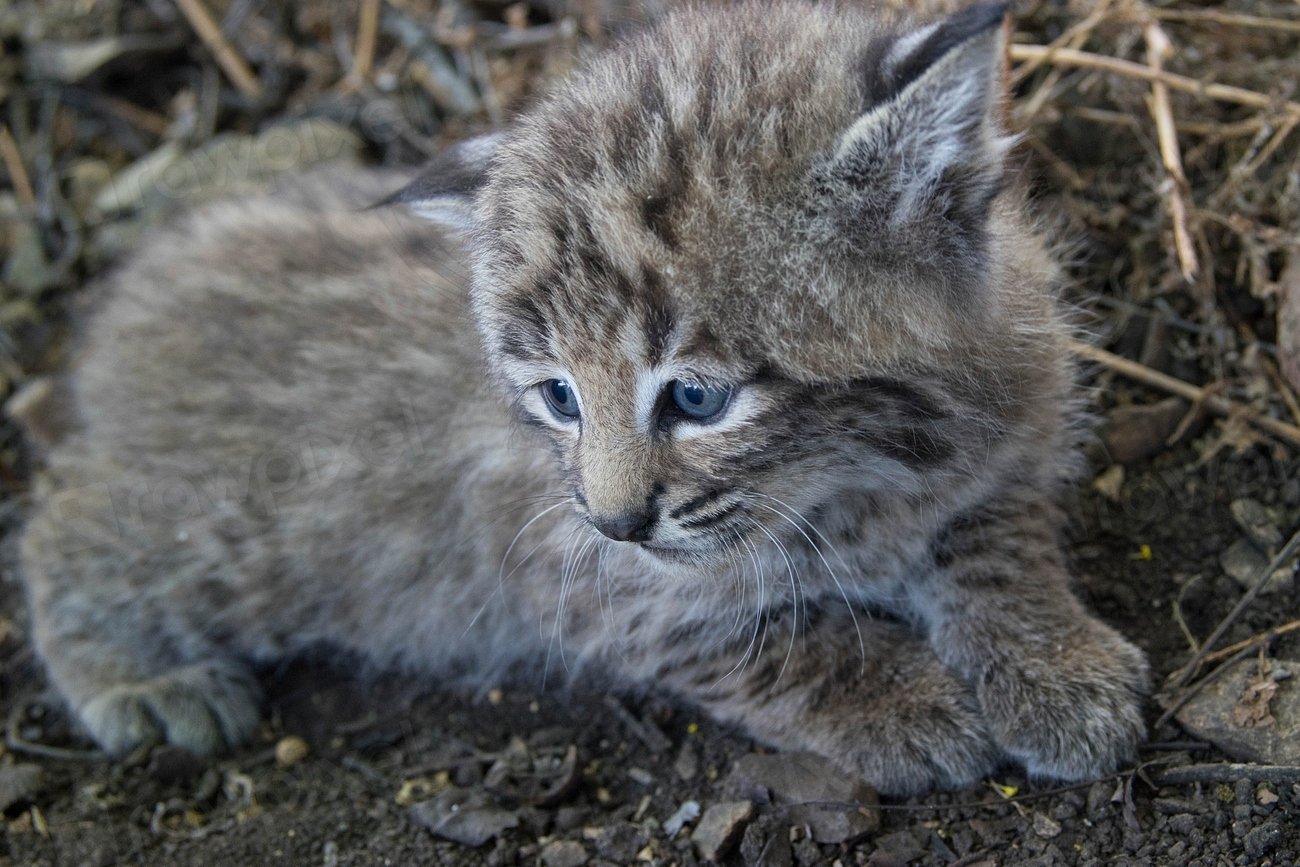
When is the right time? There’s no perfect answer, but certain moments are better than others. Avoid adding a new cat during major life changes like moving, new jobs, or family upheavals. Stability helps both cats adjust. Listen to your instincts and watch your current cat’s behavior—sometimes, they’ll let you know when they’re ready for a new friend.
Recognizing When to Wait

Sometimes, the best choice is to wait. If your cat has recently experienced a loss, is recovering from illness, or is showing signs of stress, hold off on bringing home a new companion. Giving your cat time to heal and adjust is an act of love. Adding another cat should feel right for everyone involved, not rushed or forced. Trust the process and remember, there’s no deadline for doing what’s best for your furry family.
Celebrating a New Chapter

Welcoming a new cat is a leap of faith, filled with hope and excitement. It’s a chance to create new memories, watch friendships bloom, and open your home—and heart—a little wider. Whether you decide to stick with one cat or make room for another, the most important thing is the love you share. Are you ready for the adventure ahead?

Hi, I’m Bola, a passionate writer and creative strategist with a knack for crafting compelling content that educates, inspires, and connects. Over the years, I’ve honed my skills across various writing fields, including content creation, copywriting, online course development, and video scriptwriting.
When I’m not at my desk, you’ll find me exploring new ideas, reading books, or brainstorming creative ways to solve challenges. I believe that words have the power to transform, and I’m here to help you leverage that power for success.
Thanks for stopping by, Keep coming to this website to checkout new articles form me. You’d always love it!