Have you ever wondered if your beloved cat is secretly unhappy—even when you think you’re doing everything right? The truth is, many cat owners unknowingly stress out their furry friends, despite their best intentions. Cats are sensitive creatures, and what seems harmless to us can sometimes be a source of anxiety for them. The tiniest changes in our behavior or their environment can send their stress levels soaring. Let’s dive deep into the surprising, often overlooked ways you might be stressing your cat without even realizing it.
Sudden Changes in Routine

Cats are creatures of habit, thriving on predictable schedules and familiar routines. When their daily patterns are disrupted—maybe you start a new job, stay out late, or change the timing of their meals—your cat can feel unsettled. Even small shifts, like moving their litter box or feeding them earlier than usual, can leave your cat anxious or confused. Unlike dogs, who often bounce back quickly, cats may show stress by hiding, avoiding family members, or acting aloof. It’s easy to underestimate how much these changes matter. Try to keep your cat’s environment and daily schedule as stable as possible. If a change is necessary, introduce it gradually and with lots of patience.
Loud Noises and Sudden Sounds

Imagine if every time a phone rang or a vacuum cleaner roared to life, you felt a jolt of fear. For cats, this is a daily reality. Their hearing is much more sensitive than ours, so loud noises—like fireworks, thunderstorms, or even a dropped pan—can feel like an all-out attack. Some cats recover quickly, but others might hide under the bed for hours after a scary noise. Even the sound of construction work outside or a loud television can be distressing. If you know there will be loud sounds, create a quiet, safe spot for your cat to retreat to. Soft music or white noise machines can also help mask jarring sounds.
Frequent Rearrangement of Furniture

To us, rearranging the living room might be a fun way to freshen things up. To a cat, though, it’s like waking up in a stranger’s house. Cats rely heavily on scent and spatial memory to feel secure. Changing the location of their favorite chair, scratching post, or food bowl can lead to confusion and stress. You might notice your cat pacing, sniffing obsessively, or even refusing to eat. When you do need to move things around, try to keep your cat’s essentials in the same spot. Give them extra comfort and attention to help them adjust to the changes.
Overhandling and Forced Affection

As much as we love to cuddle our cats, not all felines appreciate being picked up, hugged, or kissed. For some, too much physical contact can feel overwhelming or even threatening. Signs of stress include twitching tails, flattened ears, or attempts to squirm away. It can be tempting to shower your cat with love, especially when you’ve had a tough day, but it’s important to respect their boundaries. Pay attention to your cat’s body language and learn when they want affection—and when they need space.
Neglecting Playtime

Cats may act aloof, but they need play and stimulation just as much as dogs do. Without enough mental and physical activity, cats can become bored, frustrated, and stressed. This often leads to destructive behaviors like scratching furniture or biting. Setting aside time each day for interactive play with toys, lasers, or feather wands can make a world of difference. Even older cats benefit from gentle play sessions. Think of it as therapy for their minds and bodies—and a great way to deepen your bond.
Unpredictable Visitors

Cats are wary of strangers, and unexpected guests can throw them into a panic. Whether it’s a house party, a repair person, or a new romantic partner, unfamiliar faces and scents are often alarming. Some cats will hide until the coast is clear, while others may become aggressive or defensive. If you’re expecting company, set up a quiet, closed-off room with your cat’s favorite bed and toys. Let guests know to approach your cat calmly and give them space to come out on their own terms.
Bringing Home New Pets

Introducing a new dog, cat, or even a small animal into your home can be a major source of stress for your current cat. Suddenly, their territory is invaded, their routines disrupted, and their status in the household challenged. Cats may hiss, hide, or act out with spraying or scratching. Slow, careful introductions are key. Give your cat plenty of time to adjust, use scent-swapping techniques, and provide separate spaces for each pet until everyone feels comfortable.
Dirty or Inaccessible Litter Boxes
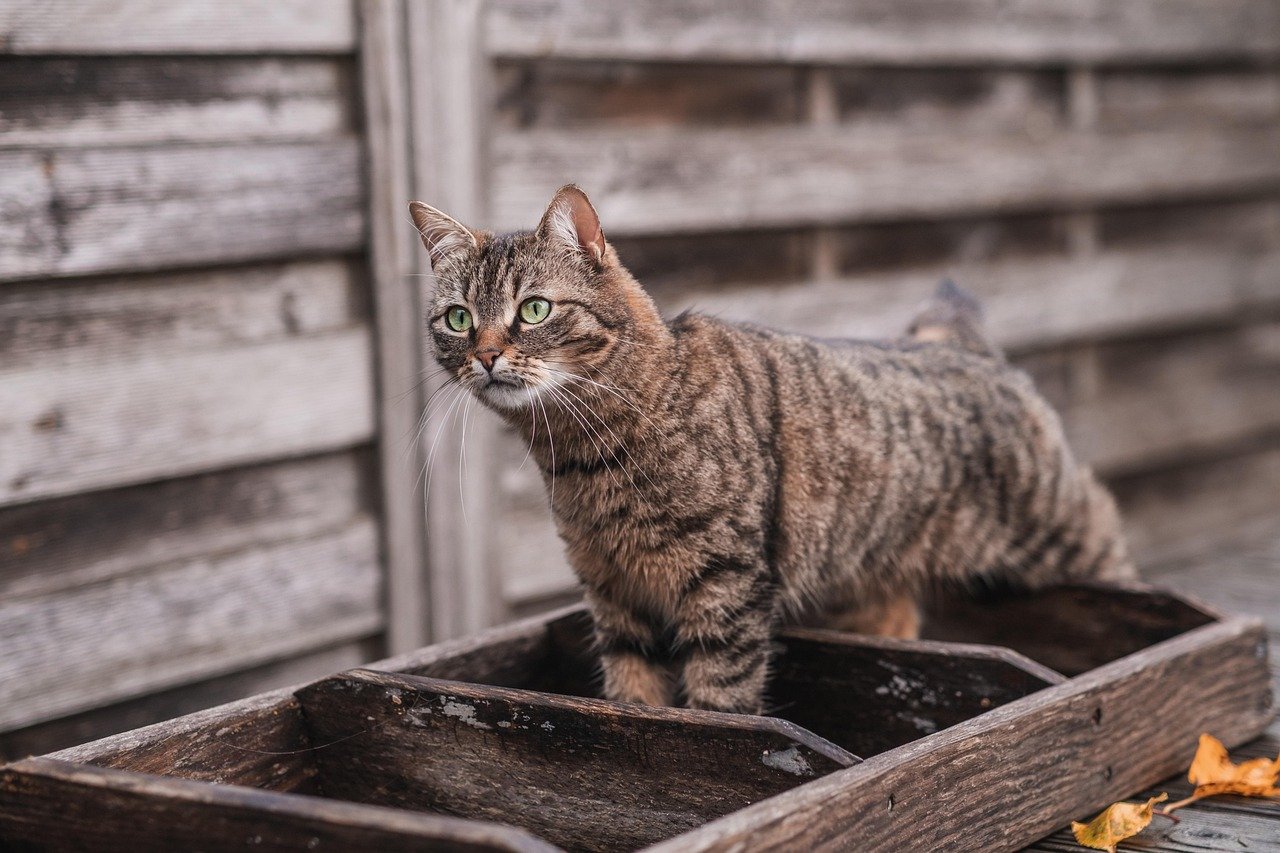
Cats are fastidious about cleanliness, especially when it comes to their litter boxes. A dirty or smelly box can be a huge source of anxiety, sometimes leading to accidents outside the box. The same goes for boxes that are hard to reach, too small, or placed in noisy, high-traffic areas. Scoop the litter daily and change it regularly. Make sure your cat can access the box easily, and consider offering multiple boxes in multi-cat households. A clean, quiet place to do their business helps your cat feel safe and secure.
Lack of Vertical Space
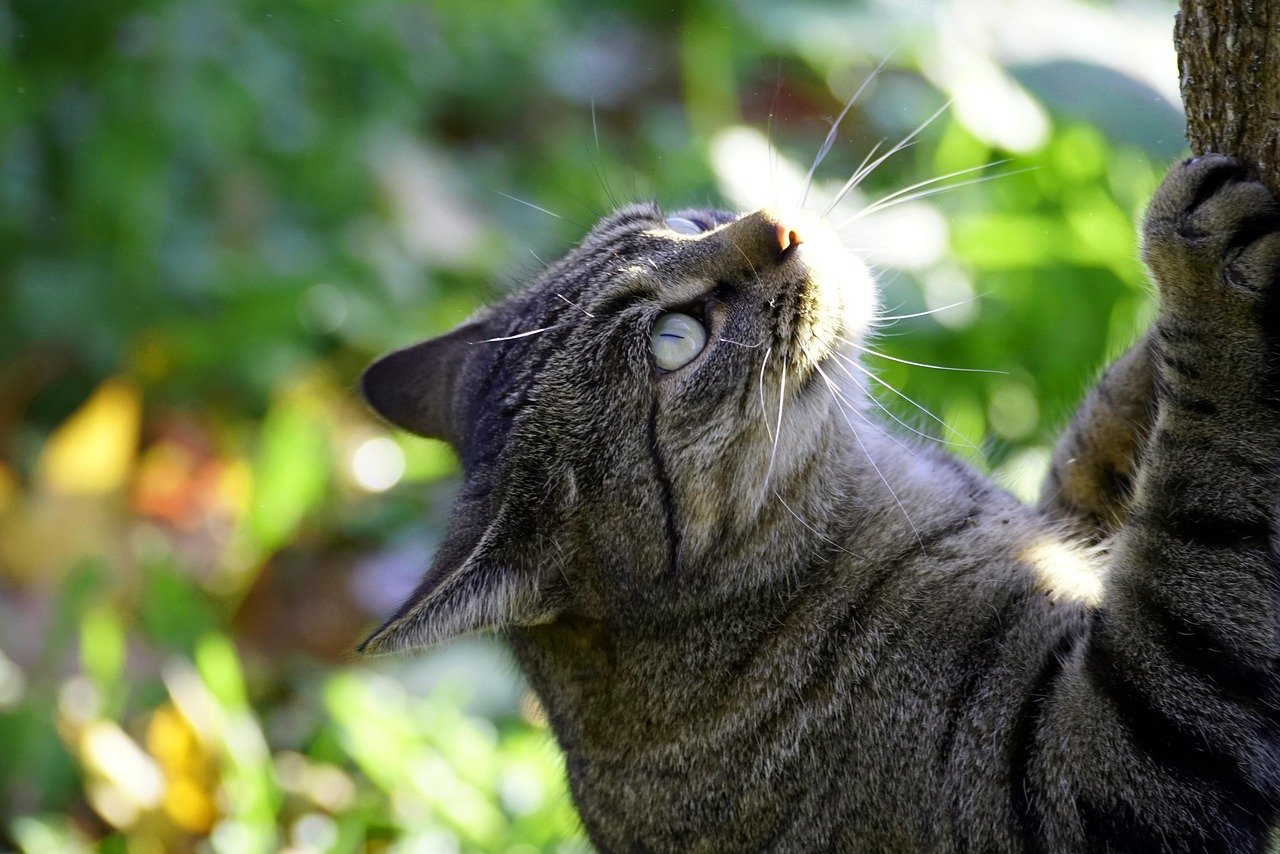
In the wild, cats climb trees to escape danger, survey their territory, or simply relax. Indoor cats crave vertical spaces for exactly the same reasons. Without shelves, cat trees, or window perches, your cat may feel anxious and exposed. Providing these climbing opportunities gives your cat a sense of security and control. Plus, it’s a great way to encourage exercise and playful exploration. You don’t have to invest in expensive furniture—a few well-placed shelves or boxes can make all the difference.
Ignoring Subtle Body Language
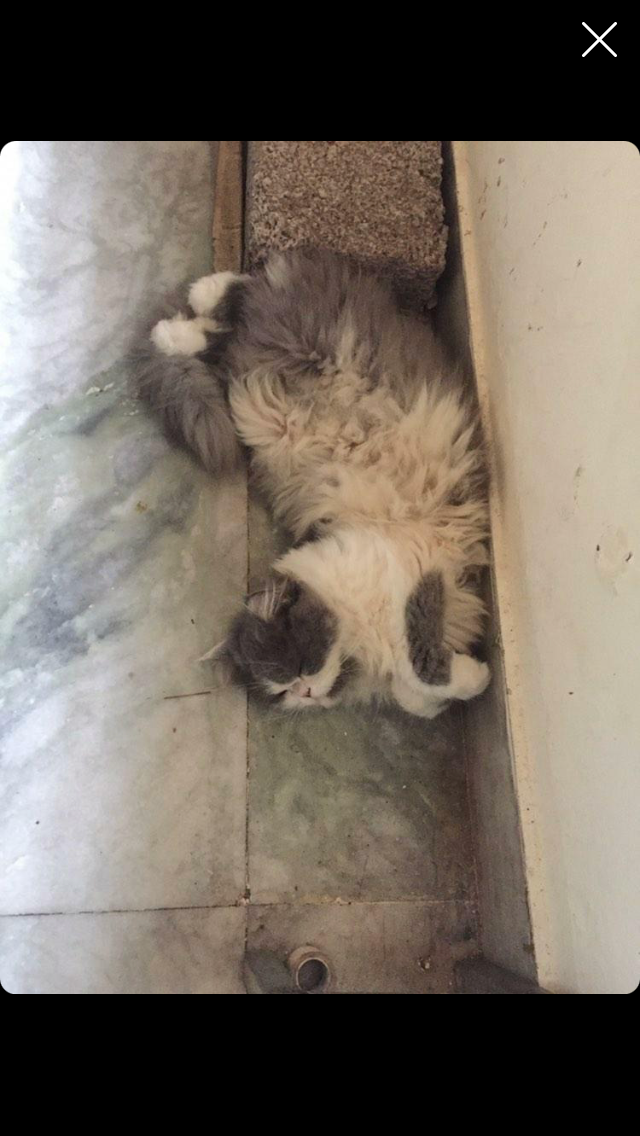
Cats communicate most of their feelings through body language, not meows. A twitching tail, flattened ears, dilated pupils, or a hunched posture can all signal stress. Many owners miss these subtle signs, assuming their cat is just being “grumpy” or “shy.” Paying closer attention to your cat’s cues can help you intervene before their stress escalates. It’s like learning a new language—one that can transform your relationship and your cat’s wellbeing.
Uncomfortable Temperatures
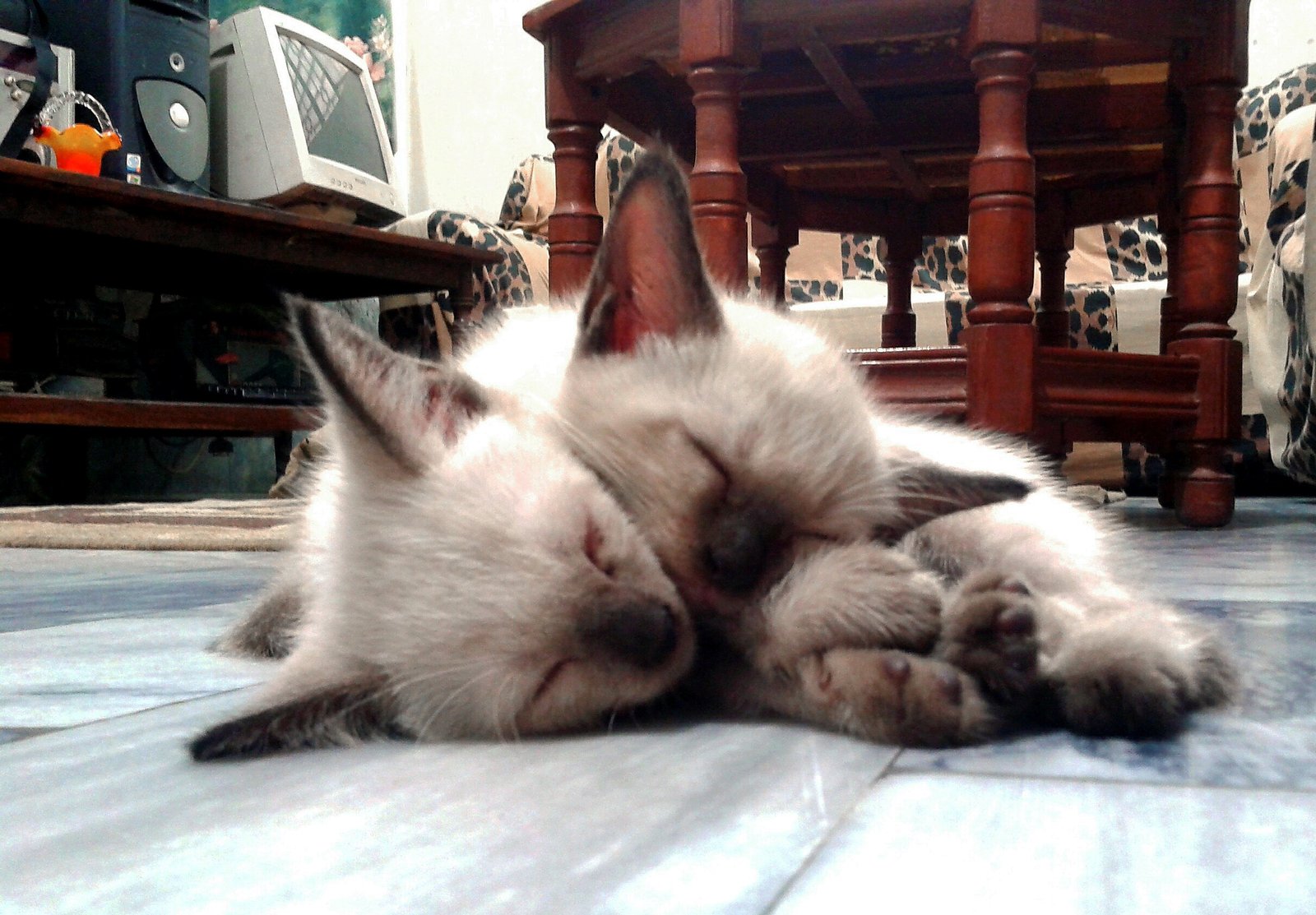
Cats are sensitive to changes in temperature. Too cold, and your cat might shiver or seek out warm hiding spots. Too hot, and they may pant, over-groom, or lie flat on cool surfaces. Sudden drafts, direct sunlight, or blasting air conditioners can all make your cat uncomfortable. Make sure your home offers a range of cozy spots—soft blankets for warmth and cool tiles for those hot summer days. If you’re comfortable, chances are your cat will be, too.
Inconsistent Feeding Schedules
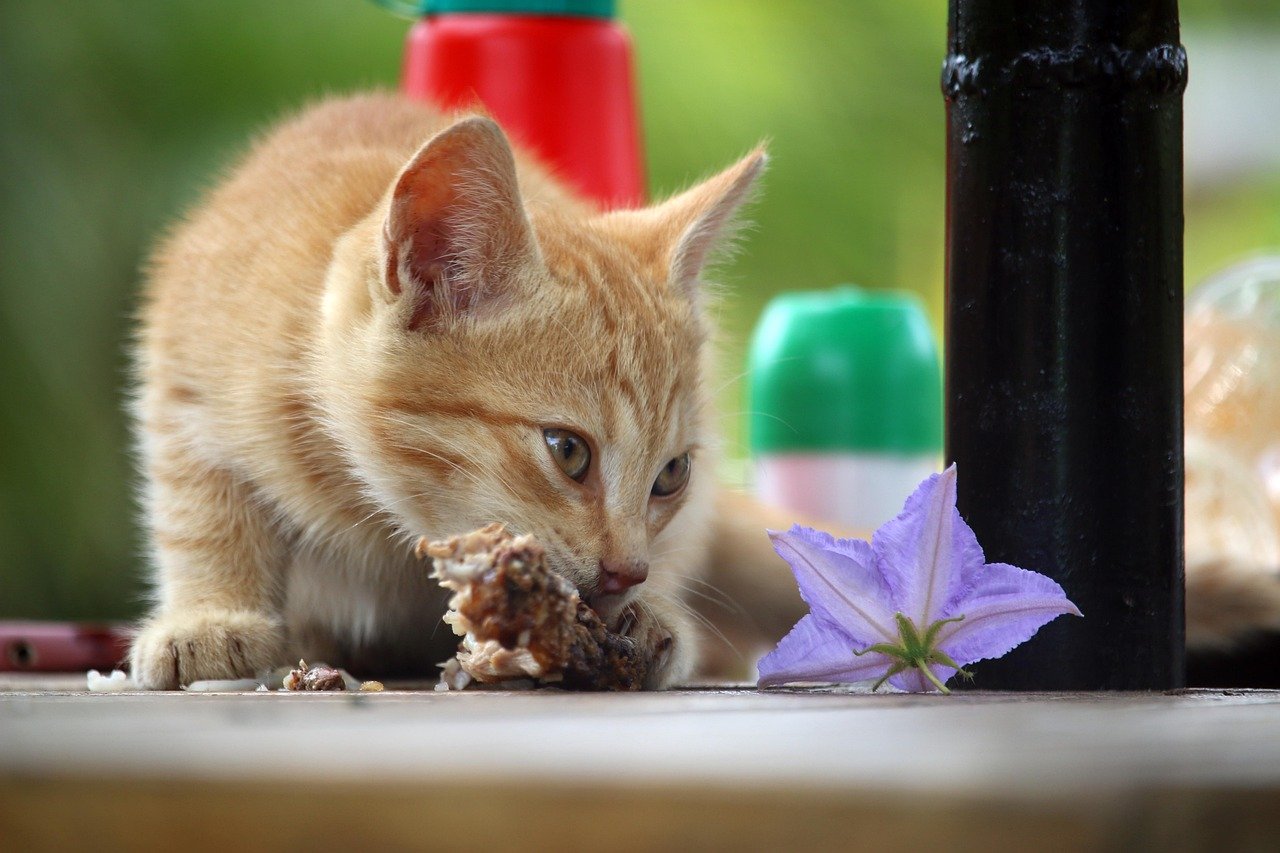
Skipping meals, changing food brands abruptly, or feeding at random times all contribute to feline stress. Cats like knowing when and what they’ll eat next. Sudden diet changes can also cause stomach upset or refusal to eat altogether. Try to stick to a regular feeding schedule and introduce new foods gradually. If you need to switch brands, mix the new food with the old over a week or so. Predictability is comforting for cats and helps them feel secure.
Too Much Alone Time
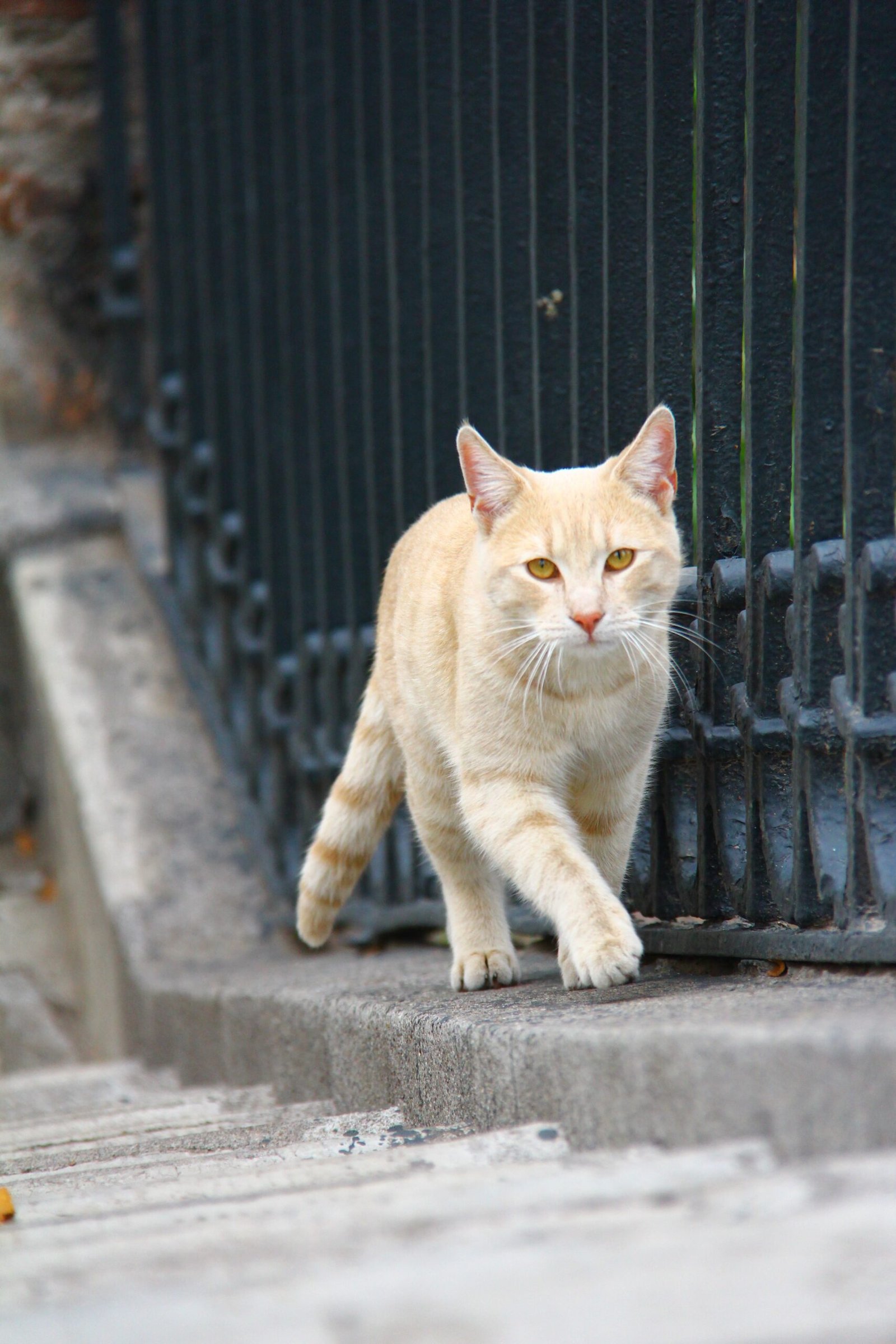
Contrary to popular belief, most cats do get lonely if left alone for long periods. While they may not pine by the door like a dog, cats crave companionship and stimulation. Long hours alone can lead to depression, anxiety, and destructive behaviors. If you have a busy schedule, consider interactive toys, puzzle feeders, or even a feline companion. Your presence matters more than you might think, even if your cat seems independent on the surface.
Overcrowded Living Spaces
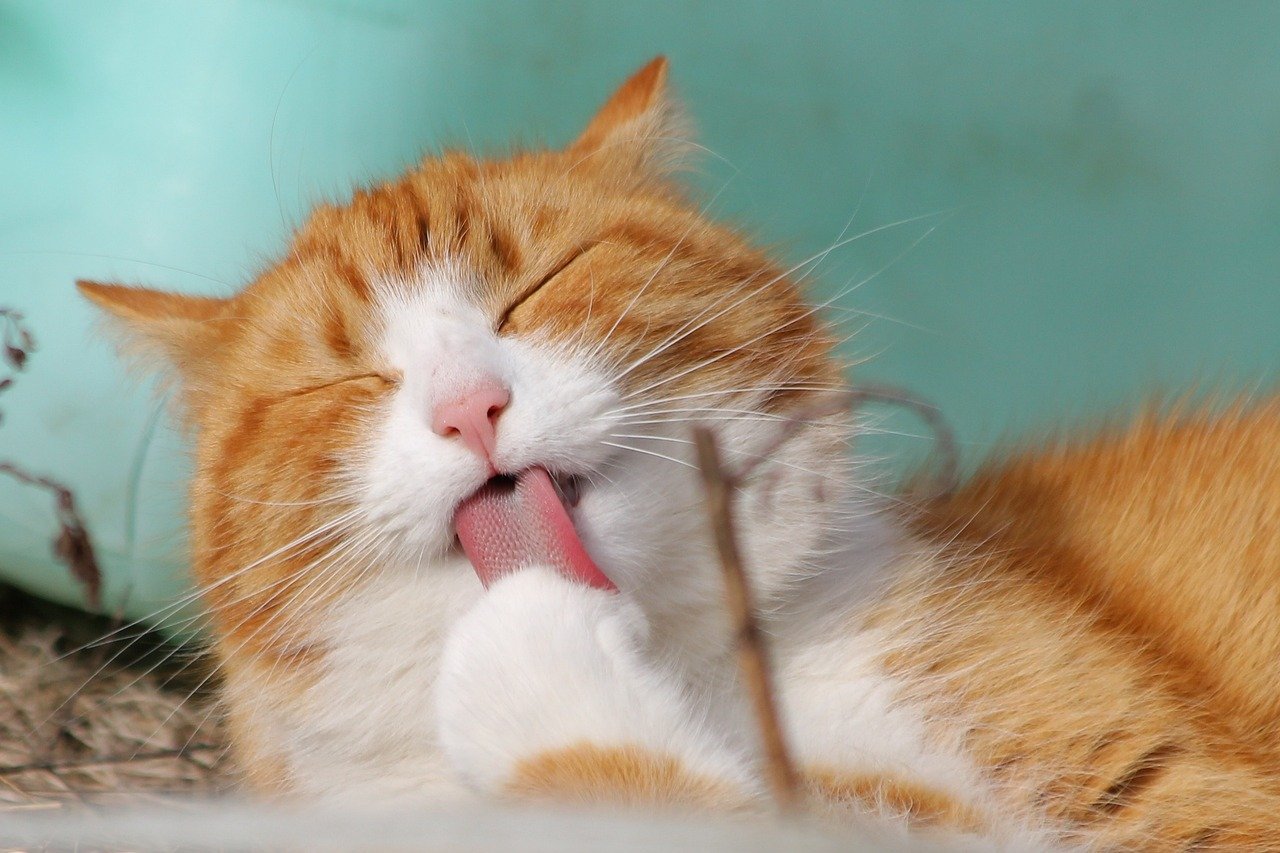
In multi-cat households, overcrowding can lead to territorial disputes and chronic stress. Cats need personal space—places where they can retreat and not be bothered by other pets. Too many cats in too small a space often results in fighting, spraying, or hiding. Make sure each cat has access to their own food, water, litter box, and resting areas. Sometimes, a little distance is the best gift you can give your feline friends.
Strong Scents and Chemical Cleaners
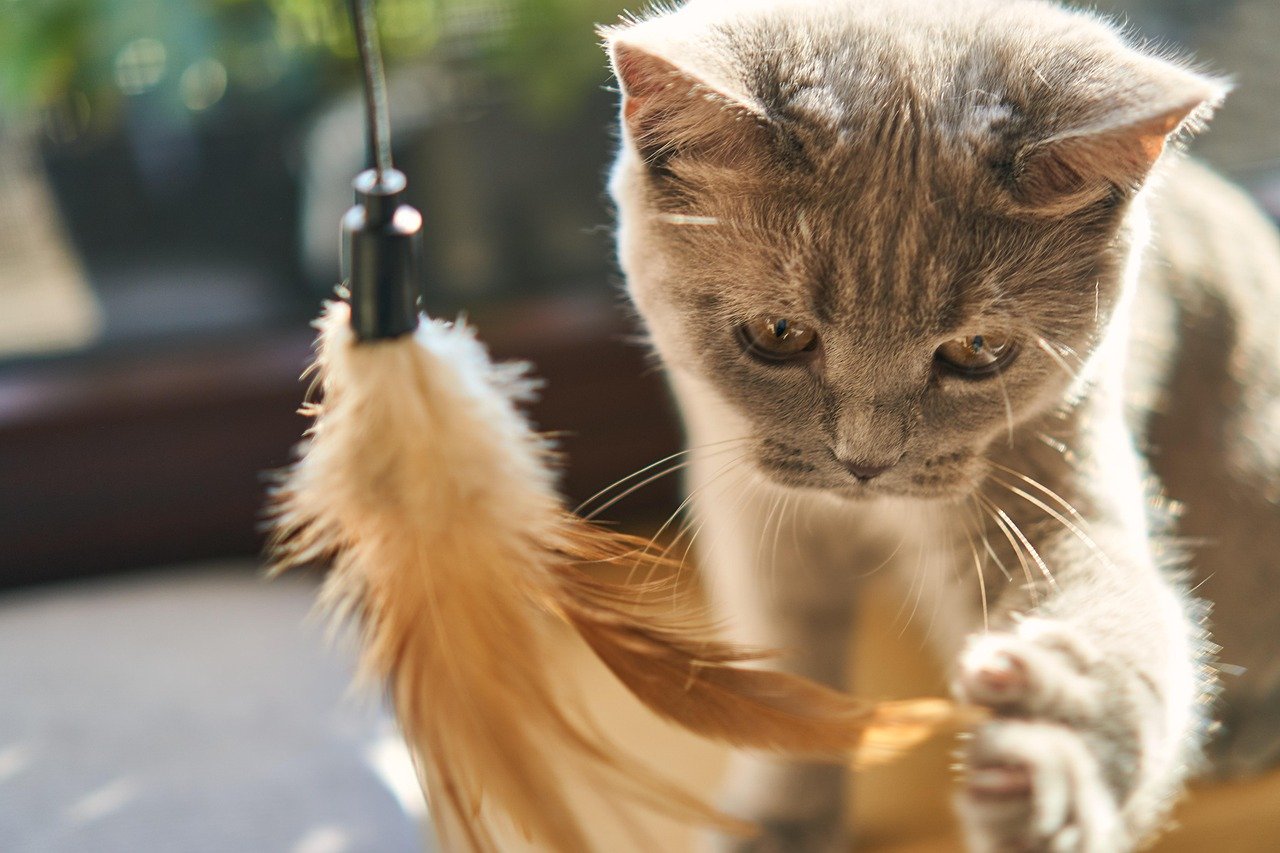
Cats’ noses are far more sensitive than ours. Strong scents—like air fresheners, perfumes, or harsh cleaning products—can be overwhelming or even harmful. Some essential oils and cleaners are toxic to cats. Even scented litter can cause stress or allergic reactions. Opt for unscented products and natural cleaners whenever possible. Remember, what smells “clean” to you can be an invisible storm for your cat’s senses.
Ignoring Medical Needs

Pain or illness is a major cause of stress in cats, often going unnoticed. Cats are masters at hiding discomfort, so subtle changes in behavior—like less grooming, hiding, or decreased appetite—can be early warning signs. Regular check-ups and prompt attention to health issues are essential. If your cat seems “off,” trust your instincts and consult a veterinarian. Relieving physical discomfort can instantly reduce stress and improve your cat’s quality of life.
Boredom and Lack of Enrichment

A monotonous environment is a recipe for feline frustration. Without new toys, scratching posts, or things to watch outside the window, cats quickly become bored. This can lead to overeating, aggression, or depression. Rotate toys regularly, offer puzzle feeders, and open the curtains so your cat can watch the world go by. Enrichment doesn’t have to be expensive—a cardboard box or paper bag can provide hours of entertainment.
Travel and Car Rides

For most cats, travel is a nightmare. The movement, strange smells, and unfamiliar sounds of car rides or vet visits can trigger intense fear. Some cats drool, pant, or even vomit from stress. If travel can’t be avoided, make the experience as comfortable as possible. Use a secure, cozy carrier with familiar bedding, and avoid feeding right before a trip. Practice short car rides to help your cat get used to the sensation over time.
Too Much Punishment or Scolding

Yelling at or punishing your cat for “bad” behavior does more harm than good. Cats don’t understand punishment in the same way dogs might. Instead, they become fearful, anxious, or even more likely to act out. Positive reinforcement—rewarding good behavior with treats or affection—is far more effective. Focus on understanding the cause of the unwanted behavior rather than punishing your cat for communicating distress.
Neglecting Socialization When Young

Kittens go through a critical period of social development. If they aren’t gently exposed to people, other pets, and new environments early on, they may grow up anxious or fearful. Socialization doesn’t mean overwhelming them, but rather introducing new experiences at their own pace. Adult cats can still learn, but it takes more patience. The more positive experiences your cat has, the more resilient and confident they’ll become.
Not Providing Hiding Places
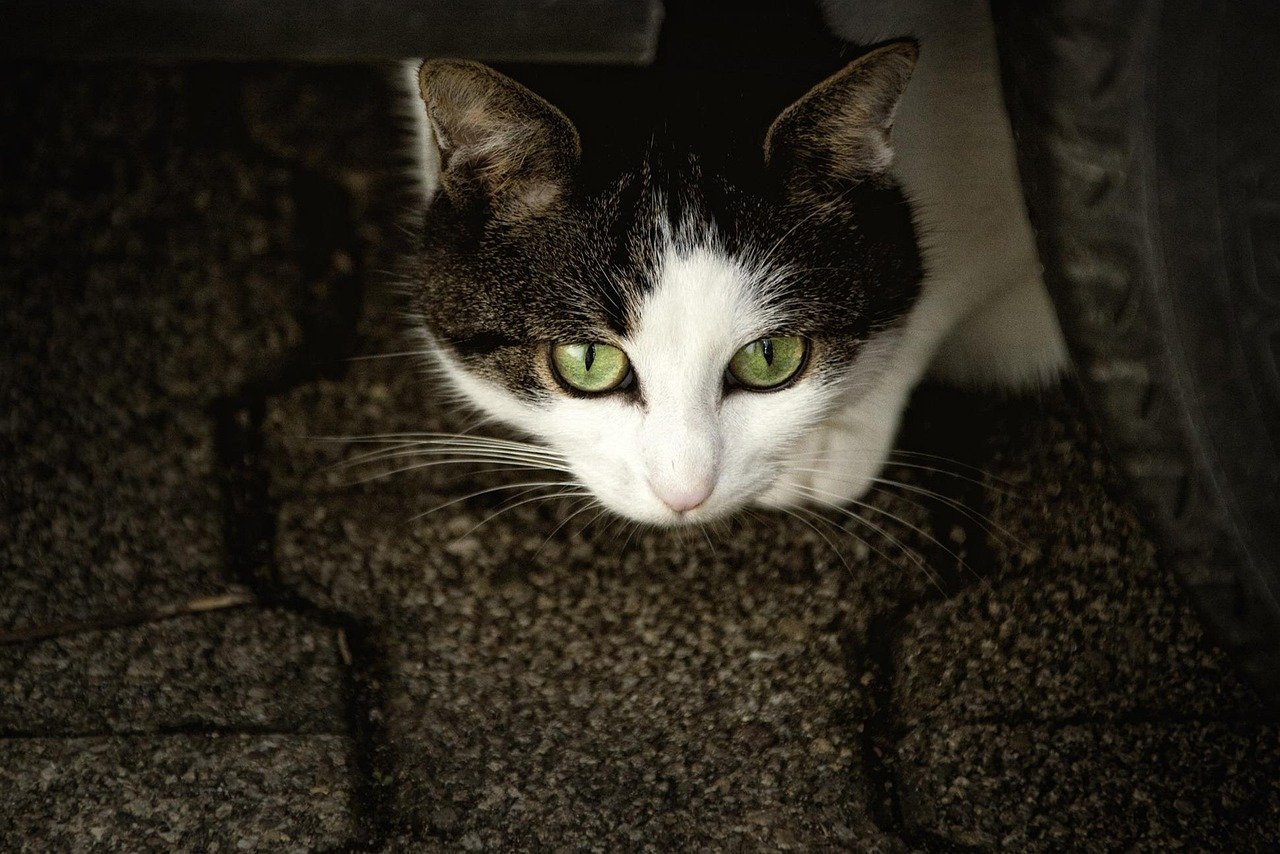
Every cat needs a safe space to retreat when the world feels overwhelming. Without cozy hiding spots, your cat might feel constantly exposed and stressed. Cardboard boxes, covered beds, or even a spot under the couch can be a sanctuary. Don’t take it personally if your cat disappears now and then—they’re just recharging their batteries. Make sure they always have access to a quiet, private place where they feel truly safe.

Hi, I’m Bola, a passionate writer and creative strategist with a knack for crafting compelling content that educates, inspires, and connects. Over the years, I’ve honed my skills across various writing fields, including content creation, copywriting, online course development, and video scriptwriting.
When I’m not at my desk, you’ll find me exploring new ideas, reading books, or brainstorming creative ways to solve challenges. I believe that words have the power to transform, and I’m here to help you leverage that power for success.
Thanks for stopping by, Keep coming to this website to checkout new articles form me. You’d always love it!