Have you ever noticed how your cat sometimes just disappears for hours, only to reappear looking like it’s been on a soul-soothing vacation? Cats, just like people, need their own sanctuary—a place to emotionally recharge and shake off the stresses of daily life (yes, cats get stressed, too!). Creating a home where your feline friend can truly relax is not only a gift for them, but it can also deepen your bond and turn your house into a haven for both of you. Let’s dive into the world of feline comfort and discover how you can make every nook and cranny a cozy, safe space for your beloved cat.
Understanding Why Cats Need Emotional Recharge

Cats might act aloof, but beneath those cool whiskers, they feel just as much as we do. Loud noises, strangers, or too much activity can leave them feeling frazzled. Their instincts tell them to seek quiet, safe places to decompress. Recognizing this need is the first step in building a home that truly supports their emotional well-being. Just like we crave a quiet corner after a hectic day, our cats yearn for peace and calm. If ignored, stress can even lead to health issues in cats, like fur loss or digestive problems. That’s why it’s so important to pay attention to their emotional needs. Think of your cat as a little introvert needing a cozy retreat from the world.
Choosing the Right Safe Spaces
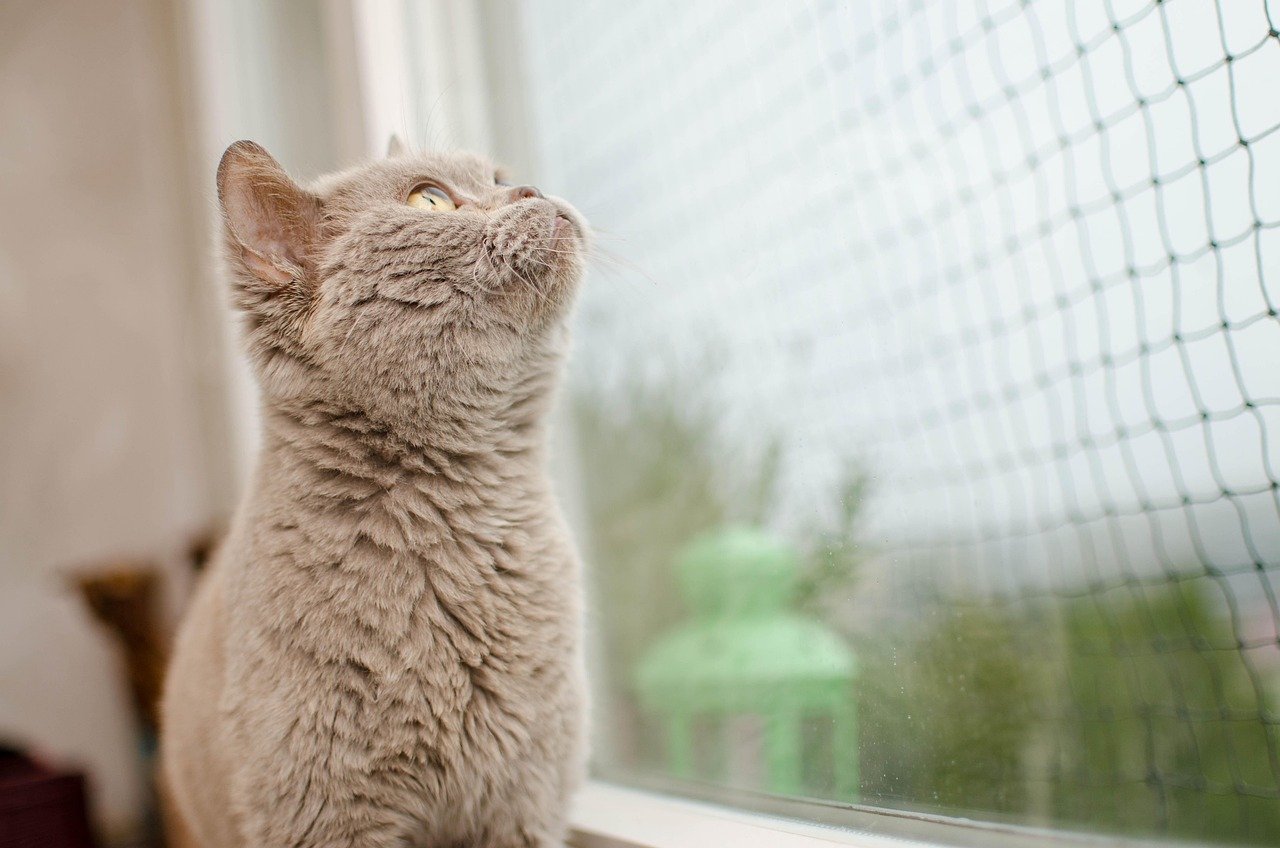
Safe spaces are the heart of a cat’s emotional recharge zone. These could be a quiet bedroom corner, under a bed, or a secluded shelf. The key is to find areas away from household chaos and foot traffic. Watch where your cat naturally gravitates—maybe it’s a sunny window or behind a couch. Respect these choices and enhance them rather than moving your cat elsewhere. You can add a soft blanket or a cushioned bed to make these spots extra inviting. Providing multiple safe zones gives your cat options, which can be especially comforting in a busy household. It’s like giving your cat a menu of cozy retreats to pick from.
Designing Cozy Retreats
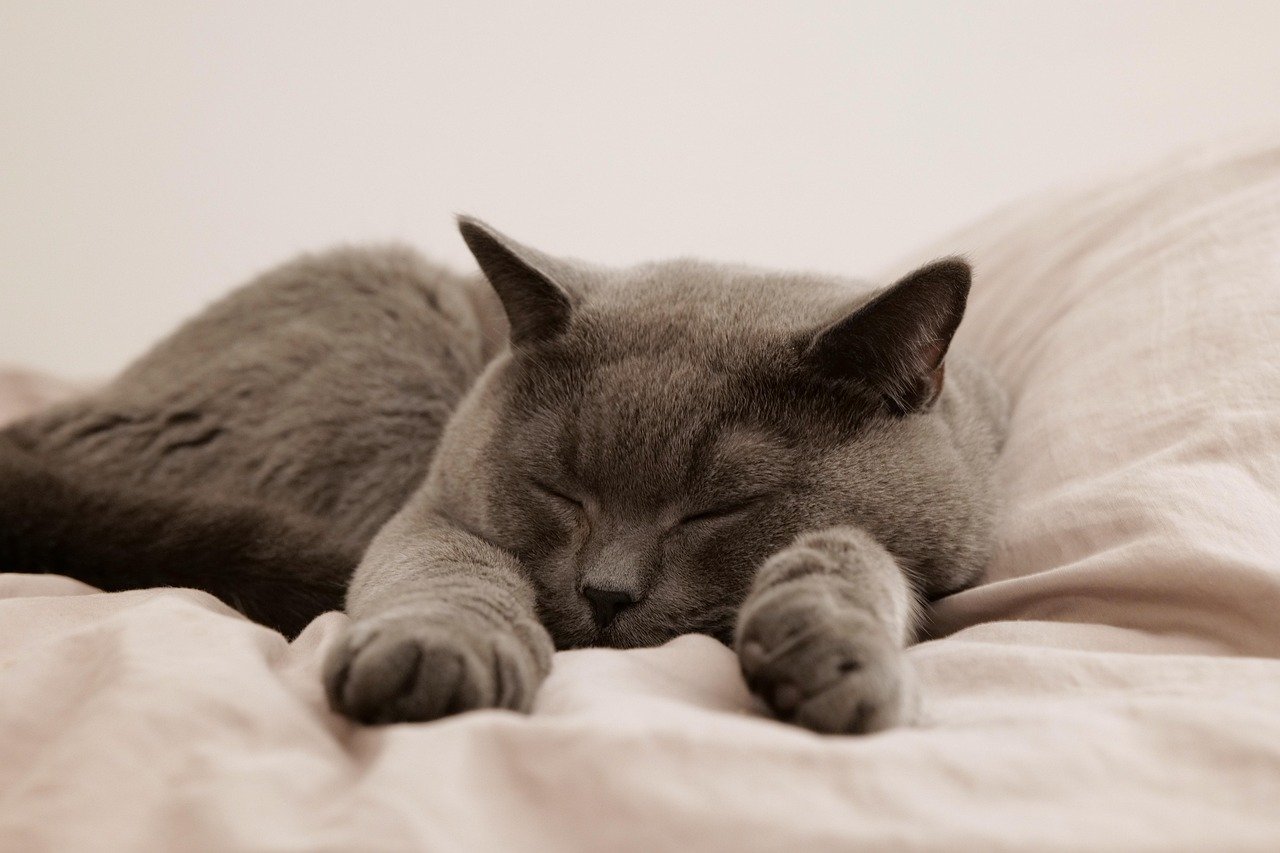
Every cat loves a soft, snuggly nook. Think plush beds, fleece blankets, or even a repurposed cardboard box lined with towels. The goal is to offer warmth and comfort, mimicking the feeling of cuddling with their mother or littermates. Place these retreats in quiet spots and refresh them regularly to keep things interesting. Don’t forget vertical spaces—cat trees and shelves let your cat escape upwards, where they often feel more secure. Adding a few toys or a sprinkle of catnip can make these retreats even more inviting. It’s like turning an ordinary space into a five-star hotel suite for your furry friend.
Managing Noise and Stress

Cats have sensitive ears—what seems like background noise to us can feel overwhelming to them. Try to keep their main areas away from noisy appliances, loud TVs, or busy doorways. If you have a particularly hectic household, consider using sound-absorbing curtains or soft rugs to help dampen noise. Gentle music or even white noise machines can provide a calming atmosphere, especially if there are fireworks or thunderstorms outside. Remember, a peaceful environment is critical for a cat’s emotional balance. By managing noise, you’re giving your cat the gift of tranquility, which is priceless for their well-being.
Providing Vertical Spaces

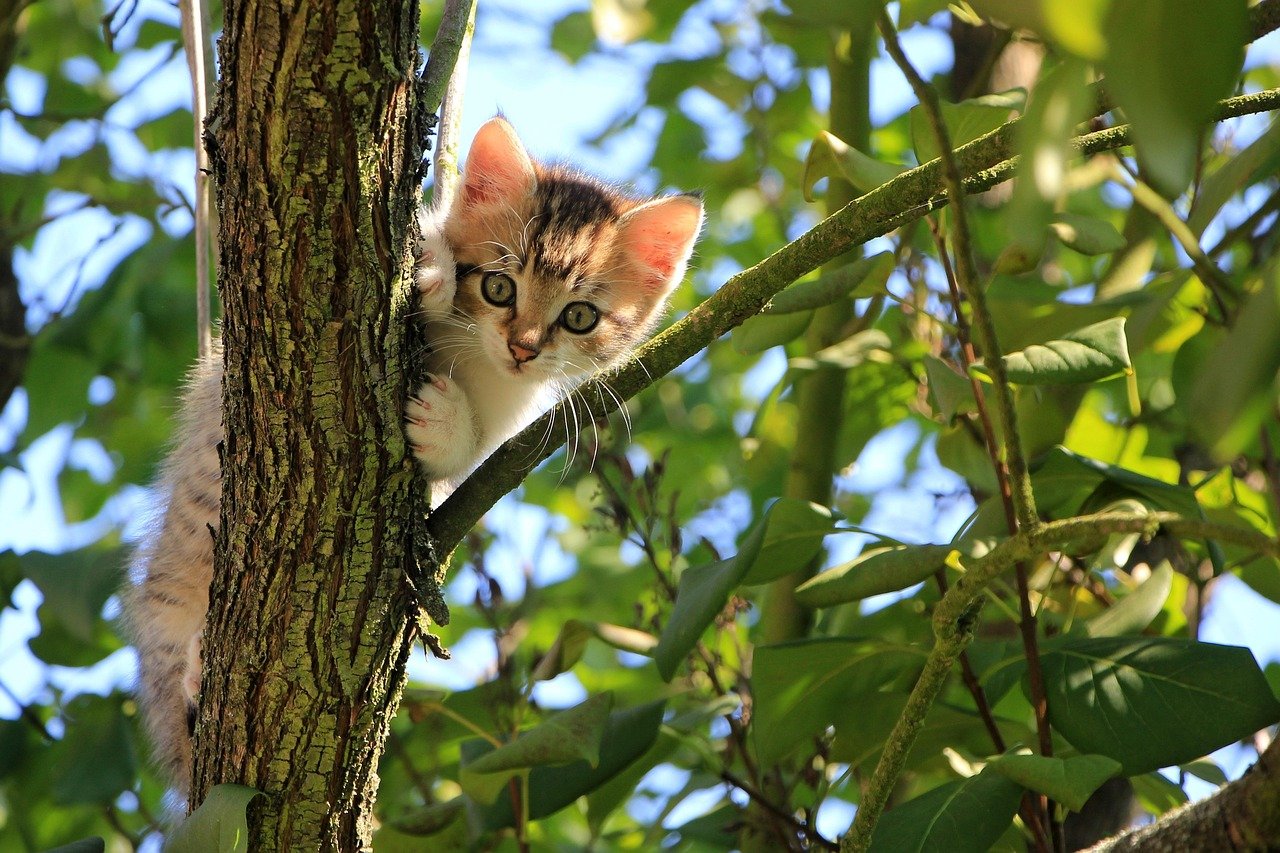
Cats love to climb and perch up high—it gives them a sense of security and a commanding view of their territory. Installing cat trees, wall-mounted shelves, or even just clearing off a sturdy bookshelf can make a world of difference. These vertical spaces let your cat escape from stressors on the ground, like playful kids or other pets. It’s not just about physical exercise; it’s about emotional comfort, too. Cats perched high up often look more relaxed, almost regal. Think of it as their personal penthouse, away from the hustle and bustle below.
Offering Hiding Spots
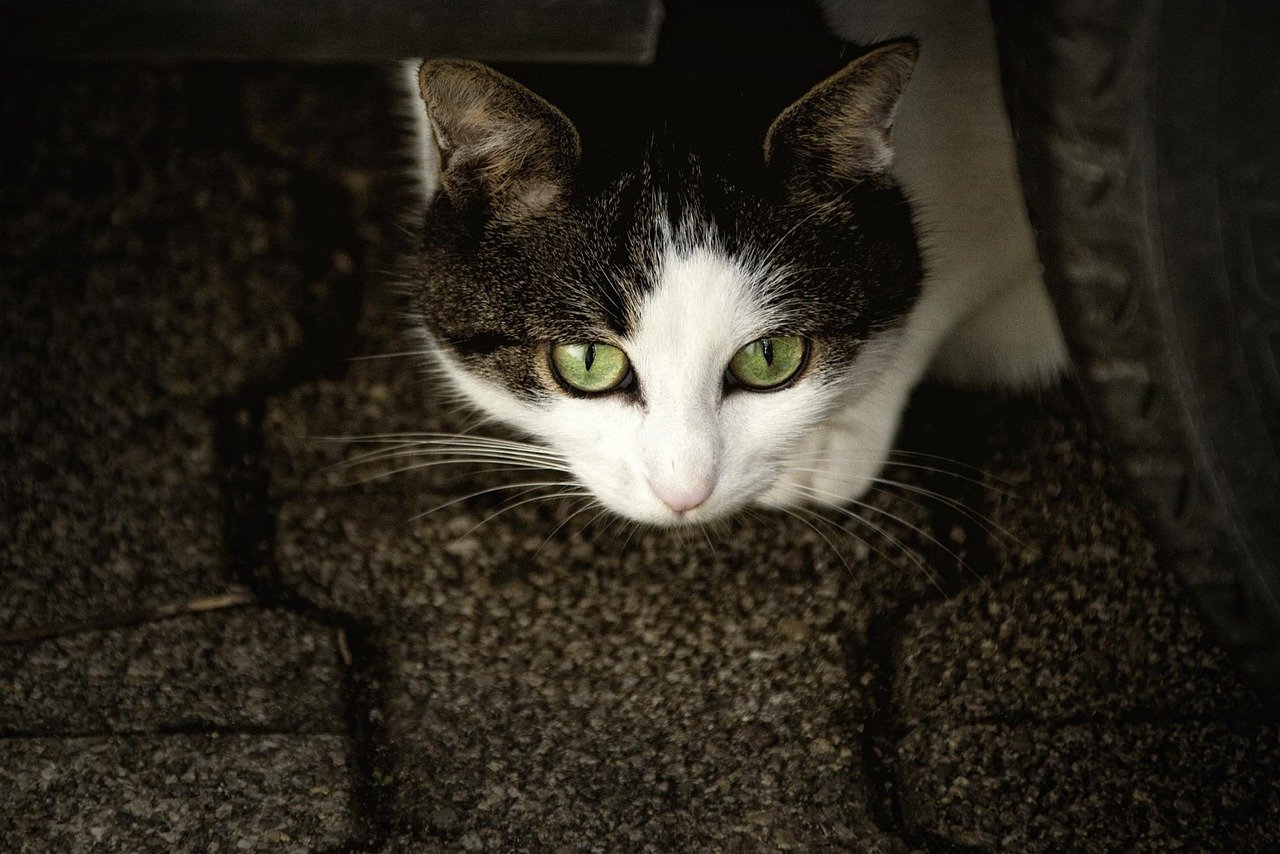
Hiding spots are essential for cats to feel safe. This could be as simple as a covered cat bed, an open box, or a space behind a curtain. These spots allow cats to retreat completely from view when they need a break. For shy or anxious cats, having a reliable hiding spot can be life-changing. Make sure these areas are accessible but not in the way of daily household activity. Rotate or add new hiding spots to keep things fresh and exciting. When your cat disappears for a while, it’s not a sign of rejection—they’re just recharging their emotional batteries.
Creating Window Perches

A sunny window perch is like prime real estate for a cat. Watching birds, squirrels, or even the wind in the trees can provide hours of peaceful entertainment. Install a cushioned perch or a hammock-style bed on a windowsill your cat already loves. Make sure the window is safe and secure—screens should be sturdy, and there should be no dangerous cords nearby. Sometimes, just watching the world go by is the perfect way for your cat to unwind. It’s their version of people-watching at a café, but from the safety and comfort of home.
Maintaining a Predictable Routine
Cats thrive on routine. Feeding, playtime, and even cuddling at roughly the same times each day can help your cat feel secure. Sudden changes in schedule or environment can leave them feeling anxious or unsettled. Try to keep disruptions to a minimum, especially during big events like moving or renovations. If changes are unavoidable, introduce them slowly and offer extra comfort. Consistency builds trust and gives your cat the confidence to relax and recharge. Think of your cat as a little creature of habit—they love knowing what’s coming next.
Introducing Calming Scents
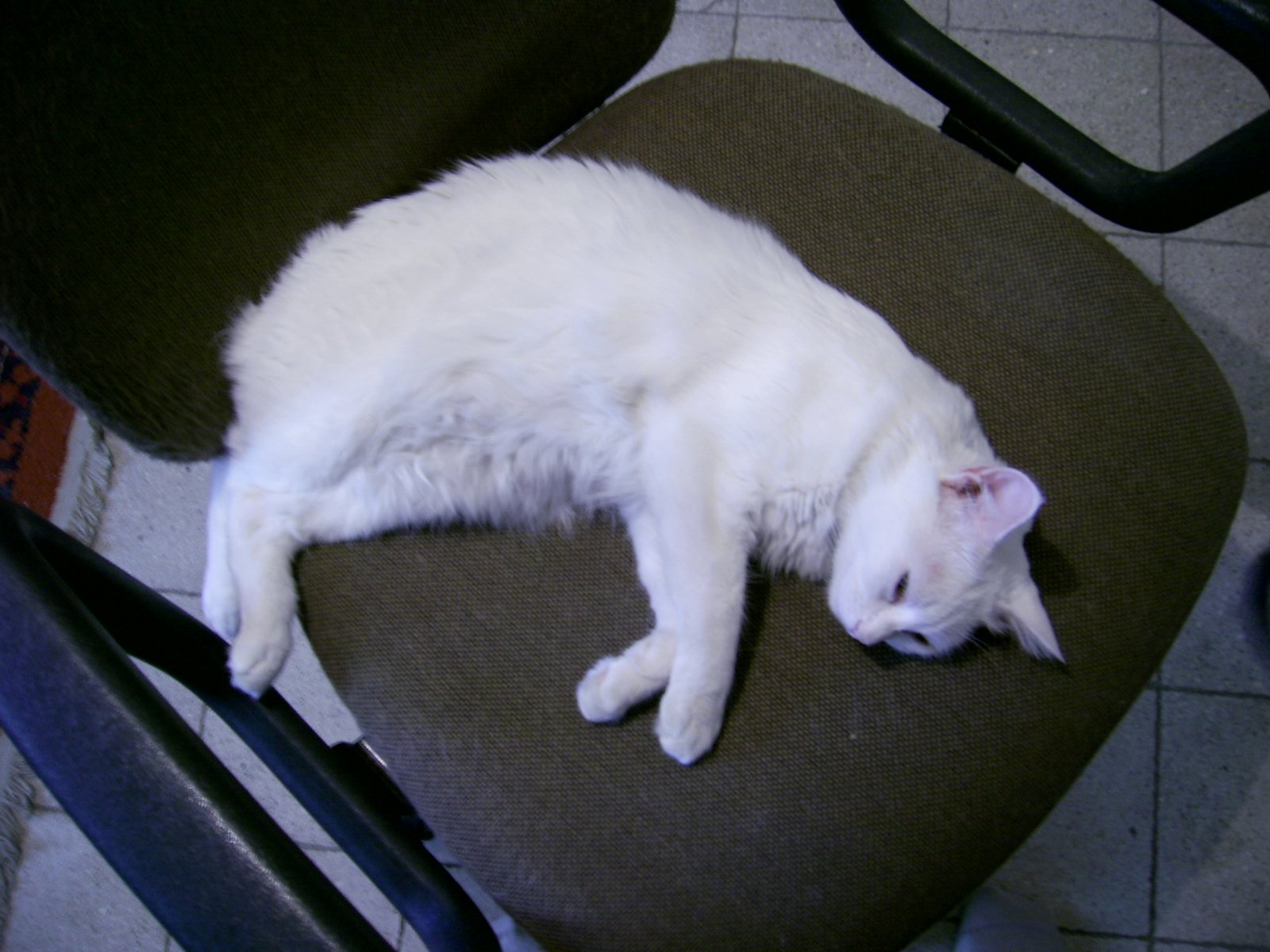
Scent is a powerful tool for cats. Products like synthetic feline pheromone diffusers can help create a calming environment. You can also use natural scents like lavender or chamomile, but always ensure they’re safe for pets. Avoid strong or unfamiliar cleaning products that could overwhelm your cat’s sensitive nose. Some cats love the smell of their owner’s clothes, so leaving a recently worn shirt in their retreat can be comforting. It’s all about making the environment smell like “home” in the best possible way. Familiar scents can instantly put your cat at ease.
Offering Interactive Play
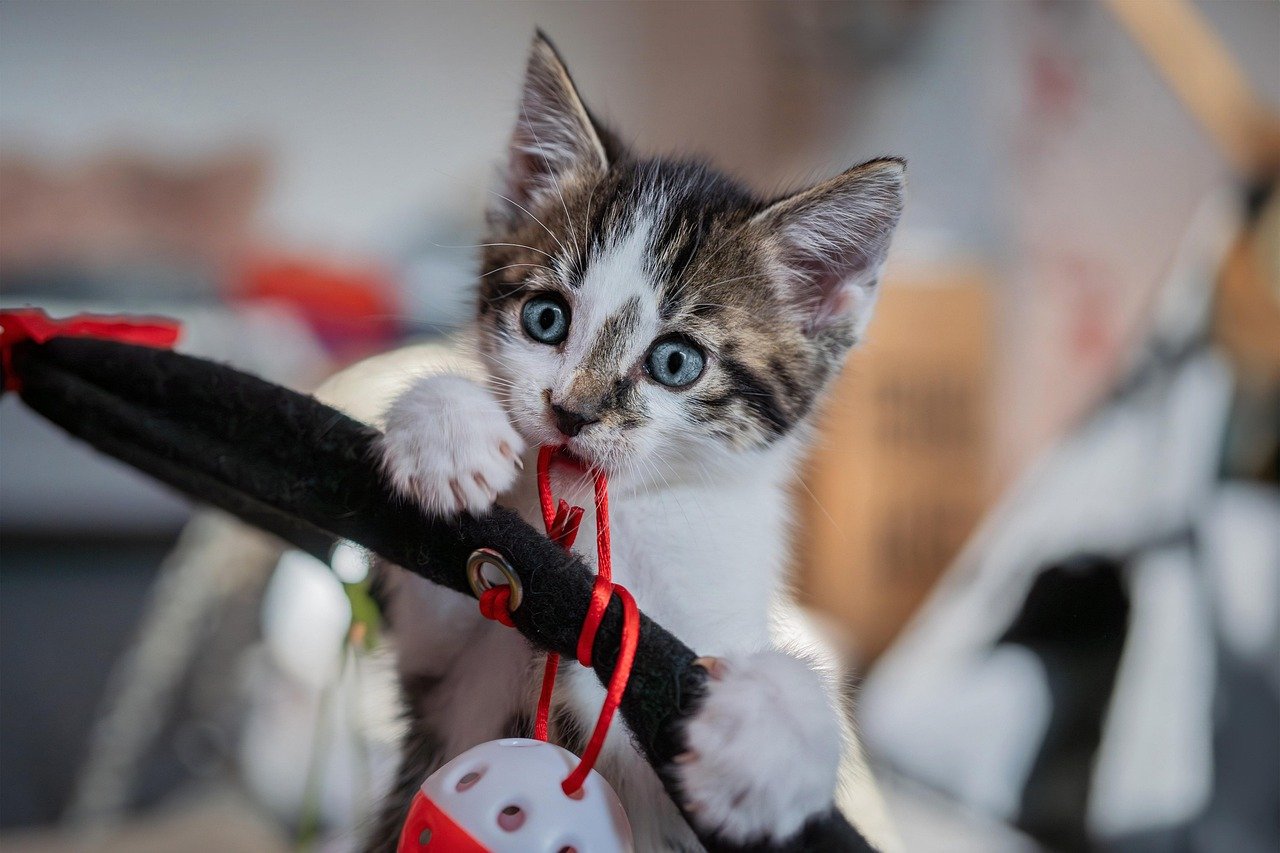
Play is more than just exercise—it’s a way for cats to release stress and recharge emotionally. Use wand toys, balls, or puzzle feeders to engage your cat’s mind and body. Set aside time each day for interactive play, adjusting the intensity to your cat’s age and personality. This quality time not only helps burn off nervous energy but also strengthens your bond. Watch for signs that your cat needs a break—play should end on a positive note. Regular play sessions can leave your cat feeling content, relaxed, and happy to snooze in their cozy retreat.
Ensuring Access to Fresh Water and Food
A well-fed, hydrated cat is a happy cat. Make sure your cat has constant access to clean water and nutritious food. Place their bowls in a quiet, low-traffic area—no one wants to eat while being watched or bumped! Some cats prefer running water, so a cat fountain can be a great addition. Monitor your cat’s eating habits for any changes, which could signal stress. The simple act of eating in peace can be incredibly soothing for a cat. Think of it as their version of comfort food at the end of a long day.
Personalizing Spaces with Favorite Objects
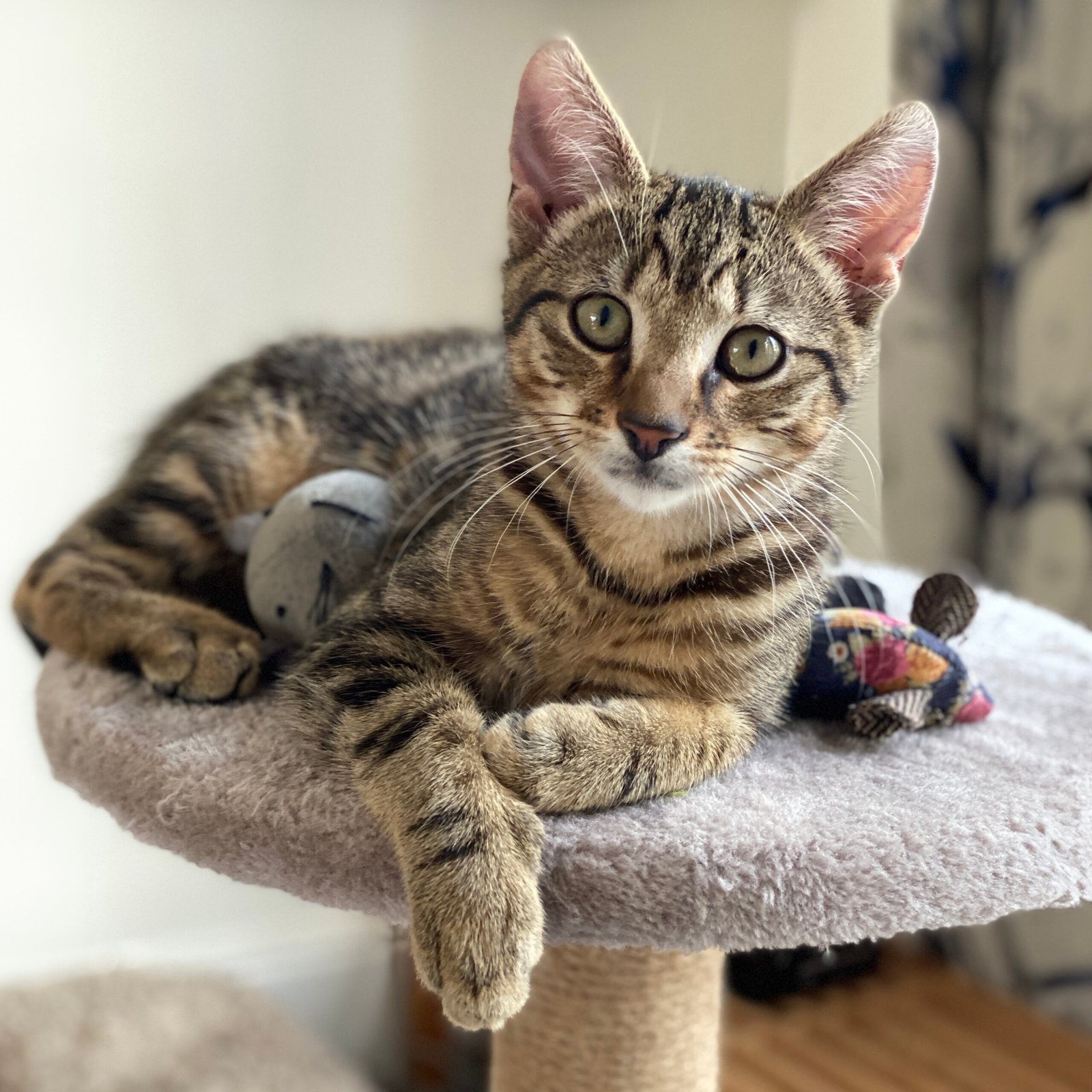
Every cat has favorite toys, blankets, or even cardboard scraps. Incorporate these beloved items into their safe spaces. Rotate toys to keep things interesting, but always keep a few tried-and-true favorites handy. If your cat has a favorite spot, make it even more special by adding their preferred things. This personal touch shows your cat you understand them, deepening your connection. Sometimes, the smallest details—like a well-loved mouse toy—can make all the difference in helping your cat feel at home.
Allowing for Alone Time
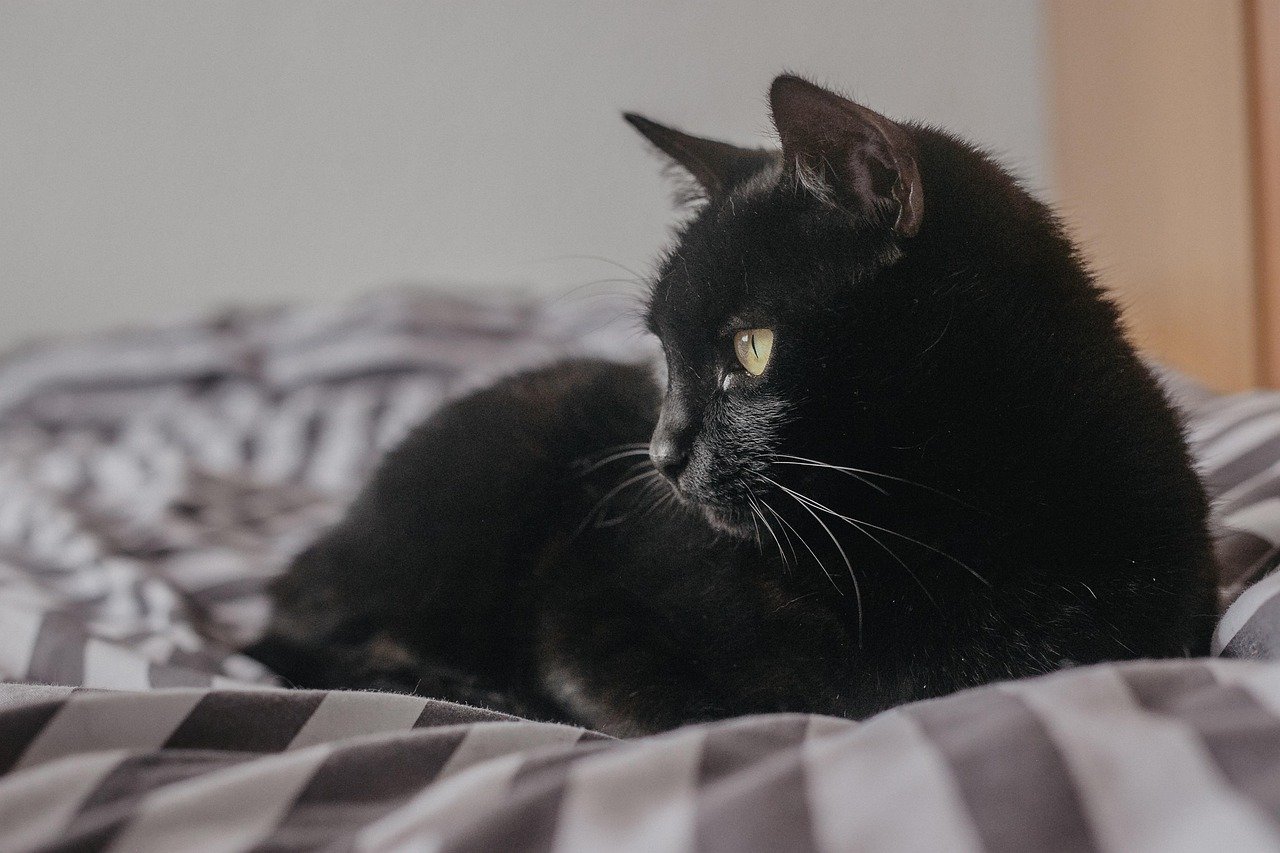
Cats are independent creatures and need time alone to recharge. Resist the urge to disturb your cat when they’ve retreated to their safe zone. Let them come to you when they’re ready for attention. This respect for their boundaries builds trust and helps them feel more secure. Alone time isn’t a sign of rejection—it’s just part of their natural rhythm. By honoring their need for solitude, you’re letting your cat know you care about their emotional health. Think of it as giving your cat the gift of peace and quiet.
Minimizing Negative Interactions
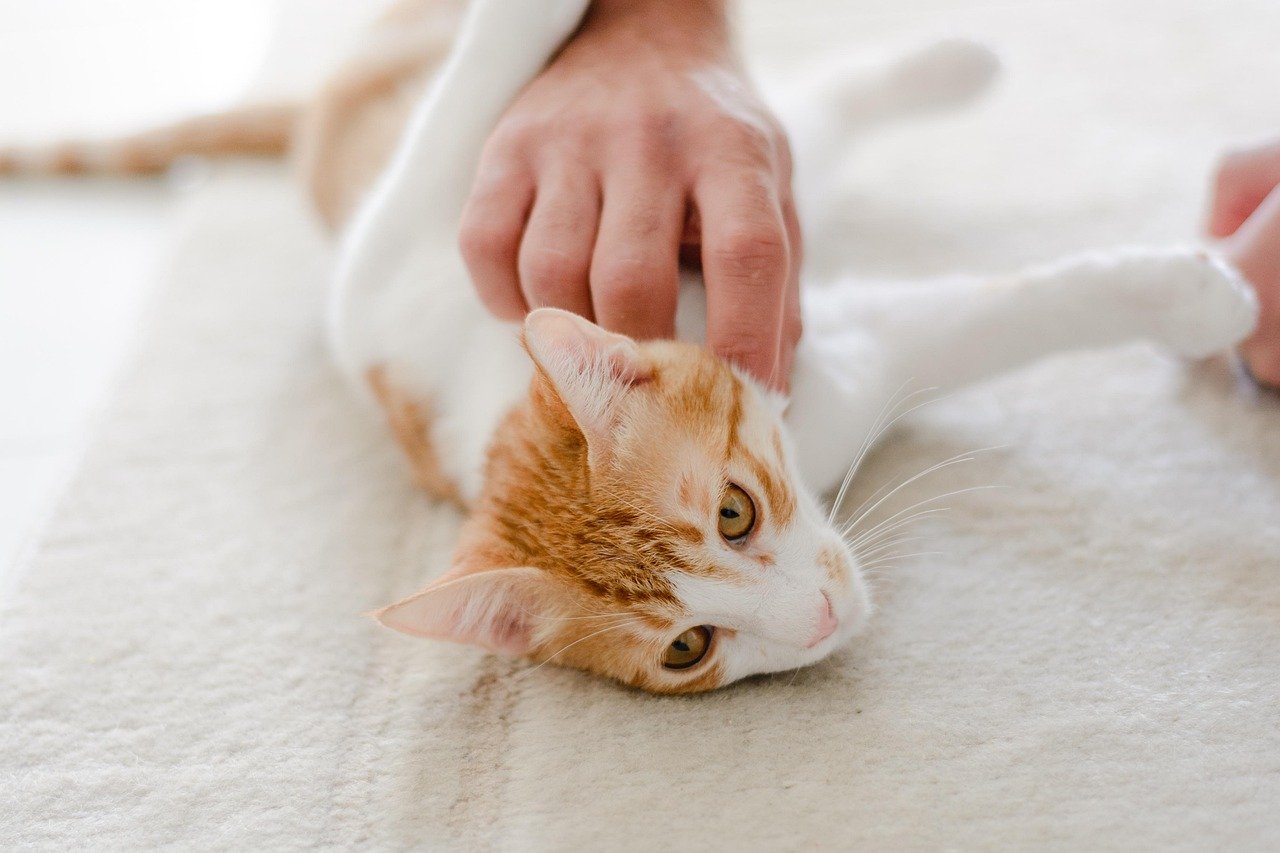
Negative experiences can make a cat feel unsafe in their own home. Avoid scolding, loud voices, or rough handling. If you have children or visitors, teach them to approach your cat calmly and gently. Watch for signs of stress, like flattened ears or a twitching tail, and intervene before things escalate. By minimizing negative interactions, you help your cat associate home with safety and comfort. Positive reinforcement, like treats and praise, goes a long way. Remember, a gentle touch or kind word can mean everything to your sensitive feline.
Providing Multi-Cat Harmony

If you have more than one cat, creating a peaceful home can be a bit of a balancing act. Each cat needs their own safe space, food and water bowls, and litter box. Watch for signs of tension, like hissing or hiding, and step in if needed. Offering high perches and multiple retreats helps prevent territorial disputes. Slowly introduce new cats and give them time to adjust. With patience, your home can be a harmonious haven where every cat feels secure and loved. It’s like running a cozy bed-and-breakfast for a group of quirky guests.
Making Use of Cat Furniture

Cat-specific furniture like trees, condos, and scratching posts can transform your home into a feline paradise. These pieces give your cat places to climb, scratch, and nap—all essential for emotional well-being. Place furniture in key areas where your cat likes to hang out. Scratching posts aren’t just for claws—they’re also great for stress relief. Investing in cat furniture shows your commitment to your cat’s happiness. Plus, it can save your own furniture from those sharp little claws!
Adapting for Senior or Special Needs Cats
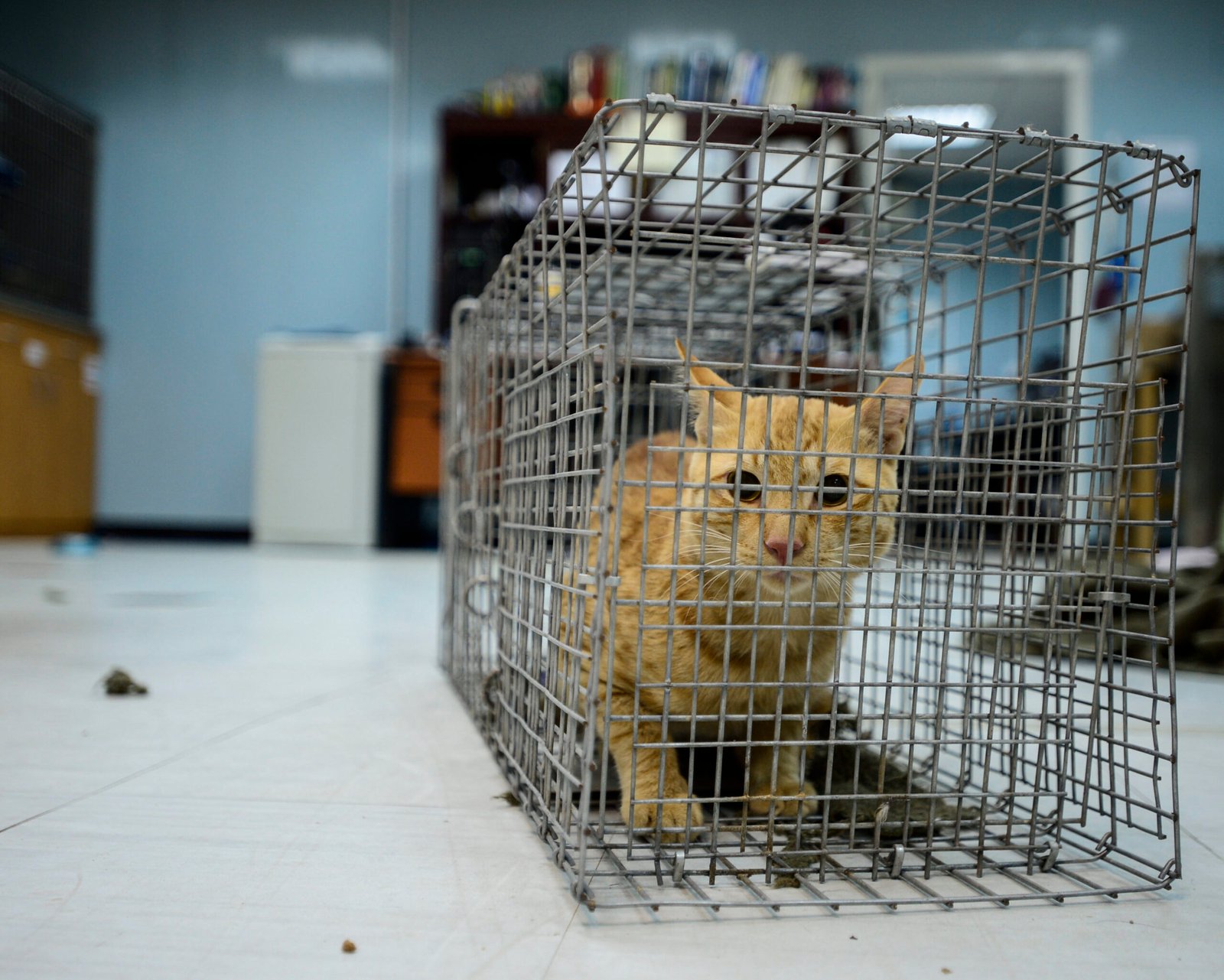
Older cats or those with medical issues need extra consideration. Ensure their safe spaces are easily accessible—no high jumps required. Soft bedding is a must for achy joints, and ramps or steps can help them reach favorite spots. Keep their environment consistent to avoid confusion or anxiety. For cats with vision or hearing loss, avoid rearranging furniture too often. Special needs cats may require a little more effort, but their gratitude (and purrs) make it all worthwhile. Comfort and security are even more important as your cat ages.
Ensuring Cleanliness and Hygiene

A clean environment is crucial for a cat’s emotional and physical health. Scoop litter boxes daily and provide fresh bedding in retreat areas. Keep food and water bowls spotless. Odors and mess can stress out your sensitive feline, making it harder for them to relax. Use gentle, pet-safe cleaning products whenever possible. Regular cleaning not only keeps your home fresh, but also reassures your cat that their territory is safe. Cleanliness is the unsung hero of feline happiness.
Being Mindful of Household Changes

Cats can be deeply affected by changes in their environment—new furniture, guests, or even a different routine. Introduce changes slowly and give your cat lots of reassurance. Keep their favorite retreats unchanged as much as possible. If a big event is coming up, like a move, prepare a quiet “safe room” with all their essentials. Watch for signs of stress and be ready to offer extra comfort. Stability is the foundation of a cat’s emotional recharge zone. Even small efforts to minimize upheaval can make a big difference.
Communicating with Your Cat
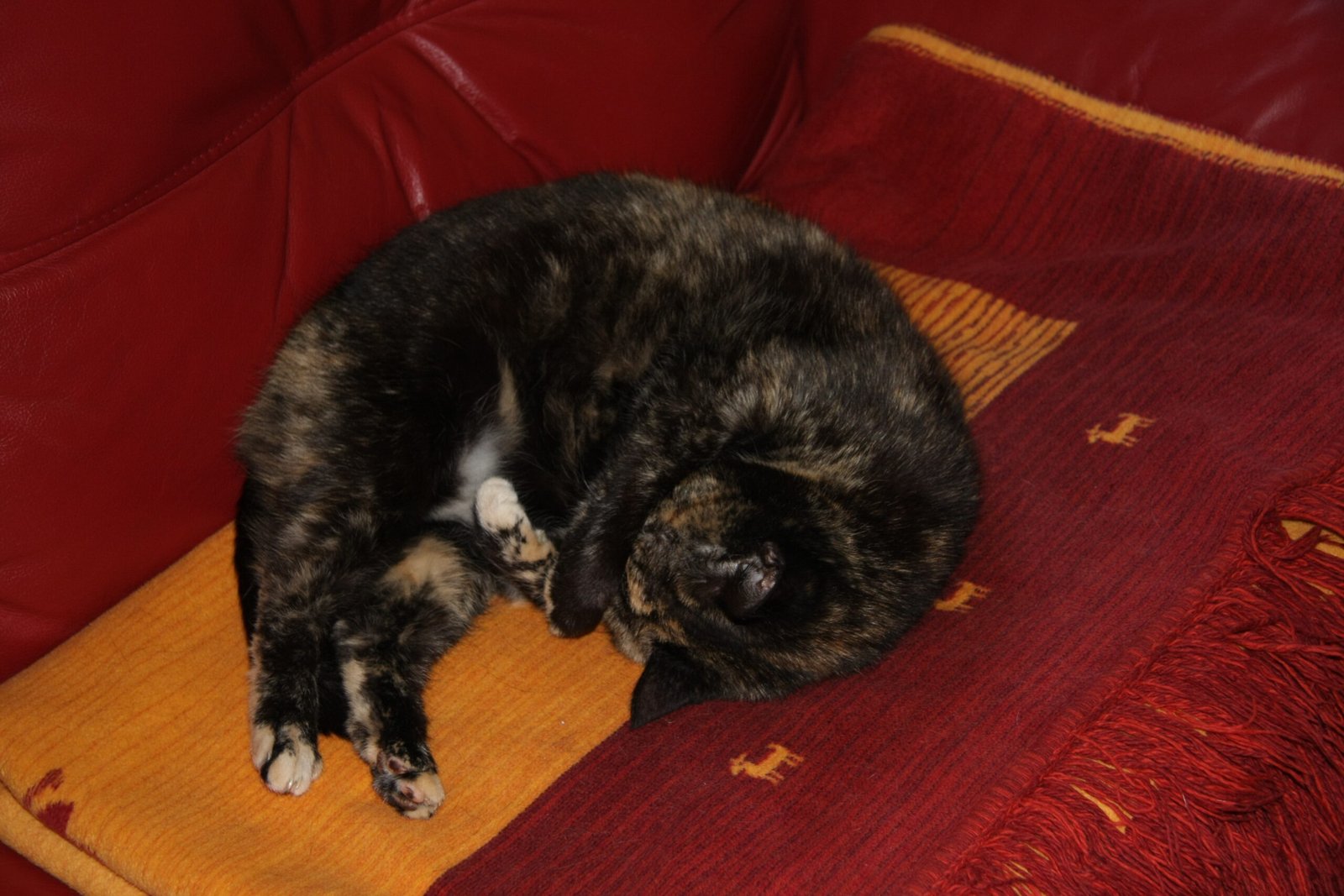
Cats may not speak our language, but they’re always communicating with us. Pay attention to their body language and vocalizations—purring, meowing, even a gentle headbutt. Respond with gentle words, soft petting, or simply sharing quiet time together. Building this understanding deepens your bond and helps you spot when your cat needs to recharge. Every cat is unique, and learning their “language” is a journey. It’s like having a silent conversation with an old friend—one that makes your home feel truly shared.
Celebrating Your Cat’s Unique Personality

No two cats are alike. Some are bold and adventurous; others are shy and reserved. Embrace your cat’s quirks and cater to their individual needs. Maybe your cat loves bustling window spots, or perhaps they prefer a dark closet—both are valid. Celebrate these differences by providing a variety of spaces and experiences. The more you honor your cat’s personality, the more they’ll thrive emotionally. In the end, a home built for your cat’s emotional recharge is a home filled with love, comfort, and endless purrs.

Hi, I’m Bola, a passionate writer and creative strategist with a knack for crafting compelling content that educates, inspires, and connects. Over the years, I’ve honed my skills across various writing fields, including content creation, copywriting, online course development, and video scriptwriting.
When I’m not at my desk, you’ll find me exploring new ideas, reading books, or brainstorming creative ways to solve challenges. I believe that words have the power to transform, and I’m here to help you leverage that power for success.
Thanks for stopping by, Keep coming to this website to checkout new articles form me. You’d always love it!