Have you ever looked into your cat’s eyes and wondered what they’re thinking? Maybe you’ve felt helpless when your kitty hides under the bed or seems anxious for no reason. Cats are mysterious little companions, and sometimes their emotional needs can feel like a puzzle. The truth is, just being present with your cat can make a world of difference in their happiness and comfort. But what does “being present” really mean for a feline friend? Let’s unlock the secrets of truly comforting your cat—not just with treats and toys, but with your presence, patience, and understanding.
Understanding Your Cat’s Body Language

Cats speak volumes with their bodies—tail flicks, ear positions, slow blinks. To comfort your cat, start by learning these signals. If your cat’s tail is upright and its eyes are soft, it probably feels secure. But a twitching tail or flattened ears can mean stress or fear. By noticing these subtle cues, you can respond to what your cat actually needs instead of guessing. Sometimes, just sitting quietly and observing their body language helps your cat feel noticed and valued. Trust builds when your cat sees that you respect their signals. Imagine how reassuring it must feel for your cat to know you’re paying attention!
Creating a Calm Environment

A peaceful home means a more relaxed cat. Loud noises, harsh lights, and sudden movements can make even the bravest kitty nervous. Try dimming the lights, lowering the volume on the TV, and moving gently around your cat. You could play soft music or use a white noise machine to mask startling sounds. Cats love predictability, so keeping a gentle routine helps too. When you create a calm atmosphere, your cat will associate your presence with safety and comfort. It’s like giving them a cozy blanket for their soul.
The Power of Gentle Touch

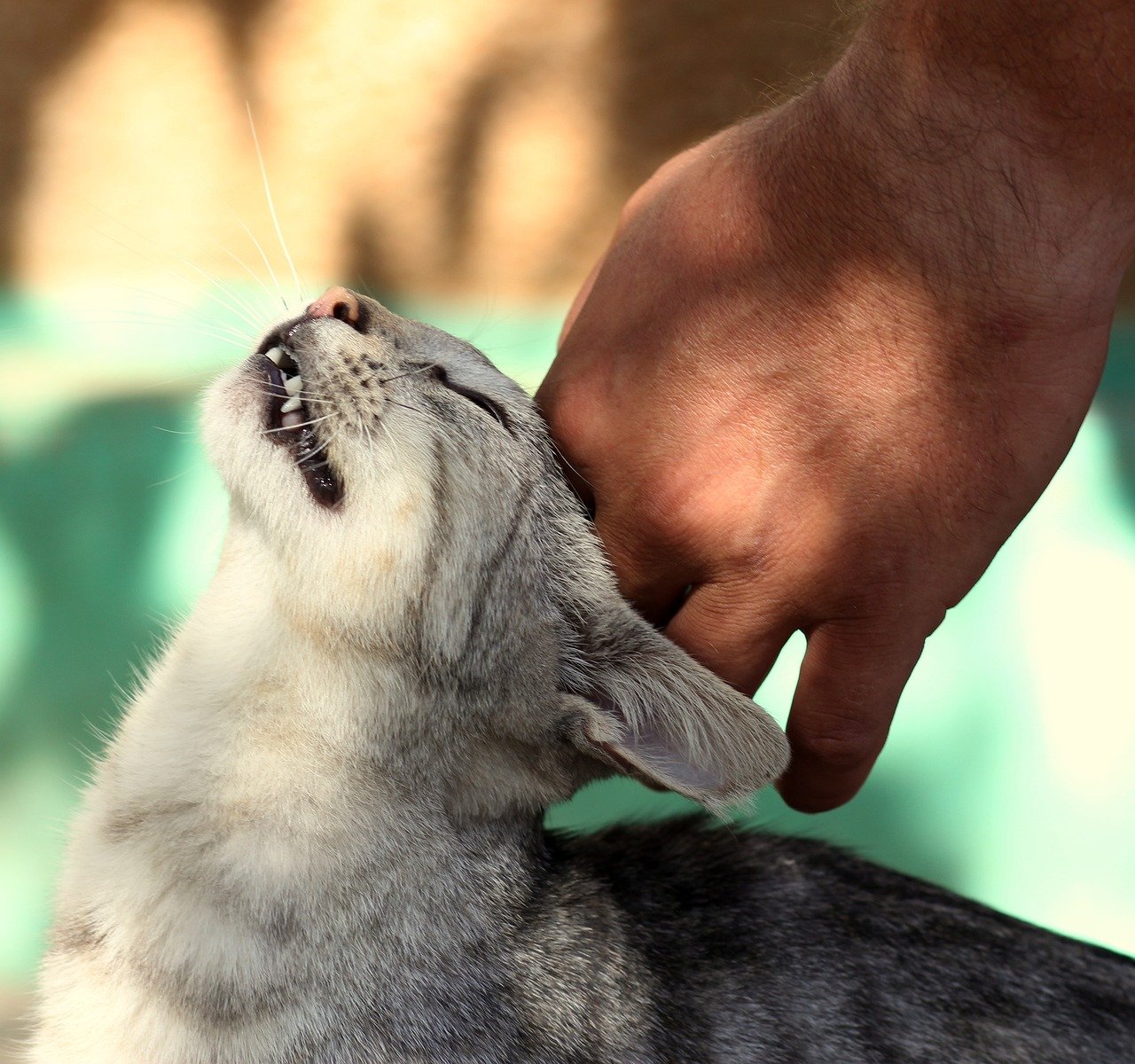
Touch can be magical for cats—when they’re in the mood! Most cats love gentle strokes around their cheeks, chin, and the base of their tail. Start with slow, soft pets and see how your cat responds. If they lean in, you’re on the right track. If they pull away, respect their wishes and give them space. Over time, your cat will learn that your hands are safe and comforting. Imagine being massaged after a long day; that’s how your cat feels when you get it right. Always let your cat set the pace for touch.
Making Eye Contact the Right Way

Eye contact means different things in the feline world. A hard stare can seem threatening, but slow, gentle blinking is the ultimate cat compliment. Try making eye contact, then slowly closing and opening your eyes—a “cat kiss.” Many cats will blink back, showing trust. Avoid staring directly for too long, as this can make your cat uncomfortable. Instead, use soft eyes and relaxed facial expressions. This simple act can bridge the gap between you and your cat, making them feel truly seen and accepted.
Respecting Personal Space
Every cat has their own bubble, and sometimes they just want to be left alone. It’s important to respect when your cat retreats to their favorite hiding spot. Rather than chasing them or forcing cuddles, let them come to you when they’re ready. This shows your cat that you respect their boundaries, which builds deeper trust over time. Think of it like giving a shy friend room to breathe—they’ll appreciate your patience. When your cat feels safe, they’re much more likely to seek comfort from you on their own terms.
Using Your Voice to Soothe

Your voice is a powerful tool for comfort. Cats respond to soft, gentle tones much better than loud or abrupt sounds. Try speaking to your cat in a calm, reassuring voice. You can even read aloud or sing softly—many cats enjoy the soothing vibration of your words. Some people find their cats respond positively to specific words or phrases. Over time, your cat will associate your voice with positive feelings and safety. It’s like having a familiar lullaby that always brings comfort.
Being Still Together

You don’t always need to do something to comfort your cat. Sometimes, just being still and sharing space is enough. Sit quietly near your cat, perhaps with a book or a cup of tea, and let them come to you if they wish. This peaceful presence can be deeply reassuring, especially for shy or anxious cats. It shows them that you’re there, but you’re not demanding anything. Over time, your cat may move closer or even curl up beside you. These moments of quiet connection are precious and comforting for both of you.
Offering Safe Hideaways

Cats love having cozy spots where they can retreat and feel secure. Providing a special bed, a cardboard box, or a covered cat cave gives your feline a sense of ownership and safety. Place these hideaways in quiet areas of your home. When your cat is feeling stressed or overwhelmed, they’ll know exactly where to go. The knowledge that you’ve created this safe space for them can be incredibly comforting. It’s like having your own secret sanctuary when the world feels too loud.
Establishing Routines

Cats thrive on routine—they like knowing what to expect. Feeding, playtime, and cuddles at regular times each day make your cat feel secure. Even small rituals, like greeting your cat when you get home or saying goodnight, can provide comfort. Routines reduce anxiety because your cat can predict what’s coming next. If life gets unpredictable, try to keep at least one or two things consistent for your cat. These rituals will help anchor your cat, making your presence a reliable source of comfort.
Engaging in Gentle Play

Play is more than just fun—it’s a way to bond and communicate. Use interactive toys like wands or feather teasers to engage your cat without overwhelming them. Watch for signs that your cat is enjoying the game or wants to stop. Play sessions should be positive and energetic, but not too rough. You can even create simple homemade toys, like crumpled paper or cardboard rolls. The act of playing together shows your cat that you’re present and attentive to their needs. Over time, play can become a source of joy and comfort.
Recognizing Stress Signals

Sometimes, your cat will show subtle signs that they’re stressed or uncomfortable. Watch for flattened ears, a swishing tail, or excessive grooming. If you notice these behaviors, pause what you’re doing and give your cat space. Try to identify what might be causing the stress—maybe it’s a loud noise, a new person, or a change in the environment. By responding calmly and supportively, you teach your cat that you’re a safe haven. It’s like having a friend who always knows when you need a break.
Providing Consistent Affection

Every cat has a different “love language.” Some crave cuddles, while others prefer a gentle pat or simply your nearby presence. Find out what type of affection your cat enjoys most and offer it consistently. The key is to be reliable—don’t smother your cat one day and ignore them the next. Even a gentle touch or a soft word can mean the world to your cat. Consistent affection helps your cat feel secure and loved, deepening the bond between you.
Using Scent to Reassure

Cats experience the world through their noses, and familiar scents are deeply comforting. You can leave a soft blanket or piece of clothing with your scent in your cat’s favorite spot. Some people even use synthetic feline pheromone sprays to help relax anxious cats. These scents remind your cat of you and the safety of home. Just like how a childhood blanket can soothe a child, your scent can be a powerful comfort for your cat. It’s a simple way to offer reassurance when you can’t be right there.
Offering Gentle Grooming Sessions

Grooming isn’t just about keeping your cat clean—it’s a bonding ritual. Most cats love being brushed, especially around the cheeks and back. Use a soft brush and gentle strokes, watching for any signs of discomfort. Grooming sessions can be soothing and help reduce stress, especially for long-haired cats who might struggle with mats. If your cat isn’t sure about brushing, start with short sessions and build up slowly. Over time, grooming can become a cherished routine that brings comfort and connection.
Encouraging Exploration at Their Pace

Cats are curious, but they need to explore at their own speed. If you bring home something new—a piece of furniture, a friend, or even a new pet—give your cat time to investigate from a safe distance. Don’t force introductions or crowd them. Instead, show patience and let your cat set the pace. This gentle approach reassures your cat that you respect their boundaries and trust their instincts. Exploration becomes a positive experience when your cat feels empowered, not pressured.
Reading the Room for Triggers

Sometimes, little things in the environment can upset your cat—a vacuum cleaner, a thunderstorm, or even a strange smell. Take a moment to “read the room” from your cat’s perspective. Remove or minimize triggers when possible, or provide extra comfort if you know something upsetting is about to happen. You might close a window during fireworks or create a cozy hideaway during a party. Anticipating your cat’s needs shows deep empathy and helps them feel protected.
Practicing Mindful Presence

Being present with your cat means focusing on the moment. Put away your phone, turn off the TV, and really pay attention to your cat. Notice their breathing, the way they move, and the sounds they make. This mindful approach helps you tune in to your cat’s emotions and needs. Your calm energy can have a soothing effect, helping your cat feel more relaxed. It’s a simple, powerful way to deepen your connection and offer comfort without saying a word.
Building Trust Over Time

Trust doesn’t happen overnight, especially with a shy or rescued cat. It’s built through everyday interactions—gentle touch, consistent routines, and lots of patience. Celebrate small victories, like your cat choosing to sit near you or letting you pet them. Never punish or yell, as this can erode trust quickly. Instead, focus on positive reinforcement and gentle encouragement. Over time, your cat will learn that your presence means safety, love, and comfort.
Allowing Your Cat to Initiate Contact

Some cats need to feel in control of social interactions. Let your cat come to you when they’re ready for attention. Try sitting quietly and reaching out a hand, allowing your cat to sniff or rub against you if they wish. This approach gives your cat a sense of agency and respect. They’ll appreciate your patience and be more likely to seek comfort from you on their own terms. It’s a lesson in letting go and trusting your cat to know what they need.
Celebrating Quiet Moments Together

Not every moment needs to be filled with activity or talk. Sometimes, the most comforting thing you can do is share a quiet moment—a peaceful afternoon nap, a soft evening cuddle, or even just sitting side by side. These moments become the glue of your relationship, building a deep sense of trust and security. Over time, your cat will learn that your presence is a source of peace. These memories will comfort both of you on even the toughest days.

Hi, I’m Bola, a passionate writer and creative strategist with a knack for crafting compelling content that educates, inspires, and connects. Over the years, I’ve honed my skills across various writing fields, including content creation, copywriting, online course development, and video scriptwriting.
When I’m not at my desk, you’ll find me exploring new ideas, reading books, or brainstorming creative ways to solve challenges. I believe that words have the power to transform, and I’m here to help you leverage that power for success.
Thanks for stopping by, Keep coming to this website to checkout new articles form me. You’d always love it!