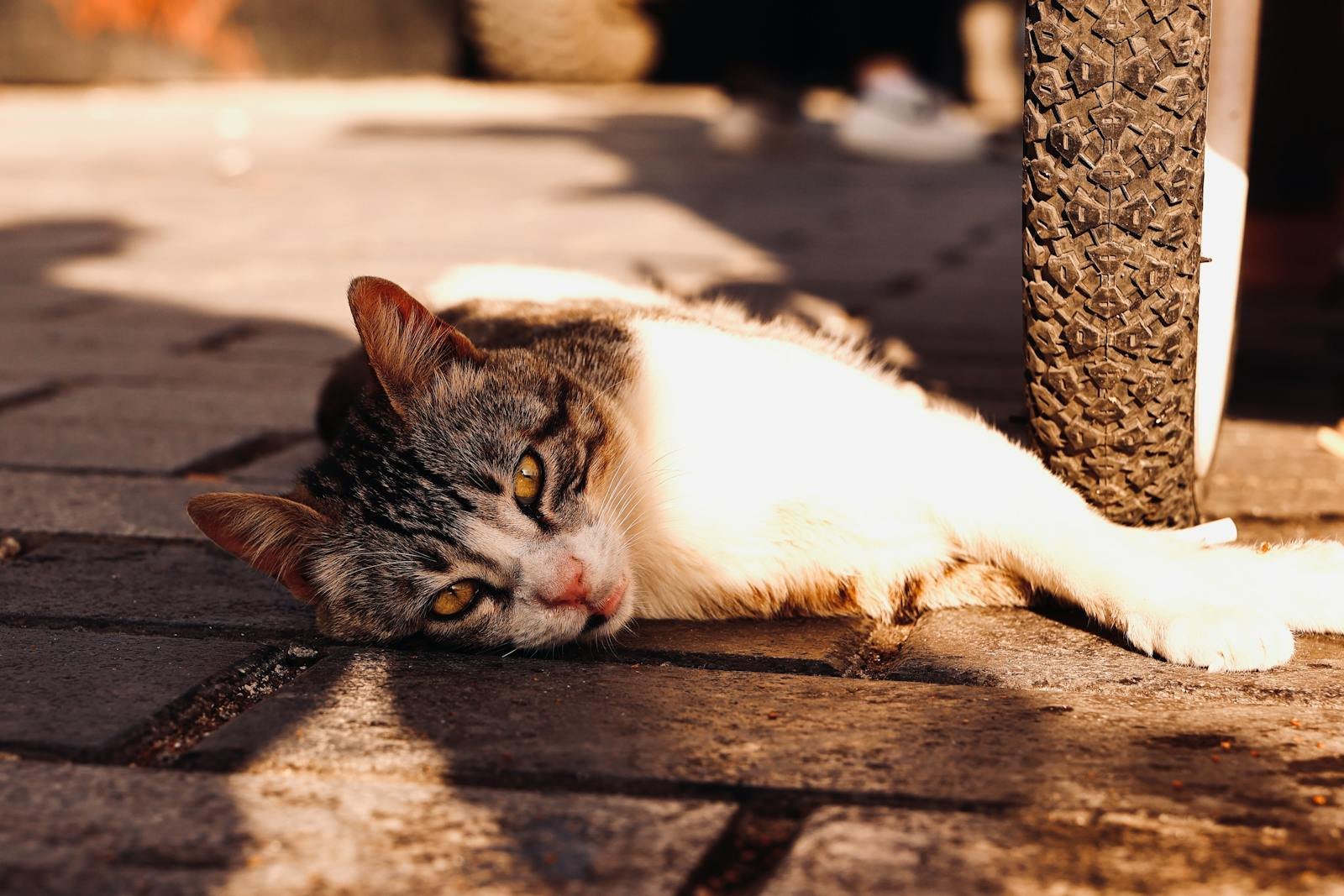
It’s shocking just how much noise fills our lives, isn’t it? Blenders whirring, phones buzzing, doors slamming… Now imagine experiencing that same sensory overload with the super-sensitive ears and delicate nerves of a cat! It’s no wonder so many cats seem jumpy, nervous, or even withdrawn. If you’ve ever watched your furry friend bolt under the bed when a truck rumbles by or cower from the vacuum, you know how overwhelming our world can be for them. But here’s the secret: you have the power to become your cat’s steady anchor, the safe harbor they desperately crave. And it’s easier (and more rewarding!) than you might think. Let’s unlock the secrets to becoming the calm your cat wants—and needs—in this noisy, chaotic world.
Understanding Your Cat’s Sensitivity

Cats aren’t just cute little predators—they’re also incredibly sensitive creatures. Their hearing is far more acute than ours, picking up even the faintest sounds we might not notice. This means a loud TV, construction outside, or even the crinkle of a plastic bag can feel like an earthquake to your cat. Many people don’t realize that cats also pick up on the emotional “noise” in a home, like stress or arguments. Recognizing how overwhelming these sensations can be is the first step to helping your cat feel safe. When you truly understand just how much your cat senses, you’ll start to see the world through their eyes. This empathy is the foundation of building a calming environment. It’s not about sheltering them from every sound, but about helping them know you’re their safe place.
Creating a Peaceful Home Environment

Your cat needs a sanctuary from the chaos of the outside world. Start by designating a quiet, cozy spot in your home just for your feline friend. This could be a comfy corner with their favorite blanket, a soft bed on a shelf, or even a box tucked away from foot traffic. Try to keep this area away from loud appliances like washing machines or televisions. You might be surprised how much a few soft blankets and a little privacy can help your cat relax. Consider using soft lighting instead of harsh overhead lights, which can feel jarring to sensitive cats. A peaceful home isn’t just good for your cat—it’s good for you, too. You’ll both benefit from a gentle, calming atmosphere.
Minimizing Sudden Noises

Sudden, unexpected noises are like jump scares for cats. Even something as simple as dropping keys or a doorbell ringing can send them into a panic. To minimize these triggers, try to be mindful of your actions around the house. For example, close doors gently and set objects down carefully. If you have guests over, let them know your cat is sensitive to noise so they can be more considerate. You might also want to turn down the volume on your TV or phone when your cat is nearby. Little changes add up, and your cat will notice your efforts. Over time, you’ll see them become more confident and less reactive.
Introducing Calming Sounds and Music

While some sounds are stressful, others can actually help soothe your cat. Gentle, repetitive noises like soft classical music or nature sounds can mask harsh background noise and create a sense of calm. There are even playlists made specifically for cats! Try playing these calming sounds during stressful times, like when there’s a thunderstorm or fireworks outside. You might notice your cat’s breathing slow and their body relax. It’s like giving them an audio hug. Just be sure to keep the volume low—remember, your cat’s ears are much more sensitive than yours.
Consistent Routines for Comfort

Cats are true creatures of habit. They find comfort in predictability, so keeping a consistent daily routine can work wonders for their stress levels. Feed your cat, play with them, and clean their litter box at the same times each day. If your schedule changes, try to make adjustments gradually so your cat isn’t caught off guard. Routines don’t just help your cat feel more secure—they also make it easier for you to spot when something’s not right. If your normally punctual kitty suddenly hides or skips meals, you’ll know to check in on them. Predictability equals peace for your feline.
The Power of Scent in Cat Calmness

To a cat, the world is a tapestry of smells. Scent is a powerful tool you can use to help your cat feel safe and secure. Items that smell like you—an old t-shirt, a favorite blanket—can be comforting in their space. You can also use synthetic pheromone sprays or diffusers designed for cats, which mimic the natural scents that tell them “all is well.” Avoid strong-smelling cleaners, air fresheners, or perfumes that could overwhelm your cat’s sensitive nose. By making their environment smell familiar and safe, you’re sending a wordless message of comfort.
Calm Body Language and Voice

Your cat is always watching you for cues on how to feel. If you move quickly, wave your arms, or speak loudly, your cat might take that as a sign that something’s wrong. Instead, try to use slow, gentle movements and a soft, soothing voice around your cat. Speak to them in a calm tone—even if you’re just narrating what you’re doing in the kitchen. Over time, your cat learns to associate your presence and your voice with safety. You become their living, breathing security blanket.
Gentle Handling and Touch

Some cats love cuddles, while others prefer a little distance. Either way, gentle touch can help reinforce your bond and make your cat feel safe. Always let your cat come to you, and avoid forcing them into your lap or picking them up if they’re not in the mood. When you do pet your cat, use slow strokes and pay attention to their body language. If they tense up or swish their tail, give them space. Respecting your cat’s boundaries is a powerful way to show love and build trust.
Providing Safe Hiding Spots

When the world gets too loud, cats instinctively seek out places to hide. Far from being a sign of fear, this is actually a healthy coping strategy. Make sure your home has plenty of safe hiding spots—like under the bed, inside a box, or in a covered cat bed. Don’t try to drag your cat out of hiding when they retreat; let them come out when they’re ready. Hiding gives your cat control over their environment, which is key for their sense of safety. Think of it like giving them their own personal panic room.
Enriching Indoor Life

Even the calmest home can feel boring for a cat if there’s nothing interesting to do. Enrich your cat’s environment with toys, scratching posts, and places to climb or perch. Try rotating toys every few days to keep things fresh. Interactive play—like wand toys or laser pointers—can help your cat burn off nervous energy in a fun way. Mental stimulation is just as important as physical exercise, so consider puzzle feeders or treat-dispensing toys. A busy, engaged cat is often a calm and content cat.
Helping Your Cat During Thunderstorms and Fireworks

Thunderstorms and fireworks can be especially terrifying for cats. During these events, close windows and curtains to muffle the noise and block out bright flashes. Play calming music or white noise to create a buffer. Give your cat access to their favorite hiding spots, and try not to fuss over them too much—sometimes your quiet presence is all they need. If your cat is especially anxious, talk to your vet about calming supplements or other strategies. Remember, you’re their anchor in the storm.
Recognizing Signs of Stress

Cats can’t tell us with words when they’re stressed, but their bodies speak volumes. Watch for signs like hiding more than usual, over-grooming, changes in appetite, or bathroom accidents outside the litter box. Aggression or withdrawal can also be signs your cat is overwhelmed. If you notice these behaviors, try to identify and reduce the source of stress. Sometimes, just spending quiet time together can help your cat reset. It’s about listening with your eyes and your heart.
Calming Aids and Tools

There’s a whole world of calming aids designed just for cats. Pheromone diffusers, calming sprays, and special collars can all help reduce anxiety. Some cats also benefit from calming treats or supplements—just make sure to check with your vet first. Soft, cave-like beds or even weighted blankets (made for pets!) can provide a sense of security. These tools aren’t magic fixes, but they can be a helpful part of your calming toolkit, especially during particularly stressful times.
When to Seek Professional Help

Sometimes, despite your best efforts, your cat’s anxiety might persist or even get worse. If you notice ongoing changes in behavior, appetite, or bathroom habits, it’s time to call in the professionals. Your vet can check for medical issues that might be causing stress, and a feline behaviorist can help you develop a personalized plan for your cat. There’s no shame in asking for help—every cat is unique, and some need extra support. Trust your instincts; you know your cat best.
Building a Trusting Relationship

At the heart of every calm, happy cat is a relationship built on trust. Spend quiet time with your cat every day, even if it’s just sitting in the same room while you read or watch TV. Talk to them, play with them, and respect their boundaries. Over time, your cat will learn that you’re their safe haven, no matter how noisy the world gets. The calm you share isn’t just for them—it ripples out and brings peace to your own life, too.