How to Raise a Confident, Well-Adjusted Cat
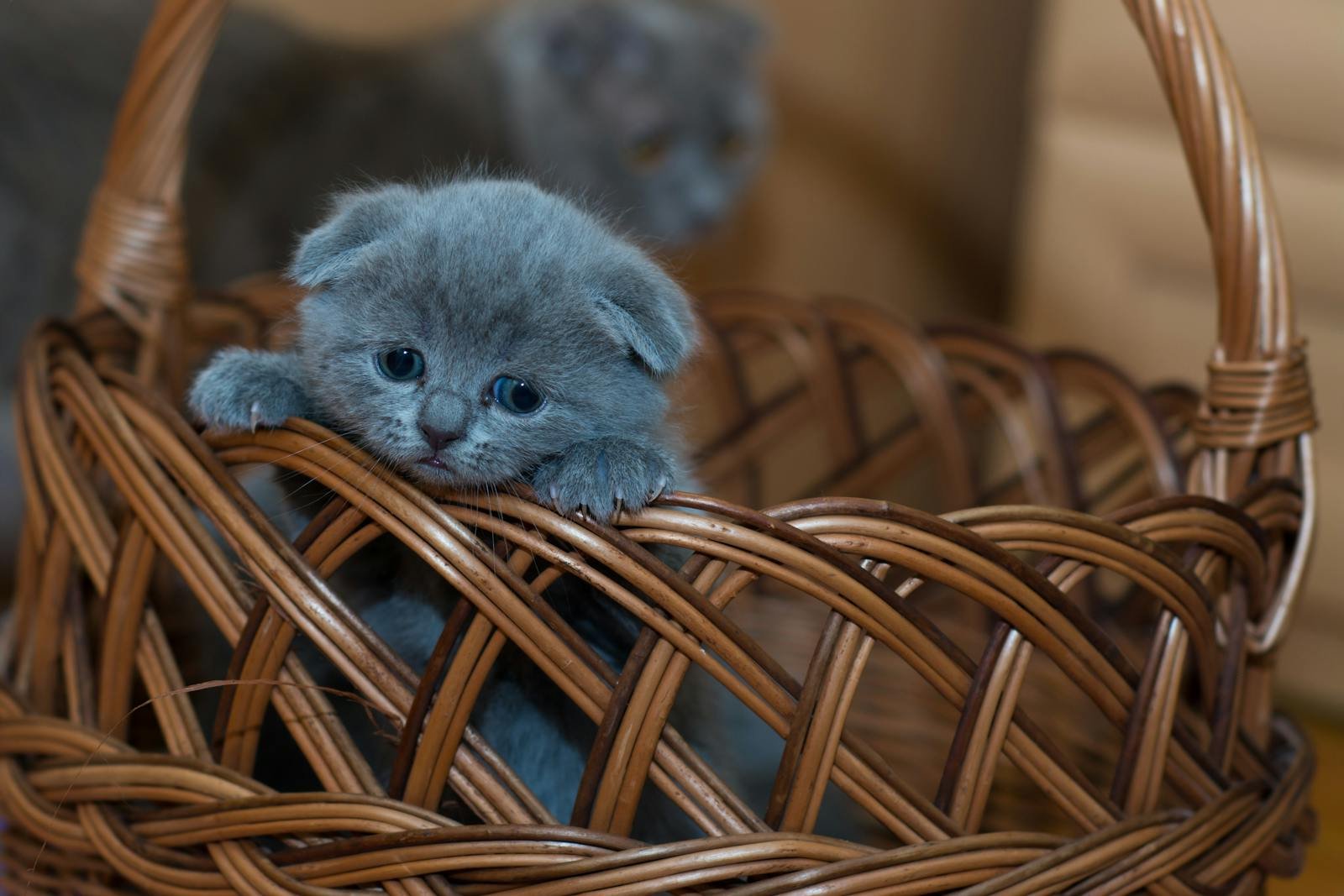
Have you ever watched a kitten explore the world for the first time? There’s something magical about their wide-eyed wonder, tiny wobbly steps, and boundless energy. But behind every fearless leap and playful pounce is a story—one shaped by the way we guide, nurture, and love them from their very first days. If you want your little furball to grow into a bold, inquisitive cat, it’s not just about food and toys. It’s about building trust, sparking curiosity, and helping them feel safe as they uncover life’s mysteries. Ready to start this adventure together?
Start with a Safe, Welcoming Space

When you bring your kitten home, the world can feel huge and scary. To help ease their nerves, create a cozy haven just for them. Set up a quiet room with their bed, litter box, food, and water bowls. Limit their territory at first—too much space can be overwhelming. Add soft blankets and a few safe toys. This home base becomes their sanctuary when new things get overwhelming. As they grow bolder, you can slowly introduce them to other rooms in your house. Remember, a kitten’s confidence often blooms from the comfort of their own familiar space.
Gentle Socialization is Key

Socialization shapes a kitten’s personality for life. Expose your kitten to gentle handling, different voices, and a variety of sights and sounds. Invite trusted friends over to meet them—one at a time—so your kitten gets used to new faces. Soft pets, slow movements, and calm tones build trust. If you have other pets, introduce them gradually and always supervise. Positive early experiences help your kitten grow into an adaptable, friendly adult cat, rather than a timid or fearful one.
Encourage Exploration through Play

Kittens are natural explorers, and play is their favorite way to learn. Offer a mix of toys—crinkle balls, feather wands, tunnels—to spark their curiosity. Move toys slowly, letting your kitten stalk and pounce. Hide treats around their room for them to “hunt.” Playtime strengthens your bond and teaches your kitten about their environment. Switch up toys often to keep things fresh. The more they play, the bolder and more inquisitive they’ll become.
Use Positive Reinforcement

Kittens, like people, thrive when praised for their efforts. When your kitten tries something new—like climbing a cat tree or using the scratching post—reward them with gentle words, strokes, or a tiny treat. Ignore unwanted behavior rather than punishing them; redirection works wonders. This way, your kitten learns that curiosity and courage bring positive outcomes. Over time, they’ll associate trying new things with feeling good, which builds lasting confidence.
Expose Them to Everyday Sounds

The world is full of strange noises for a kitten—vacuums, doorbells, even the hum of the fridge. Gradually expose your kitten to household sounds at a low volume. Turn on the TV or radio for short periods. Let them watch as you do chores, always keeping the mood relaxed. If they seem startled, comfort them but don’t coddle; let them observe until they feel safe. This gentle exposure helps prevent sound-related anxiety later in life.
Provide Vertical Spaces

Cats love to climb—it’s in their DNA. Give your kitten access to cat trees, shelves, or window perches. Vertical spaces offer a sense of control and safety, especially in a busy home. Invite your kitten to climb by placing treats on different levels. Watching the world from up high boosts their confidence and satisfies their curiosity. Plus, it’s adorable to see their little faces peeking out from a perch!
Handle with Care and Respect

Every kitten is unique. Some love cuddles, while others need a little space. Always let your kitten approach you first. If you do pick them up, support their body and keep things brief at first. Avoid rough play or holding them against their will. Handling your kitten gently and respecting their boundaries teaches them to trust you. Over time, they’ll feel safe and secure in your presence, which is the foundation of confidence.
Encourage Problem-Solving

Curious kittens love a challenge. Puzzle feeders, treat balls, and interactive toys make them think and explore. Hide treats in a cardboard box or under a towel to spark their hunting instincts. When your kitten solves a puzzle, celebrate with praise or a treat. These activities keep their minds sharp and satisfy their curiosity. They’ll learn to approach new situations with excitement rather than fear.
Introduce New Experiences Gradually

Sudden changes can be unsettling for kittens. Introduce new experiences—like car rides, visitors, or grooming—slowly and one at a time. Let your kitten sniff and explore at their own pace. If they seem nervous, stay calm and reassuring. Use treats or toys to make new things fun instead of scary. With patience, your kitten will learn that new experiences are opportunities, not threats.
Offer a Consistent Routine

Kittens feel secure when they know what to expect. Feed them at the same times each day, and keep their litter box, bed, and toys in predictable places. Set aside time for daily play and cuddles. Routines help kittens learn that their world is safe and reliable. When they feel secure, they’re more likely to explore with confidence and curiosity instead of hiding away.
Monitor Health and Nutrition

A healthy kitten is a happy, confident kitten. Feed them a balanced diet suited for their age and size. Schedule regular vet visits for vaccinations and checkups. Watch for signs of illness, like changes in appetite or behavior. A kitten who feels good physically will have the energy and spirit to explore their world. Good health is the hidden fuel behind every confident leap and curious sniff.
Encourage Social Play with Other Kittens

If possible, arrange playdates with other friendly, healthy kittens. Group play teaches kittens important social skills—how to share, how to set boundaries, and how to communicate. Watch them wrestle, chase, and learn from each other. These interactions help build confidence and teach your kitten how to interact with other cats throughout their life.
Provide Plenty of Rest and Alone Time

Kittens need lots of sleep—sometimes up to 20 hours a day! Make sure your kitten has a quiet, cozy spot to nap undisturbed. Overstimulation can lead to crankiness or anxiety. Respect their need for alone time, especially after a big play session or new experience. A well-rested kitten wakes up ready to explore the world with renewed curiosity and confidence.
Expose Them to Gentle Grooming

Start grooming routines early, using gentle brushes or combs. Handle their paws, ears, and mouth so they get used to being touched. Make grooming sessions short and sweet, always ending on a positive note. Offer treats and praise to build good associations. Regular grooming not only keeps your kitten clean but also teaches them that touch is safe and pleasant.
Encourage Independence

Let your kitten make choices. Give them access to different toys, scratching posts, and sleeping spots. Allow them to decide when to play, eat, or nap. Independence builds confidence—your kitten learns that their choices matter and that they can shape their own world. Stand back and watch them blossom into a brave, curious cat.
Be Patient and Consistent

Every kitten grows at their own pace. Some will be bold from day one, while others need more time to come out of their shell. Be patient and consistent with your love, care, and encouragement. Celebrate small milestones—a new spot explored, a new game mastered. Your steady presence gives your kitten the courage to keep pushing their boundaries and discovering new joys.
Foster a Deep Bond Through Love and Trust

Above all, the most important ingredient in raising a confident, curious kitten is unconditional love. Spend time together every day—play, cuddle, talk softly. Let your kitten know they’re safe, cherished, and free to be themselves. The trust you build becomes the springboard for every adventure, every discovery, and every moment of joy you’ll share.