Why Cats Seem to Know When You’re Sick or Sad
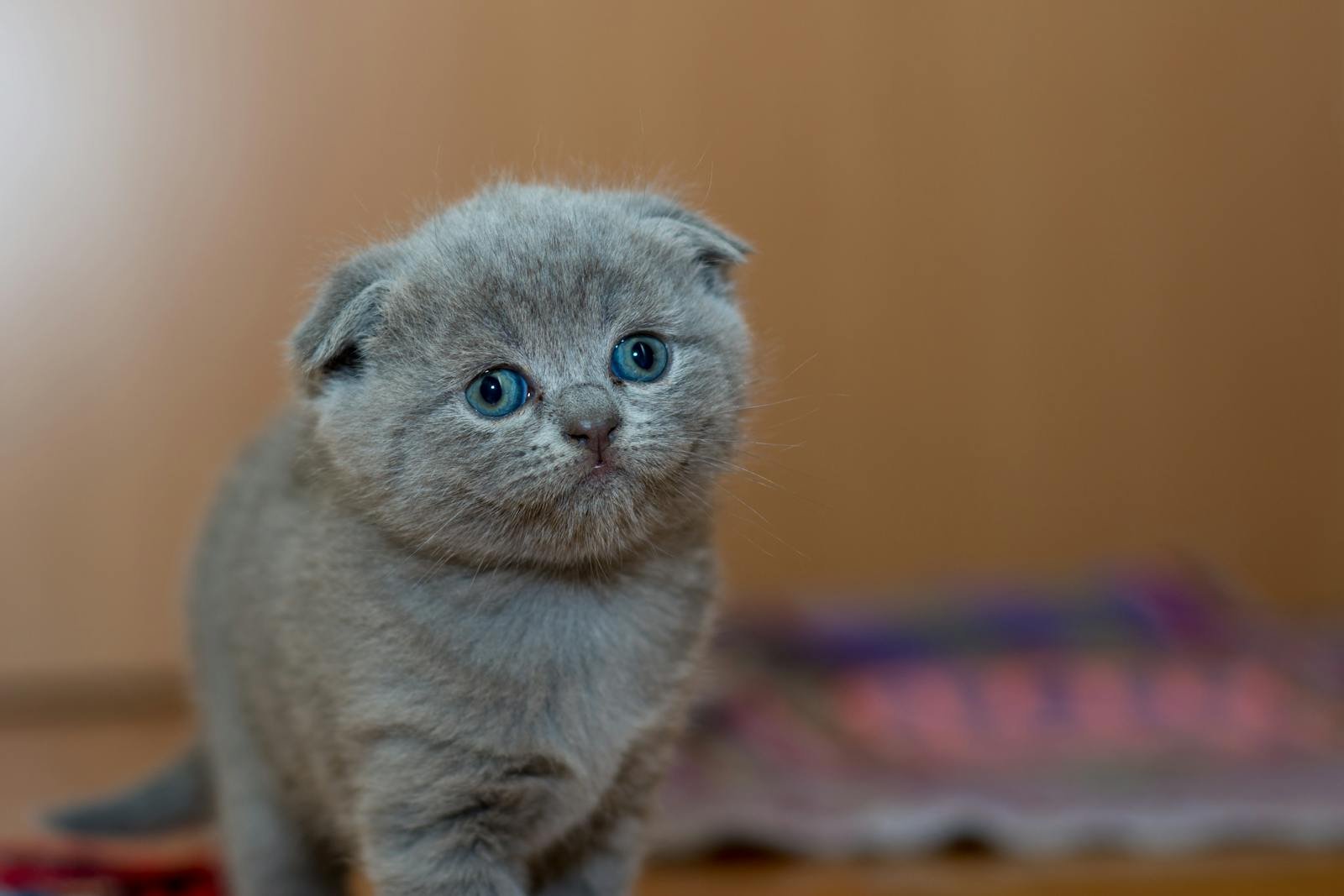
Have you ever noticed your cat curling up beside you on days when you’re feeling down or under the weather? It’s almost eerie—like they possess a sixth sense for human emotions and health. Many cat owners swear their feline companions become extra attentive during tough times, offering silent support in a way that feels both comforting and mysterious. Whether you’re battling a cold or grappling with heartbreak, your cat seems to know. But how do they do it? Let’s unravel the surprising science and heartwarming stories behind our furry friends’ uncanny ability to sense when we’re not ourselves.
Cats Are Masters of Observation

From the moment a kitten opens its eyes, it starts learning the world by watching. Cats notice everything—how you walk, the tone of your voice, even your daily routines. If you’re feeling unwell or sad, you’re probably moving differently or speaking in a softer, slower way. To a cat, these little changes are like flashing neon signs. They pick up on the tiniest cues, often before you realize you’re showing them. Their sharp eyes and keen sense of awareness make them expert observers of their human companions.
Smell: A Cat’s Secret Superpower

Cats’ noses are far more sensitive than ours. They can detect subtle changes in your scent that come with illness or stress. For example, when you’re sick, your body chemistry shifts—you might sweat more or release different hormones. Cats can pick up on these changes instantly. This is similar to how some animals are trained to sniff out diseases. Your cat might not have a diploma, but their nose is always on duty, quietly checking in on your well-being.
Responding to Emotional Energy

Emotions aren’t just in your head—they’re in your body, too. When you’re upset, your heartbeat changes, your muscles tense, and your breathing might speed up or slow down. Cats are incredibly sensitive to these physical signals. They can sense when your energy feels off, almost like they’re reading your emotional “weather.” Sometimes, all it takes is a sigh or a slump in your posture, and your cat is right there, offering comfort with a gentle purr or a soft nuzzle.
The Power of Routine and Disruption

Cats love routine. They thrive on knowing when you’ll wake up, when you’ll feed them, and where you’ll sit. If you suddenly spend more time in bed or skip your morning coffee ritual, your cat takes notice. Any break in their predictable world stands out. So, when illness or sadness changes your routine, your cat’s curiosity and concern are instantly piqued. They may stick closer to you, trying to understand what’s different and how they can help.
Cats and the Language of Touch

Touch is a universal language, and for cats, it’s a key way to communicate. When you’re feeling low, your cat might jump onto your lap, curl against your side, or gently pat your face with their paw. This isn’t just coincidence or a bid for warmth. Cats use touch to show affection and support. Their soft fur and warm bodies become a living blanket, providing the kind of comfort that words can’t offer.
Purring: Not Just a Sound, But a Healing Tool

A cat’s purr is more than just a sign of happiness—it can also be therapeutic. Studies suggest that the vibration of a cat’s purr, which falls between 25 and 150 Hertz, is within a range that can promote healing in bones and tissues. When your cat purrs beside you as you recover from illness or emotional pain, they’re doing more than soothing your soul—they might actually be helping your body heal, too. Purring is their gentle way of saying, “I’m here with you.”
Understanding Changes in Human Behavior

Cats are quick to notice when you’re not acting like yourself. If you’re usually energetic but suddenly quiet, or if you spend more time lying down, your cat will pick up on it. Their curiosity often leads them to investigate. They might follow you from room to room, stare at you with wide, concerned eyes, or even meow softly as if asking, “Are you okay?” This attentive behavior is their way of expressing care and concern.
The Emotional Mirror Effect

Have you ever heard that pets reflect their owners’ emotions? Cats, in particular, are sensitive to your mood. If you’re anxious, they might seem restless. If you’re calm, they often relax nearby. This emotional mirroring is a form of empathy, even if it looks a little different from human empathy. Your cat’s mood often shifts in tandem with yours, creating a quiet companionship that feels almost magical.
Protective Instincts of the Domestic Cat

Though cats may seem aloof, many have strong protective instincts—especially toward their favorite humans. When you’re sick or sad, your cat might position themselves close to you, like a little furry guardian. Some cats even sleep on your chest or curl around your head, as if to shield you from harm. This behavior is rooted in their natural instincts to care for those in their social group. It’s their way of saying, “You’re important to me.”
Recognizing Vocal Cues and Tone

Cats may not understand every word you say, but they’re experts at picking up on tone. When you speak in a soft, sad, or raspy voice, your cat can sense something’s wrong. They respond to these vocal cues by becoming quieter themselves or by offering a soothing purr. Sometimes, they’ll meow back, almost as if they’re trying to “talk” you through your tough moment. Their sensitivity to your voice helps them stay connected to your emotional state.
Stories of Cats Comforting Their Owners

Ask any cat lover, and you’ll hear countless stories about feline empathy. Maybe it’s the cat who wouldn’t leave their owner’s side during a bad flu, or the one who cuddled close after a tough day at work. These anecdotes aren’t just heartwarming—they’re proof that cats are attuned to our feelings. For many, these moments become treasured memories, reminders that love doesn’t always need words.
Scientific Studies on Cat Empathy

Researchers have started to take a closer look at the bond between cats and humans. Some studies show that cats adjust their behavior in response to human emotions and illnesses. For instance, cats often approach owners who are crying or lying down more than usual. While science still has much to learn, the evidence keeps growing that cats aren’t just passive observers—they actively respond to our needs.
The Bond Between Cat and Owner

The connection between a cat and their owner is built over time, through shared routines, gentle touches, and mutual trust. This deep bond allows cats to sense subtle changes in your mood or health. When you’re down, your cat’s presence can feel like a lifeline—a reminder that you’re not alone. The loyalty and affection they show during tough times only deepen the special relationship you share.
Cats as Unofficial Therapy Animals

While dogs often get the spotlight as therapy animals, cats are just as capable of providing emotional support. Their calm presence, soothing purrs, and gentle nudges can ease loneliness and stress. For many people, a cat’s quiet companionship is exactly what they need to get through difficult days. Even without a certificate, cats have earned their place as beloved, unofficial therapists in countless homes.
Why Some Cats Are More Attentive Than Others

Not every cat will respond to your sadness or illness in the same way. Some are naturally more affectionate or sensitive, while others might be more independent. Factors like breed, personality, and past experiences all play a role. However, even the most aloof cat often finds ways to show they care, whether it’s a slow blink from across the room or a gentle headbutt. Every cat expresses empathy in their own unique style.
How to Encourage This Special Connection

If you want to strengthen your bond with your cat, spend time together each day. Talk to them, pet them, and pay attention to their needs. When you’re open about your feelings, even in subtle ways, your cat picks up on it. The more you interact, the more attuned your cat becomes to your moods and health. This two-way street of care and understanding only grows with time and attention.
The Enduring Mystery of Feline Intuition

Despite all we know, there’s still something mysterious about the way cats sense our emotions and illnesses. Maybe it’s their unmatched observation skills, or perhaps something a little more magical. Whatever the reason, it’s one of the many things that make sharing your life with a cat so special. The quiet comfort they offer on your hardest days is a reminder that sometimes, the best medicine has four paws and a purr.