The Great Debate That’s Been Raging for Decades

Picture this: a massive saber-toothed cat stalking through ancient forests, its dagger-like canines gleaming in the prehistoric sunlight. But here’s the million-dollar question that’s been keeping paleontologists up at night—did these magnificent beasts live in social groups with dominant alpha males, or were they solitary hunters like most modern cats?
The answer isn’t as straightforward as you might think. Recent fossil discoveries have turned our understanding of prehistoric cat behavior completely upside down, revealing secrets that challenge everything we thought we knew about these ancient predators.
Smilodon’s Shocking Social Secret
The famous saber-toothed cat, Smilodon fatalis, has dropped the biggest bombshell in prehistoric cat research. Unlike their modern cousins who prefer the lone wolf lifestyle, these incredible hunters actually lived in family groups.
Evidence from the La Brea Tar Pits shows something extraordinary—dozens of Smilodon fossils found together, suggesting they hunted as a team. But here’s where it gets really interesting: the size differences between males and females tell a story of complex social hierarchies.
Male Smilodons were significantly larger than females, a classic sign of alpha male dominance in the animal kingdom. This size difference, called sexual dimorphism, hints that the biggest, strongest males ruled the roost.
The Bone-Crushing Evidence Hidden in Plain Sight
Paleontologists have uncovered something that makes your jaw drop—literally. Fossilized Smilodon bones show clear evidence of cooperative hunting and social care.
Some specimens reveal healed injuries that would have been fatal for a solitary hunter. These cats survived severe wounds because their pack mates brought them food and protected them during recovery. This level of social cooperation screams “alpha male leadership.”
The distribution of these caring behaviors across different dig sites suggests that alpha males weren’t just muscle-bound bullies. They were strategic leaders who ensured the survival of their entire group.
Cave Lion Clues That Change Everything
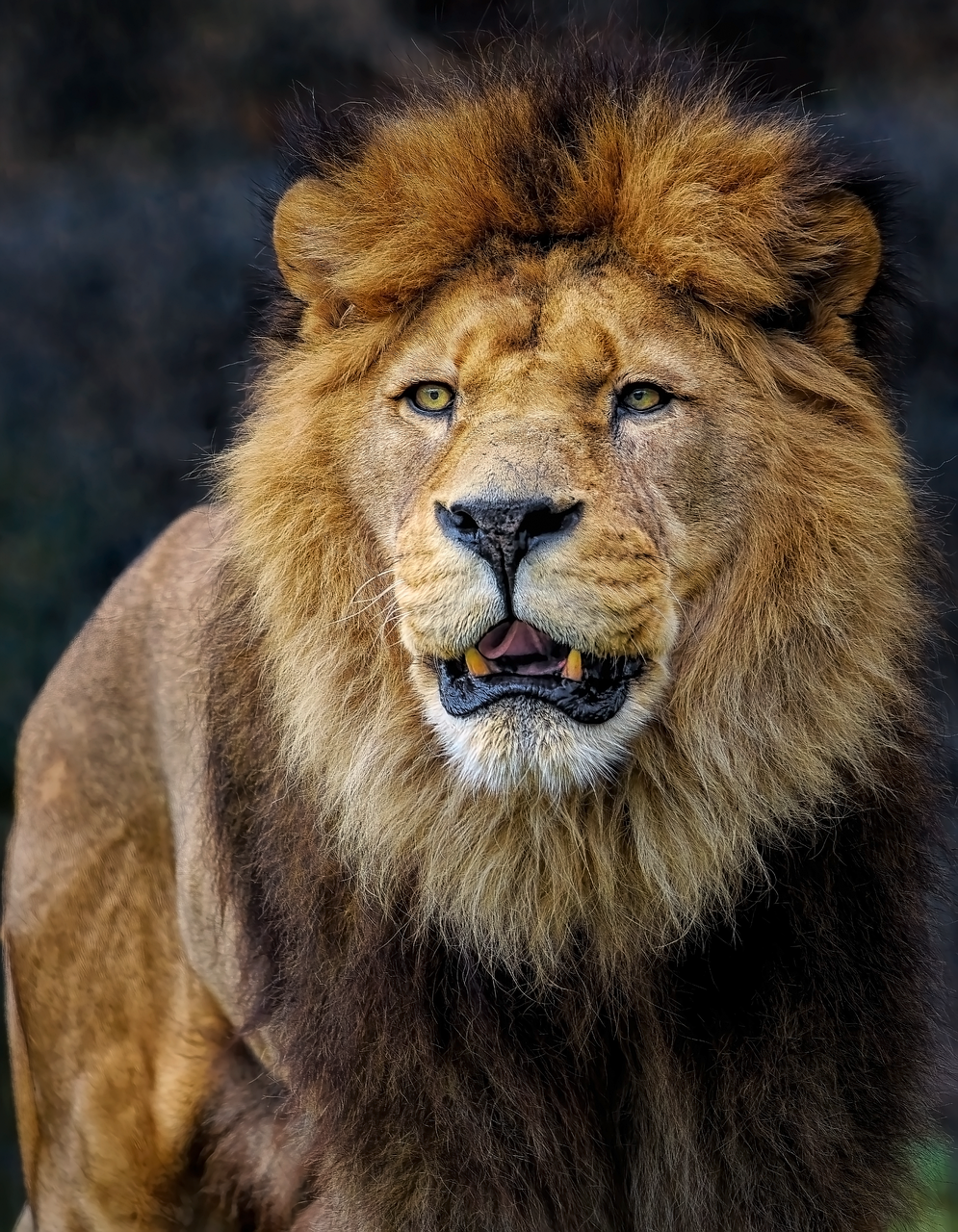
The European cave lion, Panthera spelaea, left behind fossil evidence that’s rewriting the prehistoric cat playbook. These magnificent beasts were 25% larger than modern lions, and their social structure was even more complex.
Fossil sites across Europe reveal something fascinating—cave lions lived in larger groups than today’s African lions. With bigger prides came more intense competition for leadership.
The skull measurements of male cave lions show extreme variation in size, suggesting that only the most dominant individuals reached full maturity. This intense competition created super-alphas who ruled over massive territories.
American Lion’s Territorial Dominance Game

The American lion, Panthera atrox, was the undisputed king of North American predators. These massive cats were 40% larger than modern lions, and their territorial behavior was legendary.
Fossil evidence suggests that male American lions controlled territories spanning hundreds of square miles. The spacing between fossil sites indicates that these alpha males maintained exclusive hunting grounds that would make modern big cats jealous.
What’s truly remarkable is how these territorial boundaries remained consistent across thousands of years. This suggests a sophisticated social system where alpha status was passed down through generations.
The Surprising Marsupial Cat Connection
Here’s something that will blow your mind—the marsupial saber-tooth, Thylacosmilus, developed alpha male behavior completely independently from true cats. This South American predator evolved similar social structures through convergent evolution.
Fossil evidence shows that male Thylacosmilus were significantly larger than females and had more pronounced canine teeth. These adaptations suggest fierce competition for mating rights and territorial control.
The fact that two completely unrelated species developed similar alpha male behaviors proves that this social structure was incredibly successful for large prehistoric predators.
Fossil Teeth Tell Tales of Dominance

The wear patterns on prehistoric cat teeth reveal secrets about their social lives that would make a detective jealous. Alpha males show distinctly different tooth wear compared to subordinate individuals.
Dominant males had access to the choicest cuts of meat, while lower-ranking cats had to make do with tougher, more fibrous parts. This dietary hierarchy left permanent marks on their fossilized teeth.
Scientists can now identify alpha males in the fossil record simply by examining their dental wear patterns. It’s like reading ancient social media posts written in enamel.
The Isotope Investigation Revolution
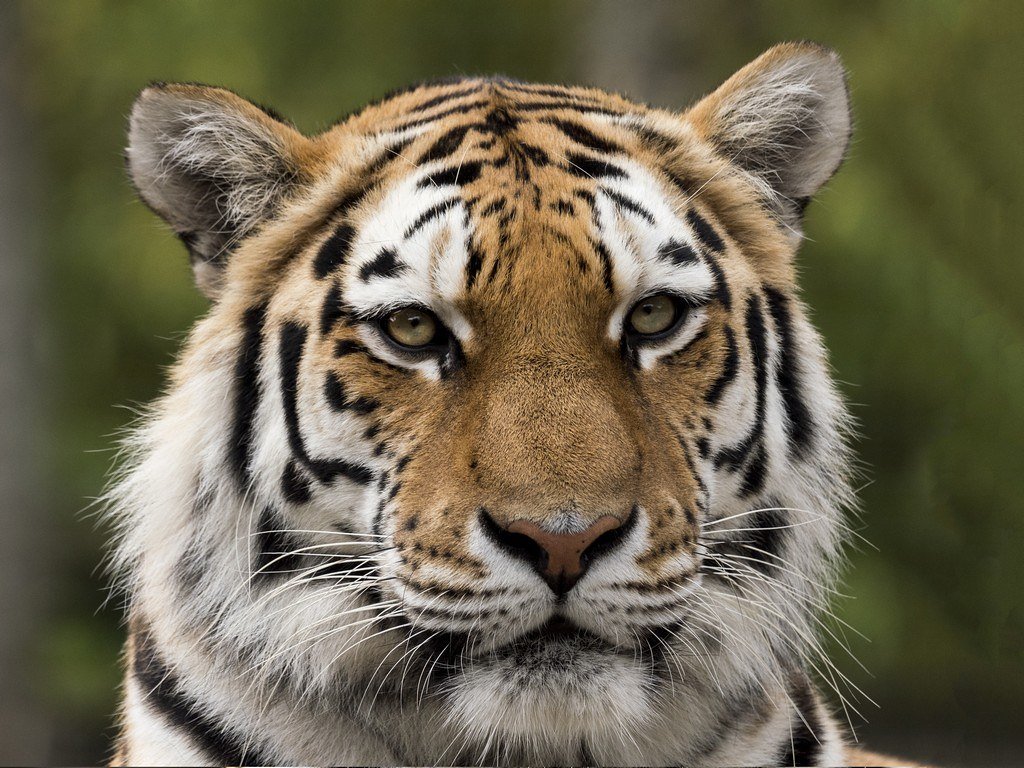
Modern science has given us an incredible tool for understanding prehistoric cat behavior—isotope analysis. By examining the chemical signatures in fossilized bones, researchers can determine exactly what these ancient cats ate and where they lived.
Alpha males consistently show different isotope signatures than other group members, indicating they had priority access to the best hunting territories. This chemical evidence provides rock-solid proof of social hierarchies.
The isotope data also reveals seasonal migration patterns, suggesting that alpha males led their groups to different hunting grounds throughout the year. This level of strategic thinking demonstrates sophisticated leadership abilities.
Juvenile Fossil Patterns Reveal Pack Dynamics

The discovery of juvenile prehistoric cat fossils has opened up a whole new chapter in understanding alpha male behavior. Young cats found in family groups show clear evidence of extended parental care.
In species with alpha males, juveniles survived to adulthood at much higher rates than in solitary species. This suggests that dominant males invested heavily in protecting and teaching their offspring.
The learning period for young saber-toothed cats was remarkably long, indicating that alpha males needed to pass down complex hunting strategies and social behaviors to the next generation.
Scimitar Cat’s Unique Social Experiment

The scimitar cat, Homotherium, tried a completely different approach to alpha male behavior. These cats developed a more cooperative social structure where multiple males shared leadership roles.
Fossil evidence suggests that scimitar cats lived in larger groups than other prehistoric cats, with several adult males cooperating rather than competing. This unique social experiment lasted for millions of years.
The success of this cooperative model challenges our assumptions about alpha male dominance. Sometimes, sharing power was more effective than hoarding it.
The Extinction Connection Nobody Expected
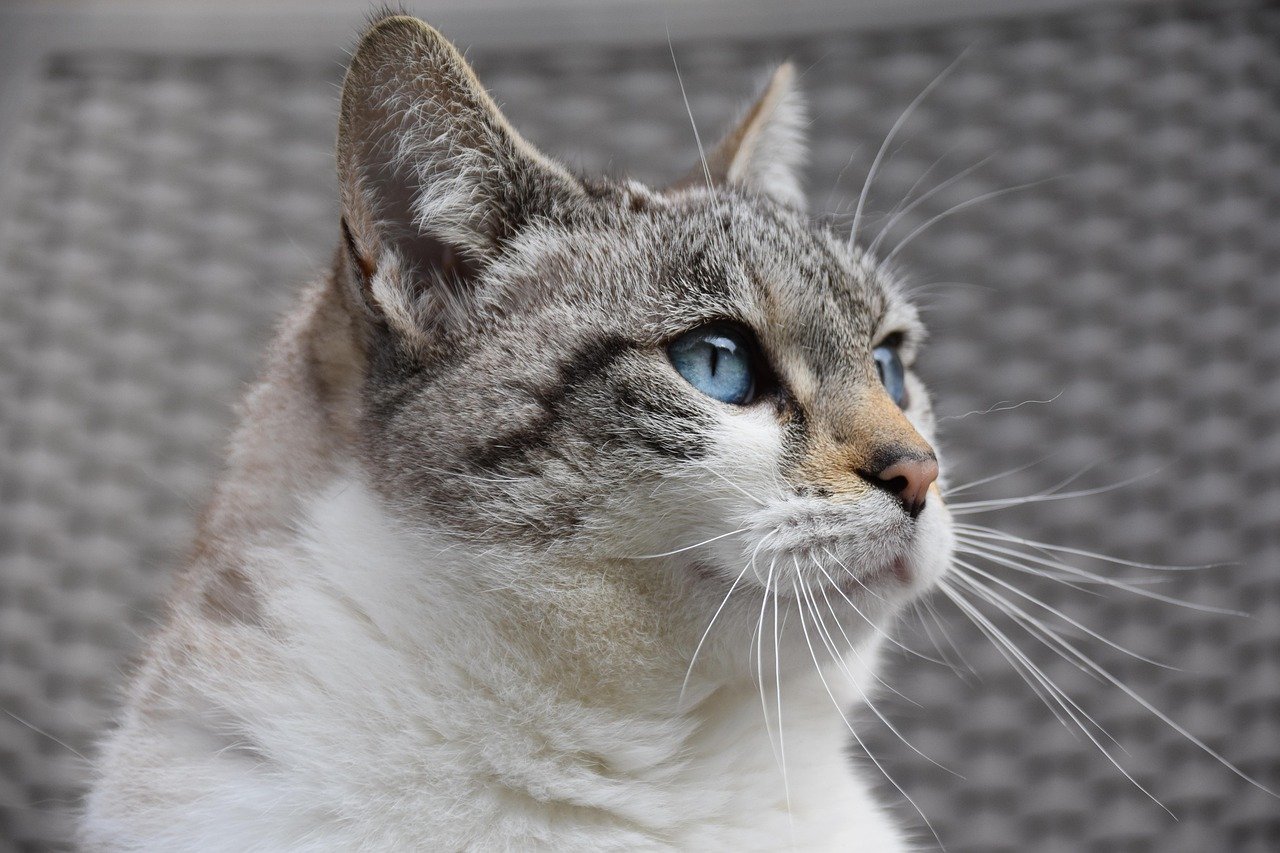
Here’s a shocking twist—the end of the Ice Age didn’t just change the climate; it completely disrupted prehistoric cat social structures. As prey animals disappeared, alpha male systems began to collapse.
Large group living became impossible when there wasn’t enough food to support entire prides. The most socially complex species, with the most elaborate alpha male hierarchies, were the first to go extinct.
This extinction pattern suggests that alpha male behavior, while successful for millions of years, became a liability when environmental conditions changed rapidly. Flexibility, not dominance, became the key to survival.
Modern DNA Unlocks Ancient Secrets

Scientists have managed to extract DNA from some prehistoric cat fossils, revealing genetic evidence of alpha male behavior. Certain genes associated with aggression and territorial behavior show up more frequently in larger male specimens.
The genetic analysis also reveals that alpha males had more offspring than subordinate males, exactly what we’d expect from a dominance-based mating system. Their genes literally dominated the next generation.
This genetic evidence provides the final piece of the puzzle, confirming that prehistoric cats did indeed have alpha males who shaped the evolution of their species.
What This Means for Modern Cat Behavior
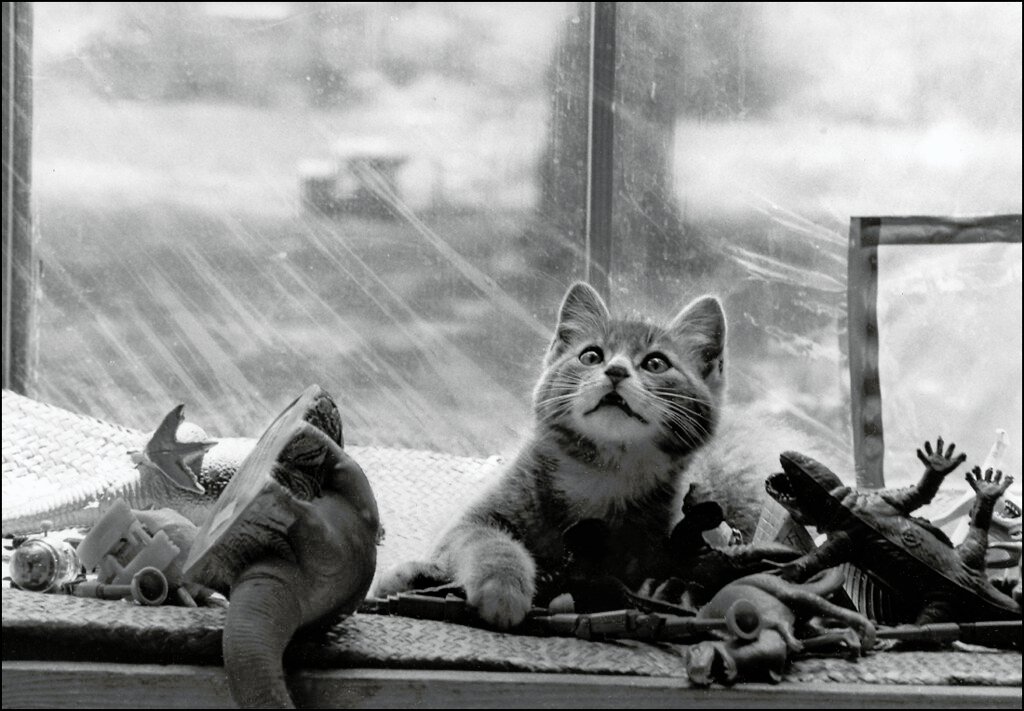
Understanding prehistoric cat alpha behavior sheds new light on why domestic cats behave the way they do. Many “mysterious” feline behaviors are actually remnants of ancient social structures.
The territorial marking, dominance displays, and hierarchical behaviors we see in modern cats all trace back to these prehistoric alpha male systems. Your house cat is carrying millions of years of social evolution in its DNA.
Even though most modern cats are solitary, they still retain the genetic programming for complex social behaviors. This explains why some cats thrive in multi-cat households while others prefer to rule their domain alone.
The fossil evidence has spoken, and the verdict is clear: prehistoric cats absolutely had alpha males, and their influence shaped feline evolution for millions of years. These ancient leaders weren’t just bigger and stronger—they were strategic, caring, and incredibly successful at ensuring their species’ survival. Who would have thought that a few fossilized bones could reveal such an epic tale of prehistoric power and politics?

Hi, I’m Bola, a passionate writer and creative strategist with a knack for crafting compelling content that educates, inspires, and connects. Over the years, I’ve honed my skills across various writing fields, including content creation, copywriting, online course development, and video scriptwriting.
When I’m not at my desk, you’ll find me exploring new ideas, reading books, or brainstorming creative ways to solve challenges. I believe that words have the power to transform, and I’m here to help you leverage that power for success.
Thanks for stopping by, Keep coming to this website to checkout new articles form me. You’d always love it!