The La Brea Tar Pits Champion: Smilodon fatalis

More than 2,000 individual Smilodon fatalis have been pulled from the sticky black depths of La Brea, making it the most famous saber-tooth discovery site on Earth. These incredible predators got trapped while hunting prey that had already become stuck in the tar.
The sheer number of specimens found here tells a haunting story of desperation and hunger. Scientists believe these cats were drawn to the tar pits by the distress calls of trapped animals, only to become victims themselves. Their powerful builds and massive canine teeth, some reaching 7 inches long, made them formidable hunters of Ice Age megafauna.
The German Cave Surprise: Homotherium latidens
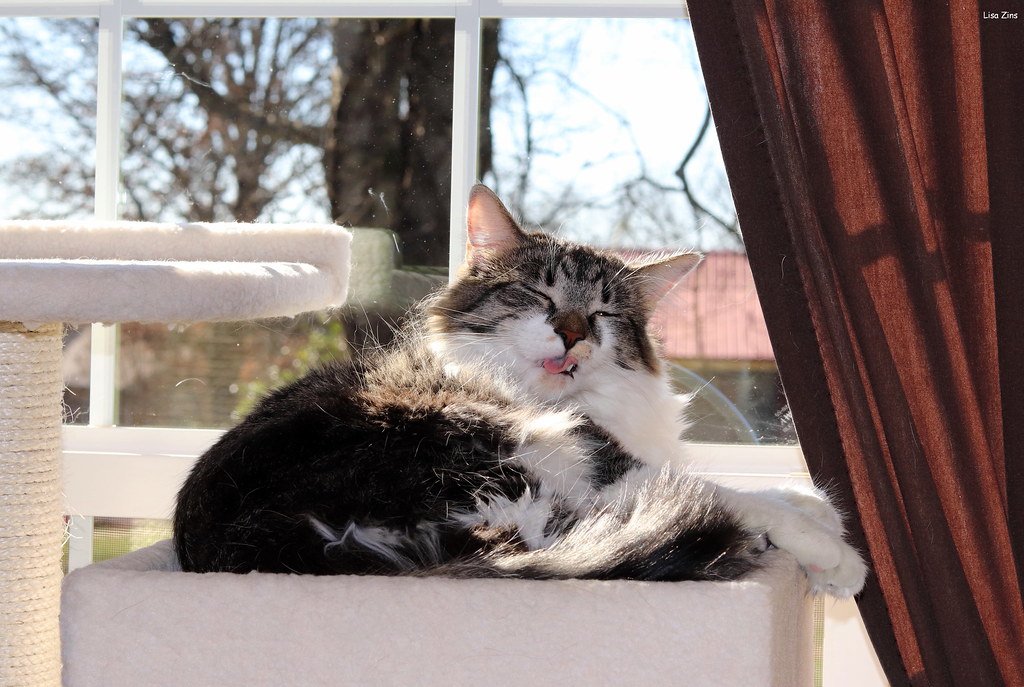
In 2022, researchers made a shocking discovery in a German cave system – a perfectly preserved Homotherium latidens mummy, complete with fur and tissue. This scimitar-tooth cat had been frozen in permafrost for over 30,000 years, revealing secrets about their appearance that fossils alone never could.
The specimen showed that these cats had thick, brownish fur and relatively small ears compared to modern big cats. What’s truly mind-blowing is that this species was thought to be extinct in Europe long before this individual died. Sometimes the most incredible discoveries happen when we least expect them.
The Friesenhahn Cave Mass Grave
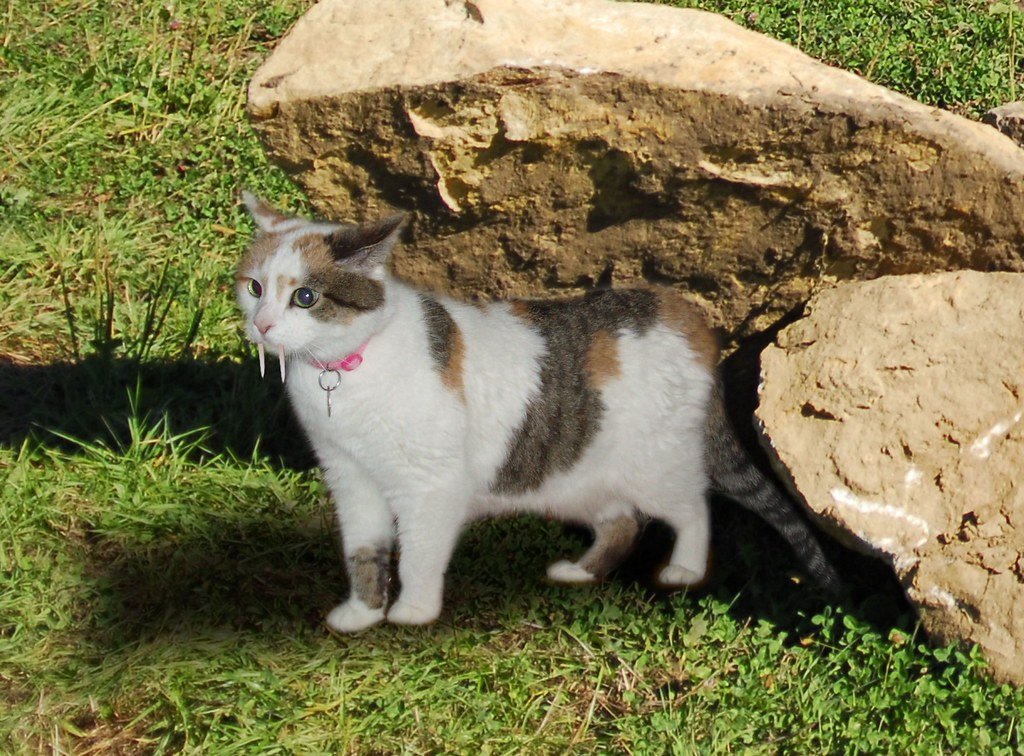
Texas holds one of the most extraordinary saber-tooth discoveries ever made – a cave packed with the remains of over 30 Homotherium serum individuals. The Friesenhahn Cave became a death trap for an entire population of these scimitar-tooth cats around 20,000 years ago.
What makes this find truly remarkable is that scientists discovered juvenile specimens alongside adults, giving us rare insights into saber-tooth family behavior. The cave also contained hundreds of baby mammoth bones, suggesting these cats specialized in hunting young megafauna. It’s like finding an ancient crime scene frozen in time.
The Riverbed Giant: Xenosmilus hodsonae
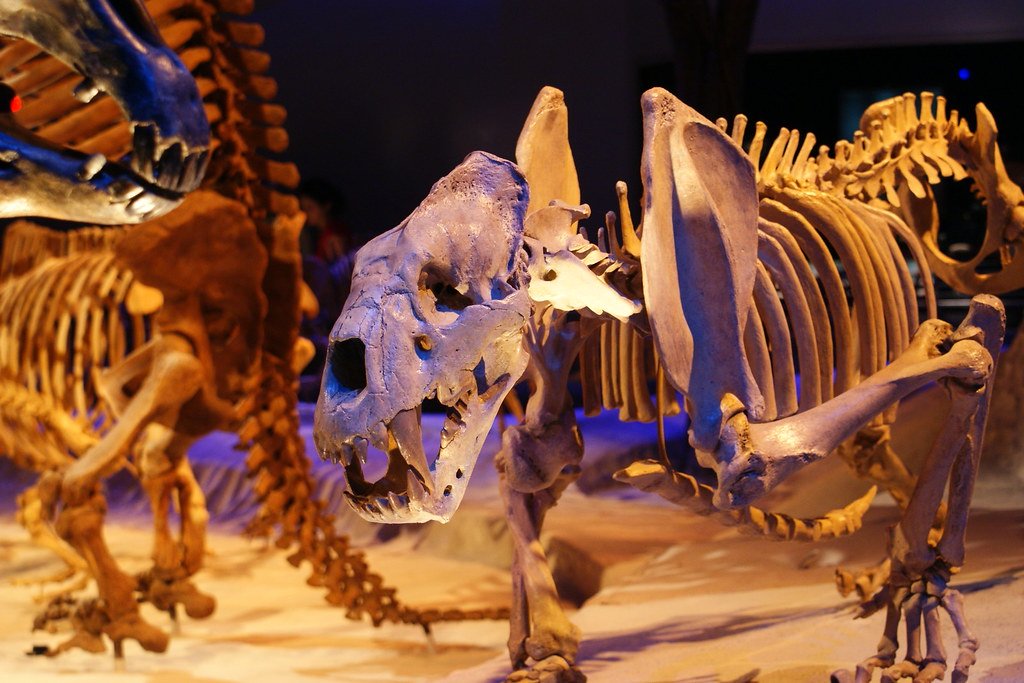
Florida’s Leisey Shell Pit delivered one of the most unusual saber-tooth discoveries when paleontologists found Xenosmilus hodsonae in ancient riverbed sediments. This “cookie-cutter cat” earned its nickname from its unique serrated teeth that could slice through flesh like a knife through butter.
Unlike other saber-tooths, Xenosmilus had incredibly robust limbs and a stocky build that made it look more like a muscular linebacker than a graceful predator. The discovery revolutionized our understanding of saber-tooth diversity, proving that these cats evolved multiple body types to dominate different ecological niches.
The Argentinian Plains Predator: Smilodon populator
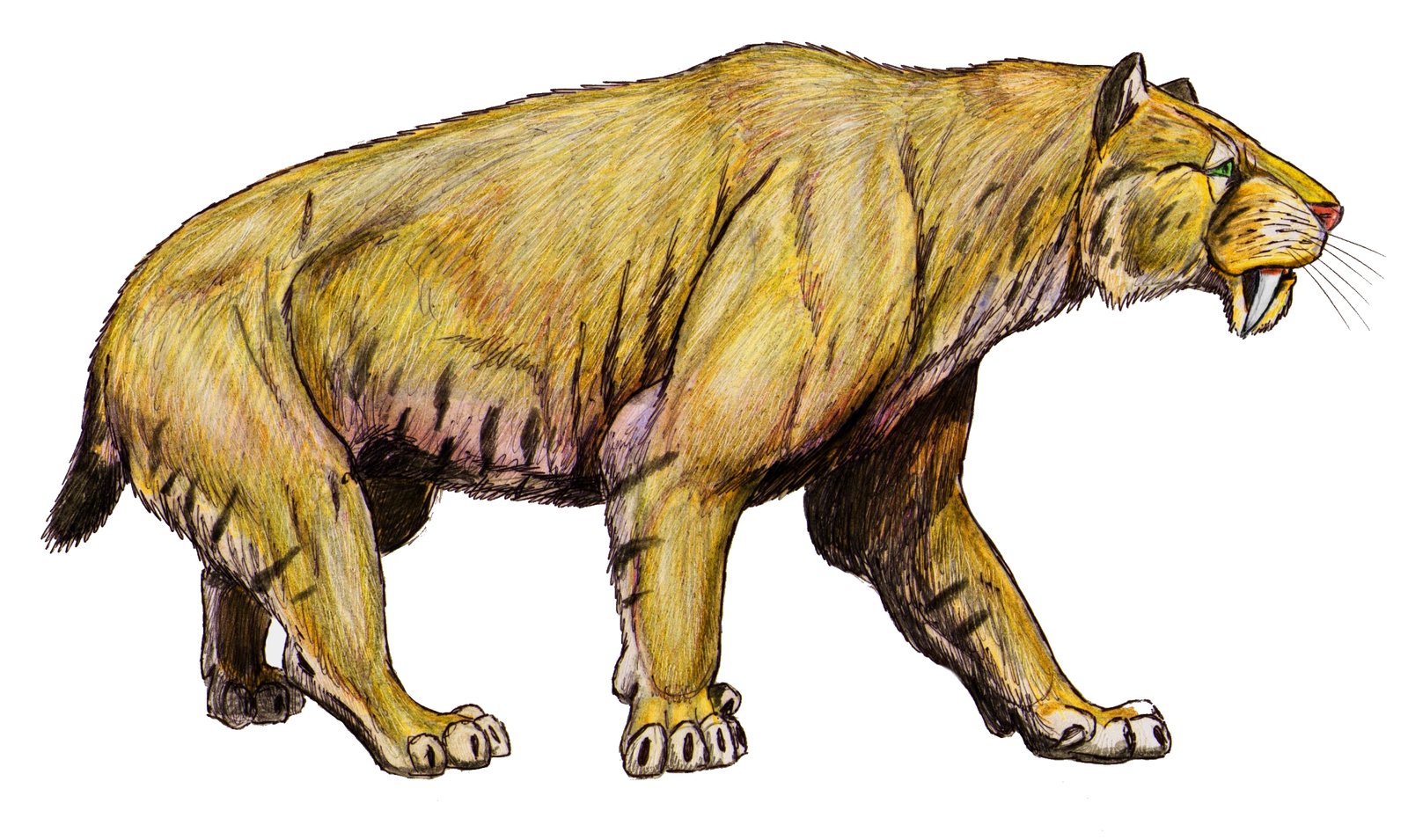
The pampas of Argentina yielded the largest saber-tooth cat ever discovered – Smilodon populator, a true giant among giants. These massive predators, found in ancient riverbed deposits, weighed up to 880 pounds and possessed the most impressive canine teeth in the saber-tooth family.
What’s absolutely incredible is how these cats managed to survive in the open grasslands of South America while their cousins preferred forested environments. Their discovery in sediment layers tells us they were incredibly successful hunters, dominating the continent for thousands of years before mysteriously vanishing.
The Chinese Mountain Mystery: Megantereon cultridens
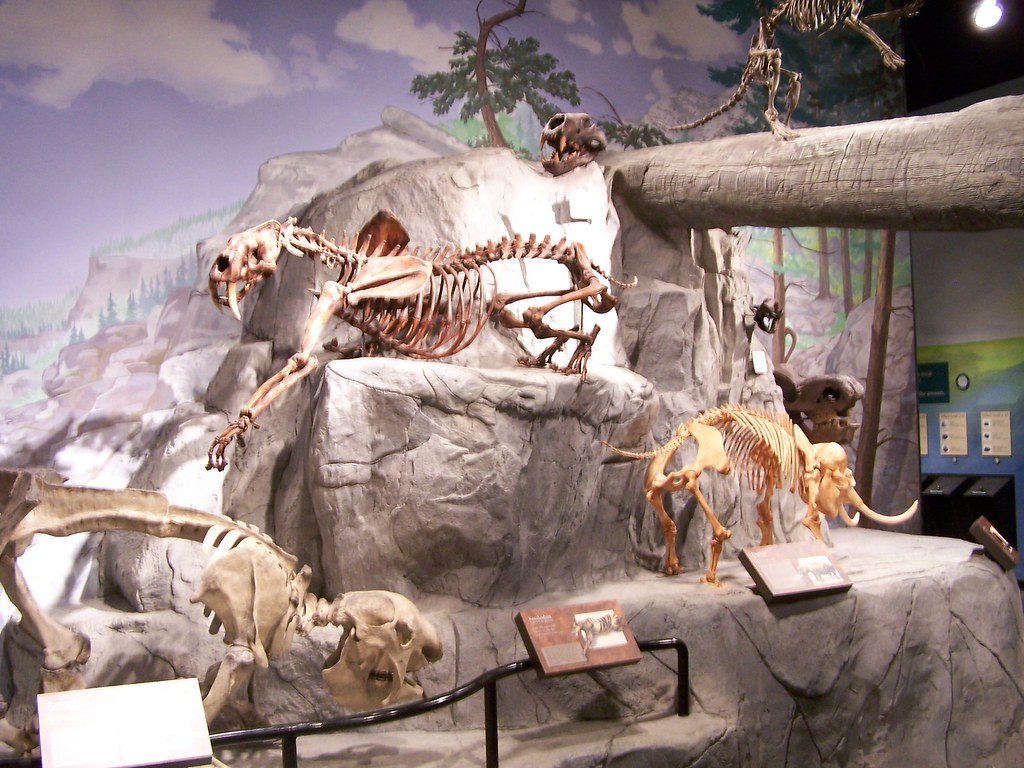
High in the mountains of China, researchers uncovered one of the oldest saber-tooth lineages ever found – Megantereon cultridens, dating back nearly 4 million years. These early saber-tooths were discovered in limestone caves that preserved their delicate bone structures in stunning detail.
The Chinese specimens revealed that saber-teeth evolved much earlier than previously thought, and these ancient cats were already perfecting their killing techniques millions of years ago. Their relatively small size compared to later species shows us how these predators gradually evolved into the massive hunters we know from the Ice Age.
The Siberian Permafrost Preservation: Homotherium latidens
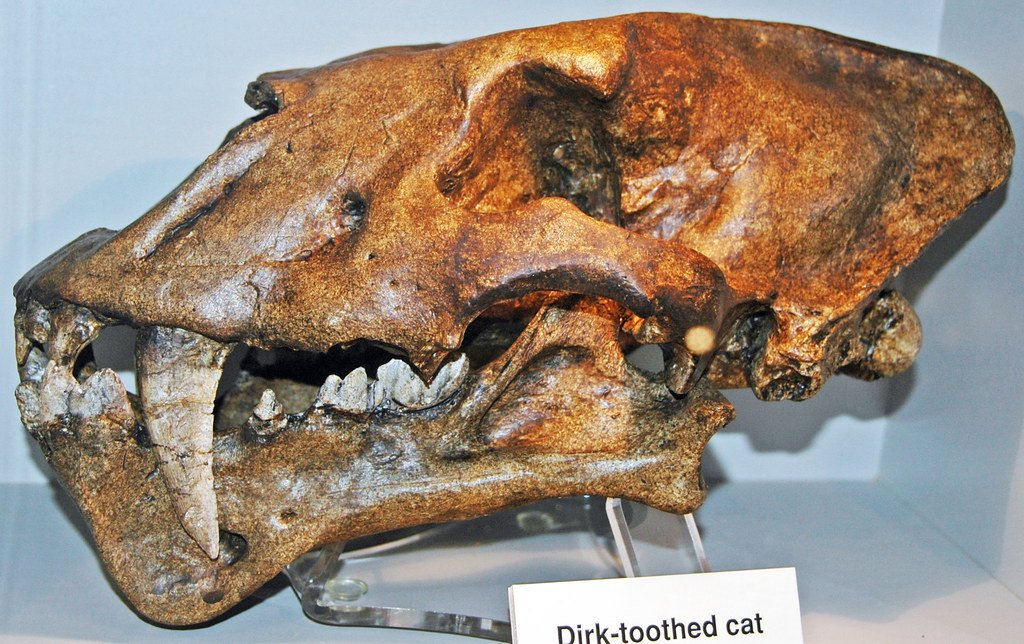
Siberia’s frozen ground has become a treasure trove for saber-tooth discoveries, with multiple Homotherium specimens emerging from permafrost layers. The cold conditions preserved not just bones, but also soft tissues, fur, and even stomach contents that reveal their last meals.
These Siberian finds proved that scimitar-tooth cats survived much longer in northern regions than anywhere else on Earth, possibly lasting until just 10,000 years ago. The preservation is so remarkable that scientists can study their DNA, giving us unprecedented insights into how these cats lived and died in the harsh Arctic environment.
The Italian Volcanic Ash Victim: Megantereon whitei
Italy’s volcanic history created perfect conditions for preserving an extraordinary Megantereon whitei specimen that was buried in ancient ash flows. This early saber-tooth, found near Rome, showcased the incredible diversity of these cats across different continents and time periods.
The volcanic ash acted like a natural time capsule, preserving even the tiniest bone fragments and teeth that would normally decompose. This discovery helped scientists understand how saber-tooths migrated from Africa into Europe, following prey animals across ancient land bridges that no longer exist.
The Australian Surprise: Thylacosmilus atrox
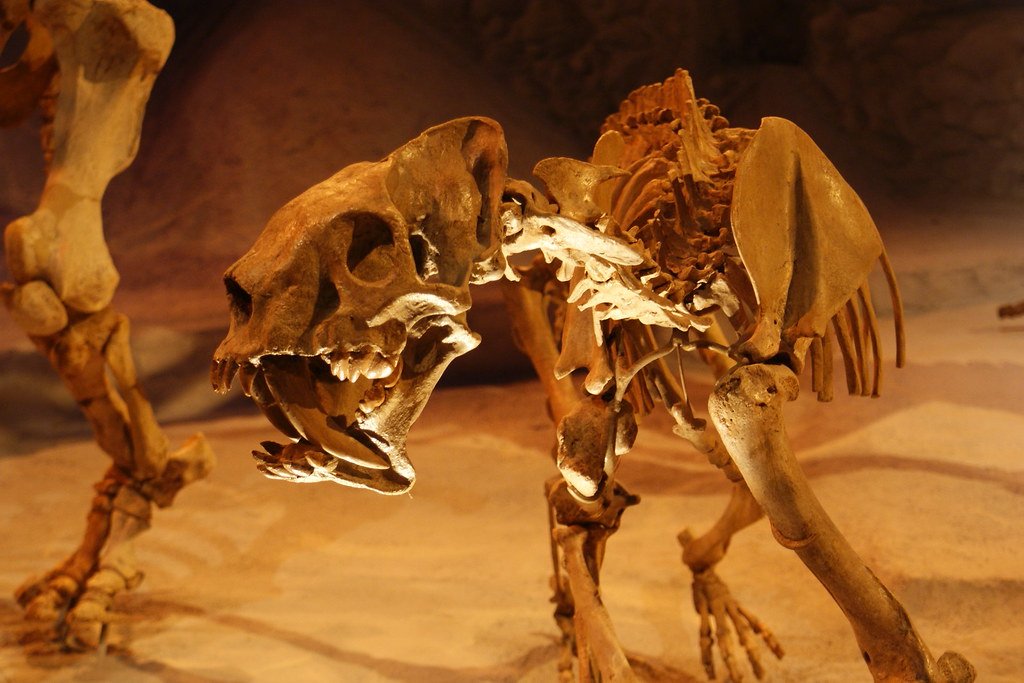
While technically not a true saber-tooth cat, the discovery of Thylacosmilus atrox in South American cave deposits blew scientists’ minds by showing that marsupials also evolved saber-teeth independently. This “marsupial saber-tooth” had continuously growing canines, unlike true cats whose teeth stopped growing once mature.
The fossil evidence suggests these pouched predators were incredibly successful hunters that dominated South America before true saber-tooth cats arrived from North America. Their discovery proves that nature often finds the same solutions to survival challenges, even in completely different animal groups.
The Underwater Discovery: Smilodon gracilis
The most unexpected saber-tooth discovery came from underwater excavations in Florida’s rivers, where Smilodon gracilis specimens were found in submerged cave systems. These “gracile” saber-tooths were smaller and more agile than their famous cousins, perfectly adapted for hunting in forested environments.
The underwater preservation created unique fossilization conditions that maintained details lost in other environments. Scientists realized these cats were active climbers, using their powerful limbs to pursue prey through dense vegetation. Their discovery rewrote the rules about where and how saber-tooths lived, proving that these ancient predators were far more diverse and adaptable than we ever imagined.
Conclusion
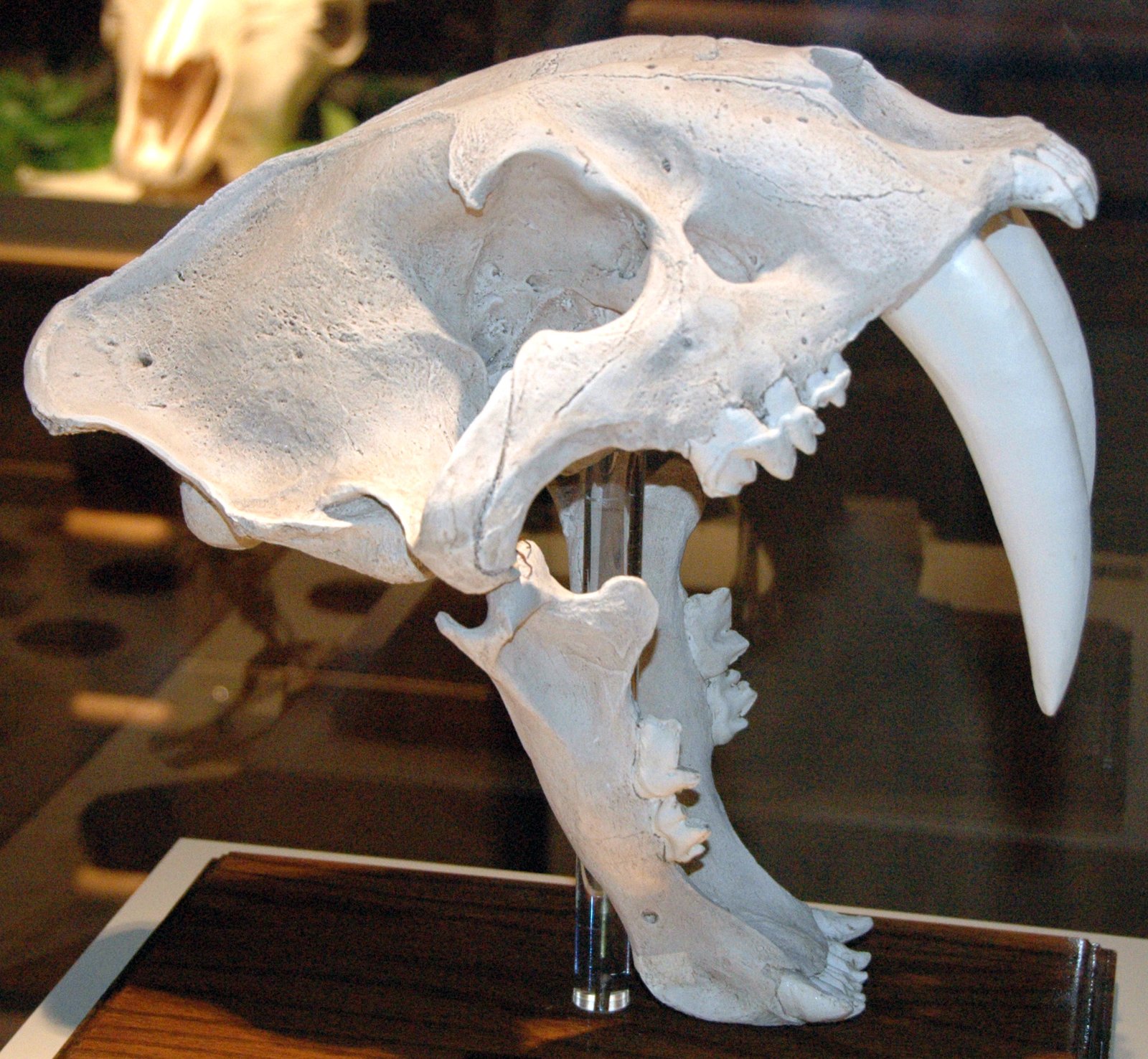
These remarkable discoveries from tar pits, caves, and riverbeds continue to reshape our understanding of saber-tooth cats and their incredible diversity. Each find tells a unique story of survival, adaptation, and ultimately extinction in a world that no longer exists. From the smallest gracile species to the massive giants of South America, these prehistoric predators dominated ecosystems across multiple continents for millions of years.
The preservation conditions that allowed these discoveries remind us that nature’s archives are still being written, with new chapters waiting to be uncovered in the most unexpected places. Which of these ancient predators would you have been most afraid to encounter in the wild?

Hi, I’m Bola, a passionate writer and creative strategist with a knack for crafting compelling content that educates, inspires, and connects. Over the years, I’ve honed my skills across various writing fields, including content creation, copywriting, online course development, and video scriptwriting.
When I’m not at my desk, you’ll find me exploring new ideas, reading books, or brainstorming creative ways to solve challenges. I believe that words have the power to transform, and I’m here to help you leverage that power for success.
Thanks for stopping by, Keep coming to this website to checkout new articles form me. You’d always love it!