When people think about getting a cat, they often picture a calm, independent companion who’ll quietly curl up in sunny spots and perhaps chase the occasional toy mouse. The reality, though, can be quite different depending on the breed you choose. Some cats turn into absolute whirlwinds of destruction when they’re feeling understimulated or neglected, transforming your peaceful home into what looks like a furry tornado passed through.
The relationship between boredom and destructive behavior in cats isn’t just some quirky trait – it’s actually hardwired into their DNA. Think about it: these are descendants of wild predators who spent their days hunting, stalking, and exploring vast territories. Trap that instinct indoors with nothing to challenge their minds, and you’ve got a recipe for chaos. Let’s dive into the breeds that really know how to make their displeasure known when life gets too routine.
Bengal Cats: The Leopard-Spotted Troublemakers
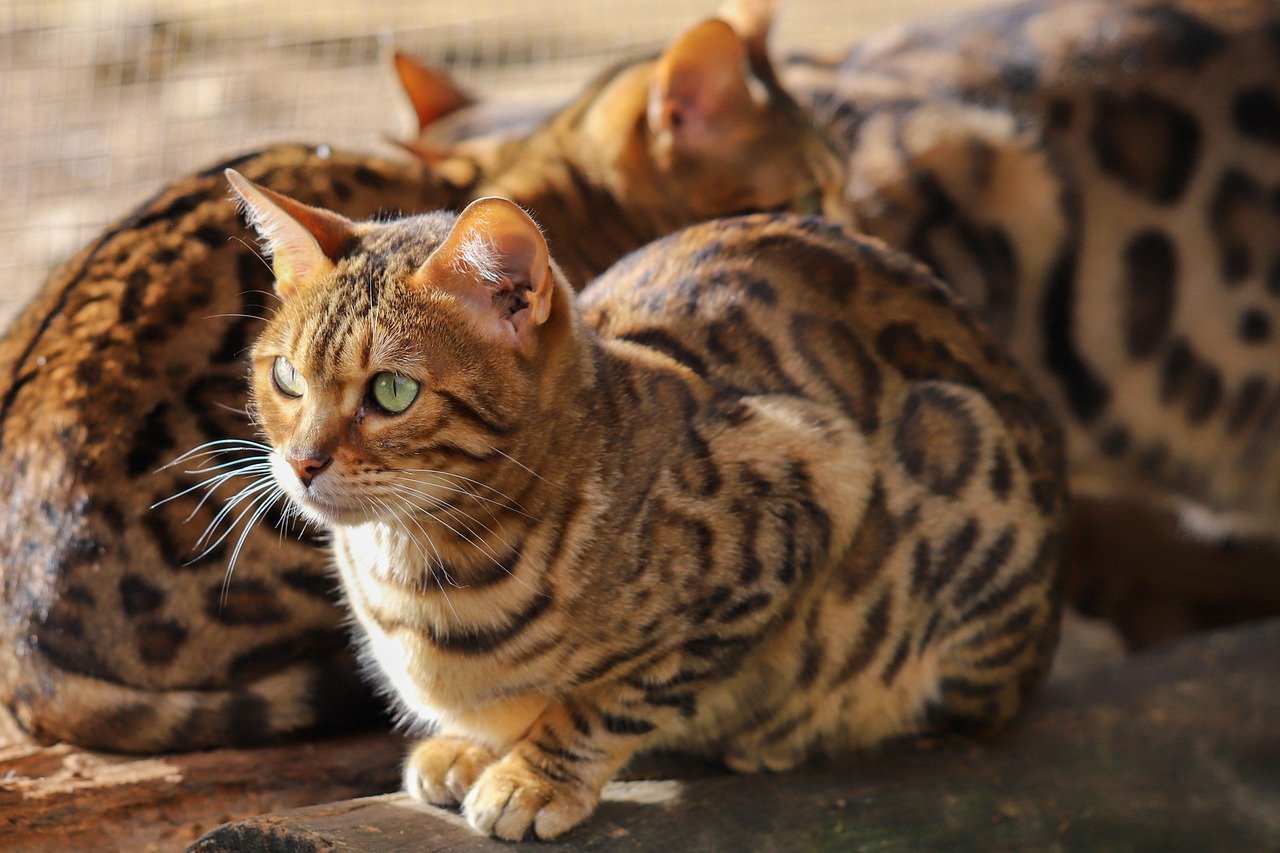
Bengal cats are particularly notorious , thanks to their wild ancestry from Asian Leopard Cats. When Bengals have nothing to do, they scratch furniture, knock over decorations, chew on shoes and cushions, and wreak all sorts of havoc. Like many other cats, Bengals will resort to aggression when they feel angry, frustrated, or bored, and they tend to be hyperactive from the moment they are born.
These exotic beauties require quite a bit of mental stimulation and playtime, and when bored, they can get a bit destructive. What makes Bengals particularly challenging is their intelligence combined with their energy levels. Bengals are probably the most intelligent cats, even occasionally outwitting the cunning Siamese, and because of their intense intelligence and wild ancestry, they tend to have some pretty strange behavioral quirks.
Savannah Cats: The Wild-Hearted Giants
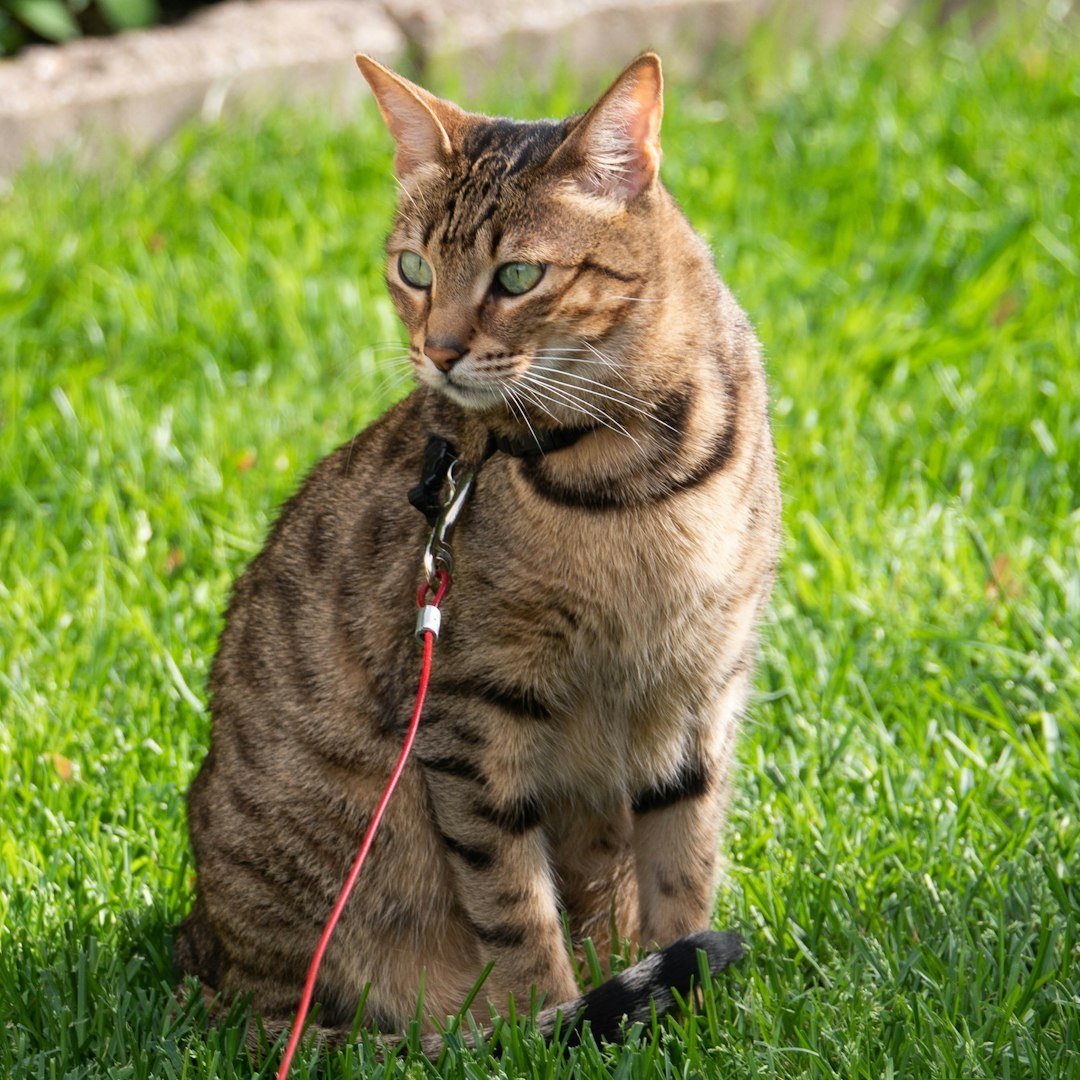
Hybrid cats like Savannahs are more likely than fully domestic cats to be destructive with furniture and possessions, thanks to the influence of their wild ancestor. Savannah cats may become destructive or develop behavioral issues if not provided with enough outlets for their energy. These tall, elegant cats carry serval genes that make them crave constant stimulation.
If you don’t provide a sufficiently stimulating environment and enrichment, you risk your wild hybrid cat getting bored and frustrated, and an unhappy cat may quickly develop destructive or potentially even dangerous behaviors. Their size and athleticism mean they can cause significantly more damage than your average house cat when they decide to redecorate your living space.
Siamese Cats: The Drama Queens of Destruction
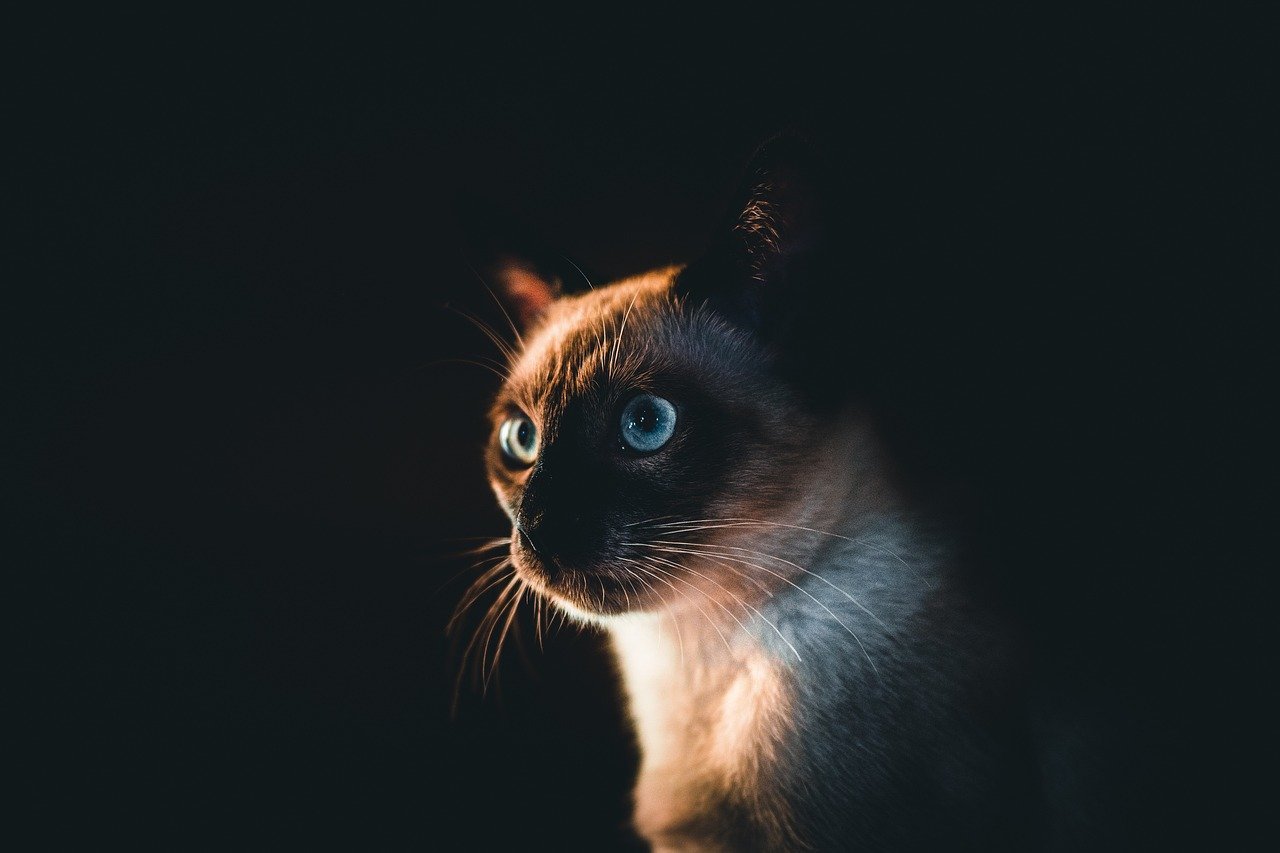
Siamese cats will turn to destructive behaviour, such as knocking things down, scratching furniture, or urinating all over your home if they fail to get the attention they seek. They are hyperactive attention seekers, prone to jealousy and territorialism, and are extremely vocal when expressing happiness or dissatisfaction.
Siamese cats tend to do crazy things when they lack attention, including violent outbursts, and being incredibly intelligent, they know that specific behaviour will provoke a reaction from you. It’s almost like living with a feline teenager who knows exactly which buttons to push to get your attention.
Oriental Shorthair Cats: The Sleek Mischief Makers
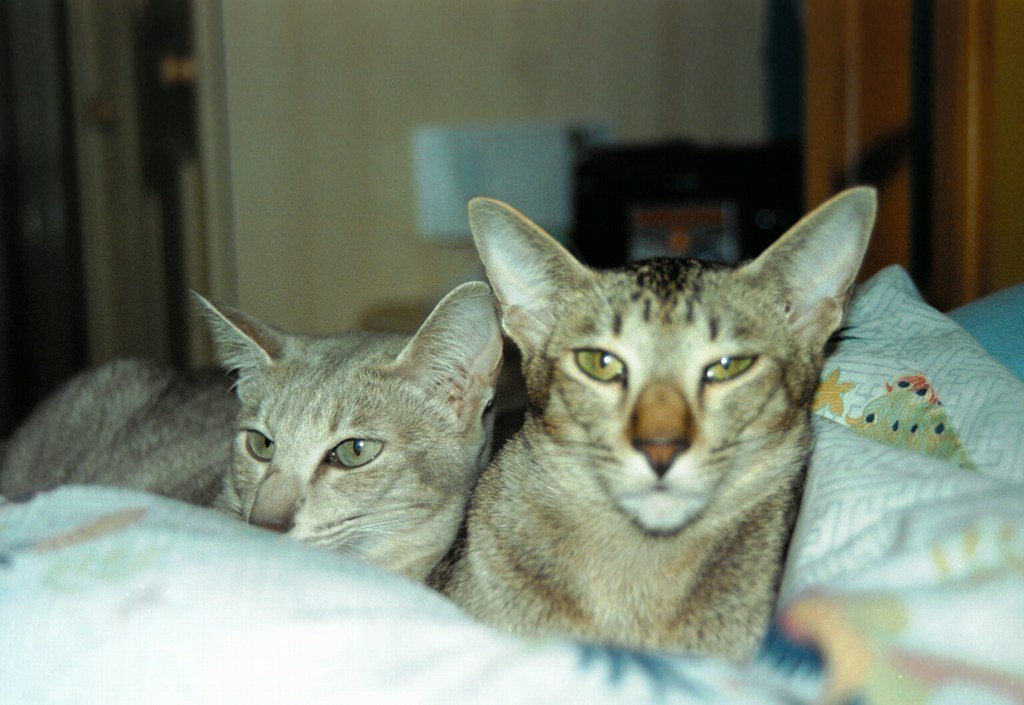
Oriental Shorthairs share many traits with their Siamese cousins, including that notorious need for constant mental stimulation. When crossed with wild cats to create hybrids like the Chausie, Oriental Shorthairs demonstrate their high-energy nature. These svelte cats possess the same intelligence and social needs as Siamese cats but in a slightly more refined package.
When bored, Oriental Shorthairs can become quite creative in their destruction, often targeting items that belong specifically to their favorite humans. They’re particularly skilled at opening cabinets, drawers, and anything else they’ve deemed interesting enough to investigate, leaving a trail of chaos in their wake.
Maine Coon Cats: The Gentle Giants Gone Rogue
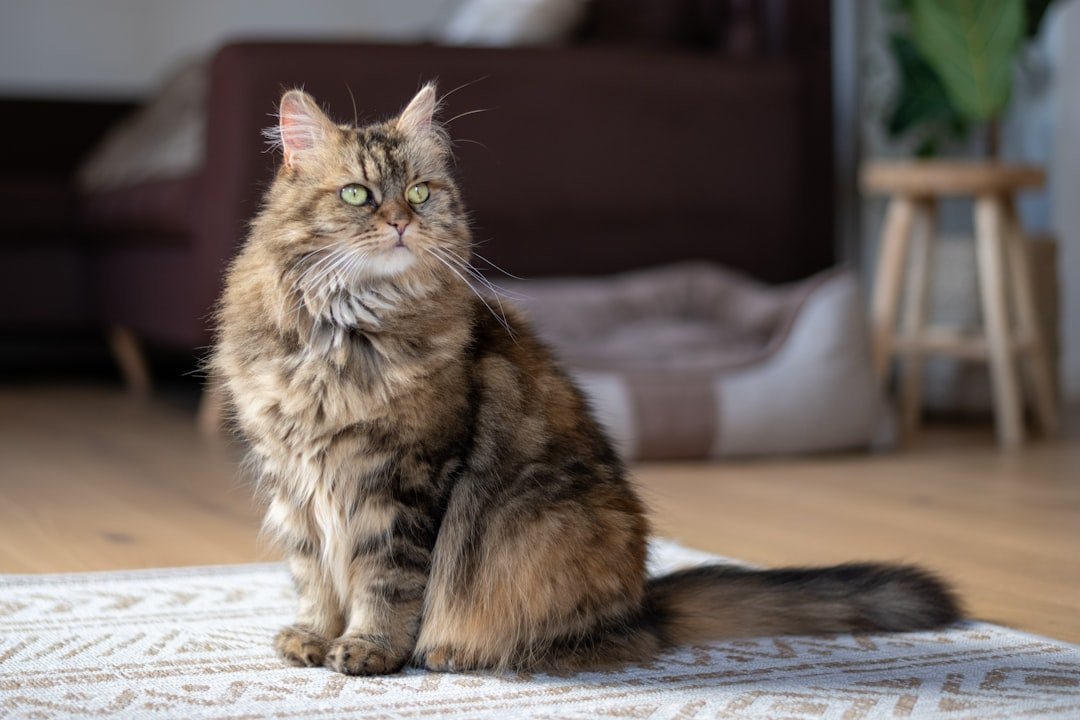
Maine Coons are large, lovable cats who like running around, hopping on the highest trees and the biggest kitchen counters, as well as knocking things down. While they’re generally known as gentle giants, their size means that even playful behavior can result in significant destruction.
When a large Maine Coon (males typically 13-18 pounds) decides to explore your bookshelf or investigate what’s on top of your refrigerator, the results can be spectacular. They’re the type of pets to follow you around when you’re walking from the kitchen to the bathroom, even though they’ve got nothing to do there. This attachment can turn problematic when they’re left alone for extended periods without adequate entertainment.
Turkish Van Cats: The Swimming Destroyers
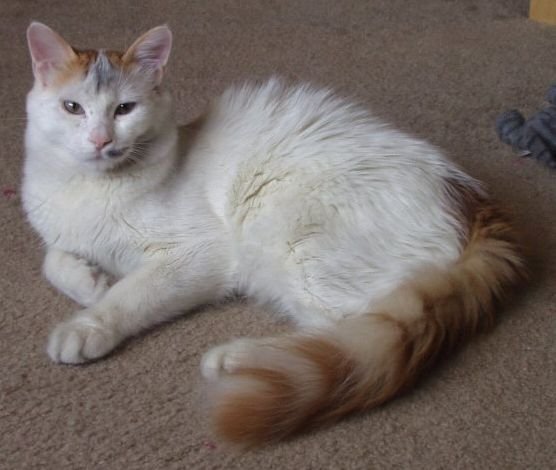
Turkish Vans are territorial felines who love gazing out of windows for hours and thrive on attention, but neglect can trigger a behavior change, leading to potential aggression towards other pets or even humans. Known as the “swimming cat,” the Turkish Van has an unusual love for water and these playful and independent cats thrive on adventure.
Turkish Vans commonly showed aggression toward both humans and other cats according to research studies. Their water obsession combined with their territorial nature can lead to some unique forms of destruction, particularly around plumbing fixtures and water sources.
Sphynx Cats: The Hairless Attention Seekers
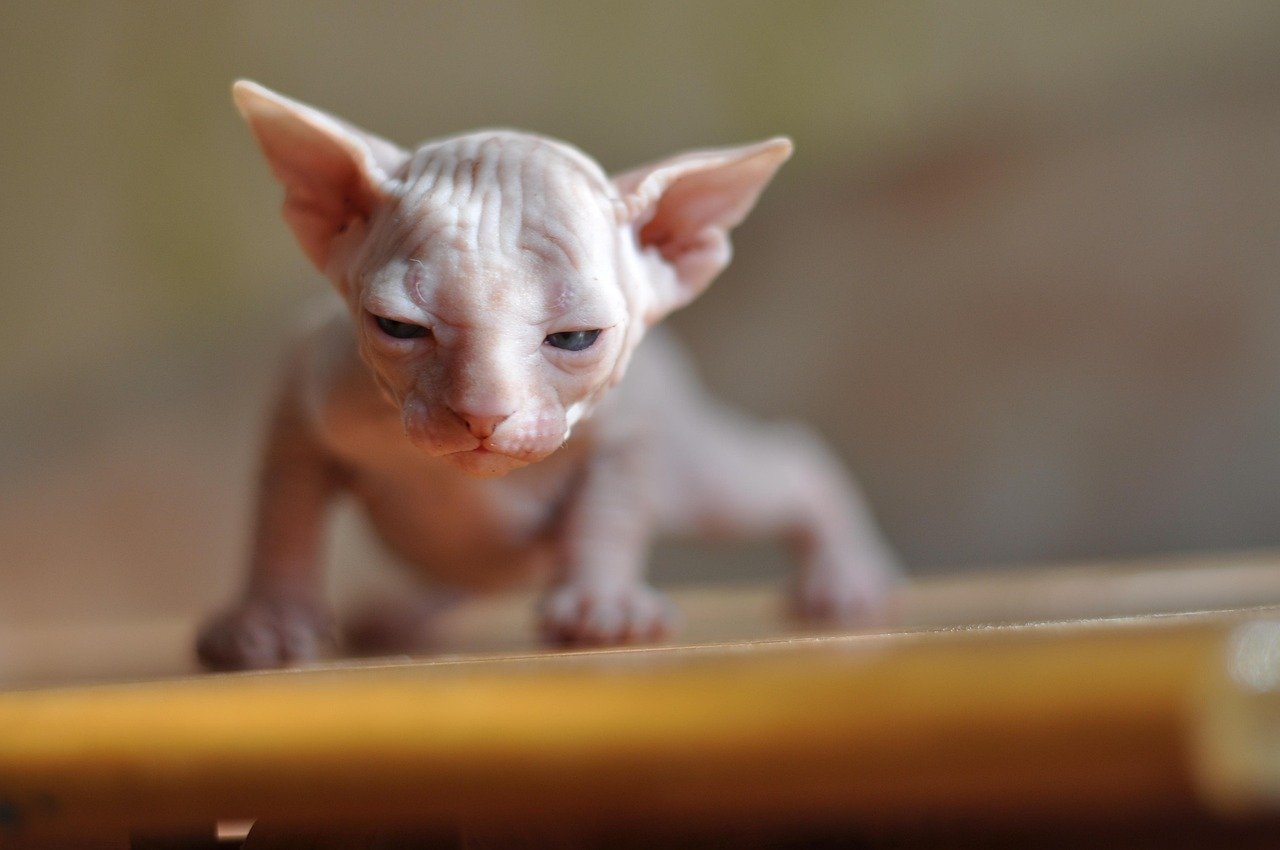
The Sphynx breed is very demanding, and the Sphynx cat always wants to be the center of attention. If they’re not getting the attention they desire, the Sphynx will act out to get what they want. Sphynx cats are hyperactive and super smart cats that crave playtime, but their intelligence and low stimulation might lead to boredom-induced mischief.
Their lack of fur doesn’t make them any less capable of destruction – in fact, it might make them more determined to find warm, cozy spots to claim as their own, regardless of whether those spots happen to be your favorite sweater or expensive furniture.
Bombay Cats: The Miniature Panthers
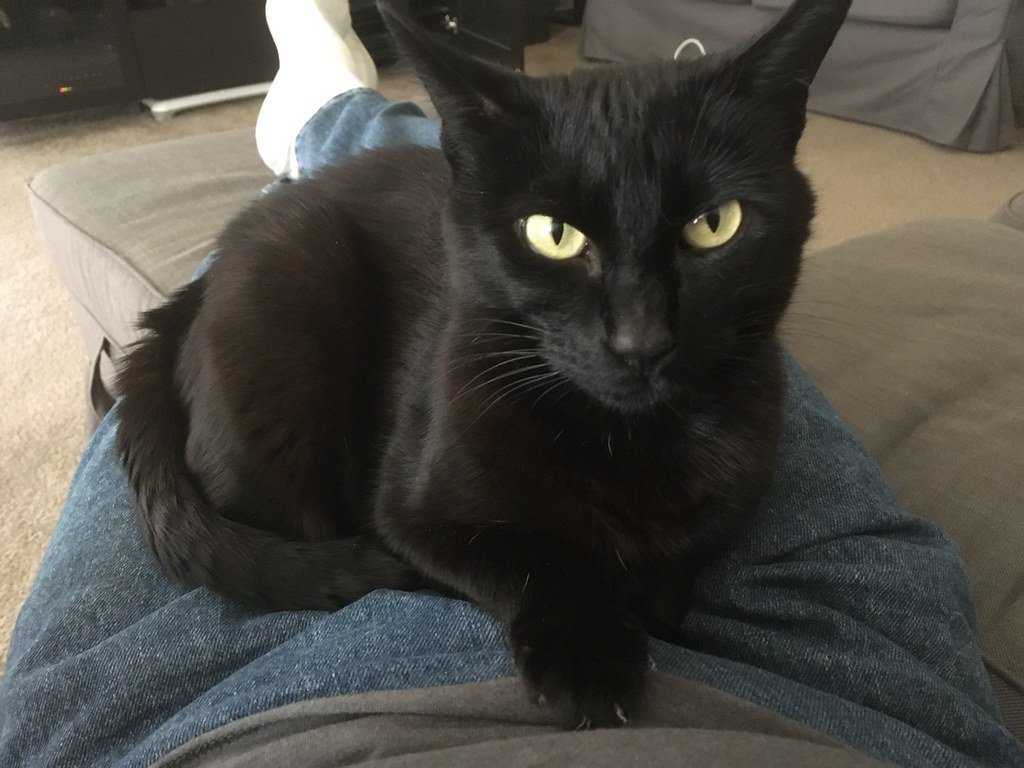
Bombay cats are known for their fearlessness, a touch of aggression, and despite their small-to-medium size, they pack a punch in playfights. Similar to Siamese and Sphynx cats, Bombays thrive on attention, and if their social needs aren’t met, they might show some aggressive behavior.
These little black beauties have the confidence of much larger cats and aren’t afraid to express their displeasure through strategic destruction. Their dark coats make them excellent at hiding in shadows before launching surprise attacks on unsuspecting household items.
Korat Cats: The Rare Attention Demanders
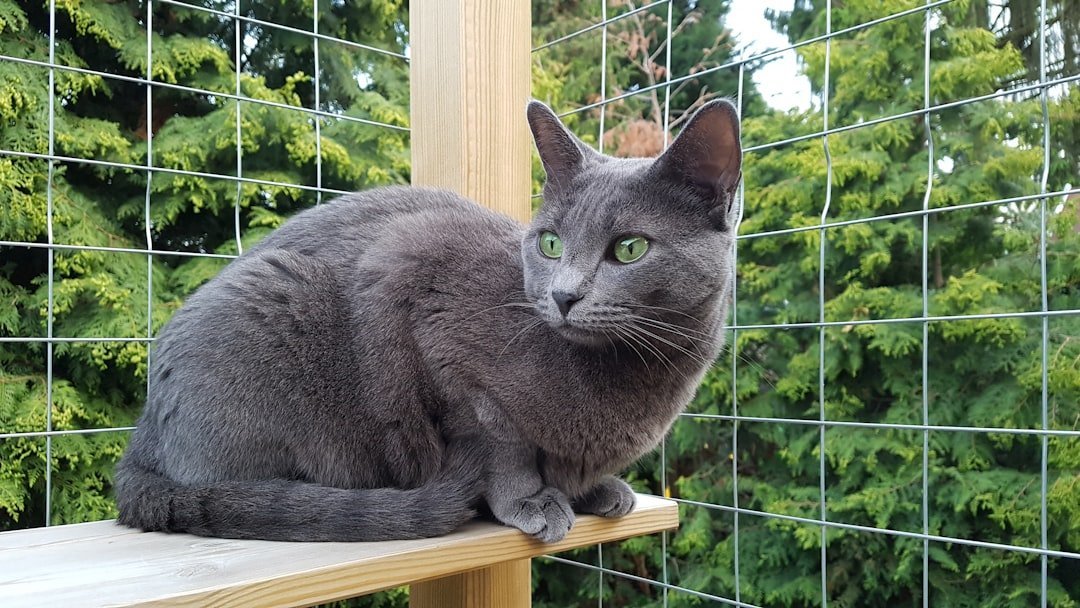
Korat cats are affectionate kitties who crave constant human companionship and adore interactive play. While they may not meow much, their expressive faces and actions will let you know if they’re feeling neglected. Korats had the lowest probability for decreased contact with humans according to research studies.
This intense need for human interaction means that when left alone or ignored, Korats can develop some seriously creative ways to get your attention back. Their rarity doesn’t make them any less capable of turning your home upside down when they’re feeling neglected.
Cornish Rex Cats: The Curly-Coated Climbers
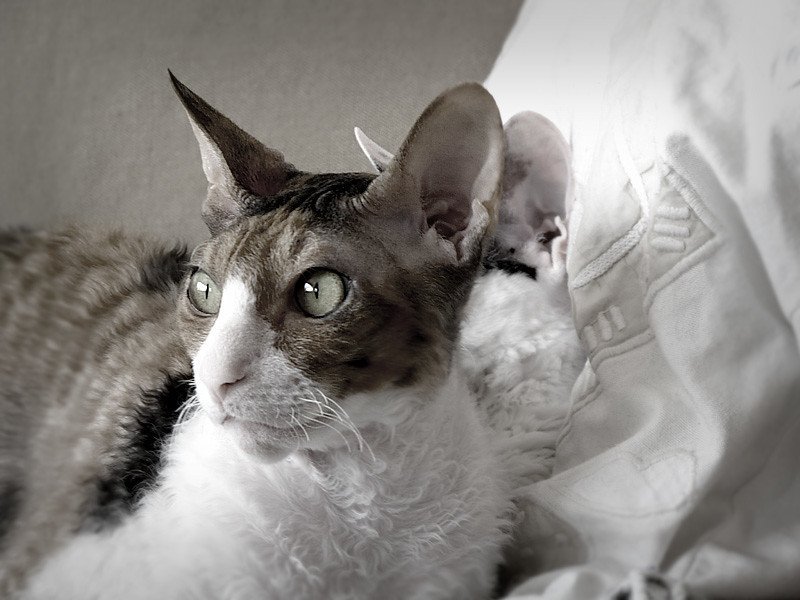
With a slender body, high cheekbones, oversized ears, and big almond-shaped eyes, the Cornish Rex is as eye-catching as they are cuddly, with a coat that feels like cashmere. Their athletic build and high energy levels make them excellent climbers and jumpers, which can spell trouble for anything placed on high shelves.
These cats have an almost dog-like playfulness that never seems to diminish, even as they age. When bored, they’ll find increasingly creative ways to entertain themselves, often involving your most fragile or valuable possessions as unwilling participants in their games.
Devon Rex Cats: The Pixie-Faced Troublemakers
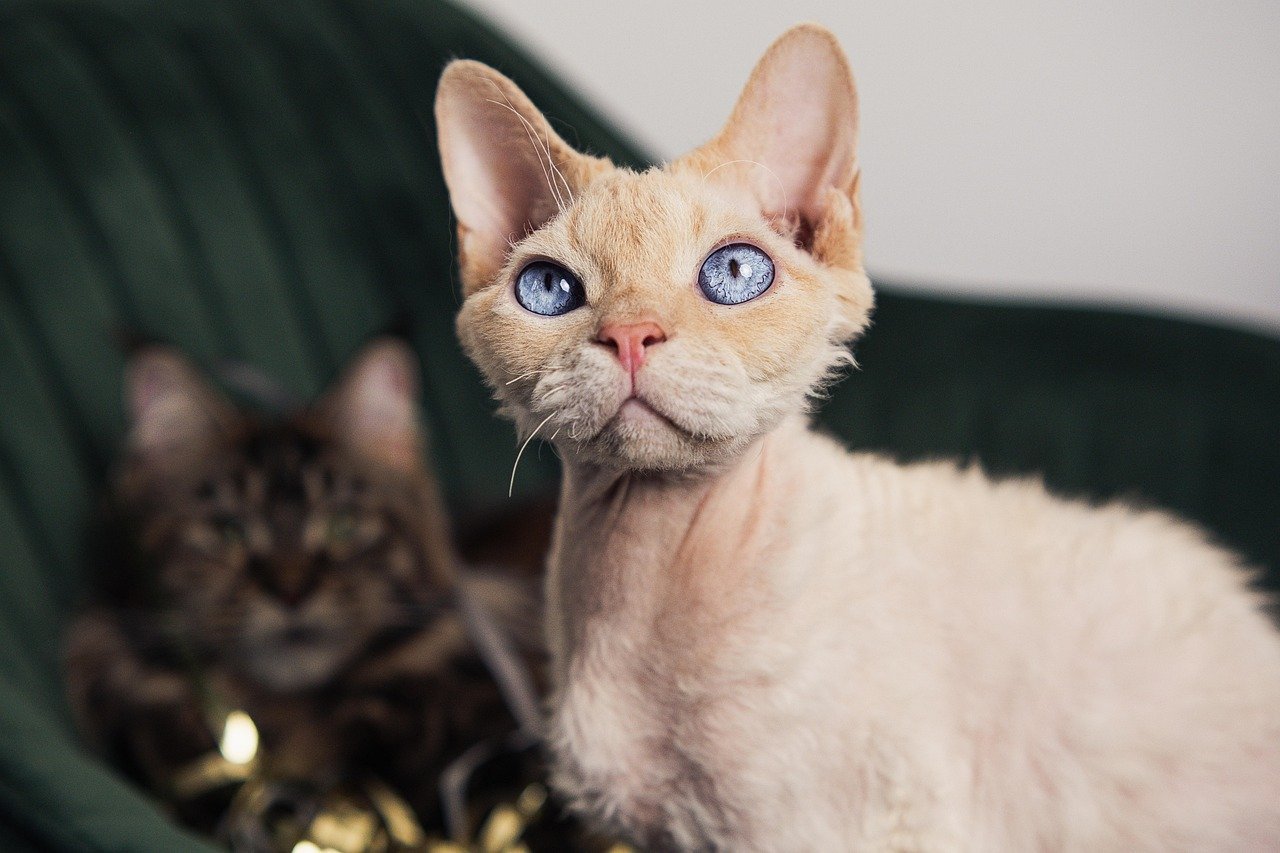
Devon Rex cats are total goofballs with a love for affection and are quintessential “Velcro kitties” who love to be close – perched on your shoulder, snuggled in your lap, or following you from room to room. A tuxedo Devon Rex offers a perfect blend of playfulness and companionship, making it an excellent choice for active households looking for a fun-loving pet.
Their mischievous nature and acrobatic abilities mean they can get into trouble in places other cats wouldn’t even think to explore. They’re particularly fond of high perches and have been known to knock items off shelves just to watch them fall.
Singapura Cats: The Tiny Explorers
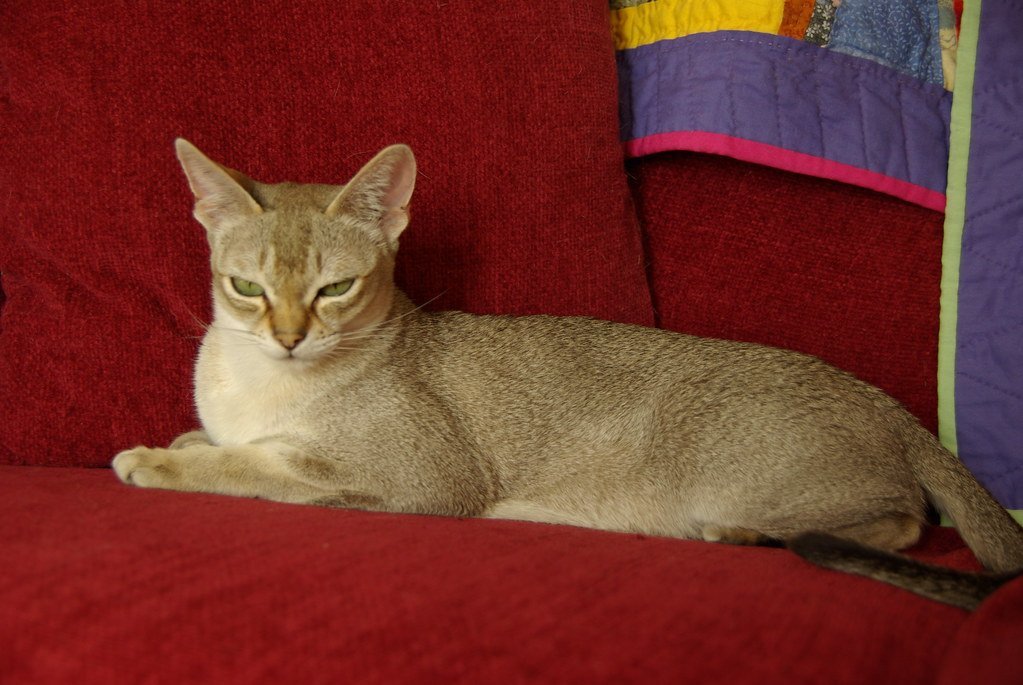
Meet the Singapura – the tiny explorer of the cat world! While they won’t knock you over with their weight, they’ll certainly climb and paw their way into your heart with lots of scratching and playful antics. These little chatterboxes won’t hesitate to let you know when they’re bored, and unlike other cats who mellow out with age, Singapuras keep their playful spirit alive and kicking.
Don’t let their small size fool you – these cats can cause damage way out of proportion to their tiny frames. Their perpetual kitten-like energy means they never really outgrow their destructive phase.
Burmese Cats: The Fabric-Chewing Specialists
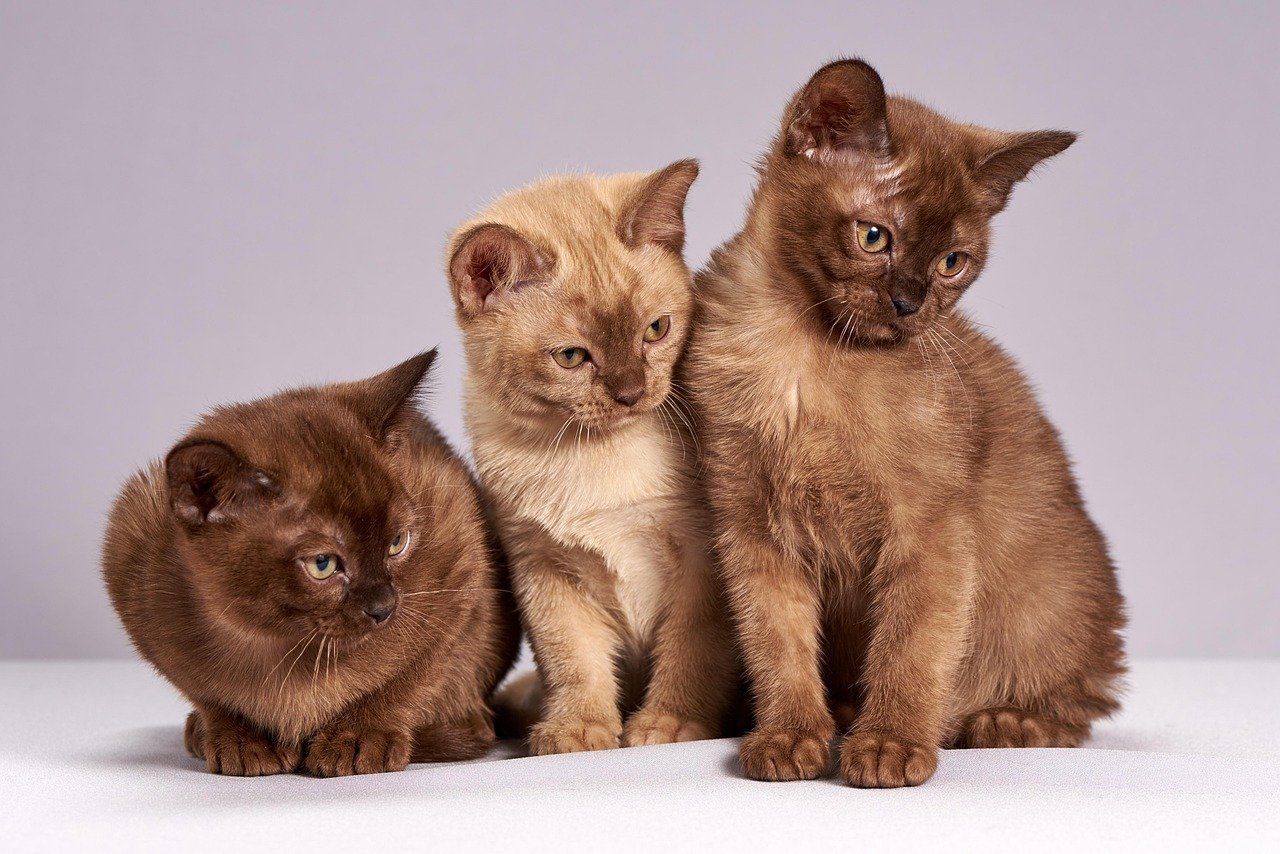
Fabric chewing and sucking – wool often being the fabric of choice – is most commonly seen in Burmese and Siamese cats, suggesting a genetic predisposition comparable to obsessive-compulsive disorders in humans. A cat with a serious chewing habit can destroy sweaters, socks, blankets, pillows, and other valuable items, and this behavior can be harmful to your cat’s health due to obstruction of the gastrointestinal tract.
This breed’s particular fondness for destroying fabric items makes them especially challenging for owners who enjoy nice textiles. They seem to have a sixth sense for finding your most expensive wool items.
Chausie Cats: The Jungle Cat Hybrids
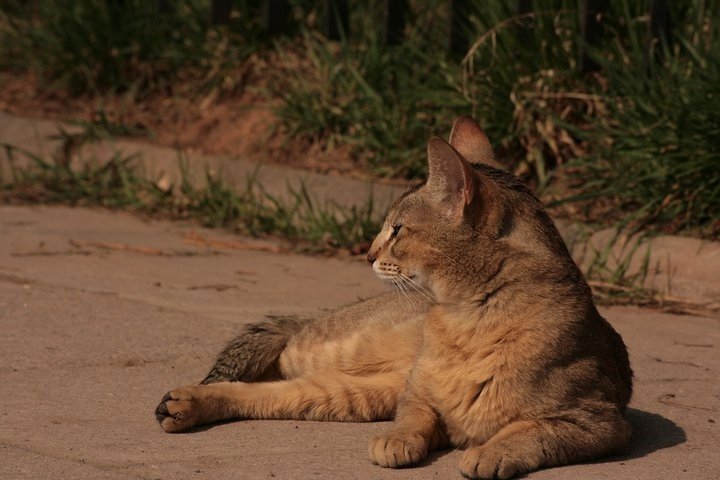
When Jungle Cats are crossed with domestic cats to create Chausie Cats, the result is intelligent and high-octane felines that need stimulation and daily challenges to solve to stay happy. Like other hybrid breeds, they inherit the high energy and intelligence of their wild ancestors, making them prone to destructive behavior when understimulated.
These cats retain many of the hunting and exploring instincts of their wild heritage, which can translate into some very creative forms of household destruction. They’re particularly good at finding and exploiting any weakness in your cat-proofing efforts.
Russian Blue Cats: The Shy Destroyers
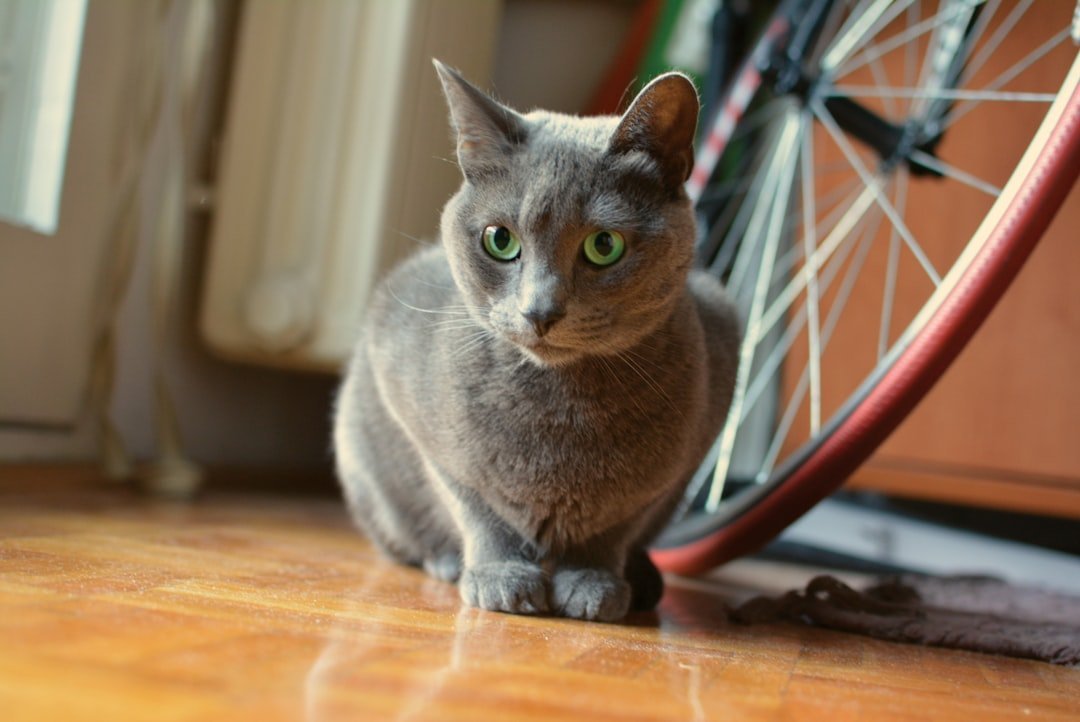
Russian Blue cats were strongly linked to shyness toward strangers according to research studies. While they might seem like quiet, reserved cats, their intelligence and sensitivity can lead to stress-induced destructive behavior when their routine is disrupted or when they’re feeling overwhelmed.
Their destructive tendencies often manifest differently from more overtly active breeds – they might focus their energy on specific areas or items that provide them comfort, gradually destroying them through repetitive behaviors like scratching or kneading.
These fifteen breeds remind us that cats are far from the low-maintenance pets many people assume them to be. Each brings their own unique brand of chaos when their needs aren’t met. The key to living peacefully with any of these breeds is understanding that their destructive behavior isn’t malicious – it’s communication. They’re telling you, in the most direct way they know how, that something in their environment needs to change.
What’s fascinating is how each breed’s destructive tendencies reflect their origins and breeding purposes. The wild hybrids channel their hunting ancestors, the attention-seeking breeds demand the social interaction they were bred to crave, and the intelligent breeds simply refuse to be bored. So next time you come home to find your favorite vase in pieces, remember – your cat isn’t being spiteful. They’re just being authentically themselves. What would you choose: a perfectly pristine home or a cat with personality?

Hi, I’m Andrew, and I come from India. Experienced content specialist with a passion for writing. My forte includes health and wellness, Travel, Animals, and Nature. A nature nomad, I am obsessed with mountains and love high-altitude trekking. I have been on several Himalayan treks in India including the Everest Base Camp in Nepal, a profound experience.