When we think about intelligent cats, we often picture perfectly obedient felines performing tricks on command. Yet intelligence in cats doesn’t always translate to easy training. In fact, some of the smartest cat breeds are the ones that present the greatest training challenges.
These brilliant felines combine keen intelligence with strong-willed personalities, making them fascinating but frustrating companions. Their sharp minds work against traditional training methods, creating unique challenges that require patience, creativity, and understanding. So let’s dive into these remarkable breeds that prove brains don’t always equal obedience.
Siamese: The Opinionated Genius
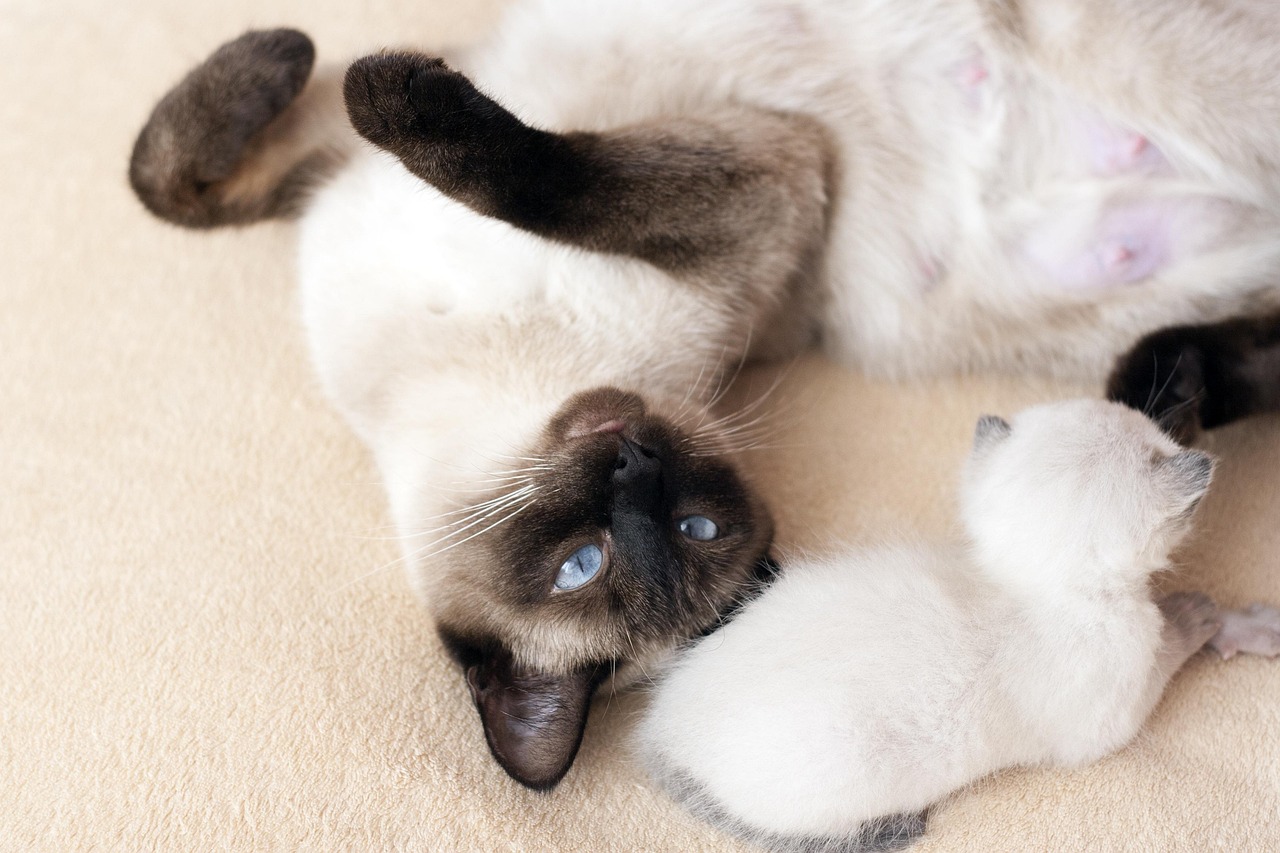
Often called the most intelligent cat breed, Siamese cats are extroverted, playful, curious, and loving, demanding lots of one-on-one time with their owners. Their exceptional intelligence comes with a stubborn streak that makes training sessions feel like negotiations with a tiny diplomat. These vocal cats have strong opinions about everything and won’t hesitate to express them.
With their highly curious and explorative nature, Siamese cats are forever getting into mischief, making them far from low-maintenance companions. While they can be very talkative and demanding, they’re also incredibly loving and devoted. Their intelligence manifests in selective listening – they understand perfectly what you want but choose whether to comply based on their own interests.
Bengal: The Wild-Hearted Escape Artist
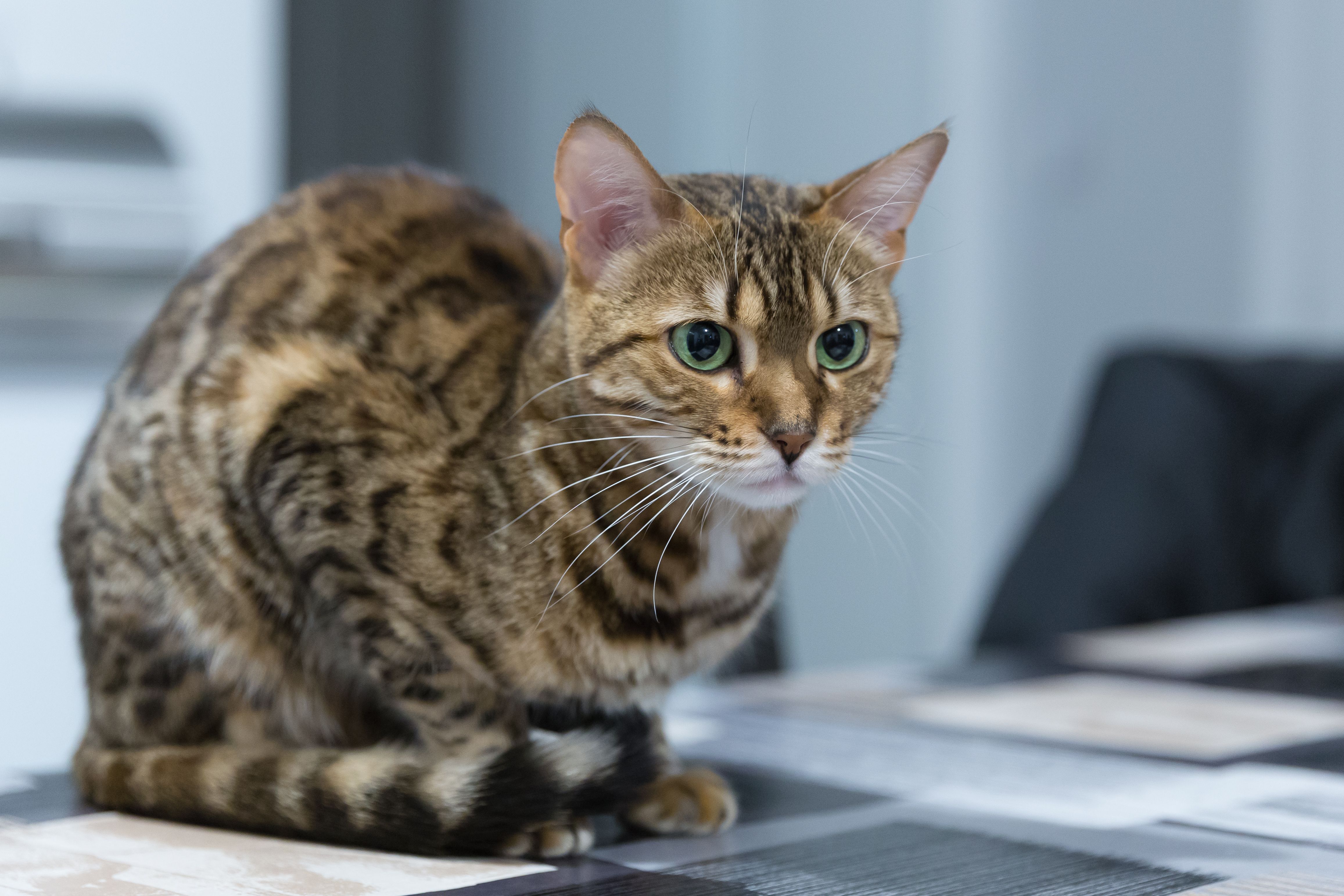
Created by crossing Asian Leopard Cats with domestic cats in the 1960s, Bengals are known for their intelligence, curiosity, and love of water. These extremely high-energy cats require significant interactive play and environmental enrichment. Their wild ancestry means they approach training with the independence of their leopard cat relatives.
Given their unique genetics and curious nature, Savannah cats need plenty of space and stimulation to avoid destructive behaviors like furniture scratching and knocking things over. Bengals share similar traits, using their intelligence to find creative ways around rules rather than following them. They’ll learn to open doors, turn on faucets, and outsmart childproof locks while completely ignoring basic commands.
Persian: The Selective Student
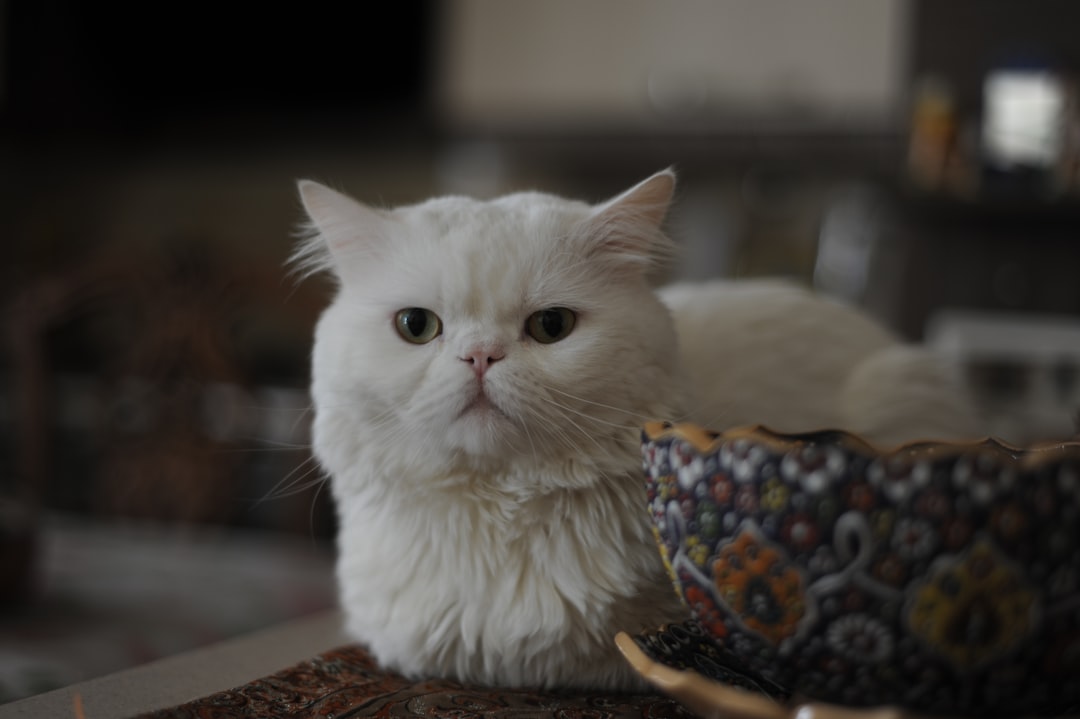
With their luxurious coats and sweet expressions, Persians are observant and relaxed cats that enjoy peacefully stimulating activities like observing from tall cat trees. Their intelligence operates on a different wavelength, focused more on environmental awareness than human compliance. These cats are master strategists when it comes to getting what they want.
Getting a Persian cat to listen to their owner will be incredibly difficult unless training starts when they are kittens. Their laid-back nature masks a stubborn determination to do things their own way. Persians will sit through training sessions with regal composure, appearing to listen while internally deciding which commands deserve their attention.
Maine Coon: The Gentle Giant with Hidden Stubbornness
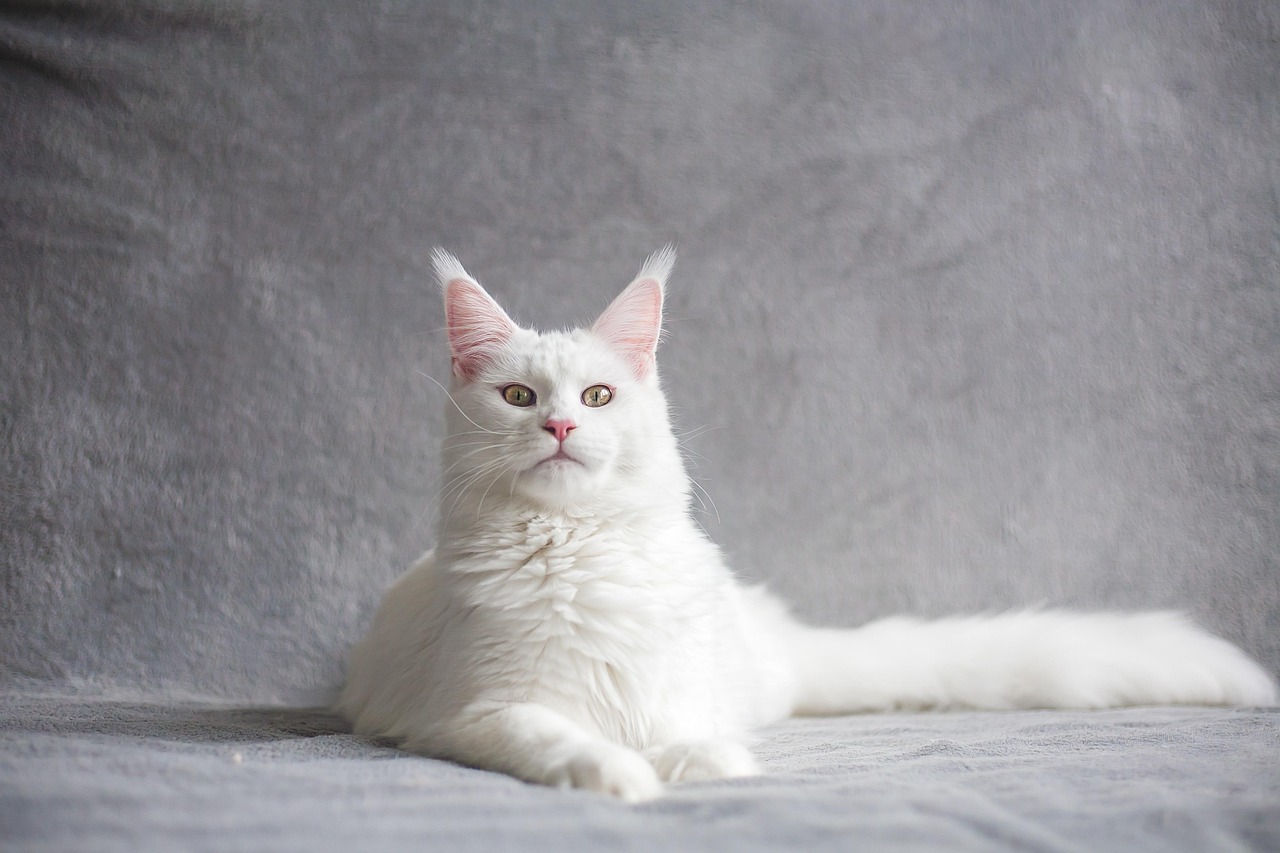
Maine Coons are known for their problem-solving abilities and adaptability, with intelligence and strength that made them excellent mousers on farms. Despite their reputation for being one of the easier breeds to train, their size and intelligence can create unique challenges. These gentle giants are smart enough to understand training but independent enough to question its necessity.
Bengal Maine Coon crossbreeds are smart enough to be trained for tasks like coming when called and walking on a leash. However, they’re also stubborn, and their independence makes training tougher than with other breeds, requiring patience, treats, and a solid plan. Pure Maine Coons share this selective cooperation trait.
Russian Blue: The Cautious Intellectual
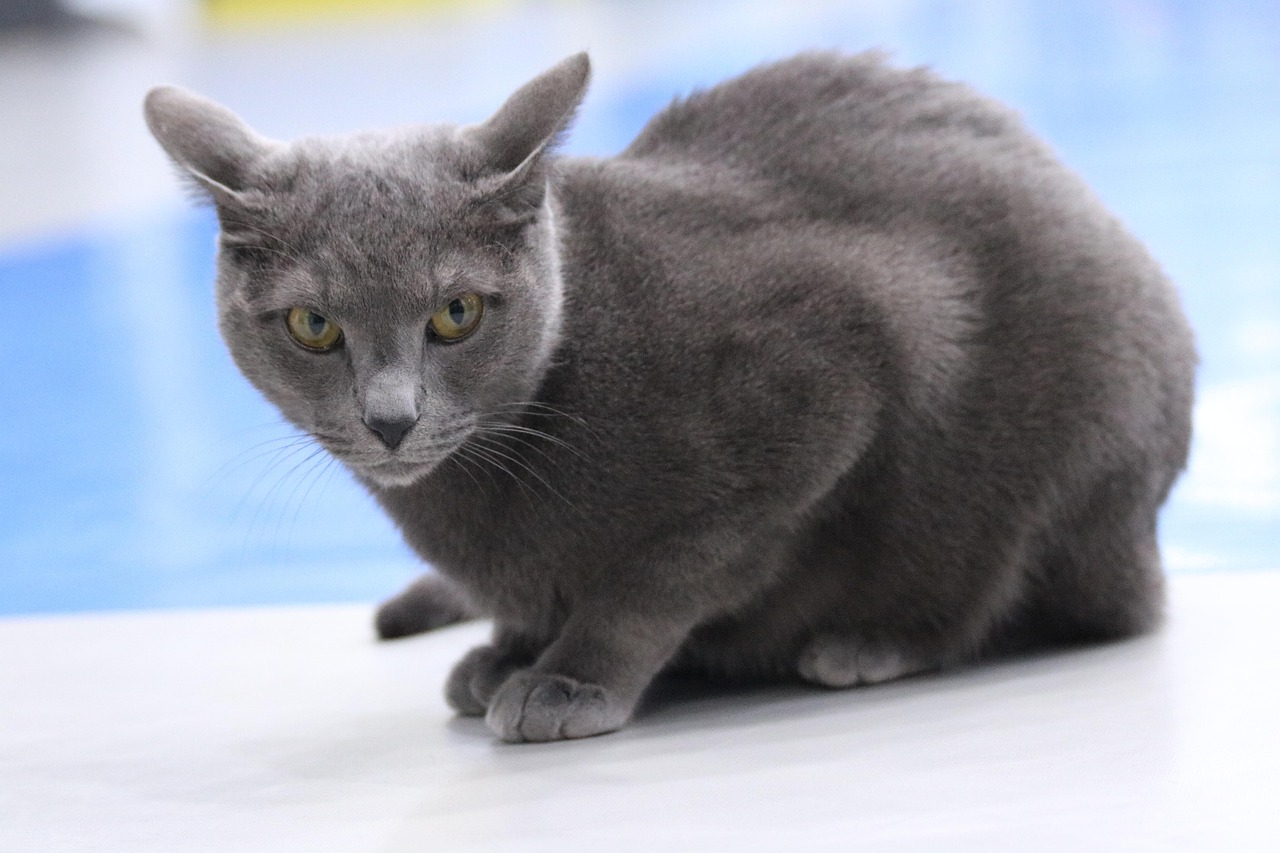
Russian Blues are so clever that they’re more apt to train you than the other way around, waking you up for breakfast and reminding you when it’s dinnertime like living alarm clocks. These cats operate on their own sophisticated schedule and expect humans to adapt accordingly.
Russian Blues may refuse to come out from under the bed on a whim and become stubborn when you try to change routines or invite new people over. They need plenty of alone time and prefer watching from the outside before joining activities. Their intelligence is coupled with extreme caution, making them resistant to new training concepts until they’ve thoroughly evaluated the situation.
Abyssinian: The Curious Rebel
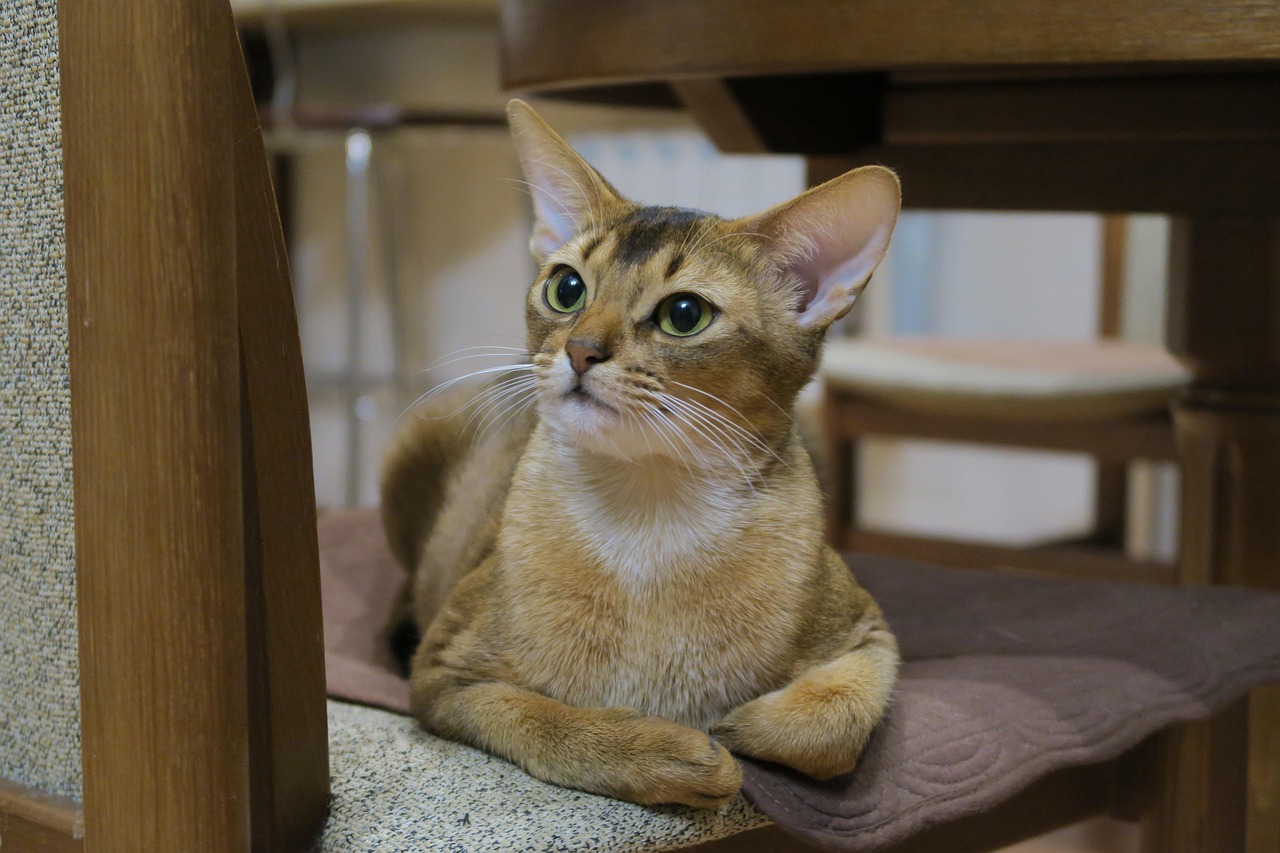
While Abyssinians consistently rank as the smartest cat breed, they’re also among the most active and curious, known for problem-solving skills, strong social intelligence, and high energy levels. Their intelligence drives them toward constant exploration rather than focused learning sessions.
Known for their playful and curious nature, Abyssinians are energetic cats that love to climb and explore. Along with being smart cats, they’re highly social and bond closely with their pet parents, enjoying brain games and interactive toys. However, their boundless curiosity often leads them to abandon training exercises in favor of investigating something more interesting.
Savannah: The Hybrid Challenge
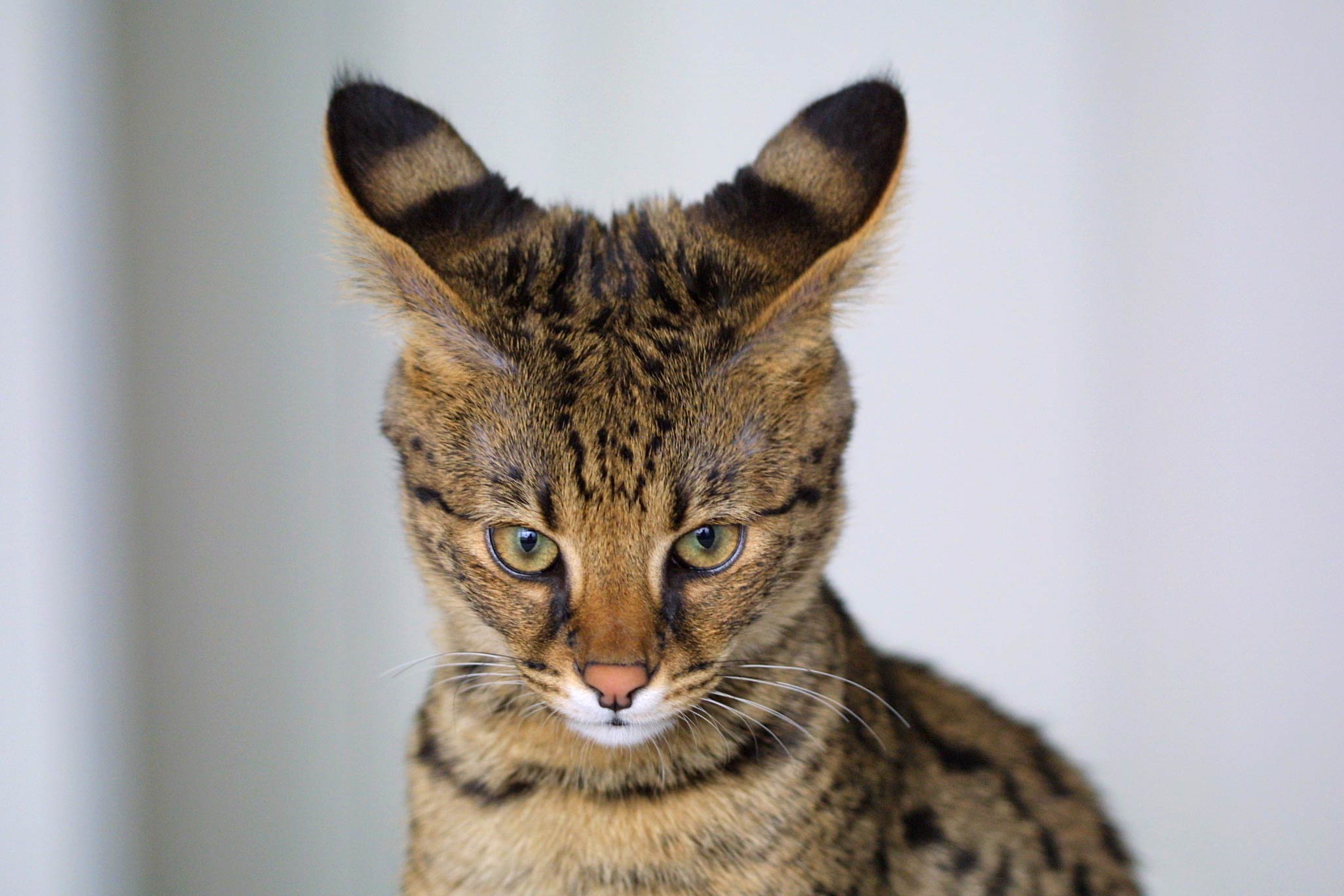
Savannah cats are exotic breeds known for being highly energetic, adventurous, and intelligent, adapting quickly to learning new cues and leash walking. However, their unique genetics and curious nature means they need plenty of space and stimulation to avoid destructive behaviors. Their partial wild heritage creates training challenges that domestic cat methods can’t address.
These cats combine the intelligence of domestic breeds with the independence of their serval ancestors. Training a Savannah requires understanding both their domestic cat psychology and their wild instincts, creating a complex puzzle that even experienced trainers find challenging.
Burmese: The Velcro Cat Paradox
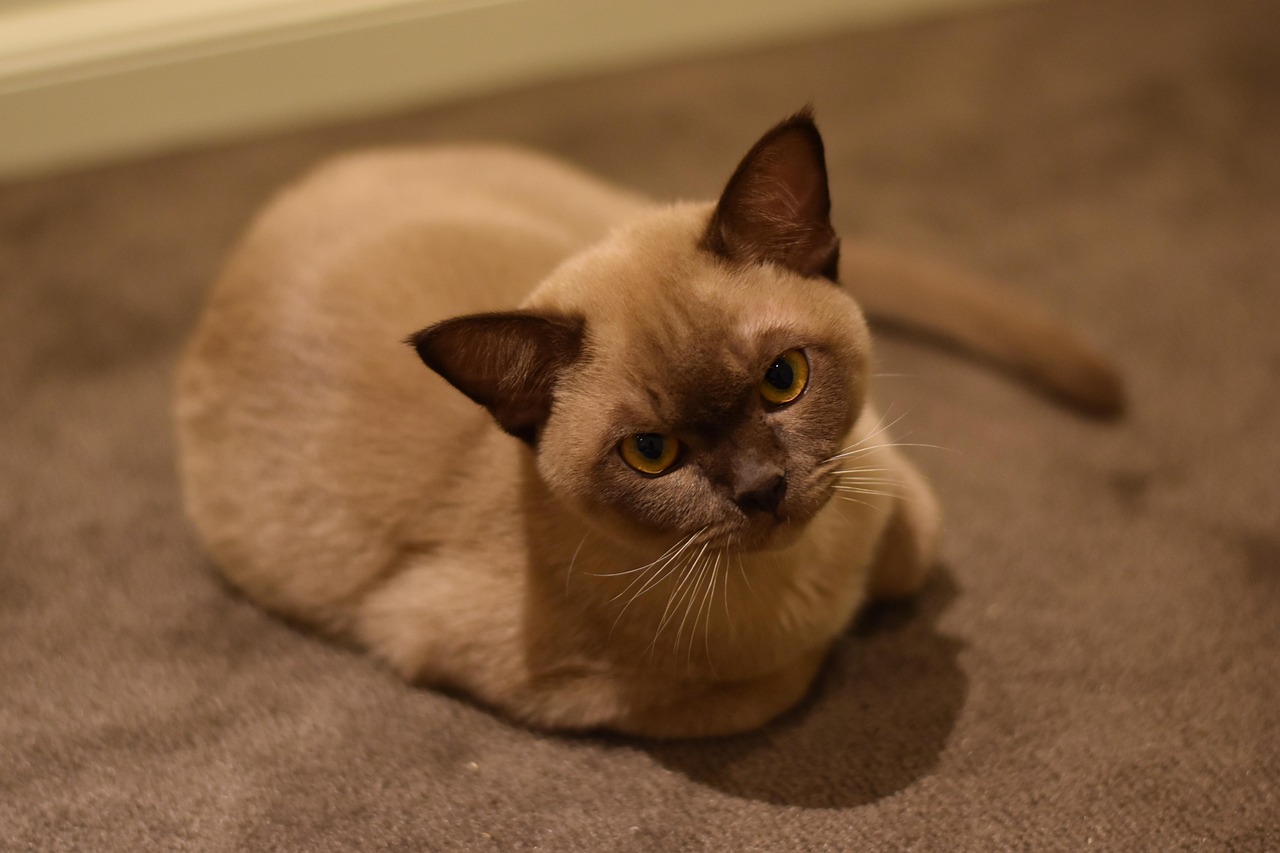
Burmese cats are true Velcro kitties that love being wherever their owners are. Cuddly and devoted, they’re among the smartest breeds thanks to their razor-sharp minds and insatiable curiosity, often rummaging through closets and drawers to investigate personal belongings. Their devotion can actually work against training success.
Burmese cats are often described as having dog-like personalities with their love of human interaction and high intelligence levels. They’re very sociable cats who are happiest by your side and having all your attention. This intense focus on their humans means they’re easily distracted from training tasks by the opportunity for social interaction.
Turkish Angora: The Independent Aristocrat
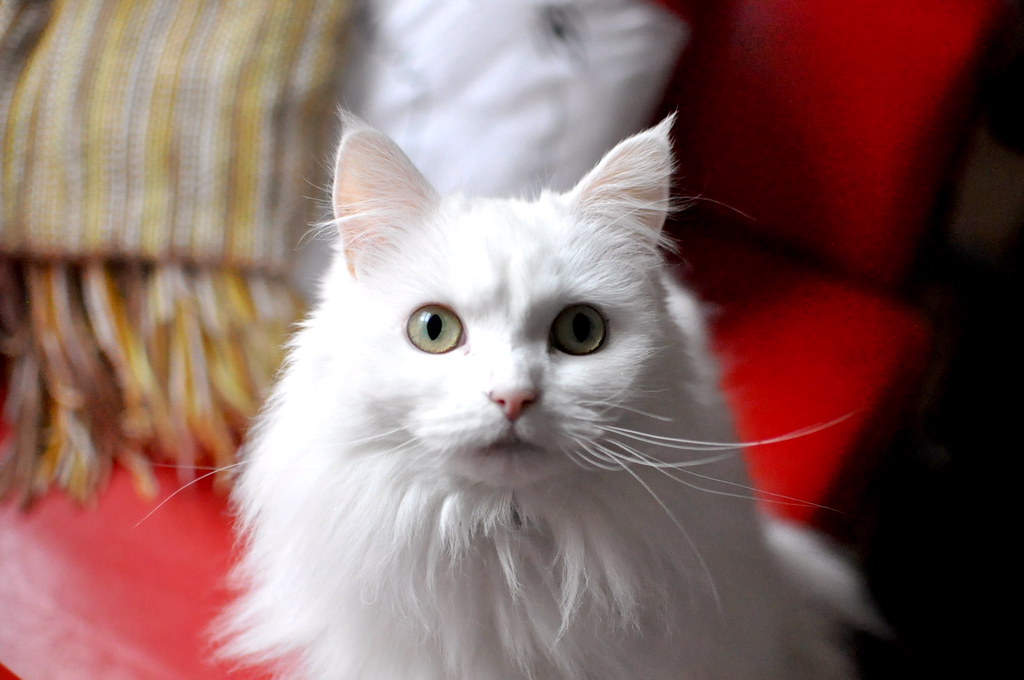
Turkish Angoras are highly intelligent and athletic with a keen sense of independence. While they might not be typical cuddly lap cats, they’re very affectionate and form strong bonds with humans and other pets. Their aristocratic nature means they approach training as optional entertainment rather than required behavior.
Turkish Angoras are extremely intelligent, known for their love of water and highly trainable nature, even capable of learning fetch. However, they tend to be curious and explore open cabinets, drawers, and empty boxes. Their intelligence manifests in selective attention – they’ll master complex tricks while completely ignoring simple commands like “no.”
Scottish Fold: The Deceptively Stubborn Sweetheart
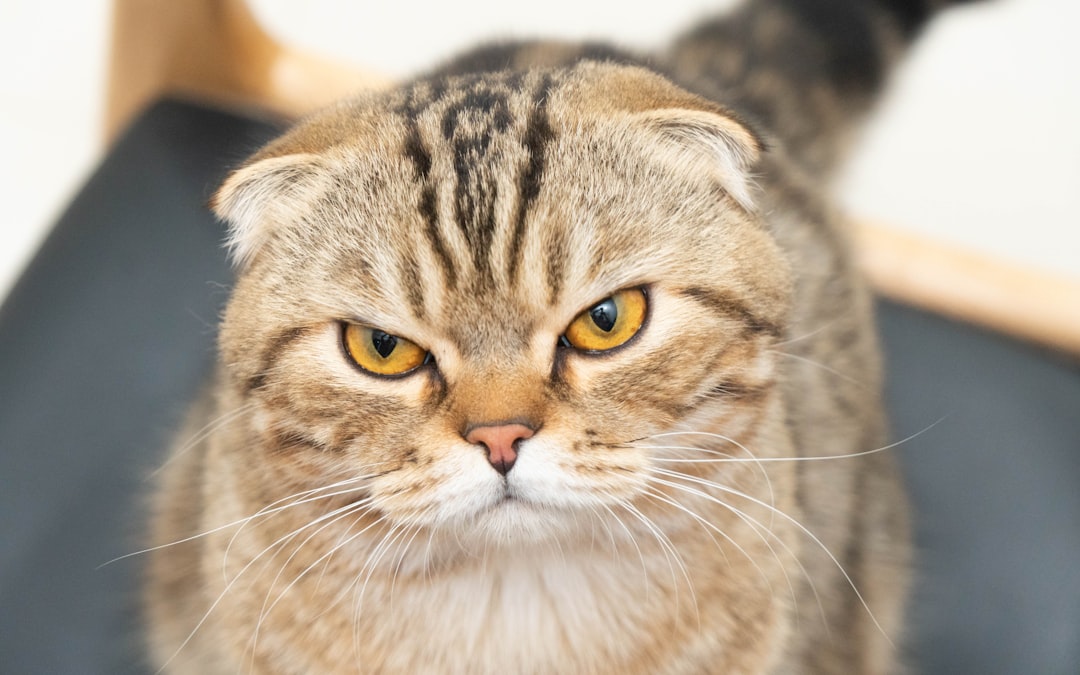
Scottish Fold cats have a laid-back approach to training and can be taught, but don’t expect anything extraordinary. They won’t obey very complex commands and may not even follow simple ones. Despite their sweet appearance and calm demeanor, these cats have mastered the art of passive resistance.
Scottish Folds can be trained to perform tricks but have a laid-back, friendly personality. These cats show intelligence by forming emotional connections and adapting to training. Their emotional intelligence is high, but their motivation for following commands is consistently low, creating a frustrating training dynamic.
Cornish Rex: The Attention-Seeking Acrobat
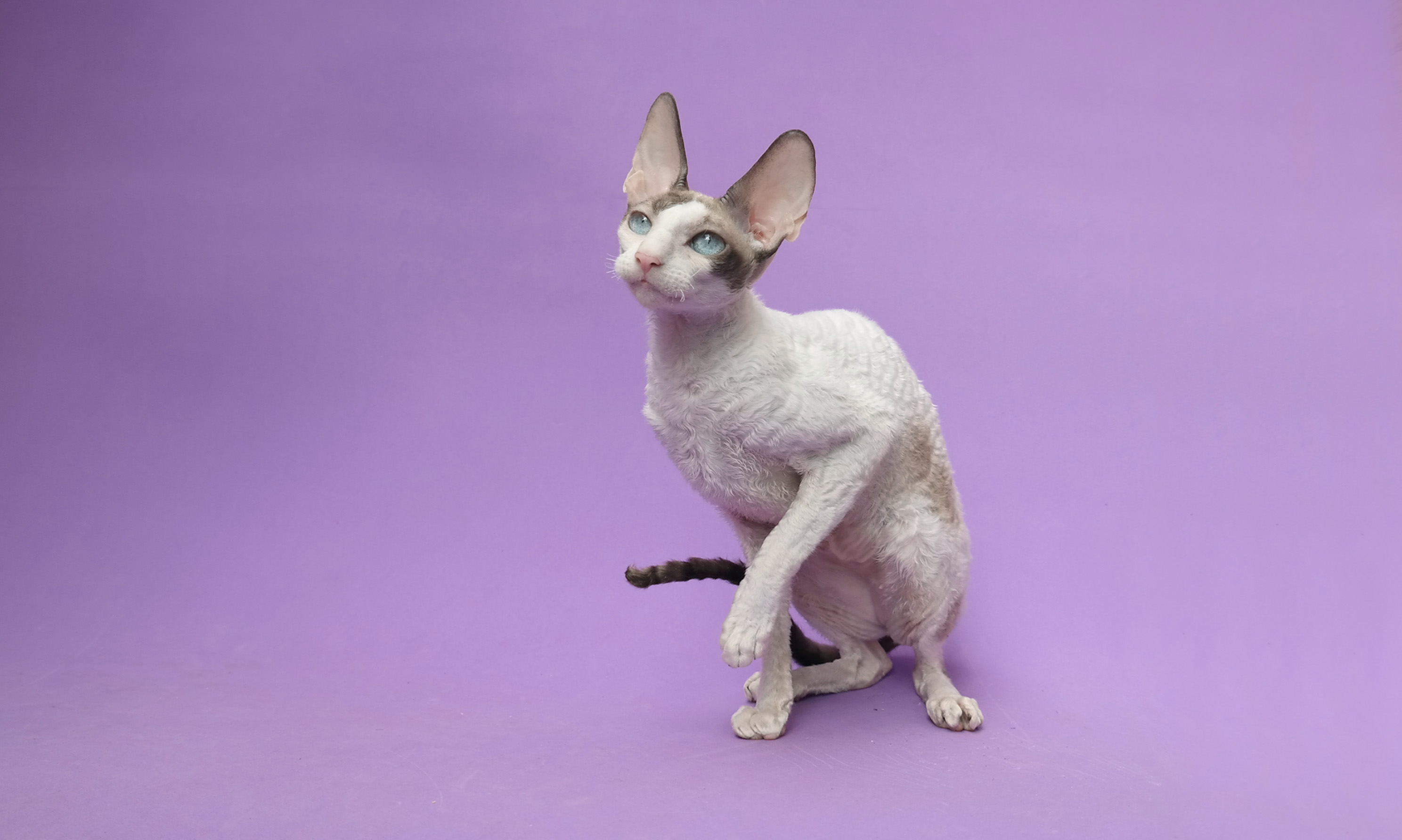
Cornish Rex cats insert themselves into any situation involving family members as attention seekers through and through. If you play fetch with a Cornish Rex, which they enjoy, you might never find a way to end the game. Their intelligence is overshadowed by their desperate need for constant entertainment and interaction.
The Cornish Rex is an energetic, playful cat with distinctive wavy coat known for agility and curiosity. Their high intelligence means they need plenty of mental stimulation and can easily learn to perform tricks or play fetch. However, their training success depends entirely on whether the activity provides enough attention and excitement to hold their interest.
Devon Rex: The Persistent Charmer
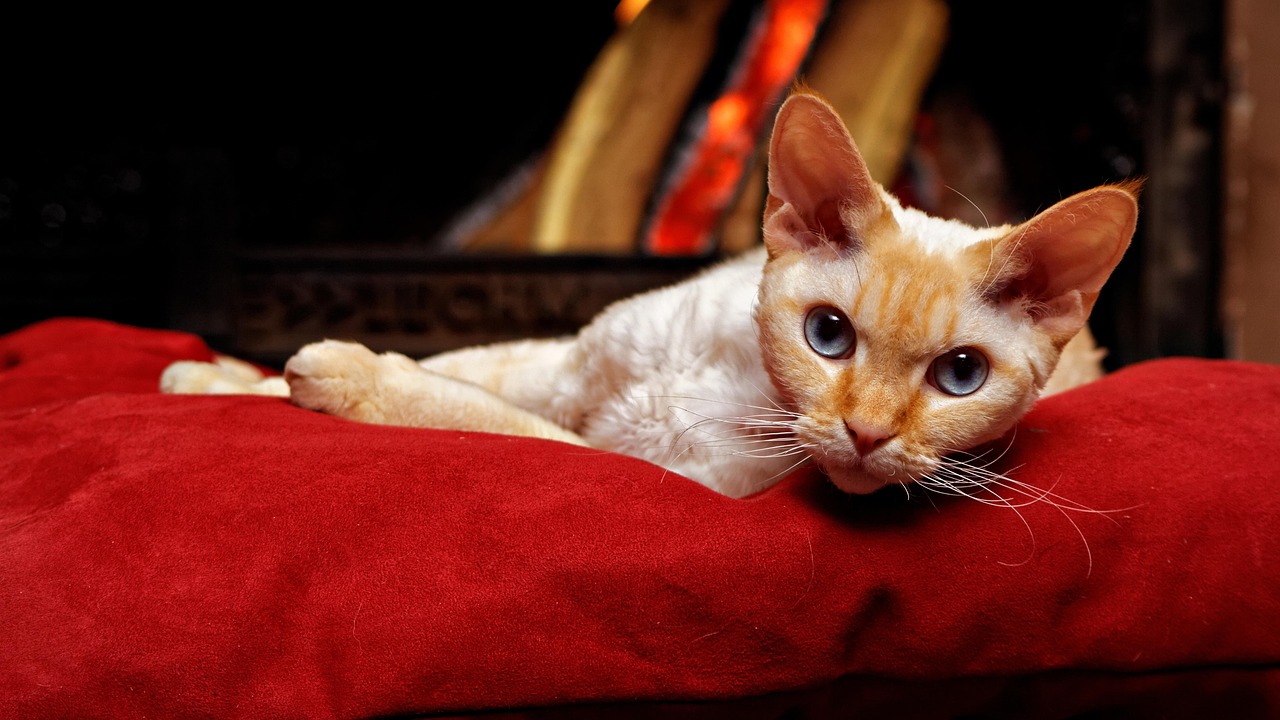
Devon Rex cats are among the strongest-willed cats, known for begging for food off dinner plates and meowing as though their appetites have been completely neglected. They try to wear you down with big, pleading eyes and intensely devoted dispositions. Their intelligence is laser-focused on getting what they want, making them experts at manipulation rather than obedience.
These cats understand cause and effect perfectly, using their knowledge to train their humans rather than the other way around. Their determination and emotional intelligence make them formidable opponents in any battle of wills, consistently finding new ways to circumvent rules and restrictions.
Conclusion
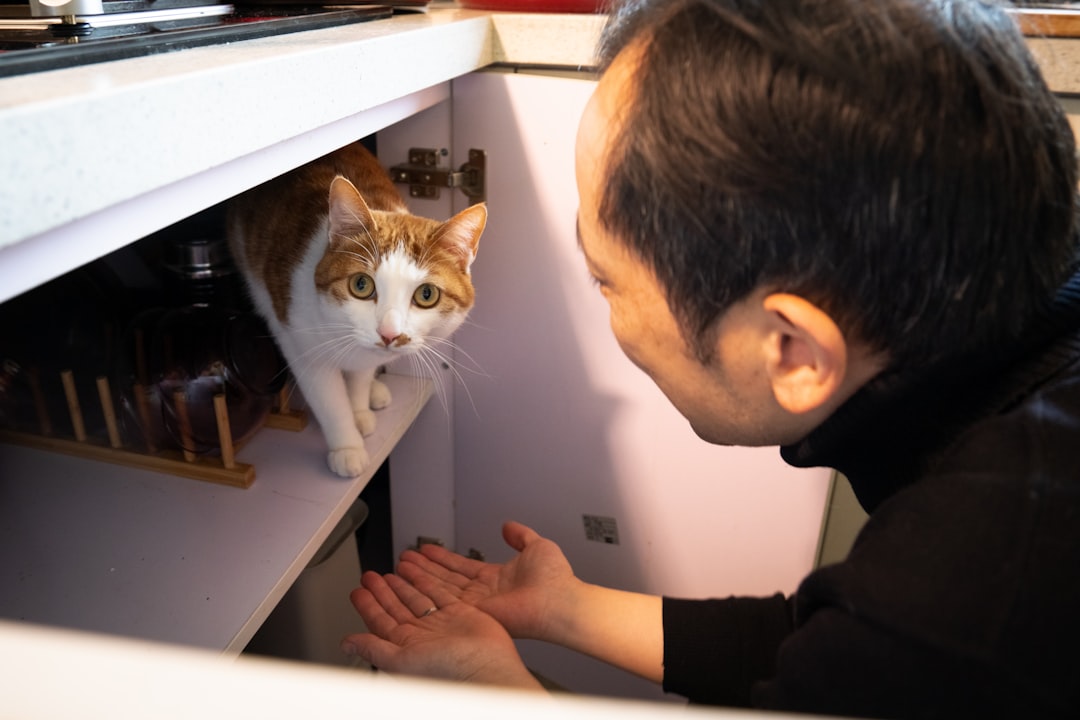
Intelligence in cats isn’t always a blessing for pet parents hoping for well-behaved companions. Super smart cats might do anything from opening childproof locks to getting into mischief like knocking over vases, or demanding mental stimulation to avoid boredom. These brilliant breeds challenge us to rethink traditional training methods and embrace their unique personalities.
The key to living with these intelligent but stubborn breeds lies in understanding that their “disobedience” often stems from their superior problem-solving abilities and independent nature. Rather than fighting their intelligence, successful cat parents learn to work with it, creating engaging environments that channel their cats’ mental energy constructively. What do you think about these clever yet challenging felines? Tell us in the comments.