Have you noticed your once-energetic feline friend becoming a bit more selective about their activities? Maybe they’re sleeping more than usual, or perhaps they seem hesitant to jump onto their favorite perch. These changes might not just be quirks of personality. They could be early indicators that your cat is transitioning into their senior years.
Understanding these subtle shifts can make all the difference in keeping your beloved companion comfortable and happy as they age. Unlike dogs, cats are masters at hiding discomfort and changes, making it crucial for pet parents to become keen observers. So let’s dive into the telltale signs that reveal .
Increased Sleep and Rest Patterns
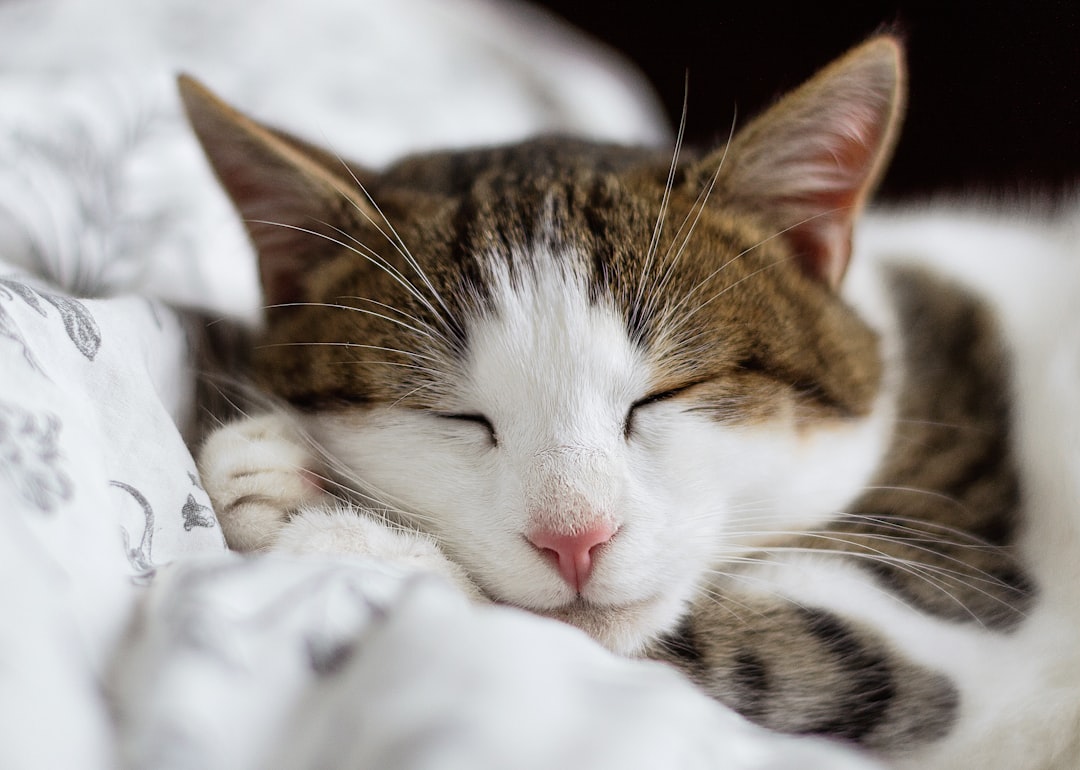
Sure, adult cats already spend about 16 hours sleeping every day. But when they reach their senior years, you may notice your cat resting even more. As arthritis causes pain and discomfort, mainly during movement, affected cats may rest or sleep more to avoid activities that exacerbate their pain.
As these hours of sleeping get longer, you may also find that your kitty is more difficult to wake up – especially if their hearing and vision aren’t as sharp as they used to be. While cats naturally sleep a lot, a noticeable uptick in sleeping habits, particularly if accompanied by other signs of arthritis, warrants a veterinary evaluation.
Changes in Mobility and Jump Hesitation
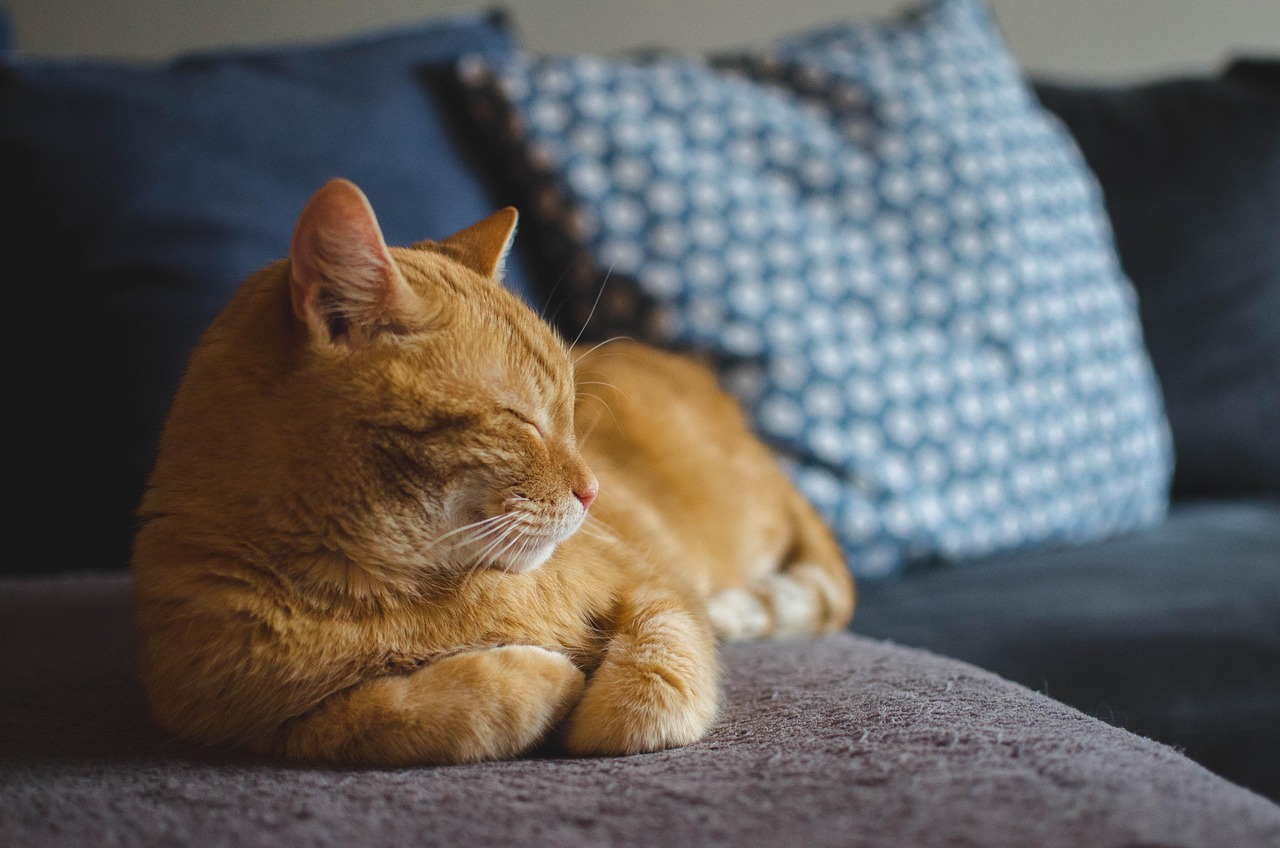
Young cats can be quite energetic and playful; however, aging cats often display changes in their energy levels as they age. Your once mischievous feline may now turn a blind eye to opportunities to tip over your houseplant or explore the uncharted territory of your kitchen cabinets.
Cats with arthritis may become reluctant to jump onto furniture, climb stairs, or even walk long distances. You may notice your cat limping, especially after waking up from a nap. Cats with arthritis may hesitate before jumping, jump less frequently, or stop attempting to jump altogether to avoid the pain associated with these activities.
Altered Grooming Habits and Coat Changes
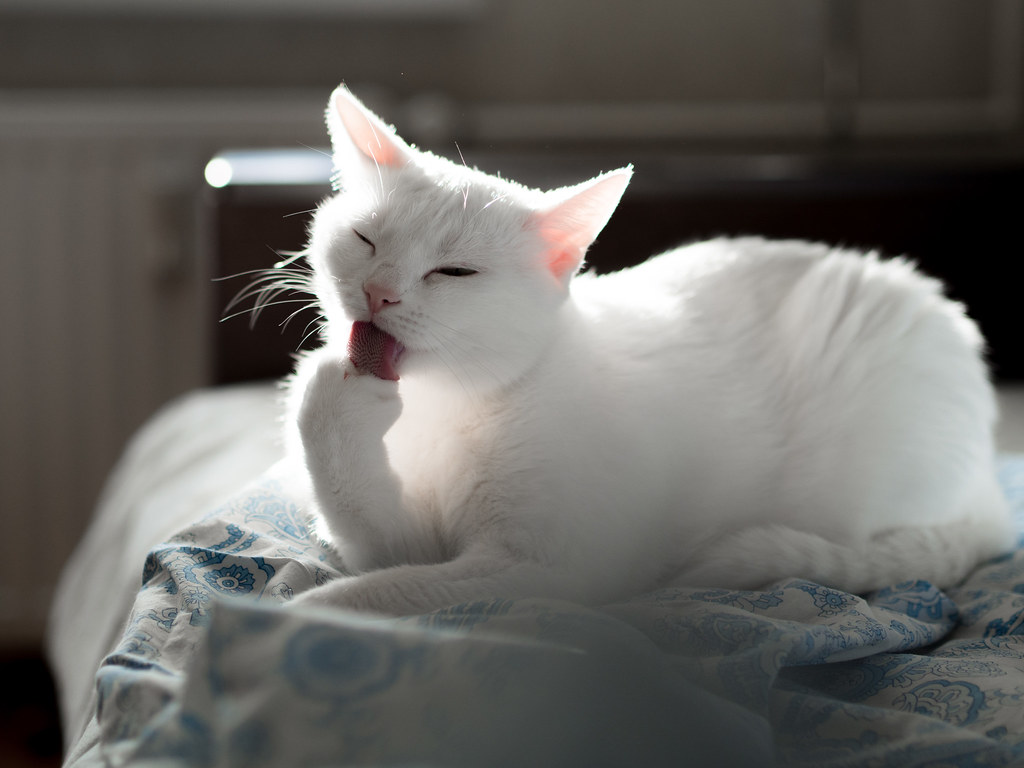
Many older animals get a little lazy with their personal hygiene. This is very common and largely considered normal, though some conditions (such as arthritis) will make it more difficult for cats to groom themselves well. As cats age, they might also not groom themselves, leading to tangled or greasy fur. This can cause painful mats in their hair, which can make their skin red and smelly.
Their skin may begin to dry and become less elastic as their blood circulation decreases as they age. Your cat’s skin may also be more prone to infections or skin odor than younger cats. Most senior cats will need extra attention to their coat, including regular brushing and mat removal.
Appetite and Weight Fluctuations
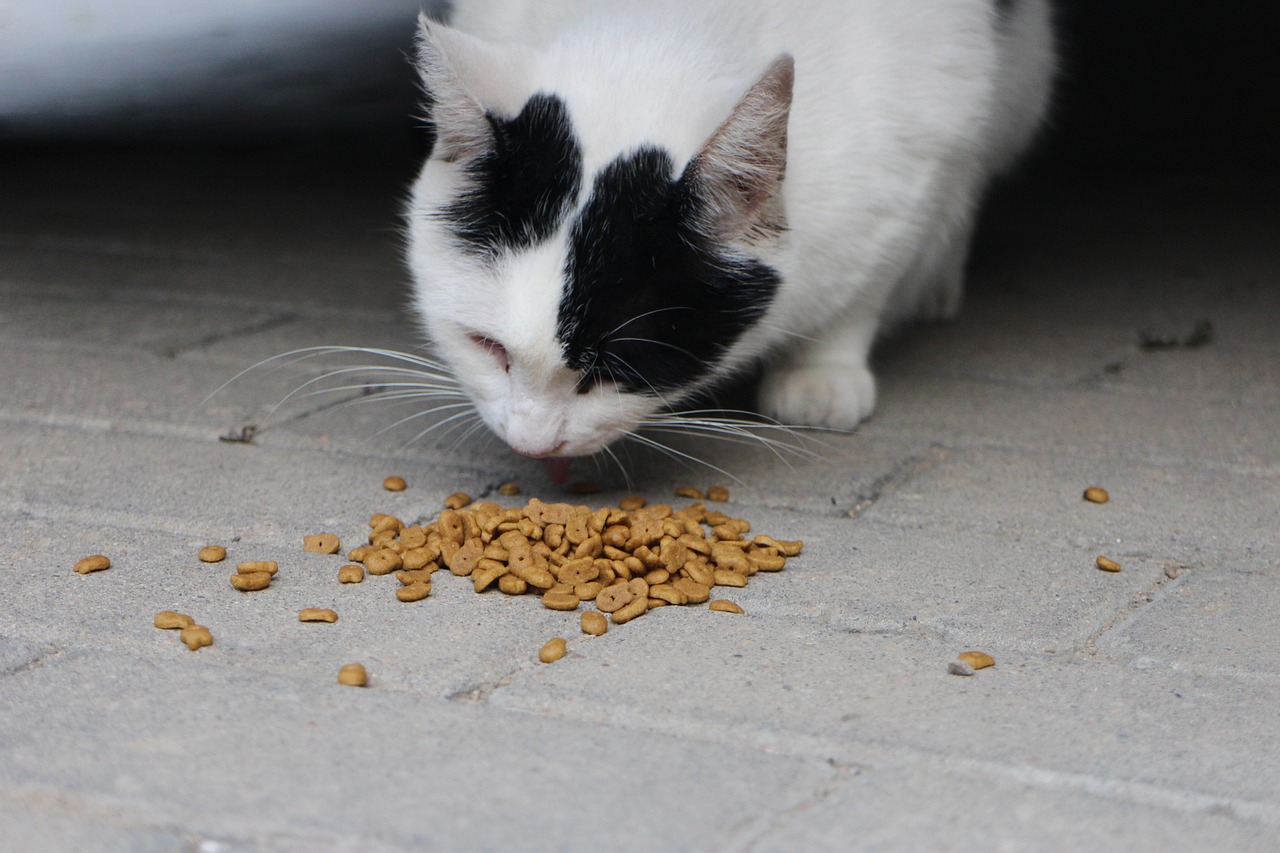
Senior cats should maintain their weight; neither weight gain nor weight loss is normal in cats as they get older. But their appetite may vary somewhat to help maintain their weight as their metabolism shifts. So, a senior may eat a little more or a little less than previously to maintain their normal frame.
If you notice that your kitty is suddenly eating significantly more or less than normal, this can be a sign that problems are developing and that you should visit your veterinarian. Some cats with arthritis might eat less, possibly because they feel discomfort while walking to their feeding station.
Vision and Eye Changes
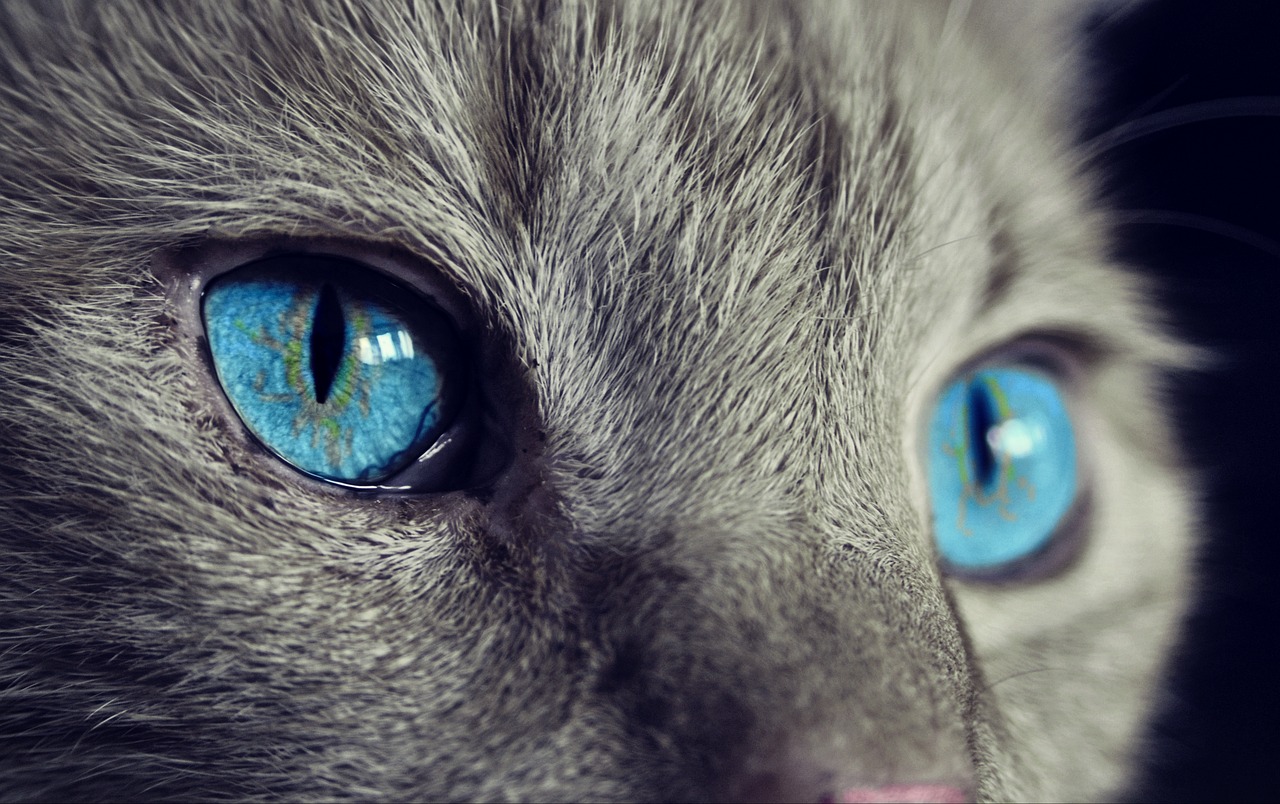
Vision problems may begin to develop as cats enter their senior years. Abnormalities in the vision of elderly cats can be a symptom of other age-related illnesses. An old cat’s eyes and vision may also change – they commonly have a slightly hazy lens and ‘lacy’ appearance to the iris (the colorful part of the eye), but there is little evidence that their sight is significantly impacted by this alone.
However, numerous diseases, especially those related to high blood pressure, can seriously and irreversibly affect a cat’s ability to see. Nightlights help older cats with poor vision or eyesight problems navigate at night. If your cat is blind, try to keep your cat’s environment as stationary and consistent as possible, including litter boxes and furniture.
Litter Box Behavior Changes
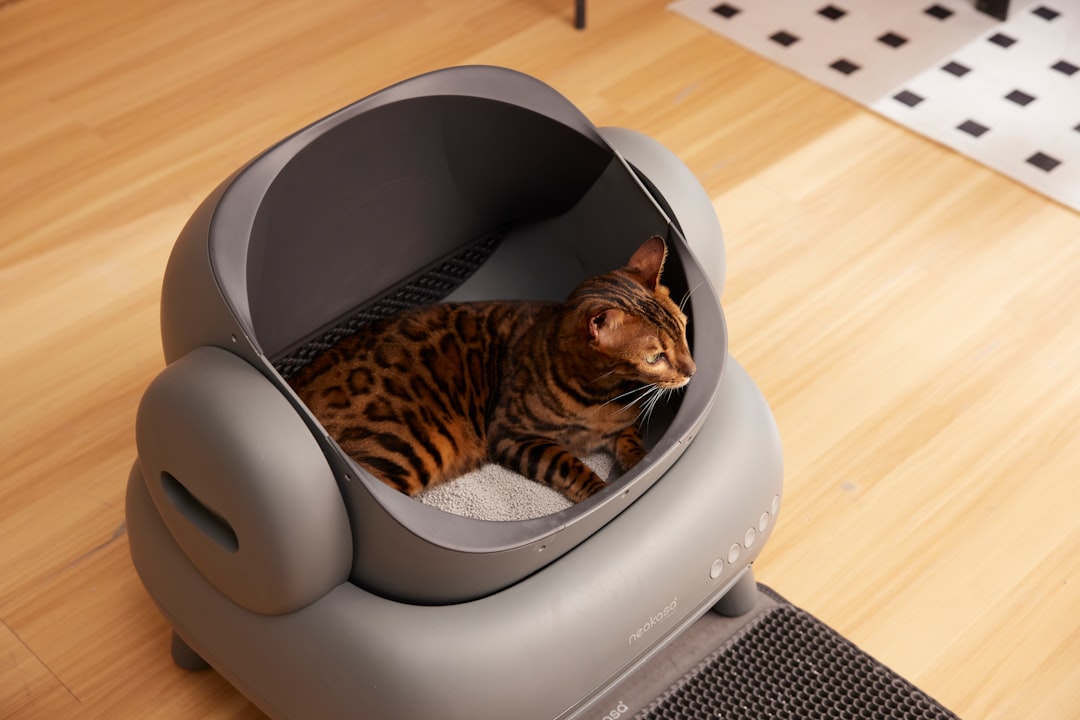
In fact, according to the ASPCA, it’s the most common reason for senior cats to end up seeing behaviorists. As with not using the litter box, a variety of other medical concerns may cause house soiling, such as brain tumors, endocrine system disorders, kidney dysfunction, mobility-affecting neuromuscular conditions and sensory decline.
As cats age they are more prone to getting arthritis and may have reduced control over their bowels and bladder. It’s a good idea to install litter boxes on every floor to make them easy to reach. Arthritis can make it painful for your cat to climb into a litter box with high sides. They might start eliminating outside the box, not out of spite, but due to physical limitations.
Personality and Social Changes
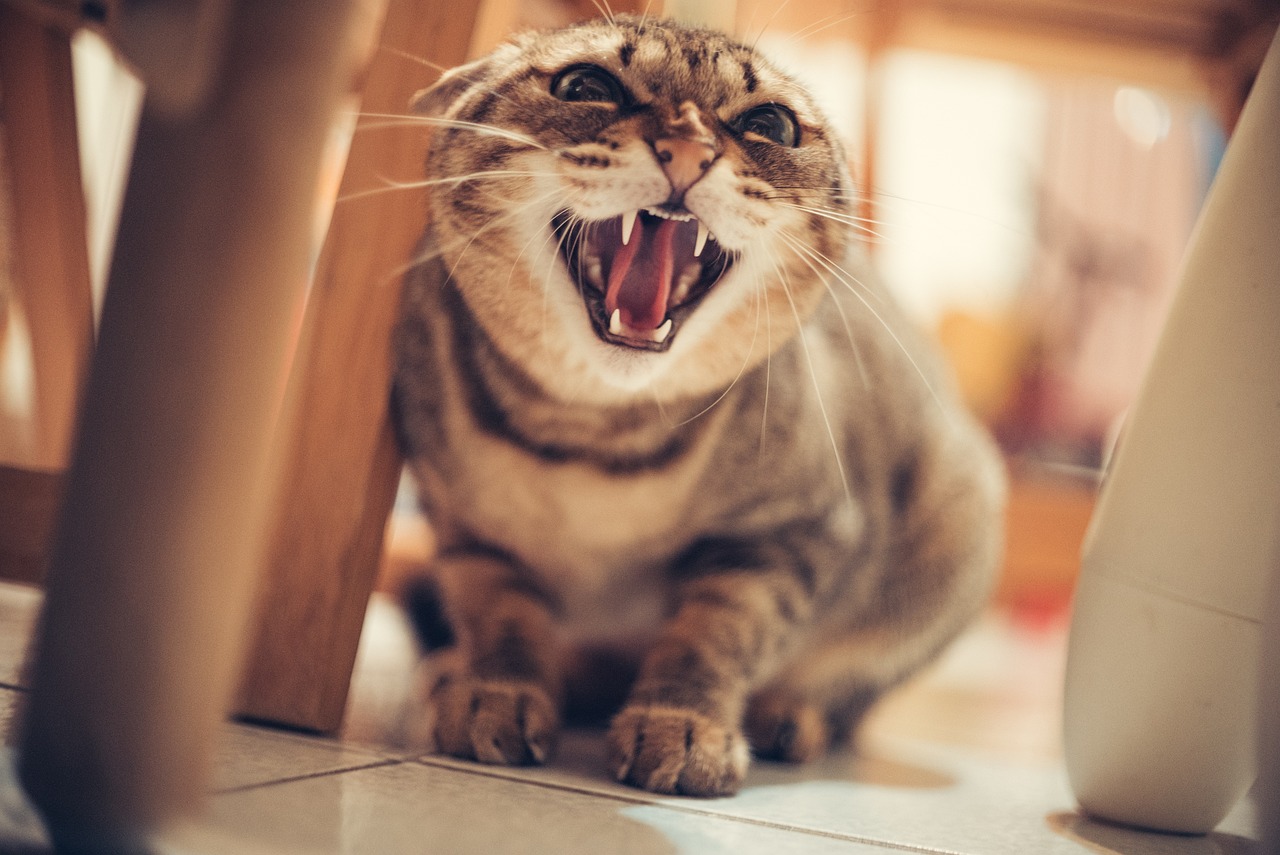
Your elderly cat may display personality changes as they age. For example, a once-docile cat may start to exhibit more hostile behavior like biting, scratching, or hissing when you or another pet attempts to get near. Next to senior cat litter box problems, senior cat aggression toward other animals or people is one of the most common behavior issues in senior cats. Senior cats may act aggressively in old age because their patience has declined over the years, and they’re less and less tolerant of any changes to their routines.
Some cats may need more emotional support as they age and others may prefer to be left alone. They may become more dependent on relationships and require more attention. This deterioration can cause disturbances in sleeping patterns, disorientation or reduced activity. It can make cats forget previously learned habits they once knew well, such as the location of the litter box or their food bowls.
Cognitive and Memory Changes
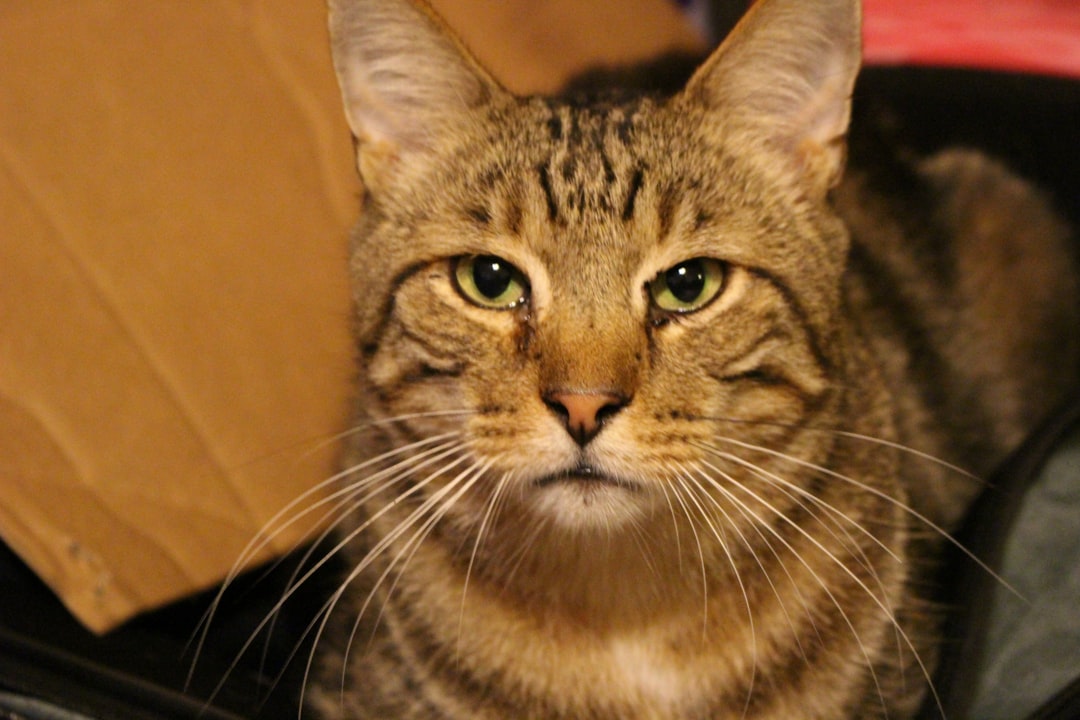
Disorientation is often the first sign that pet parents recognize as cognitive decline in their older cats. Disorientation becomes increasingly common in very elderly cats. FCD becomes more prevalent with age, affecting a significant portion of senior and geriatric cats. It can cause problems with your cat’s memory, awareness, and ability to learn new things.
In this condition, a senior cat may forget the locations of food bowl(s), litter box(es) and furniture. Cognitive decline causes stress over environmental changes. In cats, cognitive dysfunction may also manifest as increased activity, pacing and excessive vocalization. Most vocalizations sound as though the cat is distressed, but pain, loss of vision and other causes are likely contributory.
Conclusion
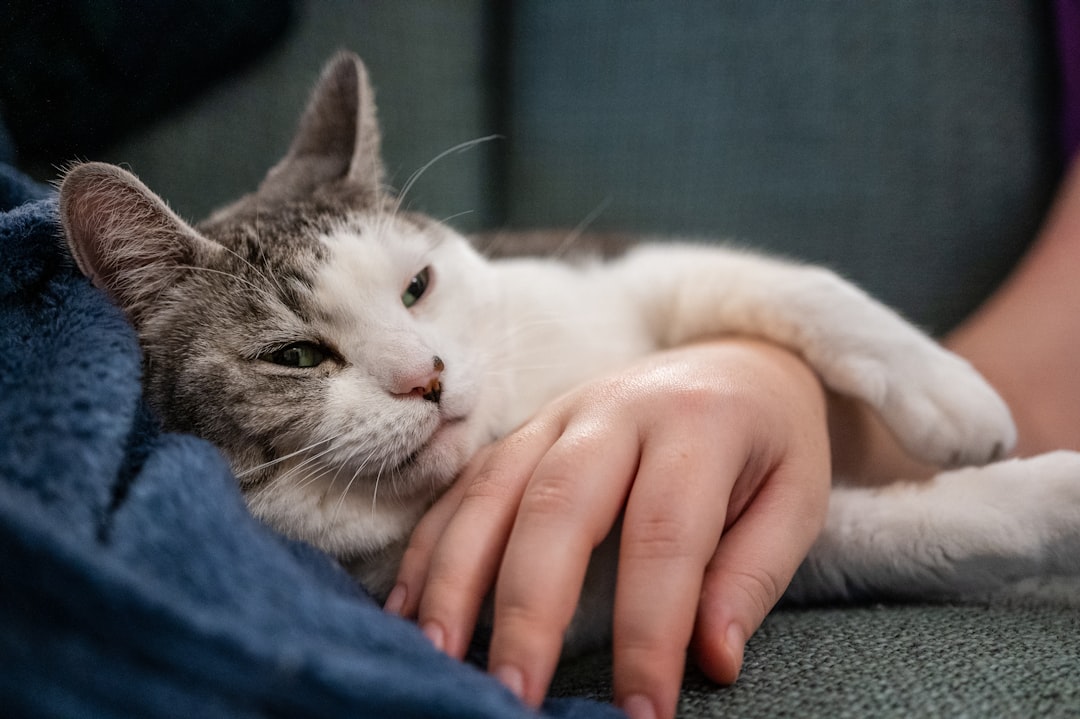
Recognizing these eight signs of senior sensibilities in your cat isn’t about accepting defeat or waiting for decline. It’s about understanding that your feline companion is simply entering a new phase of life that requires thoughtful adjustments and perhaps more frequent veterinary checkups. Early detection and proactive care can make an enormous difference in maintaining your cat’s quality of life during their golden years.
Remember, don’t assume that your cat is “just getting old” and nothing can be done to help her. Many changes in behavior are signs of treatable medical disorders, and there are a variety of therapies that can comfort your cat and ease her symptoms, including any pain she might be experiencing.
What changes have you noticed in your senior cat that prompted you to seek more information? Share your observations with us in the comments below.