9 Signs Your Cat Is Trying to Cheer You Up
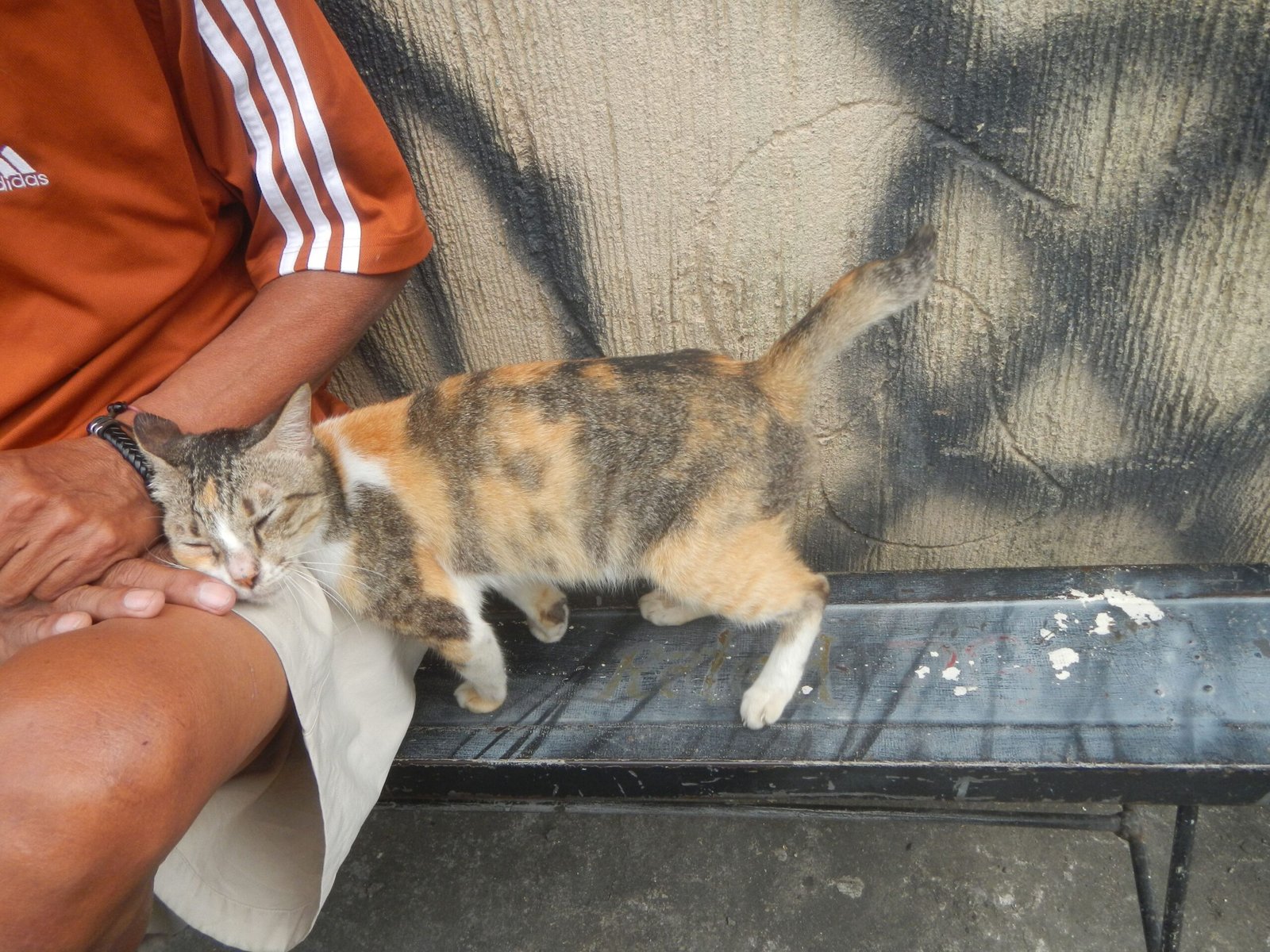
Have you ever wondered whether your feline friend really understands when you're feeling down? The truth might surprise you. Cats pick up on cues from their human's behavior, body language, and expressions that give them information about their mood. Though they won't be able to tell the difference between the vast array of negative emotions like grief, loneliness, or depression, cats are certainly able to tell when their owner's mood is low. Your cat's natural instincts and emotional intelligence work together in remarkable ways to provide comfort when you need it most.
Rather, this emotional intelligence is a result of the social bond your cat has with you and the actions they take in order to make you feel better. Sometimes the signs are subtle, other times unmistakable. Let's explore the fascinating ways your cat shows they care when life gets tough.
The Slow Blink of Love
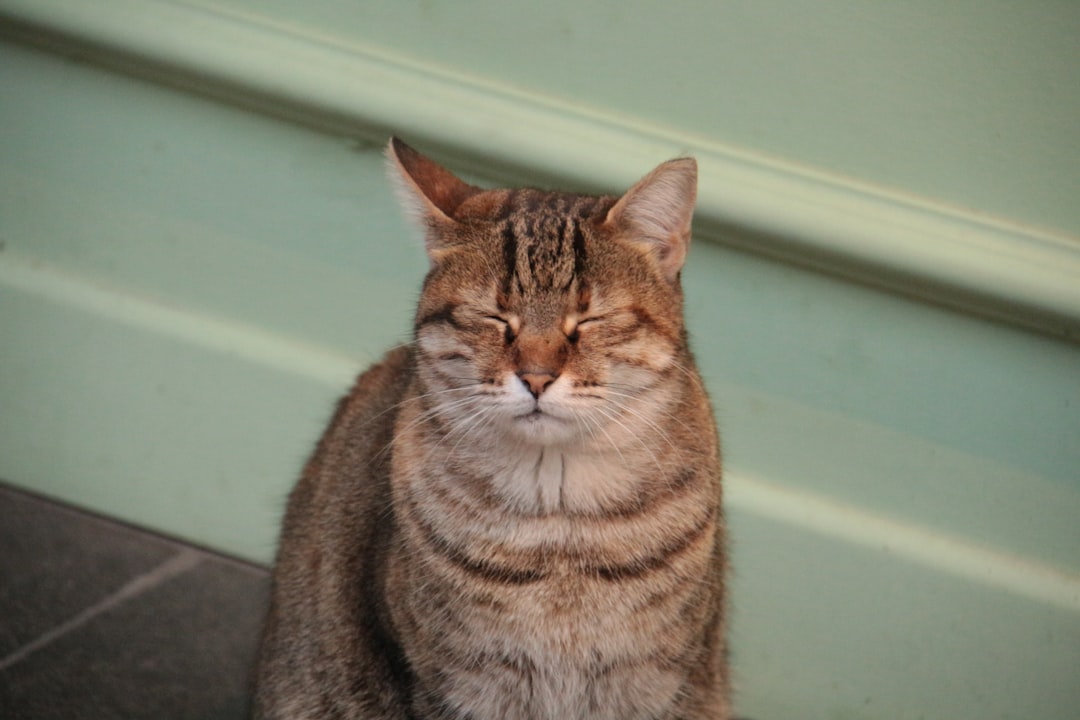
Most consider "the slow blink," or when your cat looks at you and slowly blinks their eyes, to be a gesture of trust. Cats are characteristically alert, constantly scanning the environment and reacting to stimuli with haste. During the slow blink, your cat feels so comfortable, they let down their guard and become vulnerable - something they'll only do when feeling completely secure.
When you cry, your cat may make eye contact and narrow their eyes at you to try and comfort you. Slow blinking is a way for cats to tell their owners they love and care for them. They will also respond if you repeat the gesture back to them. This gentle exchange creates a moment of connection that can be deeply soothing during difficult times. Think of it as your cat's version of saying "everything will be okay."
Increased Physical Presence
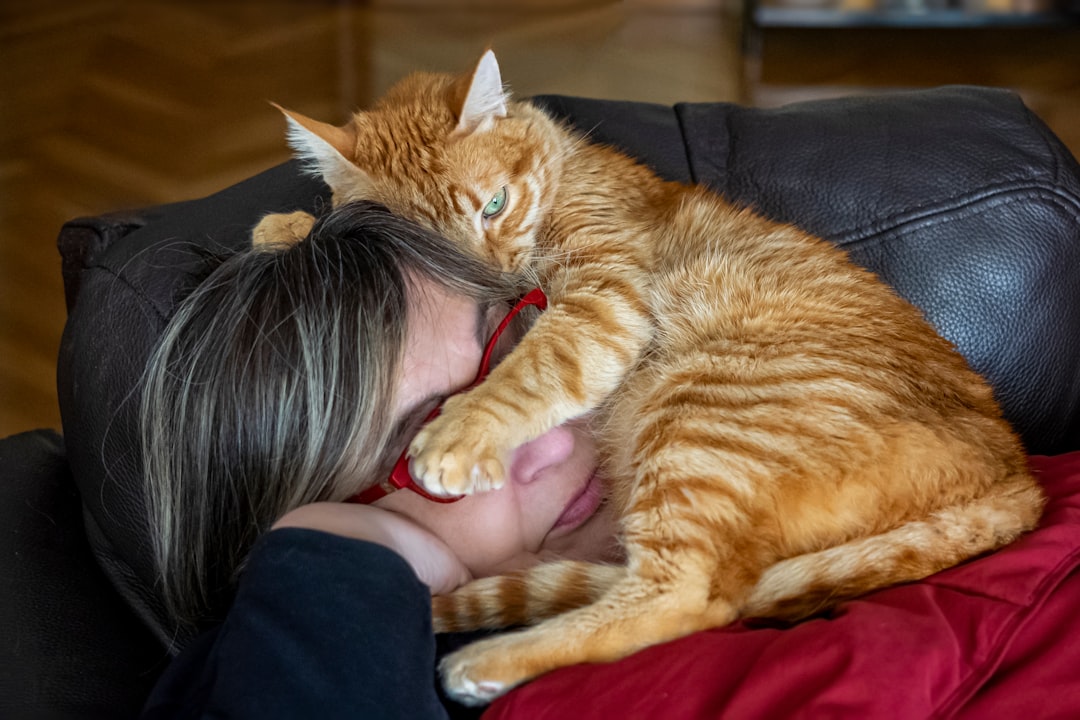
However, cats do tend to alter their behavior when their owner seems depressed or sad. They tend to linger nearby, coming closer than they normally would, and some will interact more or be more affectionate. This shift in behavior is often one of the first things cat owners notice when they're going through tough times.
This is a subtle change in behavior, but if you're sad, you might notice that your cat seems to be around more. Rather than being clingy, they're probably just trying to reassure you and be there for you in their own way. Your typically independent cat might suddenly become your shadow, following you from room to room or settling nearby while maintaining respectful distance.
Gentle Head Bumps and Nuzzling
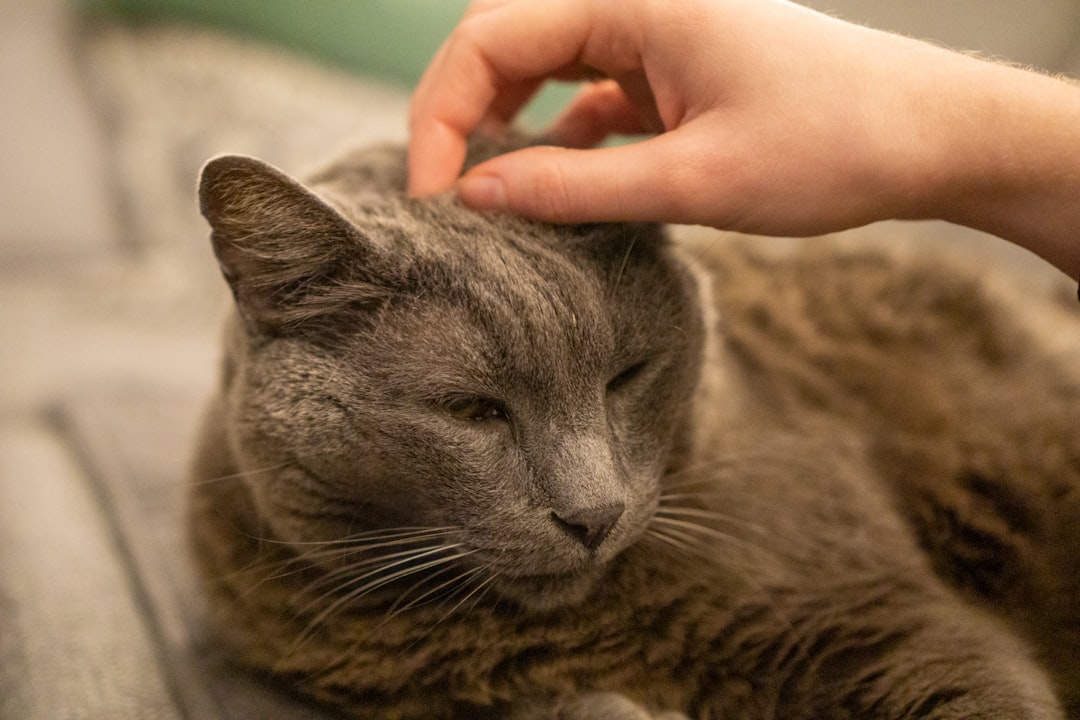
Nudging is another physical gesture frequently observed in cats when their owners are upset. Cats may use their noses to gently bump against their owner's face or hand. This behavior can be seen as a form of reassurance, as the cat tries to establish a connection and communicate their support.
Head bumps, also known as bunting, is a unique behavior in felines that signifies trust and friendship. When a cat rubs their head or cheeks against their owner, they are essentially leaving their scent, which is a way of marking their territory and showing affection. During moments of distress, cats may intensify this gesture as a means to provide comfort and reassurance. The act of a gentle head bump can create a sense of security, reminding the owner of the bond they share with their feline companion.
Therapeutic Purring Sessions
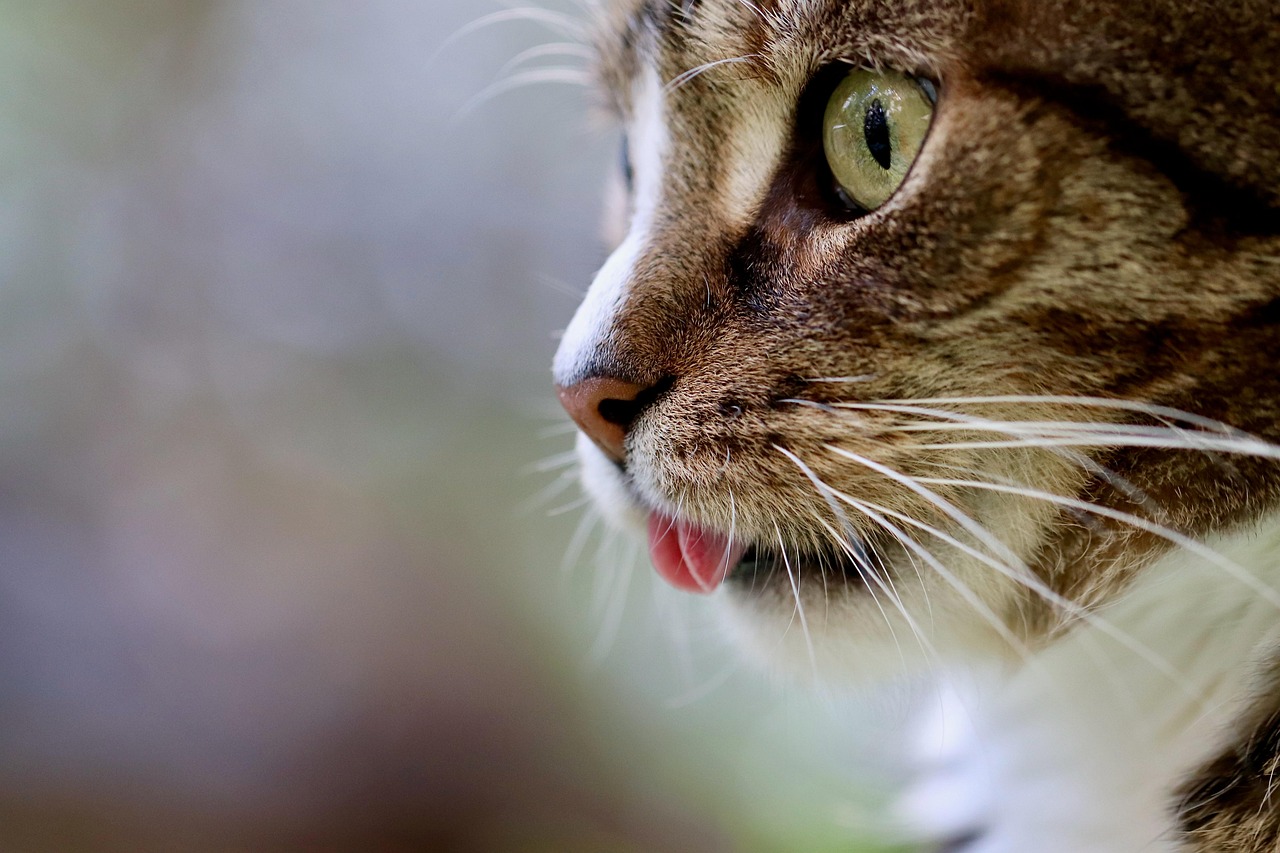
While we often assume our cat's purr is a sign of happiness, it's more complicated than that. Cats also purr to soothe themselves when they are in pain or stressed. Purring can comfort you when you cry, too. While research on purring frequencies suggests potential therapeutic effects, scientific evidence for direct healing properties in humans remains limited. The vibrations produced during purring fall within a range that can promote healing and reduce stress.
Our furry friends can interpret visual and auditory signals to pick up on our moods and act accordingly, delivering comfort in the form of snuggles, a quiet companion, or a purring lap-warmer. Many cat owners report that their pets seem to purr more intensely or for longer periods when they're upset, almost as if they're offering a natural form of therapy.
Bringing You Special Gifts
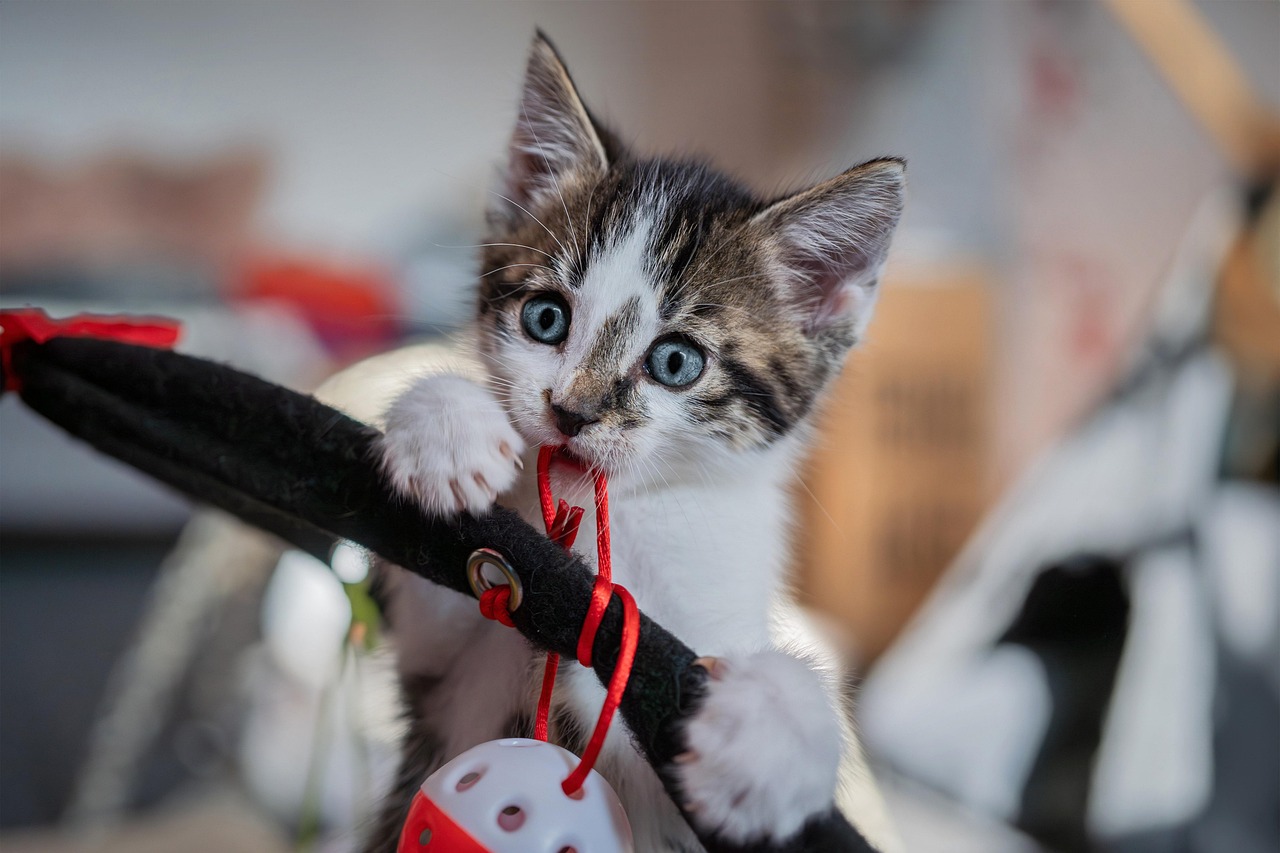
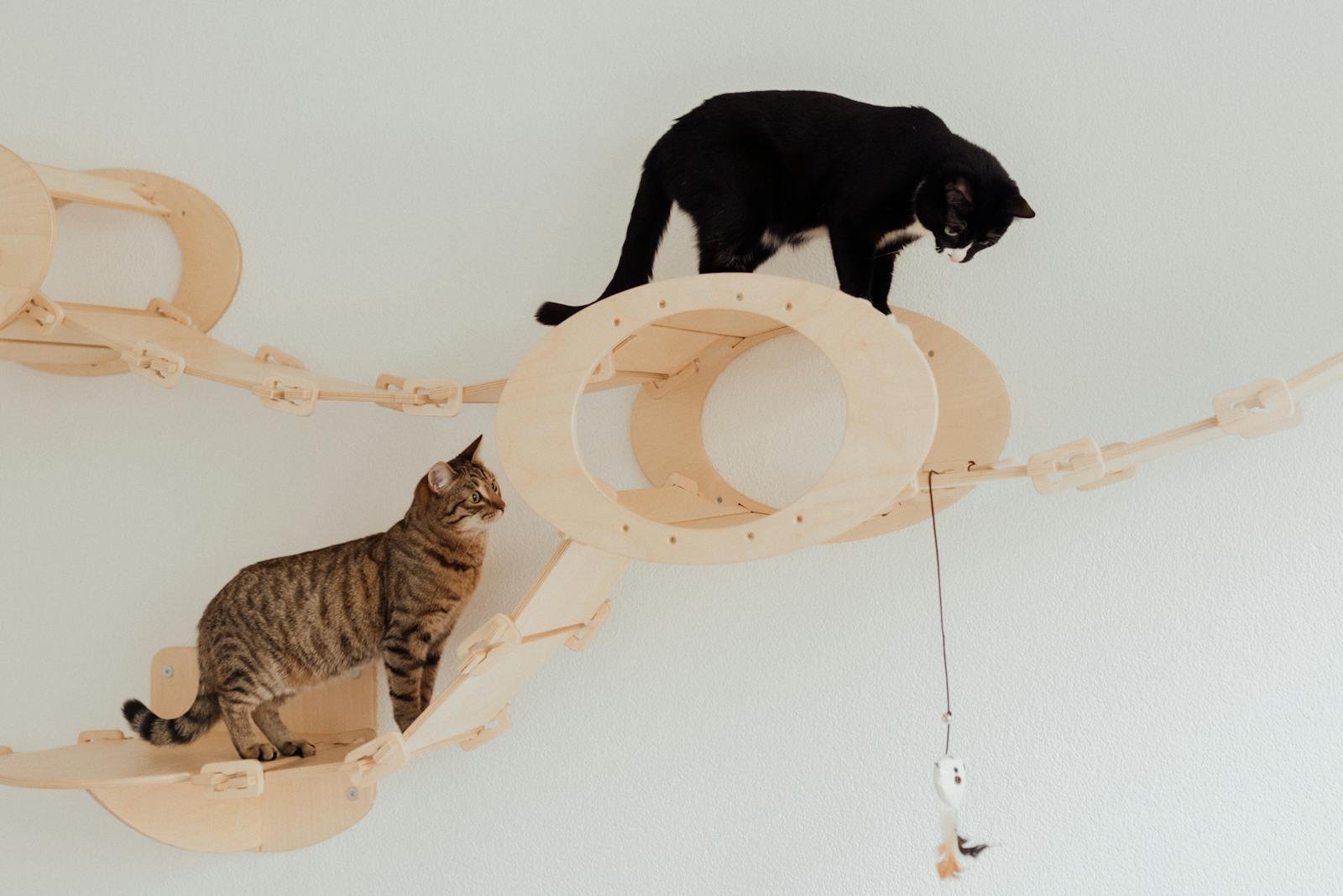
Your cat may try to comfort you by bringing you toys and asking to play. If you have an outdoor cat, they may take things further by bringing you the prey they've captured. These gestures are your cat offering you some of their favorite things to try and cheer you up. Playing with your cat can also distract you from your sadness and give you something routine to do.
When your cat brings you toys, they're demonstrating a significant level of trust and affection. This behavior indicates that they consider you a valued member of their social group and want to engage with you in a meaningful way. Whether it's their favorite mouse toy or a random household item, these offerings represent your cat's attempt to share something meaningful with you during your low moments.
Increased Cuddling and Contact Seeking
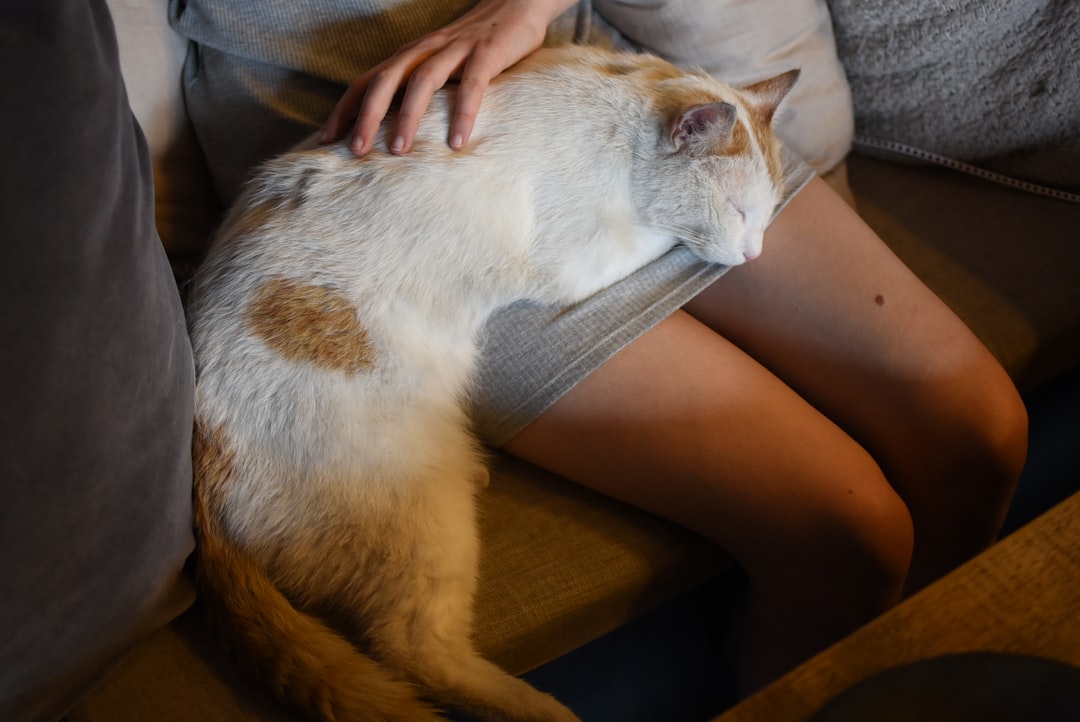
Clinging Behaviors: When humans are feeling down or anxious, cats may become more clingy, following their owners around or seeking physical contact, such as curling up next to or on their owner's lap. This behavior can soothe the cat's own emotions and convey a sense of security and support to humans.
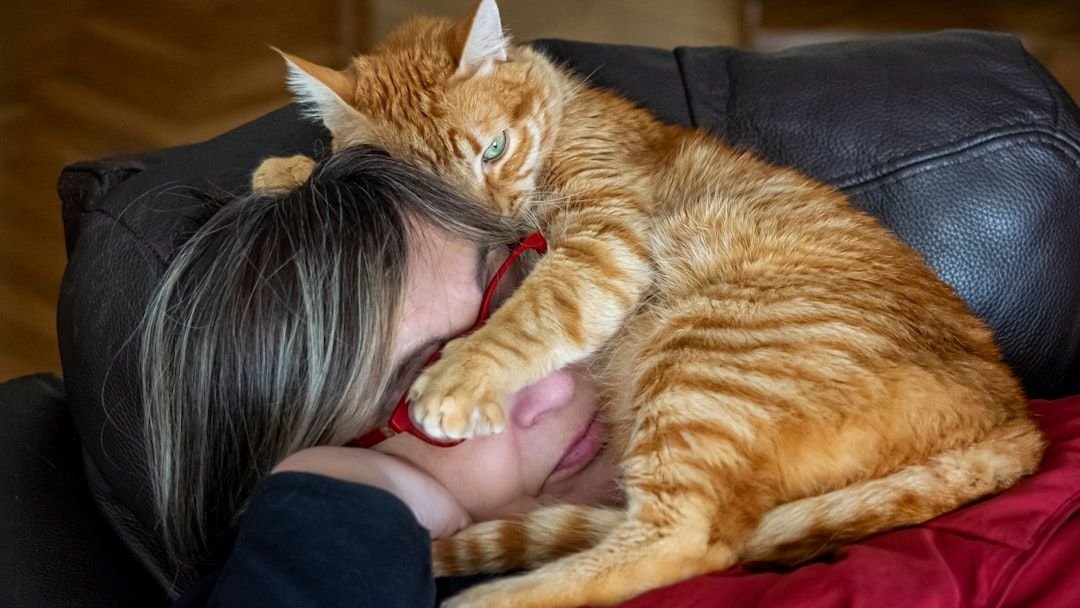
In addition to purring, your cat may attempt to comfort you by cuddling, lying on your lap, or letting you pick them up and hold them close. Living with a pet can help improve the mood of people dealing with depression and anxiety. If you're crying in bed or on the couch, your cat might join you simply to sleep on a comfortable surface, but that doesn't make their presence any less comforting. Even if your cat isn't normally a cuddler, they might make exceptions when they sense you need extra comfort.
Gentle Pawing and Kneading
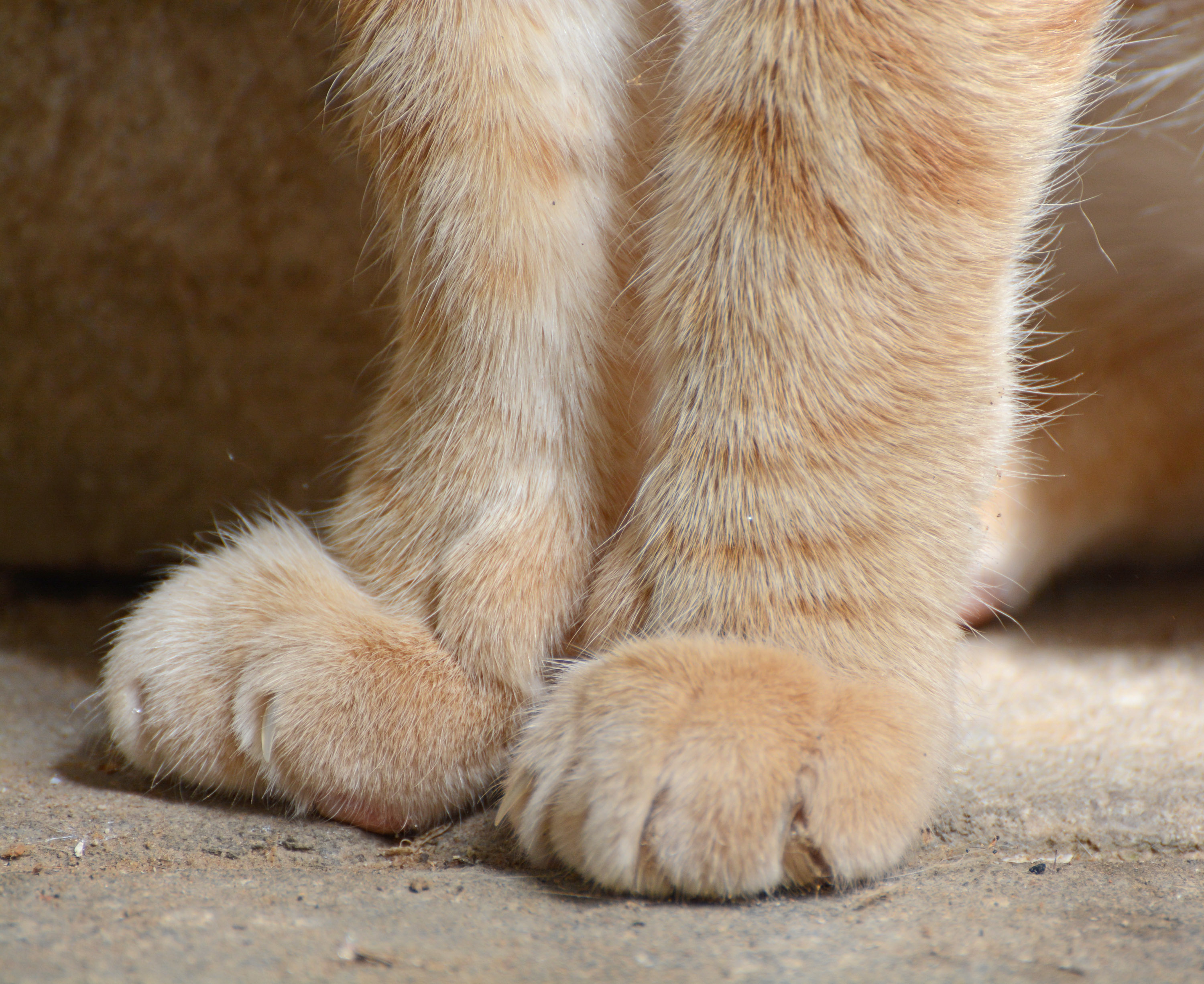
Firstly, pawing is a natural instinct for cats, often associated with showing affection or seeking attention. When a cat notices their owner in distress, they may extend their paws and gently tap or knead their owner's legs or lap. This physical contact not only serves as a way to draw attention but also releases soothing endorphins in both the cat and the owner. The repetitive motion of pawing can create a calming effect, providing a sense of comfort during times of emotional turmoil.
It's thought to be a behavior that they carry out as a sort of self-comfort mechanism. So, if your cat snuggles up next to you and starts kneading you, it can mean they're trying to bond and gain comfort from your presence. This behavior connects back to their kittenhood experiences and represents one of their most intimate expressions of care and comfort.
Grooming Gestures
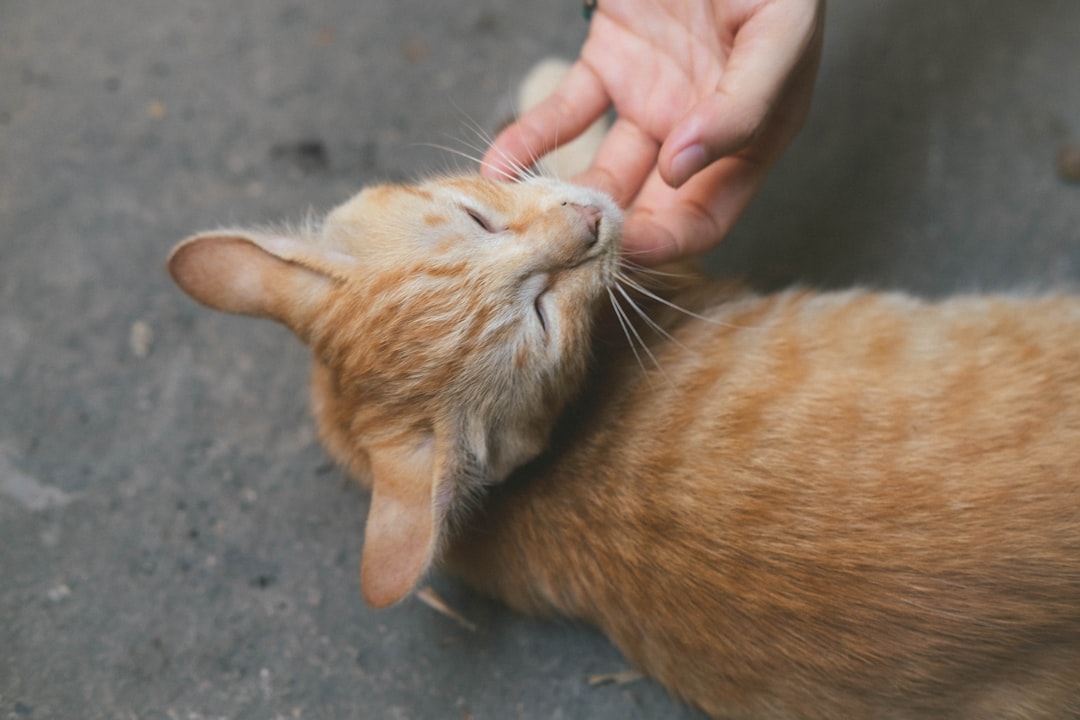
Licking and Grooming: Cats often lick their human's hands or heads with their tongues. This behavior is similar to social interactions between cats, conveying affection and reassurance. Additionally, they may gently bite their human's fingers or hair, which is a gentle expression of intimacy.
Mutual grooming in cats is only seen between cats that share a close social bond. If your cat decides to give your hair or skin a lick, then it's a sure sign that they consider you to be within their inner circle. It might feel a little tickly or strange, but this is a true indication that your cat thinks that you're the best. When your cat attempts to groom you during difficult times, they're treating you like family and trying to provide the same comfort they would offer to their closest companions.
Expressive Tail Communication
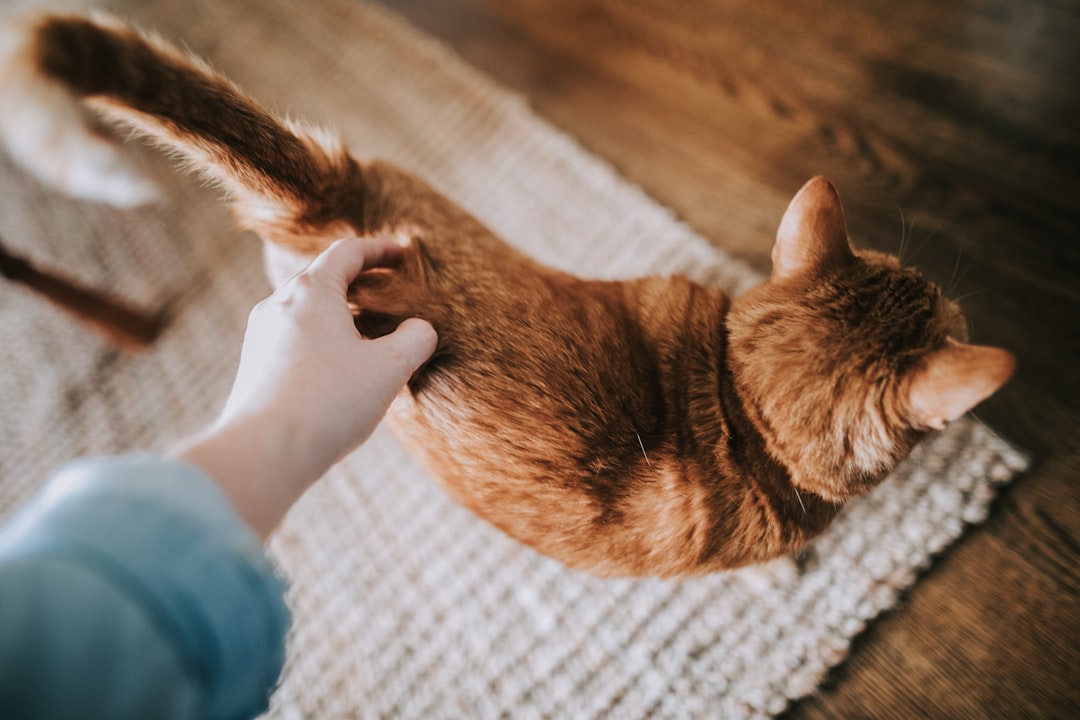
Cats that are happy to see their favorite person often show their joy with quivering tails. When your cat approaches you with their tail held high and slightly curved like a question mark, they're displaying confidence and happiness specifically intended to lift your spirits. The question mark: Cats often position their tail in the shape of a question mark when they're feeling playful. Tail pointing straight up: This signifies a cat is feeling confident and ready to engage in some positive interaction.
A cat's tail is one of the most expressive parts of their body and an important communication tool. A tail held high in the air with a slight curl at the end indicates your cat is happy and approaching in a friendly manner. During your low moments, you might notice your cat making extra effort to display these positive tail positions, almost as if they're trying to model the emotional state they want to see in you.
Conclusion
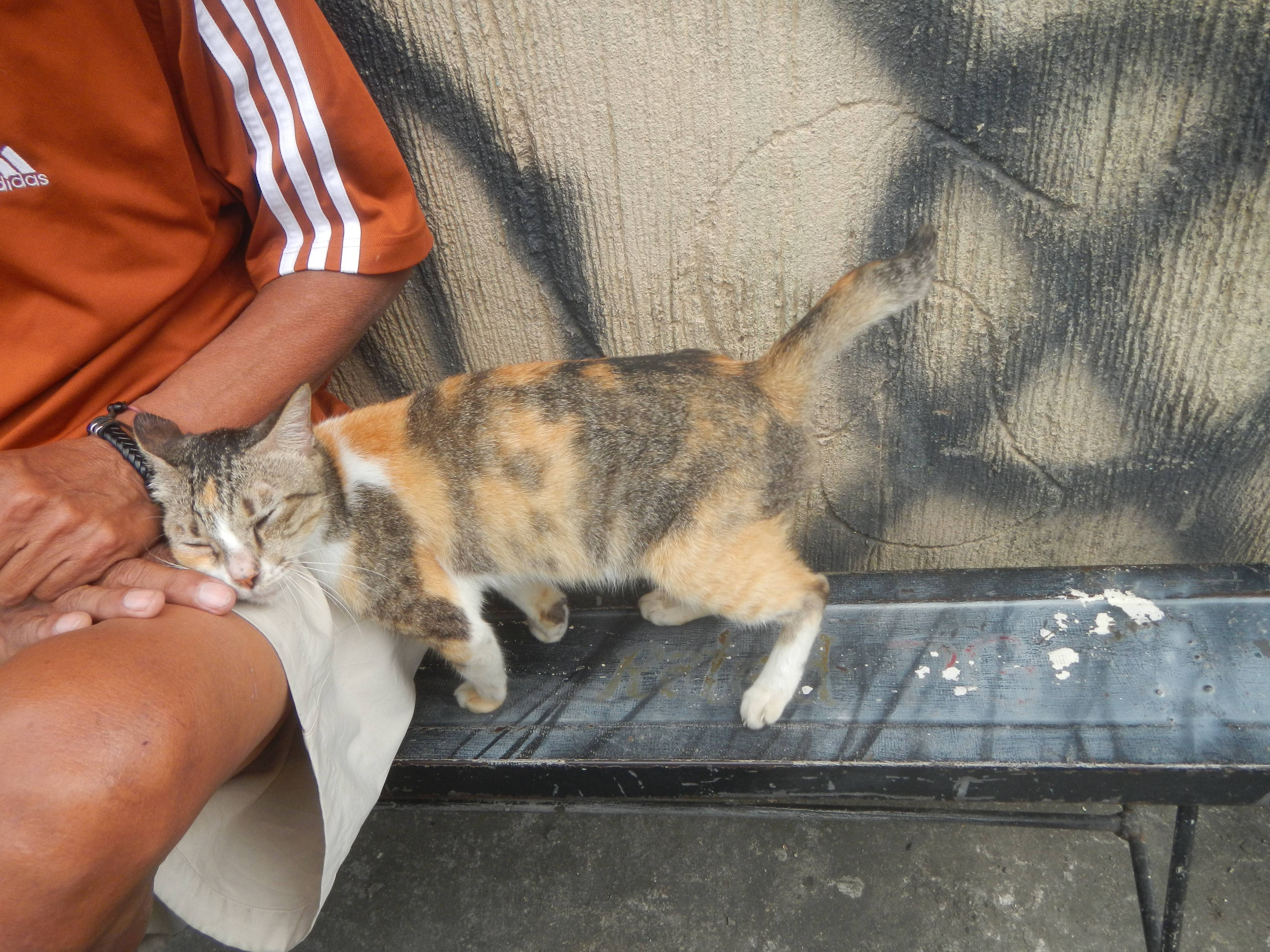
Your cat may not understand exactly why you're crying, but they often instinctively recognize that you need comfort. The next time you're feeling down, look for your cat to try one or more of these five ways to cheer you up. These subtle yet meaningful gestures prove that the bond between humans and cats runs deeper than many people realize.
No matter which type of cat you have, it's likely they're trying to comfort you in their own way. Whether your cat expresses comfort through gentle head bumps, soothing purrs, or simply staying close by, recognizing these signs can help you appreciate the emotional support your feline friend provides. The next time you notice these behaviors, take a moment to acknowledge your cat's efforts. What do you think about your cat's unique way of showing care? Tell us in the comments.