Honestly, nothing quite stings like being completely snubbed by your own cat. Picture this: you walk through the door after a long day, calling your furry friend’s name with genuine excitement, only to watch them casually turn their back and saunter away as if you’re invisible. Your dog might greet you like you’ve returned from war, but your cat? They couldn’t care less.
Yet what most people don’t realize is that this seemingly cold behavior tells a fascinating story about feline psychology, evolution, and the complex relationship between humans and cats. Their apparent indifference isn’t actually about you at all. So let’s dive in and uncover what’s really happening behind those mysterious eyes.
They’re Wired for Independence Through Evolution
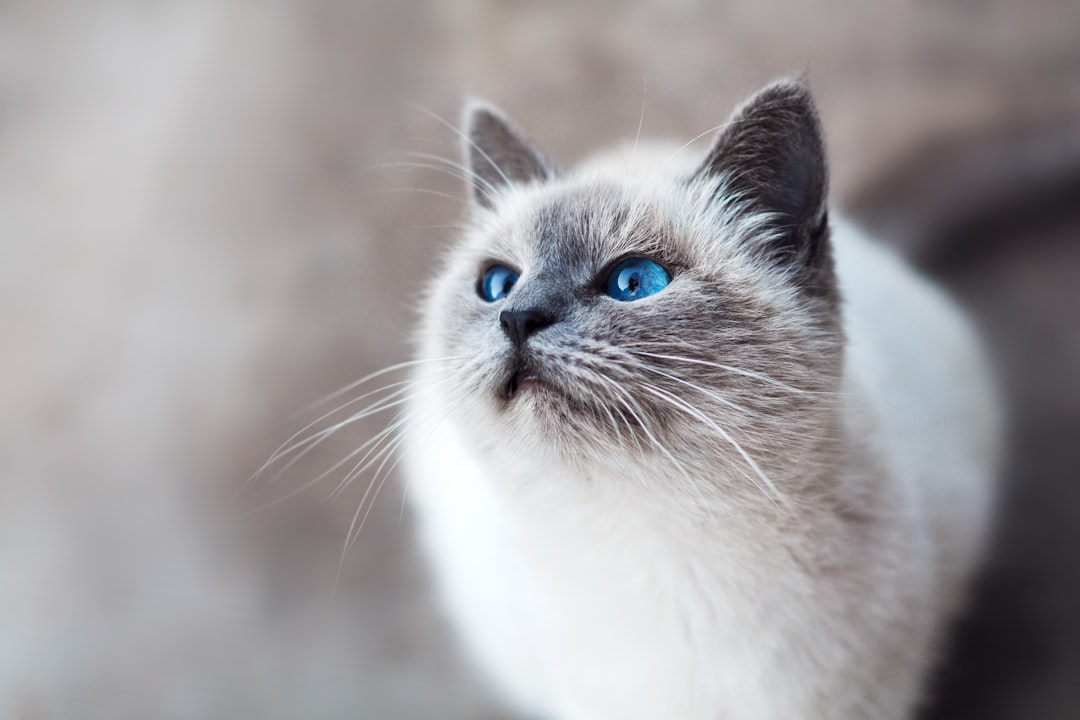
The truth is, your cat’s dismissive behavior stems from thousands of years of evolutionary programming. Unlike dogs, cats evolved as solitary hunters rather than pack animals. This evolutionary history has shaped their social behavior, making them naturally more independent and selective about their interactions. As early societies developed agriculture, these cats moved in to prey on the rodents that were attracted to stores of grain. In the words of the paper’s authors, they effectively “domesticated themselves”.
When your cat ignores you, they’re often simply expressing their inherent nature rather than showing displeasure. Research from animal behaviorists suggests that cats maintain their ancestral tendencies even in domestic settings, choosing when and how they want to interact with their human family members. Cats are unique and unlike dogs in that, they sort of domesticate themselves. Millenia ago, ancient humans noticed that wild cats liked to hang around grain stores to hunt.
They Simply Don’t Need You for Security
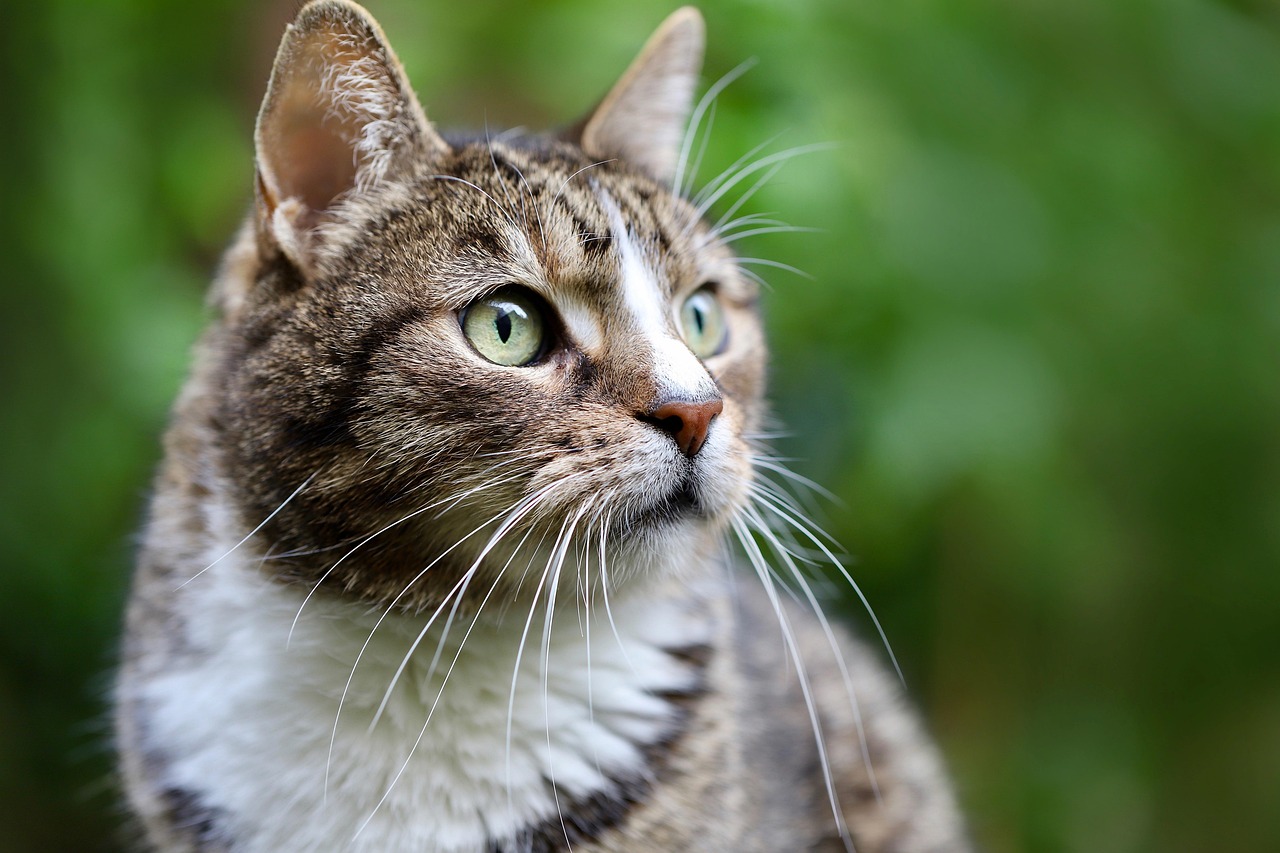
Domestic cats do not generally see their owners as a focus of safety and security in the same way that dogs do, according to new research published today. The study by animal behavior specialists at the University of Lincoln, UK, shows that while dogs perceive their owners as a safe base, the relationship between people and their feline friends appears to be quite different. The results of the study reveal that while cats might prefer to interact with their owner, they do not rely on them for reassurance when in an unfamiliar environment, and the researchers believe this is because of the nature of the species as a largely independent and solitary hunter.
While it is increasingly recognized that cats are more social and more capable of shared relationships than traditionally thought, this latest research shows that adult cats appear to be more autonomous – even in their social relationships – and not necessarily dependent on others to provide a sense of protection. This independence means they can afford to ignore you without feeling vulnerable or unsafe.
Your Mood Actually Affects Their Behavior
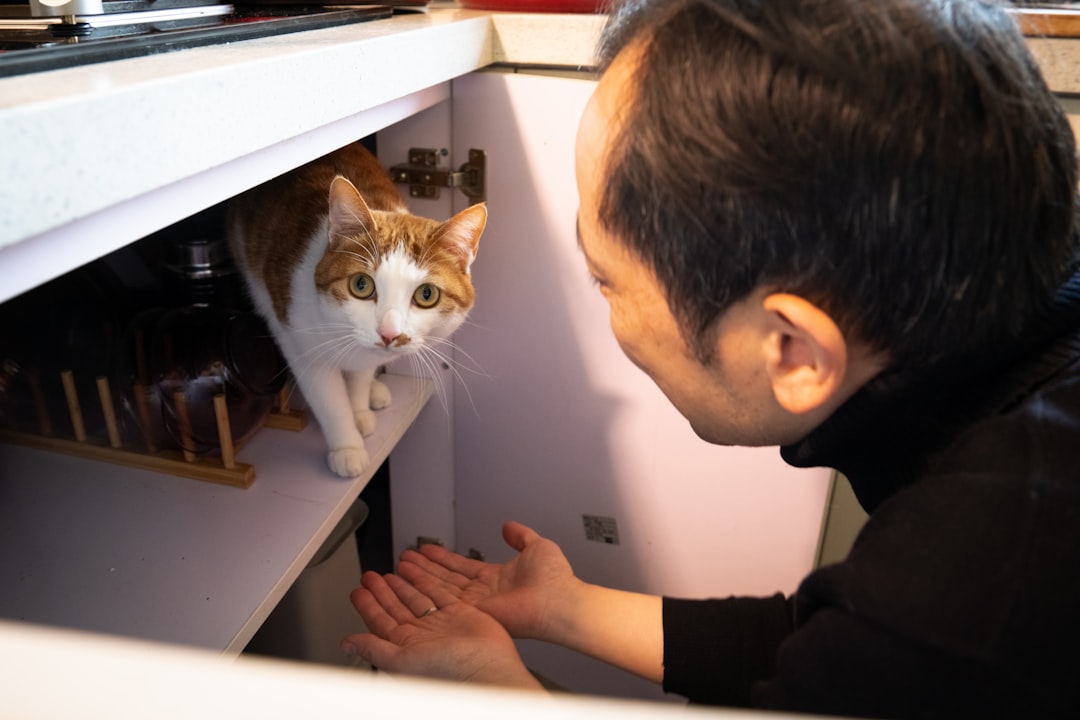
Here’s something surprising: cats – merely their presence but of course their behavior – can affect human moods and human mood differences have been shown to affect the behavior of the cats. The depressive owner initiates fewer interactions with the cat, but when the cat approaches that person, s/he accepts the intent of the cat to interact, which affects the human’s mood. The cat also changes its behavior in response to depressiveness of the human when close to the person (but not at a distance), vocalizing more frequently with the person and head- and flank-rubbing more often on that person.
This creates a complex emotional feedback loop. When you’re stressed or anxious, your cat picks up on these signals and may respond by creating distance. Their ignoring behavior might actually be their way of managing the emotional atmosphere in your home. More mood subscales in women than in men are affected by the cat, and they are more strongly affected than in men.
They’re Processing Stress in Their Own Way
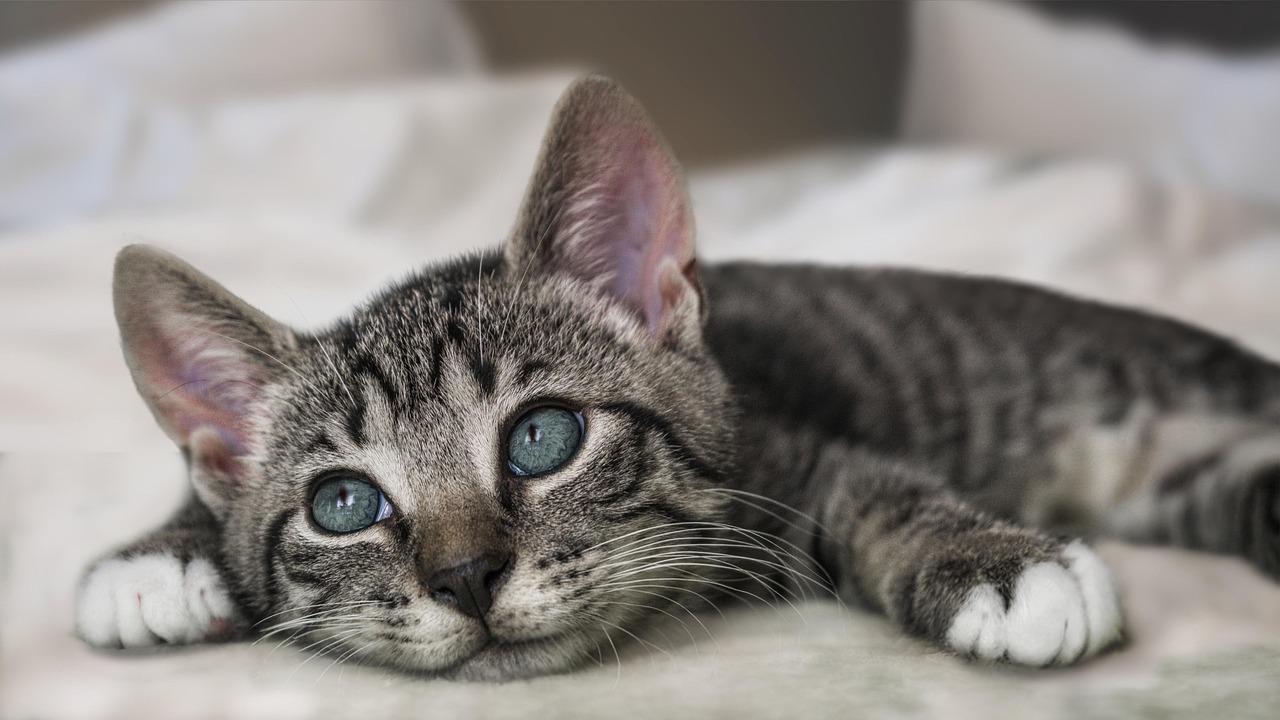
Cats are sensitive to changes in their environment. Moving furniture, introducing new pets, or altering their daily routine can cause stress, leading them to withdraw or ignore their humans. This behavior usually subsides once they adjust to the changes. Your cat may start withdrawing, hiding, or spending time alone more than usual. For example, your cat may spend more time sleeping under the bed or in a closet.
Rather than seeking comfort like dogs might, cats often cope with stress by creating physical and emotional distance. Cats concerned about a situation hide in a place that allows them to watch the triggering person, pet, or event. Others retreat to high perches to safely observe and gather more information. Their ignoring behavior is actually a sophisticated coping mechanism.
They Can Tell When You’re Ignoring Them
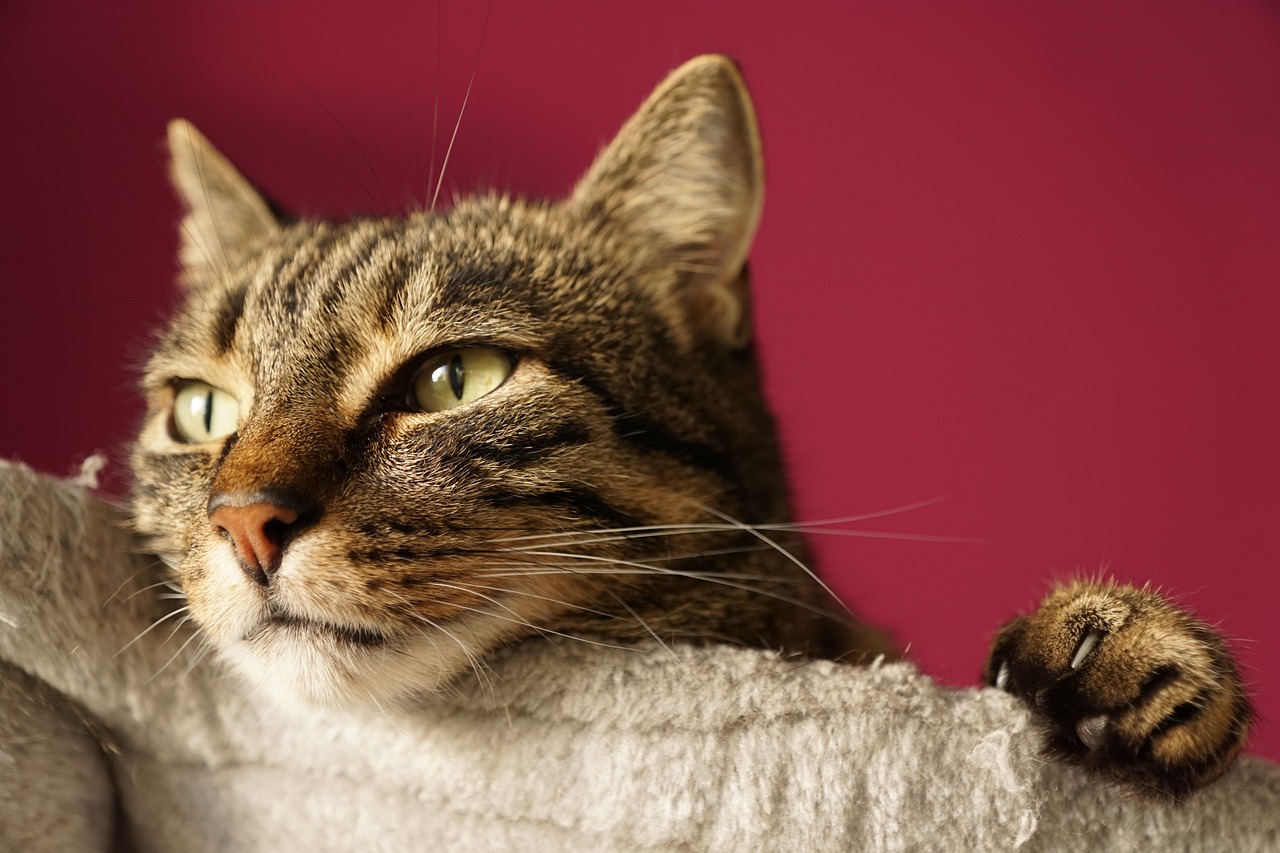
Cats are remarkably perceptive creatures with sophisticated social intelligence, and research confirms they can indeed tell when their owners are ignoring them – though their reactions might surprise you. Interestingly, some cats might respond by ignoring you right back – a behavior that often leads owners to believe cats are simply aloof or spiteful. However, this response is more complex than simple retaliation.
Yes, research confirms that cats can recognize when their owners are deliberately not engaging with them. They can distinguish their owner’s voice and understand when they’re being addressed or ignored. What looks like indifference might actually be your cat mirroring your own behavior back to you.
Their Attention Works Differently Than Dogs
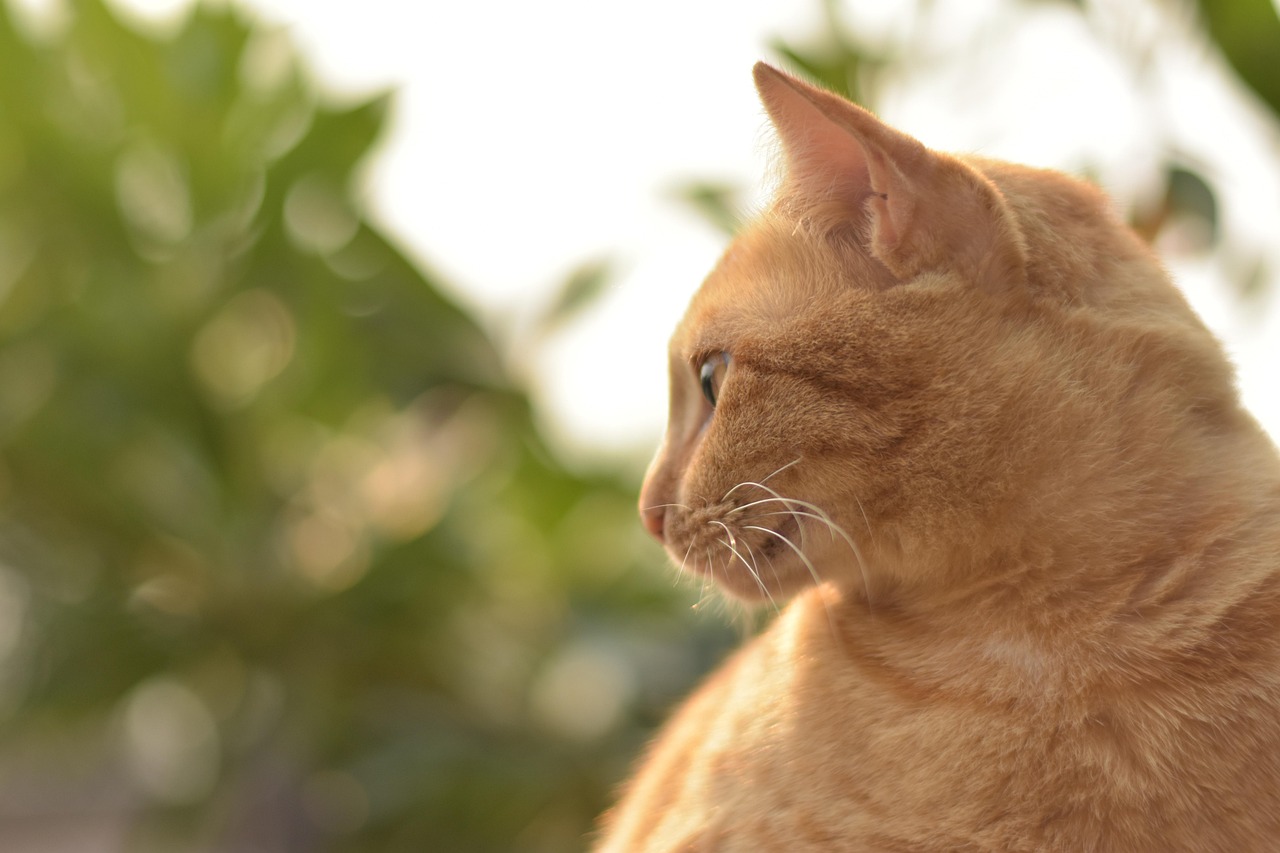
“Historically speaking, cats, unlike dogs, have not been domesticated to obey humans’ orders. Rather, they seem to take the initiative in human–cat interaction.” This is in contrast to the history of dogs and humans, where the former has been bred over thousands of years to respond to orders and commands. Unlike dogs, which were domesticated to follow human orders, cats evolved alongside early societies without the need to obey commands. As a result, they never developed the same responsiveness to human instructions.
The results showed that cats responded more noticeably when their owners called their names compared to when strangers did. However, despite recognizing their owners’ voices, the cats typically did not bother to get up or take further action. This selective attention isn’t defiance – it’s simply how their brains are wired.
Poor Understanding Creates Distance
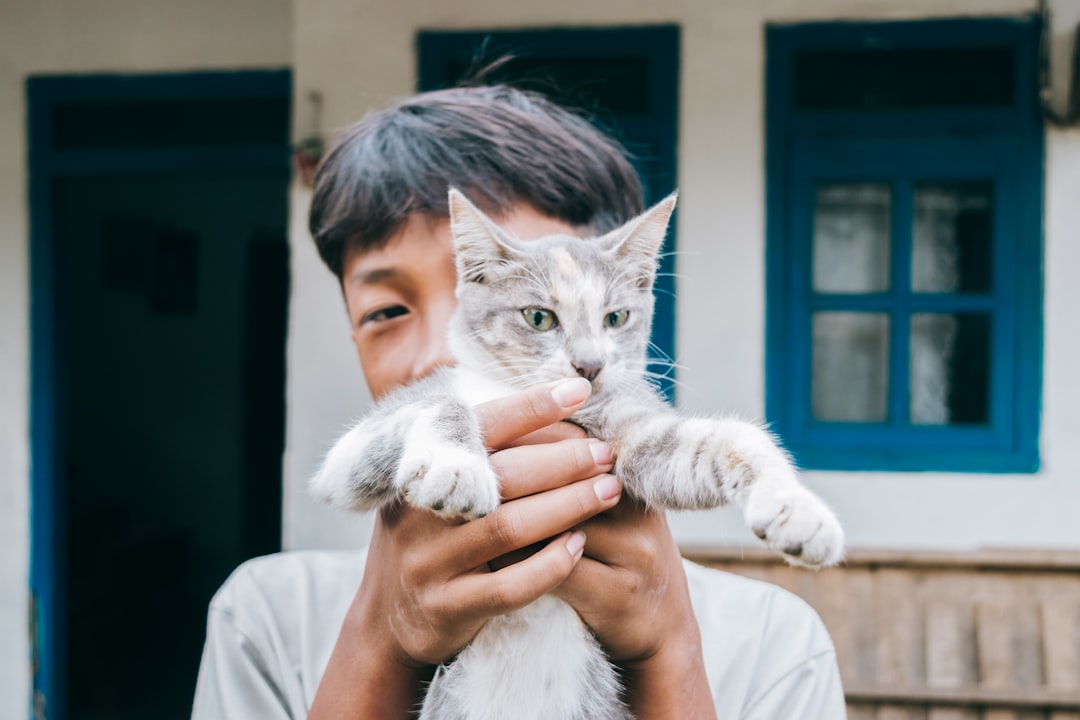
We found that owners with a more accurate understanding of cat behavior, and stronger reported bond with their cats, reported fewer behavior problems. Conversely, owners’ agreement with certain misconceptions about cats, and high perceived costs of care, were correlated with the use of punishment (e.g., yelling, hitting, or spraying with water) in response to misbehavior.
It is concerning that studies suggest many cat owners have a limited ability to understand cat behavior. In a survey of Italian cat owners, researchers found most owners could identify overt behaviors as indicators of stress, such as excessive vocalization and urination or defecation in unwanted places, but overlooked more subtle signs, such as freezing, anorexia and dilated pupils. When you misread their signals, they’re more likely to disengage entirely.
Territory and Personal Space Matter More
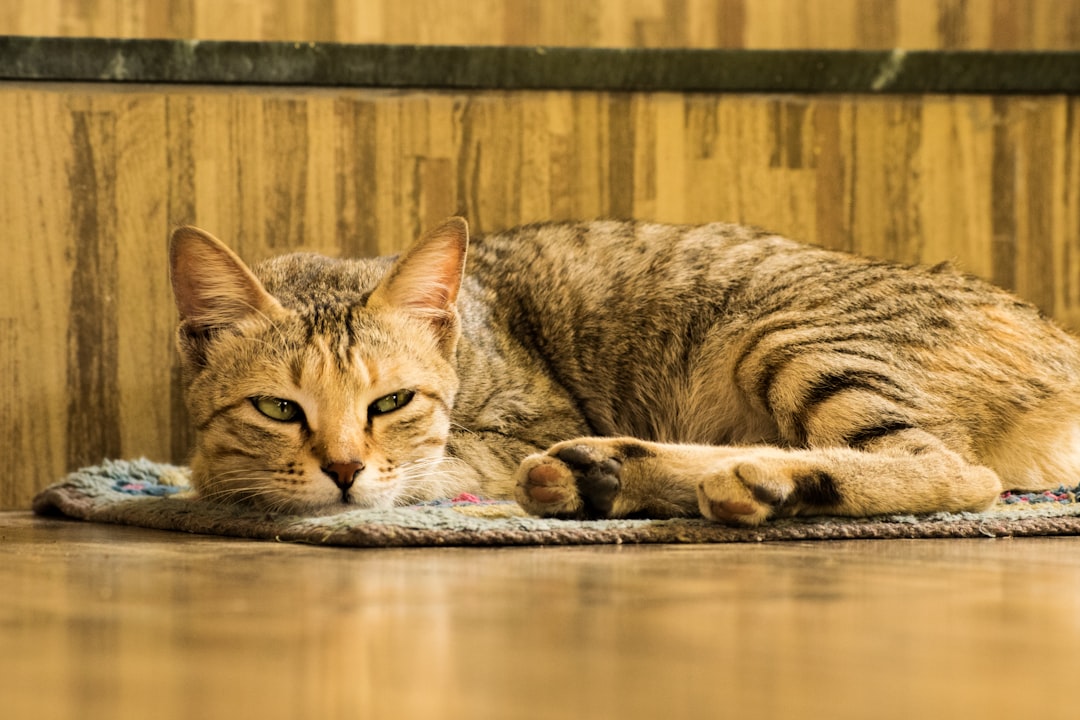
Cats are descended from a solitary, territorial ancestor, and while domestication has reduced their inherited tendency to be antagonistic towards all animals larger than their typical prey, they still place more reliance on the security of their territory than on psychological attachments to people or other cats, the exact opposite to dogs. Many feline problem behaviours stem from perceived threats to this security, often due to conflicts with other cats.
Cats are territorial creatures who value their personal space. When they appear to ignore you, they might be establishing boundaries or communicating their need for alone time. This behavior is particularly common during activities like grooming, hunting, or observing their environment. Respecting these boundaries actually strengthens your relationship.
They’re Following Natural Energy Patterns
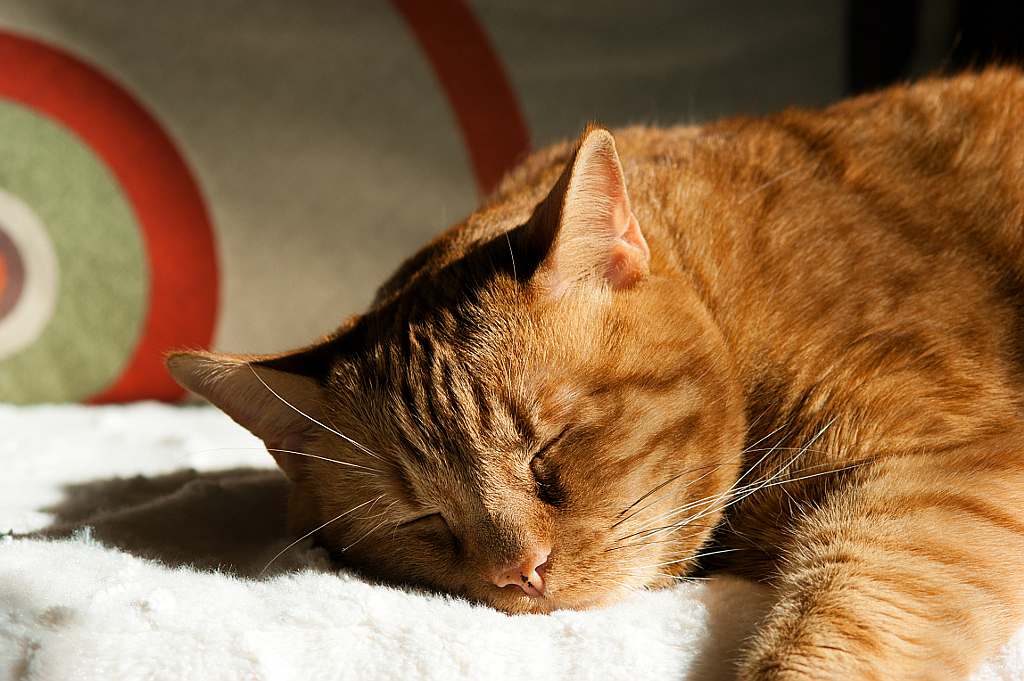
Like humans, cats experience varying energy levels throughout the day. They might ignore you simply because they’re tired, relaxed, or not in a social mood. This is especially true during their natural rest periods, which can occupy up to 16 hours of their day. Sometimes what feels like rejection is really just your cat being completely content in their current state.
Their crepuscular nature means they’re most active during dawn and dusk hours. If you’re trying to engage them during their natural downtime, they might simply lack the energy or motivation to respond. Think of it like trying to have an animated conversation with someone who’s deeply relaxed and enjoying a peaceful moment.
Physical Discomfort Can Cause Withdrawal
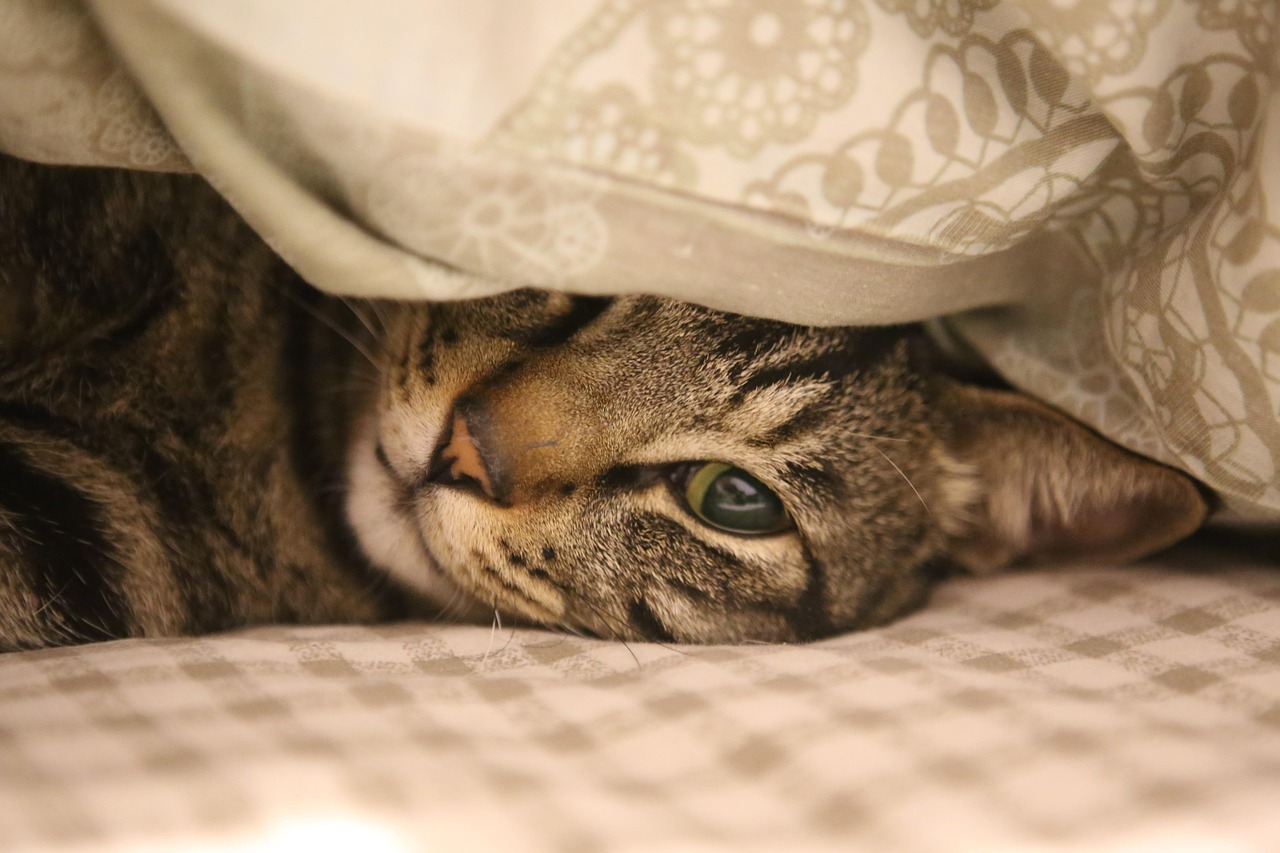
Sometimes, being ignored by your cat could signal underlying health issues. Senior cats may develop hearing or vision problems that make them less responsive. Any sudden change in your cat’s social behavior, especially when accompanied by other symptoms, warrants a veterinary check-up. A cat’s body language not only reveals a lot about how the cat’s emotions, but it also can reveal whether the cat is sick. Cats are extremely good at hiding illness, so small feline body language cues can be the first signs of trouble.
A cat who’s feeling sick might hold their head low and squint their eyes or hold them shut. Their ears might sit low or rotated outward, and their whiskers might be pointing downward. They might hold their head, feet, and tail very close to their body so that they’re tucked into a tight ball. What appears to be ignoring behavior might actually be your cat conserving energy while dealing with discomfort.
Conclusion
The next time your cat walks past you like you don’t exist, remember that their behavior reflects millions of years of evolution, complex emotional intelligence, and sophisticated coping mechanisms. They’re not being mean or spiteful – they’re simply being cats. Understanding these emotional truths can transform frustration into fascination and help you build a deeper, more respectful relationship with your feline companion.
Rather than taking their independence personally, appreciate it as a glimpse into one of nature’s most successful survival strategies. Your cat’s selective attention isn’t a rejection – it’s a testament to their remarkable self-sufficiency and emotional complexity. What do you think about it? Tell us in the comments.