Have you ever wondered if your feline companion holds grudges or if they truly forgive you after an accidental mishap? The fascinating truth about cats and forgiveness might surprise you. While cats don’t experience forgiveness in the complex emotional way humans do, they have their own remarkable ways of showing they trust you again and want to rebuild your bond.
Understanding these subtle signals becomes especially important when you’ve accidentally stepped on their tail, raised your voice, or had to take them to the vet. Their response tells us everything about their incredible ability to move past negative experiences and return to a loving relationship with us. Let’s dive into the ten unmistakable signs that show your cat has forgiven you and wants to restore harmony.
The Slow Blink of Love Returns
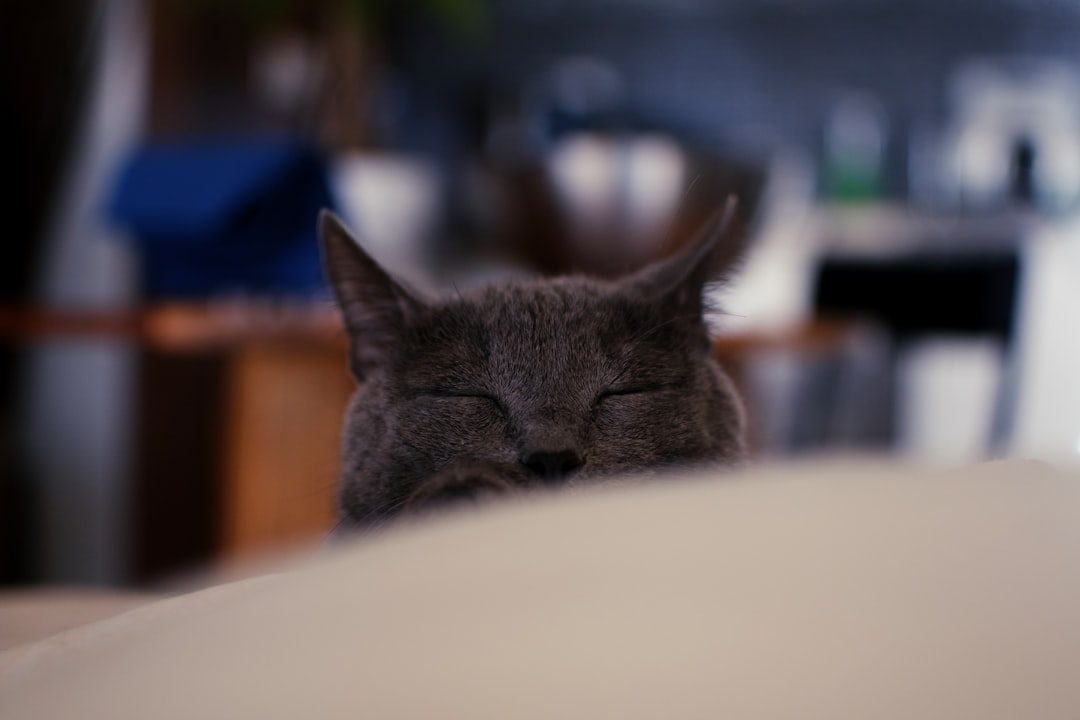
When your cat slowly blinks at you, it means they trust and love you. This gentle gesture is often called a “kitty kiss” and represents one of the most profound signs of feline forgiveness.
Slow blinking is a sign of trust and comfort, and reciprocating the gesture can reinforce the feeling of safety. After you’ve upset your cat, the return of these deliberate, soft eye closures indicates they no longer perceive you as a threat. If Fluffy does this, return the gesture by blinking slowly back at her.
This behavior emerges naturally once your cat feels secure in your presence again. You’ll notice their eyes become soft and relaxed, quite different from the wide, alert eyes they show when feeling threatened or anxious.
Belly Exposure as Ultimate Trust
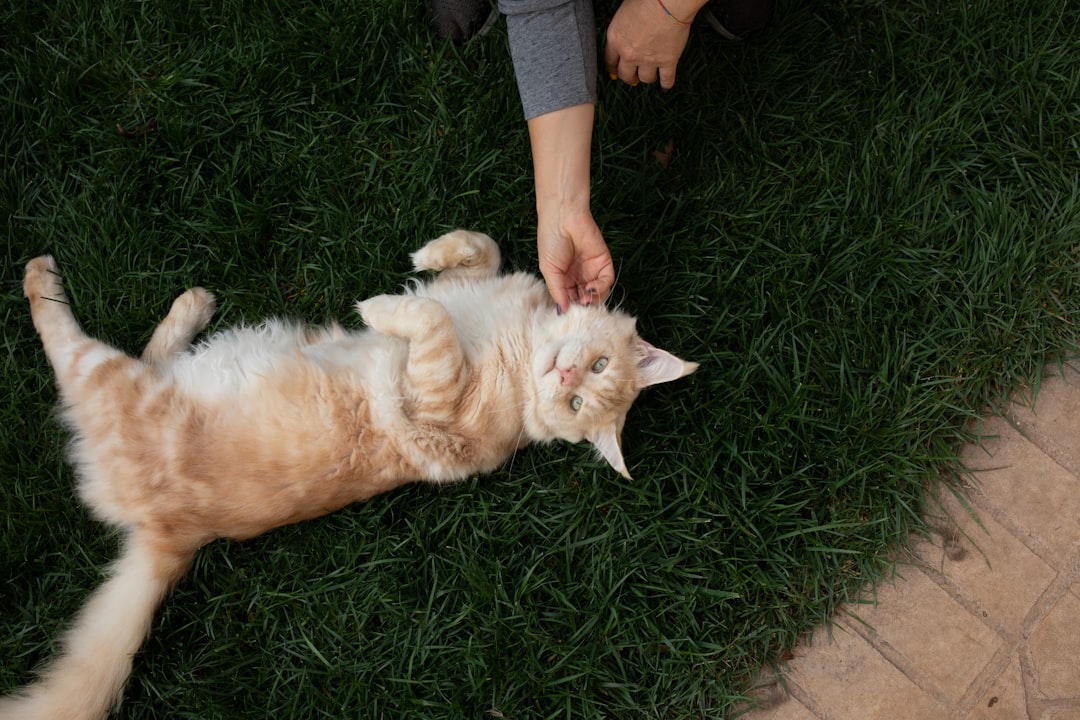
Cats don’t tend to show their belly to just anyone, so if they roll onto their back in front of you, this is a sure sign of trust because the belly is vulnerable, so showing it to you indicates that your cat feels comfortable and relaxed in your presence. This vulnerable display represents the pinnacle of feline forgiveness.
The exposed belly position takes tremendous courage for a cat to display. In the wild, showing their most vulnerable area to anyone would be extremely dangerous. When your cat does this after a conflict, they’re essentially saying they trust you completely with their safety.
However, remember that not every cat appreciates a tummy rub, and some swipe and grab at any hands that venture anywhere close to that region. The message here isn’t an invitation to touch, but rather a demonstration of restored trust.
Purring Returns to Your Presence
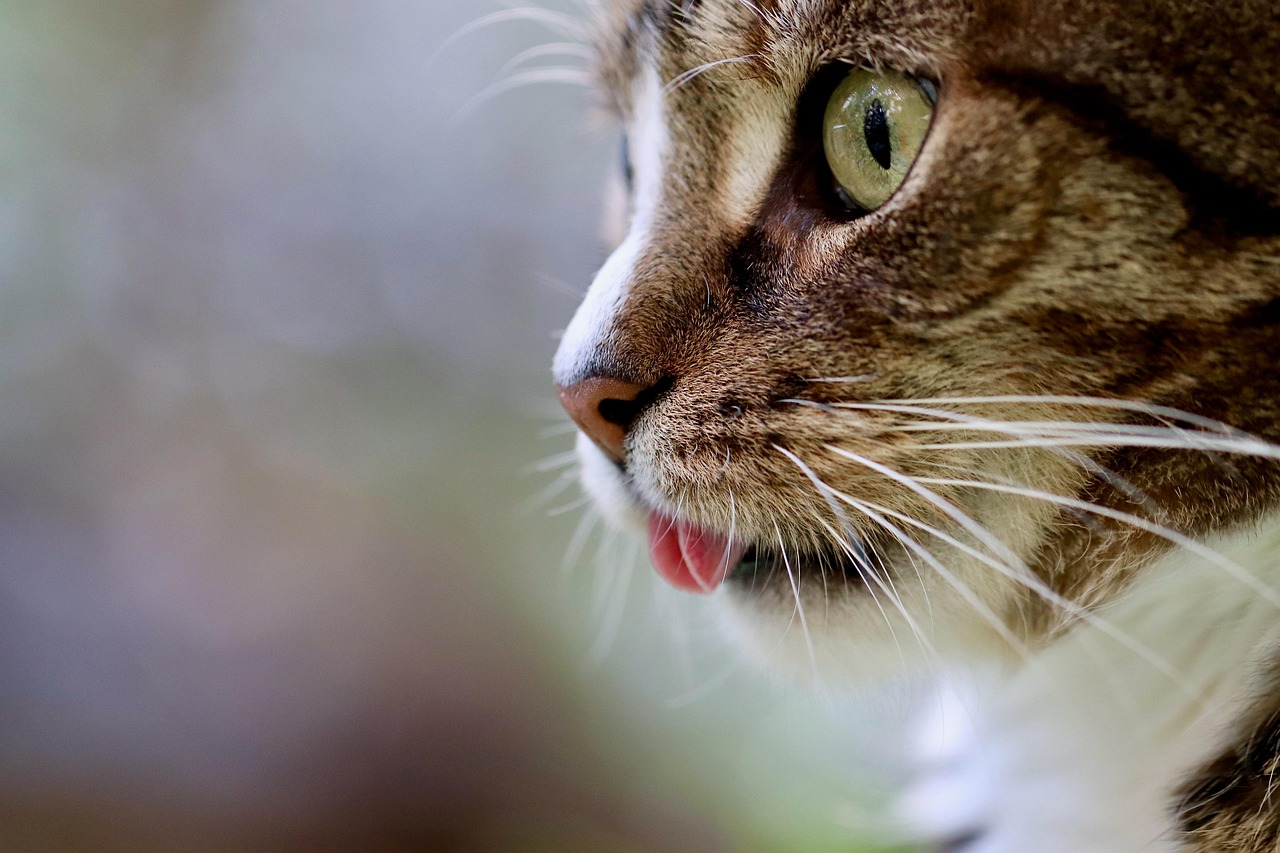
The gentle rumble of purring is one of the most obvious signs that your cat has moved past any negative feelings. They have been known to purr and rub against their owners after being scolded or disciplined for bad behavior. This soothing vibration indicates contentment and a desire to reconnect.
Interestingly, cats sometimes purr in stressful situations as a self-soothing mechanism. However, when combined with relaxed body language and approach behaviors, purring clearly signals forgiveness and a return to normalcy in your relationship.
The purr that follows forgiveness often sounds different from stress-induced purring. It’s typically deeper, more rhythmic, and accompanied by other positive behaviors like kneading or head bumping.
Physical Contact and Rubbing Behavior
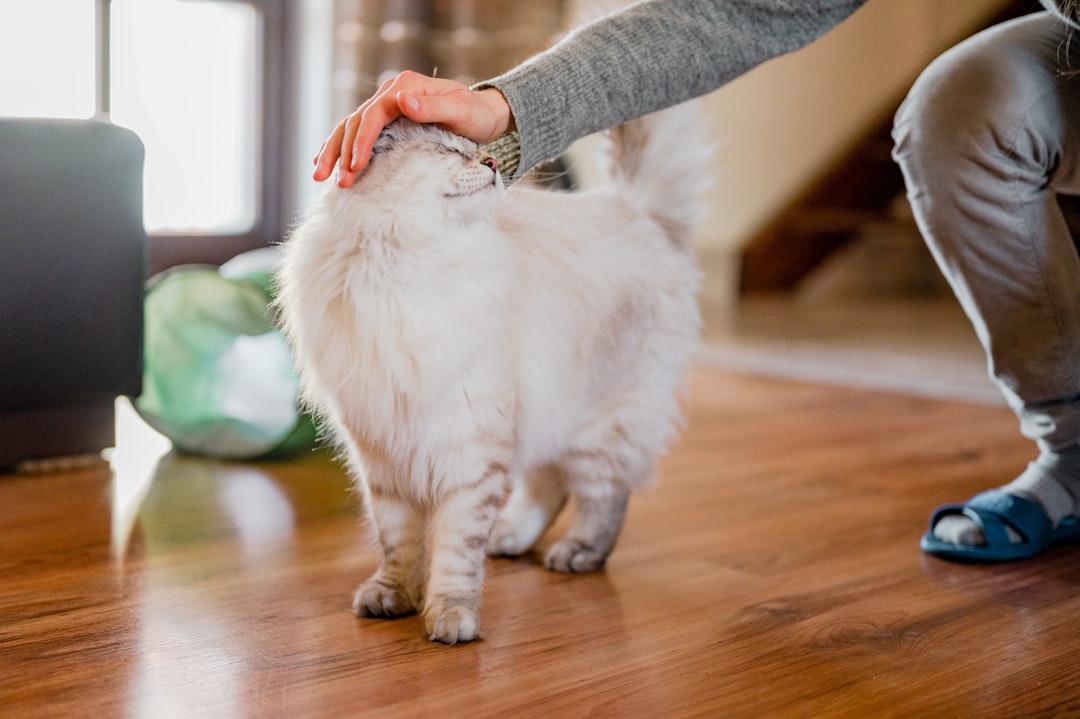
Usually, cats tend to seek physical contact to apologize, meaning they intend to rectify the situation through physical interaction, such as rubbing against their owner’s legs, purring, and making subtle and delicate movements. This tactile forgiveness demonstrates their desire to restore the bond between you.
Cats might attempt to rectify an unpleasant situation by moving closer to you and touching you. They’ll often approach cautiously at first, then gradually increase contact as they gauge your response.
This behavior serves multiple purposes beyond showing forgiveness. When cats rub against things, they’re depositing their scent on them as a way of claiming them, and there are scent glands in the cheeks, chin, and on the top of the head, and these glands deposit pheromones to mark that something is familiar and a part of the cat’s territory.
Return of Kneading Behavior
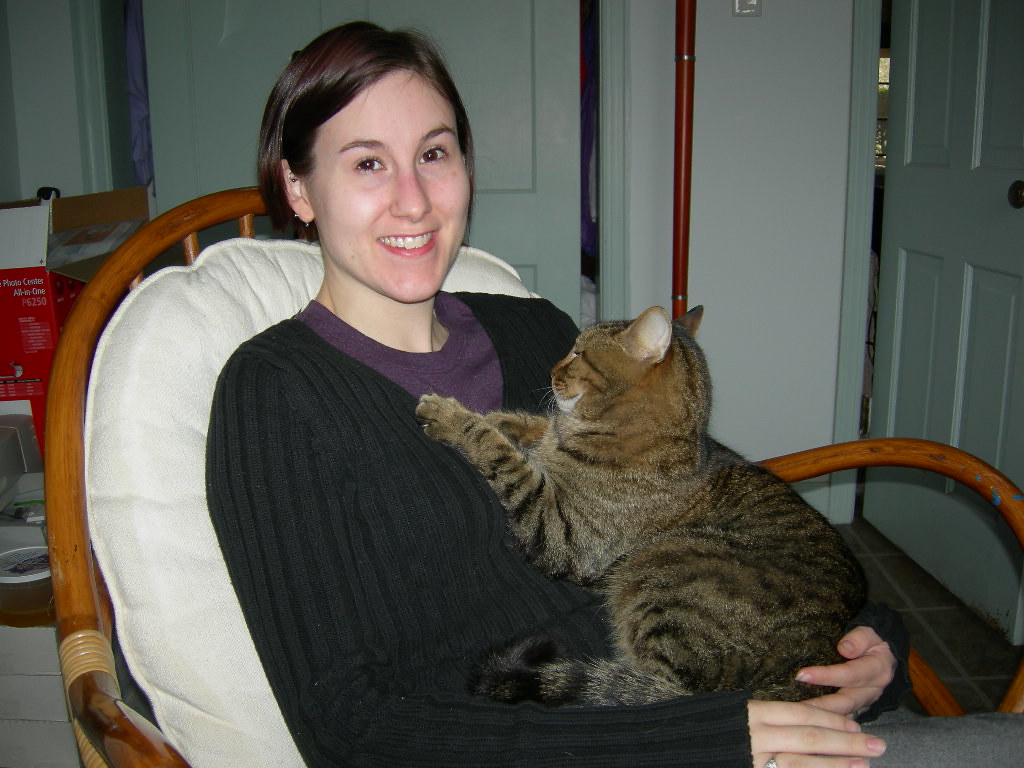
Kneading expresses deep contentment and comfort. If a cat sits on your lap, rubs their cheeks against you to mark their territory, then begins kneading, you can safely assume they do, in fact, love you. This rhythmic paw movement signals complete emotional restoration.
This behavior, also called making biscuits, is also a way for cats to release pheromones through the scent glands they have on their paws, just like when they headbutt you, to mark you as their territory. At the same time, they’re showing that they’re completely comfortable in your presence because they trust you enough to be that close to you.
The return of kneading after a conflict represents deep emotional security. Cats only knead when they feel completely safe and content, making it one of the most reliable indicators of forgiveness.
Resumption of Normal Eating and Play Patterns
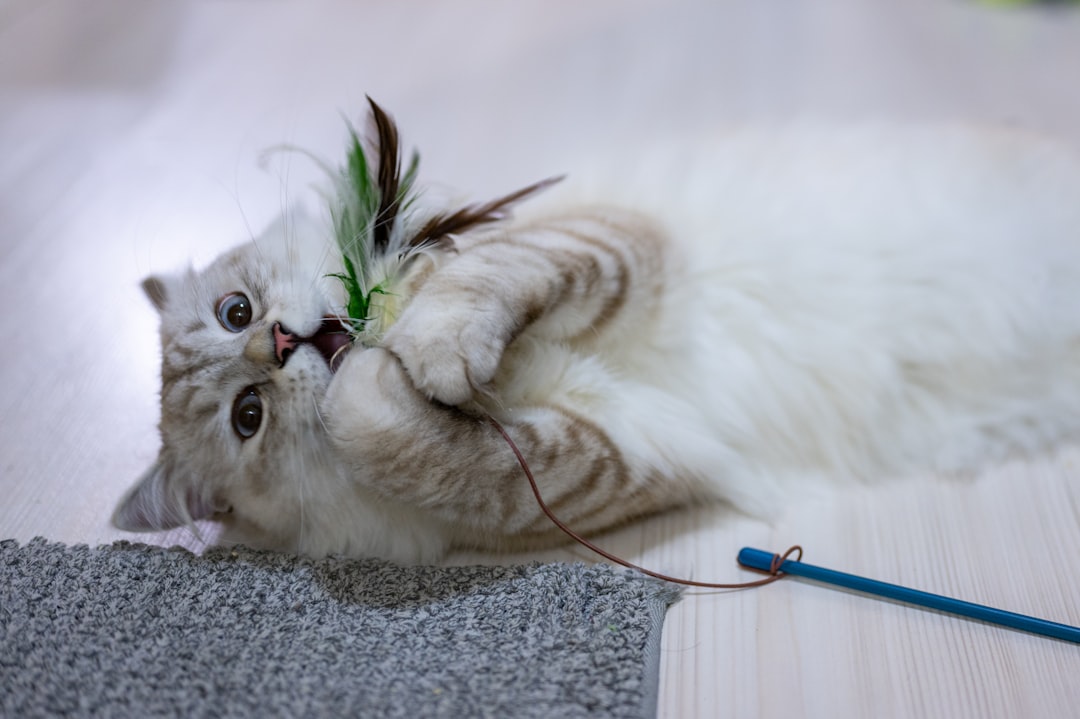
When cats forgive, they return to their regular routines with enthusiasm. You’ll notice them eating normally again, engaging with their favorite toys, and showing interest in activities they might have avoided immediately after the incident.
This behavioral normalization happens because being back in the comfort of home has to do with her associative memory. The smells, sights and sounds are all familiar to her, and if your home is a warm and loving one, all of those things work together to make her remember that home is a safe and fun place.
Their appetite returns, their curiosity about their environment resumes, and they begin seeking out their usual comfortable spots around the house. This return to normalcy indicates they no longer associate you with threat or discomfort.
Seeking Out Your Company Again
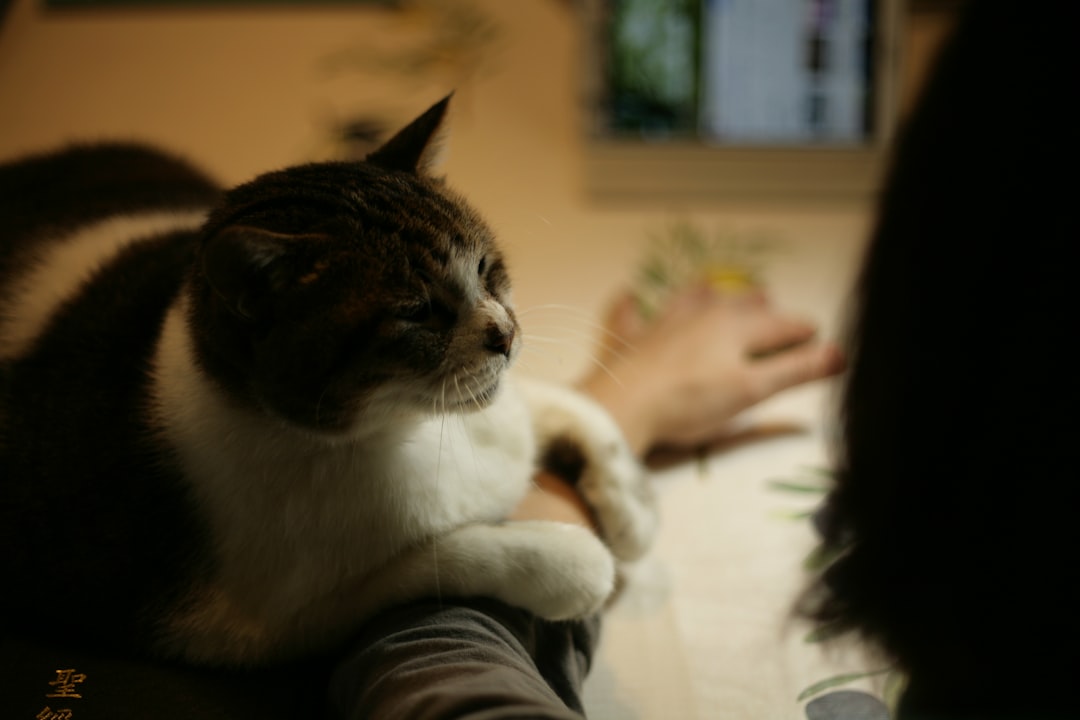
Forgiveness becomes obvious when your cat actively chooses to spend time near you again. If your cat enjoys spending time close to you, whether that’s on your lap, next to you while you watch TV, or even just up on a cat tree or shelf watching you while you go about your business, it means they’re comfortable enough around you to want to share your space.
This proximity-seeking behavior represents a conscious choice on their part. Cats have complete autonomy over where they spend their time, so when they deliberately choose to be near you after a conflict, it’s a clear sign of restored trust.
You might find them following you from room to room, settling nearby while you work, or simply appearing wherever you are. This shadowing behavior demonstrates their forgiveness and desire to reestablish closeness.
Vocal Communication Resumes
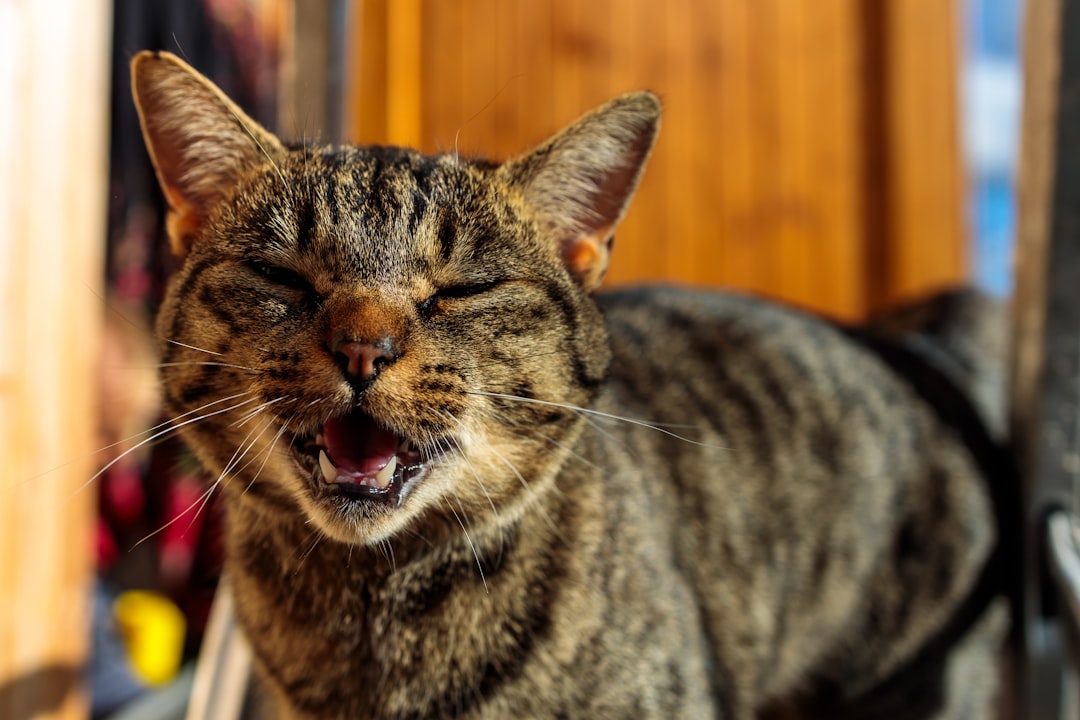
The return of normal vocalizations indicates your cat feels comfortable communicating with you again. Cats may also purr or meow near us to let us know they want to feel connected again. These sounds represent their attempt to reestablish dialogue.
After forgiving you, cats often resume their usual chattering, greeting meows, and conversational sounds. They might meow when they see you, trill when you enter a room, or engage in those delightful back-and-forth vocal exchanges that many cat owners cherish.
The tone and frequency of these vocalizations will return to their pre-incident patterns. Forgiven cats sound relaxed and content, not stressed or demanding. Their voice becomes an invitation to interact rather than a complaint or protest.
Bringing Gifts and Offerings
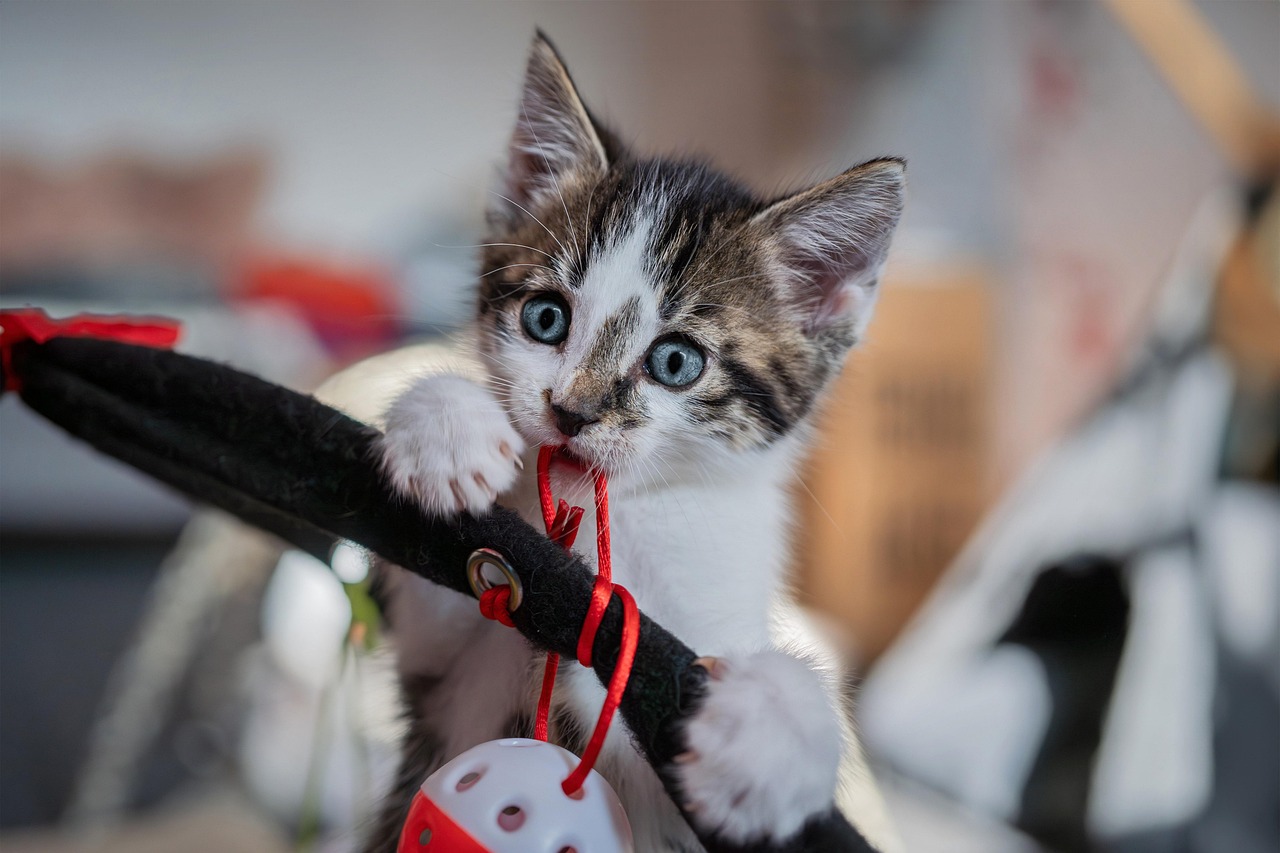
Cats often bring objects to their humans as a sign of affection; the usual, albeit not very pleasant, is the hunting of a rodent or bird if they have outdoor access. If they are indoors, it will be some object or toy. This gift-giving behavior signals restored affection and trust.
They might initiate playtime by bringing their favorite toy for you. These offerings represent their desire to share something valuable with you and reestablish positive interactions.
Indoor cats might bring you their favorite mouse toy, a hair tie they’ve claimed, or even random household objects they’ve decided are gifts. The key is understanding that they’re choosing to share something meaningful with you as a gesture of reconciliation.
Sleeping Near or With You
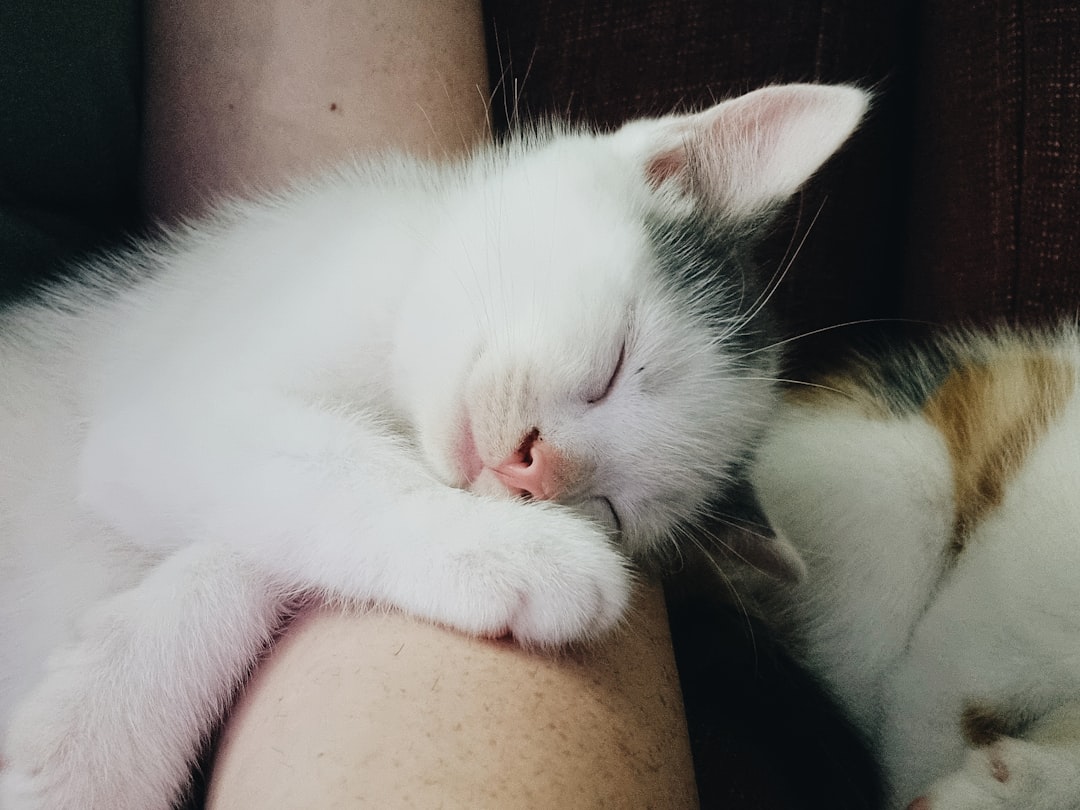
Cats are the most vulnerable when they’re sleeping. Though domestic cats have nothing to fear, the instincts passed down from their wild ancestors are still very much in evidence. This is a real honor, as it means your cat trusts you to protect them.
When your cat returns to sleeping on your bed, near you, or even on top of you after a conflict, it represents the ultimate sign of forgiveness and trust restoration. Sleep is when they’re most defenseless, making their choice of sleeping location deeply significant.
You might wake up to find them curled up beside you, or notice them choosing their favorite sleeping spot in your bedroom again after avoiding it during the period of tension. This behavior demonstrates complete faith in your protection and care.
Relaxed Body Language and Posture
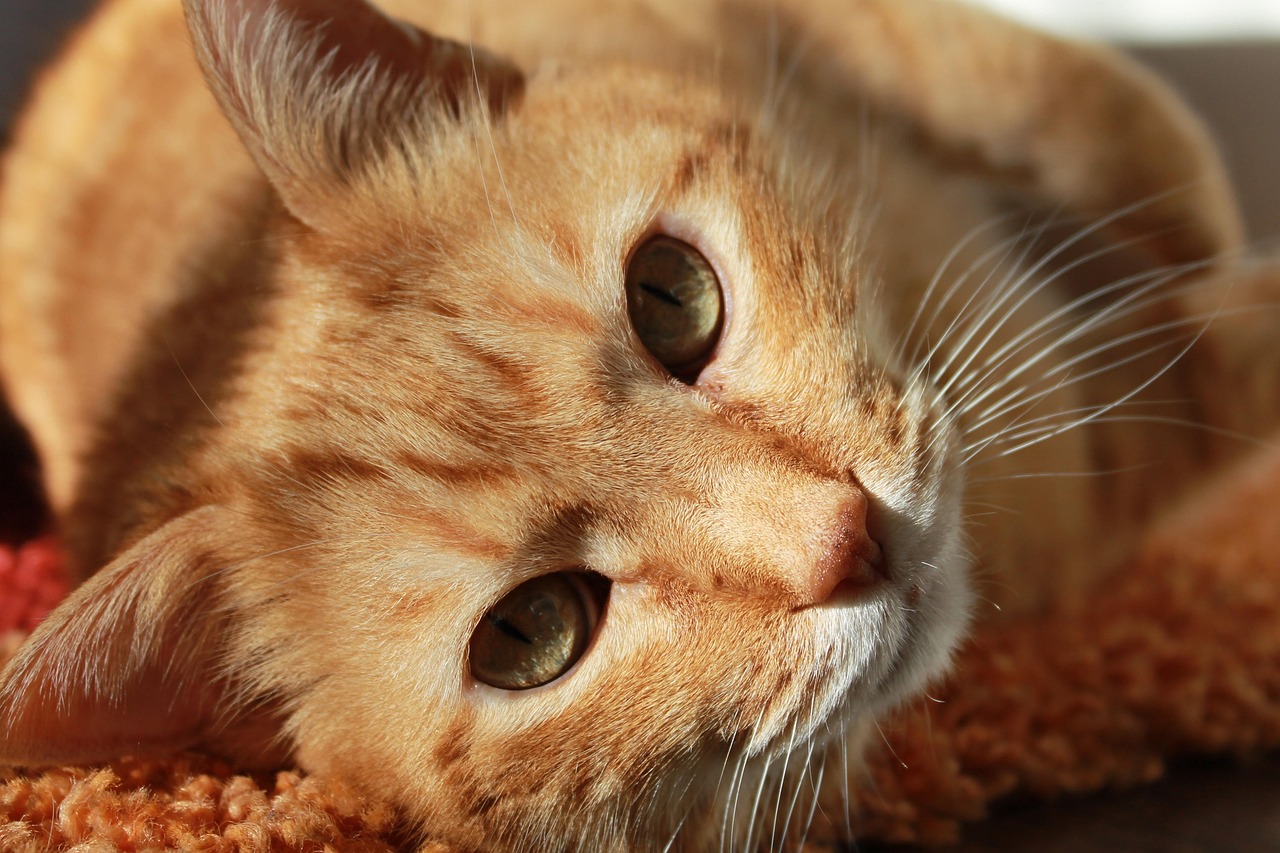
When a cat is feeling content and relaxed, they may be lying down with their paws tucked under their body or stretched out comfortably. Their tail might be gently curled or flicking slowly. A relaxed cat often has a soft expression, with eyes partially closed and ears facing forward. This is a sign that your cat feels safe and at ease in their environment.
The overall transformation in your cat’s body language provides the clearest evidence of forgiveness. Tense, defensive postures give way to loose, comfortable positioning. Their ears remain forward and relaxed, their whiskers return to a neutral position, and their entire body appears soft and unguarded.
You’ll notice they no longer flinch when you move suddenly, their tail remains in friendly positions, and they approach you with confident, unhurried movements. This comprehensive physical relaxation indicates complete emotional restoration.
Conclusion
Understanding these ten signs of feline forgiveness helps us appreciate the remarkable emotional intelligence of our cats. While cats don’t experience forgiveness in the same way humans do, they are remarkably adaptable creatures capable of moving past negative experiences and rebuilding trust. Their forgiveness might look different from ours, but it’s no less genuine or meaningful.
Cats are extremely forgiving, and if you accidentally step on their tail, they may become vocal and run and hide temporarily, but they are unlikely to hold it against you and will come back out when you call them to say you’re sorry. The bond that you have won’t be affected by an accident. This resilience in relationships shows us just how much our feline companions value their connection with us.
What signs of forgiveness have you noticed in your cat after a misunderstanding? Tell us in the comments about your experiences with rebuilding trust with your feline friend.