Think your cat doesn’t care whether you come or go? Think again. While dogs wear their emotions on their sleeves, our feline companions have mastered the art of subtle communication. Research has shown that cats can indeed bond deeply with their owners, challenging the commonly held idea that cats are unable to develop attachments to their caregivers. Perhaps surprisingly to those who think cats don’t care about us, 64 percent of felines were identified as having secure attachment styles.
Recent studies reveal that cats experience separation just like dogs and children do, though they express it in ways that often fly under our radar. So let’s dive into the fascinating world of feline emotions and discover the ten telltale signs that your supposedly independent cat actually misses you more than you might realize.
Excessive Vocalization Upon Your Return
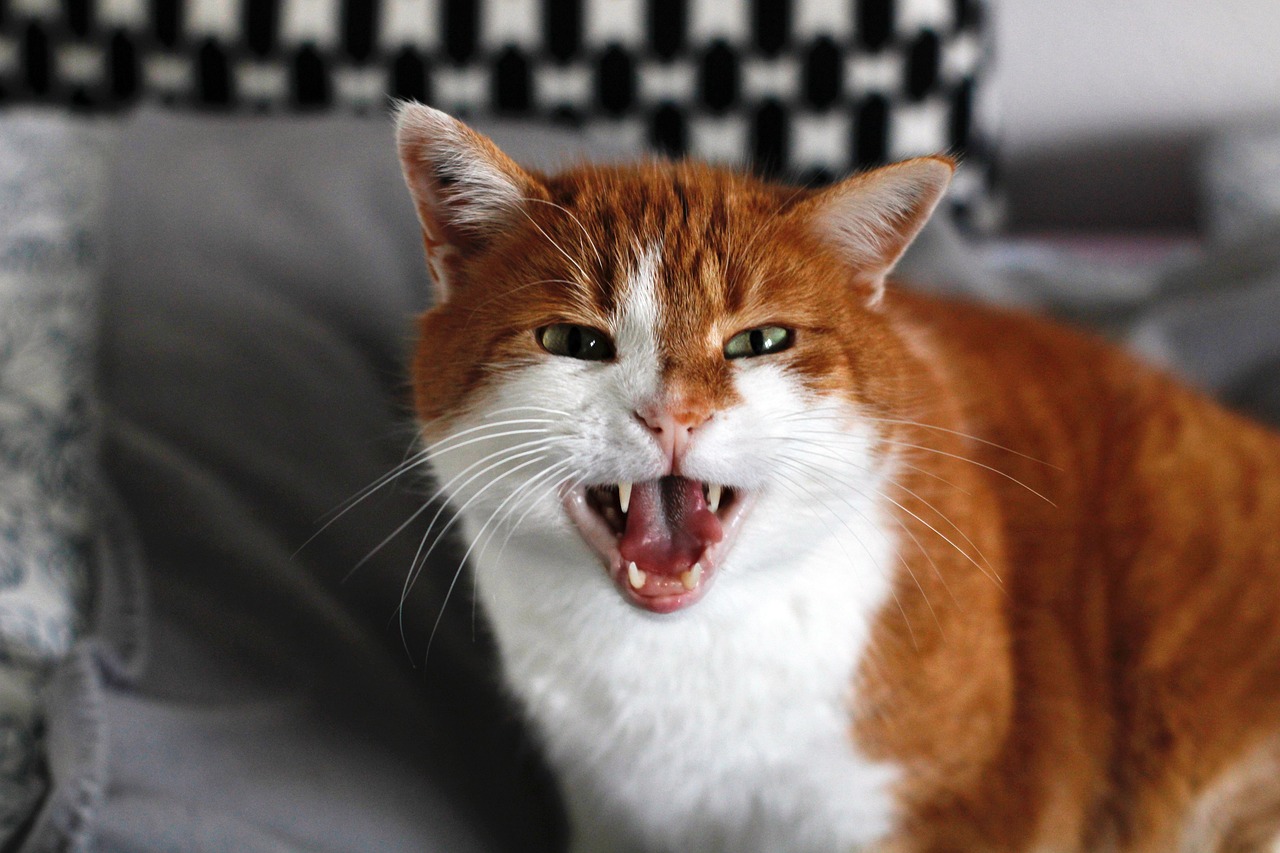
The moment you walk through the door, does your cat transform into a chatty commentator? Cats may make more sounds, like meowing and trilling, to communicate with you and get your attention, and increased meowing is a sign that they missed you and crave your attention.
This vocal greeting isn’t just random noise. Your cat is literally telling you about their day, expressing relief at your return, and possibly scolding you for being away so long. Being louder than normal can involve yowling, meowing, or crying.
Some cats develop specific “welcome home” vocalizations that they reserve exclusively for your return. These sounds might be different from their regular meows, often higher pitched or more melodic, showing they’ve been anticipating this moment.
Following You From Room to Room
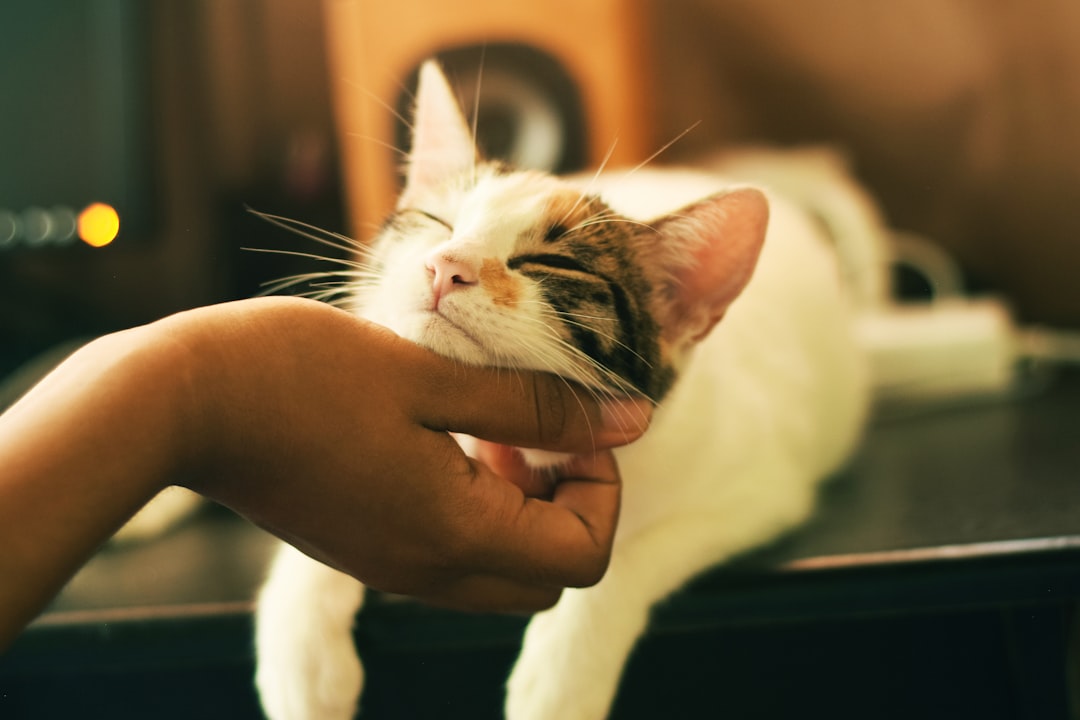
If your cat has been shadowing you ever since you got back from your holiday, your darling feline missed you terribly. This clingy behavior is their way of making sure you don’t disappear again anytime soon.
Your previously independent cat suddenly becomes your shadow, appearing in every room you enter. They might sit just outside the bathroom door or position themselves where they can keep a watchful eye on your movements. This behavior typically normalizes after a day or two as they adjust to your presence.
Think of it as your cat’s version of “making up for lost time.” They’re soaking up your presence after feeling your absence, almost like they’re recharging their emotional batteries through proximity to you.
Bringing You “Gifts” and Toys
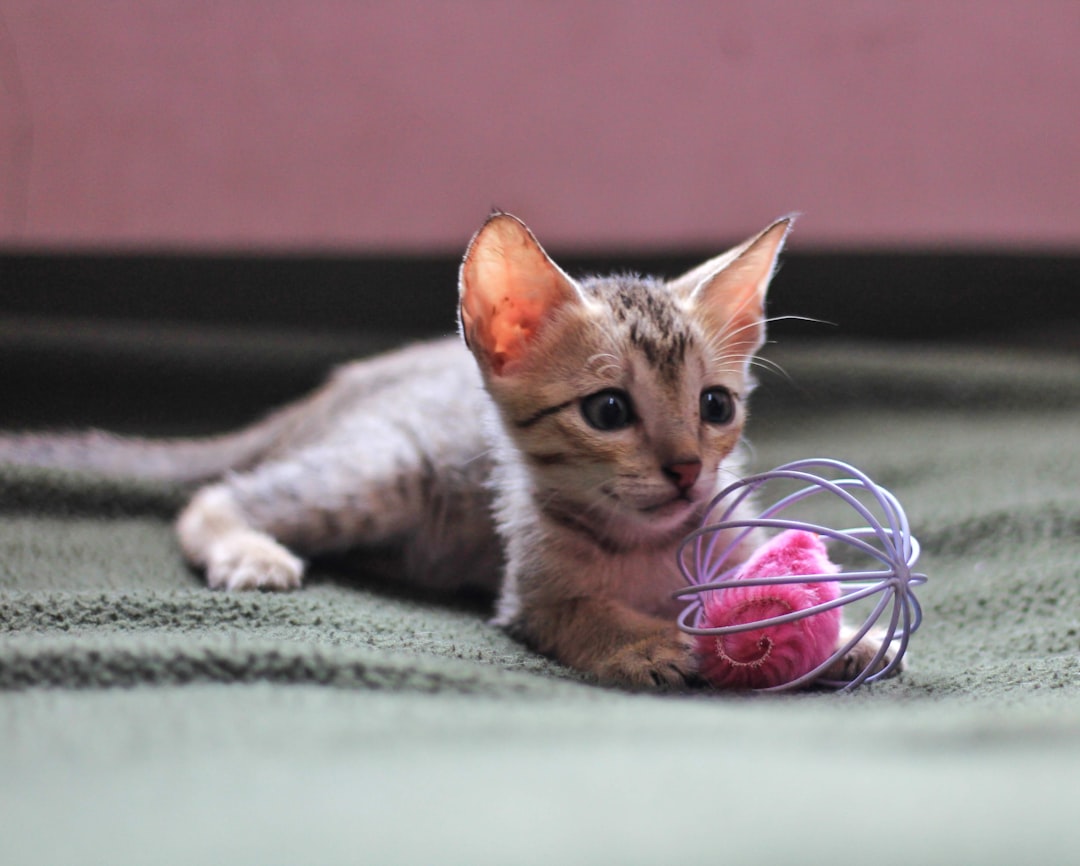
Has your cat suddenly become generous with their favorite mouse toy or started leaving mysterious “presents” by your bed? Cats may display favorite toys or gifts as “presents” to engage you when they’ve missed your companionship.
This gift giving behavior stems from their hunting instincts and is actually a profound expression of affection. By bringing you their prized possessions, they’re showing you’re part of their inner circle. It’s their way of saying “I thought of you while you were gone.”
Whether it’s a toy mouse, a hair tie they’ve claimed, or something they’ve “hunted” around the house, these offerings represent their attempt to share and reconnect with you after your absence.
Positioning Themselves by the Door
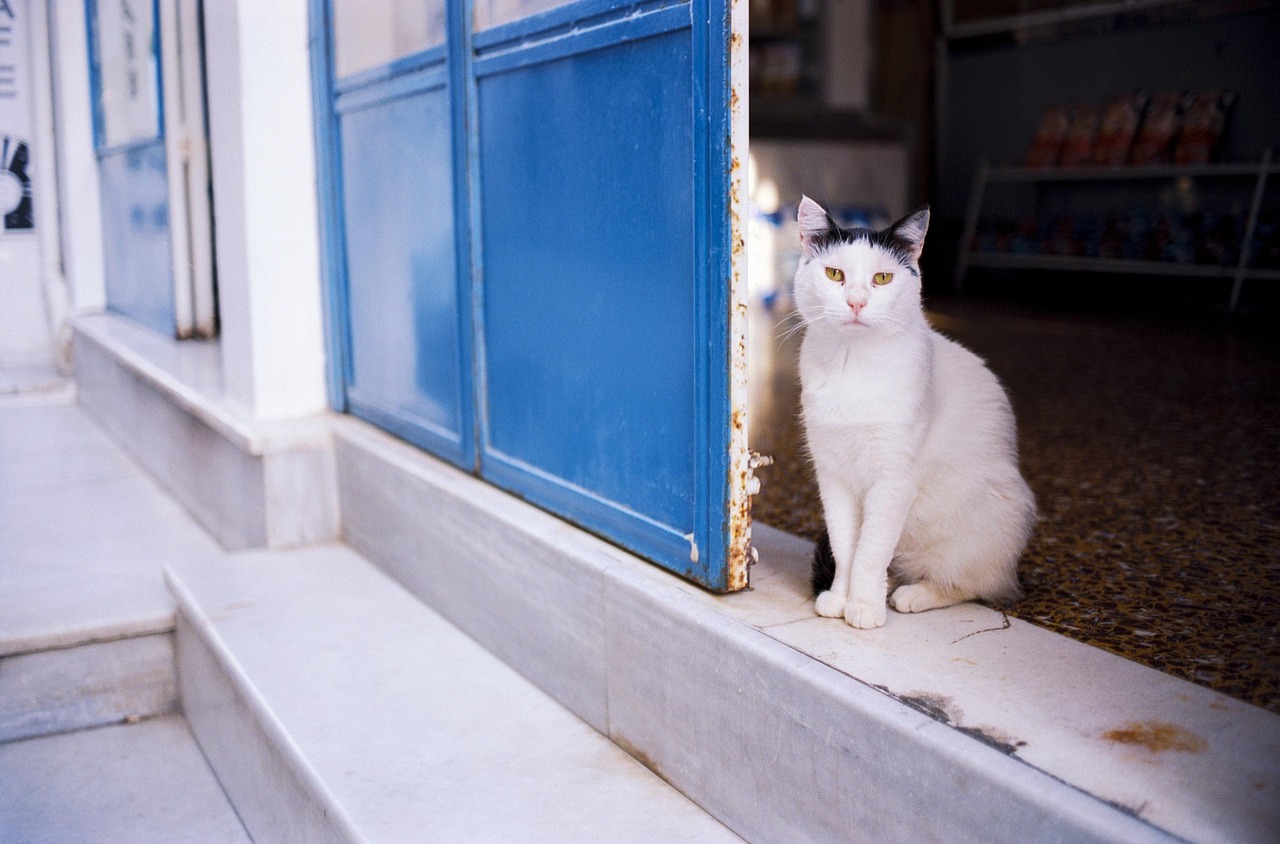
Some cats will sit by the door or run to it when they hear you coming home, and if you find your cat strategically placed by the door with an expectant gaze and alert ears, it has missed you and has been anticipating your return.
Rather than engaging in its own activities, the cat remains at the front door the entire time awaiting your return. This door watching behavior indicates they’ve been actively waiting for you, not just coincidentally happening to be there when you arrive.
Some cats develop such precise timing that they seem to know exactly when you’re coming home, positioning themselves as your personal welcoming committee. This behavior shows they’ve been thinking about your return throughout your absence.
Increased Affection and Physical Contact
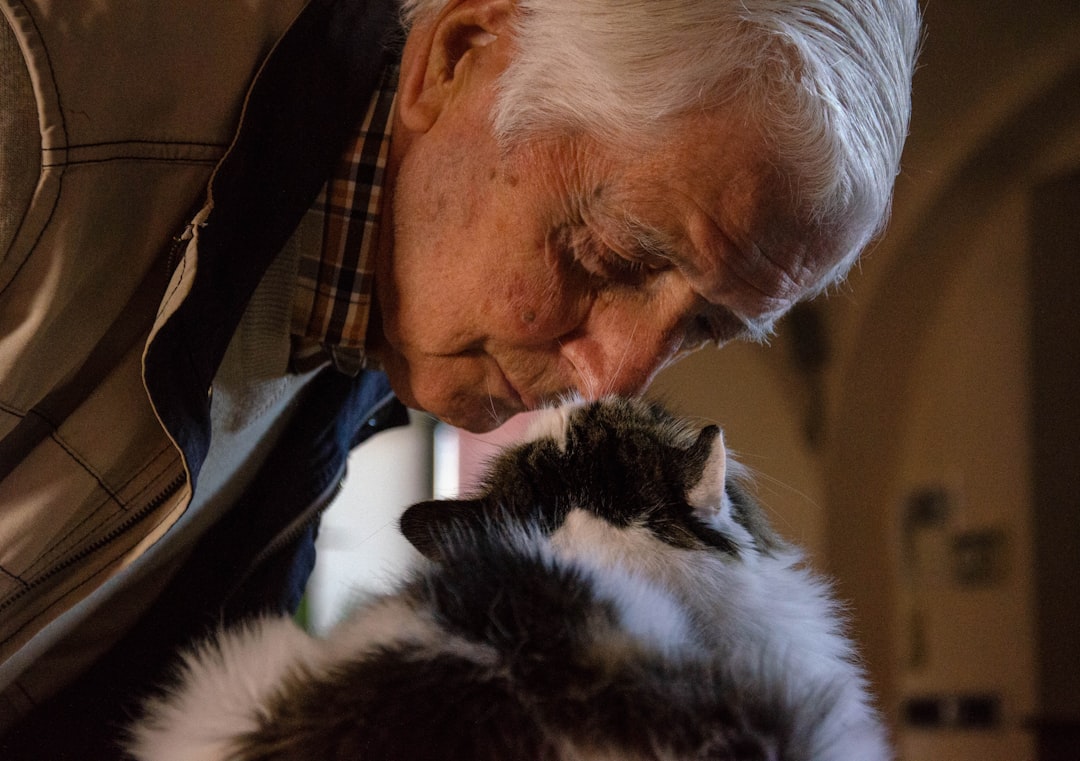
If your cat greets you when you come home, they’re expressing that they’re happy you’re back. You might notice more head bonks, purring, and rubbing against your legs than usual.
Rhythmic paw-kneading often surfaces when your cat is feeling content and secure, and a combination of that with symphonic purring is the sign you have been waiting for: your kitten missed your companionship and is overjoyed that you are back.
This heightened affection serves as their way of reestablishing the bond and marking you with their scent again. They’re essentially saying “you’re mine” and reconnecting on a physical level after the emotional distance of separation.
If your cat displays heightened affection after you return home, it could mean they genuinely missed you.
Changes in Eating Habits
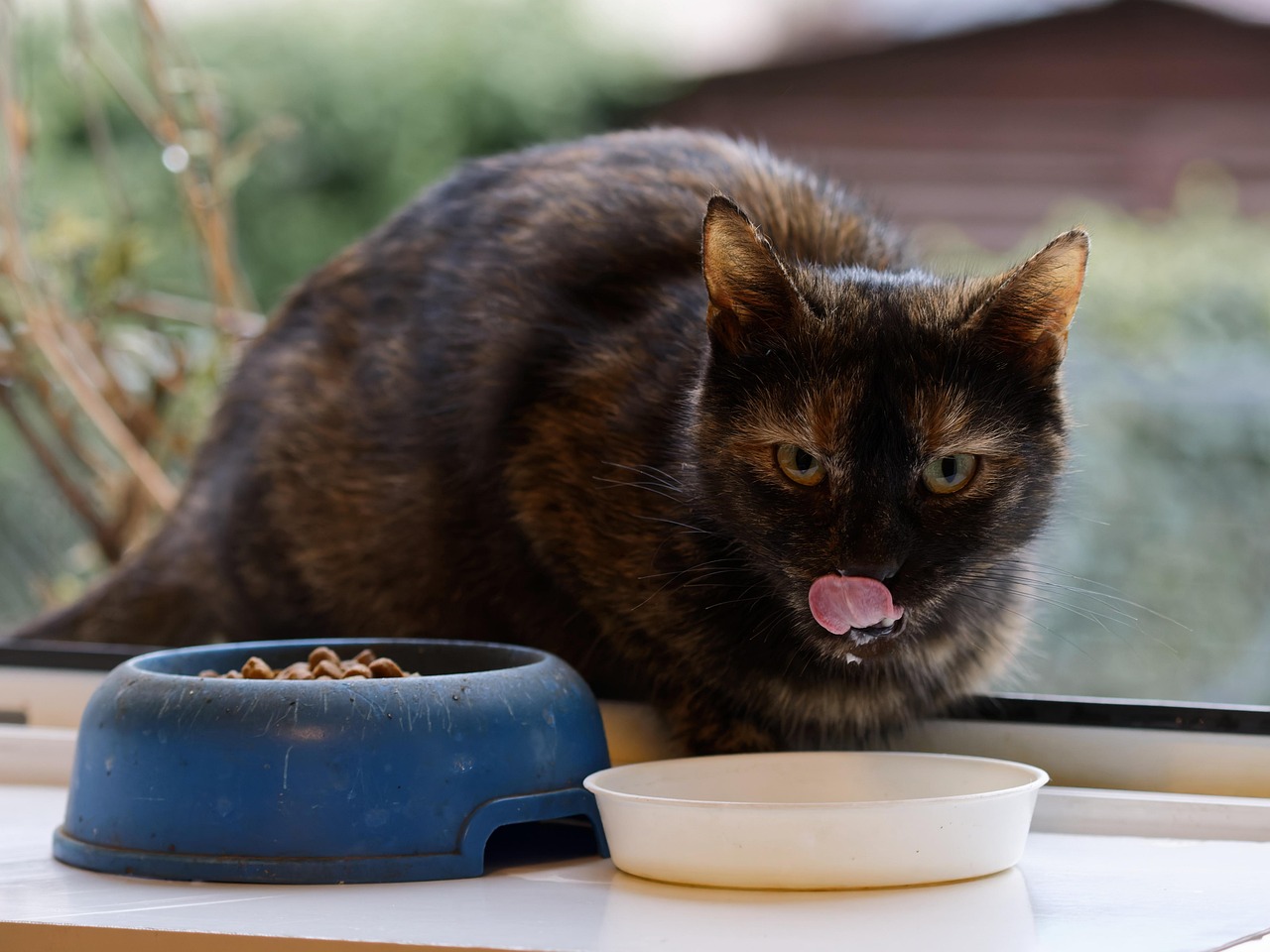
Your absence might have disrupted your cat’s eating routine and this can cause a change in their eating habits. Some cats eat less, while others may overindulge due to stress. Both behaviors are reflective of their longing for your consistent presence.
You might notice that your cat doesn’t eat or drink when left alone, waiting instead for your return to resume normal feeding patterns. This isn’t just about food security; it’s about the comfort and routine your presence provides.
A cat that feels sad or anxious over your absence may lose interest in food or begin overeating, which could disrupt their natural feeding routines and affect their health over a longer period.
Sleeping on Your Belongings
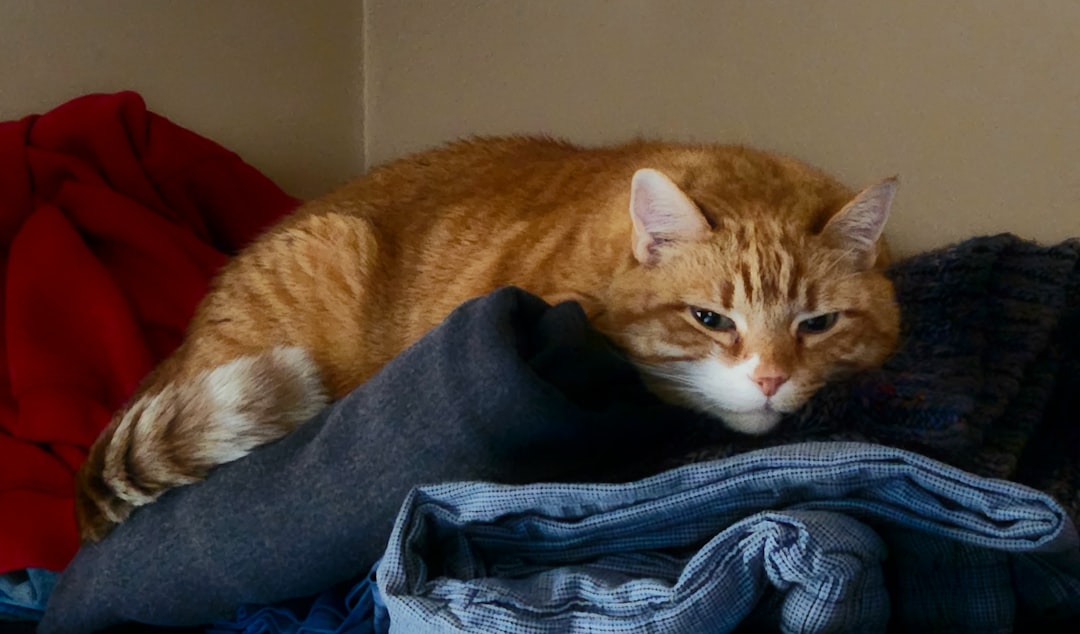
Cats love their scent, it is their way of marking territory, and if you find your cat nestling among your recently worn clothes, that is a clear indicator that they are longing for you. Your scent provides comfort and connection when you’re not physically present.
You might return home to find your cat has claimed your favorite chair, made a nest in your laundry basket, or is curled up on the bed where your pillow smells strongest. This behavior shows they’ve been seeking comfort in your absence through your familiar scent.
This scent seeking behavior is so powerful that many cat behaviorists recommend leaving a worn piece of clothing with your cat when you travel, as it can help reduce their anxiety and provide emotional comfort.
Destructive or Attention Seeking Behaviors
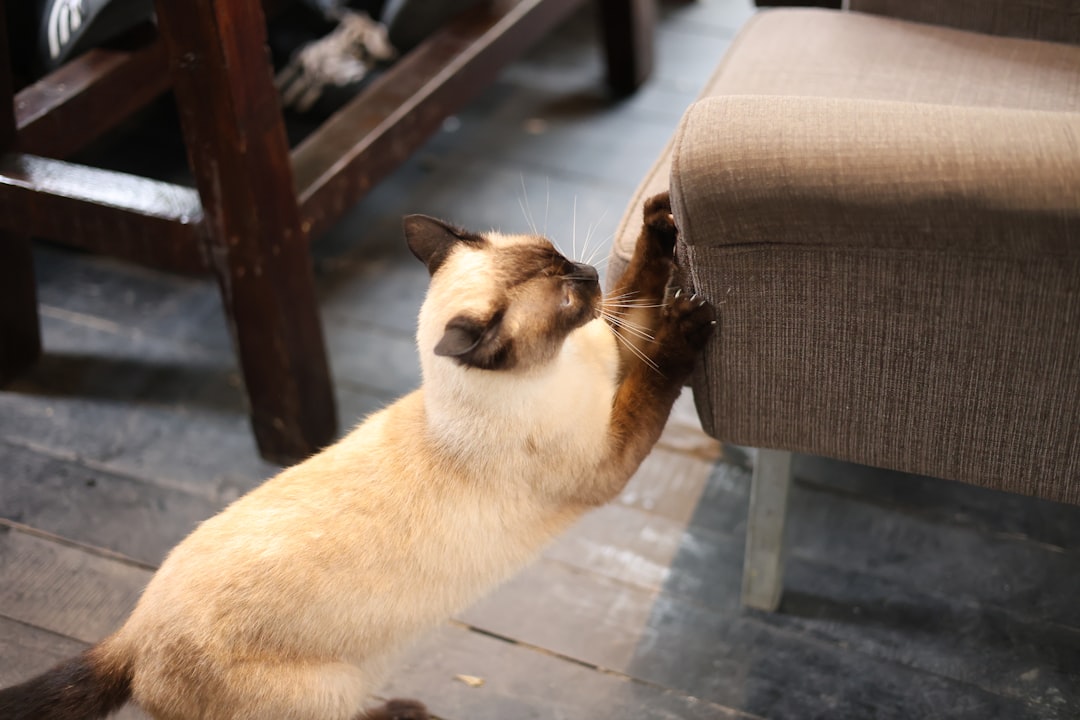
When cats are lonely, they may knock things over, scratch furniture, or chew on non food items. Destructive behavior was the most frequently reported behavior among cats with separation related problems.
These behaviors aren’t necessarily vengeful or spiteful. Instead, they’re often a cat’s way of dealing with stress, boredom, or anxiety caused by your absence. If your cat is bored or stressed out while you are gone, they may develop destructive behaviors such as clawing at the furniture or getting into things. This bad behavior can be a cry for attention, indicating that your cat missed you.
The key difference between normal mischief and separation related destruction is the timing and context. If these behaviors primarily occur when you’re away and stop when you return, they’re likely expressions of missing you rather than random troublemaking.
Excessive Grooming Behaviors
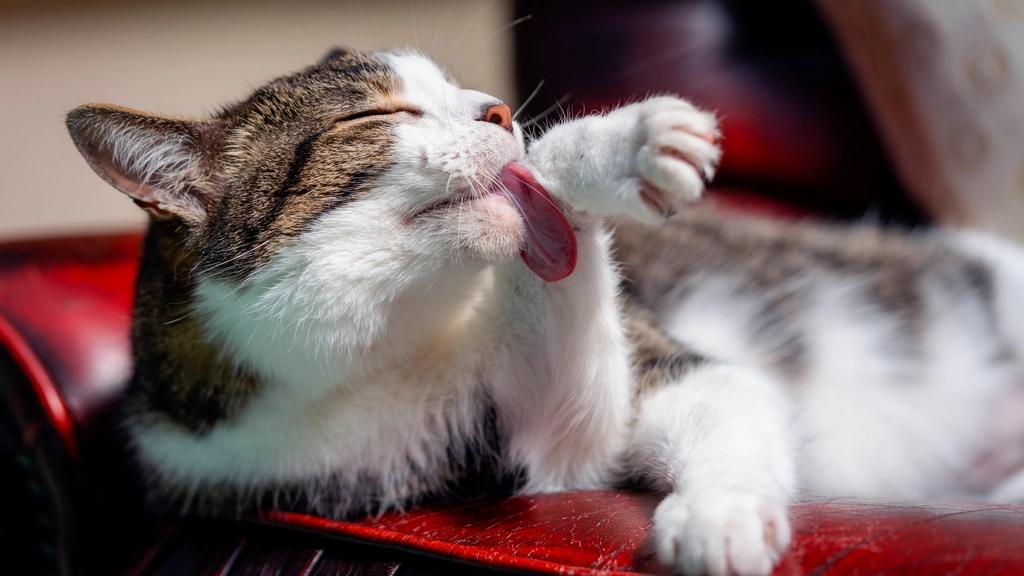
Cats, when experiencing stress or anxiety due to your absence, may resort to excessive grooming as a coping mechanism. Cats may over groom themselves in times of stress, such as when they miss their owners, and over grooming can result in hair loss, skin redness, and damage.
While grooming is normal cat behavior, excessive licking that creates bald patches or raw spots indicates emotional distress. This self soothing behavior intensifies when they’re feeling anxious about your absence or uncertain about when you’ll return.
Interestingly, some cats also increase their grooming of their owners upon return. Cats groom one another as a sign of affection, and when trust is established, this behavior will also be extended to their owners. It may be unusual when your cat decides to lick your hands or face, but consider it a kind gesture from your cat that is grateful for you coming home.
Litter Box Issues
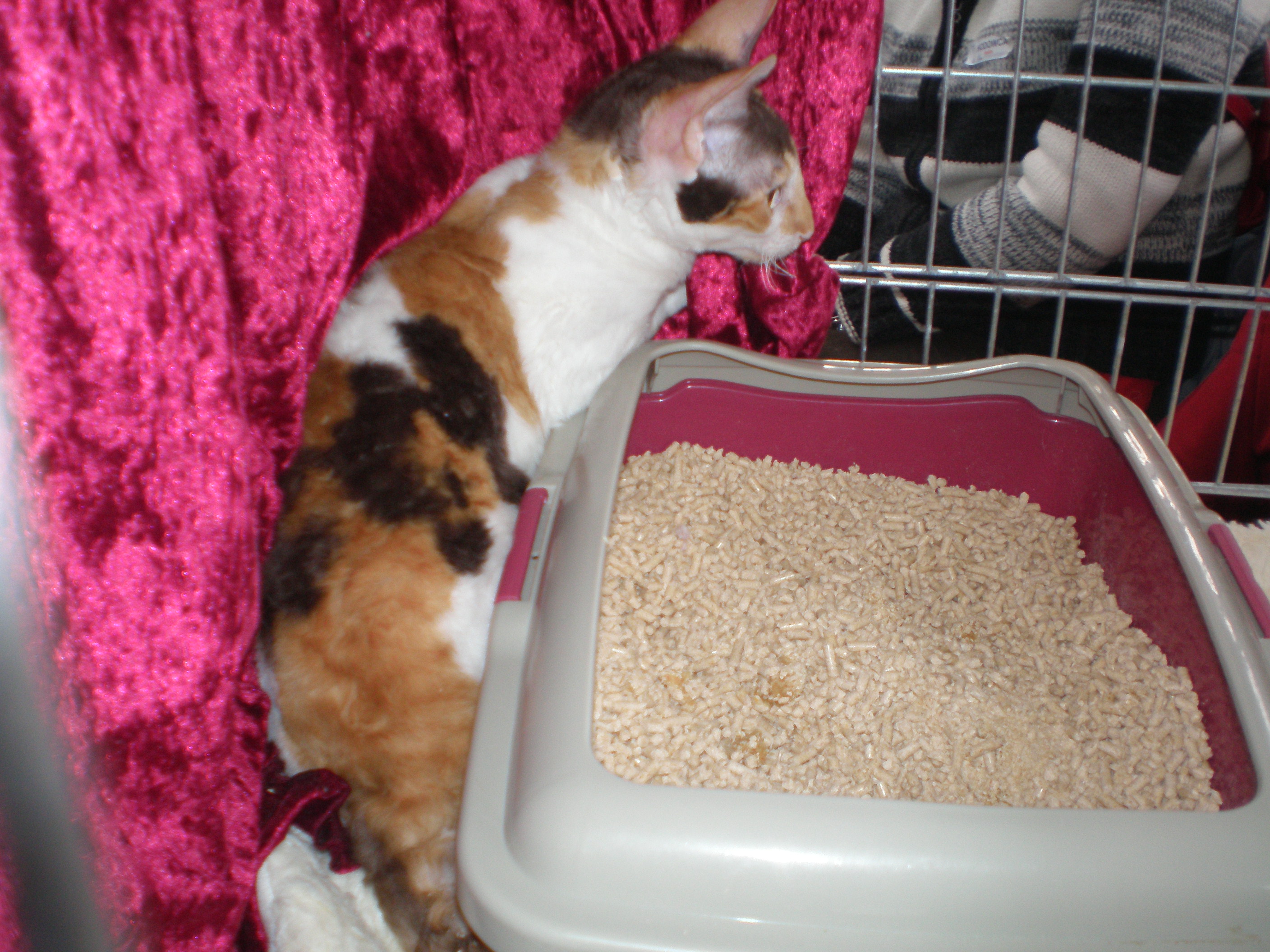
Missing the litter tray can often be a sign of stress. Cats may urinate outside their litter box or in unusual spots around the house to mark territory and feel secure when owners are away. This behavior isn’t defiance; it’s anxiety management.
Urination in inappropriate places is commonly reported in cats with separation related problems, making it one of the most common signs that your cat has been emotionally affected by your absence.
These accidents often occur on items that smell like you, such as your bed, favorite chair, or dirty laundry. While frustrating to clean up, this behavior represents your cat’s attempt to mingle their scent with yours, creating a comforting blend that helps them cope with separation anxiety.
The location of these accidents can be particularly telling. If they’re happening near doors, windows, or on your personal belongings, it’s likely separation related rather than a medical issue.
Conclusion
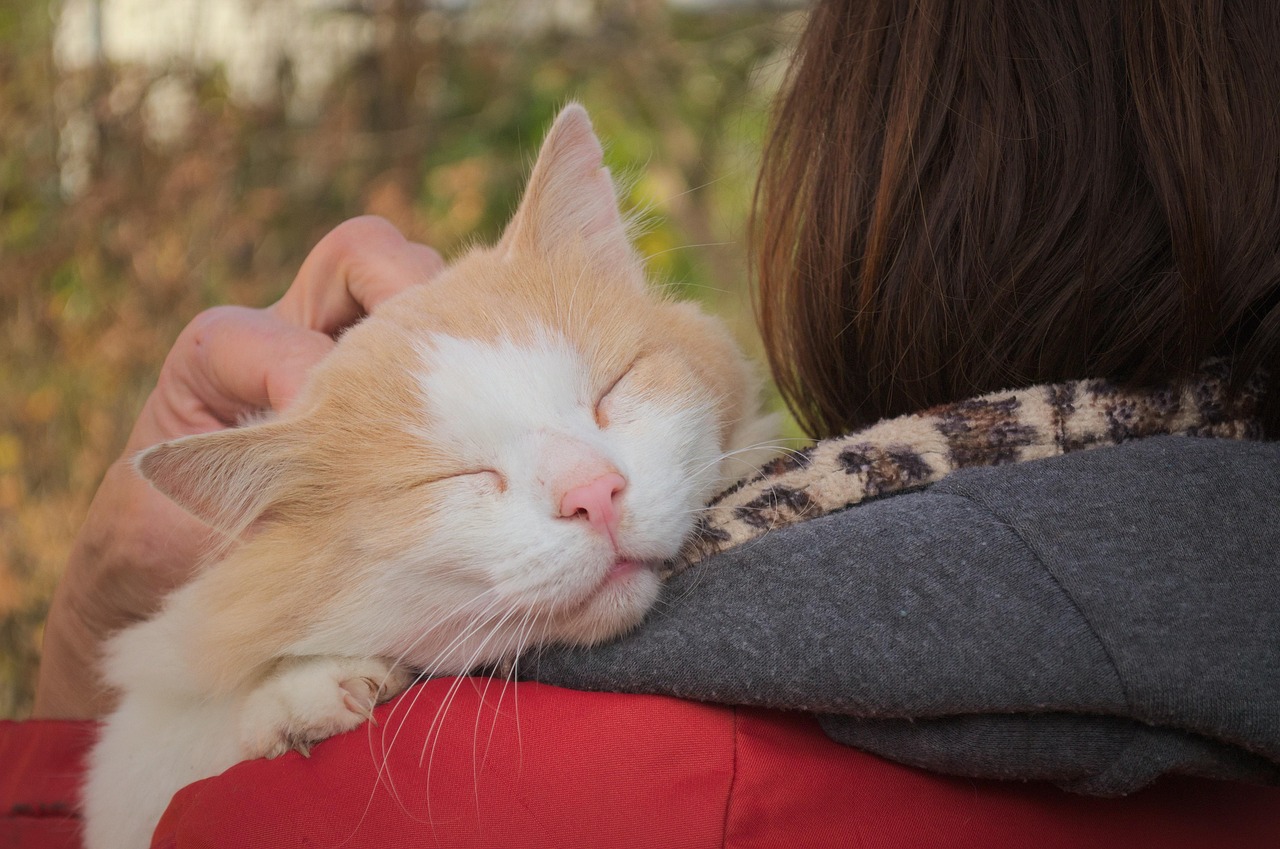
Understanding these ten behaviors helps us appreciate the complex emotional lives of our feline companions. Cats are far from the aloof and solitary beings they’re often made out to be. In reality, they can form deep emotional bonds and meaningful connections with their human companions. Understanding the subtle ways cats show they miss their owners is a powerful reminder of just how strong those bonds can be.
The next time you return home to find your cat acting unusually clingy, vocal, or even slightly mischievous, remember that these behaviors are their way of saying “I missed you.” Cats may be independent, but they are also emotionally intelligent creatures capable of love and attachment. If you’ve ever wondered whether your feline friend misses you when you’re gone, chances are they do in their own quiet but meaningful way. Building a strong relationship with your cat ensures that they not only enjoy your presence but truly feel your absence when you’re away.
What behaviors have you noticed when you return home to your cat? Share your experiences in the comments below.