Have you ever caught your cat gazing at you with those mysterious eyes, then slowly closing them for a few seconds? That magical moment isn’t just your imagination. What many call the “slow blink sequence” is actually one of the most profound ways cats express trust, contentment, and affection toward their humans. It’s been dubbed the “kitty kiss,” but there’s so much more to this behavior than meets the eye.
Recent scientific studies have finally confirmed what cat lovers suspected all along: this gentle eye movement is a genuine form of communication that makes cats more likely to approach and be receptive to humans. Let’s dive into the fascinating world of feline emotion and discover why your cat’s slow blink is one of the most precious gifts they can give you.
The Science Behind the Slow Blink
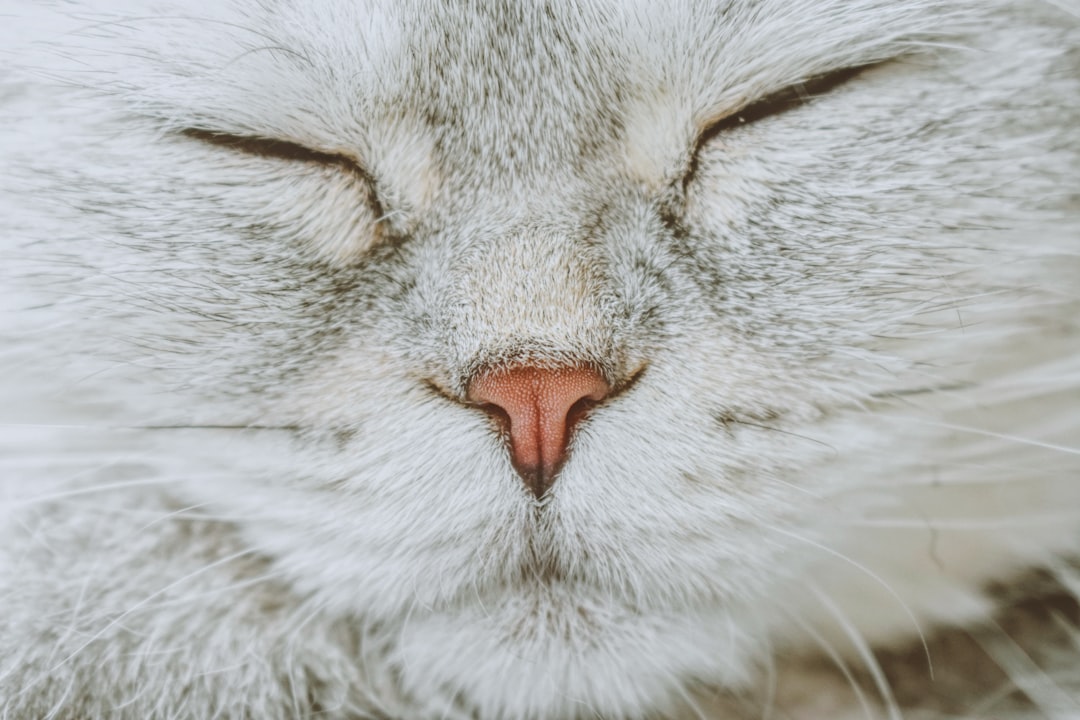
The slow blink sequence typically involves a series of half-blinks followed by either a prolonged eye narrow or an eye closure. From current studies, the slow blink sequence appears to be an indicator of positive emotion in cats. This isn’t just pet owner wishful thinking anymore.
Research conducted at the University of Sussex revealed that cat half-blinks and eye narrowing occurred more frequently in response to owners’ slow blink stimuli, and cats were more likely to slow-blink at their humans after their humans had slow-blinked at them. The controlled experiments involved dozens of cats across multiple households, providing solid evidence for what many of us intuitively understood.
In a fascinating twist, researchers found that cats even showed increased willingness to approach complete strangers who slow-blinked at them compared to those who maintained neutral expressions. This suggests the behavior transcends familiarity and speaks to something deeper in feline communication.
What Your Cat Is Really Saying
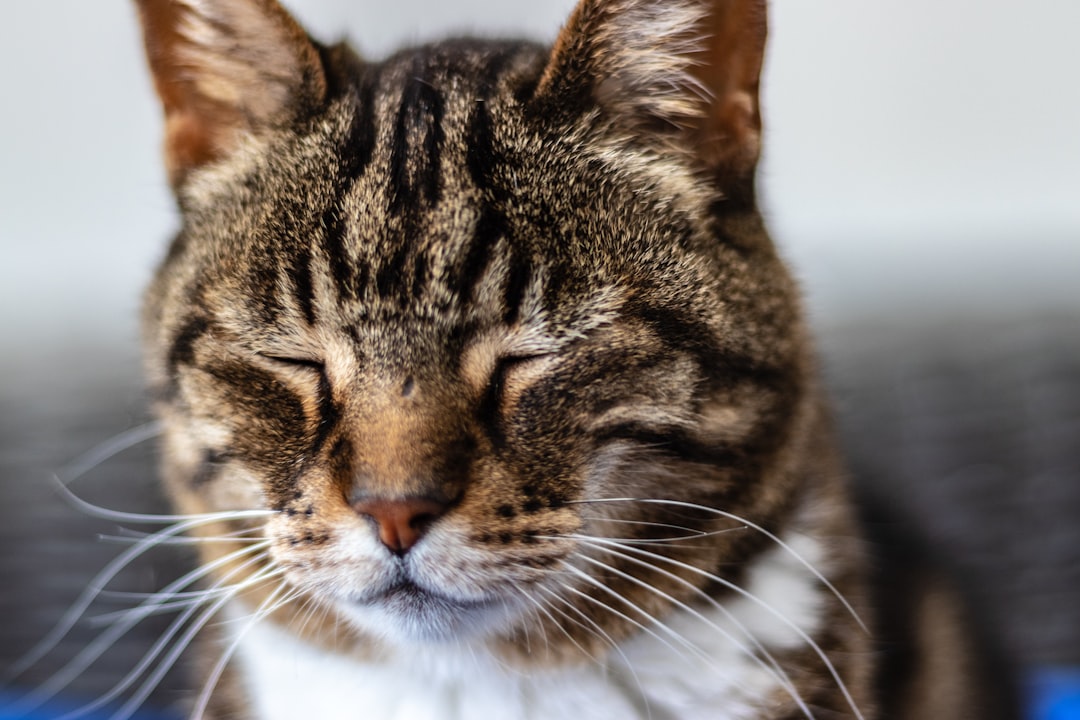
When cats slow blink, they’re essentially saying “I love you” through their body language. In the feline world, closing their eyes in the presence of another creature makes them extremely vulnerable, as they become unable to detect potential threats. Think about it from their perspective as both predator and prey.
When they slow blink, they’re showing that they’re relaxed enough to close their eyes around us for extended periods, indicating contentment and demonstrating that they trust us. When your cat makes himself vulnerable by closing his eyes in your presence, you have officially made it inside your pet’s circle of trust.
This trust doesn’t come easily. Unlike dogs, which are pack animals with straightforward social structures, cats are independent creatures that form complex social hierarchies, meaning that trust and affection are earned rather than given freely.
The Evolution of Feline Communication with Humans
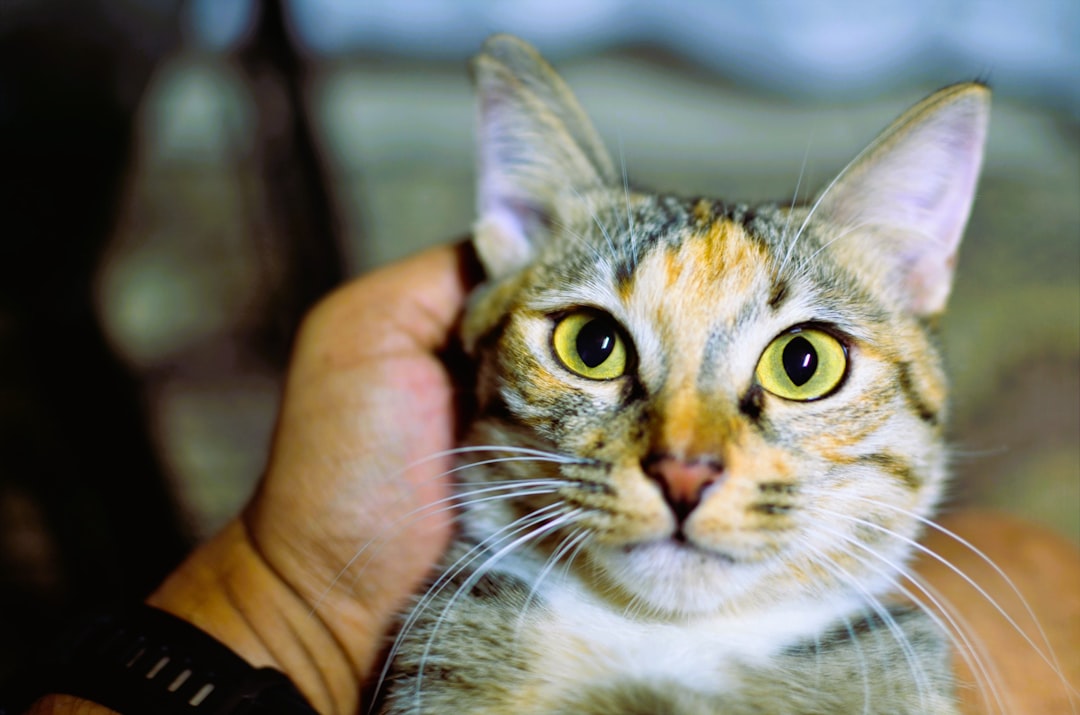
Your cat’s slow blinks are similar to why they meow – it’s a form of communication they’ve evolved specifically to better relate to and interact with us humans. This behavior didn’t exist in quite the same way before domestication. About 10,000 years ago, as cats transitioned from wild creatures into valuable farm animals and family pets, they developed new relational skills.
In order to thrive in human environments, cats had to start noticing their humans’ faces and learning to read social cues, discovering the difference between safe and unsafe situations. The slow blink became part of this sophisticated communication system.
The eyes are important in signaling emotions, with the act of narrowing the eyes appearing to be associated with positive emotional communication in a range of species. Yet cats have uniquely adapted this universal gesture into something special for their human companions.
Understanding the Mechanics of Cat Eye Communication
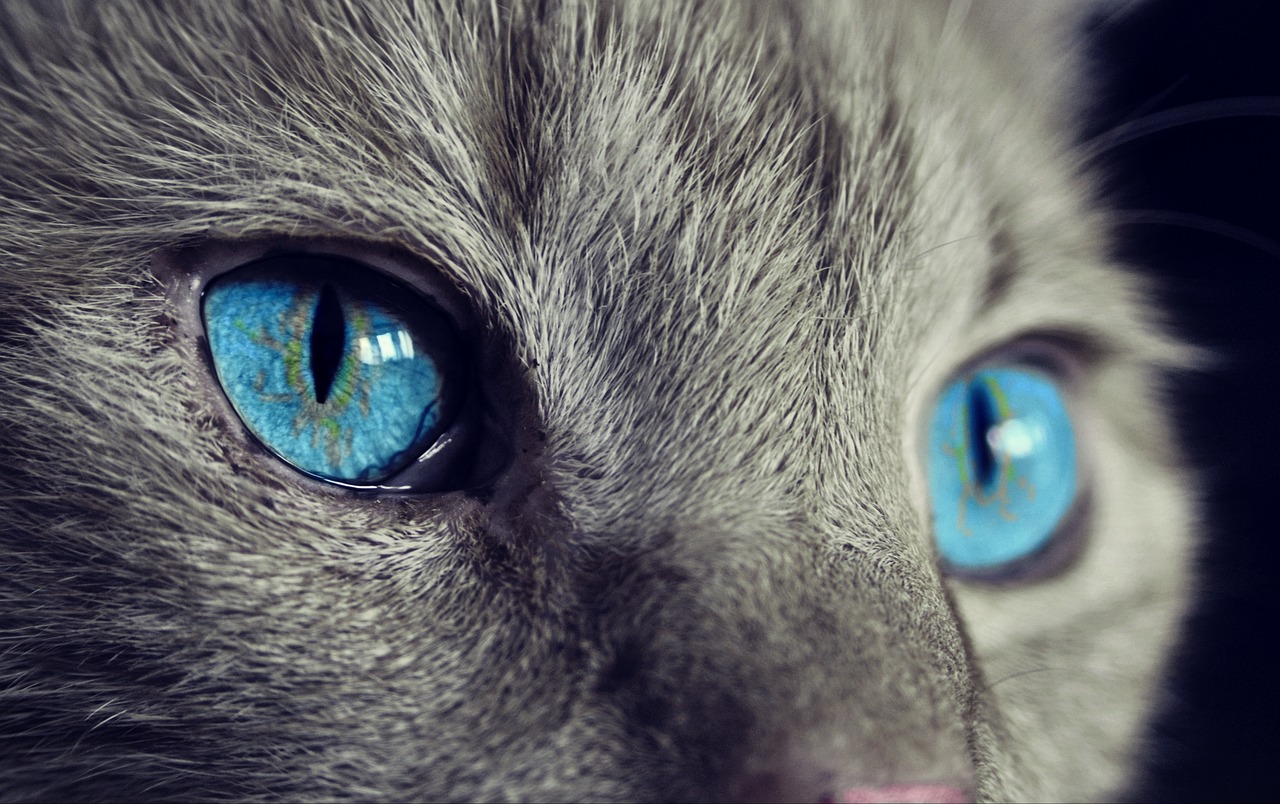
Unlike humans who blink about 15-20 times per minute, cats have evolved to blink much less frequently, helping them remain vigilant for potential threats or hunting opportunities. Their eyes are equipped with a specialized third eyelid called the nictitating membrane, which moves diagonally across the eye to keep their eyes moist and protected without requiring frequent blinking.
A slow blink usually involves a series of soft, half-closed blinks, ending with a long eye narrow or even a full eye closure, done slowly and usually several times in a row. A direct, unblinking stare might signal aggression or challenge, while slow blinking indicates peaceful intentions.
This sophisticated system helps cats navigate complex social situations with remarkable precision.
How to Properly Respond to Your Cat’s Slow Blink
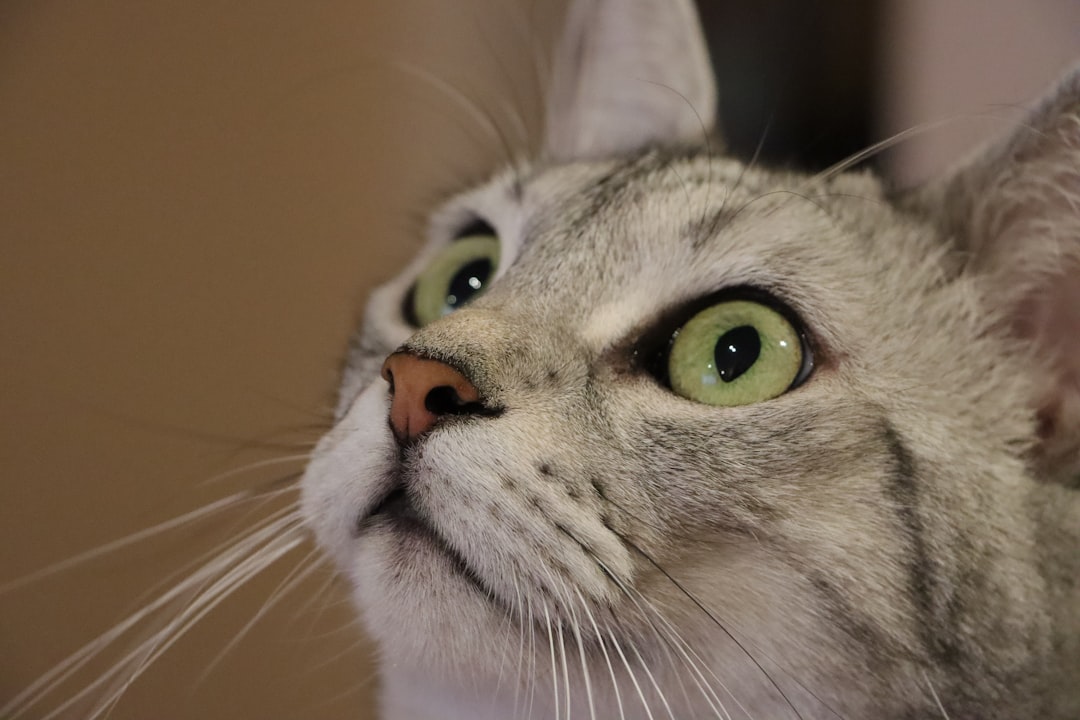
Professor Karen McComb, who supervised groundbreaking research on this topic, suggests it’s a great way of enhancing the bond you have with cats by trying to narrow your eyes at them as you would in a relaxed smile, followed by closing your eyes for a couple of seconds. Try mirroring your cat’s slow blink by gently closing and opening your eyes in a relaxed manner.
Find a calm moment when your cat is relaxed and comfortable, sit quietly at a short distance, relax your face, soften your gaze, gently narrow your eyes, and close your eyes slowly for 2–3 seconds, then open them again. Take a slow, relaxing breath before slow blinking, and while you don’t have to smile with your mouth, it helps if you smile with your heart.
When you finish the blink, glance away, as continuing to stare is considered rude in cat language. The key is patience and gentleness in your approach.
Reading the Response: What Happens Next
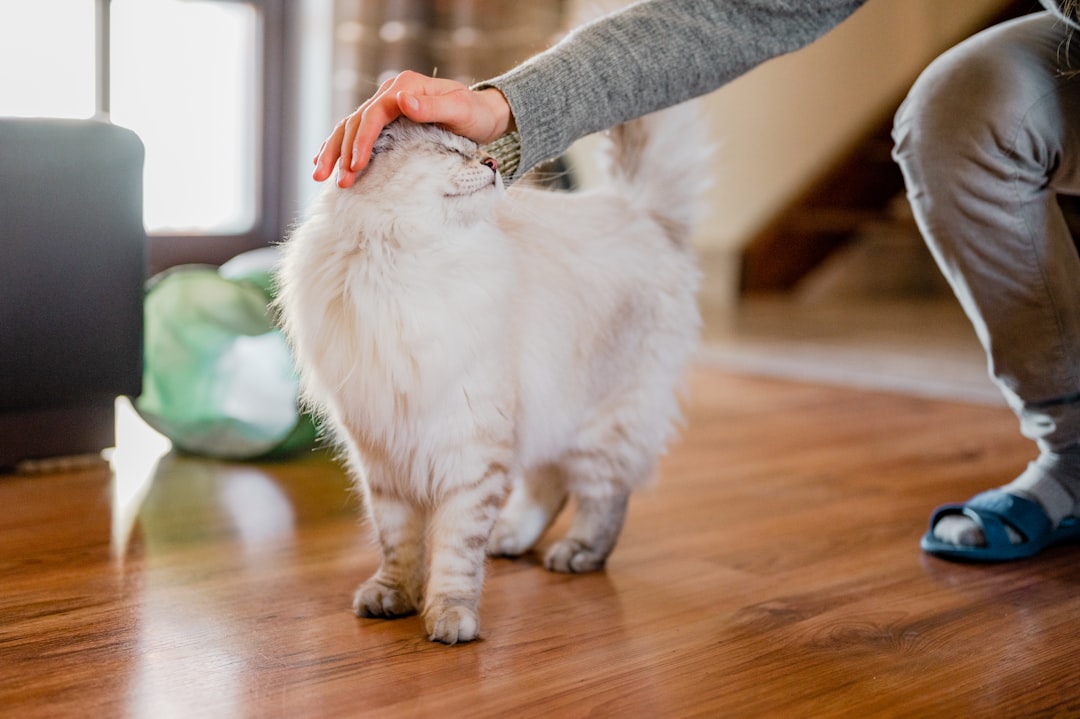
Often, cats will blink back or even move closer after receiving a slow blink from their human. Some cats will take it as an invitation to come over for a pet or cuddle, while other cats will just look away, but this is still a sign of showing trust. A cat looking away after a slow blink does not indicate distrust or disinterest – on the contrary, it frequently signifies comfort and respect.
A slow blink from you or your cat isn’t always going to end with physical contact; it’s more of a message than an invitation. Understanding this helps prevent disappointment when your cat doesn’t immediately seek physical affection.
Remember that patience is key, as not all cats respond immediately, but consistent gentle practice builds trust over time.
Building Trust Through Eye Communication
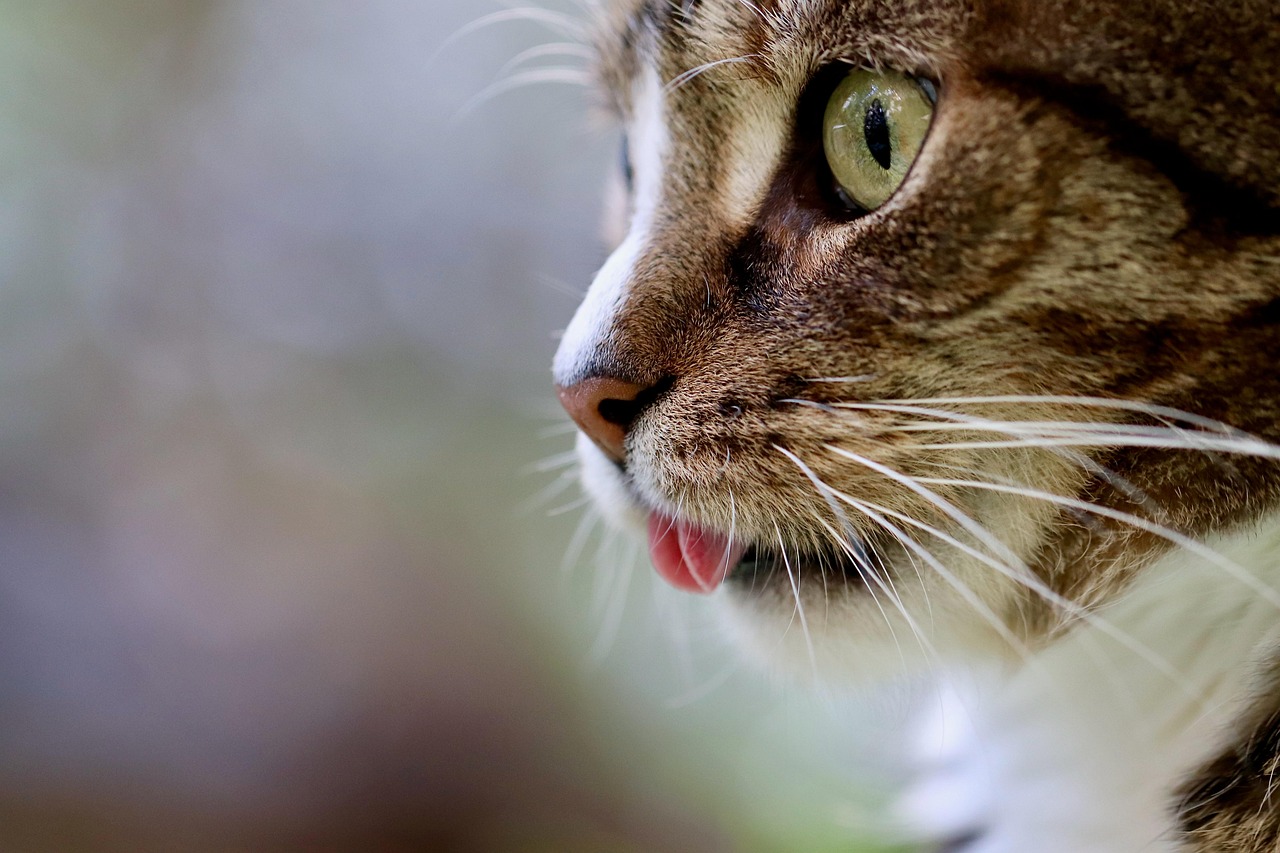
The slow blink is a sign of trust, which requires some effort at bonding. Building trust with your cat is vital to fostering a strong bond and encouraging slow blinking behavior, which can be achieved by providing a consistent and predictable routine that creates a sense of security. One of the worst ways to build trust is to pick up or pet cats without an invitation, as affection is permission-based with felines.
Cats who are more nervous around people tend to take longer to slow blink back at them. This is completely normal and doesn’t reflect poorly on your relationship. If your cat seems overwhelmed, it might be because cats are creatures of habit and routine, so sudden changes can be stressful.
The slow blink becomes more meaningful when it emerges naturally from a foundation of mutual respect and understanding.
When Slow Blinking Might Not Be Affection
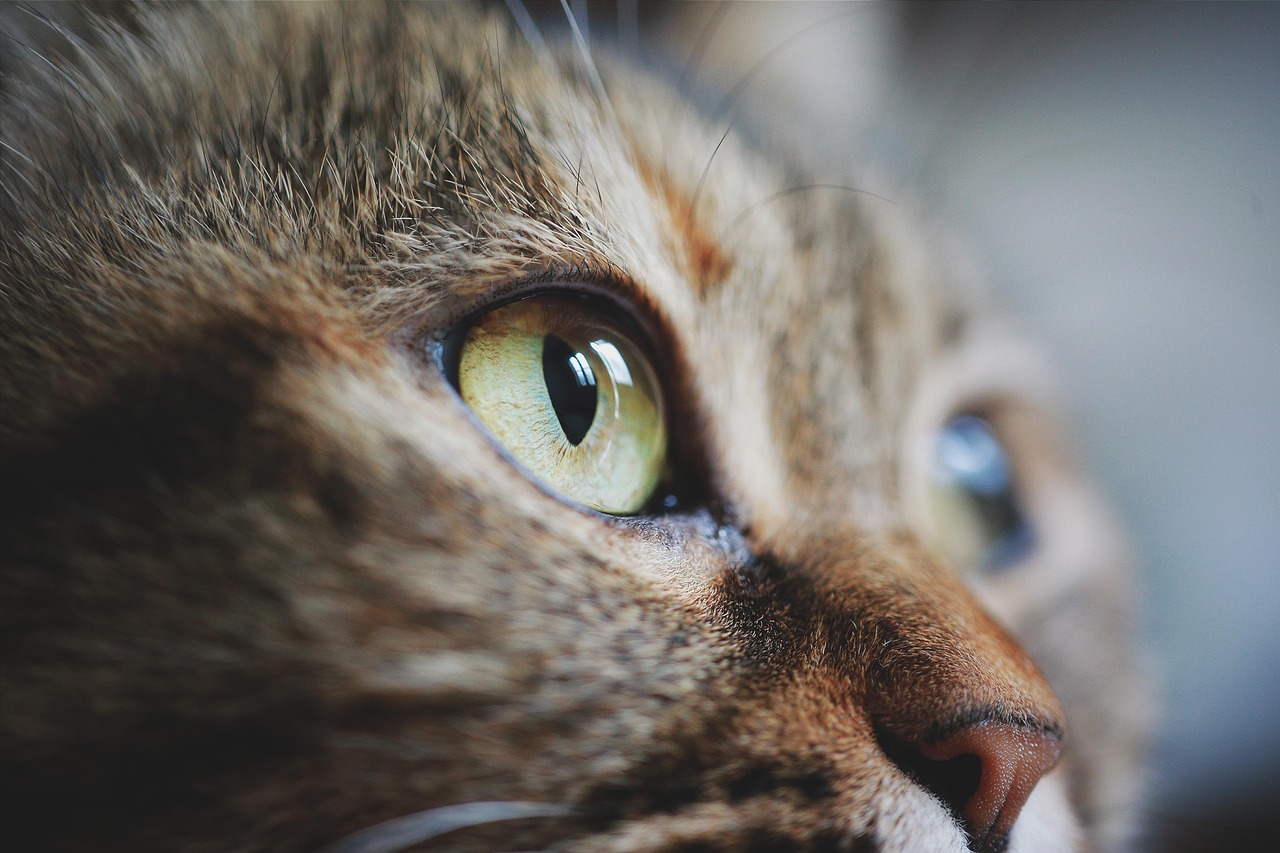
A cat’s slow blinking doesn’t always communicate trust or affection, as what looks like a slow blink might actually be a squint, which generally means your pet is experiencing pain, discomfort, or injury. Eye movements mistaken for slow blinks, like rapid blinks, squinting, and eyelid twitching, are red flags for ulcers, infections, or pink eye.
Conjunctivitis, the most common eye disorder in cats, is simply an inflammation that can cause squinting along with red eyes, discharge, or a runny nose. Cats can have allergies to everyday things like dust and pollen, causing eyes to swell up and potentially giving your cat a perpetual squint that can be mistaken for a slow blink.
If you notice any discharge, redness, or excessive squinting, it’s always best to consult with your veterinarian to rule out medical issues.
The Broader Language of Feline Affection
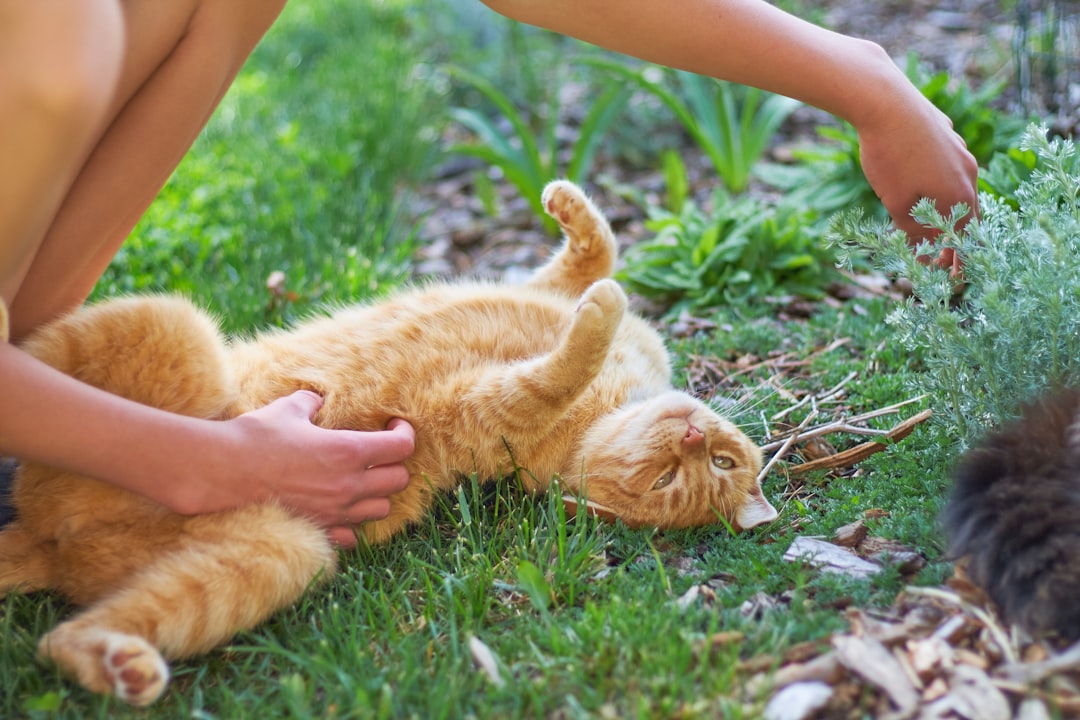
Not all cats slow blink, and while the message is consistent among those who do, some cats prefer other communication methods, such as rubbing, rolling onto their back to expose their belly, licking, and head bunting. Regardless of age or breed, all cats can slow blink, but actually engaging in slow blinking is a personal choice and some cats don’t enjoy doing it, which doesn’t mean you’ve done anything wrong or that your cat doesn’t love you.
Other ways cats show love include purring in your presence as a sign of happiness, head bunting where they rub and bonk their head on you to mark you as theirs using scent glands on their foreheads and cheeks. Kneading is done when a cat feels super relaxed and happy, bringing them back to when they were kittens nursing from their mothers.
Each cat has their own unique way of expressing affection, and the slow blink is just one beautiful option in their emotional vocabulary.
Strengthening Your Bond Through Understanding
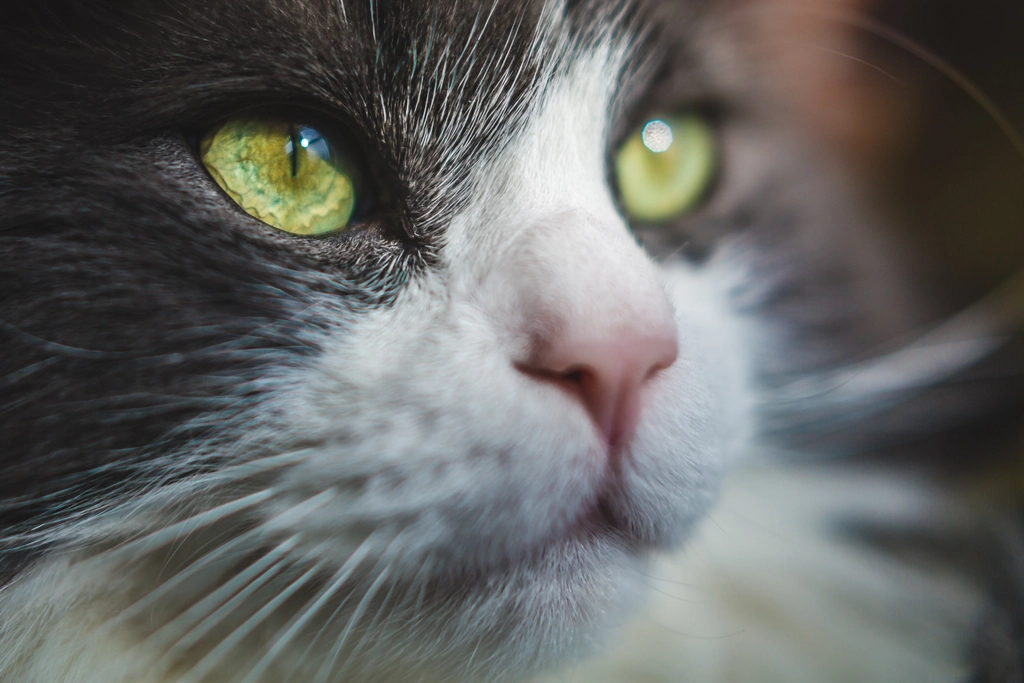
There are several benefits to understanding and responding to your cat’s slow blinking, including strengthening the bond between you and your pet, leading to a more trusting and affectionate relationship. Cats often slow blink when they are relaxed and content, so encouraging and engaging in slow blinking with your cat can help create a calming environment and reduce stress levels for both you and your pet.
Engaging in slow blinking with your cat can help create a calming environment and reduce stress levels, while observing your cat’s slow blinking and other body language cues provides valuable insights into their unique personality and preferences. Once you start to understand the cues that your cat is giving you, it will make the bond and love between you that much stronger.
This simple form of communication opens up a whole new dimension of understanding between you and your feline companion.
The slow blink represents something truly remarkable: a bridge of communication between two different species that have learned to love and trust each other. The slow blink in cats is a profound gesture of trust, affection, and contentment, serving as a unique form of communication that is much more than it appears – it’s a cat’s way of expressing love and trust, inviting their human into their emotional world. A genuine slow blink is one of the most original, fun, and charming ways our pets communicate their trust, affection, and love for us.
The next time your cat gazes at you and slowly closes those mysterious eyes, remember that you’re witnessing something extraordinary. They’re choosing to be vulnerable with you, sharing their deepest feelings in the most feline way possible. What do you think – have you experienced this magical moment of connection with your cat? Try slow blinking back and watch how your relationship deepens through this simple yet profound gesture.