Why Cats Choose One Favorite Person - and How to Become The One
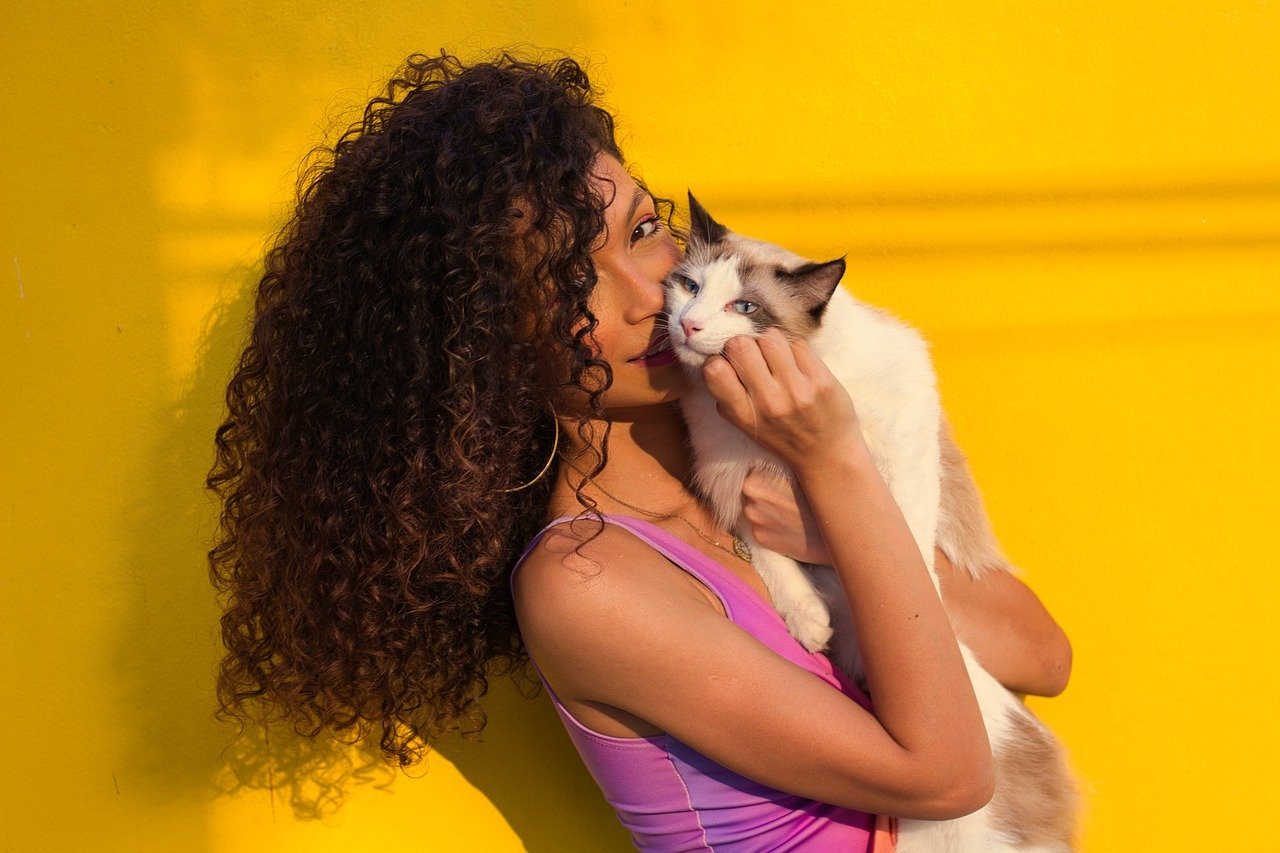
That mystical creature lounging on your windowsill might seem aloof to the casual observer, yet science reveals a fascinating truth about feline hearts. Cats aren't the solitary, independent creatures popular culture portrays them to be. Instead, they're complex emotional beings capable of deep, meaningful bonds that rival those of dogs and even human babies.
Research from Oregon State University has shattered long-held assumptions about feline behavior. The study used both cats and kittens and had them go through a Secure Base Test (SBT) with their owners. For the test, each cat or kitten was brought into a room they had never seen before along with their owner. What they discovered changed everything we thought we knew about cats and their capacity for love.
So let's explore the remarkable world of feline attachment and discover how you can earn that coveted title of being your cat's chosen one.
The Science Behind Feline Attachment
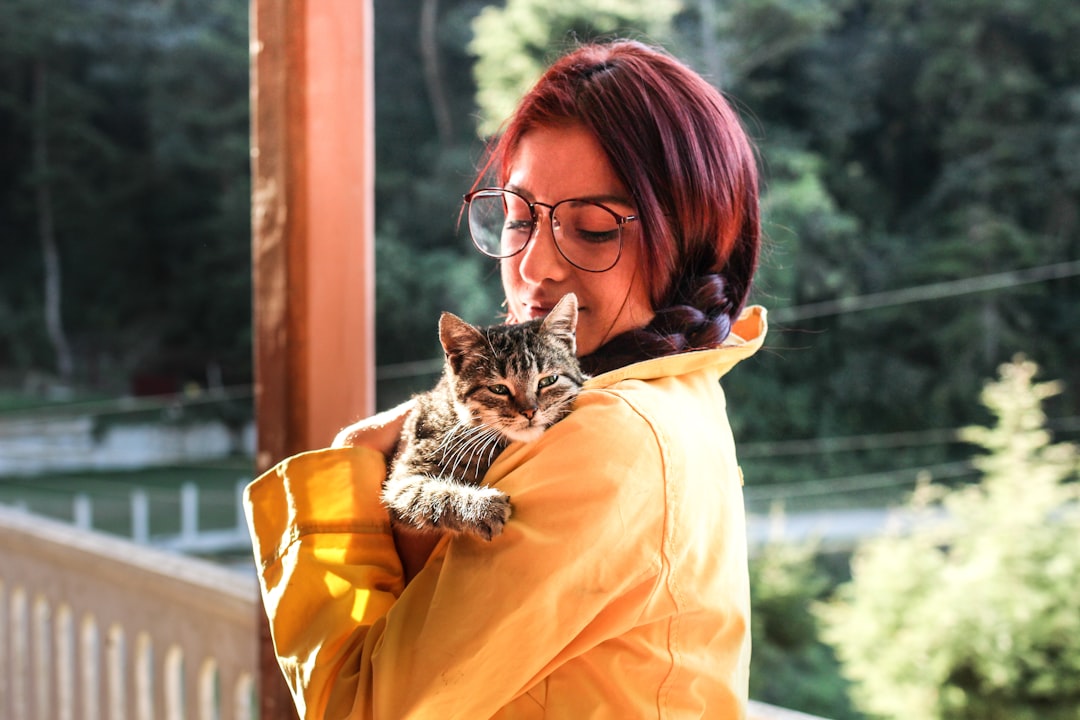
About 64.3 percent were "securely attached" to their owner, meaning that they appeared less stressed upon the human's return to the room and balanced their time between giving attention to their human and exploring the new space. This groundbreaking research revealed something truly remarkable about our feline companions.
Attachment theory, developed in the 1950s, suggests that early in life, people predominantly form one of four styles of attachment: secure and three types of insecure called ambivalent, avoidant or disorganized. Secure attachers are comforted by a caretaker's presence; ambivalent tend to be clingy and overdependent; and avoidant seem disinterested. Disorganized attachers show a mix of contradictory behaviors, seeking attention and then resisting it.
Moreover, the distributions of cats with secure and insecure attachment to their owner was very similar to that of human children (approximately 60-65 percent show secure attachment and 35-40 percent show insecure attachment) and dogs (similar proportions to humans, with most showing secure attachment). This means your cat's emotional world is far more sophisticated than you might have imagined.
How Cats Form Their First Impressions
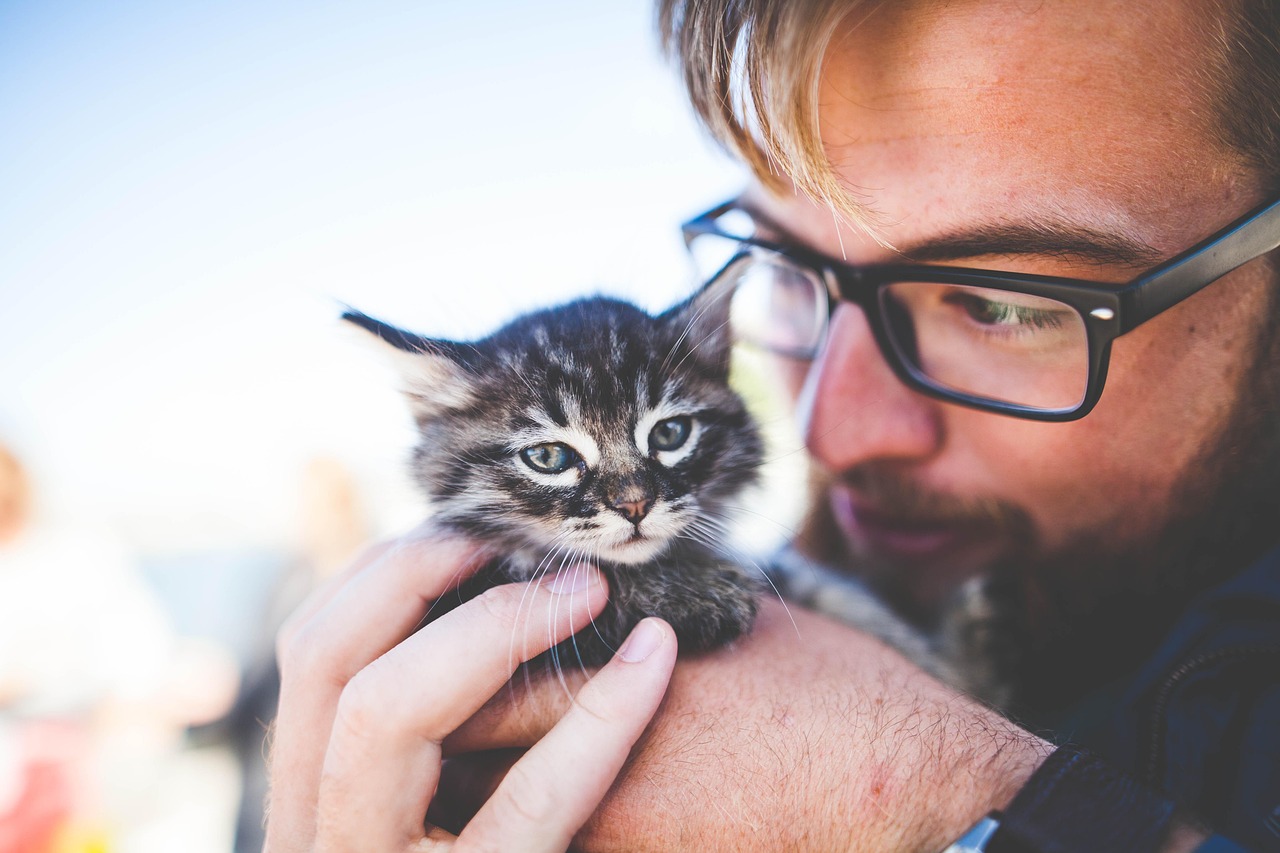
Cats are who they are because of their experiences as a kitten. If you have a kitten who socialized with one person during this time, they will be friendly with that one person and not others when they're older. Kittens who are socialized with many people, however, will bond with more people later on.
Early socialization creates the blueprint for your cat's future relationships. Kittens exposed to various humans in a positive context tend to be more friendly and less fearful than adults. Conversely, a cat raised in a single-person household might appear more bonded to that individual simply due to familiarity and comfort.
Think of it like a child's early experiences shaping their worldview. The more positive interactions a kitten has with different people during those crucial first months, the more likely they'll be to form healthy attachments throughout their life. This explains why some cats seem naturally outgoing while others remain cautious around strangers.
The Psychology of Preference
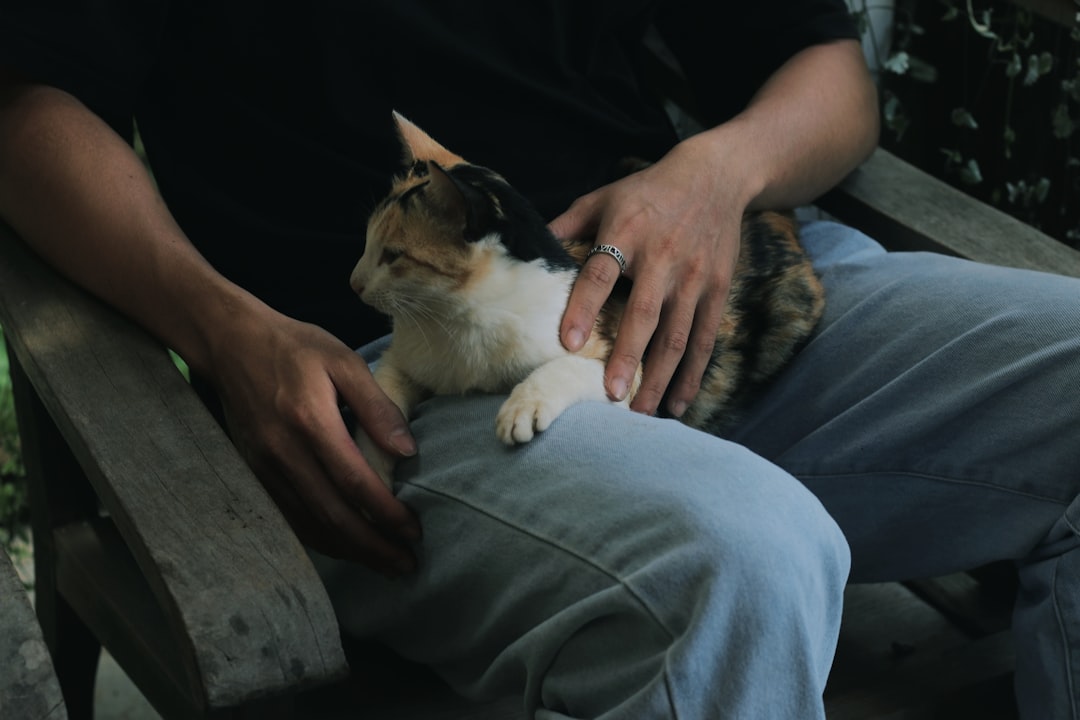
Cats generally gravitate toward people who feed them, play with them, give them tasty treats, and keep their litter box clean. Yet the relationship goes deeper than mere survival instincts. Research suggests that the person who makes the most effort is often the favorite. People who communicate with their cat by getting to know their cues and motives are more attractive to their cat companions.
If your cat is the sort who just wants to be chill and relax, they will probably go for the family member who is calm and quiet. Playful, energetic cats who love to stay active will likely choose a friend who gives them this exercise and attention. In fact, it may be that your cat is revealing something about you in why they choose to love you best.
This personality matching isn't accidental. Cats, like humans, seek compatibility in their relationships. A high-energy cat might find endless entertainment with an active child, while a senior cat might prefer the steady presence of someone who enjoys quiet evenings at home.
Recognizing the Signs You're The Chosen One
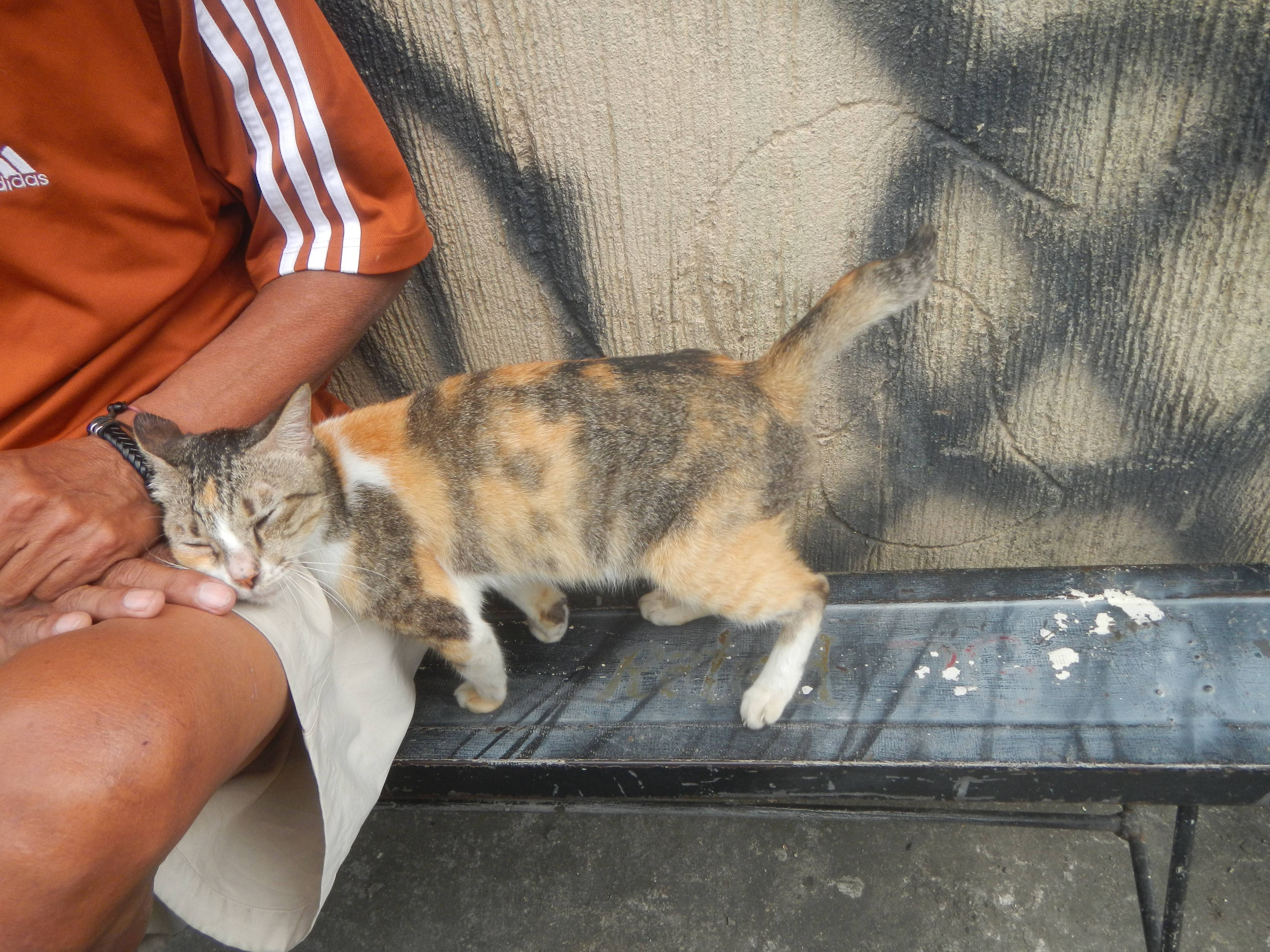
Cats who are attached to their humans will solicit attention from them by approaching them (often with a tail held straight up), meowing or pawing at them, etc. They also tend to 'follow' their owners from room to room, albeit sometimes at a distance. Purring and head rubbing or bunting you are other signs that your kitty enjoys your presence. In addition, many cat owners cherish the 'slow blink,' during which a cat stares at you and slowly squints or closes her eyes, as a sign of affection.
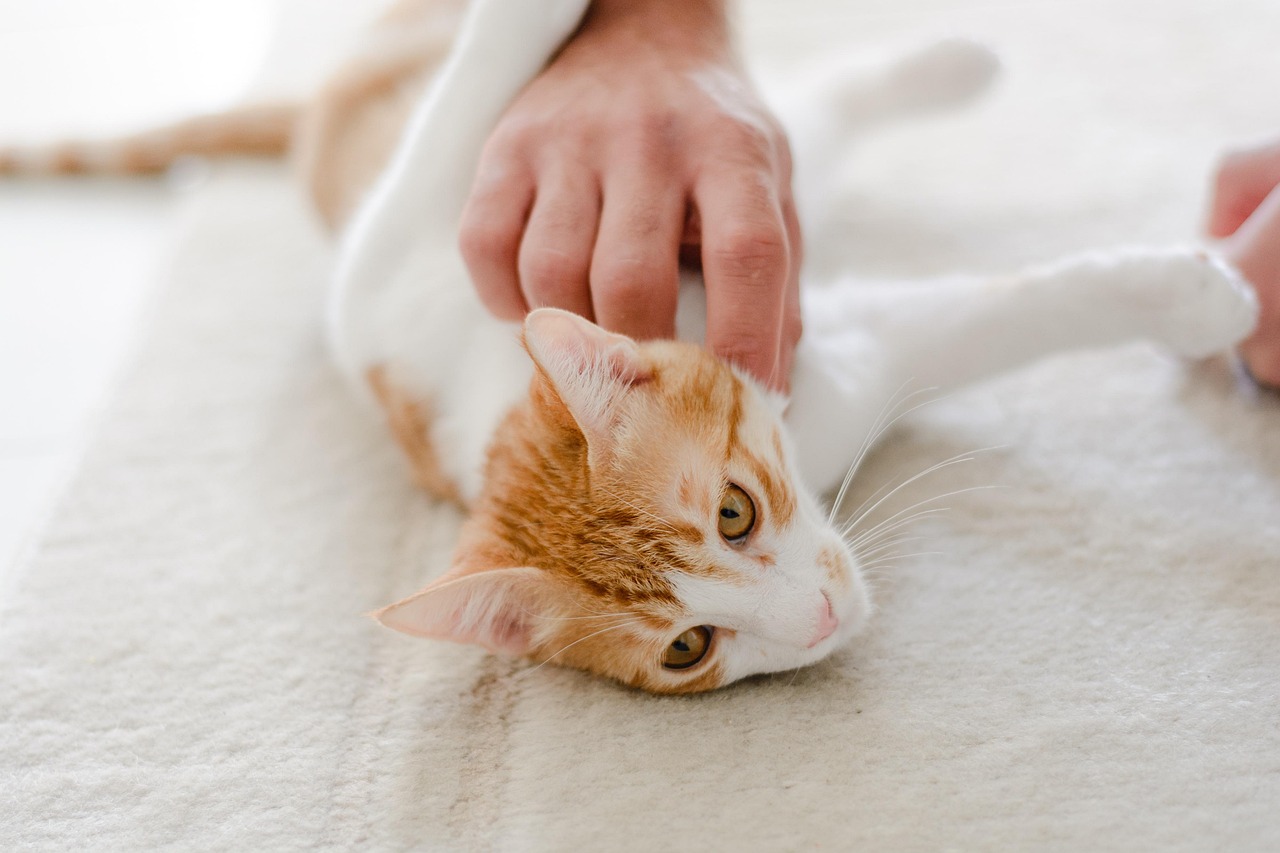
Bringing you their toys. Cats often carry their toys to their favorite person when they want to engage them in interactive play. Rolling around. When cats expose their vulnerable stomachs to us and roll around flashing their bellies, they communicate deep trust. Being near you. Following you around the house and sleeping next to you on the couch are some ways cats show they love you.
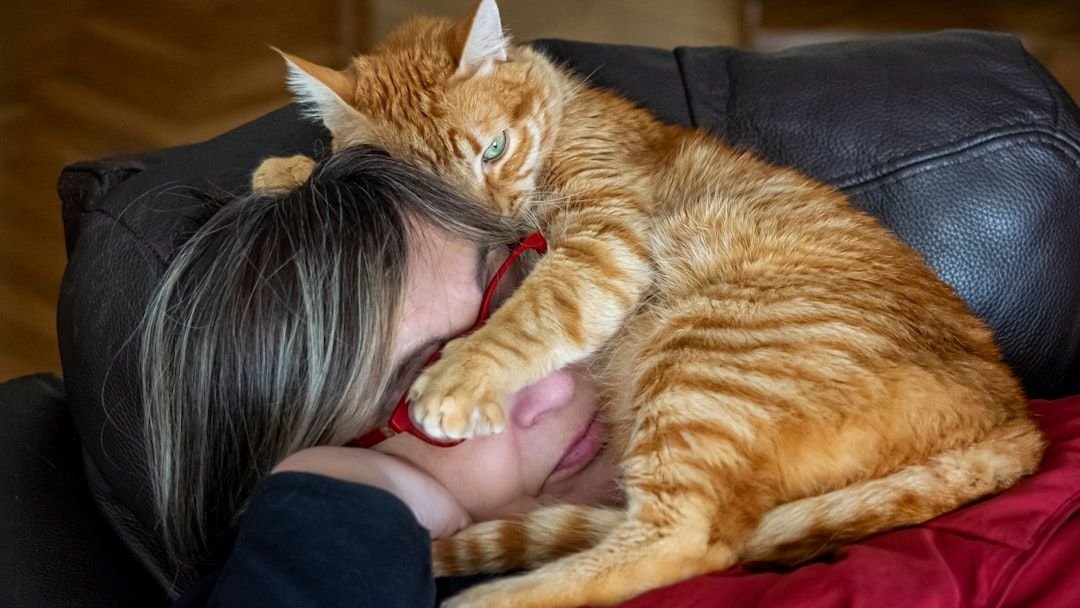
One indication might be if yours is the lap they choose to curl up on when given a choice. And if they fully relax and fall asleep, that's the ultimate display of trust. When a cat chooses to be vulnerable in your presence, you've achieved something truly special in the feline world.
The Role of Routine and Consistency
Routine and consistency: Cats thrive on predictable routines and may bond with the person who provides that stability. Cats are creatures of habit. Literally. Keeping a regular schedule is one of the simplest ways to help you bond with your cat and become their favorite person.
Dr. Perry suggests that you "be the source of all good resources." Instead of leaving food out, serve your cat meals, and call her when it is time. Set aside a little time at least once a day to play with, pet, or groom her if she enjoys those activities.
This consistency creates a sense of security that cats deeply crave. When you become predictable in positive ways, your cat learns to associate you with comfort and safety. It's like becoming their personal anchor in an often chaotic world.
The Power of Communication and Understanding
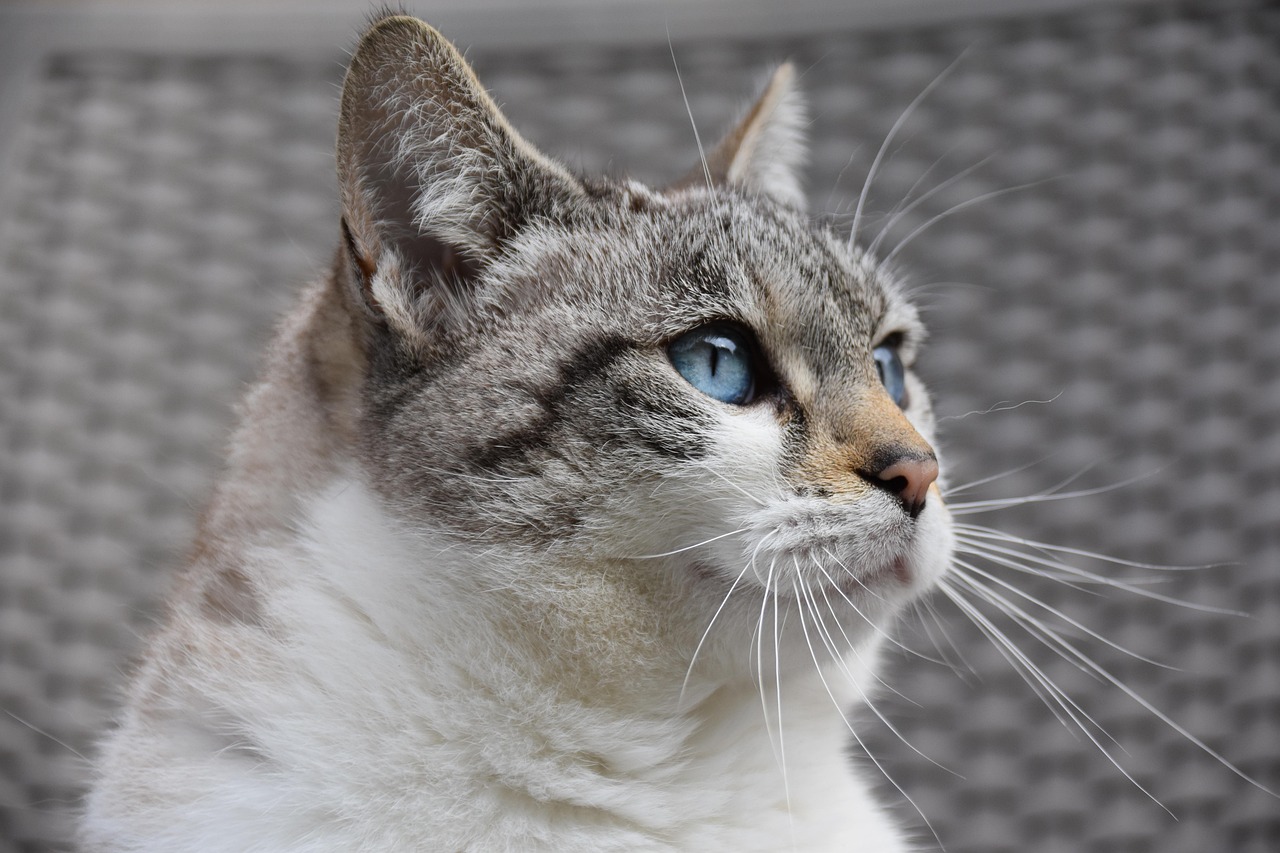
Cats have all sorts of ways to communicate. They do so through ear movements, blinks, tail positions, body language, and even skin twitching and whisker position. Meows are the least important, and often the least interesting communication a cat uses. Learning language and behaviors that are specific to that cat will help a lot in your ability to know them better.
Cats are sensitive to body language and tone of voice. They may be more drawn to someone who speaks to them softly and pets them gently than a more boisterous, louder person that is always in Kitty's face.
Understanding your cat's unique communication style is like learning a foreign language. Each cat develops their own vocabulary of sounds, movements, and behaviors. The person who takes time to decode these signals often wins the cat's heart. This explains why cats sometimes prefer the quiet person in the corner over the enthusiastic cat lover who immediately tries to pick them up.
Respecting Boundaries: The Key to Feline Hearts
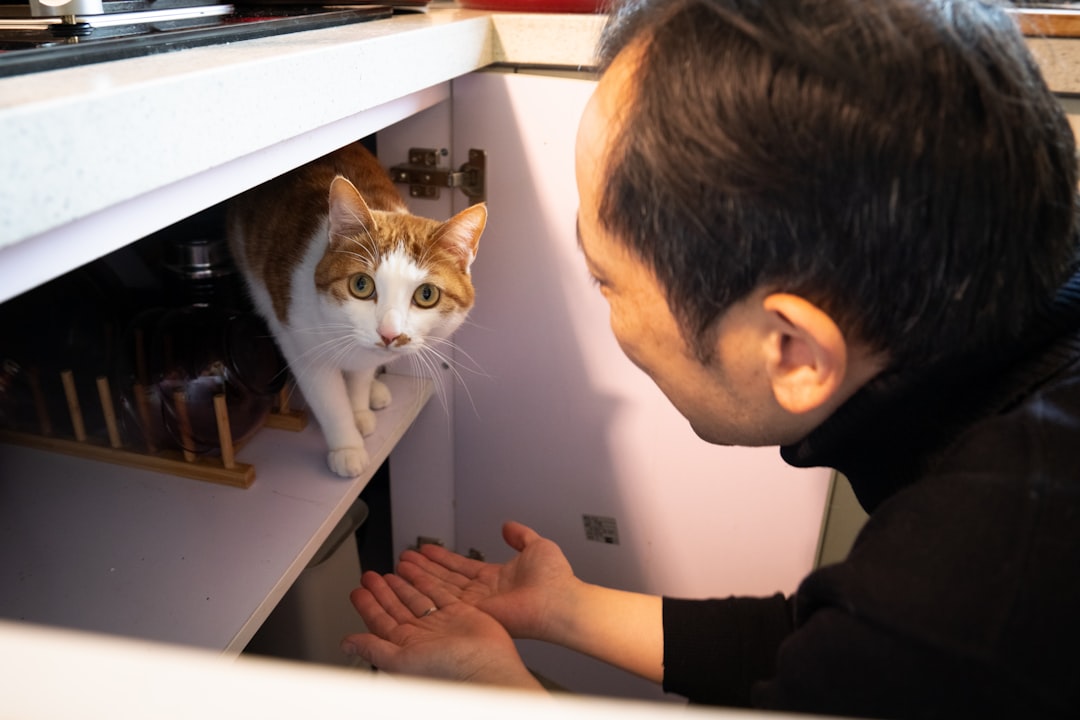
Cat experts have noted that cats often gravitate towards the visitor that ignores them over the one that pursues them. And it makes sense - who likes their personal space being invaded? When we see cats, we really want to pet them - but according to two Swiss studies, the best approach is to let kitty make the first move. Research done in 51 Swiss homes with cats has shown that when humans sit back and wait - and focus on something else, like a good book - a cat is more likely to approach, and less likely to withdraw when people respond. (This preference explains why so many kitties are attracted to people with allergies - because allergic people are usually trying to not pet them.)
You will be their favorite person if you honor their boundaries, like not petting them in places they do not like - bellies, paws, legs, and over their heads. It also includes not forcing them to play or go out when they do not want to or when they are sleeping.
Think of it as dating etiquette in the animal kingdom. The person who respects personal space and doesn't push for immediate intimacy often becomes more attractive over time. Cats appreciate humans who understand that love must be earned, not demanded.
Becoming the Primary Caregiver
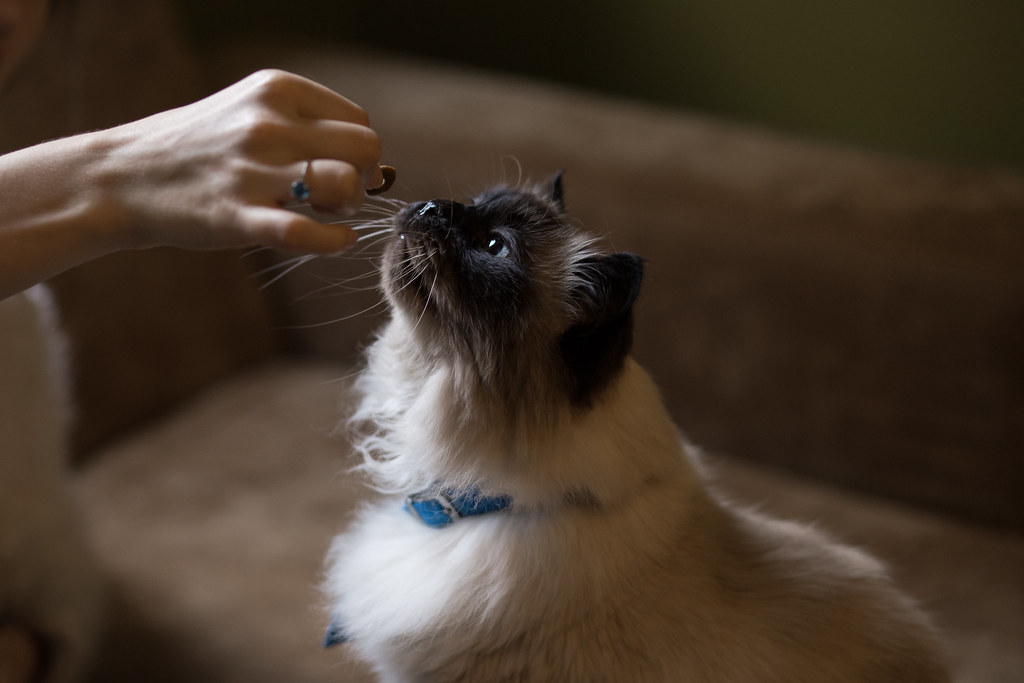
We're sorry to say it, but a cat's favorite person is often the one who feeds them. The foundation typically begins with basic care. The person who consistently provides food, fresh water, and maintains a clean litter box often has an advantage in becoming the cat's chosen human.
Cats are likely to choose to want to be around the person who feeds them the most as this is a basic need, Teller explains. She encourages cat owners hoping to be the favorite to be the one to feed them at mealtime and provide appropriate treats.
However, it's important to understand that being the feeder doesn't automatically guarantee favorite status. While feeding is important, research suggests that quality attention and playtime are equally crucial. Cats often form their strongest bonds with people who provide a balance of physical care, emotional engagement, and respect for their independence.
The Magic of Interactive Play
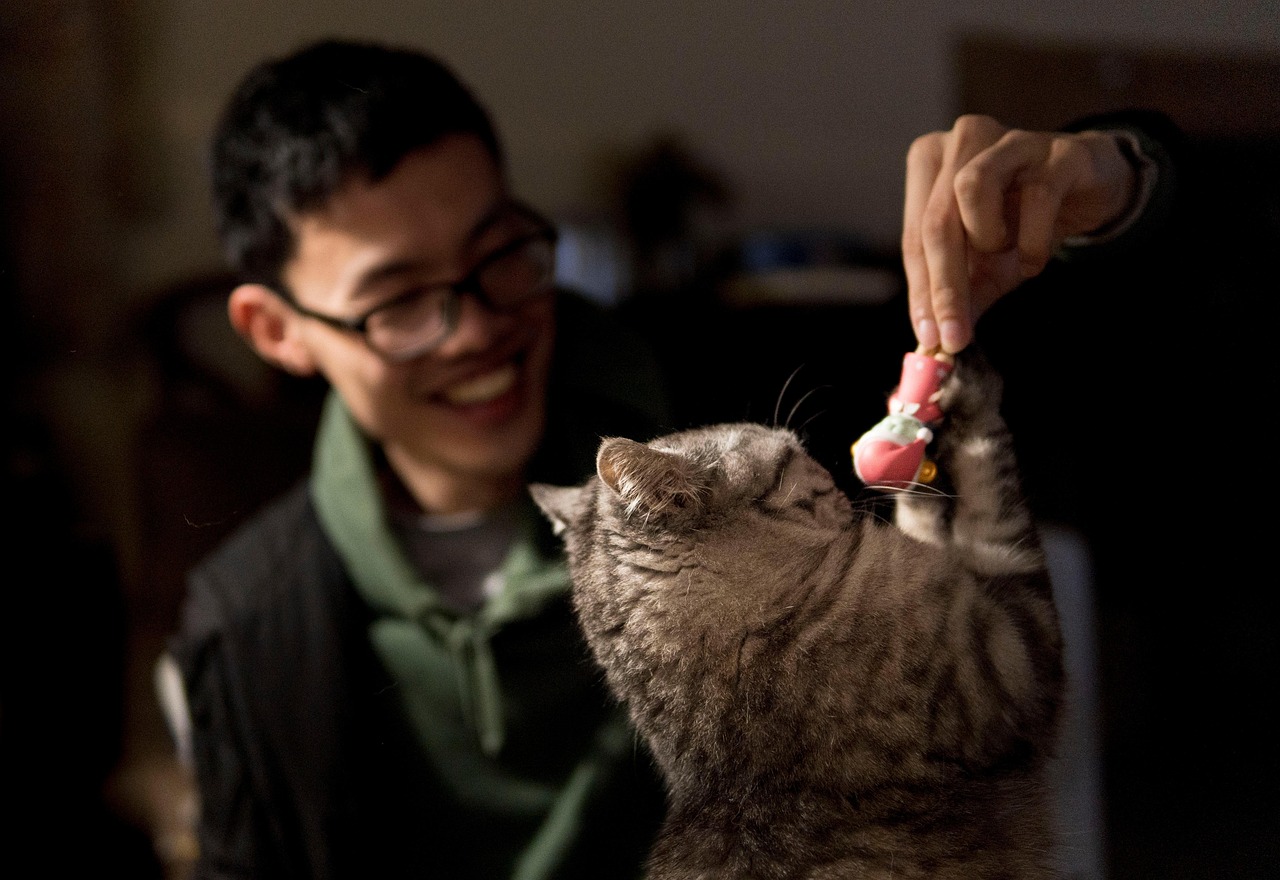
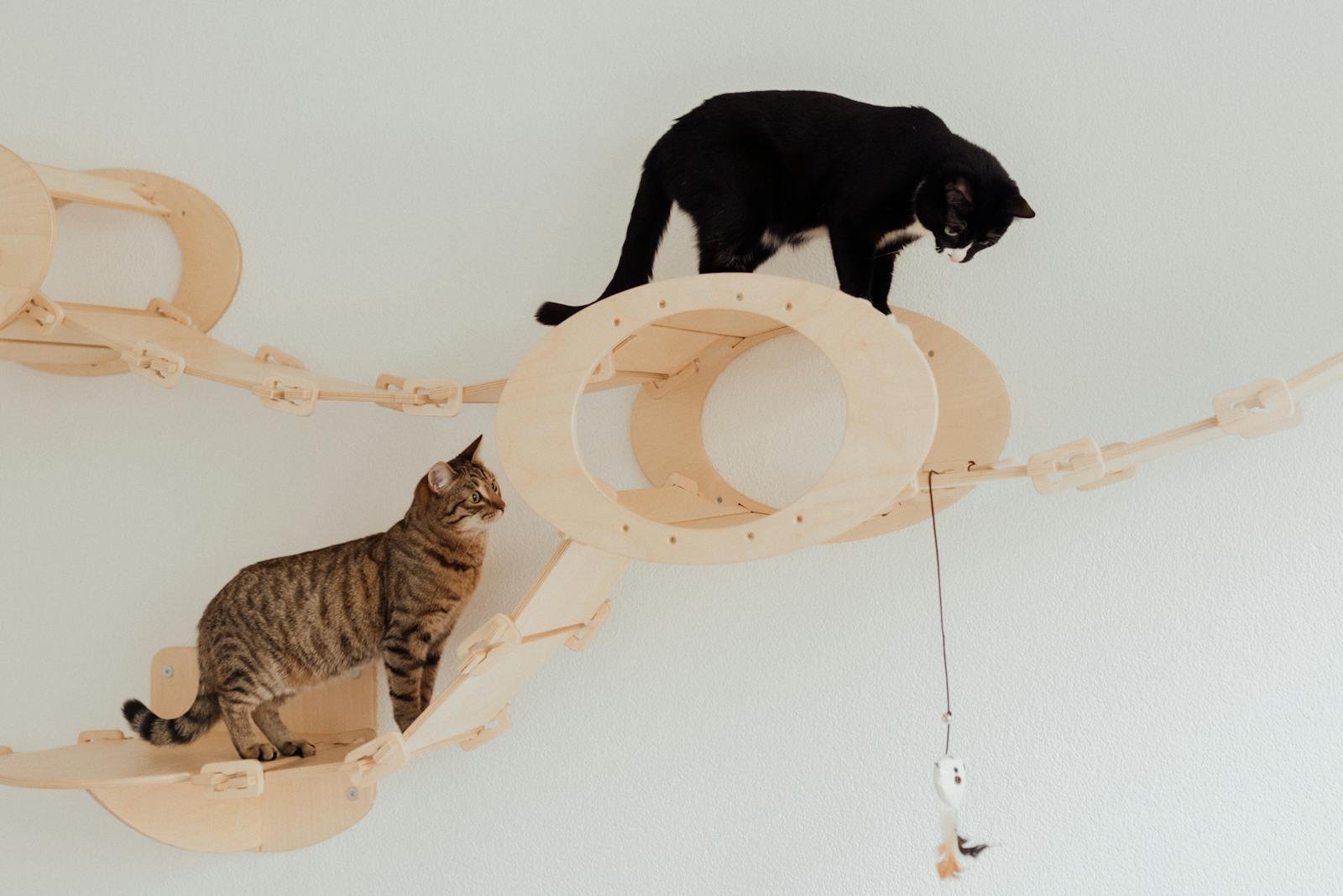
Playtime requires attention and exercise from your cat. This, in turn, creates feel-good hormones and boosts the connection between you two. DeVoss says playing and enrichment gives cats an outlet for their natural behaviors, such as hunting, climbing, scratching, and foraging. Allowing cats to satisfy these primal needs only deepens their love for you.
Studies have shown that when cats were presented with food, toys and catnip, they preferred human interaction the most so it is important to take 10 minutes out every day to spend quality time with your kitty and you will be elevated to the position of favourite in no time.
Interactive play taps into your cat's deepest instincts. When you engage their hunting drive with a feather wand or laser pointer, you're speaking their primal language. This creates positive associations that go far beyond simple entertainment – you become the provider of their most fundamental psychological needs.
Building Trust Through Gentle Touch
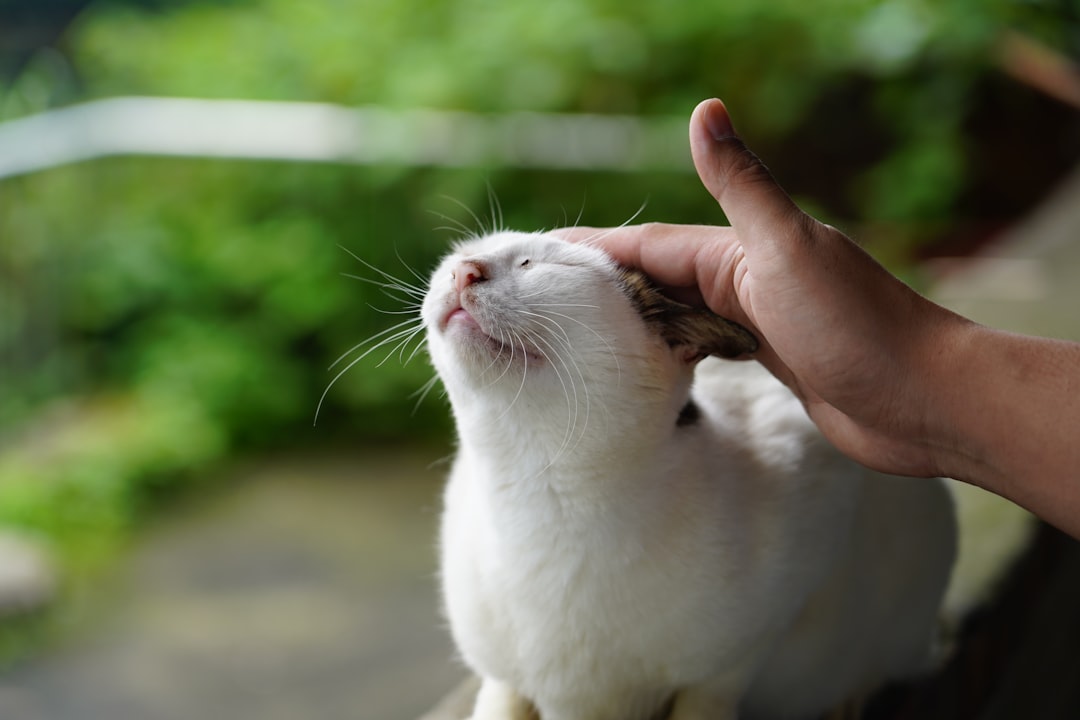
If your cat enjoys physical touch, DeVoss says to mindfully pet or scratch them in their favorite areas, such as around their ears, chin, and cheeks. Keep petting sessions short and be aware of your cat's body language, like if they lean into your hand, to see if they want more or had enough. Lastly, only pick them up if they ask for it (and always do it correctly!)
Pet your cat often. Handling a cat more, including pets, scratches, and hugs can help them feel safe and secure. They will naturally want to spend time with the person who pets and scratches them the most!
Physical affection with cats requires reading subtle cues. Some cats melt under gentle chin scratches, while others prefer minimal physical contact. The key is learning your individual cat's preferences and never forcing interaction. When you respect their physical boundaries while offering gentle, welcome touch, you build a foundation of trust that can last a lifetime.
Creating a Safe Haven Environment
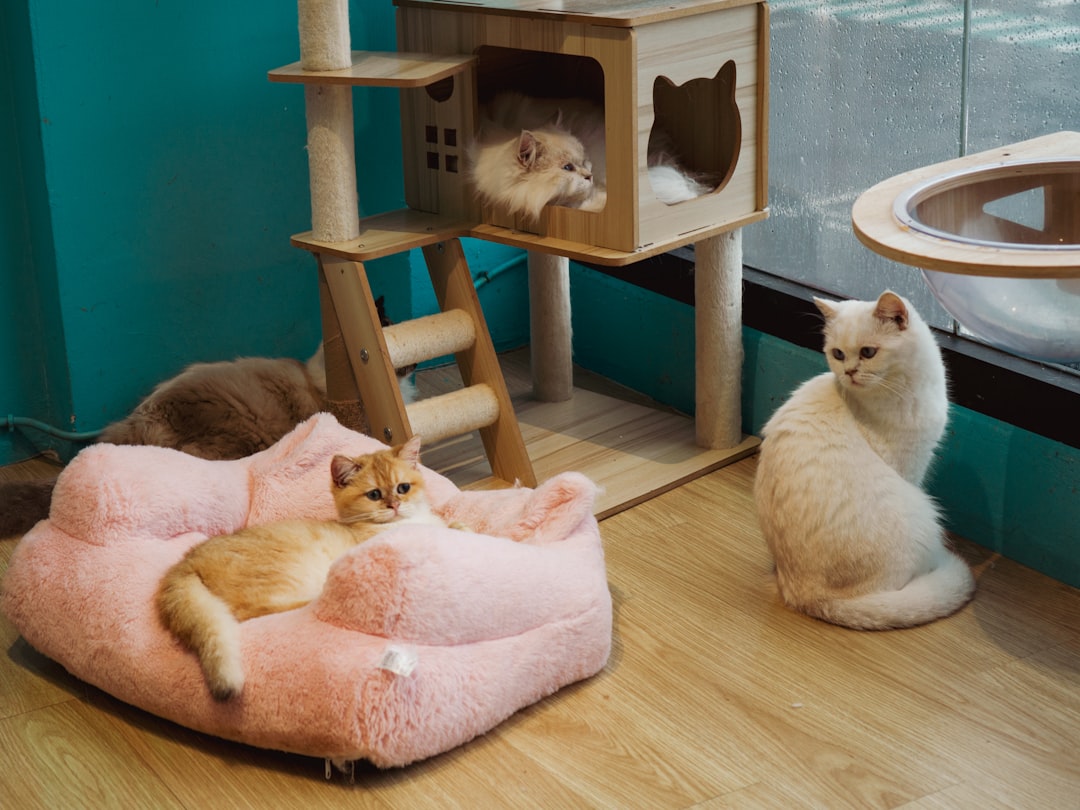
Offering a safe, comfortable environment is a critical first step. Make sure your cat has plenty of food and water, a warm place to sleep, toys, scratching posts, and any other items they like.
Cats are naturally nervous and very cautious creatures who will be afraid of noisy humans and see them as a threat until proven otherwise. There are particular behaviours and characteristics that make humans less appealing to cats that must be taken into account in your quest for feline friendship. This will distress and frighten them and is probably why cats may avoid young, unpredictable children and instead prefer the company of older people. If your cat sees you as a source of safety rather than a disruption you will likely gain your cat's trust and affection.
Environmental stability matters enormously to cats. They're naturally cautious creatures who need to feel secure before they can form deep bonds. By creating a calm, predictable environment where they feel safe, you position yourself as a protector rather than a potential threat.
Conclusion: The Journey to Becoming The Chosen One
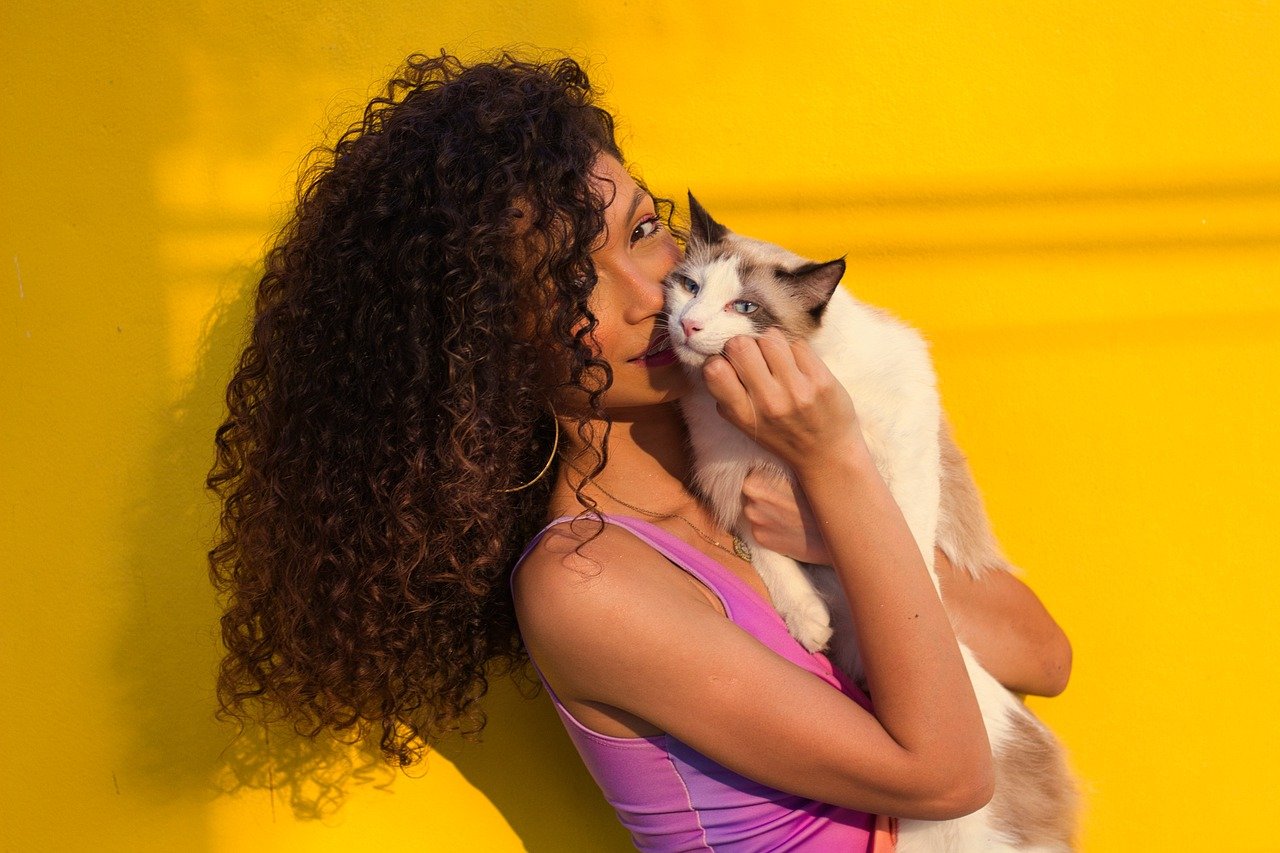
Becoming your cat's favorite person is all about understanding, respect, and patience. From learning their body language to feeding on a regular schedule, these little actions can make a big difference. Take the time to understand their needs, play with them, and offer affection on their terms. Soon enough, you'll find yourself on the receiving end of those precious cat cuddles and purrs. It's a rewarding journey - one slow blink at a time.
The path to earning a cat's deepest affection isn't about grand gestures or expensive toys. It's built through countless small moments of understanding, respect, and genuine care. When you learn to speak their language, honor their boundaries, and provide consistent love without overwhelming them, you create the foundation for one of the most rewarding relationships possible.
Remember that every cat is an individual with their own personality, preferences, and history. What works for one might not work for another, but the fundamental principles remain the same: patience, respect, and authentic care will always be your best tools in winning a feline heart.
What do you think about the remarkable emotional depth of cats? Have you experienced being chosen by a cat, or are you working on earning that special status? Tell us about your journey in the comments.