7 Subtle Ways Cats Say "I Trust You" Without Words
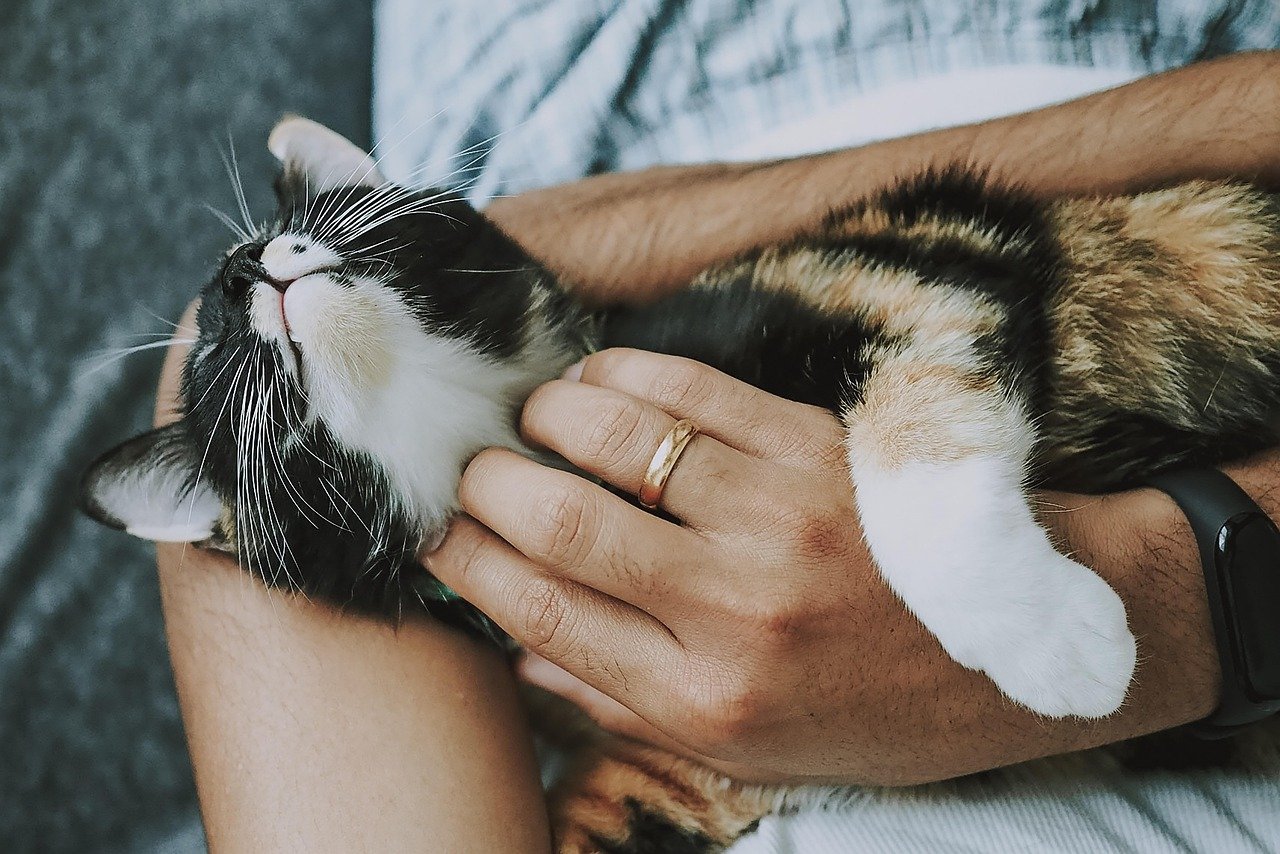
Cats might seem mysterious and aloof, yet they're constantly communicating with us through an intricate language of silent gestures and behaviors. Unlike dogs who wear their emotions on their sleeves, felines express trust through nuanced body language that many pet owners completely miss.
These subtle trust signals reveal the deep emotional bond your cat shares with you. Once you understand their silent vocabulary, you'll discover just how much your feline companion truly values your relationship.
The Slow Blink Kiss of Affection
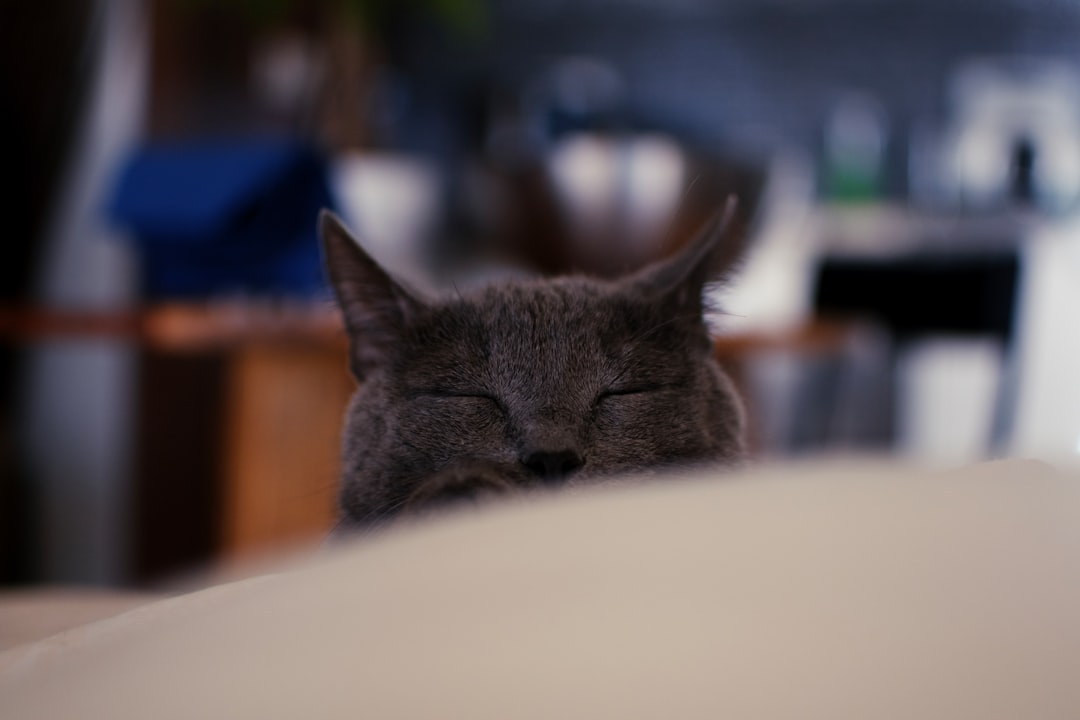
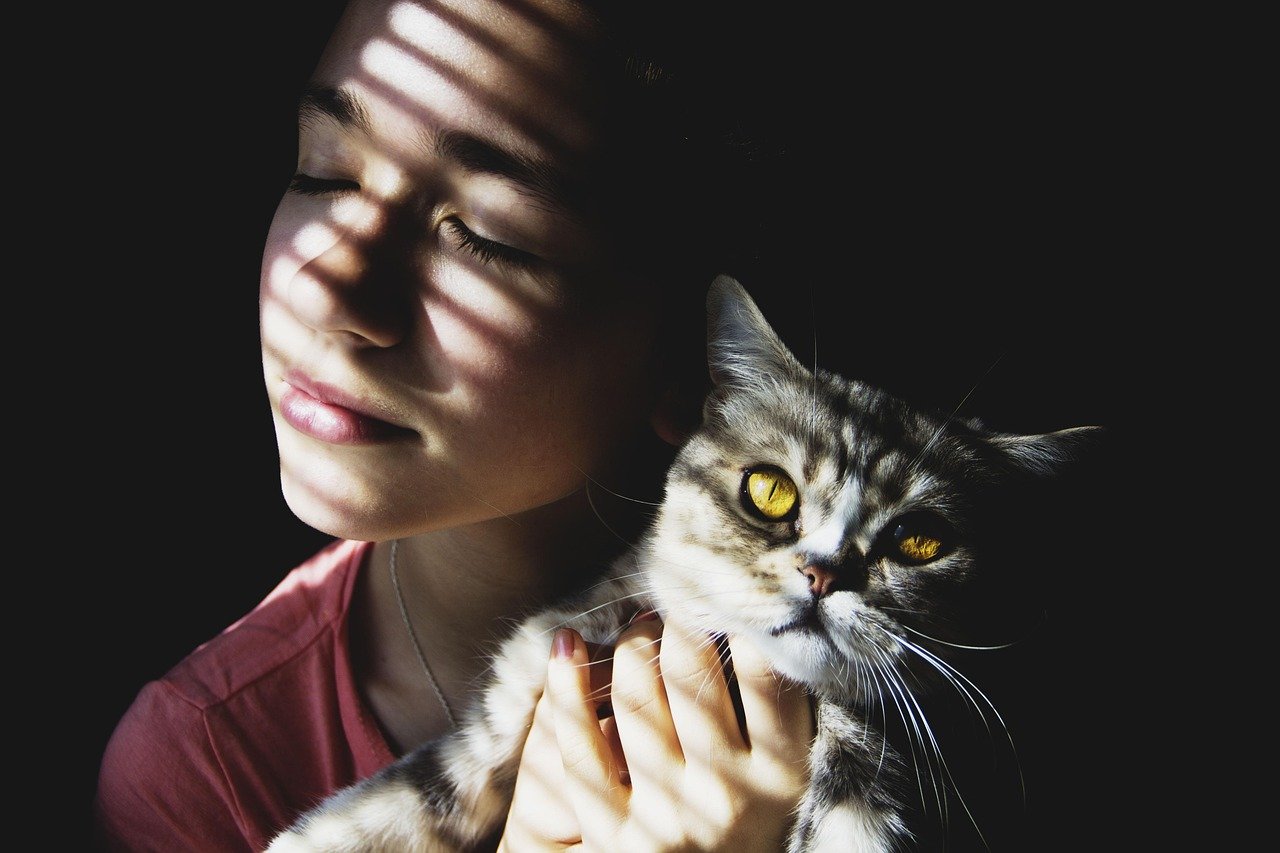
When your cat looks directly at you and slowly closes and opens their eyes, they're sending you the feline equivalent of a kiss. This deliberate slow blinking translates roughly to "I love and trust you" in cat language. This behavior indicates they trust and feel completely safe in your presence.
You can actually communicate back using the same language by looking at your cat and slowly blinking. Many cats will respond with slow blinks of their own, creating a kind of loving "conversation" through eye contact. By blinking slowly, cats signal that they feel safe and comfortable, and you can reciprocate to communicate trust and appreciation.
Exposing Their Most Vulnerable Belly
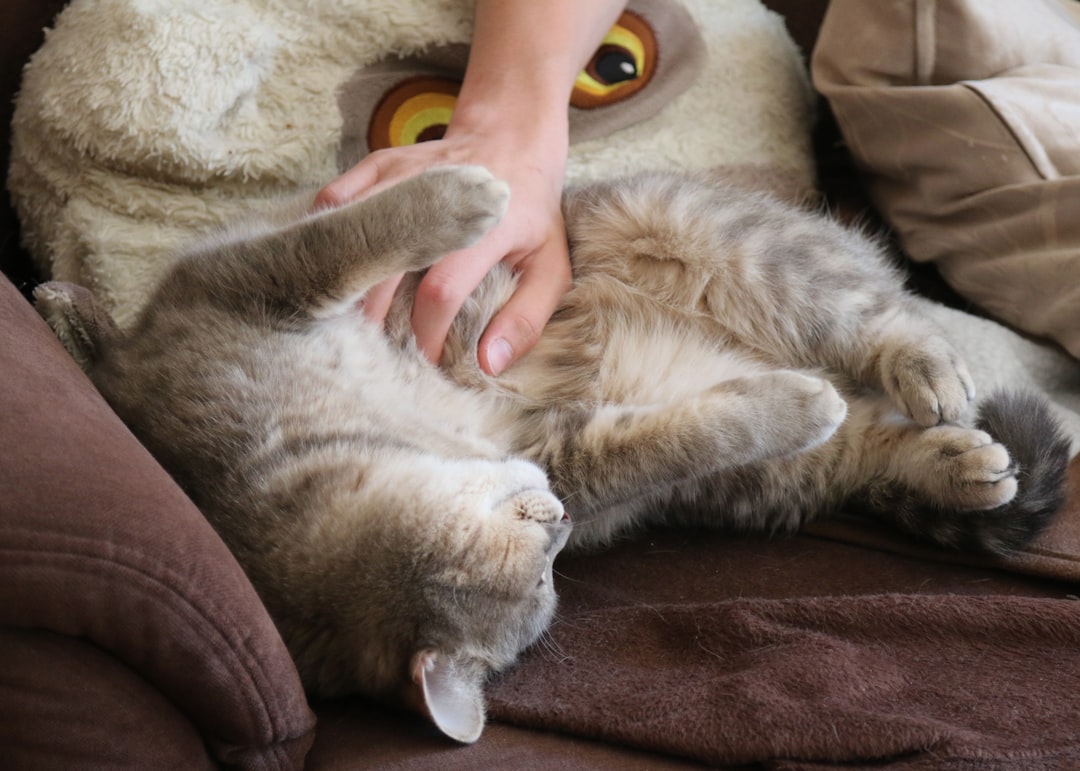
If your cat shows their belly, it probably means they feel safe, though this is not necessarily an invitation for a belly rub. When cats sprawl on their back with their belly fully exposed, you're witnessing a sign of strong trust and comfort. This "belly up" position is one of the most vulnerable postures a cat can adopt, as exposing the stomach could be risky in the wild since it leaves their vital organs unprotected.
The belly is a vulnerable area, and when cats show it to you, they're implicitly saying "I trust you and feel safe in your presence." However, it's crucial to respect a cat's boundaries and avoid approaching their belly unless explicitly invited to do so. The exposed belly is a sign of comfort and trust, but it is not necessarily an invitation for a belly rub. Many people have touched a cat's stomach only to have the cat instantly seize up, latching onto their hand with claws and teeth.
Grooming and Kneading Behaviors Near You
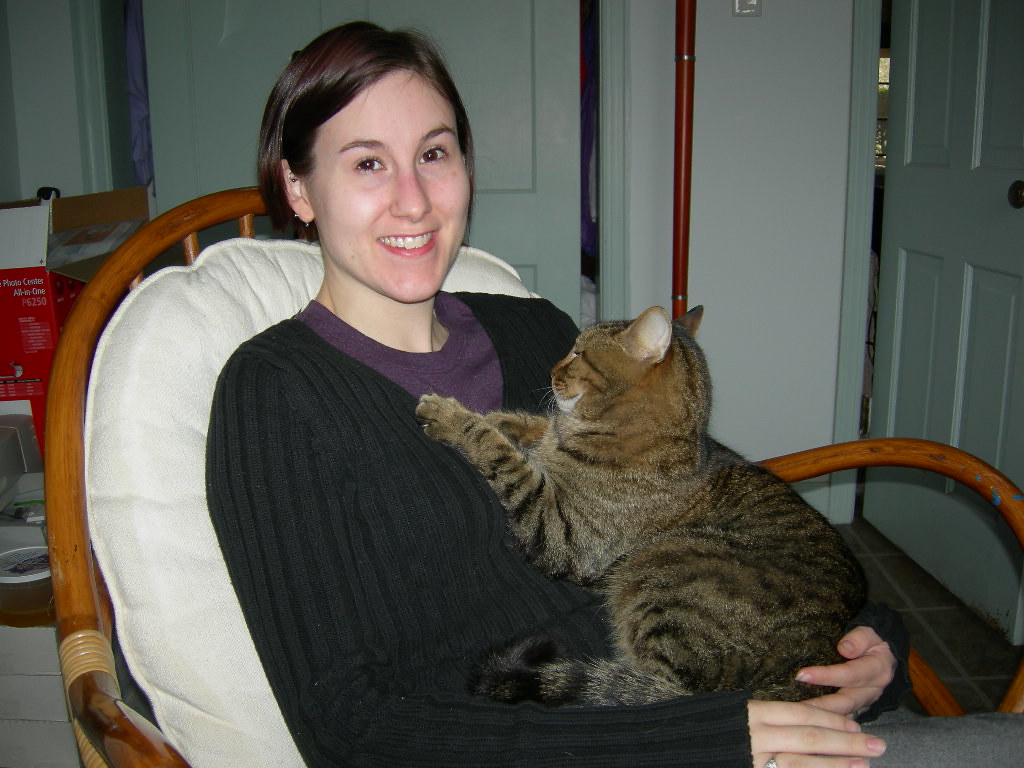
A happy cat might cuddle up next to you or knead you with their paws. Cats usually knead when they're feeling relaxed and nostalgic, remembering when they were kittens nursing from their mom. So when they knead you, it's a sweet sign that they think you're their special someone.
Kneading, or "making bread," is a rhythmic paw movement that indicates happiness or contentment. It originates from kittenhood, where kittens knead to stimulate milk flow during nursing. Other behaviors that indicate bonding include following you around your home or trying to groom you. When cats attempt to lick your hair or skin, they're treating you like a fellow cat family member.
Choosing to Sleep Close to You
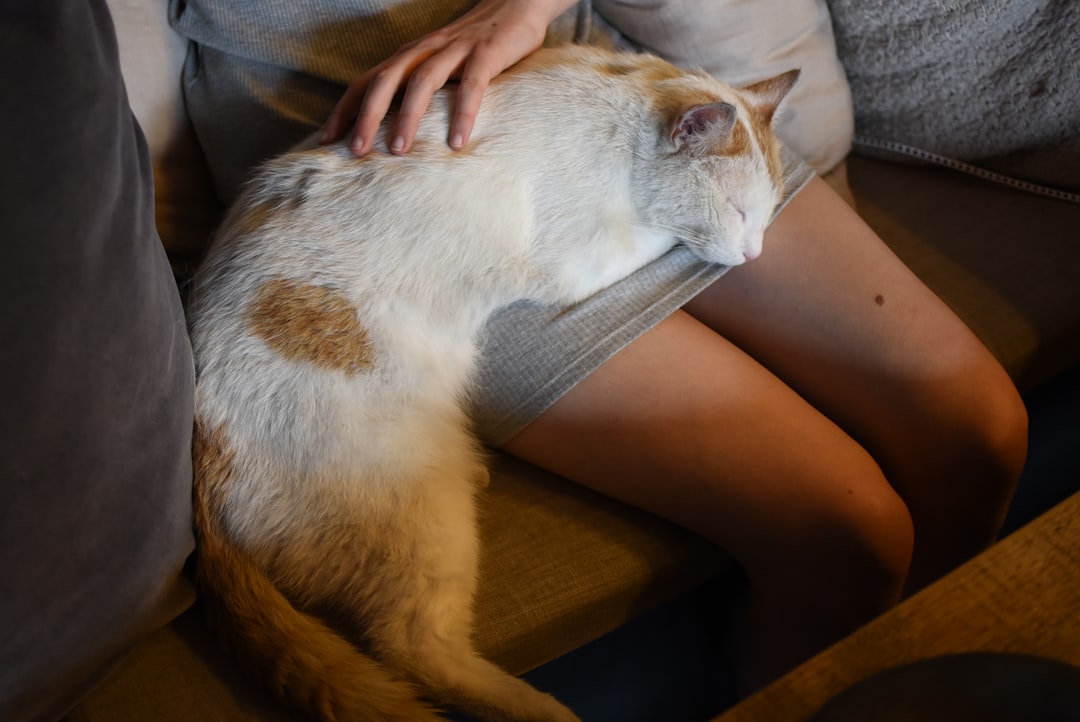
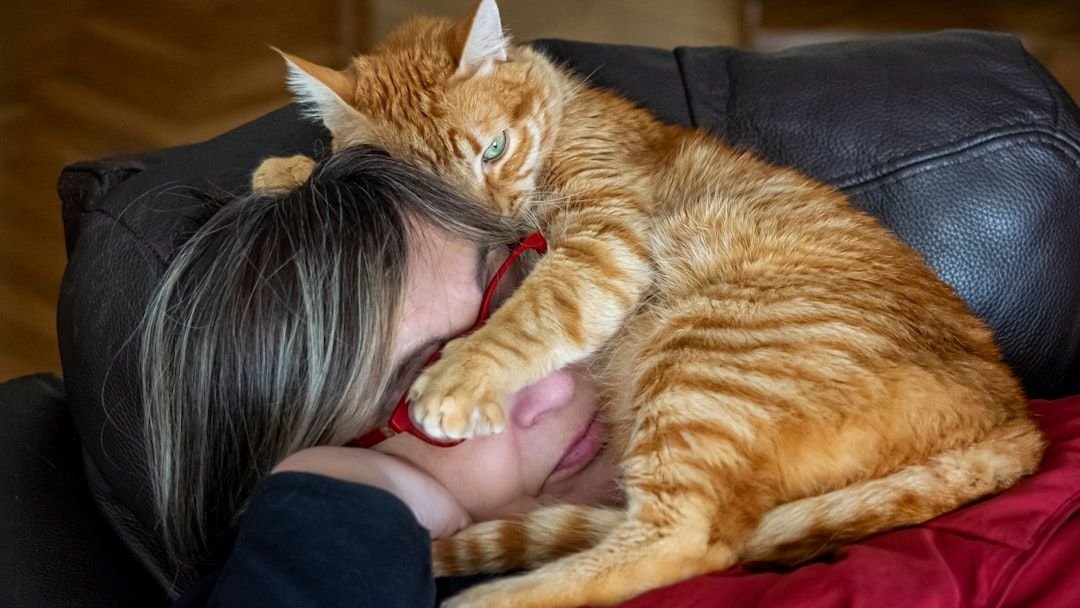
If your cat chooses to sleep directly on your chest, it's one of the strongest indicators of trust and affection. Cats have a unique way of showing their affection and trust through their sleeping positions. Whether they curl up next to you, nestle at your feet, or even rest on your chest, each position has a special meaning and offers insight into your cat's feelings towards you.
If your cat enjoys sleeping right next to you, it indicates that they trust you. This is especially valid if they sleep with their back leaning on you, showing that your cat is looking for your presence and feels comfortable and safe around you. Cats who sleep on you or at your feet are expressing attachment, warmth-seeking, and bonding behavior. Even sleeping nearby demonstrates tremendous trust, as cats are vulnerable during sleep and only choose safe locations.
Relaxed Body Language and Posture
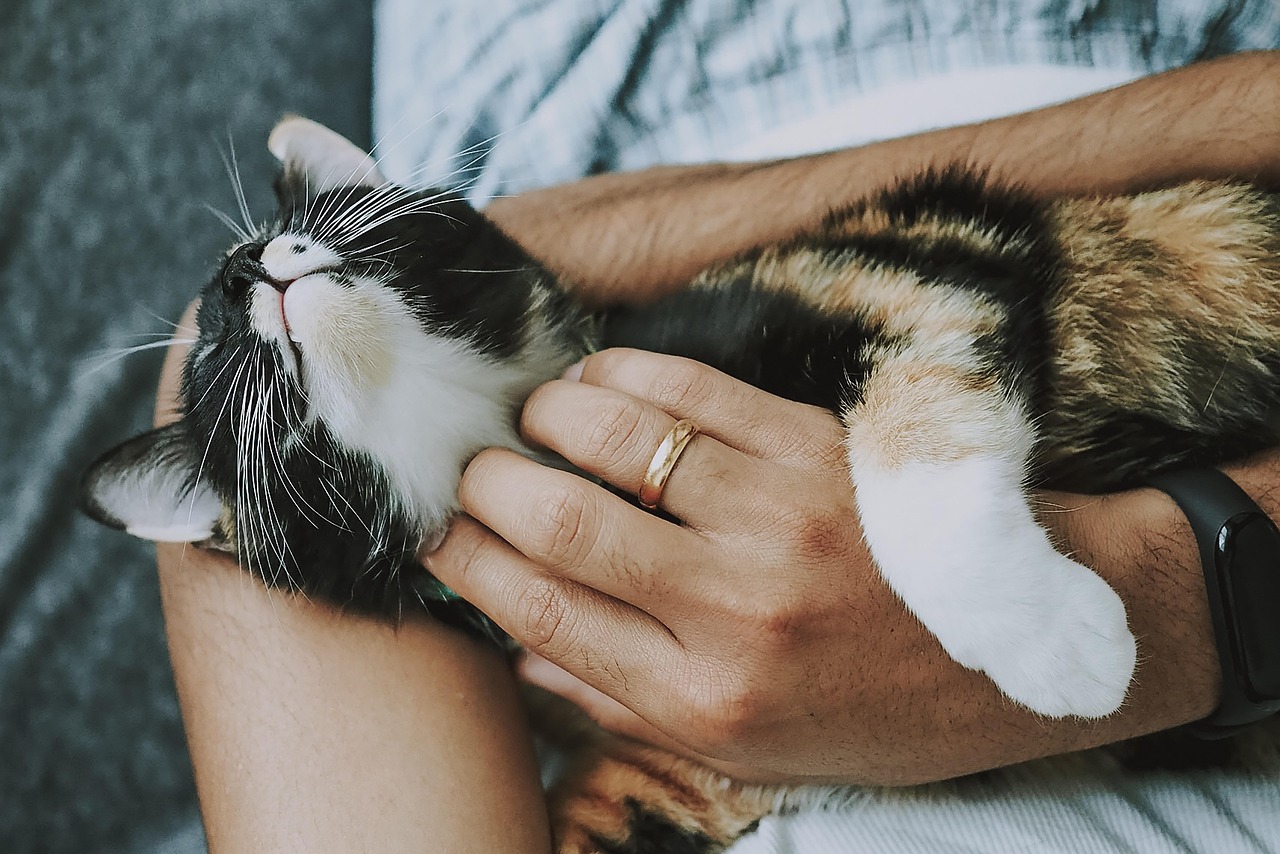
A cat that feels safe and secure will typically lie down in a relaxed, sprawled position. Their body will be loose, with no signs of tension in their muscles. This is the ultimate "I trust you" position. Relaxed cats may be laying on their sides or with their paws tucked, their eyes may be softly blinking, and their ears and whiskers will be forward but not 'on alert.'
Content cats display loose, relaxed body language. Picture a cat stretching out in a sunny spot: muscles soft, movements fluid, posture open. If your cat is an avid side sleeper, then this means that they really do trust and feel comfortable around you, as this is one of the cat sleeping positions that leaves your feline friend most vulnerable. Watch for cats that stretch languidly, showing they feel completely at ease in your presence.
Upright Tail with Gentle Curve
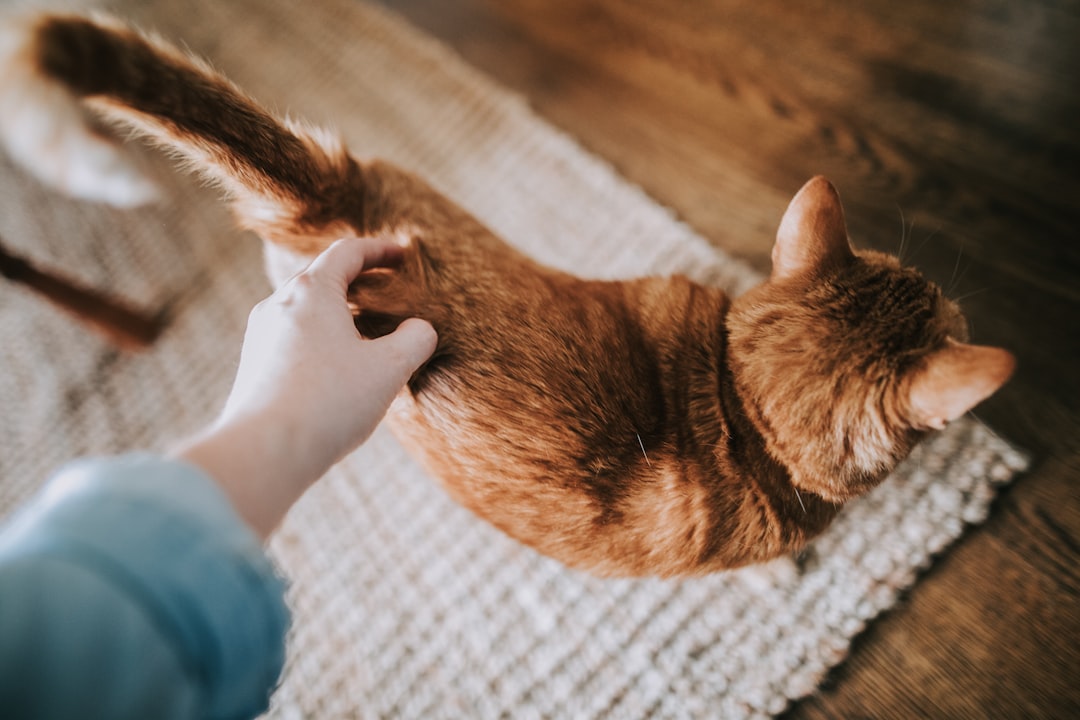
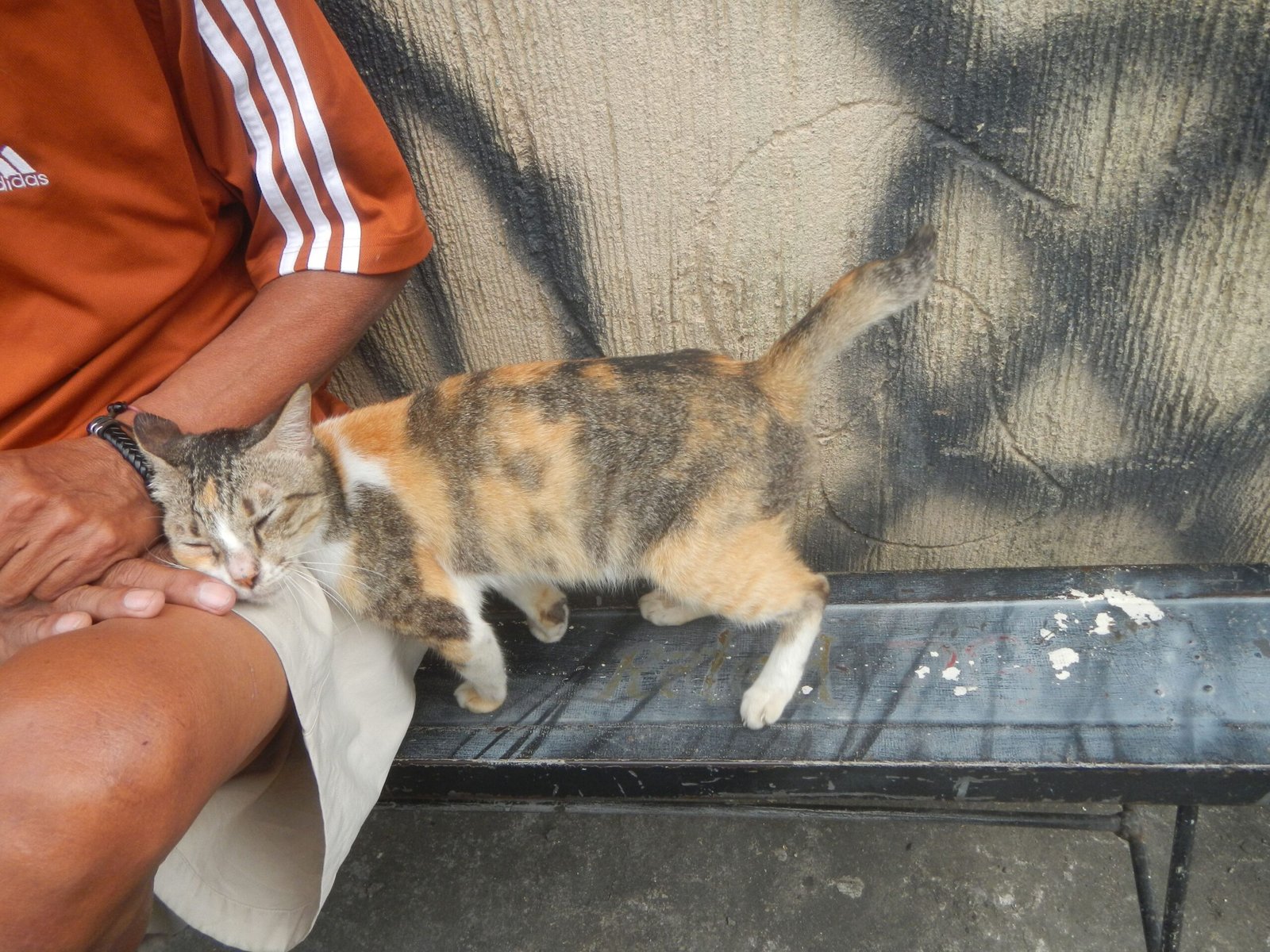
A tail held upright is a sign of confidence, friendliness, and curiosity. When your cat greets you with a tail held high, it's a good sign they're happy to see you. Happy cats hold tails high with a slight curve at the tip, like a question mark.
You might notice your cat weaving between your legs, its tail straight up with a slight curve at the tip. This classic "question mark" tail often signals a happy, greeting cat. A tail that is pointed straight up with a curl at the tip is a reliable sign that a cat is happy and confident. This distinctive tail position shows your cat approaches you with joy and anticipation, treating you as a welcomed presence rather than a potential threat.
Purring and Gentle Vocalizations
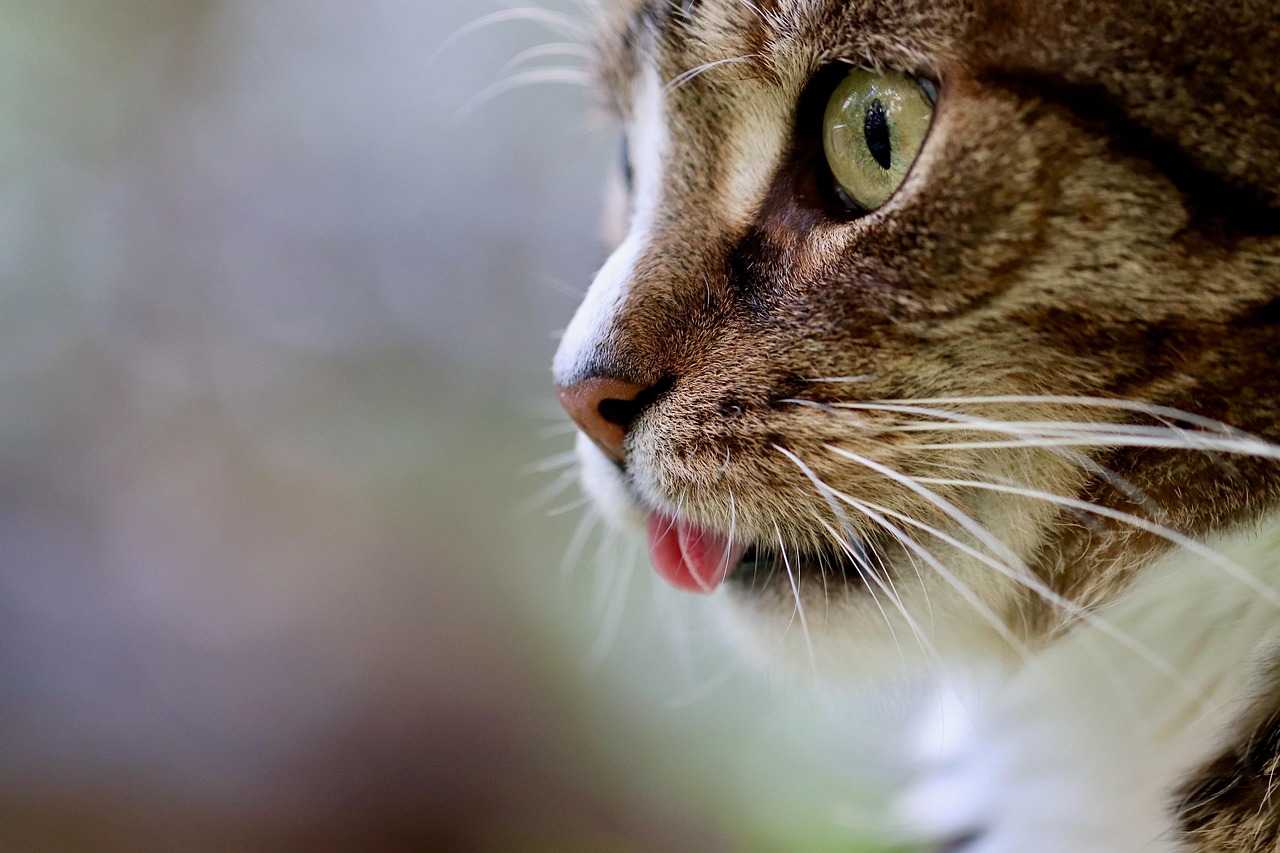
The purr you hear when your cat is curled up on your lap, purring softly as they nap, typically signals happiness and relaxation. Their body language will also be relaxed, with no tension in their muscles. When your cat jumps up beside you, emitting a soft "trill," this charming sound is often a friendly greeting or request for attention.
Cats purr when they are happy, but they may also purr when feeling unwell or stressed. Some cats who have spent a lot of time on the defense may not purr, but it does not necessarily mean they're not happy. Look for other cues of happiness, such as semi-closed eyes and relaxed whiskers. Purring, meowing or occasional chirps also signal happiness. The context matters tremendously when interpreting purring as a trust signal.
Conclusion
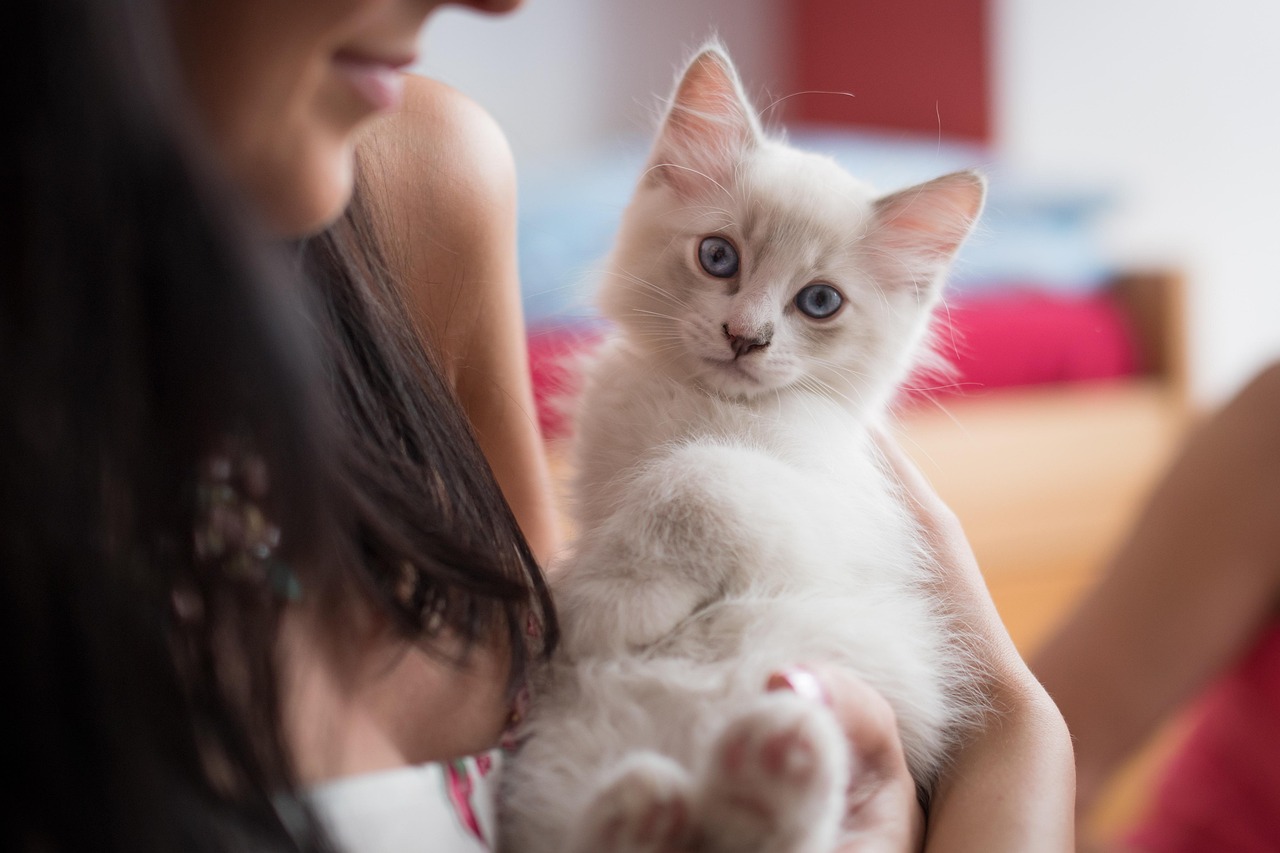
Understanding your cat's subtle trust signals transforms your relationship from guesswork to genuine communication. Mastering cat body language changes everything. Instead of guessing whether your cat wants attention or space, you'll know. These seven behaviors represent your cat's highest compliment: complete faith in your character and intentions.
By paying attention to your cat's body language, vocalizations, and actions, you can learn to decode their silent language and better understand their needs. By being attuned to their communication, you can create a stronger, more fulfilling bond with your feline friend, making life together that much richer. What subtle trust signals have you noticed from your own feline companion? Share your observations in the comments below.